Home / Service Areas / Mint Hill
Commercial Roofing in Mint Hill, NC
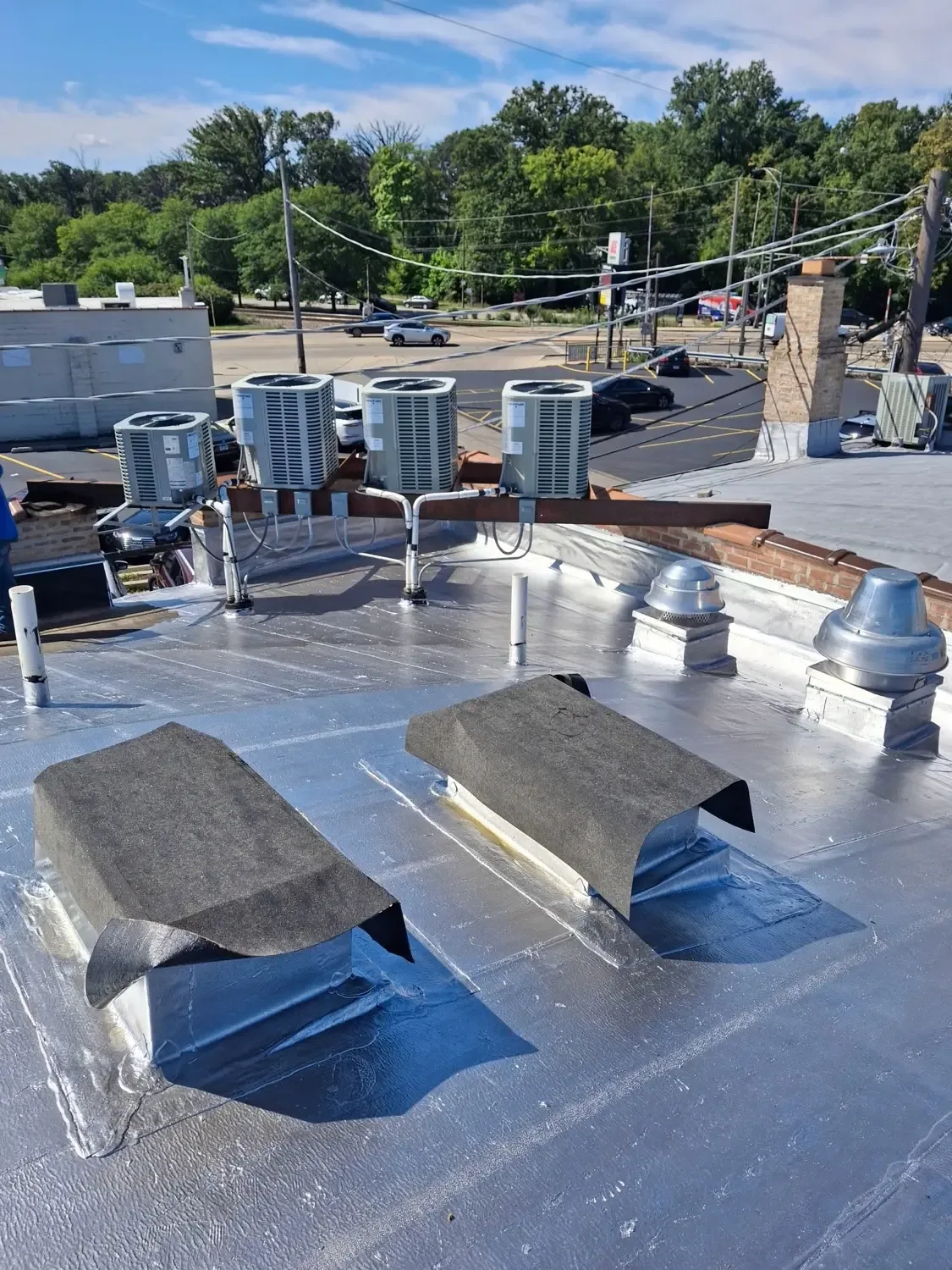
Commercial roof work in Mint Hill, NC starts with the leak path, occupied rooms, roof access, and a repair boundary tied to the inspected assembly.
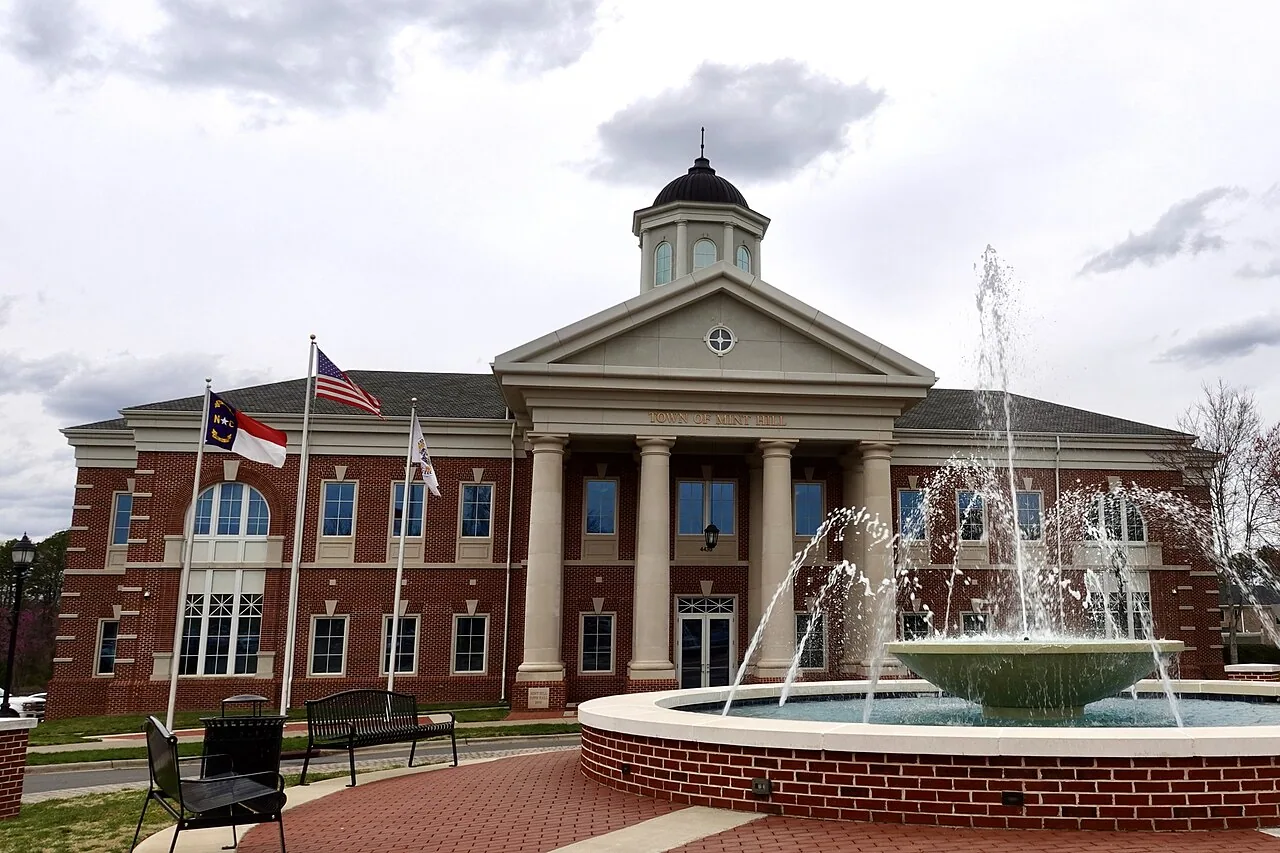
A classroom closure can rearrange a full day before anyone knows where the water entered. In Mint Hill, NC, we protect the affected room, find the roof detail above it, and set the work boundary from what we can inspect. The town has public and charter school buildings and a Charlotte Mecklenburg Library branch. Those uses bring occupied-space questions, while each property's roof and access remain specific. We ask which rooms must stay in use, when people need notice, and what route lets the crew reach the affected section safely.
I-485 passes through eastern Mint Hill. NC 51 crosses the center, while NC 24 and NC 27 follow the northern border. We repair, inspect, replace, recover, coat, and maintain commercial low-slope and metal roofs. A focused inspection connects the indoor symptom with the seam, curb, drain, edge, or wall transition that may need correction.
Protect the rooms below
Before opening the roof, we cover the room and agree on how staff or tenants will move around the work. A ceiling stain can spread after rain, so the owner identifies the items and spaces that cannot get wet. We check whether the interior needs a temporary barrier, whether a ceiling tile should be removed for inspection, and who can approve access.
At a school building or library branch, hours and public access can shape the work window. We confirm which entrances remain open and where notice is needed. If an active leak interrupts daily use, a temporary cover can protect the room while the permanent correction is scheduled. A roof emergency response begins with the affected space and safe access, then documents what has been secured and what still needs repair. That gives the building contact a clear handoff after the visit.
Map the failed detail
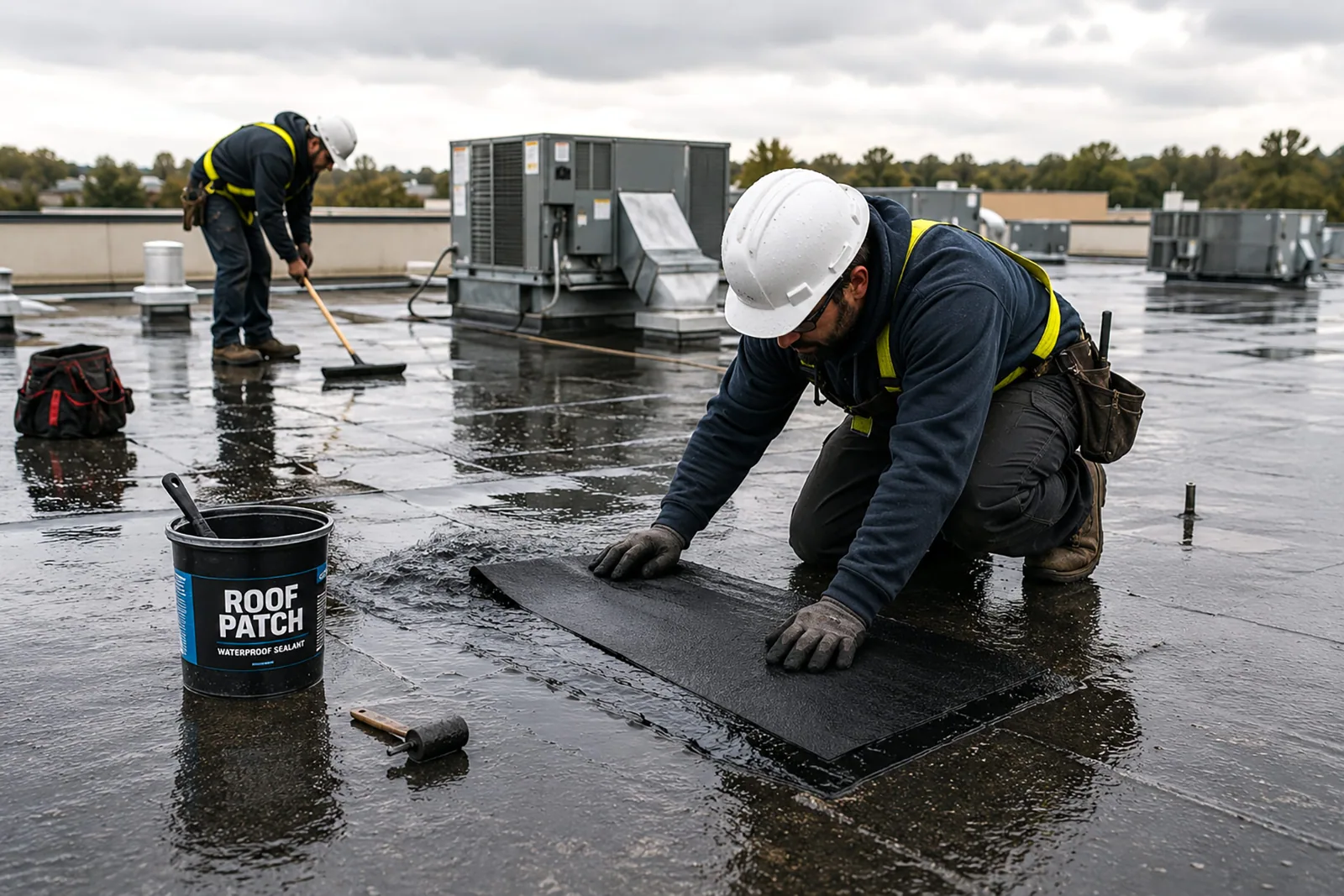
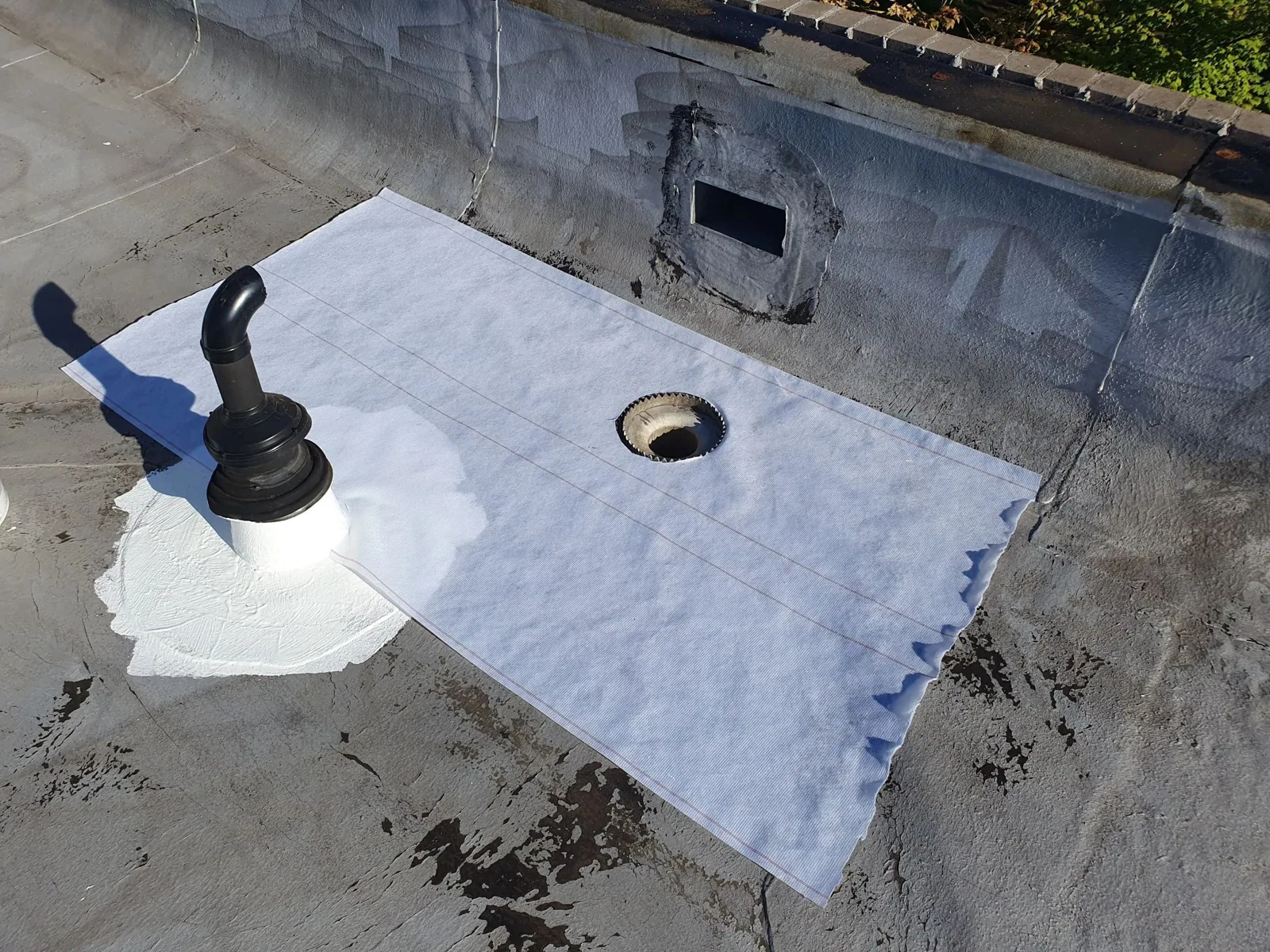
Roof water can travel along a seam, under insulation, or across a deck before it appears inside. We compare the room location with the roof layout, then examine penetrations, wall flashings, edges, and drains near the likely path. A loose lap, open curb corner, or failed sealant joint can admit water; wet material nearby can extend the repair. We check earlier patches too. A new surface layer should not conceal an unresolved connection or an opening that shifts water to the next room.
NC 51 runs through central Mint Hill, and I-485 crosses its eastern side. Those references can help a facilities contact coordinate arrival, but the roof survey happens at the actual property. We photograph the membrane and detail, note safe walk paths, and identify any area where a confirmation opening would change the scope. A moisture survey can help locate suspect areas across a broad roof. We pair that reading with an inspection of the assembly before deciding what needs removal.
Choose the smallest sound scope
A repair remains a good option when the failure has a clear edge and the nearby membrane is sound. If the insulation is wet, seams are releasing in several places, or old patches overlap, we look farther before calling the issue isolated. We explain what needs to be removed, which existing material can stay, and how the tie-in will meet the roof that remains.
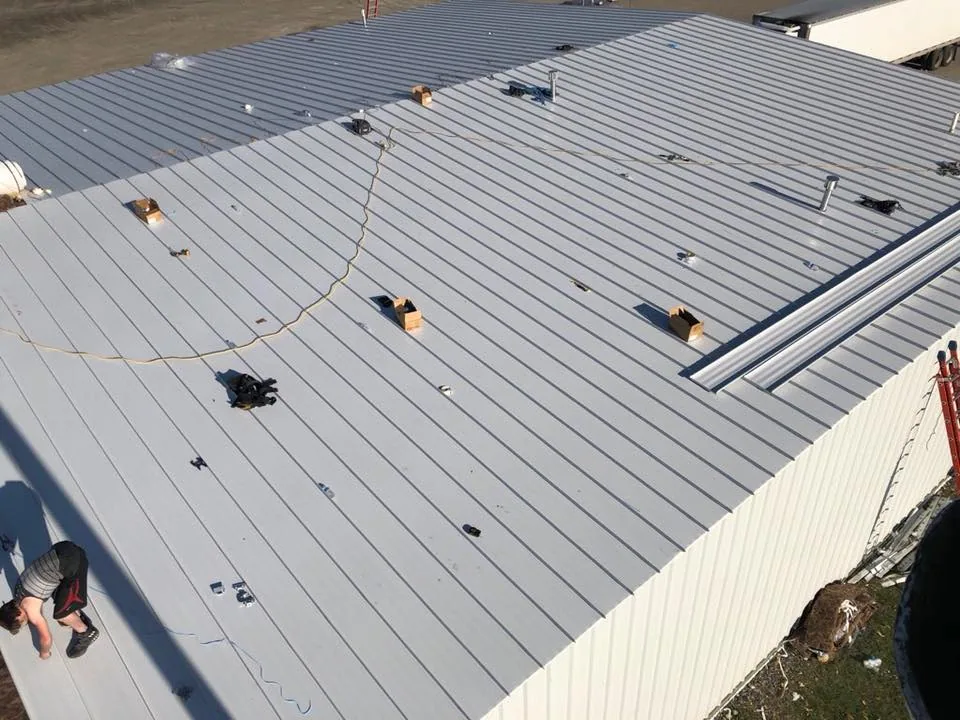
When the assembly calls for more, a recover or replacement can be compared with repair. A recover may retain sound layers if drainage, deck, and code requirements allow. A replacement can address a wider system but requires removal, inspection of exposed layers, and protection between work periods. We lay out a repair approach beside a replacement plan when both fit the observed facts. Owners can then judge the work against the roof condition and the room's operating needs.
Restore the water route
Drainage needs to carry water from the field to an outlet without leaving a weak transition behind. We inspect the bowl, strainer, membrane, and connections around a drain or scupper. At the perimeter, we check edge metal and wall terminations for openings that can admit runoff. A clogged inlet needs clearing; a broken connection needs a repair. The written scope separates those conditions so the owner can see what changes the flow and what protects the assembly.
Mint Hill's NC 24 and NC 27 border provides local orientation, while water movement is measured on the specific roof. We check whether an outlet can be accessed without disturbing equipment or stored materials. After correcting a drain, the tie-in should remain compatible with the roof surface and adjoining flashing. A drain and scupper service may be combined with perimeter flashing work when both details contribute to the same entry path. We document the area and recommend a follow-up check if water remained during the visit.
Coordinate staff and roof access
We confirm both contacts before scheduling. The visit plan identifies a hatch, ladder, key, fragile roof area, and any equipment that needs a service clearance. Indoors, the owner marks classrooms, office areas, or public counters that require notice or protection. Those facts shape the route and timing without turning an inspection into a building-wide shutdown.
For broader work, daily boundaries should be clear. We state where material is staged, which area is being opened, and how the exposed roof will close before a shift ends. If another trade needs the curb or conduit, we coordinate the sequence before flashing is rebuilt. A reroof plan for occupied space can divide work into manageable sections when roof conditions support phasing. The contact gets a record of progress, temporary protection, and the next step, not a vague promise that operations will never be affected.
Match the roof system
We identify the installed system before selecting a patch or flashing. TPO, PVC, EPDM, modified bitumen, built-up, metal, and coatings each rely on different preparation and attachment. Neither choice fixes saturated insulation or a damaged deck. If an earlier repair uses a different material, we inspect the transition and decide whether it can support a compatible tie-in.
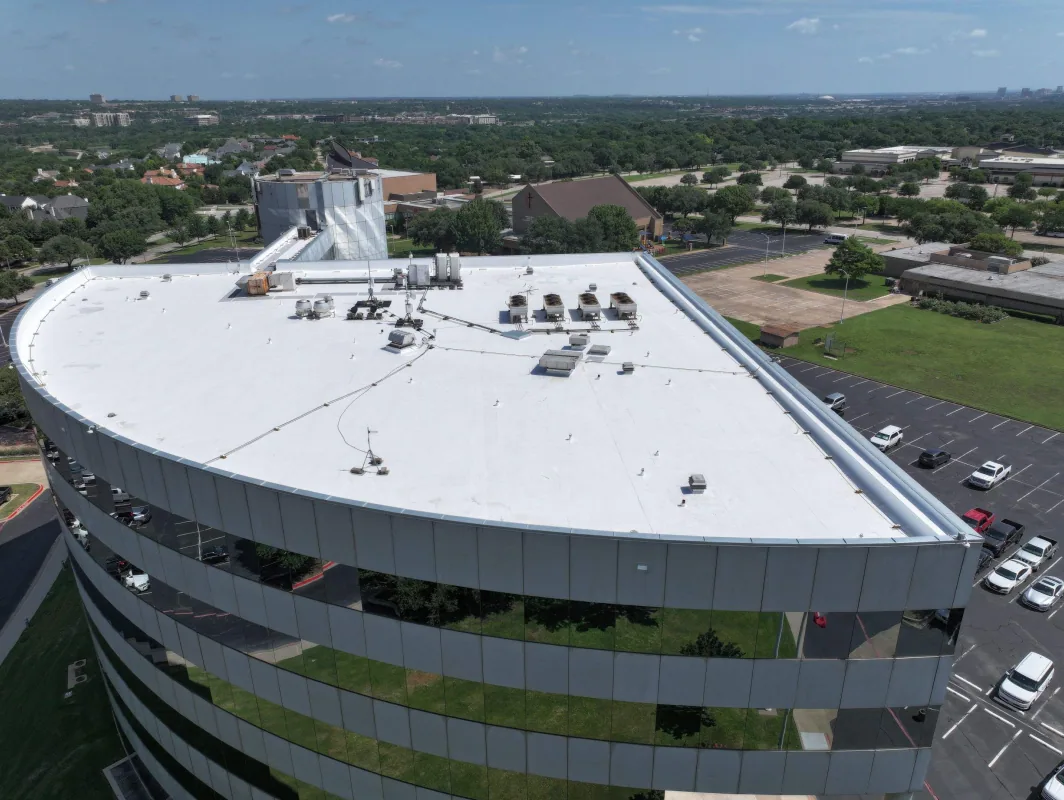
Coating can be considered when the surface is serviceable and the assembly is dry enough for restoration. It should not cover a failed seam or hide wet layers. For a membrane roof, a TPO repair detail must match the installed material and the conditions for welding. A coating restoration needs its own surface assessment.
Set up the visit
Before we arrive, identify the room with the stain, when it appeared, and what happened after rain. Share roof access instructions, previous repair notes, equipment restrictions, and any times when staff or visitors need a clear path. We still check the surface, trace the water route, and confirm whether concealed moisture changes the proposed boundary. If an opening or test is needed, we explain why before proceeding.
Call for emergency service if water is still coming inside. Tell us which room is affected, where the crew can enter, and what operation needs to continue. We can protect the area, then arrange permanent work when the roof and conditions allow. If your maintenance team also coordinates nearby properties, the access needs in commercial buildings in Matthews or Harrisburg may differ. This Mint Hill visit stays focused on the assembly and occupied space that need attention.
Commercial Roofing Questions
Should a repair opening go directly above a ceiling stain?
Not automatically. Water can move before reaching the room. We compare the stain with roof seams, penetrations, drains, and walls to locate the entry path.
Can a school or library stay open during roof repair?
We coordinate access, notice, and interior protection around the rooms and entrances that must remain available. The roof condition and work area determine whether phasing is practical.
When does wet insulation change the repair plan?
Wet insulation may need removal before the membrane is closed. We identify its extent and inspect the layers below when that finding changes the scope.
Can coating correct an open seam or drain problem?
No. A coating can restore a suitable surface, but failed seams, wet material, and poor drainage need their own correction first.
What should we send before a Mint Hill roof visit?
Provide the affected room, rain timing, roof access, earlier repairs, equipment clearances, and occupied hours. Those details help us plan a safe inspection.
Arrange a roof inspection
Tell us which space is affected, how people use it, and how the crew can reach the roof. We will inspect the relevant area and explain the repair boundary.