Home / Service Areas / Concord Parkway and Roberta Church Road
Commercial Roofing in Concord Parkway and Roberta Church Road, Concord, NC
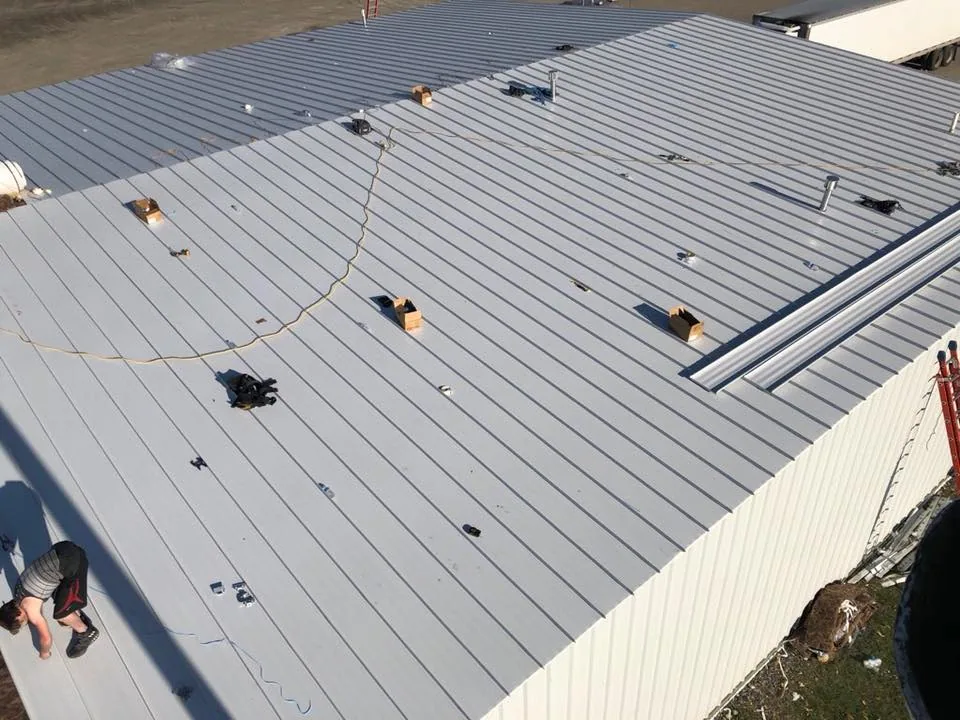
Roof inspections, repair and replacement planning for Concord Parkway and Roberta Church Road, with access and scope checked at the property.
A service door closed for roof staging can interrupt receiving before the first seam is repaired. We confirm the route, roof hatch and room below before setting an opening limit. Concord Parkway and Roberta Church Road sit within a Concord planning area identified as 780 acres near US 29 and Roberta Church Road. That describes a broad district, not one tenant or a particular roof assembly. We inspect the membrane, perimeter, drains and equipment transitions at the building involved. The proposal then separates confirmed work from any test opening that may be needed. A commercial roof inspection gives the owner a useful starting point for repair, recover or replacement decisions.
Map the work boundary
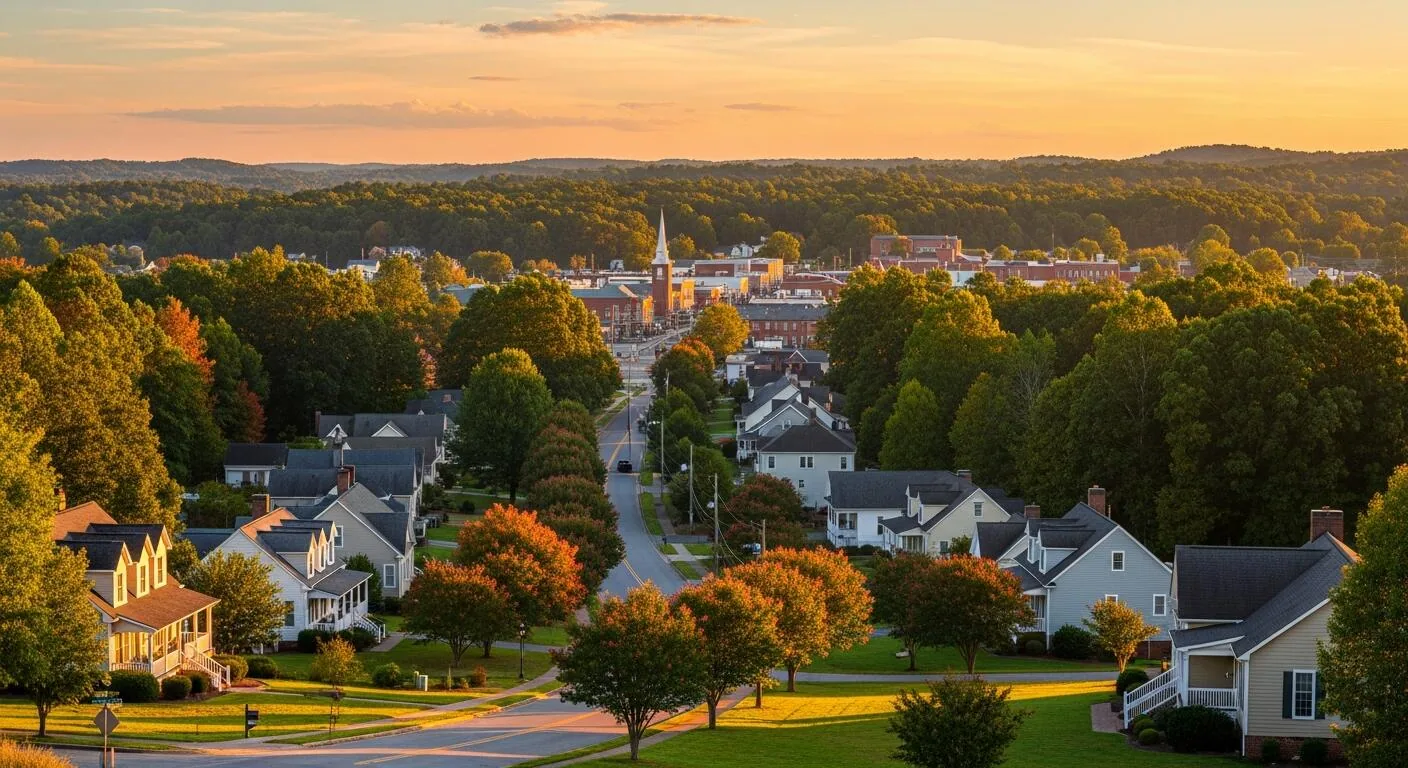
The planning area follows US 29 near Roberta Church Road. Its plan informed the George W. Liles Parkway extension, while an expanded study includes small-scale industrial land near Highway 49. Those planning facts help locate a broad part of Concord, but they do not show which entrance serves a building or where its roof access sits. We ask the property contact to identify receiving hours, lift access, pedestrian routes and any space that must remain open. A service location in the Weddington Road Corridor has its own access details; the same building-level check applies there. If work may affect a delivery route, we put the staging point and the protected area in the schedule before materials arrive. A route drawn from a public map is only context. The owner confirms the working path at the property.
Check the roof layers
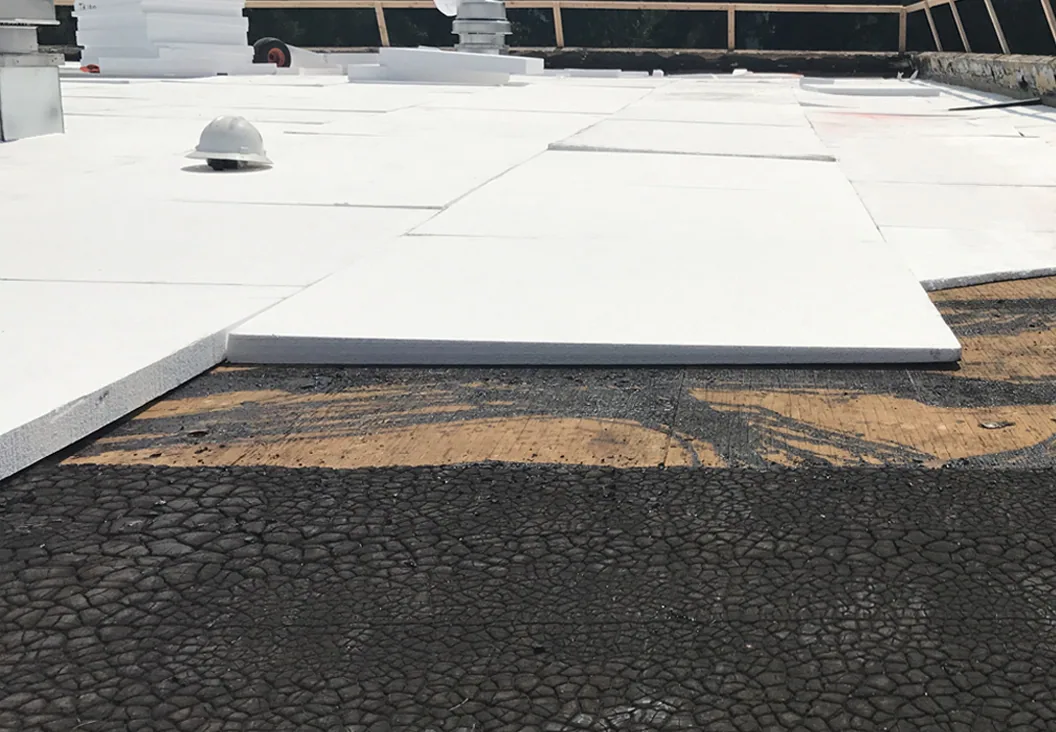
A patch can hide a split seam while moisture continues beneath the membrane. We inspect previous repairs, penetrations, wall flashings, edge metal and accessible drains around the reported area. Records can help identify TPO, EPDM, modified bitumen or metal, but visible transitions must support the system call. We note where the roof cannot be reached and what would need a test opening. Wet insulation, weak attachment or deteriorated decking can change the repair boundary. Insulation and cover-board work should be scoped with the membrane that protects it. If an owner has a roof drawing from a prior addition, we compare it with the installed layers instead of assuming the file describes every section. The resulting note identifies the inspected area, visible condition and next question, so a repair price follows evidence from this roof rather than a district label. If a test opening confirms dry insulation and sound decking, the repair can often reconnect to retained material within a defined area. If the substrate is wet or loose, we identify the layers to remove and how the new work will meet sound edges. That distinction affects disposal, fastening, temporary protection and how long the section stays open. The estimate should separate those decisions so the owner can review any concealed condition before approving an expanded scope.
Restore every roof opening
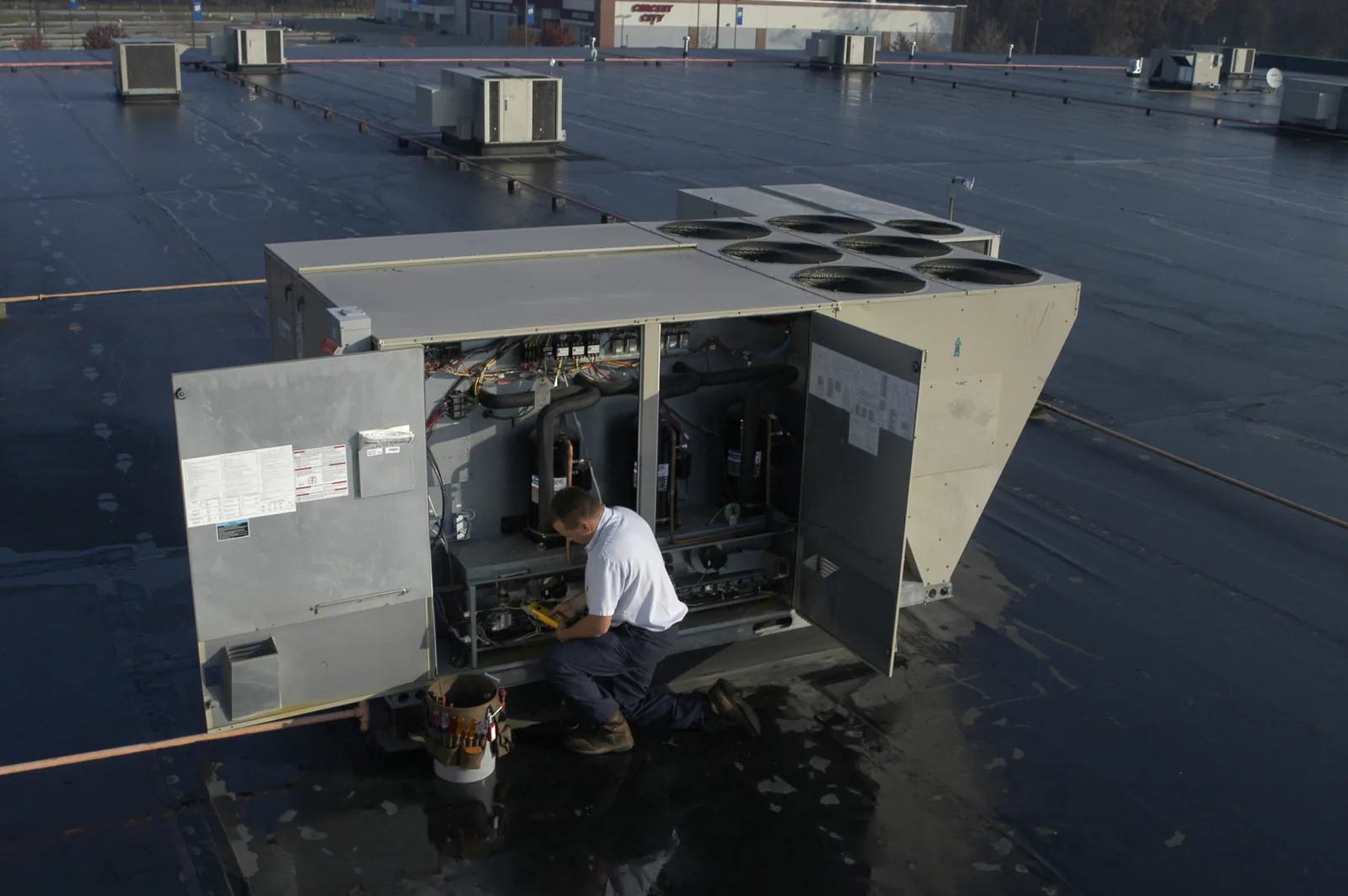
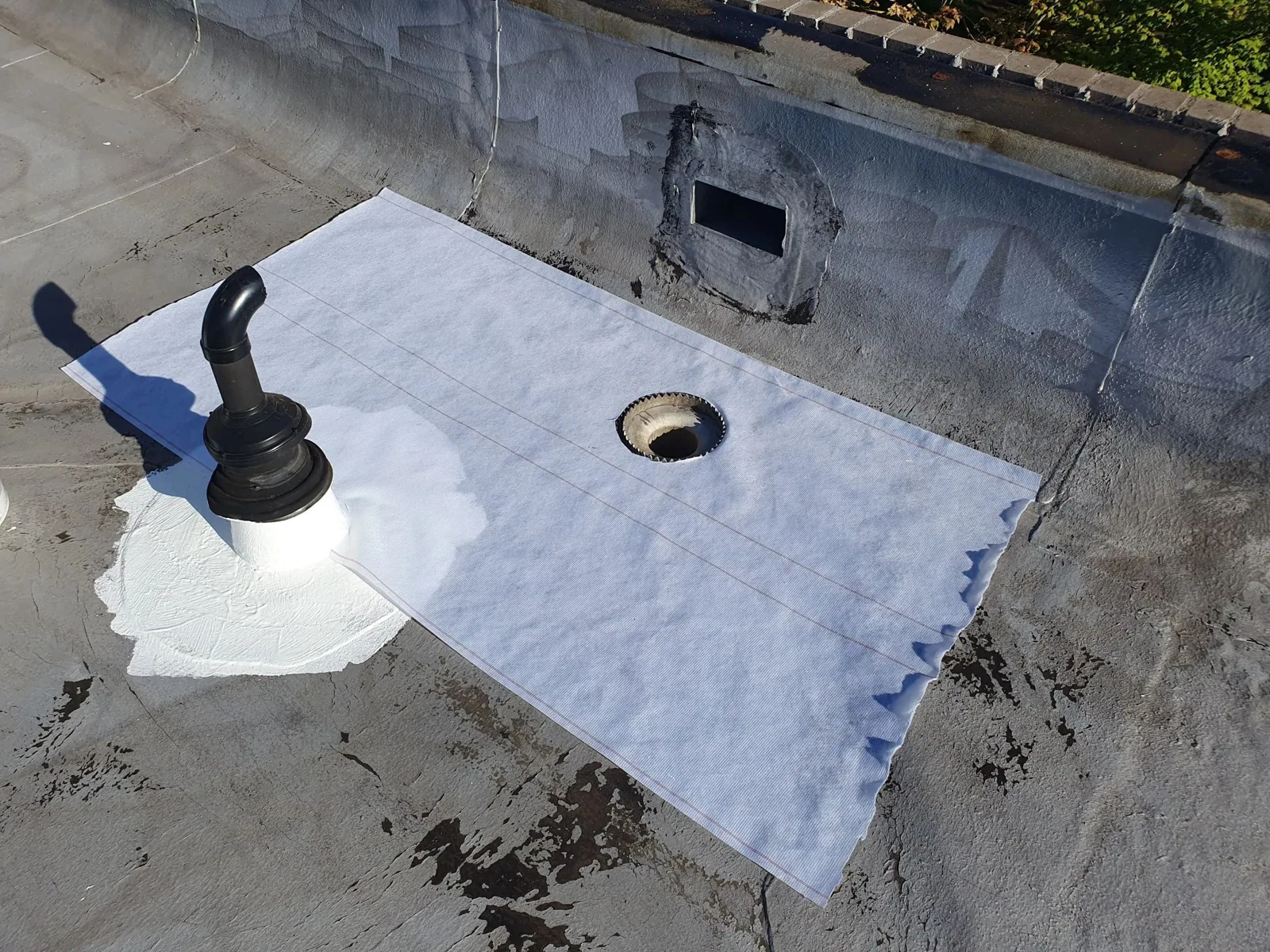
An equipment change can leave a curb connection open after the mechanical work is done. Before removal or installation, we identify which trade handles the curb, fasteners and final flashing. We check whether the existing support remains stable and whether the membrane can be tied into sound material. If the equipment footprint changes, the abandoned opening needs a compatible closure rather than a surface patch over loose material. Rooftop curb and support work can be sequenced with the roofer and mechanical contractor when the owner defines responsibility. A property in the NC 73 Corridor may have a separate route constraint, but this roof still needs its own equipment clearance and water test. We record the completed transition and identify any item that requires the equipment contractor's approval before closeout.
Follow drainage to the outlet
A stain near a wall does not prove the wall is where water enters. We trace slope to the nearest drain or scupper and inspect seams, curbs and prior repairs along the path. Debris can restrict flow, while a loose clamp or low spot can require a more involved correction. If the roof has several levels, we check whether an upper discharge reaches a lower section without a reliable path. Drain and scupper repair is tied to the outlet condition and the membrane around it. We identify whether cleaning, rebuilding a connection or adjusting a detail belongs in the scope. A wet area that continues beyond the visible mark may call for a test opening. We explain where that test would go and what decision its result can change. This keeps an owner from approving a broad tear-out before the concealed condition is understood.
Protect the occupied work area
Material removal can create noise, debris and temporary exposure over an active room. We ask which spaces are occupied, what tenant notice is needed and whether deliveries can shift for a short period. Each section receives a planned open limit and a dry-in point before the crew leaves. If weather or concealed deck damage changes that sequence, the contact hears what was found and approves the next step before work expands. Occupied-building roofing needs a practical handoff between the roof crew and people using the space below. The planning area's industrial land near Highway 49 can inform the district's broad character, but it does not tell us a property's operating hours or storage needs. We confirm those details with the person responsible. That conversation shapes lift access, temporary protection and the order in which roof sections are opened.
Price and record the correction
Repair cost follows the area opened, material removed, insulation replacement, access needs and the detail required to reconnect the roof. A contained seam repair can stay narrow if adjoining material is stable. Repeated failure or broad wet insulation may support replacement planning instead. Commercial roof repair should state what remains and what is excluded. We note the finished boundary, membrane or metal used where confirmed, drain and curb work completed, and any concealed condition that remains. A roof condition report can help facilities staff compare the next service call with today's findings. If the property also needs equipment clearance, we coordinate that scope before a later roof opening. The record belongs to the building inspected; it does not claim the same condition across the 780-acre planning area.
Commercial Roofing Questions
Does the 780-acre Concord plan area mean one large roofing site?
No. It is a planning area near US 29 and Roberta Church Road. We evaluate each property separately because entrances, roof assemblies, occupancy and repair conditions vary by building.
What role did the George W. Liles Parkway extension play?
The area plan informed that roadway extension. For a roof visit, the property contact still confirms the entrance, delivery route and lift location that crews may use.
How does nearby small-scale industrial land affect the roofing scope?
The expanded study includes that land near Highway 49, but it does not establish a roof type or operating schedule. We identify the building's use and access before selecting a work sequence.
When should equipment work be coordinated with a roof repair?
Coordinate before a curb is opened or equipment is moved. The owner should identify which trade restores the penetration, how the membrane connection will be checked and who approves the completed detail.
What changes the estimate after a test opening?
Wet insulation, weak deck or a larger failed connection can add removal and rebuild work. We document the condition, protect the opening and request approval before extending the original repair boundary.
Set a roof visit around the building
Share the affected room, roof access point and delivery or equipment limits so we can define a useful inspection area.