Home / Service Areas / Downtown Concord
Commercial Roofing in Downtown Concord, Concord, NC
Plan roof repairs in Downtown Concord by tracing water entry, setting access and protecting occupied rooms through the work sequence.
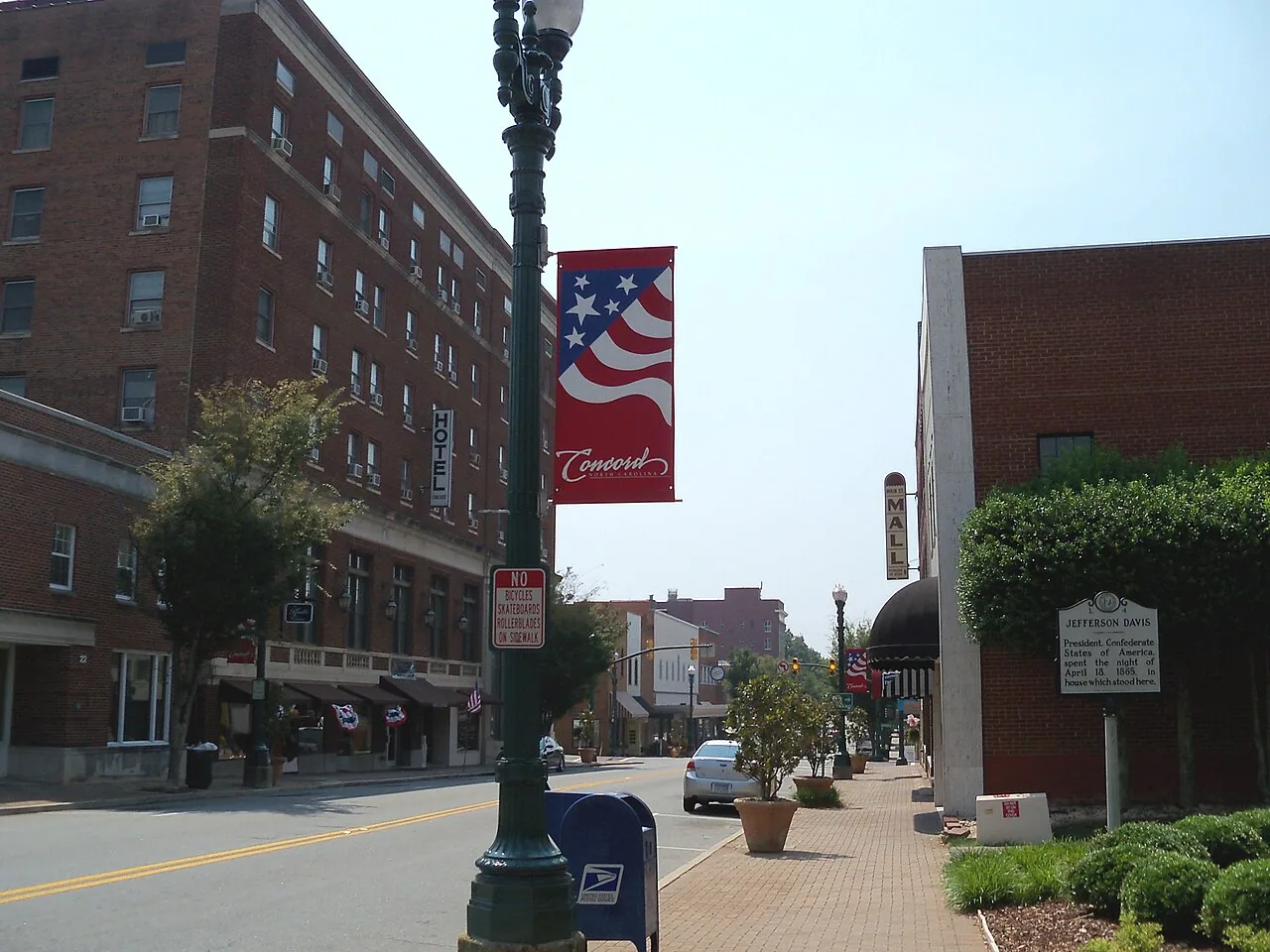
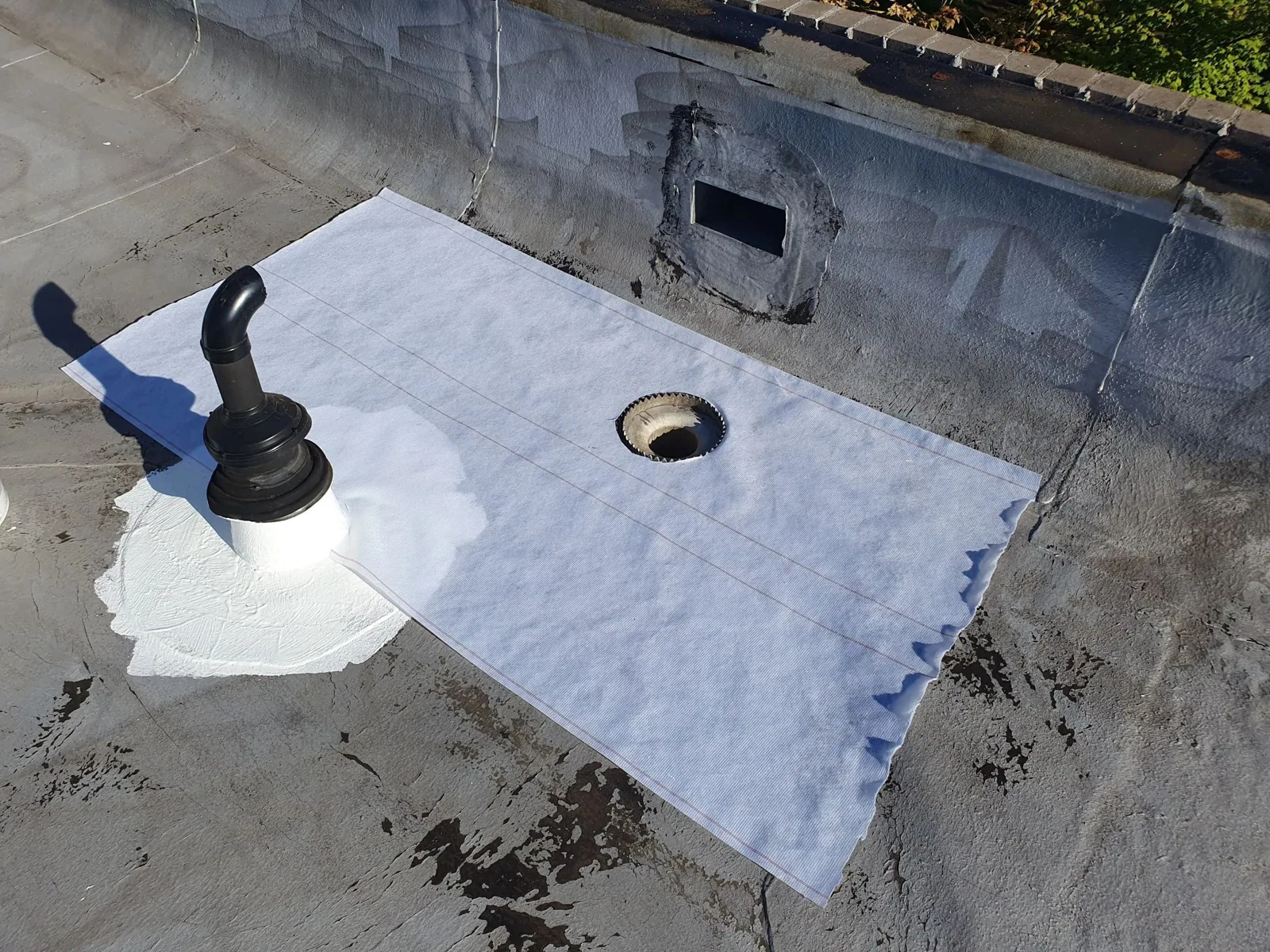
A room closure can affect a tenant before anyone knows whether the roof or an interior line is at fault. We inspect the roof above the affected space, trace drainage and identify a practical repair boundary. Downtown Concord has a municipal service district guiding redevelopment, and its master plan addresses commercial, industrial and residential uses. That range makes the actual building and daily operation important to the work plan. We check seams, penetrations, drains and wall transitions before choosing repair, recover or replacement. A commercial roof inspection gives the owner a written view of the condition found and the next decision to make.
Tie the work to the property
A district plan can describe redevelopment priorities without telling us what a particular roof contains. We verify the property, confirm roof access and ask which room or operation needs protection. The owner may have records from several roof projects, but an old drawing does not establish the current assembly. We compare visible seams and flashings with the file, then flag any area that needs an opening before a repair is priced. The Downtown plan includes parking management and physical improvements, which can make a material delivery or lift window worth coordinating with the property contact. We set that route before the crew brings materials. On the day of work, we confirm curb use, pedestrian access and any temporary obstruction with the property contact. That keeps lifting and staging decisions tied to the current entrance rather than a map prepared before conditions changed. The Church Street corridor is another Concord location page; its name does not establish this roof's access route or work conditions.
Trace the entry point
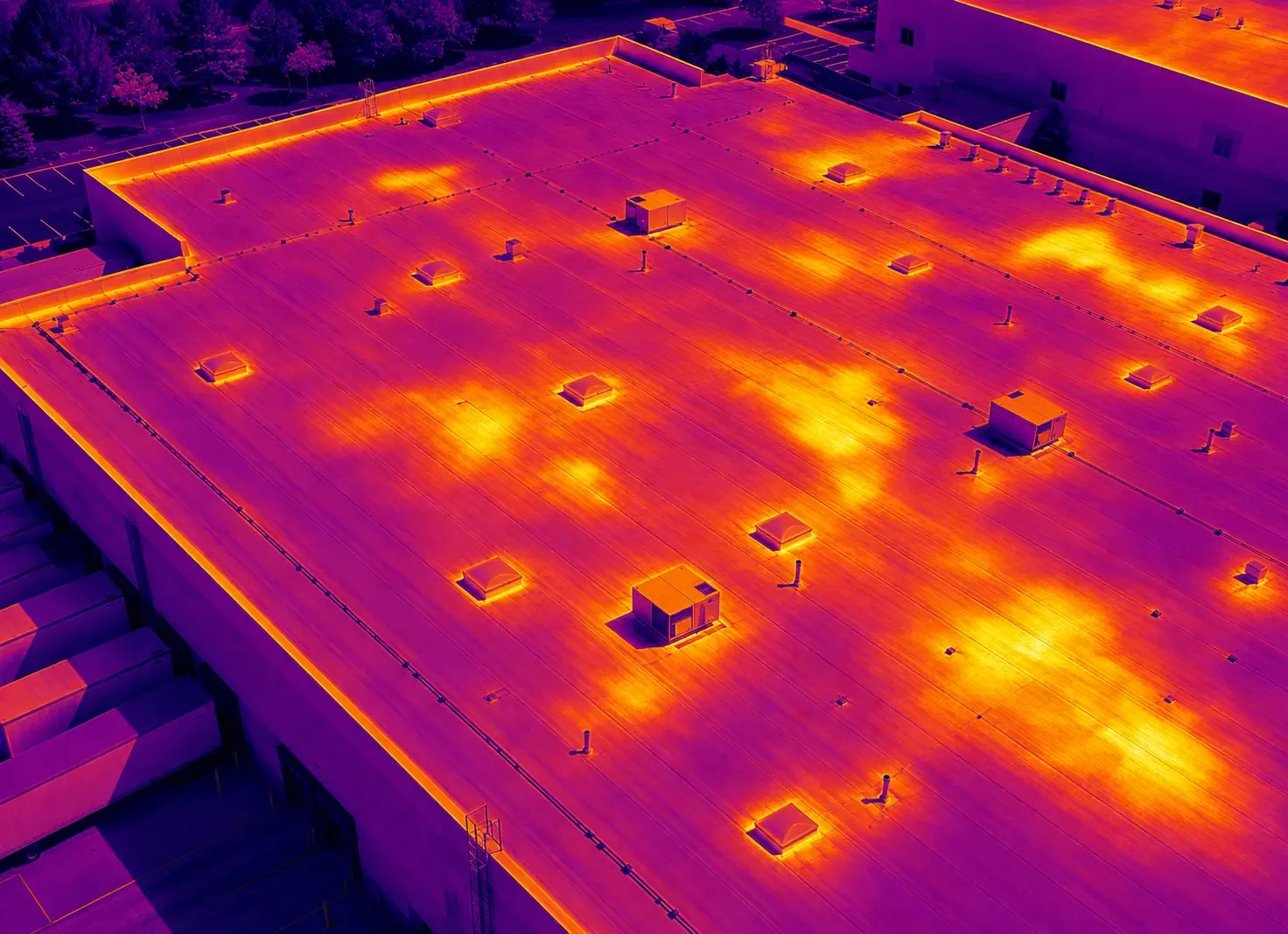
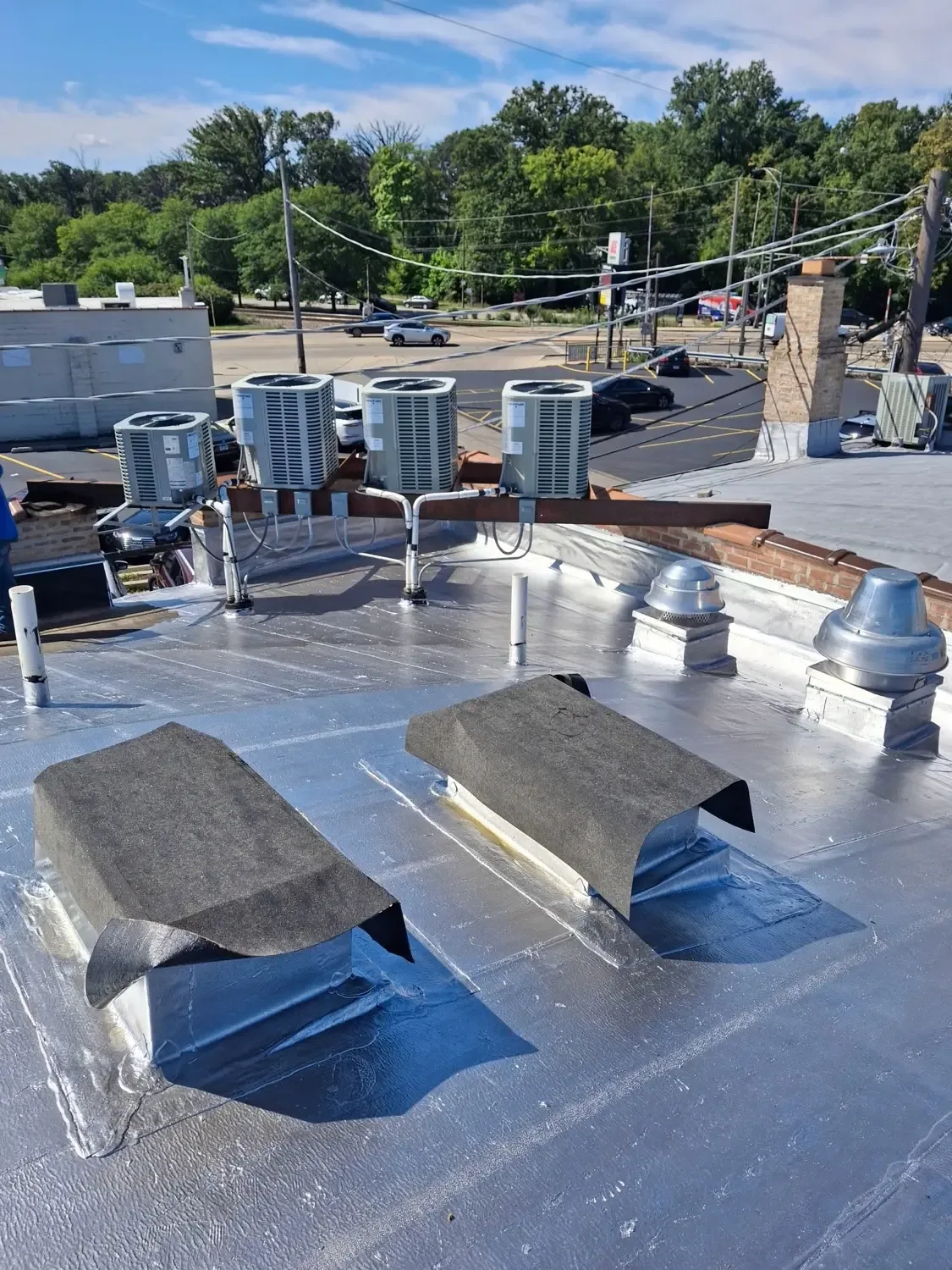
Water can move along a deck or insulation layer before it appears on a ceiling. We inspect the roof slope, drains, wall terminations, equipment curbs and previous patches above the reported room. A stain near a wall does not by itself identify a failed wall flashing. We follow the likely route and look for an open seam, puncture, loose metal or blocked outlet that supports the repair. If moisture extends past the visible damage, we identify what testing could narrow the removal area. An infrared moisture survey can help direct that review when surface evidence is incomplete. A clear finding matters in a mixed district because a repair affecting one room may not justify opening an unrelated roof section. We mark which seams, curbs and drains were accessible and keep an unverified area outside the confirmed repair boundary. If an interior ceiling must be opened, we coordinate that work with the building contact so the roof observation and the indoor condition can be compared. This is useful when water has crossed a deck joint or followed a pipe run before appearing below.
Confirm what can remain
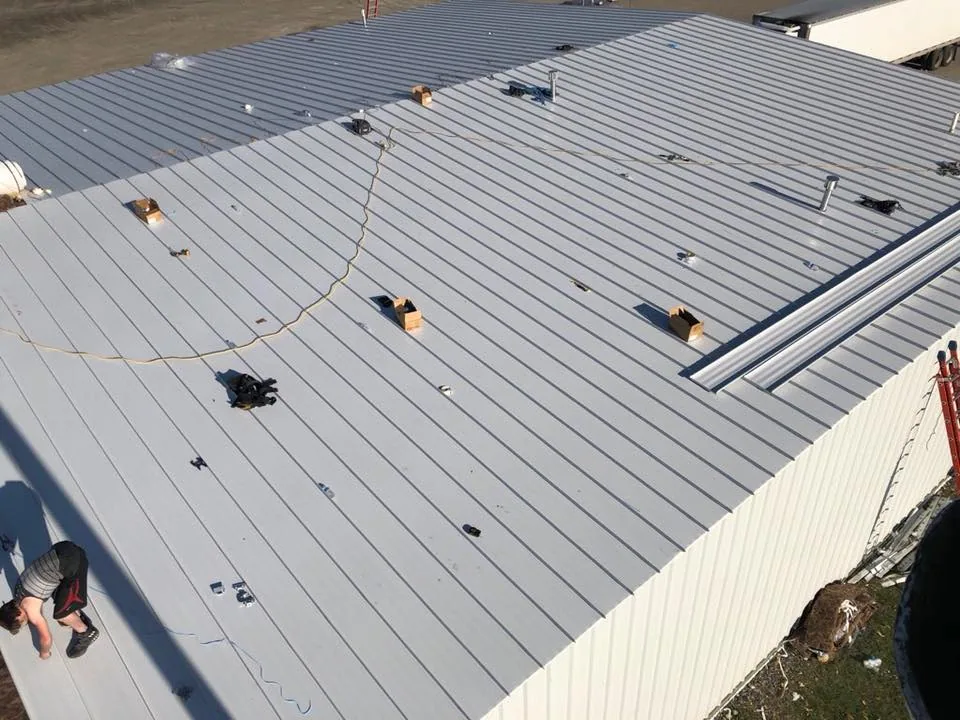
The existing membrane and insulation set limits on a patch or recover. We identify TPO, PVC, EPDM, modified bitumen or metal where the visible assembly supports that call. The owner sees whether the failure is confined to one detail or appears across multiple areas. Wet insulation, weak attachment, an unstable deck or insufficient edge height can change the recommendation. TPO roof assemblies require compatible seams and flashing, while other systems need their own repair methods. We list the layers that can remain and the areas that need testing or removal. A recover is not selected from the roof age alone; drainage, moisture, attachment and perimeter details have to support another layer.
Coordinate a narrow work window
Noise, adhesives, temporary openings and material staging can affect the room below. We ask about tenant notice, business hours, roof hatch clearance and any equipment that another trade may move. Each work area gets an opening plan and a dry-in point for the shift. If a delivery or parking restriction changes the route, the property contact can address it before material is on the roof. For comparison, International Business Park represents a different Concord area; its name cannot establish how another building is entered or where crews can stage. We protect entrances, keep the agreed route clear and identify who restores each curb or penetration after equipment work. Before the crew starts, we also confirm who can approve a sequence change if weather, debris or equipment affects the planned route.
Keep the outlet working
Leaves, construction debris or a raised membrane can interrupt drainage at a bowl or scupper. We inspect the outlet and adjoining field, then determine whether the condition is maintenance, a failed detail or a system change. Water that remains at a low point can delay closeout and expose a seam or repair edge to repeated wetting. We check whether the drain bowl is clear, whether the membrane is secured at the ring and whether nearby slope directs runoff toward the outlet. If the roof surface has settled or a new layer changes the height, the correction needs to address the drain connection rather than only remove debris. The scope names the drain or perimeter detail being corrected and the dry-in point for that section. Drain and scupper work should be tied to the observed outlet, not folded into a vague roof allowance. If the roof needs broader work, we separate removal, insulation, flashing and metal tasks so the owner sees which item is driving timing.
Keep the repair decision visible
At closeout, we record the area inspected, the defect found, the material used and any question that remains concealed. Photos should identify the drain, curb or wall transition from a recognizable roof position. A written record gives facilities staff a comparison point if a later leak appears nearby or a trade changes rooftop equipment. A roof condition report can carry findings into the next budget review. For a larger plan, capital planning for the roof can distinguish urgent repair from future replacement. The owner's next task then follows the observed condition, not an assumption that every building in Downtown Concord has the same assembly or schedule.
Commercial Roofing Questions
What does the Downtown Concord service district tell you about a roof?
It identifies a broad planning area and redevelopment context, not the material or condition on one building. We inspect the property itself, compare visible details with available records and identify any layer that requires testing before the repair scope is fixed.
Can roof repairs fit around parking or delivery changes?
We coordinate access with the property contact before staging materials or arranging a lift. If parking management or a temporary improvement affects the route, the work plan names an alternate delivery window or staging point before the roof is opened.
How do you separate a roof leak from an interior plumbing issue?
The inspection starts at the affected room, then checks the roof area, drainage and penetrations above it. We look for a roof detail that supports the water path. If the evidence points elsewhere, the scope keeps the roof finding separate from an interior trade diagnosis.
When is a recover less suitable than replacement?
Wet insulation, poor attachment, a weak deck or insufficient edge height can rule out another layer. We inspect those conditions and identify testing needs before comparing the options. The proposal can separate confirmed removal from concealed areas that require approval after opening.
What should the property contact prepare for a roof visit?
Identify the affected room, roof hatch, tenant notice needs and any delivery or parking limits. Previous roof files help when available, but we still compare them with the installed details. That lets us plan a safe access route and useful inspection area.
Set a roof visit around the affected room
Tell us which space is affected, how the roof is accessed and whether a delivery or parking window needs coordination.