Home / Property Types We Roof / Commercial School Roofing
Commercial School Roofing in Concord, NC
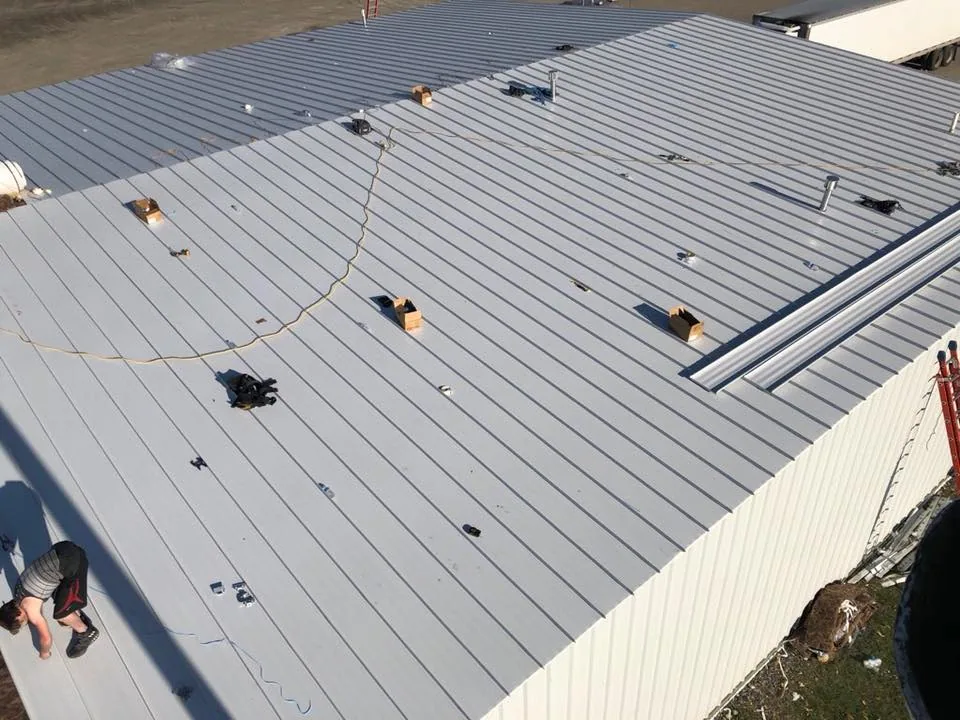
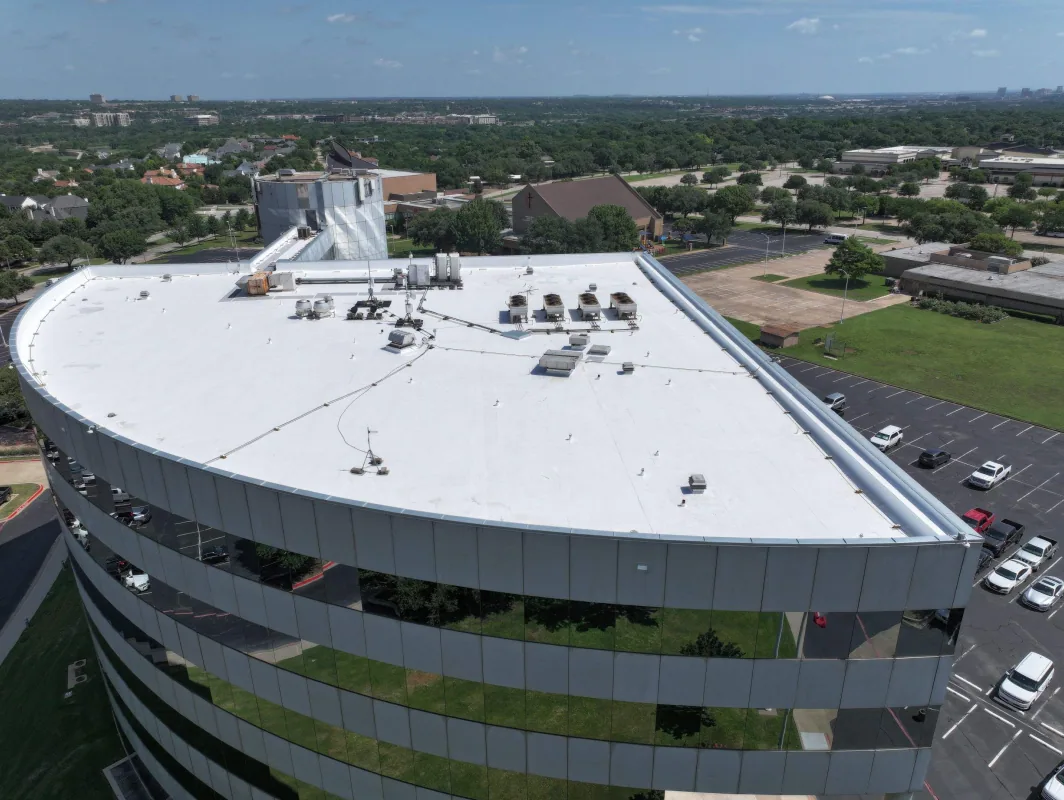
Assess school roof work in Concord with classrooms, service access and calendar constraints in view. We define repairs and suitable removal boundaries.
An alternate classroom needs space when roof water closes the usual room. The correction should address the defect before the arrangement is treated as settled. We assess school roofing in Concord, NC. Facility personnel identify student-space and service requirements for the visit. We examine accessible roof connections and explain the useful next task. The work area must suit protection and reconstruction. A calendar opening alone does not establish that the roof condition can be corrected within it.
School roofing in China Grove or Cornelius starts with the actual building and its operating arrangement. We discuss access with the responsible contact and inspect the roof before fixing repair extent. The district calendar can suggest a window; the physical assembly defines the work it can support. A school roof condition inspection establishes accessible findings. Those findings guide the roofing scope, while school personnel establish the operating requirements below it.
Match the work window with the physical task
A school calendar can provide a useful window for some roofing work. The necessary preparation and reconstruction still need suitable conditions. Removal may reveal wet material or damaged support requiring another task. Weather can also change what should be exposed that day. We explain those dependencies before the schedule is agreed. The facility contact should understand the protectable daily work boundary. A fixed return date should not conceal an unsuitable assembly or unfinished connection.
Some local corrections may proceed within an agreed occupied-space arrangement. Broader removal can need a different room or equipment plan. We discuss the proposed method so the school can identify its requirements. Activities outside the classroom schedule also matter where they affect access. The responsible operator should identify those uses rather than assume an empty property. Reroofing coordination with school personnel connects the roof task with that arrangement. The sequence should remain practical for material handling and protection. Any necessary change needs communication before work moves.
Separate roof handling from student routes
Roof access may involve a hatch near occupied rooms or circulation space. Outside lifting requires a suitable handling zone. We review those approaches with the facility contact before attendance. Student, staff and visitor routes need the arrangement established by responsible school personnel. Deliveries and removed material should follow the agreed work boundary. Required exits also need consideration during the task. The plan should identify affected areas rather than rely on a general statement about roof work.
For regional projects around China Grove, the actual building access guides staging. A service entrance may also support another daily activity. We discuss those constraints before selecting handling locations. An available parking position is not automatically suitable for roofing deliveries. The school should know when the proposed route or zone is needed. Temporary protection must suit any exposed roof boundary above occupied space. The work area should remain clear as the sequence advances. Changing conditions can require another arrangement with the facility contact.
Follow the classroom symptom through the roof
The affected room helps establish the location and urgency of water entry. It does not prove the entry point is directly overhead. Reported classroom water directs examination toward its connected roof details. Seams, walls, curbs and outlets can present different repair questions. Previous equipment or assembly changes may also matter. A school roof leak investigation should establish supported findings before permanent correction. Safe interior observations help direct the visit. The roof detail itself determines the useful repair method.
Wet insulation or deteriorated backing can enlarge the necessary task. We assess those conditions where the approved examination permits it. Selected exposure may be needed to define a suitable retained boundary. Each opening needs appropriate repair afterward. The owner should understand why the scope extends beneath the visible covering. The permanent connection must join suitable material. Interior ceiling assessment may require another participant outside the roof task. We distinguish those responsibilities so the completed roof repair is not confused with every room restoration need.
Coordinate equipment serving occupied rooms
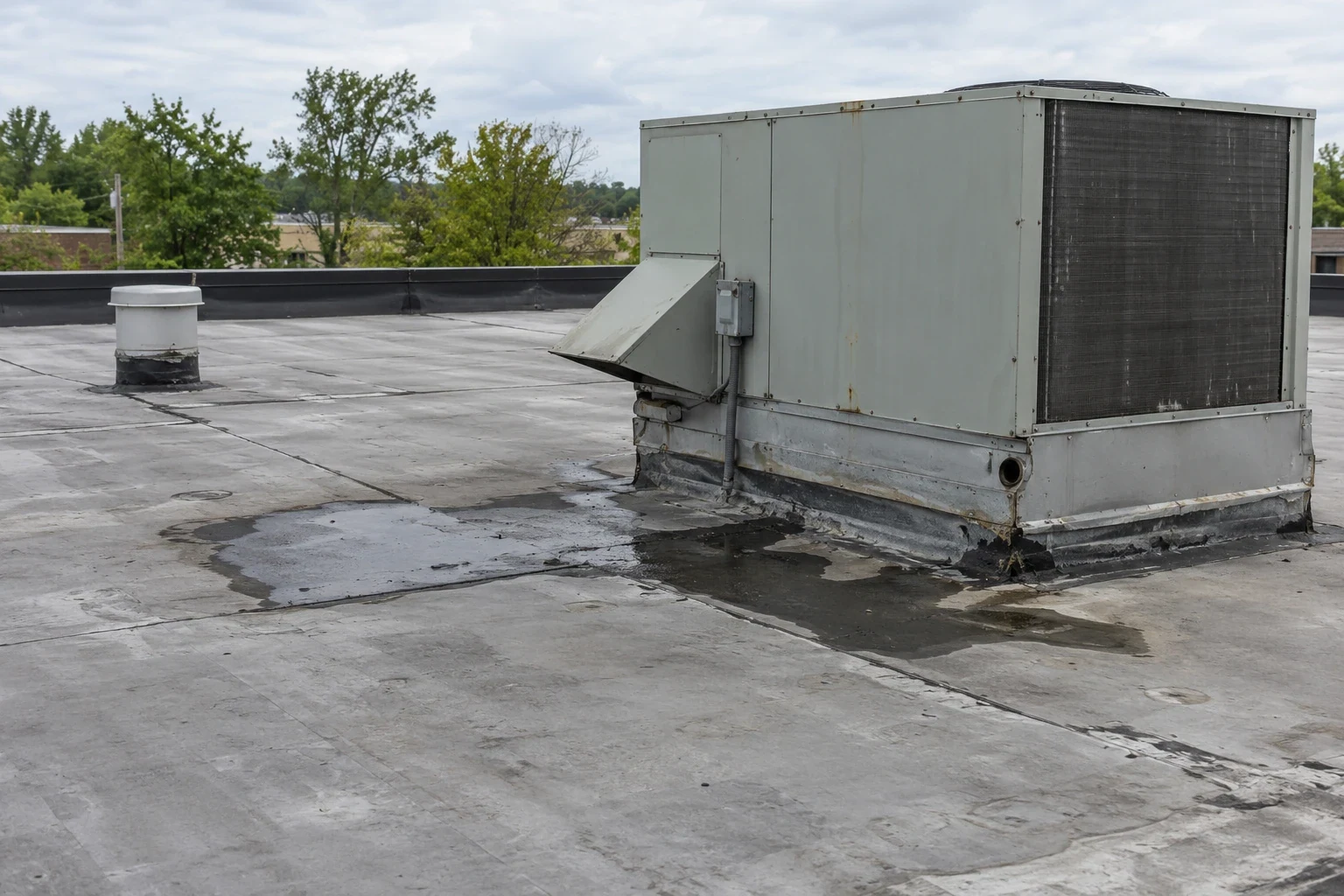
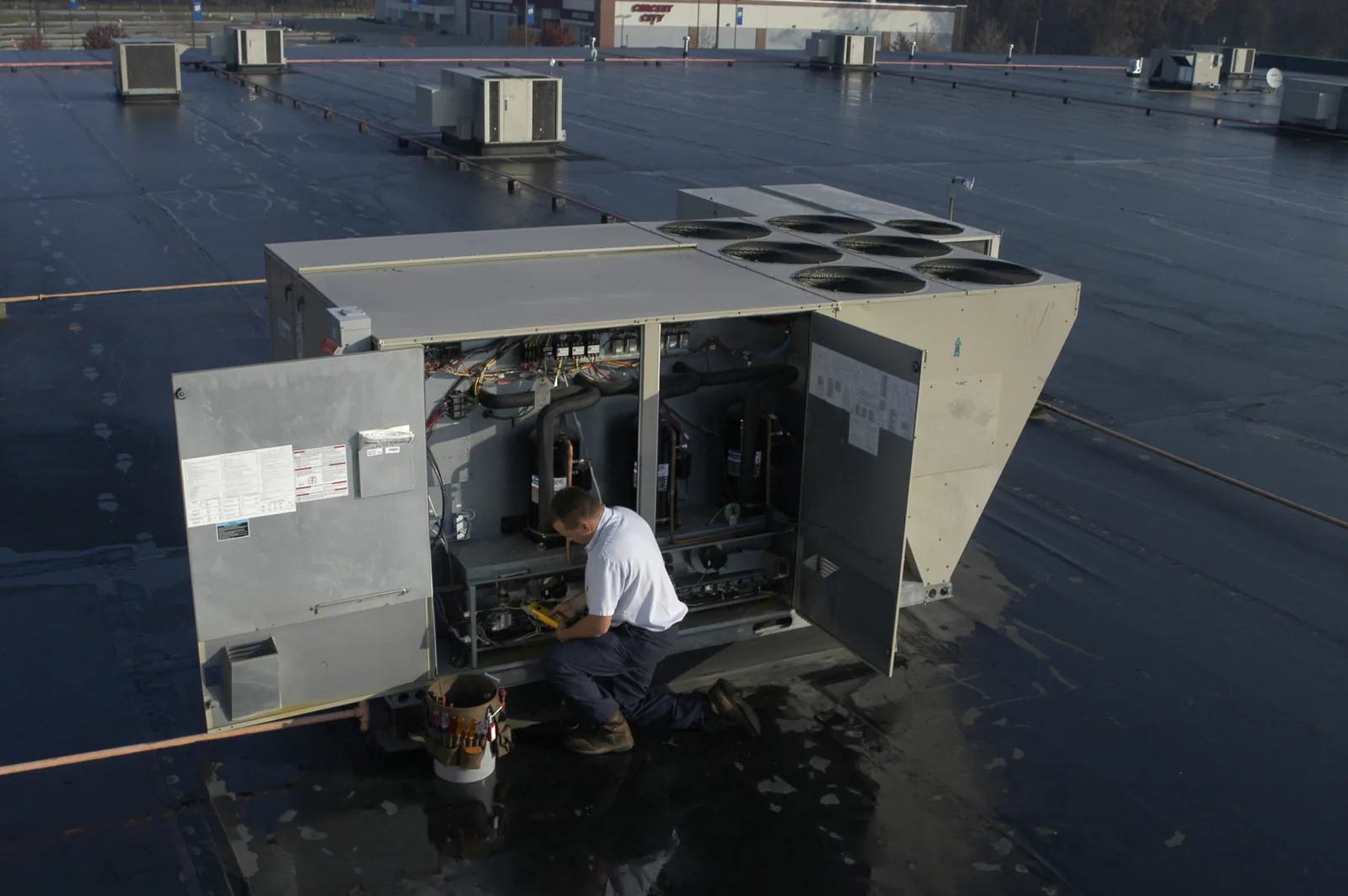
Cooling and ventilation units can serve several rooms below the roof. Their curbs may prevent complete flashing access while equipment remains in place. We identify any needed clearance or service window. The responsible trade confirms disconnection or lifting arrangements with the school. The roof sequence should provide suitable protection between participating tasks. A partially accessible repair has different limits from full reconstruction. The proposal should explain that distinction before the task is scheduled.
Added insulation can change the available height at equipment and wall transitions. Those connection changes belong in a complete reroofing scope. Loose pipe supports may also damage the covering during service. We discuss the relevant observations with the responsible participant. School roof equipment coordination helps define the interfaces involved. Water from condensate or a unit can require separate equipment correction. The roof task should address its supported findings. A completed membrane should not hide an unfinished boundary beneath a retained unit.
Compare material work with the complete condition
A sound area around a school roof defect can permit local correction. Widespread deterioration instead calls for a broader assembly decision. Existing moisture, attachment and support condition guide that comparison. The approved assembly needs suitable insulation and detail connections. We explain the necessary removal and preparation before selecting a covering. Added layers can change drain and curb relationships. A material choice alone cannot describe those tasks. The owner should receive a complete scope for the actual school roof.
Five miles west of Concord, estimated one-inch hail was reported on March 28, 2010. After a current event, we examine the actual school roof before setting repair extent. NC 73 planning connects transportation and land use across Concord and communities including Davidson and Cornelius. The college roof needs a room-use and exposure plan. A public building roof may share an outlet that needs coordinated access. The operator identifies the relevant room and any piping work before scope approval.
Use completed findings for the next school task
Completed work information should identify repaired areas and remaining concerns. School personnel can then distinguish finished connections from further investigation needs. Later equipment changes may require compatible flashing reconstruction. The responsible participants should coordinate before cutting through the assembly. We identify the relevant roofing details at handoff. Tools and moved components can also damage an otherwise suitable roof. Service precautions should protect the actual route to the equipment.
A school roof condition plan can revisit drainage and vulnerable details. Debris clearing differs from correcting a failed seam. We identify that practical distinction in the findings. New indoor symptoms deserve focused examination even near earlier repairs. Report the room, timing and relevant equipment activity. That information helps direct another visit to a specific roof question. Continued care keeps the school roof decision connected with its actual assembly.
Commercial Roofing Questions
Does a school break establish a sufficient reroofing window?
The actual removal and reconstruction tasks need comparison with that window. Weather, equipment access and concealed material conditions can affect the sequence. We explain those dependencies before scheduling. School personnel should also identify activities continuing outside classroom hours. The approved roof area must remain suitable for protection and installation, regardless of the calendar window.
What should be agreed when roof access crosses student circulation space?
Responsible school personnel establish the permitted route and operating arrangement. We discuss examination equipment, deliveries and any handling zone needed. Required exits and occupied rooms also matter. The plan should identify the practical effect on those areas before attendance. Roofing access must suit the actual task within that approved arrangement, not merely reach the hatch.
Why might a classroom leak involve another trade's equipment work?
A unit can conceal flashing or introduce a separate water connection. We assess accessible roofing and identify clearance needed for reconstruction. The responsible equipment participant handles its own service questions. Both corrections may be required at the same area. The sequence should connect those tasks with suitable protection rather than leave a concealed roof boundary unfinished.
What helps prioritize school roof tasks before broader replacement?
Current findings should distinguish immediate protection, suitable local corrections and further investigation. Wet material or widespread deterioration can change the useful scope. We explain those conditions with the available physical evidence. Access and calendar constraints affect arrangement, while assembly condition guides the correction. The owner can then compare complete tasks rather than a list of surface symptoms.
Assess the roof above school space
Arrange a Concord school roof visit. Identify the affected room, facility contact and permitted work window so we can examine the assembly and access needs.