Home / Roof Systems / Commercial Metal Roof Retrofit
Commercial Metal Roof Retrofit in Concord, NC
Compare metal roof restoration and retrofit in Concord. We examine panel condition, fasteners, drainage and assembly requirements before defining retention.
Drips along a receiving bay can keep stored material away from its usual position. An exposed-fastener metal roof may need several connections corrected above that space. We assess metal roof retrofit and restoration in Concord, NC. The useful option follows the condition of panels, attachment and support. Replacing fasteners, restoring a surface and adding another assembly are different tasks. We explain those choices through the actual roof findings. A changed finish should not conceal an unsuitable retained base.
Concord has business parks with immediate I-85 access. Weddington Road Corridor planning also includes industrial facilities. Receiving and equipment activity can influence the arrangement at an individual building. We discuss those actual needs with the operator before defining roof work. A metal panel condition assessment helps establish suitable retention. The scope should identify the connections needing correction. Material choice comes after that physical assessment, not from a general assumption about industrial roofing.
Examine the exposed attachment points
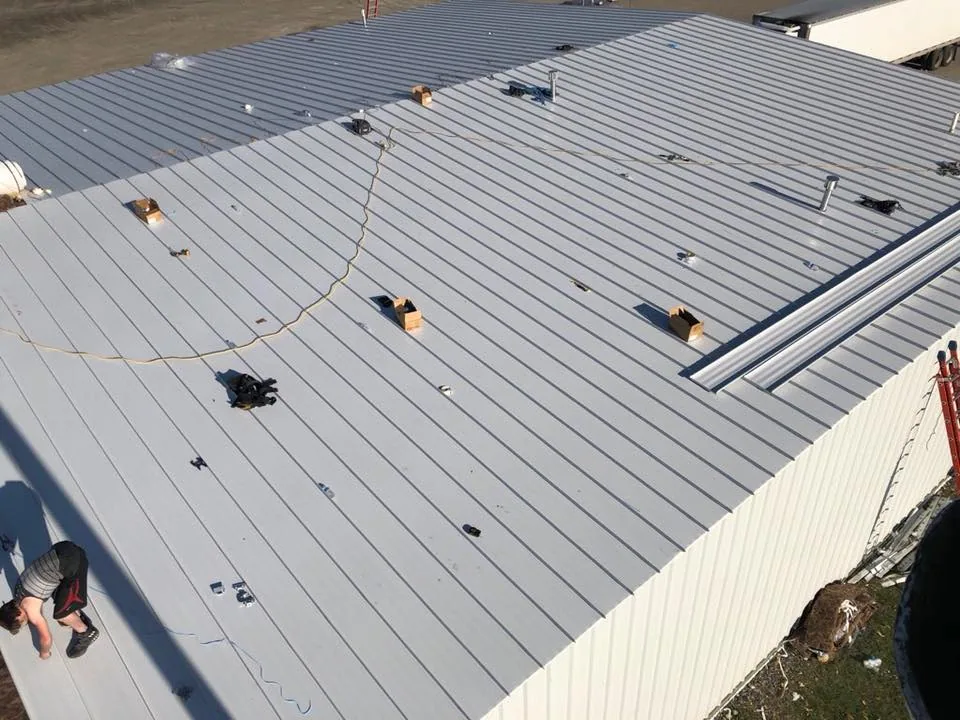
Exposed fasteners connect panels while sealing their individual openings. Deteriorated washers, corrosion or movement can compromise that connection. We examine accessible attachment and the surrounding panel material. A loose screw does not necessarily have suitable backing for retightening. Its hole or support may need another correction. Replacing components requires compatibility with the intended detail. The repair should address the opening and attachment rather than add surface material over an unstable point.
Repeated fastener problems can indicate wider movement or attachment concerns. We assess their pattern and the relevant roof condition. An isolated replacement task may be useful where surrounding material remains suitable. Broader deterioration can change the practical option. The owner should understand why the repair boundary expands. A suitable connection still needs appropriate support beneath the panel. We identify any concealed question requiring selected examination. An improved washer alone cannot restore deteriorated backing that no longer holds the fastener.
Decide whether the metal can remain
Corroded, distorted or damaged panels need assessment before retention is proposed. Some areas may need replacement to provide a suitable base. Surface preparation cannot restore material that has lost necessary integrity. We examine the affected panel and its adjacent connections. The approved task should identify where replacement is needed. Support and structural questions require appropriate professional review where relevant. We do not establish load capacity from the panel's visible appearance.
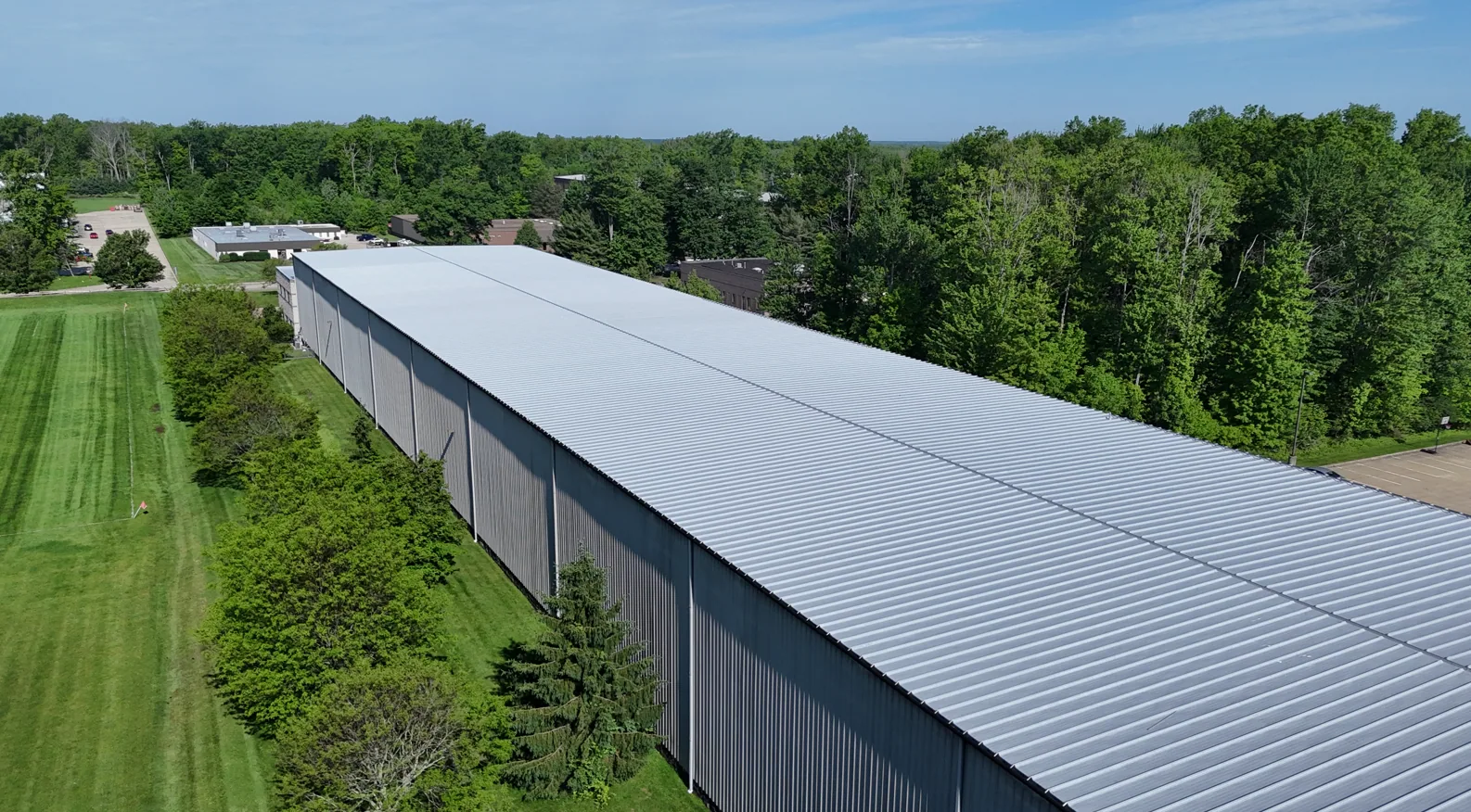
Panel laps and transitions also need attention beneath a proposed restoration. Loose or poorly connected boundaries require physical correction. A covering applied over them may leave movement unresolved. Focused metal roof repair can form part of the preparation scope. The owner should see those tasks separately from the finish application. Widespread unsuitable material may prevent the intended retention approach. We explain that finding before recommending a complete alternative. The comparison needs a sound starting assembly for each proposed method.
Prepare the surface before coating
A coating restoration needs suitable metal and compatible preparation. Corrosion treatment, cleaning and appropriate priming may be necessary. The selected product's requirements guide those tasks. Adhesion checks can help assess the intended surface connection. Failed preparation needs correction before application continues. Open laps and fastener defects also need their specified treatment. The scope should include that work rather than describe restoration as a uniform coat alone.
Silicone restoration and acrylic coating work have different application and exposure requirements. Each must suit the prepared base and proposed roof condition. We explain the complete method being evaluated. Coating cannot resolve inadequate support or missing panel integrity. Wet underlying material may need another investigation. The owner should compare preparation, detail repair and application together. A changed color is not evidence that every retained connection is suitable. The completed finish relies on the corrections beneath it.
Review the requirements of an added assembly
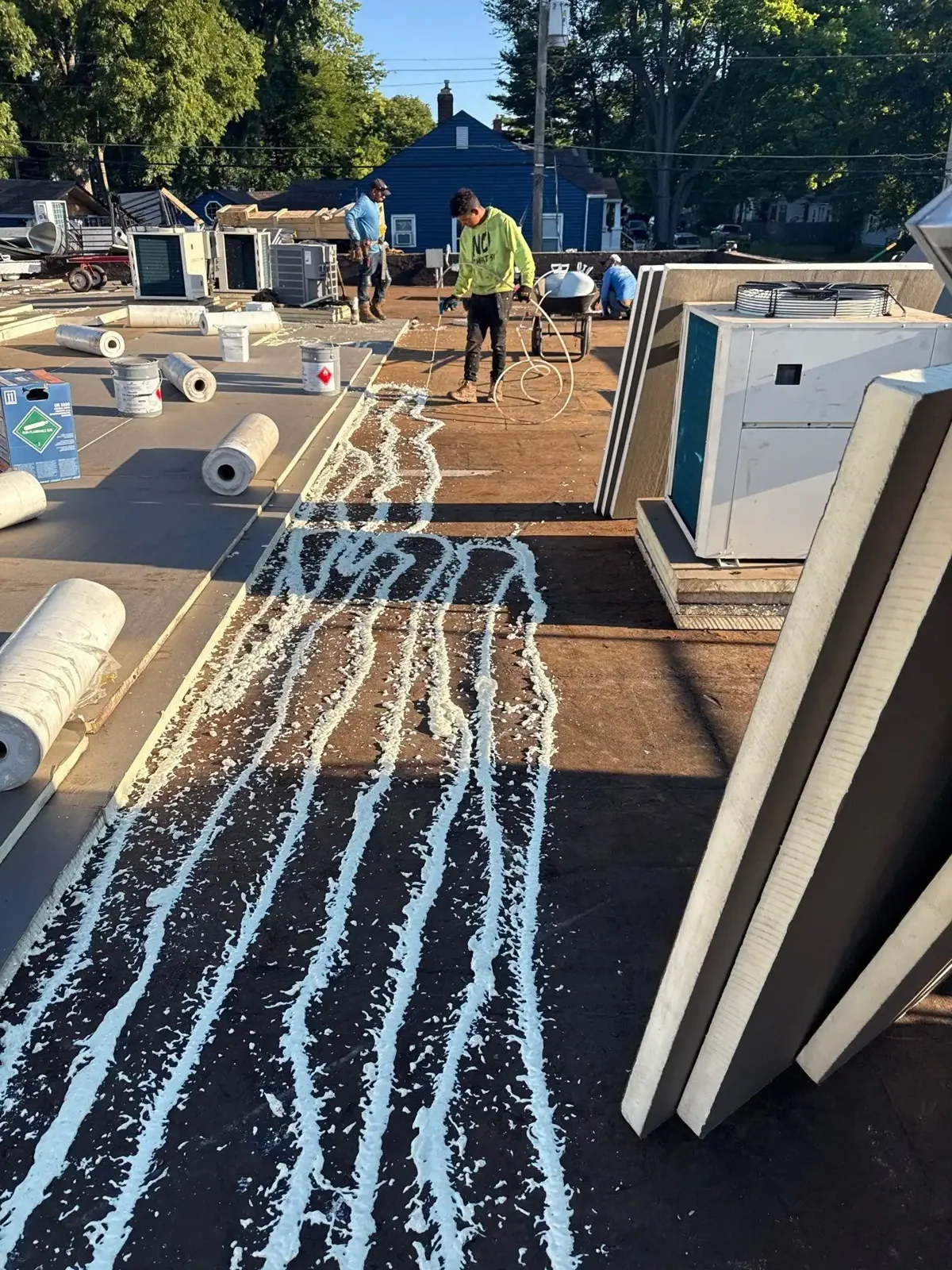
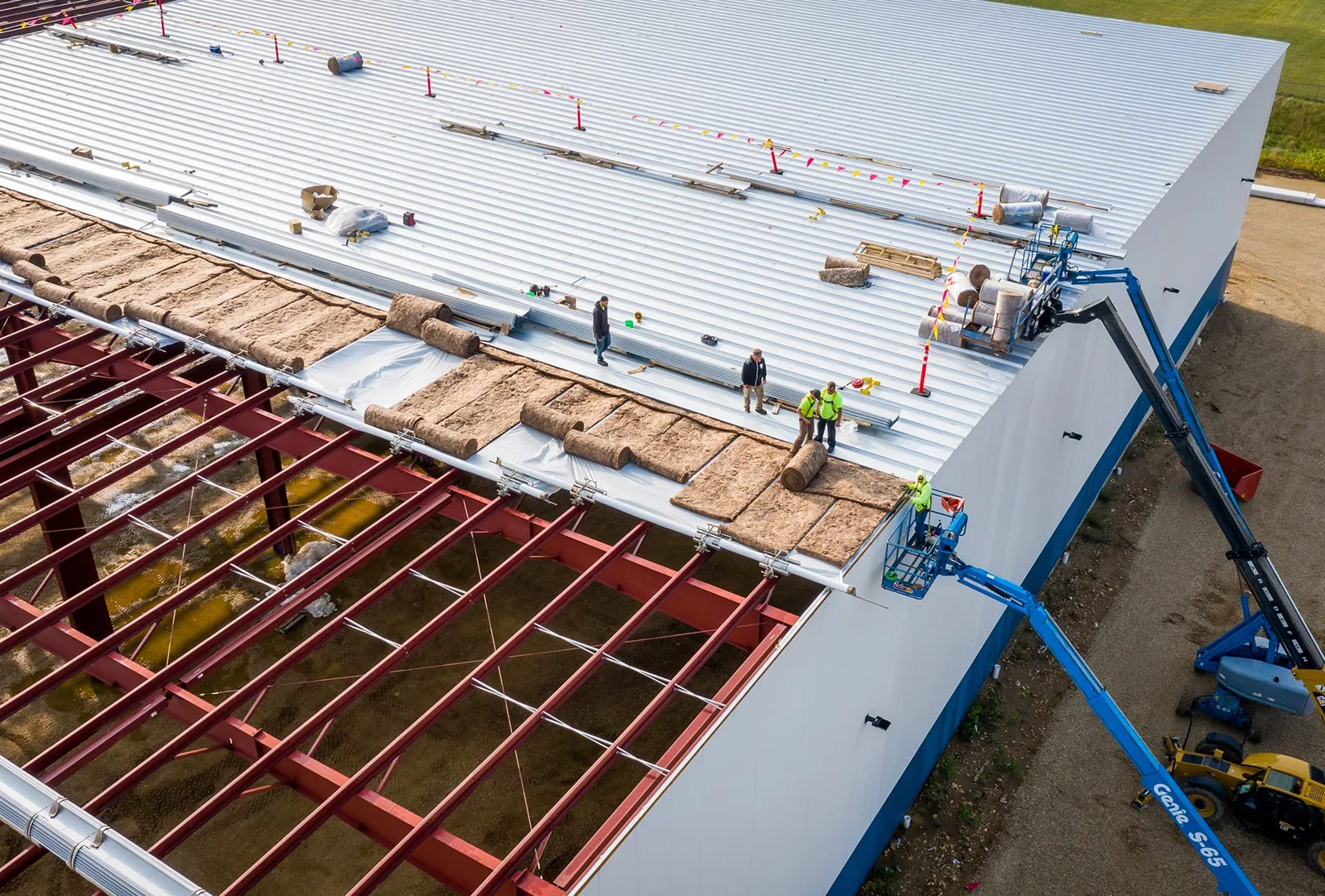
A retrofit can place another roof assembly over suitable existing metal. Its support and attachment need an approved arrangement for the actual building. Flute-fill, insulation or other specified layers may form part of that system. The selected method determines how those components are installed. Added load and structural questions need appropriate review. We identify the roof interfaces involved without assuming the old panels can carry every proposal. Retention requires more than an available surface.
The new assembly can change the finished height and surrounding details. Curbs, walls and edges may need reconstruction. Drainage must remain usable across the revised surface. A recover assessment for the added layers should include those consequences. Existing wet material or poor attachment can prevent the proposed approach. The owner should know that condition before comparing retention with removal. The complete retrofit proposal needs defined boundaries and connection work. It should not treat a new membrane as separate from the base supporting it.
Correct the runoff route around panel details
Metal profiles direct runoff toward their intended collection points. Debris, deformation or unsuitable laps can interrupt that route. We examine gutters, valleys and exposed transitions where accessible. A blocked outlet can create overflow without a failed roof field. Corroded collectors may instead need reconstruction or replacement. We distinguish the discharge task from panel repair. The response should address the actual route rather than apply one treatment to every visible symptom.
Warm-season thunderstorms occur in Cabarrus County. The operator can report where water backs up or reaches occupied space during rain. Those observations help direct the examination. Physical findings then establish the correction needed at the roof. Changes to drainage capacity may require another professional's assessment. We identify that question where it affects the proposal. Coating a low or obstructed area does not change its geometry. A retrofit should likewise leave a usable path to an appropriate outlet.
Arrange the retained-roof work with the operator
Preparation and installation can affect nearby entrances and equipment. Coating application may need protection for adjacent property and intakes. Panel replacement can expose the assembly above an occupied room. We discuss the selected method and necessary protective boundary. Material handling and staging must suit the actual access available. Another trade may need to provide equipment clearance. Those arrangements should be identified before the roof task begins.
For a property in the Weddington Road Corridor, receiving schedules can influence the work window. We establish the actual constraint with the responsible operator. A roof capital comparison can distinguish local corrections, restoration and broader retrofit. Each option should include its complete preparation and connection requirements. Future equipment service also needs to preserve the installed details. We explain compatible maintenance and repair precautions at completion. A retained roof remains an assembly requiring care. New water entry or displaced components warrant another focused examination.
Commercial Roofing Questions
Is replacing loose screws the same as restoring a metal roof?
Fastener correction addresses particular attachment and sealing points. Restoration can include that task alongside surface preparation, lap repairs and coating. We inspect the actual condition before defining the scope. Unsuitable backing or damaged panels may require further work. The proposal should distinguish those tasks so the owner can compare complete options rather than a finish alone.
What can prevent an existing metal roof from supporting a retrofit?
Unsuitable panel condition, attachment or underlying support can limit retention. Added loads and the approved installation method also need appropriate review. We identify those questions during the roof assessment. Structural capacity belongs with the responsible professional. A retrofit should follow a suitable base and defined connections rather than assume any existing panel field can remain.
Can coating stop leakage through a moving panel lap?
The movement and connection need assessment before treatment is selected. Compatible reinforcement may belong in a specified restoration system after preparation. A loose or unsuitable joint can require physical correction first. We identify that work from the actual condition. Applying a uniform surface coat alone may leave the lap's underlying problem unresolved.
How should an owner compare coating with an added membrane?
Review the complete preparation, retained assembly and connection work for each approach. Coating needs a suitable surface and corrected details. An added assembly has support, attachment and height requirements of its own. We explain those scope differences at the actual building. The useful choice follows its condition and practical installation requirements rather than the visible finish alone.
Assess the metal retained beneath the work
Arrange a Concord metal retrofit visit. Identify recurring fastener leaks, panel damage and receiving access so we can compare repair, restoration and added-assembly options.