Home / Property Types We Roof / Commercial Manufacturing Plant Roofing
Commercial Manufacturing Plant Roofing in Concord, NC
Assess manufacturing roofs in Concord around equipment and occupied rooms. We define repairs and coordinate the service access needed for complete details.
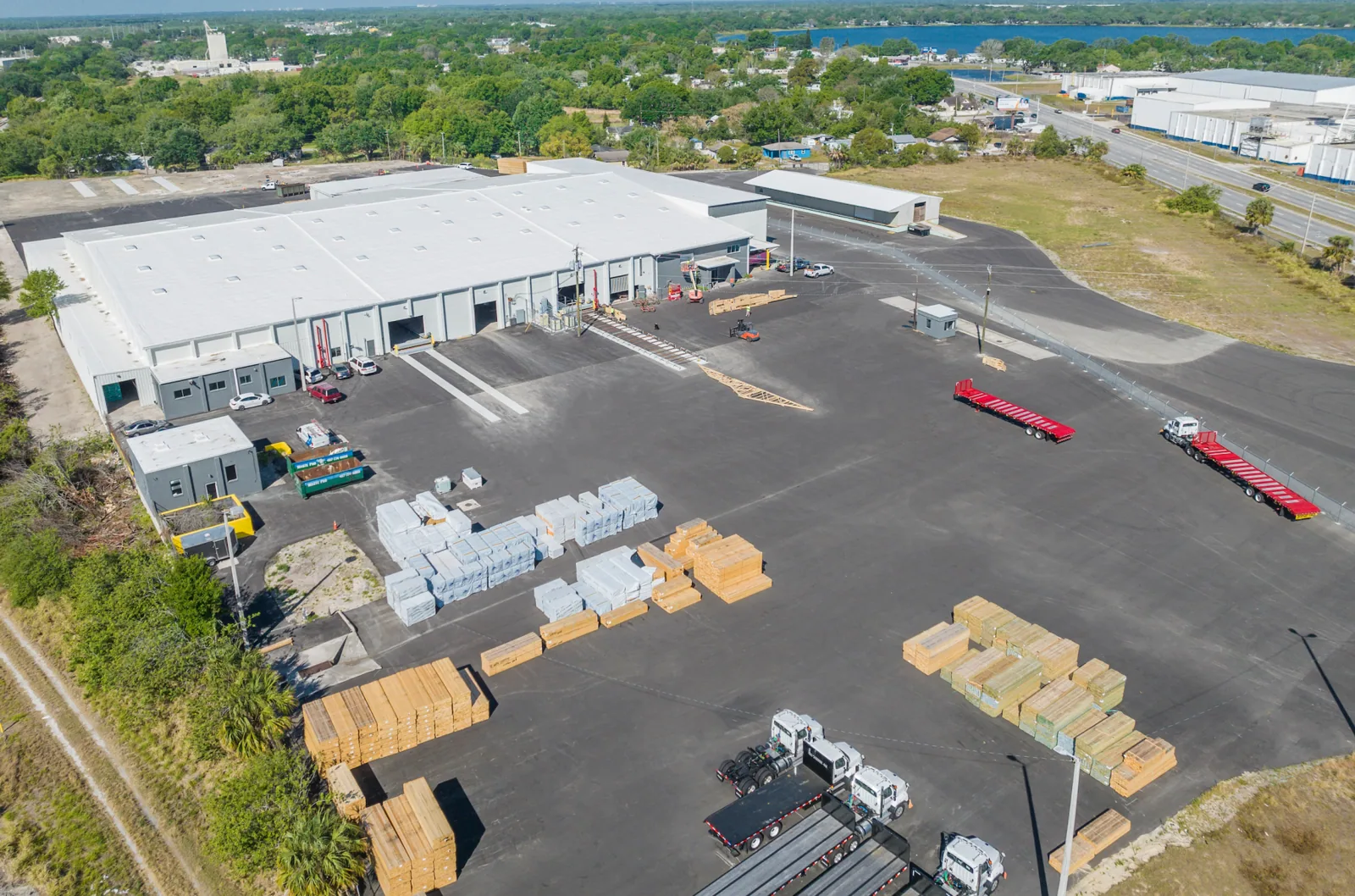
Water near operating equipment can require a room's use to change quickly. The operator decides the immediate equipment and personnel arrangements. We assess manufacturing plant roofing in Concord, NC, with that affected space understood. Pipes, curbs and exhaust connections can create specific roof questions. The permanent correction should follow the failed detail and adjoining material. We explain where equipment access affects the roofing task. A surface patch should not leave an unstable connection beneath it.
Lilly has an existing manufacturing site in Concord. Industrial facilities also feature in Weddington Road Corridor planning. Those local settings support a practical focus on equipment and occupied space. We establish the actual operation at the building being assessed. Concord's business parks have immediate I-85 access, while on-property staging needs coordination. A manufacturing roof examination identifies accessible assembly concerns. The plant's actual service needs then guide a workable visit and repair arrangement.
Identify the equipment served by the roof detail
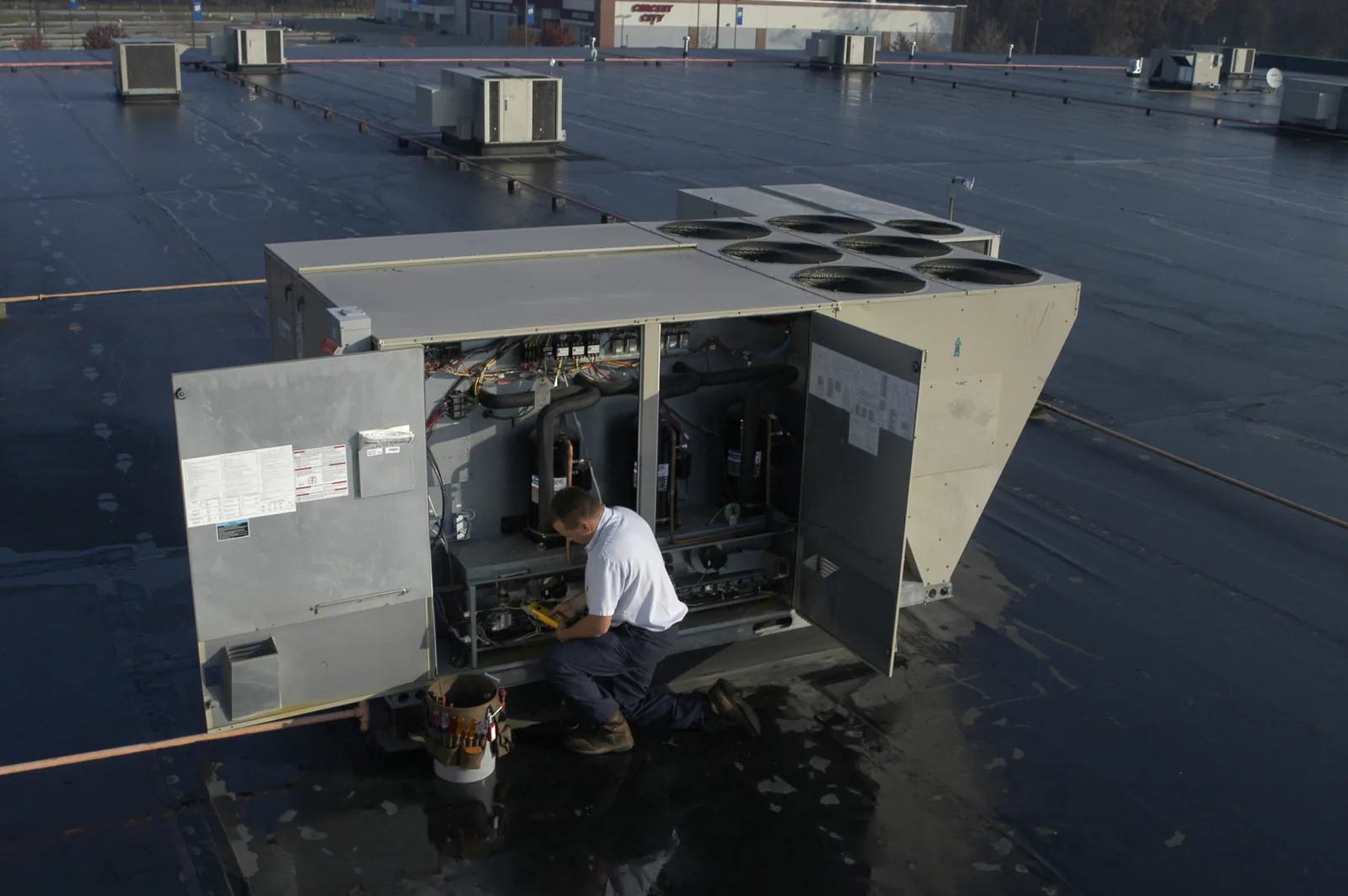
A roof penetration can carry a service used somewhere beyond the room below. The operator should identify that service and its responsible contractor. We discuss what access is available around the connection. Disconnection or lifting may be needed before complete preparation is possible. Those tasks require the appropriate trade's arrangement. We identify the roofing boundary without assuming control of plant equipment. The proposal should show where those responsibilities connect.
Grouped pipes and crowded curbs can make reconstruction difficult. Their spacing may prevent a suitable individual flashing method. The approved arrangement may need changes before the roof detail is rebuilt. We explain that physical constraint during assessment. Equipment support coordination can help define the roof interface. A moving pipe may also stress its surrounding connection. Its support needs review by the responsible participant. A new flashing should not depend on an unstable arrangement remaining unchanged. The task needs both suitable access and a workable boundary.
Examine what the process sends onto the roof
Exhaust or other equipment discharge can affect material beside its outlet. The actual exposure needs comparison with the installed roof system's requirements. We examine accessible deposits and discuss the equipment involved. Cleaning or compatible repair may form part of the roofing response. Ongoing discharge can require a separate equipment correction. The complete task should address that dependency. Applying a new covering without considering continued exposure can leave another maintenance problem.
Material selection needs to suit the supported condition and approved assembly. We do not choose a product from a broad industry description alone. The relevant technical requirements can need review when an exposure is uncertain. The owner should understand which question must be resolved before installation. Existing treatment can also affect preparation and adhesion. We assess that condition before proposing another application. The repair should use suitable retained material or an appropriate removal boundary. Equipment and roofing questions remain related but require their respective participants.
Distinguish roof entry from equipment water
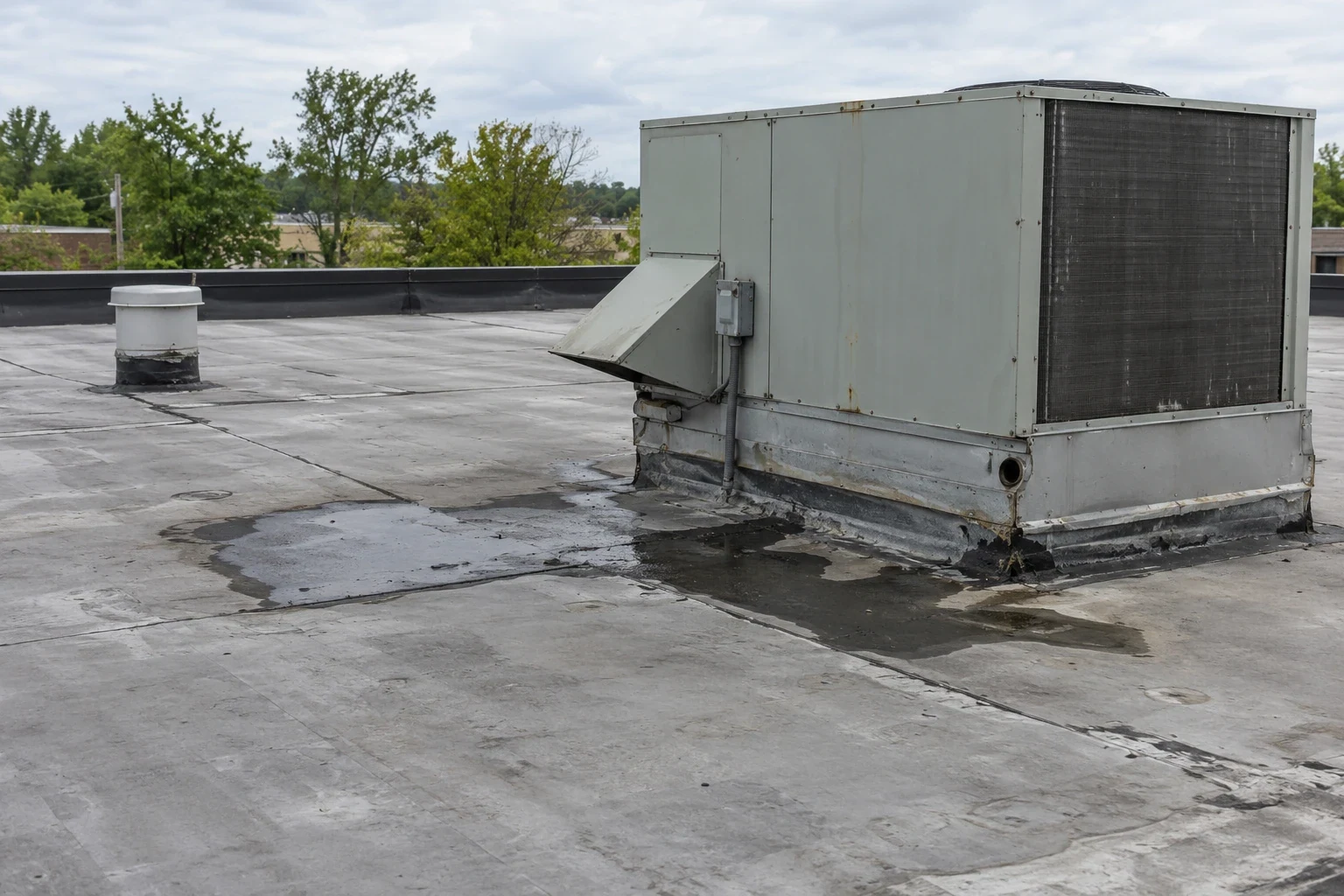
Moisture near a unit does not establish an opening in the membrane. Condensate drainage or another service connection can produce water there. Rain timing and the indoor symptom help direct examination. We assess the accessible roofing connection while the equipment specialist addresses its own questions. Both conditions can occur in the same area. The scope should identify supported findings rather than select one cause prematurely. That distinction helps define the useful permanent correction.
An investigation of the plant's water entry follows the relevant roof layout. Open seams, wall transitions and outlets may need examination beyond the nearest unit. Wet insulation can require selected investigation and removal. We identify those findings and any remaining concealed question. A new detail needs suitable support and material at its tie-in. The owner should know why the task extends beneath the visible covering. The correction needs to address entry and damaged assembly together. Covering the symptom alone leaves that work incomplete.
Keep equipment clear of the water route
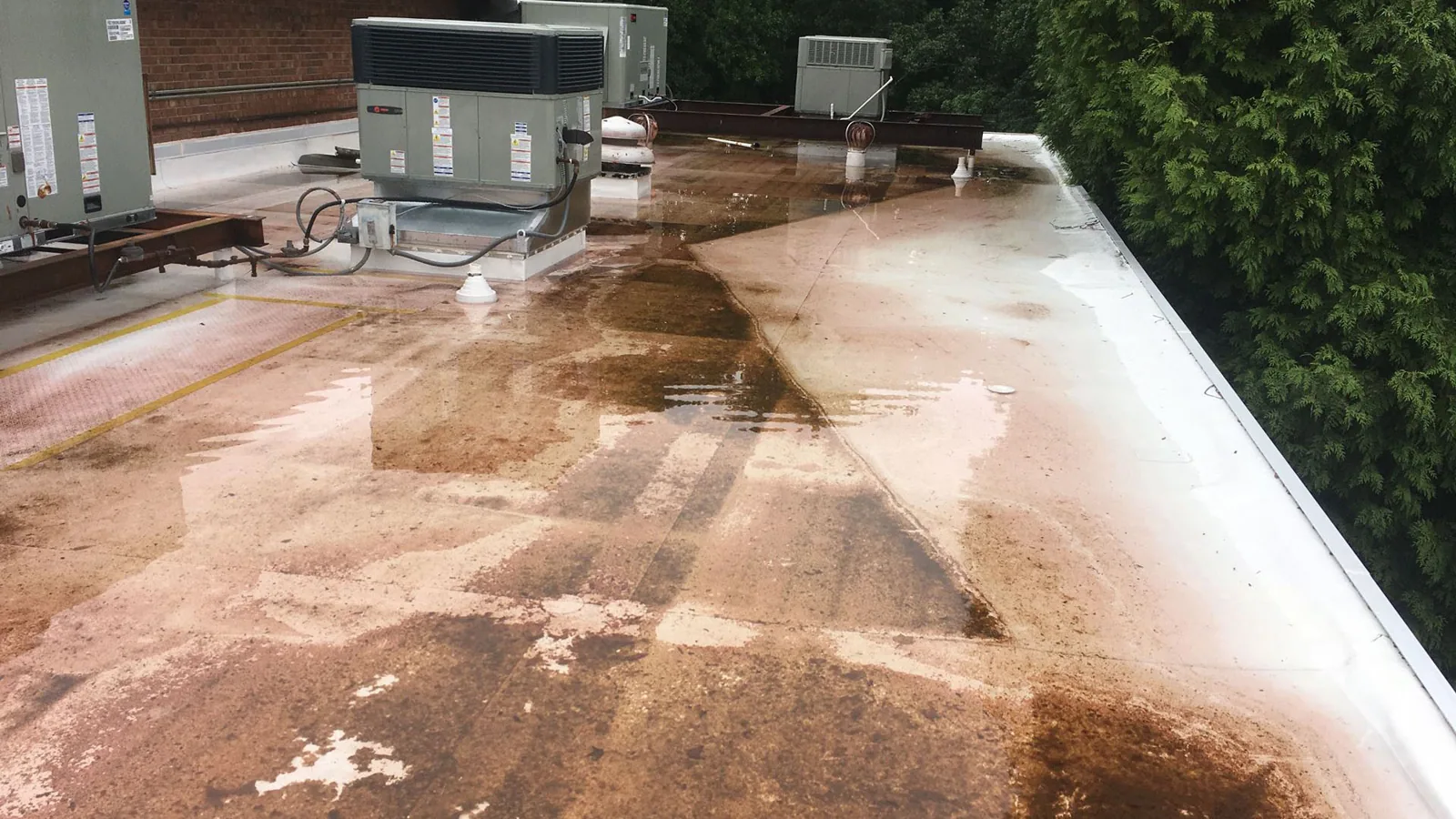
Added supports can interrupt drainage across an otherwise suitable roof. They may collect debris or leave water behind a service area. We examine the path to the intended outlet during assessment. Crickets or other slope corrections may be useful where the assembly permits them. The proposed change needs a usable destination for the diverted water. An obstruction should not simply be surrounded by another low pocket. The full route matters beyond the immediate equipment boundary.
Cabarrus County has warm-season thunderstorms. The operator can identify known roof backup during rain and any changed indoor symptom. We assess that information with the physical condition. Persistent water correction may involve insulation or outlet work beyond a membrane patch. Piping restrictions can require separate professional attention. We distinguish those tasks in the proposal. Service debris also needs control near outlets. A completed equipment task should not leave loose material obstructing the roof's drainage arrangement.
Compare complete work around the operating window
A plant may have a limited window for a particular equipment service. Roof work must remain suitable within the arrangement actually approved. We discuss preparation, removal and reconstruction with the operator. Some conditions can require a wider or different window. Suitable temporary protection needs to follow exposed openings between tasks. Weather can also change the protectable work boundary. The owner should understand those requirements before confirming the sequence.
Broader deterioration may make manufacturing roof replacement useful instead of another local correction. The comparison should include insulation, support and detail changes. Added layers can alter curb and wall flashing heights. Flex-industrial roof work may involve adjoining office or tenant arrangements. Warehouse roofing tasks can involve a different storage boundary. We establish the plant's actual use rather than transfer another property's sequence. The approved scope needs to suit its condition and required equipment participation. Materials alone do not describe that complete project.
Preserve the repair during later plant changes
Manufacturing equipment can change after a roof correction is complete. New pipes or moved units may require another flashing detail. We explain the affected roofing interfaces at handoff. The operator should coordinate those alterations with the responsible trades. Compatible repairs need the installed assembly identified. Tools, panels and dragged components can also damage the covering. Appropriate service precautions should protect the actual route being used.
At a property in the Weddington Road Corridor, later access still follows the individual operation. The care arrangement should revisit vulnerable connections rather than rely on a district-wide assumption. We distinguish completed repairs from remaining equipment or investigation tasks. The operator can then arrange the appropriate next response. New water entry needs assessment even beside a previously corrected detail. Its timing and location provide useful information. The examination should establish the changed condition before another repair is selected. Continuing care stays connected with the plant's actual roof and service activity.
Commercial Roofing Questions
Who should identify the plant service crossing a roof penetration?
The responsible operator and equipment participant should confirm that service and its requirements. We assess the roofing connection and identify access needed for repair. Disconnection, lifting or support changes belong with the appropriate trade. The work sequence should connect those responsibilities clearly. A concealed termination cannot be reconstructed completely without a suitable arrangement to reach it.
Can process exhaust change the useful roof repair option?
The actual exposure needs review against the installed material and proposed repair requirements. Cleaning and compatible preparation may be necessary. Ongoing discharge can also need equipment correction. We identify those related tasks with the responsible participants. A roof patch should not leave unsuitable exposure or support unresolved beneath a newly finished surface.
Why investigate water that appears near rooftop machinery?
The moisture may involve roofing, condensate or another equipment connection. Rain timing and accessible physical findings help distinguish those questions. We examine the roof boundary while the equipment specialist addresses its own components. Both conditions can exist together. The permanent scope should follow supported findings rather than assume the nearest membrane connection caused every symptom.
What should a limited maintenance window include for roof work?
Allow for the necessary access, preparation and suitable reconstruction at the actual detail. Temporary protection may be needed between participating trades. Weather and concealed findings can require adjustment. We explain those dependencies before the sequence is agreed. The operator should understand where a short window limits the proposed method or leaves further work necessary.
Assess the plant roof interface
Arrange a Concord manufacturing roof visit. Identify the affected room, connected equipment and available service window so we can define the roofing task.