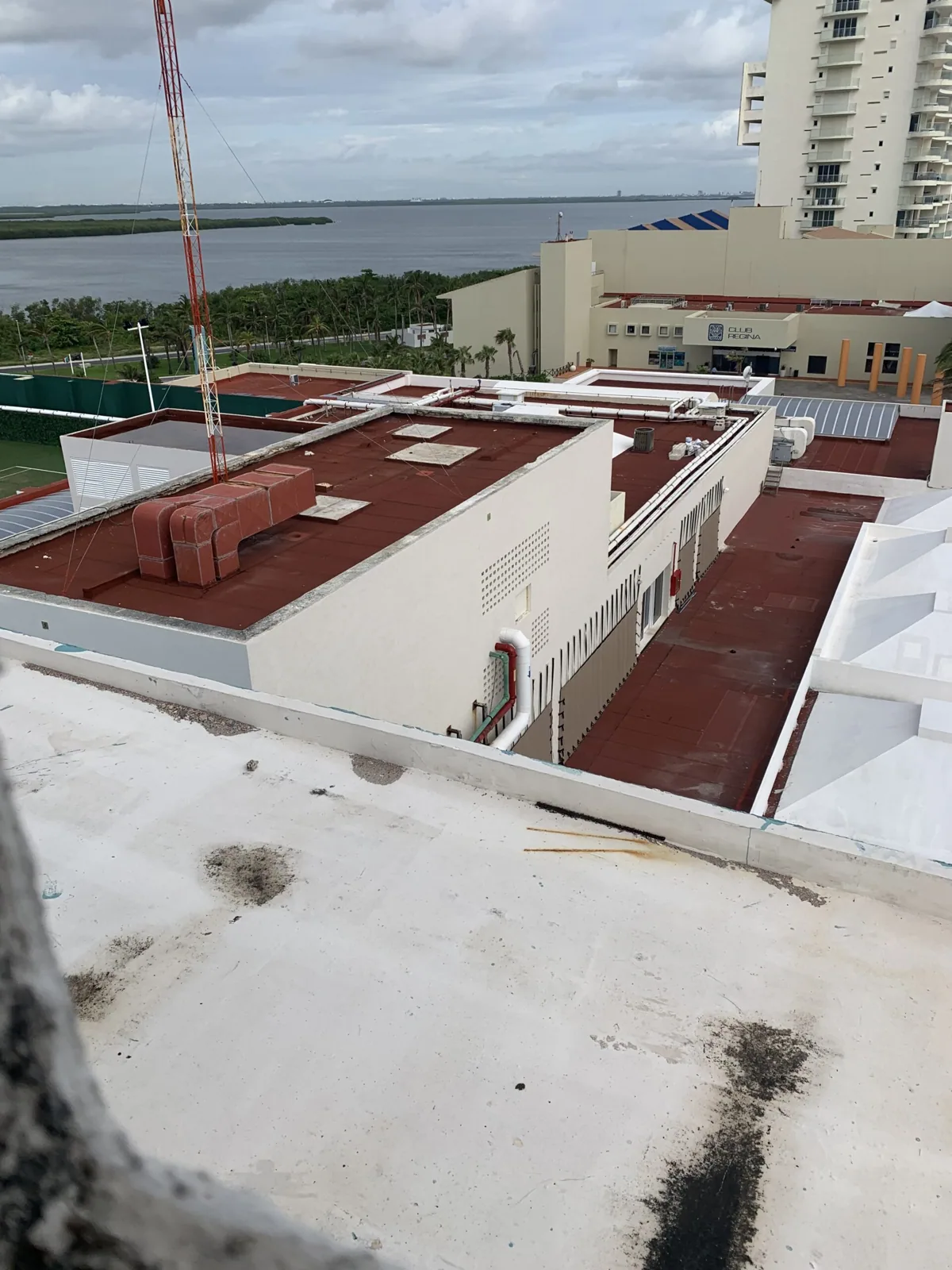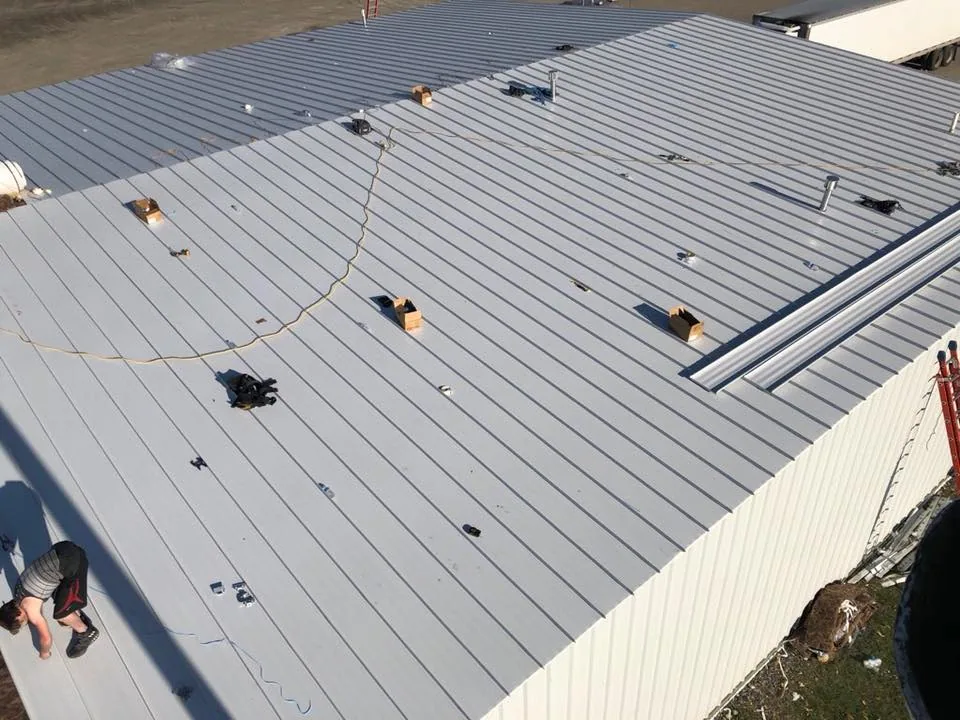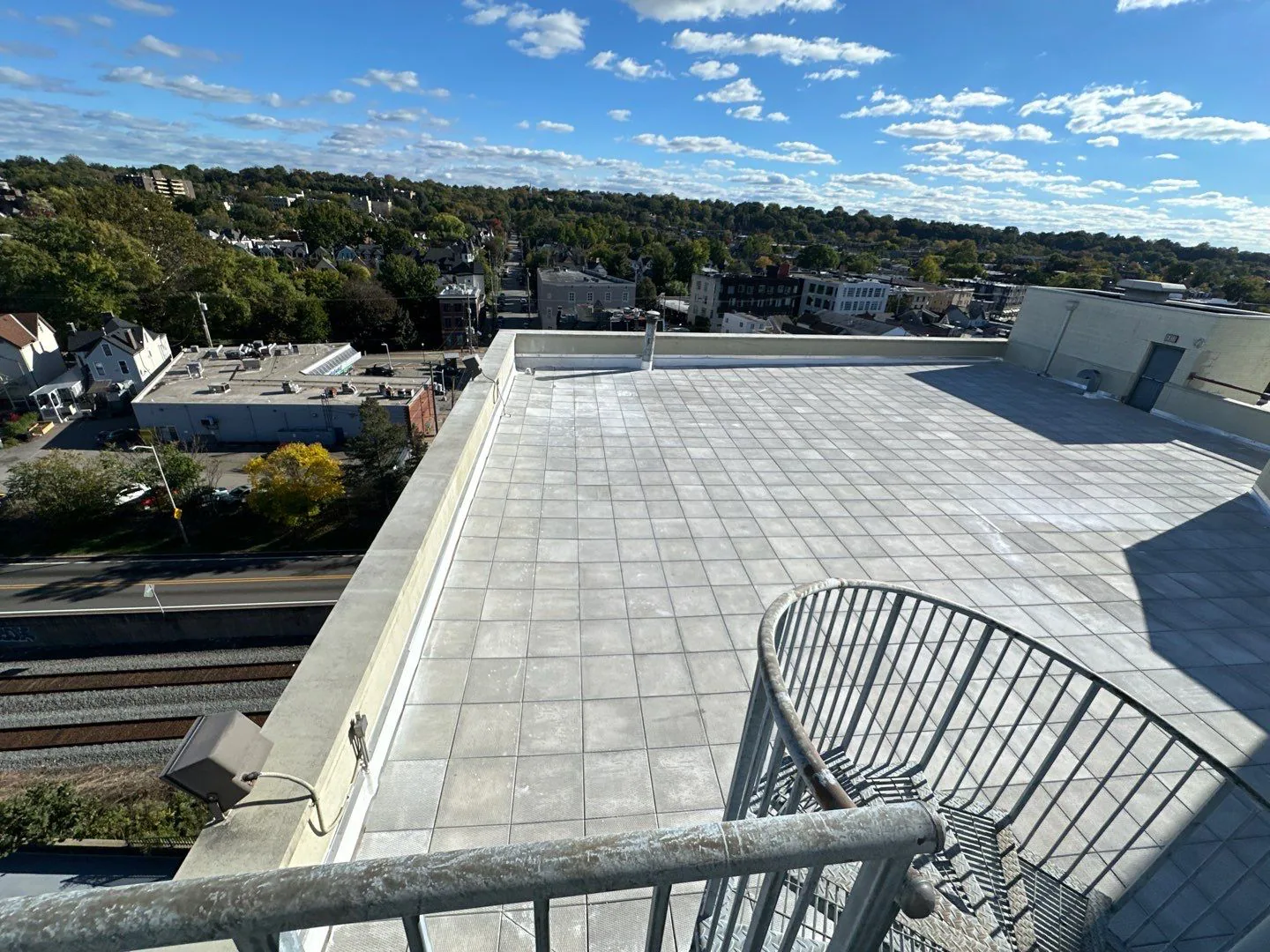
Home / Industries We Serve / Investors and REITs
Commercial Roofing for Investors and REITs in Concord, NC
Assess Concord investment property roofing before purchase or renewal decisions. We explain retained condition, corrective boundaries and project dependencies.
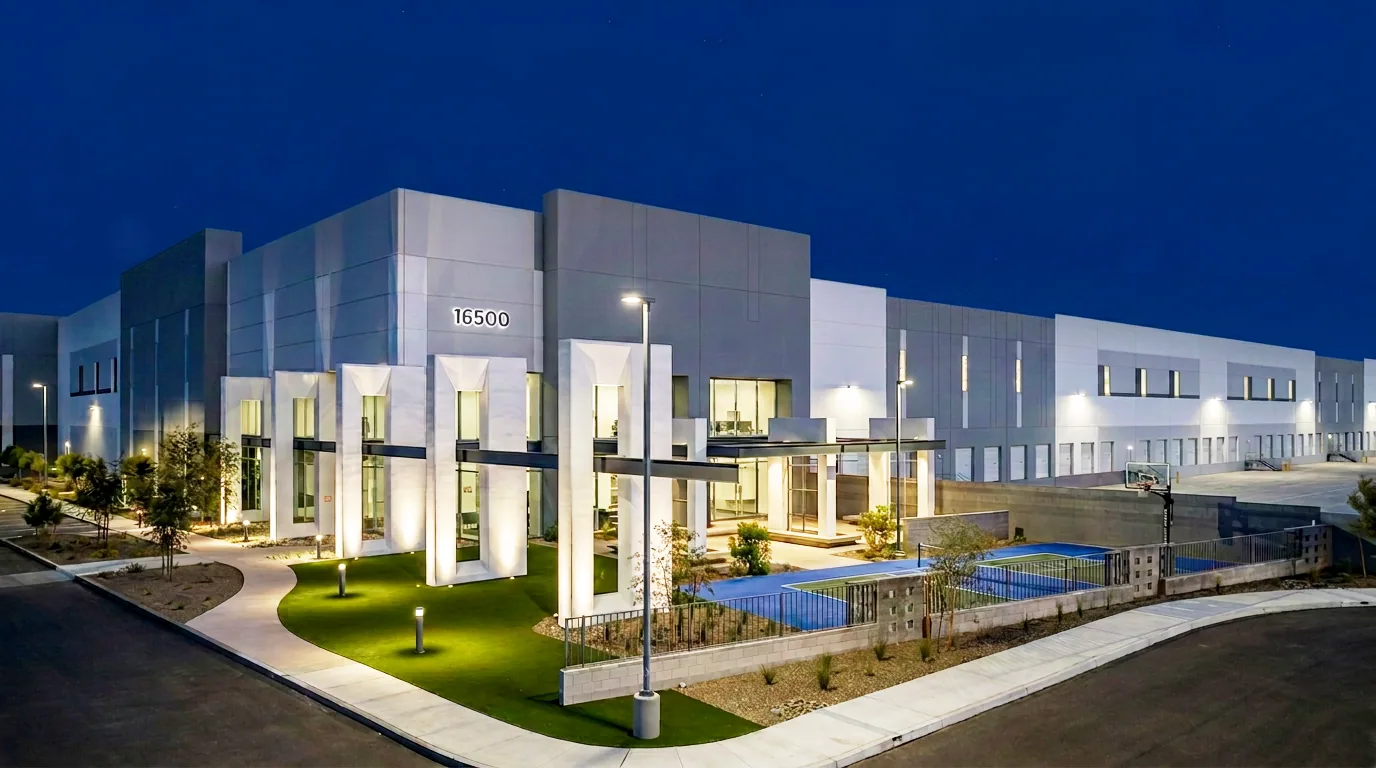
A purchase decision can outlast an incomplete roof repair estimate. The owner needs to understand what that estimate actually corrects. We assess commercial roofing for investors and REITs in Concord, NC. An accessible examination can identify useful repair or further investigation. Concealed condition may require selected exposure before retention is judged. We explain the physical findings and the proposed task boundaries. Building access and authorization need arrangement with the responsible participant. A covering name alone is insufficient to describe the roof work being considered.
International Business Park occupies 517 acres of mixed-use development in Concord. Salisbury's building context includes commercial structures from the nineteenth and early twentieth centuries. Redevelopment in Downtown Concord is guided through its municipal service district. Those settings can present varied property questions. We establish the actual building's roof assembly during assessment. A roof due-diligence survey can examine the conditions relevant to a proposed transaction. The owner should identify its specific roof questions and available access. Current findings, not a neighboring building's appearance, support the corrective scope.
Define what the roof examination must resolve
A transaction may need answers about active water entry, usable retained material or wider renewal. Those are related questions without being the same task. We discuss the intended review before the visit. A visual examination can identify accessible detail condition and useful next investigation. It cannot expose every concealed layer without additional access. The proposal should identify its examination boundary. The investor needs to understand which findings are established and what further task could resolve the remaining roof question.
Investment property roof inspection should connect observations with a practical decision. A failed flashing may permit a localized correction when its neighboring assembly remains suitable. Several recurring symptoms can justify wider examination. Wet insulation or damaged support may enlarge removal. The assessment should explain the supported connection between condition and scope. Another participant may need to investigate equipment water or interior finishes. We distinguish those responsibilities so the roof finding is not mistaken for a complete review of every building system.
Examine the layers proposed for retention
A renewed surface can conceal unsuitable material beneath it. We assess the boundary intended to receive permanent work. Moisture, backing and attachment condition influence that decision. Selected exposure can help where authorized. Its opening needs a suitable reconstruction task afterward. Existing assembly information may assist examination when compared with current accessible findings. The investor should understand why another layer is retained or removed. A scope focused only on the new membrane leaves that important material decision unexplained.
Roof recover evaluation considers whether retention is appropriate for the actual assembly. It should not be assumed simply because demolition would be inconvenient. Wet layers, weak supporting material or unsuitable previous treatments can change the viable approach. Attachment and detail relationships also need assessment. The owner should see which findings support the proposed boundary. A retained assembly still needs serviceable outlets and properly reconstructed interfaces. The complete project description should explain those tasks together rather than reduce recover to placing one covering over another.
Identify changes introduced by the proposed project
Added insulation can alter heights at equipment and wall connections. A scope should identify whether those details need reconstruction. Outlets may also require adjustment to fit the renewed profile. We examine the physical relationships involved before a covering is selected. Equipment participation can be necessary for clearance or disconnection. The owner should understand that dependency. A material specification does not establish that each existing termination can remain unchanged. The project needs an appropriate connection between the new assembly and retained building elements.
Building alteration coordination with general contractors should identify who handles those participating tasks. A future tenant fit-out may introduce new service openings or support positions. The roofing interface needs review before equipment is installed. We explain preparation and compatible reconstruction at the covering. The investor should identify planned changes that affect its proposed renewal. Otherwise, later work can disturb details just completed. Useful project review connects those known alterations with the roof boundary being selected. It does not assume all future changes are included in an existing repair description.
Understand the occupied-building work arrangement
An investment property can remain occupied while a roof question is reviewed. The owner should identify who coordinates tenant entry and operating requirements. We explain examination and material handling needs. Removal above occupied space may require another arrangement below. Weather or concealed deterioration can change the daily area suitable for reconstruction. Required exits need appropriate consideration. The investor should understand those dependencies when reviewing a proposed sequence. An assumed quiet period does not establish that the entire corrective task fits that window.
Property management roof coordination organizes the tenant positions and approval contacts needed for work. We identify where the proposed roof boundary crosses an occupied interface. A project around Salisbury also needs review of its actual delivery and lifting approach. The city's historic commercial setting makes existing construction information useful, with current condition examined at the property. Staging needs to fit the selected method. The owner should know which access arrangement is required before materials arrive or tenant plans are fixed.
Compare proposals by their physical boundaries
Two roof proposals can name similar coverings while including different tasks. Review their removal, retention and reconstructed-detail boundaries. One may address wet layers while another assumes they remain suitable. Equipment clearance or outlet correction can also change the complete scope. We explain the findings supporting our proposed work. Roof renewal planning can connect those tasks with the owner's project review. It should distinguish a current correction from wider work requiring further examination. A comparison is more useful when those differences remain visible.
Cabarrus County has warm-season thunderstorms. The owner should report actual backup or water-entry observations when drainage is reviewed. Climate context does not establish a particular defect. Investment property outlet assessment can identify the relevant physical correction. Continuing access needs to suit later cleaning and service. Handoff information should describe reconstructed connections and any remaining participant's task. A new water symptom deserves focused examination of its position and timing. Later equipment changes should preserve the installed roofing or receive compatible reconstruction where they disturb it.
Commercial Roofing Questions
What should an investor ask a roof survey to establish?
Identify the decision involved, such as active entry correction, retained condition or wider renewal. We explain the examination boundary and available access. Concealed layers may require selected investigation before a conclusion is useful. The resulting findings should connect with a specific corrective or further examination task. A general covering description does not resolve every roof question relevant to a transaction.
Does a recover proposal establish that existing layers can remain?
Assess the actual assembly before judging retention. Moisture, backing, attachment and previous treatments can change the suitable approach. We identify accessible findings and useful further exposure. The scope should explain which layers receive the new connection and why. Retained material also needs appropriate detail and drainage work around the proposed covering.
How should similar roofing proposals be compared?
Examine their removal, retained-layer and reconstructed-interface boundaries. Equipment clearance, outlet changes and supporting material can alter the complete task. We explain the physical findings behind the proposed scope. The owner should identify any further examination assumed by another description. Similar covering names do not establish that both proposals correct the same assembly condition or include the same participating work.
Why discuss future tenant alterations before selecting roof renewal?
Planned equipment or service changes may introduce new supports and openings. We review the roofing interface those alterations require. The owner should coordinate participating tasks before a new covering is disturbed. Added insulation can also affect existing detail heights. Connecting known changes with the renewal scope helps define suitable preparation, clearance and reconstruction for the actual building project.
Review the investment property's roof decision
Arrange a Concord investor roof assessment. Identify the building, decision involved and authorized access so we can examine retained condition and useful corrective scope.