Home / Roofing Capabilities / Commercial Roof Capital Planning
Commercial Roof Capital Planning in Concord, NC
Plan commercial roof renewal in Concord around condition and operating access. We explain removal dependencies, retained layers and connected reconstruction.
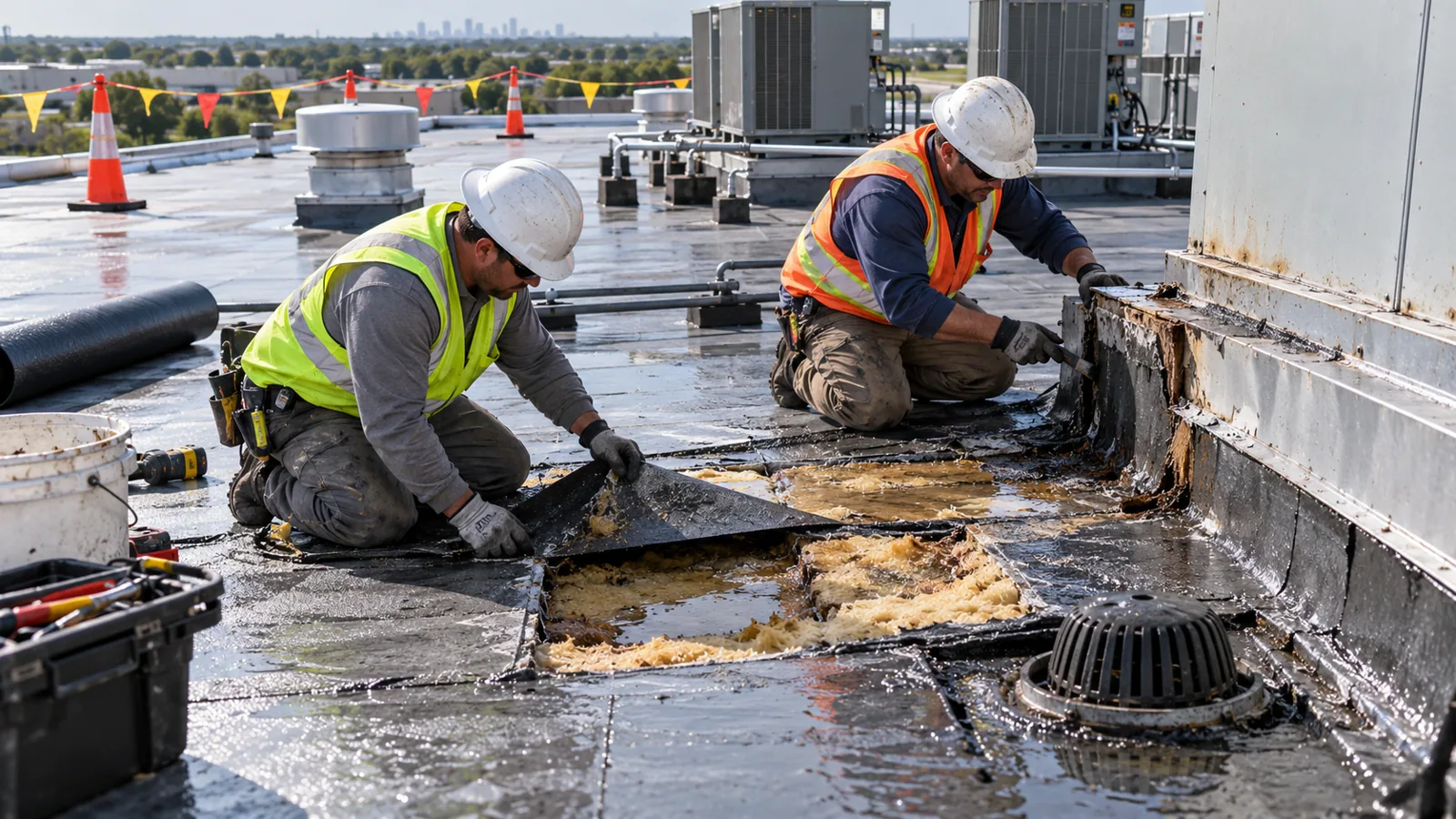
A replacement allowance based only on roof area can miss the equipment task that determines the work sequence. The owner needs that connection understood before selecting a project window. We support commercial roof capital planning in Concord, NC. The examination connects roof condition with the construction being considered. Removal, retained layers and adjoining details all matter. We explain useful further assessment where the assembly remains uncertain. The practical decision should identify what is rebuilt and how the occupied property can provide access. A covering name alone leaves too much of that task undefined.
Concord offers business parks and speculative buildings with immediate I-85 access. Church Street Corridor includes commercial activity surrounded by residential uses. International Business Park covers about 517 acres and includes a mix of business uses. Within a commercial property, different roof sections may need different reconstruction decisions. The owner should compare each section's established condition and affected operations. Area-based roof condition tracking can connect those decisions with the roof positions and work history involved.
Establish condition before selecting the planning assumption
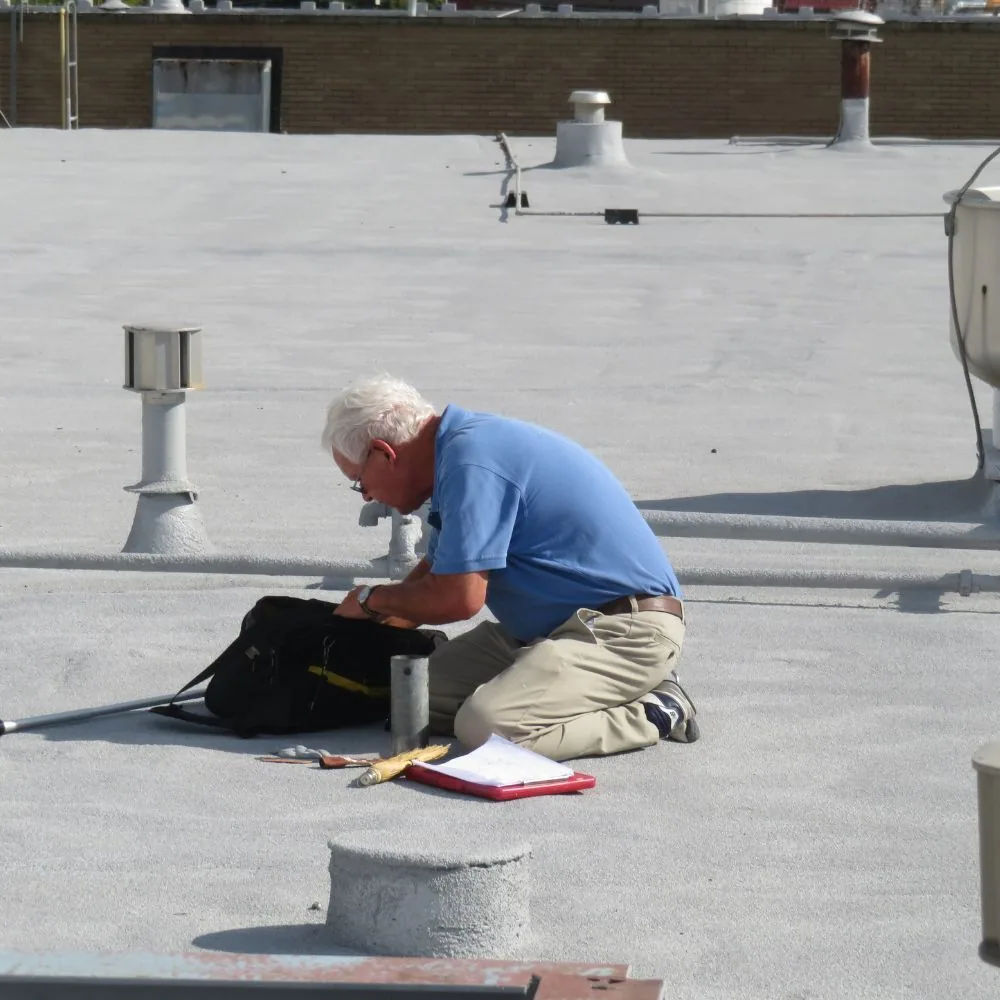
A useful planning scope starts with the accessible assembly and material condition. We examine covering, connections and relevant reported entry. Available history can help identify retained layers or earlier work. Missing assembly information may require selected examination before retention is considered. The owner should understand the question that affects the next decision. A roof age or room leak by itself does not describe all necessary removal. The proposed work should account for established condition and identify where further assessment is needed.
A planning-focused roof examination can distinguish usable areas from those needing another step. Findings should identify the accessible boundaries and relevant restrictions. Moisture, attachment and receiving construction can affect whether existing material remains. Appropriate professionals should review structural concerns. We explain how those conditions change the roofing task. The owner can then compare options on the same physical area instead of comparing proposals that silently assume different amounts of removal or reconstruction.
Identify useful repairs while broader work is considered
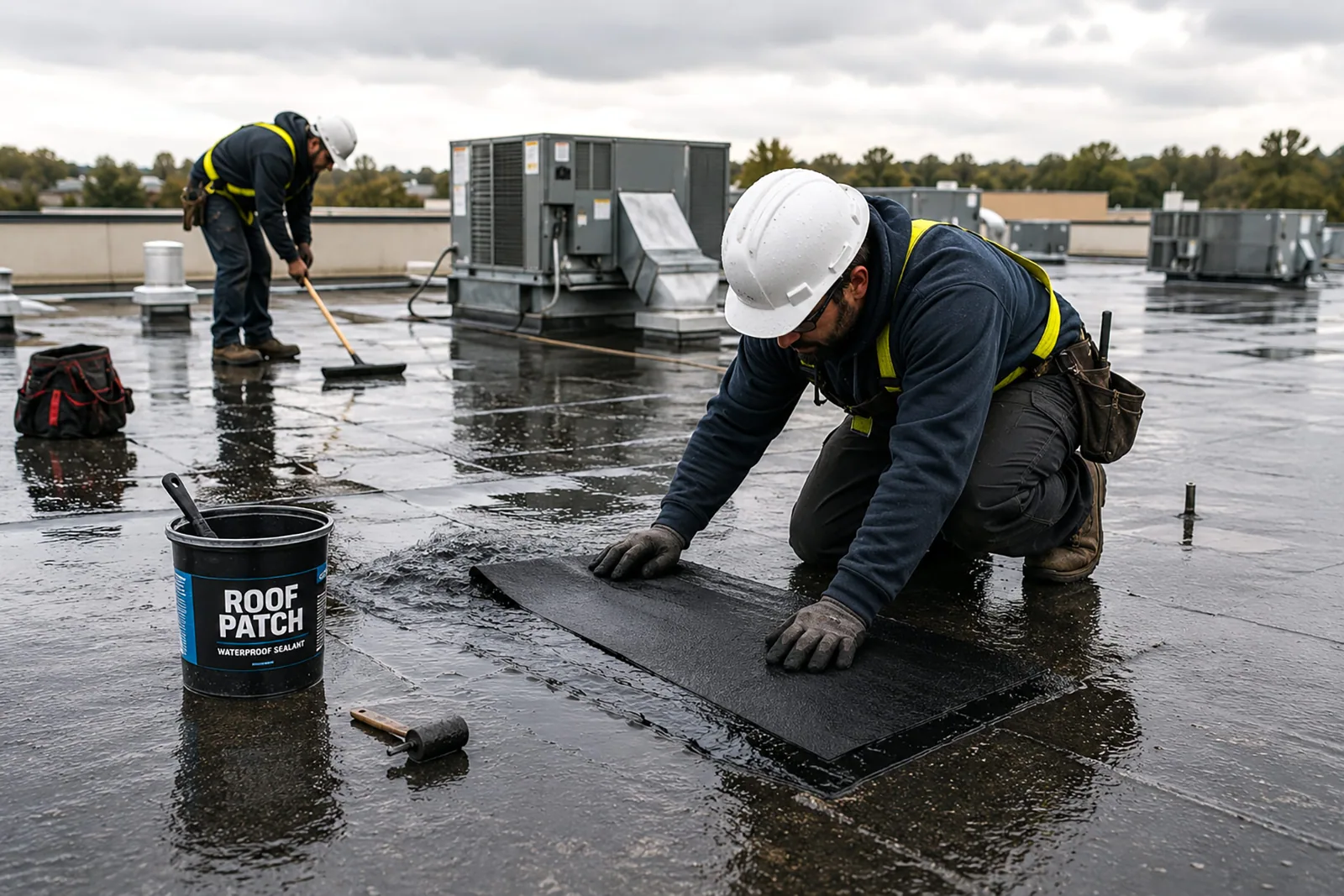
A failed connection can need correction before a broader renewal task is selected. We assess whether usable surrounding material can receive that repair. The scope should identify preparation, the reconstructed detail and any underlying work established. It should also distinguish the remaining wider concern. An interim corrective roofing task can be useful where its boundary remains suitable. The owner should understand what that construction addresses. It cannot restore deteriorated areas outside the task or determine how long another roof position will remain serviceable.
Repeated entry across several details can justify a broader examination rather than another isolated application. We identify the physical condition affecting that choice. An outlet problem may need discharge work while renewal is being planned. A wall or equipment connection can require another participant's correction. Those tasks should be coordinated with the intended permanent scope. The owner needs a practical next step at the occupied position now, along with clear dependencies for the larger project under consideration.
Compare removal and retention on the same roof area
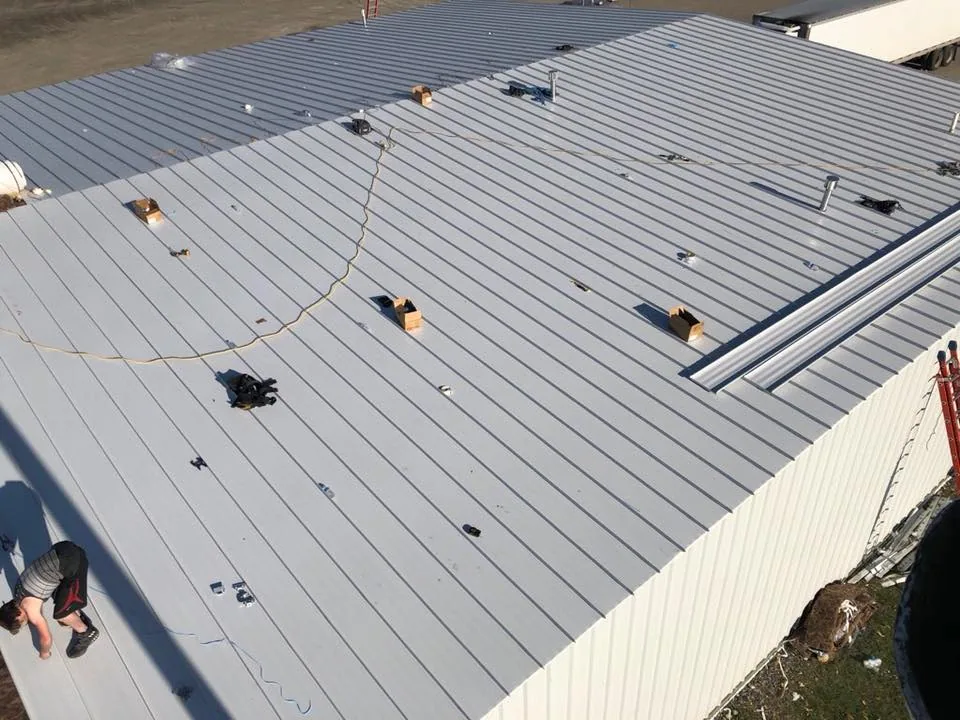
Retention and full removal involve different construction assumptions. We assess the accessible assembly and explain useful review needed before either is selected. A retained layer must suit the intended reconstruction. Established moisture or damaged backing can change that boundary. A new surface cannot correct every concealed condition. The owner should see which layers remain and which are removed in each proposed scope. Walls, curbs and outlets also need consideration where the selected profile changes. Those interfaces can enlarge the task beyond the field covering.
Consideration of a retained roof assembly should account for condition and applicable requirements. A removal-and-reconstruction scope should explain receiving layers and connected details. The options need appropriate permit and design review for their actual assemblies. We identify roofing questions requiring that participation. The owner can then compare defined construction work rather than assume both descriptions produce the same retained condition or equipment relationships. The comparison should include practical protection and handling needs during the work.
Coordinate the project window with physical access
An operating calendar helps identify potential work periods, but the opening still needs protection and reconstruction. We review occupied positions beneath the proposed area. The operator identifies contents, entrances and equipment service needs. A lifting approach can affect activity beyond the roof boundary. Required exits need appropriate attention during material handling. The project sequence should explain which areas are opened and how they connect with retained roofing. Weather or concealed deterioration may alter that daily scope. The owner should understand how those findings affect continued protection.
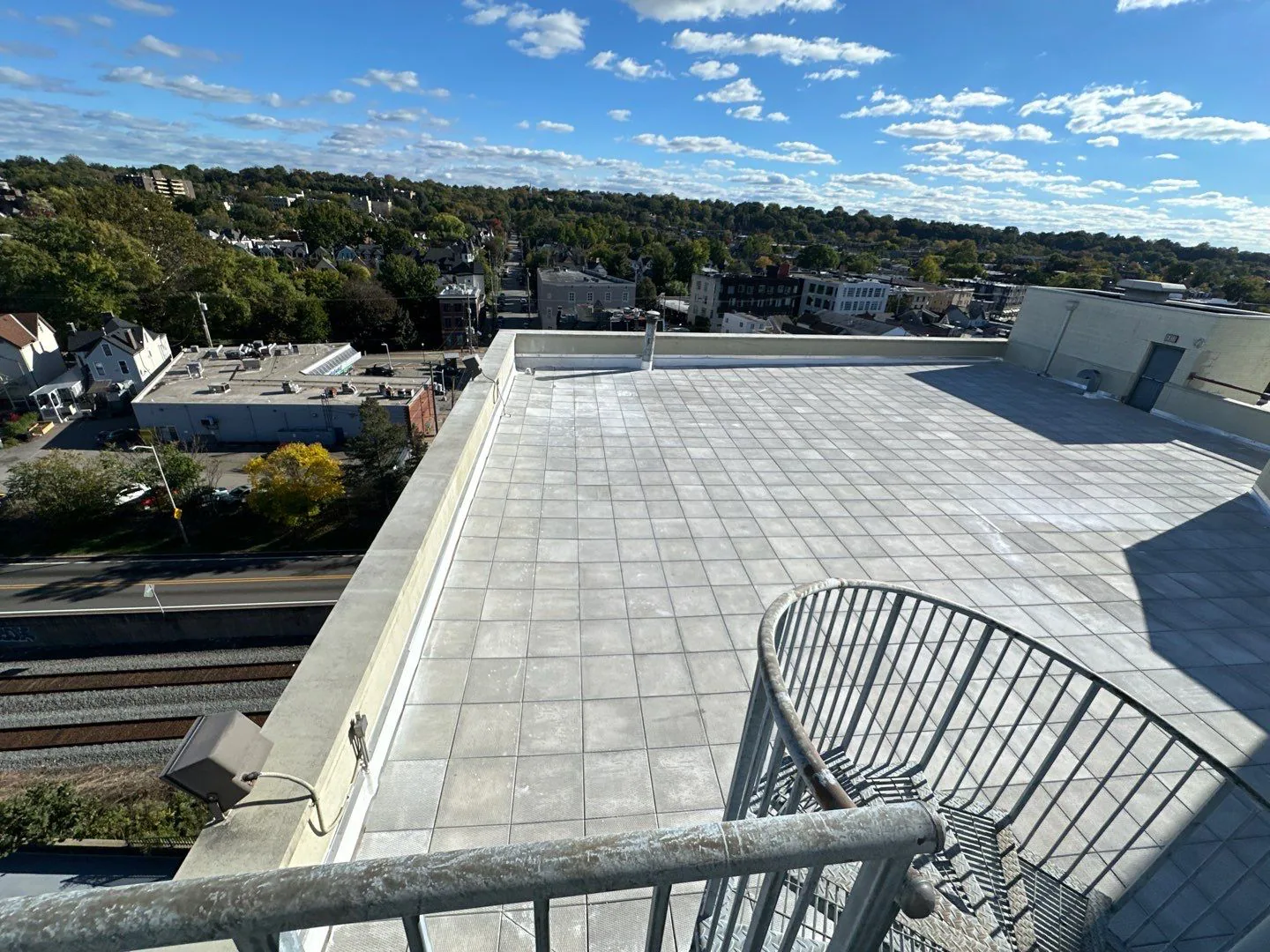
For a property in International Business Park, the relevant service entrance and equipment clearance belong in its particular project arrangement. A roof hatch can restrict handling even when the building's road approach is convenient. We examine the route and work position with the operator. Planning roof reconstruction above occupied rooms can coordinate those dependencies. Responsible equipment participants should identify lifting or disconnection tasks before permanent roofing is scheduled around an obstructed interface.
Update the proposed work when condition or scope changes
A planning assessment describes the condition examined at that time. Later entry, equipment alterations or selected exposure can change the useful next task. We identify those physical changes and their effect on reconstruction. The owner should understand which earlier assumption needs revision. Written findings for the proposed project area can keep that decision attached to the positions involved. A broader removal boundary may require different material handling or protection. Its connection tasks should be reconsidered alongside the changed field area.
Before selecting permanent construction, the owner should receive a scope covering preparation, retained layers and adjoining interfaces. Any further review or separate trade task should be explicit. Completion information should identify what was rebuilt and material remaining around it. Continuing access needs to preserve those connections. Later equipment changes should coordinate their roofing details. Capital planning is useful when it supports a defined work decision for the occupied property, including the next examination needed where current condition does not yet establish the complete reconstruction.
Commercial Roofing Questions
What should be examined before choosing a roof renewal allowance?
The accessible assembly, relevant connections and underlying questions should be assessed. We identify removal or retention assumptions and useful further examination. Equipment clearance, wall work and outlet relationships can affect the complete scope. The owner should compare defined construction rather than a covering name alone. Appropriate permit or design review may be needed for the proposed changes.
Can a limited repair remain useful while replacement is being considered?
A localized connection may be repairable where surrounding material can receive the task. We examine that boundary and explain preparation. The scope should identify the physical condition corrected and the wider concern remaining. Repeated entry or unsuitable retained material can change the decision. The owner needs a practical near-term correction without assuming it resolves the entire roof.
Why can roof retention and full removal produce different connection work?
Their assembly profiles and retained layers can differ. We identify walls, curbs and outlets affected by the proposed reconstruction. Condition and applicable requirements influence which material can remain. Equipment clearance or another trade's task may also change. The owner should understand those interfaces when comparing options for the same roof area.
What can change the planning scope before construction begins?
New entry, equipment alterations or further examination can reveal a different work boundary. We explain how the finding affects removal, protection and connected details. The owner should update the project assumptions accordingly. Responsible participants need to review applicable assembly and access questions. The permanent scope should reflect the actual task selected rather than preserve an earlier description after conditions change.
Define the proposed renewal task
Arrange a Concord roof planning assessment. Identify the property, operating space affected and available access for examination of the proposed project area.