Home / Property Types We Roof / Commercial Data Center Roofing
Commercial Data Center Roofing in Concord, NC
Assess data center roofs in Concord around sensitive rooms and equipment. We coordinate access, drainage corrections and suitable removal boundaries.
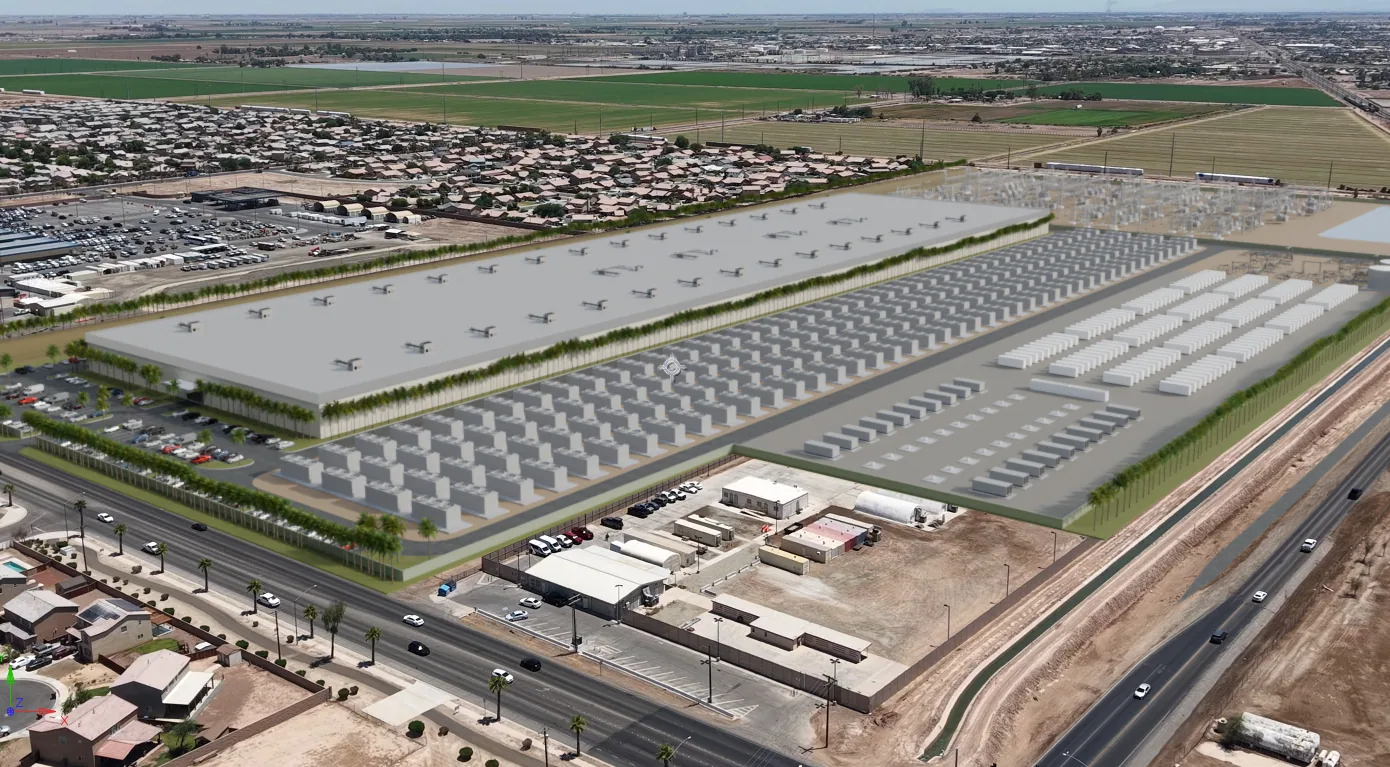
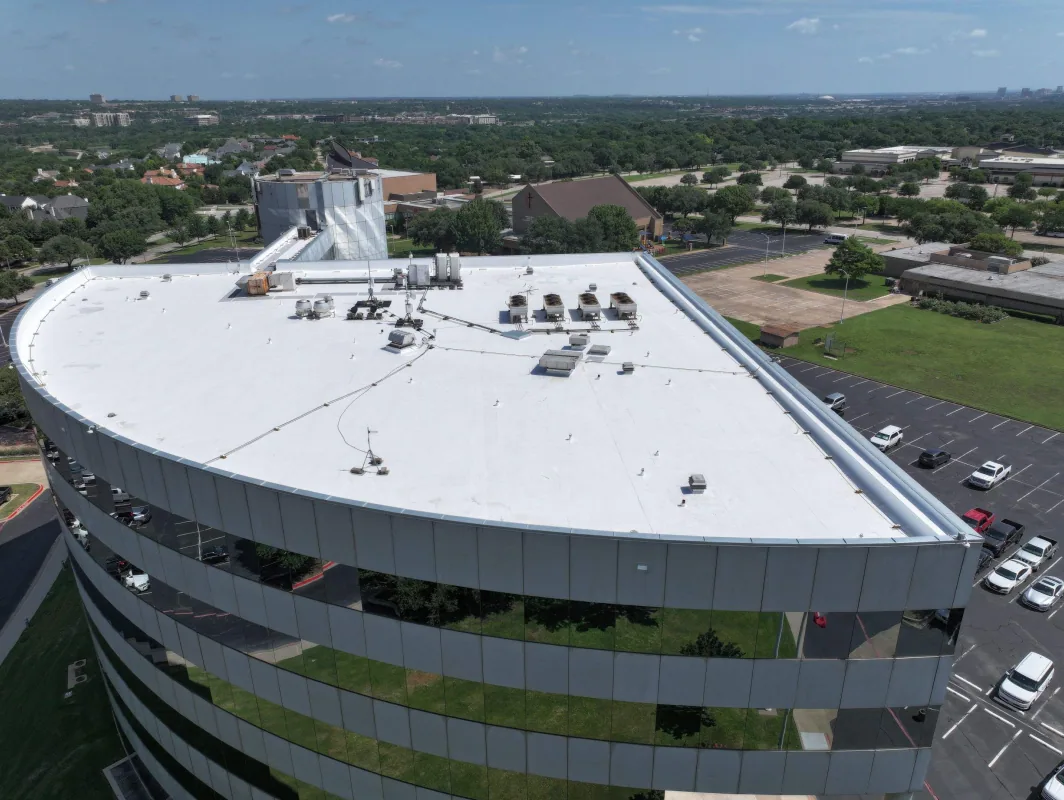
A water symptom beside a cable route needs a response coordinated with the operator. The roof examination must fit the affected room's access requirements. We assess data center roofing in Concord, NC. Equipment and electrical arrangements require their responsible participants to manage service conditions. We identify the roofing question and proposed work boundary. Temporary protection should address the immediate exposed condition where appropriate. The permanent correction then follows the supported defect and suitable adjoining material.
I-85 provides immediate access to Concord's business parks. Industrial facilities also appear in the Weddington Road Corridor planning area. For roof work above sensitive equipment, the individual property still needs a defined handling route. We discuss where material can move and which entrances must remain available. A roof assessment above sensitive equipment space then establishes the accessible assembly condition. Equipment clearance and the permitted roof approach affect that examination. We identify any further access needed to resolve a concealed connection before defining its permanent correction.
Confirm the permitted examination route
The operator should identify how roof staff can reach the affected area. Internal access may pass through restricted or equipment-sensitive space. Outside access can require another handling or lifting arrangement. We discuss those routes before attendance. The plan should also identify any limits on photography or examination equipment. The authorized method needs to provide useful information for the roof question. Its limits should remain clear where part of the assembly cannot be reached.
Immediate interior conditions belong with the responsible facility personnel. Water near electrical equipment can require their authorized response before access proceeds. We coordinate the roofing visit around that arrangement. Nobody should enter an unsafe area merely to trace a symptom. Safe location and timing information can still help direct examination. Urgent roof protection may be appropriate once suitable access is available. The task must fit the actual exposed condition. It remains separate from a complete permanent assembly repair.
Map the roof interfaces serving the room
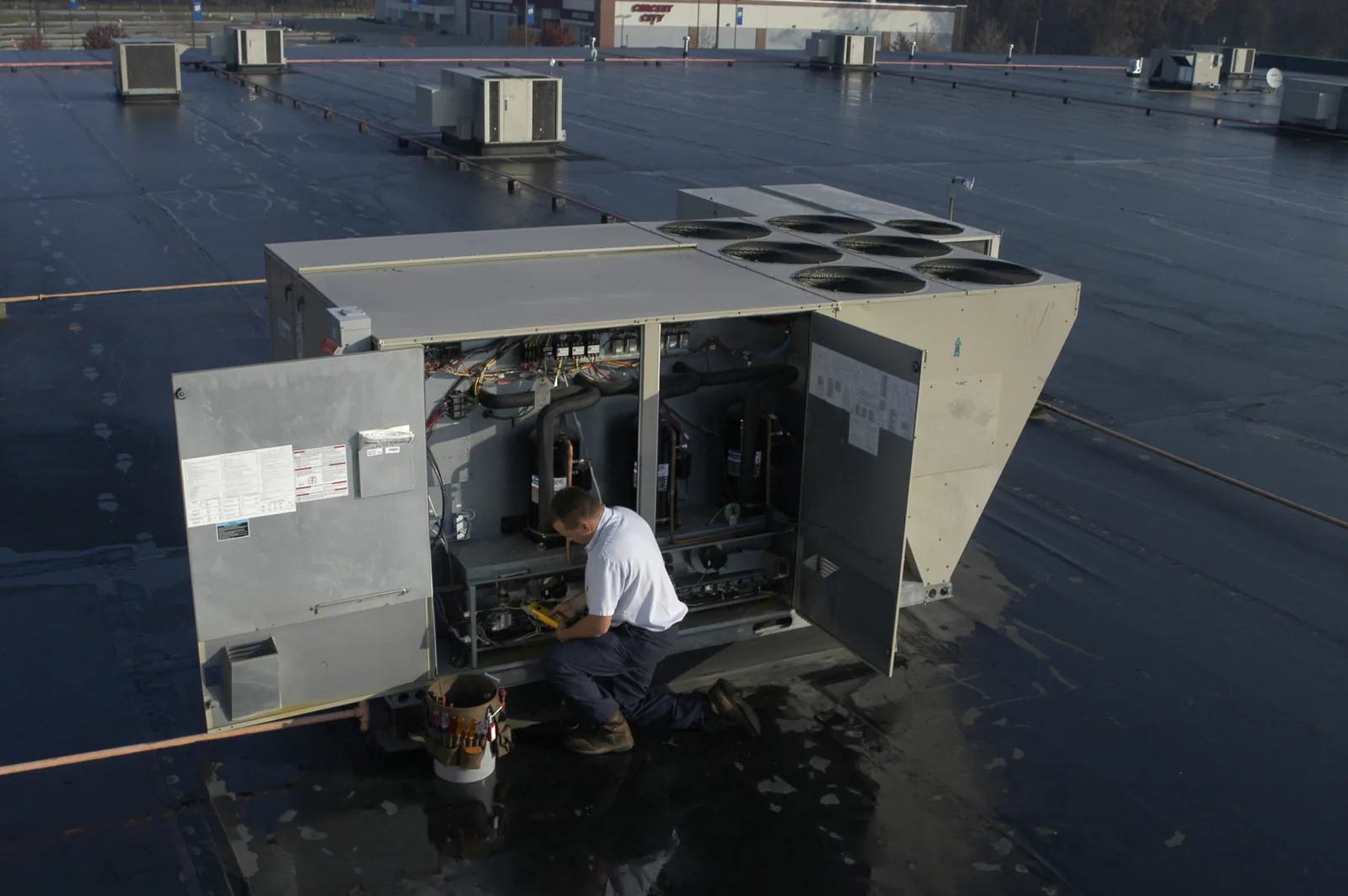
Cooling equipment and service penetrations can create several separate roof connections. Their actual arrangement needs examination at the building. We identify accessible curbs, pipes and surrounding flashings. Some details may require equipment clearance before complete repair. The responsible trade should confirm any disconnection or operating window. We explain the roofing boundary for that discussion. A service dependency needs resolution before a concealed termination is presented as fully repairable.
The installed unit can also have its own water or condensate questions. Moisture beside it does not establish a failed roof membrane. We examine the accessible roof interface while the equipment participant addresses its components. Both findings can require correction. Roof equipment support coordination helps define those connected tasks. An unstable support can damage a newly reconstructed flashing. We identify that condition rather than leave it outside the useful repair discussion. The owner should know which participant completes each necessary boundary.
Resolve the specific entry route
The indoor location helps identify urgency and affected use. Water may move through the assembly before appearing at that point. We inspect the connected roof layout and accessible details. Seams, walls and outlet connections may need examination beyond the nearest unit. A previous repair can also affect the current route. The permanent correction should follow a supported finding. Applying material broadly around equipment can obscure the defect without resolving it.
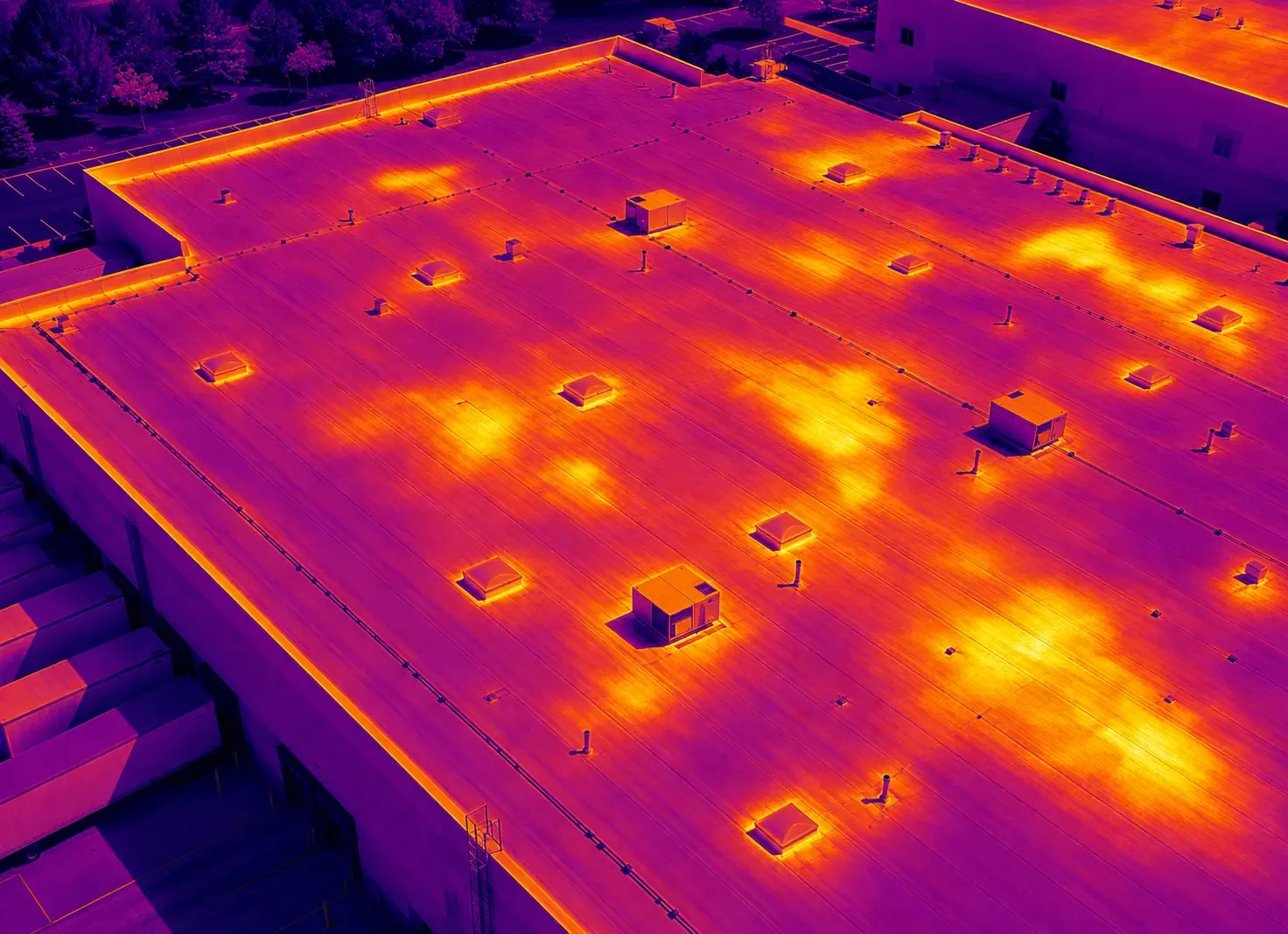
Concealed wet insulation may need selected investigation. The proposed examination should suit the operator's access and protection requirements. Any opening requires appropriate reconstruction afterward. We distinguish confirmed material condition from areas needing further assessment. A moisture survey with physical verification may help under suitable conditions. Its indications must be interpreted with the actual roof features. The owner should understand what the investigation establishes. That information guides necessary removal rather than treating a temperature pattern as the complete repair boundary.
Maintain access to the discharge points
Equipment and service routes should not obstruct roof outlets. Debris can collect around crowded installations and interfere with drainage. We examine the route toward the intended discharge point. A depressed surface may require another correction beyond clearing debris. The drain connection also needs suitable material and support. Piping restrictions can require separate professional attention. We identify those tasks so the response addresses the complete water route.
Cabarrus County has warm-season thunderstorms. Known backup during rain helps direct the physical examination. We discuss where water collects and whether its behavior has changed. The correction should follow the actual outlet and surface condition. Altering drainage design may require appropriate review beyond roof repair. Continued outlet access matters after equipment changes as well. A restored membrane cannot compensate for an inaccessible blocked discharge route. The operator should understand that remaining care task alongside the completed roofing work.
Keep removal suited to the protective arrangement
Broader deterioration may require replacement rather than another local repair. Removal above equipment-sensitive rooms needs an agreed boundary and suitable protection. We explain the exposed assembly and reconstruction method to the operator. The permissible daily area should follow what can be appropriately addressed. Weather and concealed material findings can change that boundary. The plan should identify how such a change is handled. Maintaining a fixed schedule should not leave unsuitable material or an unprotected transition.
Reroofing coordination for occupied space should include relevant service dependencies. Added insulation can change curb heights and surrounding flashing requirements. Support condition and attachment also matter to the proposed assembly. A roof task around office rooms may have different occupancy constraints. Manufacturing roofing work likewise involves its own equipment arrangement. We establish the actual data-center requirements rather than transfer another building's sequence. The complete scope needs suitable material, details and access. Its protective plan is part of the project, not a general continuity claim.
Coordinate future alterations with the repaired boundary
New equipment or changed service routes can affect a completed roof detail. Pipes and supports may need coordinated flashing reconstruction when moved. We identify relevant roof interfaces at handoff. The operator should retain the assembly and repair information. Later work can then use suitable components and preparation. New cuts or disturbed terminations need focused assessment. The roofing task should be coordinated before another contractor alters the protected boundary.
For a property in the Weddington Road Corridor, future access still follows the individual operation. The care arrangement should revisit outlets, service routes and previously affected details. We distinguish finished repairs from remaining investigation or equipment tasks. The operator can then arrange the correct participant for each concern. A changed indoor symptom needs examination even near completed work. Its location and timing help direct that visit. Continuing care should follow the physical roof condition and actual equipment changes. That keeps the next task specific to the protected space.
Commercial Roofing Questions
What should be established before inspecting a data center roof?
Confirm the permitted route, affected room and relevant operating restrictions with the responsible operator. We discuss the proposed examination method and any access limits. Electrical or equipment conditions require their authorized response. The roofing visit should provide useful information within that arrangement. Any inaccessible assembly question needs to remain identified for an appropriate next examination.
Can water beside cooling equipment come from something other than roofing?
A unit or condensate connection can produce moisture near the roof interface. We examine accessible flashing while the equipment participant assesses its components. Rain timing and physical findings help distinguish the questions. Both conditions can occur together. The permanent scope should identify supported corrections rather than assume the nearest membrane detail caused every symptom.
How should roof removal account for sensitive equipment below?
The operator should confirm the affected space and necessary protection arrangement. We explain the proposed opening, reconstruction sequence and service dependencies. Weather or concealed findings may change the protectable daily boundary. Those changes need coordination before the work advances. The removal plan should suit actual conditions rather than rely on an unsupported continuity promise.
What roof information helps when equipment is altered later?
Retain the installed assembly, completed repair locations and relevant connection details. New pipes, supports or moved units may require compatible flashing work. We explain those interfaces at handoff. The responsible participants should coordinate before cutting or repositioning components. That information helps preserve the repaired roof boundary while the operator manages its equipment and access requirements.
Assess the roof above sensitive space
Arrange a Concord data center assessment. Identify the affected room, permitted roof access and equipment participant so we can define the examination and roofing task.