Home / Service Areas / Weddington Road Corridor
Commercial Roofing in Weddington Road Corridor, Concord, NC
Commercial roof repair and replacement planning for the Weddington Road Corridor in Concord, with inspection scope tied to access and roof condition.
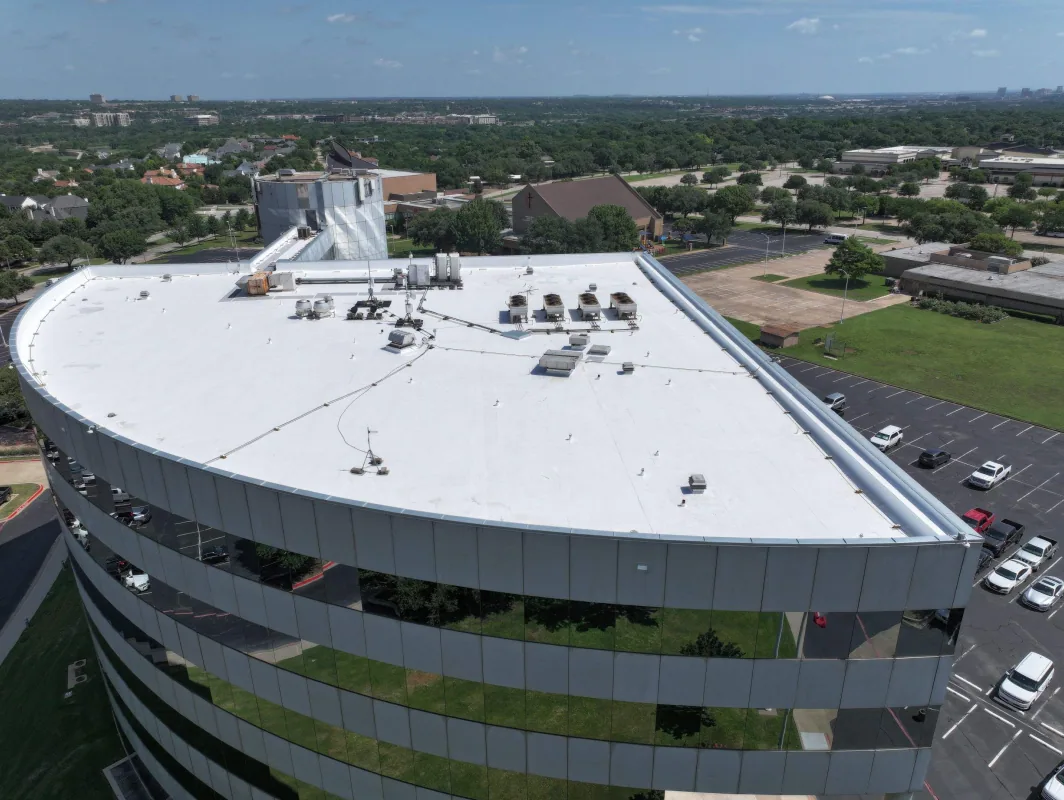
A lift waiting beside a delivery entrance can stop receiving before roof work begins. We confirm the building, affected room and roof access before choosing a repair boundary. In Concord, NC, the Weddington Road Corridor is a significant connectivity route. Its planning area includes industrial facilities and parks, greenways, key intersections, and new and existing neighborhoods. The area is broad enough to describe a corridor, while a specific building still needs its own roof inspection. We inspect the membrane, drains, curbs and edge details that can be reached. Then we match the work sequence to the entrance and occupied space below. A commercial roof inspection records the conditions that support a repair or a larger replacement decision.
Start with the roof assembly
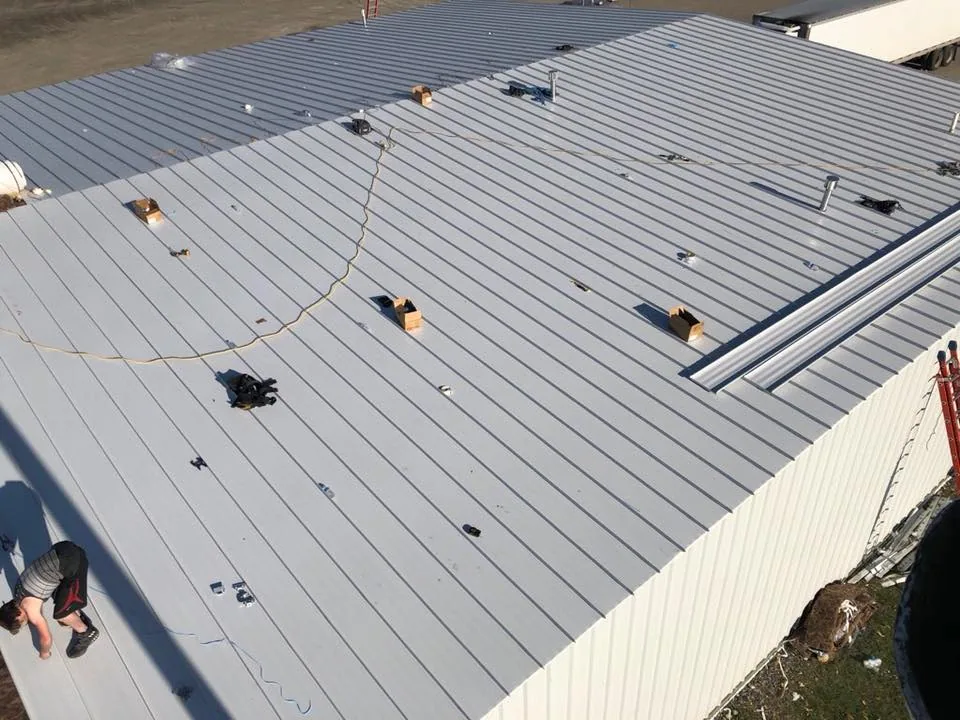
An industrial building may have additions, equipment changes or repairs from different years. The installed layers can vary across the same roof. We identify the membrane where records and visible details support the call, then inspect seams, penetrations, perimeter metal and drain connections. A loose lap needs a different correction from wet insulation or a weak deck. We mark the area that can be confirmed and identify what would require a test opening. The corridor's planning materials include industrial facilities and parks, but that does not establish how a particular building was constructed. A property near International Business Park still needs the same building-level review. We compare drawings with the roof in front of us, especially where an older curb or patch crosses a newer membrane. The proposal names retained material, removal limits and details that must be rebuilt so the owner can see how the work ties together.
Follow the water path
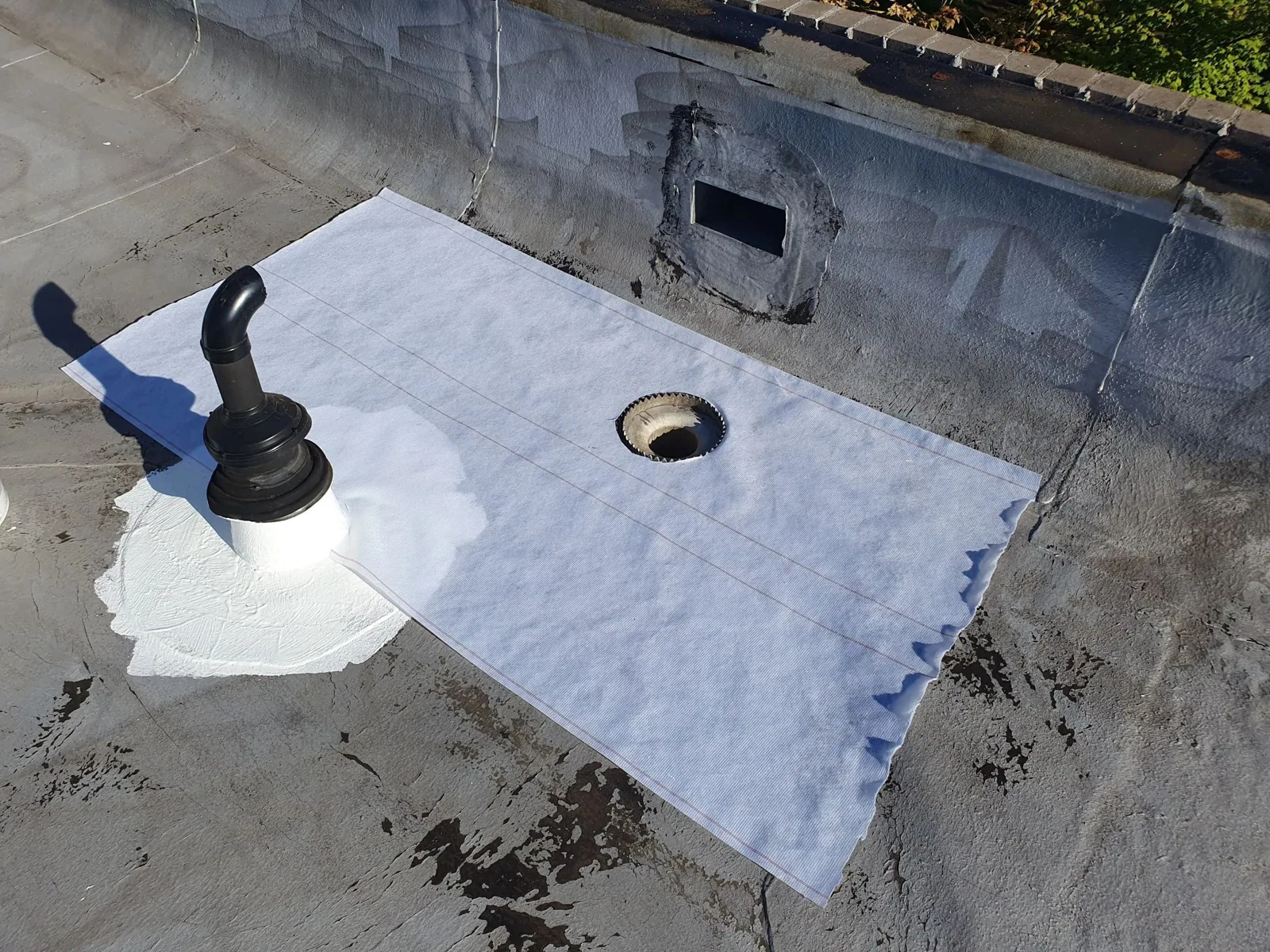
Water on a ceiling can travel across insulation before it reaches a room. We start above the reported area and follow slope toward drains, scuppers and roof edges. A blocked outlet calls for cleaning if the connection remains sound. A separated clamp, low spot or failed membrane tie-in needs a defined repair. We look for trapped moisture, open seams, loose flashing and older patches that may redirect runoff. If the visible evidence does not establish the full extent, a selected test opening can answer a specific question. Drain and scupper correction should address the outlet and the material attached to it, not just remove debris. A roof near a greenway or a key intersection does not get a different drainage standard, but staging and access may need coordination at the property. We document the outlet checked, the condition found and any area left untested. That gives facilities staff a useful comparison point after the next rain.
Keep the route available
A connectivity corridor can have several entrances serving different buildings and uses. The approved delivery path still comes from the property's contact, not from a road label. We ask when loading is active, where a lift can set up and which doors must remain open. If a greenway crossing or intersection affects the work zone, the owner can identify any site-specific restriction before materials arrive. We also check the roof hatch, ladder point and equipment clearance. An entrance below a work area may need temporary protection or a pedestrian detour. Occupied-building roof work needs a section plan with an opening limit and a dry-in point for each shift. A building in Downtown Concord needs the same kind of property-specific check. We set the access arrangement with the person responsible for that property and confirm who can approve a change if weather or a concealed condition alters the sequence.
Compare the repair paths
A patch can preserve sound material when a defect is isolated and the surrounding assembly is stable. Repeated seam failure, wet insulation or poor attachment may call for removal beyond the visible opening. A recover is possible only when the retained roof, drainage, edge height and deck can support another layer. We inspect those conditions before comparing the work. If the repair extent remains uncertain, the proposal can separate confirmed work from an allowance that needs approval after opening. Standing-seam metal has different joints and perimeter details from a low-slope membrane, so identification matters before materials are selected. Cost and timing follow the area opened, disposal needs, insulation replacement, access and weather-sensitive installation steps. We show those drivers in the scope rather than present a single quantity without its assumptions. Before a repair tie-in is proposed, we check whether the retained edge can be cleaned and prepared without removing sound adjoining material. If the membrane has several incompatible patches, we identify how each affects the new connection. A test opening can show whether insulation is dry and whether the deck will accept the fastening pattern. That information can change disposal volume, labor sequence and the period a room needs protection. We explain those possibilities before work begins, then confirm the actual condition once material is opened. The owner can approve a defined extension or keep the initial boundary while another area receives separate review. For a property in the Concord Parkway and Roberta Church Road area, the roof decision still rests on the observed assembly and the work limit the owner approves.
Leave a useful roof record
At closeout, the owner needs a clear account of the area opened, material installed and detail restored. We photograph transitions from a recognizable roof position and note any condition that remains concealed or inaccessible. The record can help distinguish a later leak near the repair from water entering at a separate curb or drain. We list the maintenance item that deserves another look and who should arrange it. A roof condition report can carry those observations into a maintenance or capital discussion. We do not describe the whole corridor from a single visit. The route includes greenways and intersections as well as industrial facilities and parks, but the findings belong to the property inspected. If a future lift or equipment project is planned, the facilities contact can use the repair location and membrane information to coordinate the next roof opening. A follow-up can also be tied to a visible change, such as a recurring stain or a trade visit near the repaired curb.
Commercial Roofing Questions
Does Weddington Road's industrial planning identify the roof on a particular building?
No. The corridor plan describes industrial facilities and parks within a broader area. We identify the installed system, moisture condition and repair boundary on the building being evaluated before recommending a scope.
How do greenways and intersections affect a roof project?
They can matter when the property contact identifies a route, lift setup or temporary work zone that intersects with site access. We confirm the restriction and plan deliveries and protection for the building, rather than assume conditions from the corridor map.
What changes a small leak repair into a larger opening?
Wet insulation, weak attachment, damaged decking or repeated failure at connected seams can extend the work beyond the visible stain. We define what is confirmed and pause for approval if concealed conditions change the proposed boundary.
Can a roof recover work if the building has several additions?
Each section needs a compatible assembly, sound support, working drainage and enough perimeter height. We inspect additions separately and identify where another layer is suitable, where removal is needed and what must be tested first.
Which details should be ready before a Concord service visit?
Share the affected room, roof access point, active loading times and any lift or equipment clearance limits. A site contact who can approve access helps us inspect the relevant area and avoid staging assumptions.
Arrange a roof review for your property
Tell us which room or roof area is affected, how the crew can access the building and whether loading or equipment work needs a set window.