Home / Roofing Capabilities / Commercial Roof Condition Reports
Commercial Roof Condition Reports in Concord, NC
Document commercial roof findings in Concord by identifiable position. We explain accessible condition, useful photographs and the next corrective task.
Two ceiling marks can belong to different roof connections even when they appear in the same room. The written findings need to keep those positions separate. We provide commercial roof condition reports in Concord, NC. The assessment identifies the area examined and accessible condition found. Photographs should locate relevant details and support a practical next task. The owner should understand the reconstructed boundary being considered, not only receive a list of roof components. We explain restrictions and useful further examination when a concealed layer prevents a complete decision.
Downtown Concord planning includes physical improvements and commercial redevelopment. Church Street Corridor has commercial properties with residential uses around them. An occupied building in either setting can need several distinct roof and wall tasks. We connect each finding with the actual area and practical access involved. A defined commercial roof examination can establish accessible condition before the written recommendations are prepared.
Identify what was examined and what remained inaccessible
The assessment should identify the roof area reached during the visit. Equipment, access condition or an unsuitable approach can restrict examination. We explain that limitation at the relevant position. An inaccessible detail should not be treated as sound simply because no defect was recorded there. Available assembly information helps describe the installed covering and known layers. Concealed material may remain uncertain. The owner should understand which part of the decision rests on accessible findings and which requires another authorized examination before reconstruction is selected.
Indoor observations also need useful location and timing. The operator identifies where water appeared and any recent equipment or wall activity. We compare that report with accessible roof details. A room mark can direct examination without identifying the entire path by itself. The written findings should distinguish the reported symptom from the exterior condition established. That distinction helps another participant understand why a roofing task is proposed and where piping, equipment or adjoining construction may need separate attention.
Connect photographs with recognizable roof positions
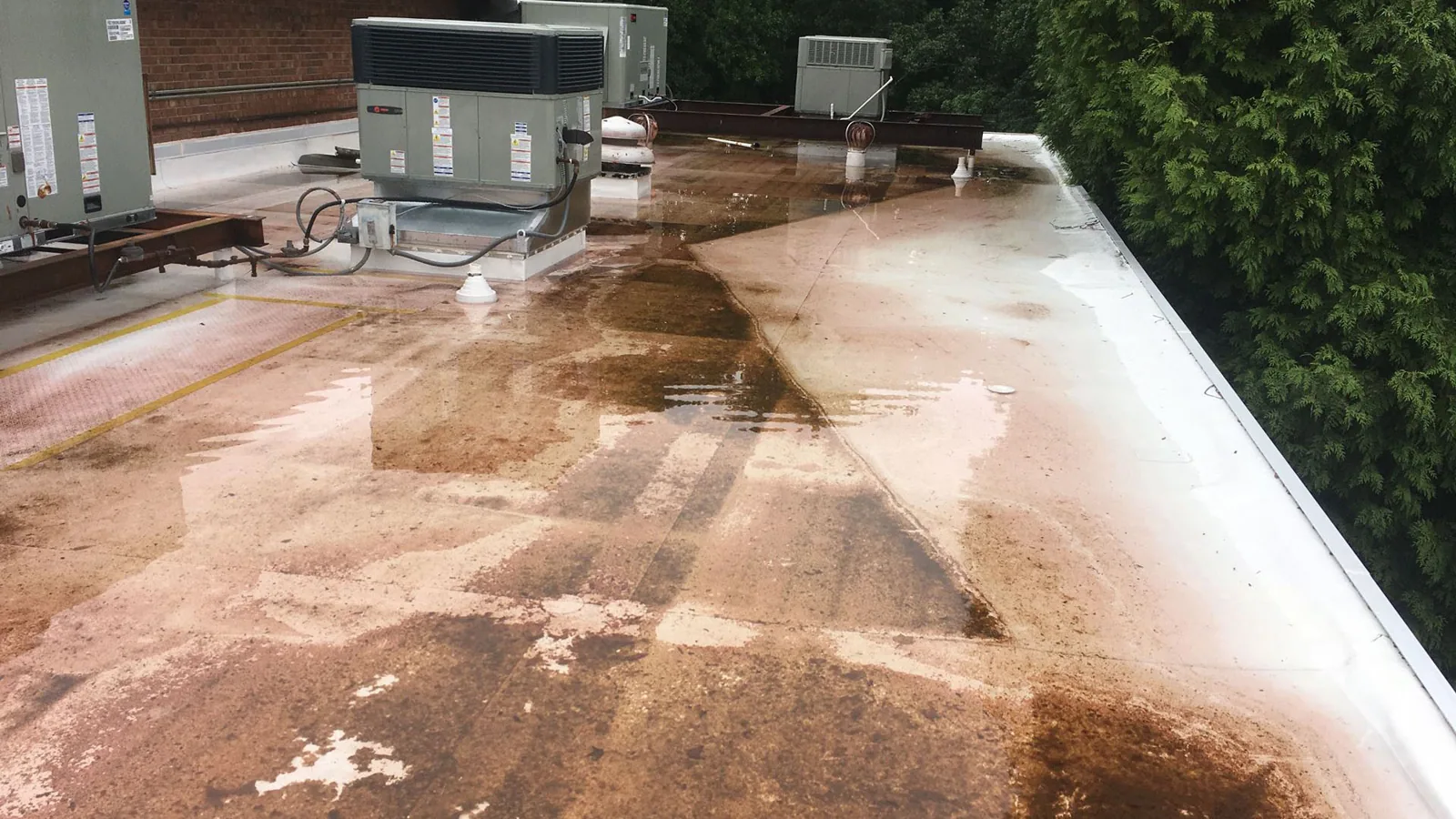
A close view of a split needs enough context to locate its connection. We identify relevant positions within the examined area. Useful views can show the defect and its relationship to an outlet, wall or equipment curb. The description should explain what condition is visible. A photograph of a surface does not establish every concealed layer beneath it. Where removal depends on underlying condition, we explain the additional question. The owner should be able to discuss the task without guessing which of several similar details the image represents.
The same position names should carry through the proposed scope and completion information. Tracking identified roof areas can connect later findings with the relevant history. A changed component or reconstructed section may need an updated description. Otherwise, a later water report could be assigned to an old detail that no longer exists in the same arrangement. We identify useful references at the particular property. The report should remain understandable to the owner and service participants who were not present during the visit.
Describe the physical correction attached to the finding
A recommendation should identify how the established defect is addressed. The owner needs the receiving material, preparation and reconstructed connection explained. Wider deterioration may change the boundary beyond the visible opening. We identify that issue and useful further assessment. A position-specific repair scope can distinguish a usable local task from a broader removal question. A general instruction to seal the roof would leave those details unresolved. The written findings should explain the practical next step at the affected area.
Reconstruction of an identified flashing defect may require adjoining wall work or equipment clearance. Correction at a retained-water area can involve the profile as well as its outlet. Those tasks need distinct descriptions. We identify another participant's contribution where it affects roofing access or the permanent connection. The owner should understand which work can proceed and which depends on that separate task. Applicable design or permit review may also be needed for the proposed reconstruction.
Explain the question that requires another assessment
A concealed layer can remain uncertain after an accessible roof visit. We explain why its condition matters to the proposed work. Selected exposure or another suitable assessment may be useful. The owner should understand the position and purpose before authorizing that task. An opening needs protection and reconstruction afterward. The additional findings can change removal or retention. The report should not present an unresolved material question as a completed construction decision. It should identify the practical next examination and the boundary affected.
Planning from established roof findings can use that assessment to compare defined reconstruction options. A local defect and wider deterioration may need different decisions. Appropriate professionals should review structural concerns or relevant design questions. We identify the roofing dependencies for that participation. The resulting scope should reflect the actual assembly and connected details. The owner can then compare proposals that address the same physical area rather than descriptions based on different unexamined retention assumptions.
Keep the findings useful through work and later service
Access and occupied-space restrictions belong beside the proposed task. The operator identifies equipment clearance, handling positions and affected contents. A removal sequence needs practical protection for the daily opening. We explain relevant dependencies so the owner can coordinate participation. Along the Church Street Corridor, a wall-side detail may need work above the property's entrance. The report should identify that actual arrangement rather than leave the access task to be discovered when material arrives.
Completion information should return to the positions identified in the findings. It should explain the roofing reconstructed and any separate task still needed. Later alterations can change the relevant connection. The owner should connect those changes with their roofing work. New reports need occupied location and timing so examination can follow the current condition. Continued examination of accessible details can preserve the useful work boundary. The written information should support a clear next decision whenever that particular roof area needs attention again.
Commercial Roofing Questions
What should a roof photograph identify beyond the close-up defect?
The image and description should locate the relevant connection within the examined area. We identify useful references such as an outlet, wall or equipment position. The findings should explain the visible condition and its proposed task. Concealed material may require separate assessment. A close view alone should not leave the owner guessing where reconstruction is needed.
How should restricted roof access appear in the written findings?
Restrictions should be identified at the area they affect. We explain what was accessible and what useful examination remains. Equipment clearance or an unsuitable approach can prevent assessment of a relevant detail. The owner should understand that dependency before choosing reconstruction. An unexamined position should not be assumed suitable solely because no defect was recorded there.
Why distinguish the indoor report from the roof condition found?
Water can travel before appearing in an occupied room. The report helps direct examination, while accessible exterior findings establish the proposed roofing task. We keep those positions and observations clear. Another trade's connection may need attention where equipment, piping or walls contribute. The owner should understand which physical correction is supported and which further examination is useful.
What happens when a concealed layer prevents a removal decision?
We explain the condition question and the proposed assessment position. Authorized exposure or another suitable examination may help establish the retained boundary. That task needs protection and reconstruction. The additional findings can change removal extent or connected detail work. The owner should understand the next step before selecting a scope that assumes the uncertain material remains suitable.
Identify the roof area needing a clear next task
Arrange a Concord roof condition assessment. Describe the occupied-space concern and available access so findings can identify the relevant roof positions.