Home / Roofing Capabilities / Commercial Roof Asset Management
Commercial Roof Asset Management in Concord, NC
Track commercial roof condition in Concord by defined roof area. We connect findings, completed work and service access with practical owner decisions.
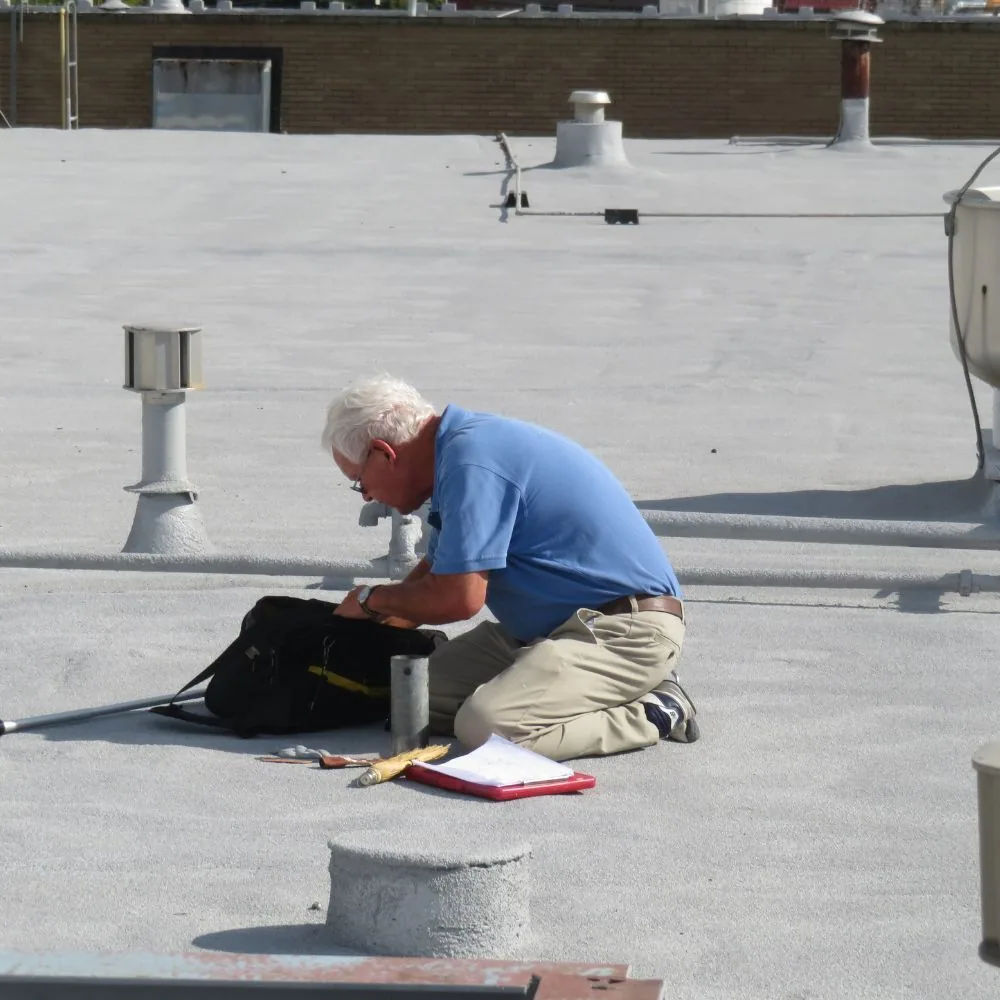
A work order marked complete can leave the owner unsure which roof area was repaired. That uncertainty makes the next water report harder to assign. We support commercial roof asset management in Concord, NC. The task connects each defined roof area with useful condition and work information. The owner should know the installed assembly where established, the connection reconstructed and the remaining concern. We organize the roofing decisions around occupied spaces and practical access. A collection of photographs is useful only when the relevant positions and next tasks can be understood.
International Business Park brings roughly thirty companies together near I-85 Exit 55. Concord Entertainment Corridor activity includes hotels, restaurants and retail around Exit 49. A portfolio can involve several operating arrangements and separate service participants. We identify the actual building and roof area attached to each finding. Position-specific roof condition reporting can give the owner a usable starting point for tracking those separate tasks.
Give each roof area an identifiable boundary
A building name alone may not identify the assembly involved. Different additions or reconstructed sections can have different material and detail conditions. We define the accessible area examined and useful reference positions. The owner should be able to connect a room report with that roof area. Equipment, outlets and wall transitions can help locate a finding when clearly identified. Available assembly information should distinguish established details from material needing further examination. The task should remain understandable when another facilities participant later receives it.
An initial assembly and detail examination can establish accessible condition across the selected area. The findings should identify where access was restricted. A concealed layer question may require another assessment before retention is chosen. We explain that next step rather than leave the owner with an unexplained material label. Useful area identification also needs consistency across repair proposals and completion information. Otherwise, two descriptions of the same connection can make it appear that separate work remains outstanding.
Attach each finding to a practical roofing task
Condition tracking should explain what the owner can decide next. A separated outlet flange may need reconstruction at a defined connection. An uncertain underlying layer may need authorized exposure before removal is chosen. A loose equipment component can require another trade's participation. We distinguish those tasks within the roof area examined. The owner should see which work can proceed and which depends on clearance or further review. A broad recommendation to address the roof leaves those operating and construction questions unresolved.
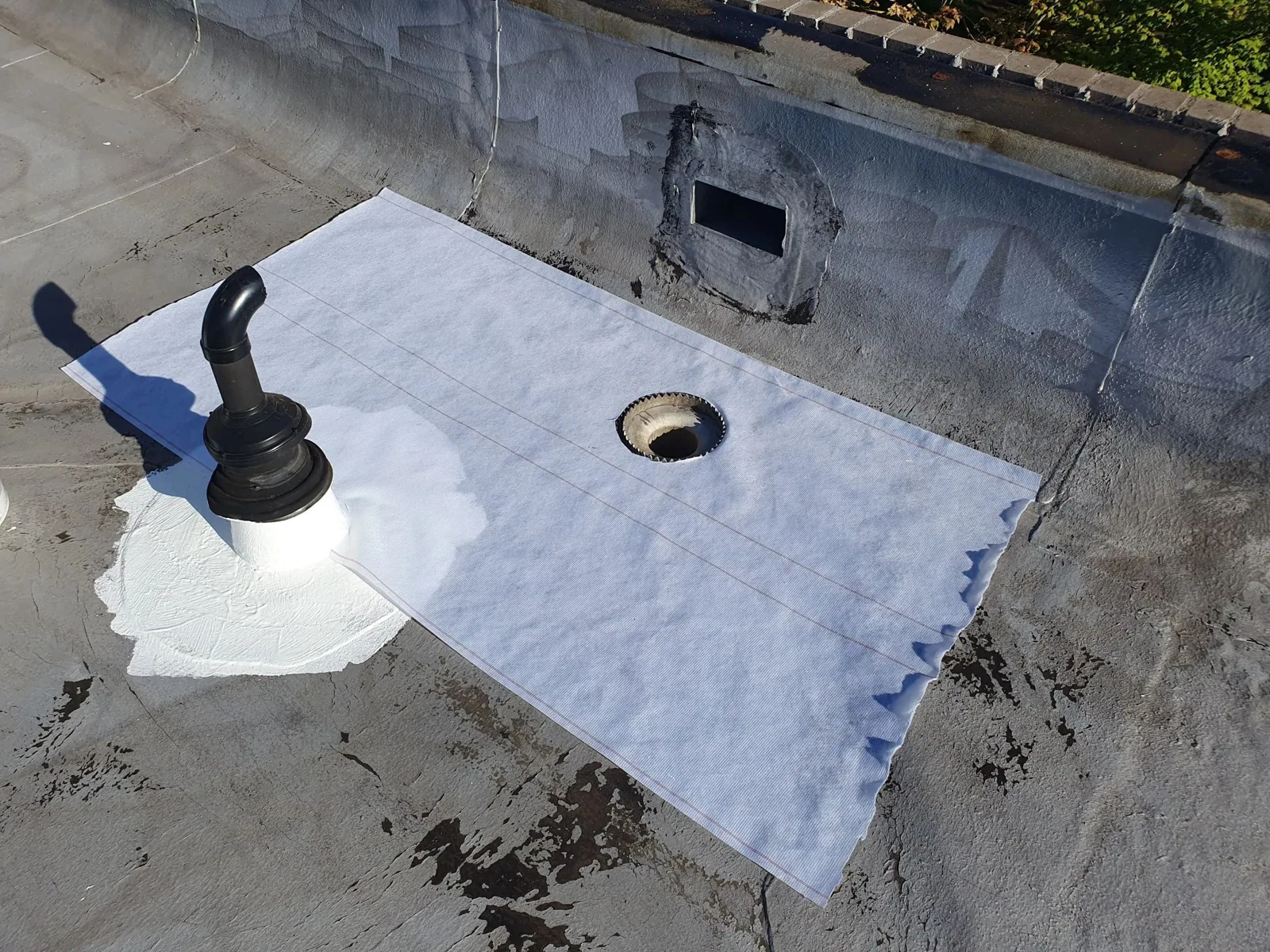
A defined corrective roofing scope can identify material preparation and the retained boundary. Discharge-related detail work should distinguish a roof connection from separate downstream piping. These tasks may sit beside one another without being interchangeable. Their descriptions should identify the affected positions and practical dependencies. The owner can then arrange the right access and participation. Completion should return to those same boundaries so the asset information reflects the actual work rather than only the original proposal.
Keep occupied-space and service restrictions with the area
A useful roof entry should include the access needed for examination and work. The operator identifies occupied rooms, equipment clearance and restrictions near the affected position. A roof hatch or lifting approach may serve more than one assembly area. We review that arrangement before defining removal. Required exits need appropriate attention during handling. The task should explain how materials reach the roof and which equipment participation is needed. Those practical details matter when the owner schedules another visit months after the first examination.
At International Business Park, the particular operator's entrance and service arrangement belong with its building's roofing task. Delivery activity may overlap the handling position needed for a roof opening. We identify that conflict and available restrictions with the operator. Roof work above continued occupancy can coordinate protection where an opening affects active rooms. The asset information should preserve that dependency so later participants do not select a work boundary without its handling and protection needs.
Distinguish completed construction from an unresolved concern
A completed repair should identify its position, reconstruction and retained material. Separate equipment or wall work may still remain. We explain the roofing boundary completed and any follow-up examination needed. The owner can then compare a new report with the prior task. Water appearing in the same room may involve another connection or a subsequent alteration. The completion information should help direct examination without assuming the earlier repair has reopened. Useful timing and location remain important when the operator reports the new condition.
Service activity can change the assembly after a repair. A new curb, added component or altered outlet should be connected with its roofing task. The owner should retain useful material and installation information where available. A later participant can then assess the affected interface rather than prepare another detail without knowing what was retained. We identify useful coordination at those changes. Condition tracking needs to reflect the completed construction, not preserve an old area description after its physical connections have been modified.
Use condition to select the next repair or renewal step
Several roof areas can need different decisions at the same property. A usable assembly with one failed connection may warrant a local task. Wider deterioration can require another examination before renewal is selected. Planning around established roof condition should identify that difference. The owner should understand which condition makes a proposed next step useful. Installation age should be considered with the current assembly condition. Accessible material, moisture, attachment and the receiving construction influence the work being considered.
Continuing visits should have a defined examination purpose and suitable access. Care of tracked roof areas can include accessible outlets and relevant service interfaces. New findings should be assigned to the correct position and connected with a practical task. The owner should understand any professional review needed for structural or design questions. Proposed reconstruction also needs applicable permit review. The useful result is roof information that supports a specific operating and construction decision when the affected area next needs attention.
Commercial Roofing Questions
What identifies a roof asset more clearly than the building name?
A defined area, useful reference positions and established assembly information help identify the actual roofing involved. We connect findings with those boundaries. Equipment and discharge details can help locate a task when clearly described. Separate additions or reconstructed areas may need their own entries. The owner should be able to relate a room report and completed work to the correct position.
How should a completed repair change the roof information?
Completion should identify the connection rebuilt, the retained material and any separate task still needed. We distinguish that construction from further examination. The owner can compare later water reports with the actual boundary completed. Subsequent equipment alterations should also be connected with their roofing work so an older description does not obscure the current interface.
Why keep access restrictions beside the condition finding?
The corrective task may depend on an occupied room, equipment clearance or a specific handling approach. We identify those requirements with the operator. A later visit needs that arrangement to examine and reconstruct the relevant detail. Keeping it attached to the roof area helps the owner coordinate participation before choosing a removal or protection sequence.
Does roof age alone determine the next asset-management task?
The next decision should account for established material and assembly condition. A local connection may remain repairable, while wider deterioration can require further examination or renewal. We explain the physical concern and useful next step. Available history helps, but the owner also needs the current task, its boundaries and practical access requirements.
Connect the roof area with its next task
Arrange a Concord roof asset assessment. Identify the property, recurring occupied-space concern and available access for the roof areas needing attention.