Home / Roof Systems / Commercial Standing Seam Metal Roofing
Commercial Standing Seam Metal Roofing in Concord, NC
Assess standing seam metal roofing in Concord with clips, panel movement and penetrations in view. We define suitable repairs and complete replacement details.
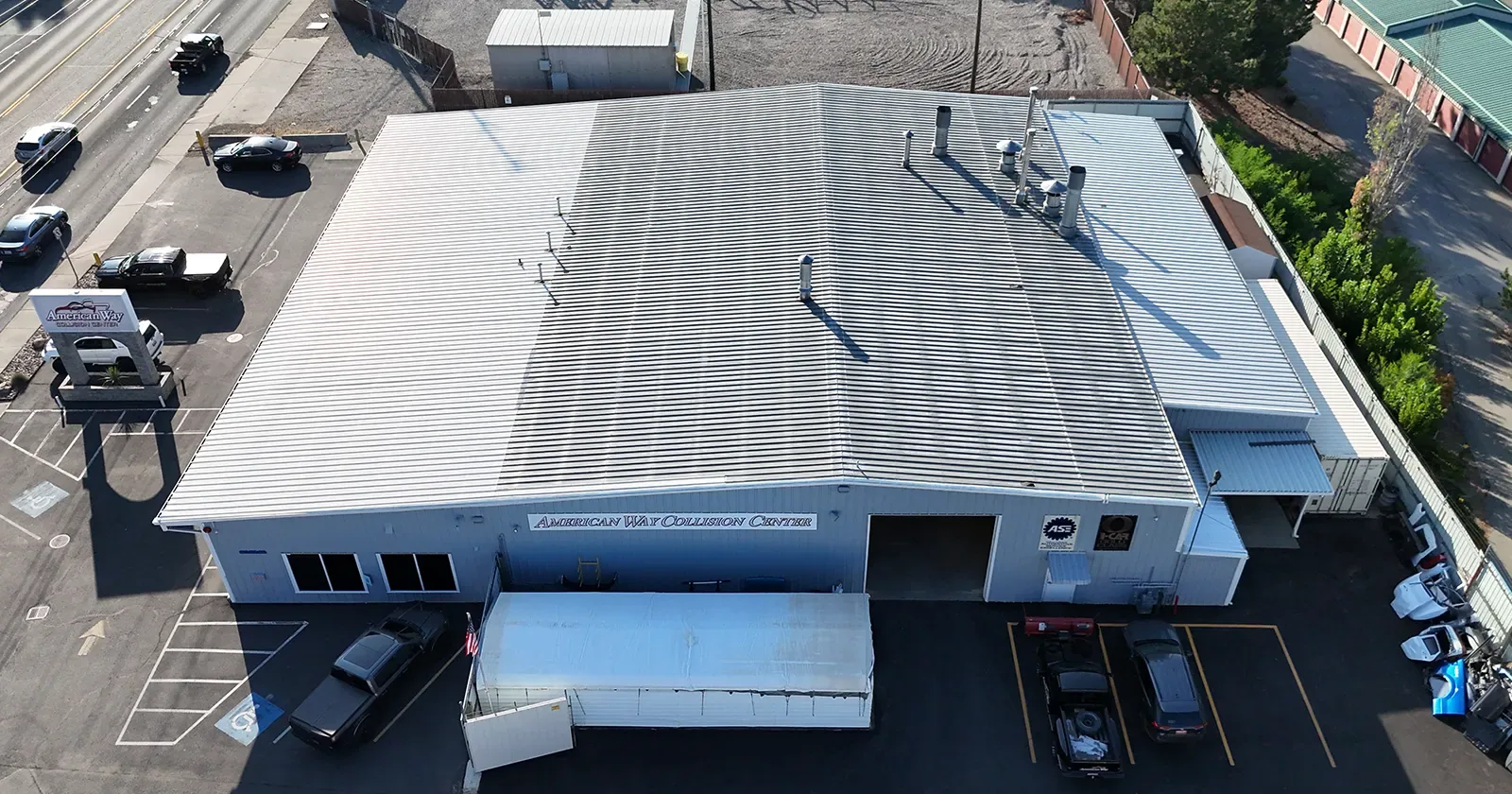
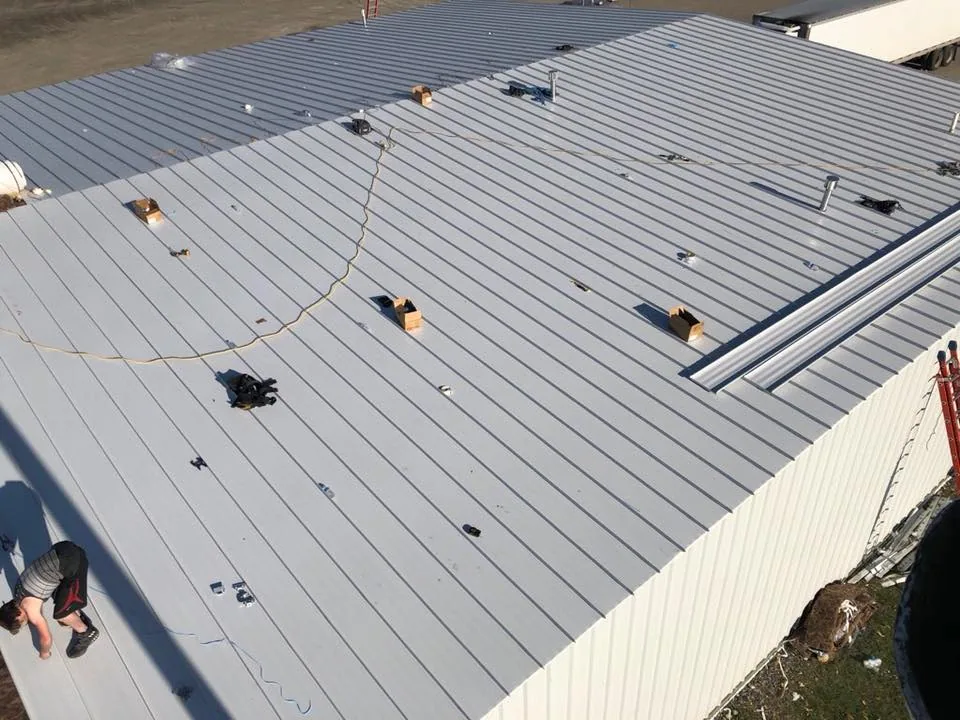
Water near an upper-floor wall can interrupt use of the room beside it. A metal roof transition may need attention even when its panels look straight. We assess standing seam roofing in Concord, NC. Raised panel seams, concealed clips and detailed transitions form the assembly. Each part needs to accommodate the specified attachment and movement. We examine the affected boundary before proposing correction. The visible panel field alone cannot describe every connection above the occupied space.
The Concord Entertainment Corridor includes hotels, restaurants and auto dealerships. Those properties can have varied roof layouts and operating needs. Church Street Corridor also contains commercial businesses near residential neighborhoods. We assess the actual building rather than assign a roof from its use. A metal roof condition examination identifies accessible defects and investigation needs. Entrances and equipment determine the relevant access arrangement. The proposed work should follow the panel system and connection involved.
Preserve the intended panel movement
Metal panels change dimension as their temperature changes. The designed clips and connections need to accommodate that movement. An improvised fastener through a moving panel can alter the arrangement. We inspect accessible attachment concerns and review available system information. A recurrent split may involve movement rather than missing surface sealant. The correction needs to address the specified connection. Restraining a panel more tightly is not automatically a suitable repair.
The clip type and installation depend on the chosen panel system. Some systems have different fixed and moving attachment locations. Their approved details should guide reconstruction and replacement. We identify the actual arrangement before proposing changes. Concealed connections may need selected exposure for further examination. The owner should understand that investigation boundary and its repair afterward. A design question belongs with the responsible professional where necessary. The task should restore the appropriate assembly rather than add unrelated attachment points.
Read the formed seam and adjoining panel
Standing seam profiles use specific formed or mechanically completed connections. The selected system determines how those seams are assembled. An incomplete or damaged connection needs assessment of its actual profile. We examine accessible seams and the condition of adjoining panels. Flattening or coating a displaced seam can leave its joining function unresolved. Some work requires a replacement component or panel. The correction should follow the system's detail rather than an assumed universal seam method.
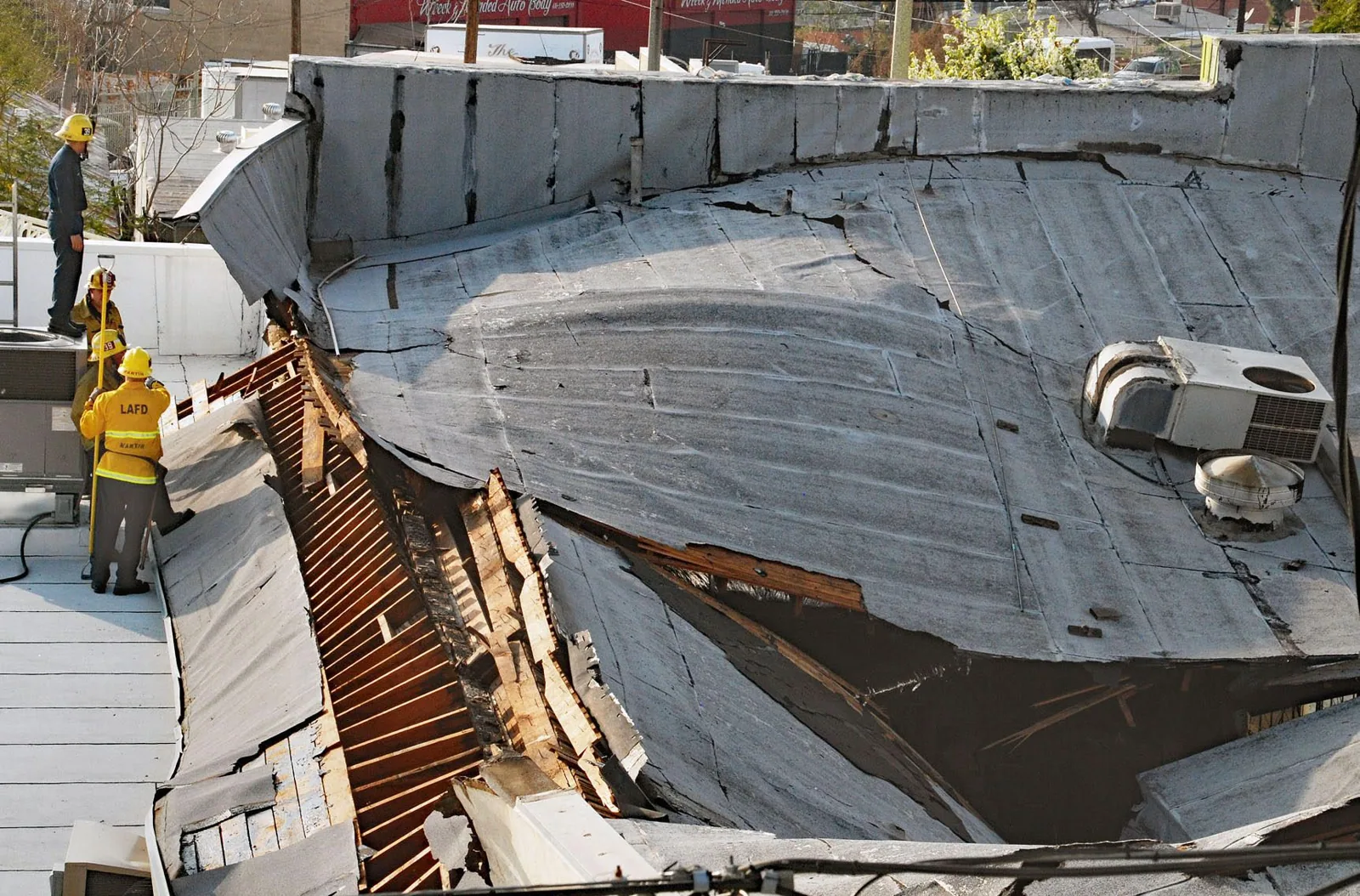
Corrosion, deformation and previous repairs can change the usable boundary. We identify those conditions before describing localized work. A panel connection repair may be practical where surrounding material remains suitable. Broader deterioration can require removal and replacement instead. Access to the affected panel's connections influences that scope. A single damaged piece may join components extending beyond the visible symptom. We explain those dependencies to the owner. The repair extent follows the assembly, not simply the size of a mark inside.
Detail the opening without locking the panel
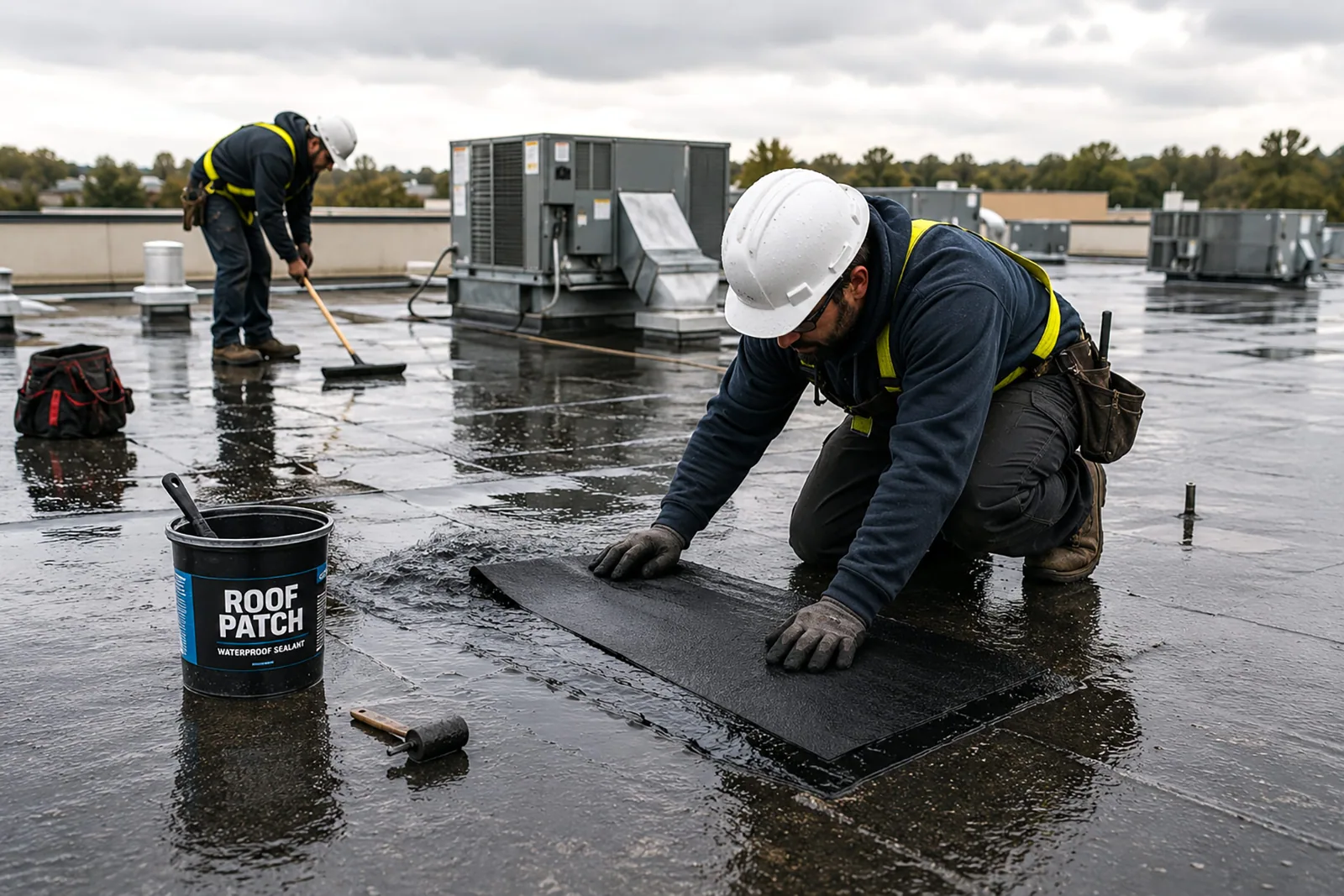
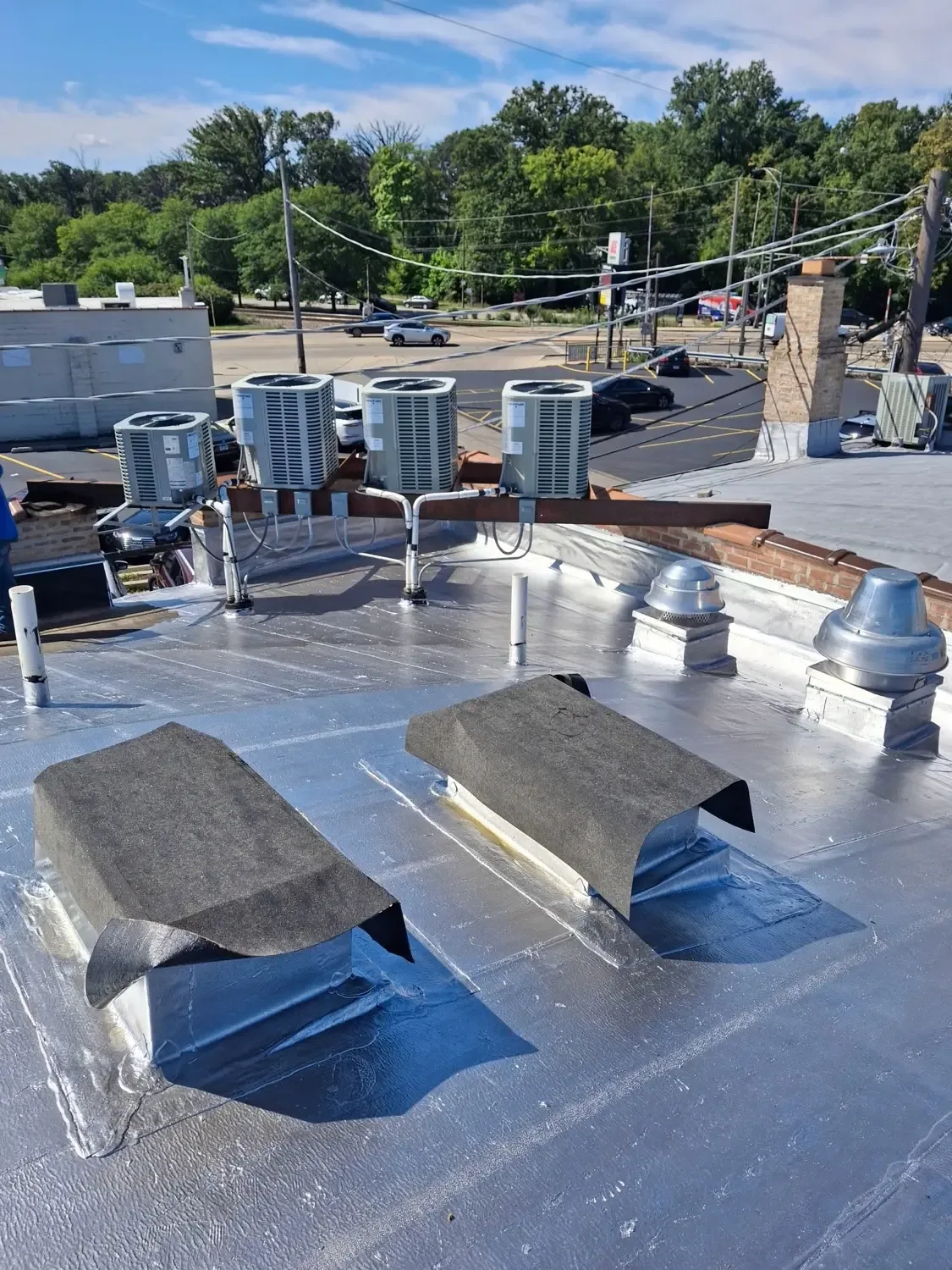
A pipe or equipment penetration interrupts the panel field. Its flashing needs compatibility with the profile and intended movement. An unsuitable rigid connection can stress the surrounding metal. We examine the opening and how its support relates to the roof. Some arrangements require a curb or another specified detail. The responsible design and equipment participants may need involvement. We identify those questions before treating a surface patch as the complete correction.
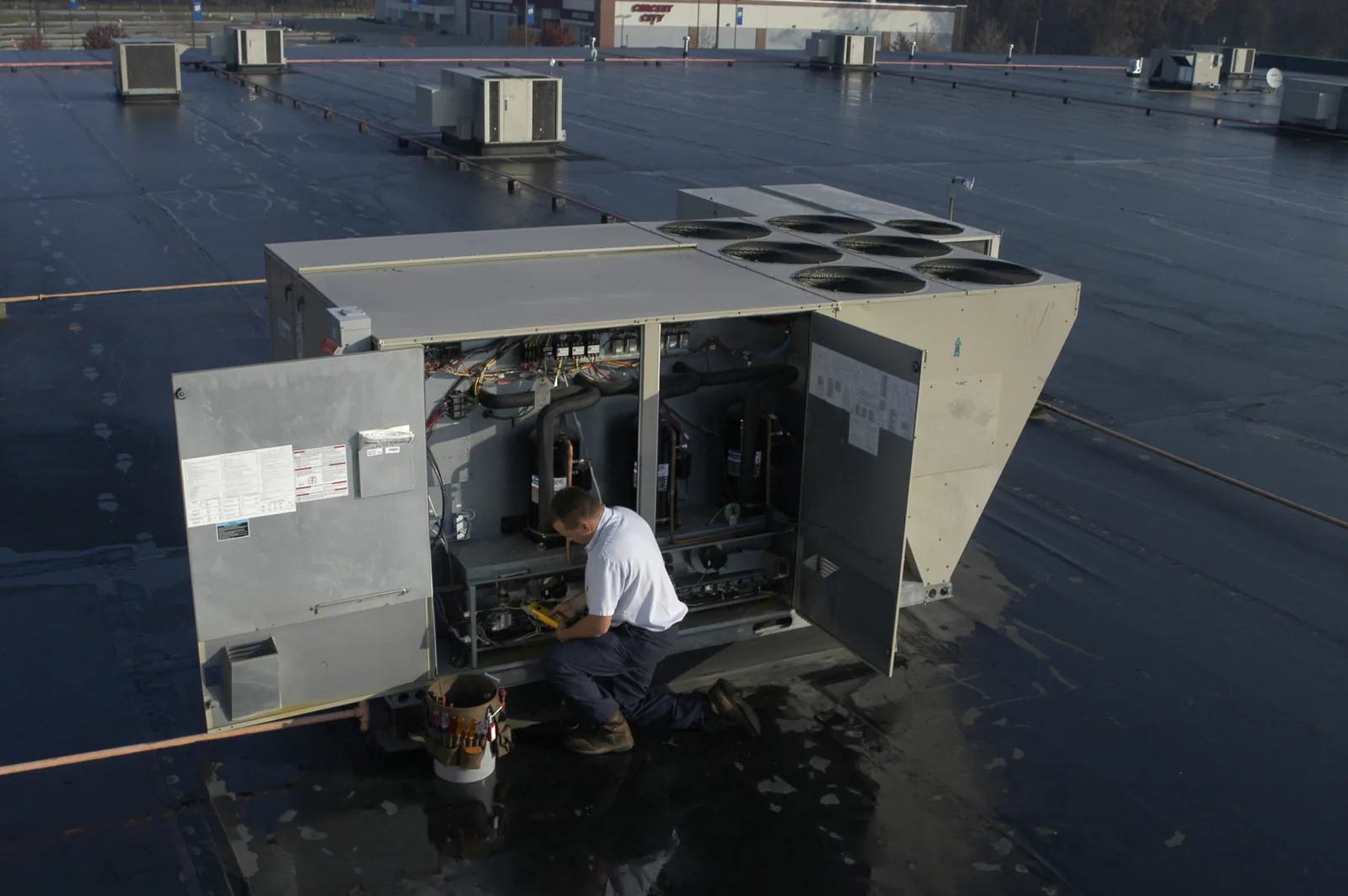
Later equipment additions can leave an improvised opening in an otherwise suitable panel. We assess that connection separately from the original roof assembly. Equipment support coordination helps establish the necessary roofing interface. The upper unit connection may have its own water-entry route. We discuss which part of the proposed task addresses each finding. Penetration spacing and available clearance also affect practical reconstruction. The owner should know where another trade needs to provide access. A suitable detail must remain serviceable after the equipment is installed.
Examine the ends and changes in roof shape
Ridges, valleys and panel ends need suitable formed connections and closures. Water can enter at those details while the central seam remains sound. We examine the accessible shape, overlaps and supporting material. Debris in a valley can obstruct its intended runoff route. A deteriorated closure may require replacement with a compatible component. The correction should also address the adjacent panel connection. Applying exposed sealant indiscriminately can leave the underlying arrangement unfinished.
Cabarrus County experiences warm-season thunderstorms and occasional winter ice or snow. A usable drainage route remains important under those different conditions. We examine gutters and outlets where they receive panel runoff. Damaged discharge components can direct water toward occupied access below. Transition flashing correction may form part of the response. Separate gutter or downspout work should be identified where necessary. The owner should know whether the defect lies in the roof detail or discharge path. Those findings can require different practical tasks.
Compare replacement with a different roof approach
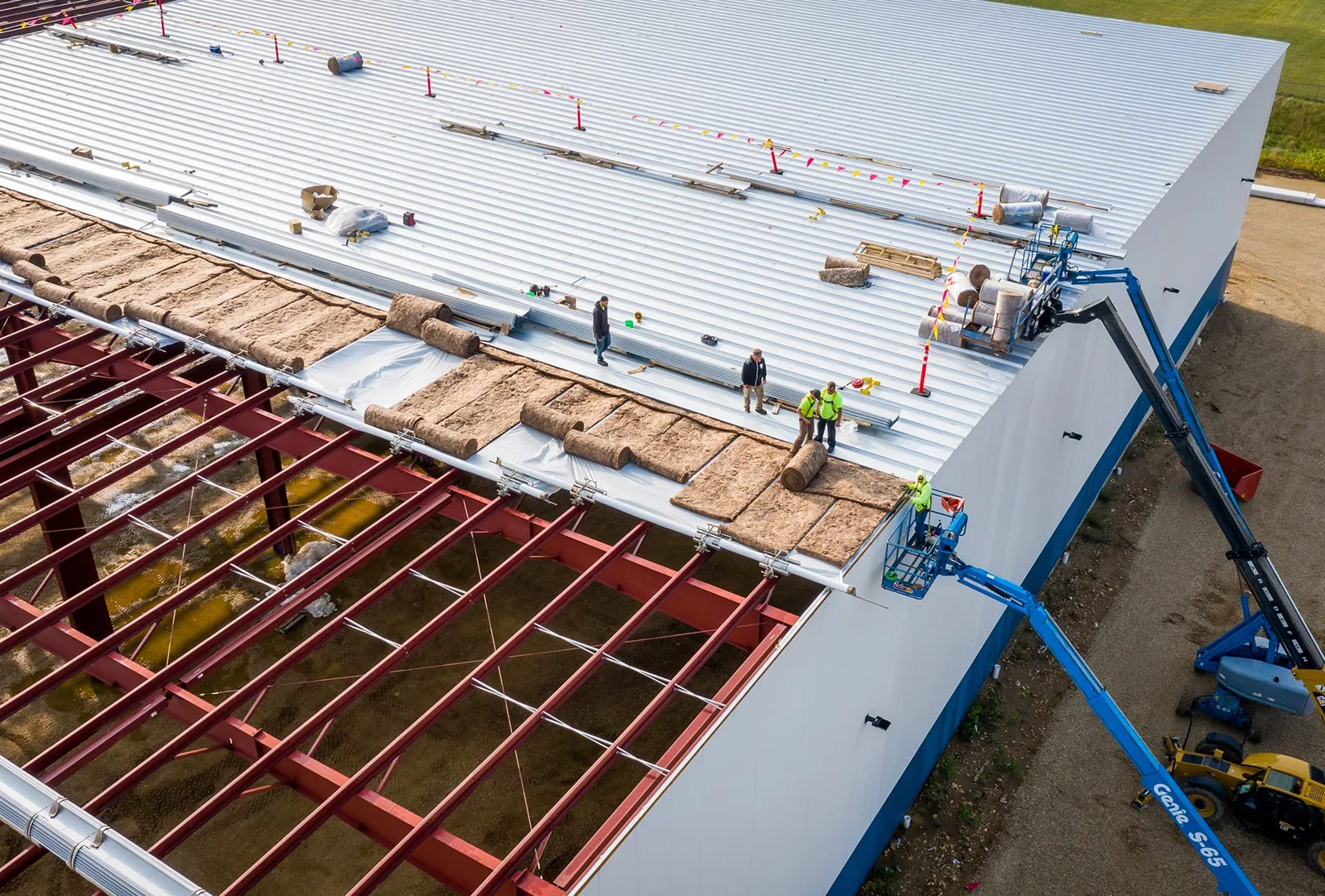
Standing seam replacement needs an appropriate panel system and complete support review. Existing substrate, attachment and any concealed layers matter to that choice. We assess the accessible assembly and relevant condition information. Added insulation or altered supports can change the details at surrounding boundaries. The approved design should establish those requirements. The proposal needs to identify the complete installation rather than panel material alone. Necessary removal and connection work belong in that scope.
A metal roof retrofit assessment addresses a different set of retention and transition questions. A single-ply roof alternative requires suitable support and its own attachment method. We compare those possibilities through the actual building condition. They should not be treated as interchangeable responses to a metal roof symptom. The owner should understand where each approach changes the assembly. Any unresolved structural or design question needs appropriate review. A useful comparison includes the work needed at its boundaries.
Arrange panel handling above occupied space
Metal components can need substantial handling space during removal and installation. We assess lifting and access arrangements at the actual property. Entrances, deliveries and nearby equipment need an agreed work boundary. Roof slope and panel profile also influence the safe approach. Temporary protection must suit any area exposed during the task. The operator should know which room or outside route is affected. Those requirements guide the sequence before material is moved.
At a building in the Church Street Corridor, neighboring activity can constrain the handling arrangement. We discuss the specific staging location and affected entrance with the operator. The completed work information should identify changed connections and remaining tasks. Later equipment service must preserve the panel system's movement details. A metal roof condition management plan can revisit those vulnerable transitions. Loose components or fresh water entry warrant focused examination. The next task should address the changed connection. Continued care follows the installed system rather than its generally straight appearance.
Commercial Roofing Questions
Can extra screws stop a standing seam panel from moving?
The system may rely on controlled movement through its clips and connections. Adding unrelated fasteners can change that arrangement and stress the panel. We identify the specified detail before proposing attachment changes. The useful correction should address the actual defect. Appropriate design review may be needed where the existing system or intended movement remains uncertain.
Why inspect flashing when the panel seams appear intact?
Valleys, ends and equipment openings have separate water-protection details. A failure there can affect the occupied space without an open central seam. We examine those accessible connections and surrounding material. The repair should follow the supported finding. A sound-looking panel field alone does not establish the condition of every transition at its boundary.
Can one damaged standing seam panel be replaced independently?
The system's connections and access determine the practical removal method. Adjacent panels or details may need involvement to reconstruct a suitable boundary. We assess that arrangement before defining the task. The scope should explain any surrounding work required. A visible local defect can therefore involve more handling than simply removing the marked piece.
What should be reviewed before adding equipment through the panels?
The support design, panel movement and specified flashing method need coordination. Available clearance can also affect complete preparation and future access. We identify the roofing interface with the responsible equipment participant. An improvised rigid connection may stress the surrounding panel. The proposed opening should follow an appropriate detail before cutting or mounting work begins.
Examine the metal roof transition
Arrange a Concord standing seam assessment. Identify the affected room, panel connection and equipment changes so we can evaluate the movement and repair boundary.