Home / Roof Damage Repair / Commercial Roof Flashing Failure Repair
Commercial Roof Flashing Failure Repair in Concord, NC
Investigate failed commercial roof flashing in Concord. We examine walls, curbs and outlets, then explain preparation, reconstruction and occupied access.
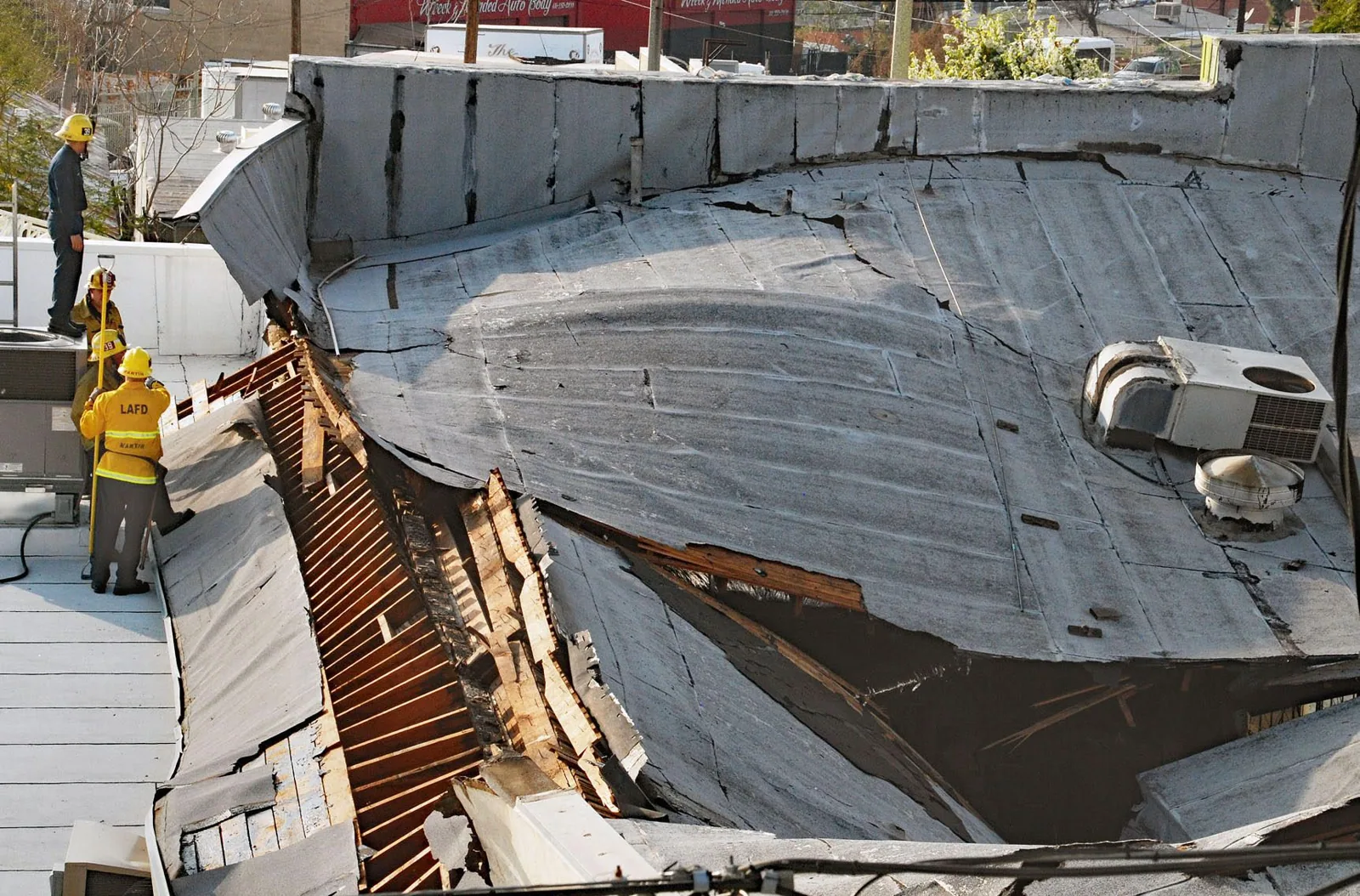
A wall connection can admit water behind an otherwise usable roof surface. Repeated sealant at its visible edge may leave that route open. We assess commercial roof flashing failure repair in Concord, NC. The examination follows the transition between covering and adjoining construction. We look for separation, unsuitable termination and deteriorated receiving material. The operator identifies the room or equipment position affected. A useful repair scope describes how the connection will be prepared and rebuilt. It should also identify another trade's task where the adjoining wall or equipment contributes to entry.
Church Street Corridor planning considers commercial properties amid residential surroundings. Physical improvements and renewed commercial uses feature in Downtown Concord planning. Work at either setting needs attention to the actual wall, entrance and roof approach. Cabarrus County's warmer months bring thunderstorms. An intermittent report can help direct examination of a joint exposed during rain. Penetration and curb detail work may be relevant when the failed transition surrounds installed equipment rather than a perimeter wall.
Follow the joint beyond its visible sealant
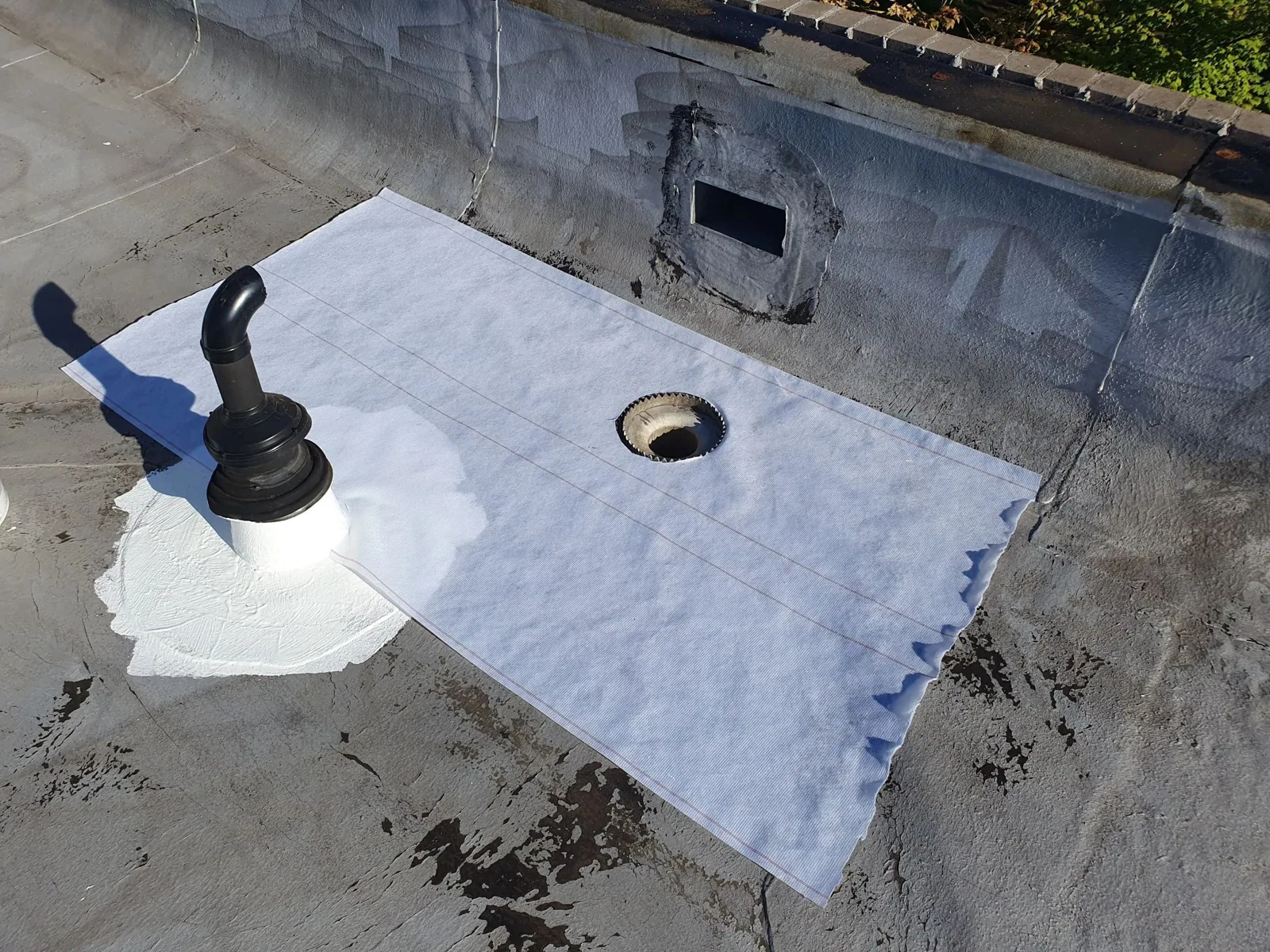
The upper edge of flashing is one part of the connection. Water can enter above it through adjoining construction. We examine accessible wall surfaces, termination and the roof-side tie-in. A displaced cap or open wall joint may require work beyond the membrane detail. The receiving material must suit the proposed attachment and preparation. Covering over loose or deteriorated backing can leave the new connection unsupported. The owner should understand the physical boundary of roofing work and any separate wall correction.
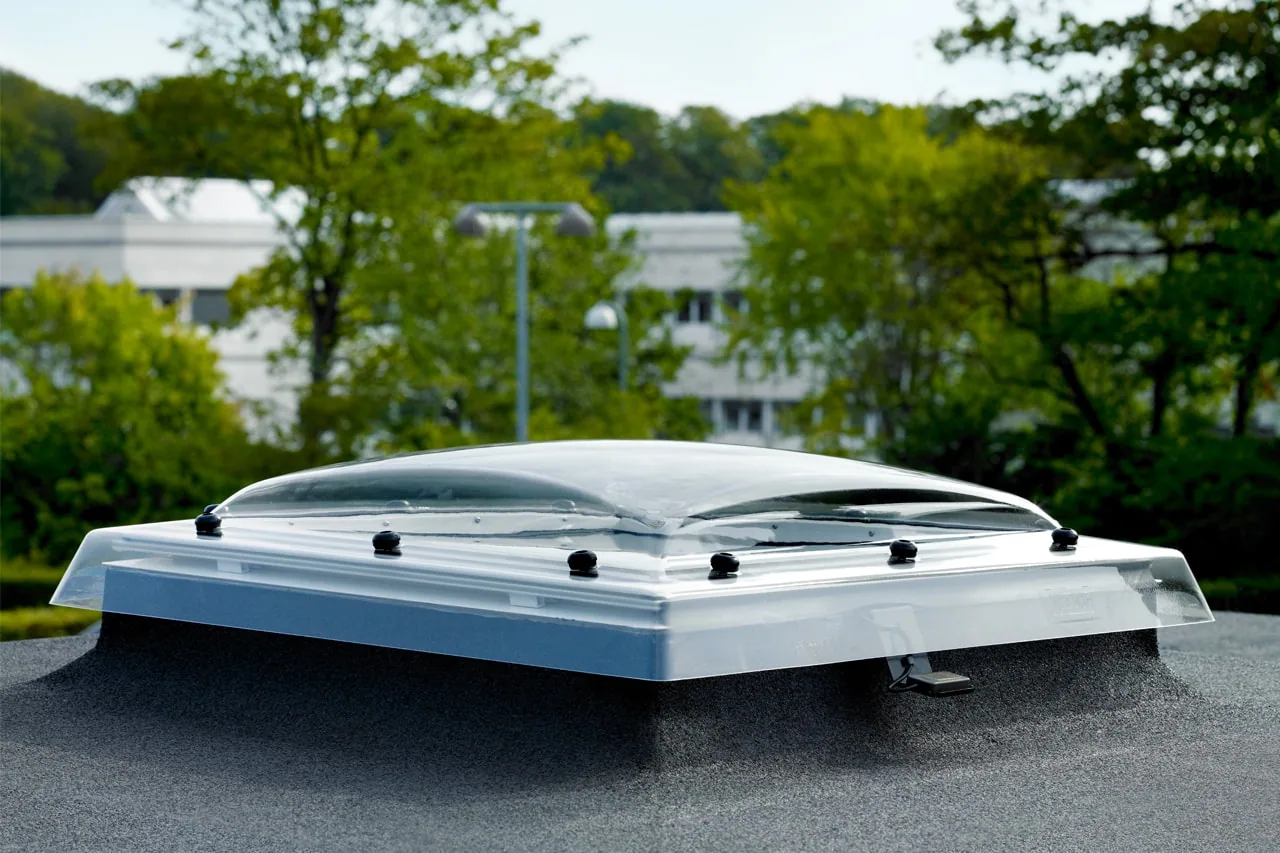
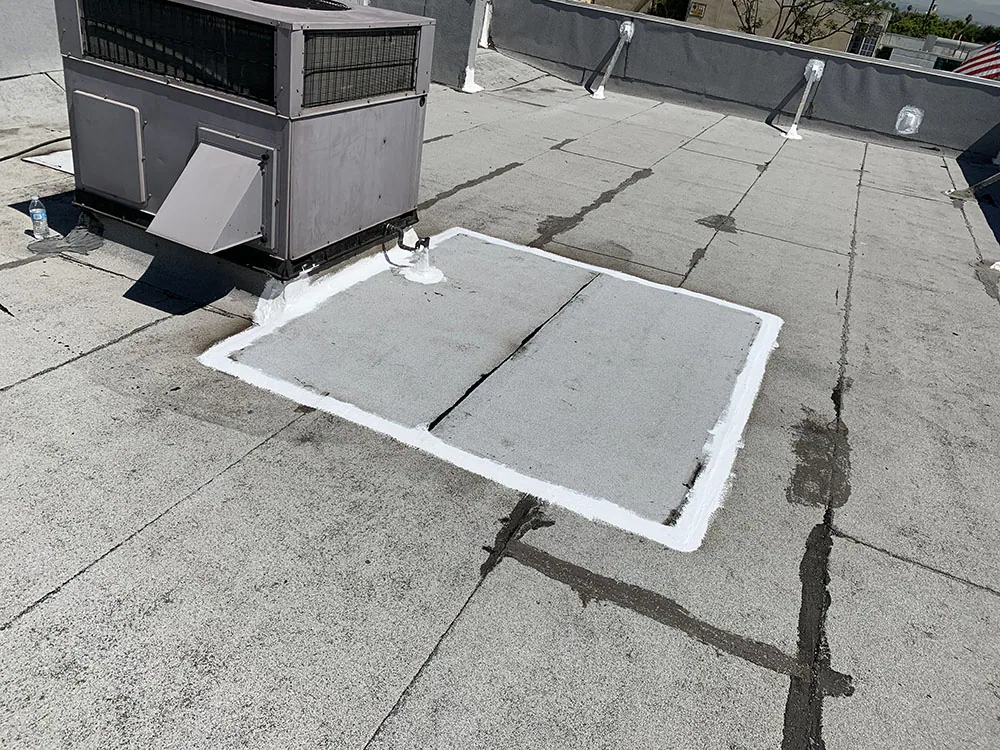
A curb also needs examination around its corners and equipment interfaces. We look at the accessible relationship between the roof detail and the installed unit. Equipment service connections can restrict reconstruction. The responsible participant may need to provide clearance or change a component before roofing can proceed. The scope should explain that dependency. A leak appearing near the curb does not establish which connection failed. Indoor location and rain timing help direct the investigation without replacing exterior examination.
Prepare the material that must receive the repair
Old treatments can conceal a split or limit adhesion. We assess the visible covering and available assembly information. Proposed preparation needs to suit the actual installed material. Removing an unsuitable treatment may expose a larger damaged area. The repair boundary should reach usable roofing and stable receiving construction. We explain that extent before describing the new detail. Selected opening may be useful where hidden condition prevents a sound decision. Authorized exposure also needs a method for reconstruction and weather protection.
Separated field-joint repair addresses a different part of the covering connection. A nearby open seam can admit water independently of wall flashing. Damage from a membrane puncture may also require its own prepared tie-in. Those conditions should be examined rather than buried under a broad treatment at the wall. We identify each established defect and how its repair meets retained material. The owner can then compare a connected scope with a narrow surface application.
Reconstruct the connection around its physical demands
Adjoining materials may move differently as conditions change. A rigid fill across a moving joint can separate again. We assess the relevant detail and proposed reconstruction method. Corners, changes in height and exposed edges need suitable connections. The material selection belongs with that arrangement. The repair should not depend on an unsupported bridge across a gap. Where design questions extend beyond accessible roofing, appropriate project participants should review the proposed detail. The scope needs to explain what is rebuilt and which adjoining parts remain.
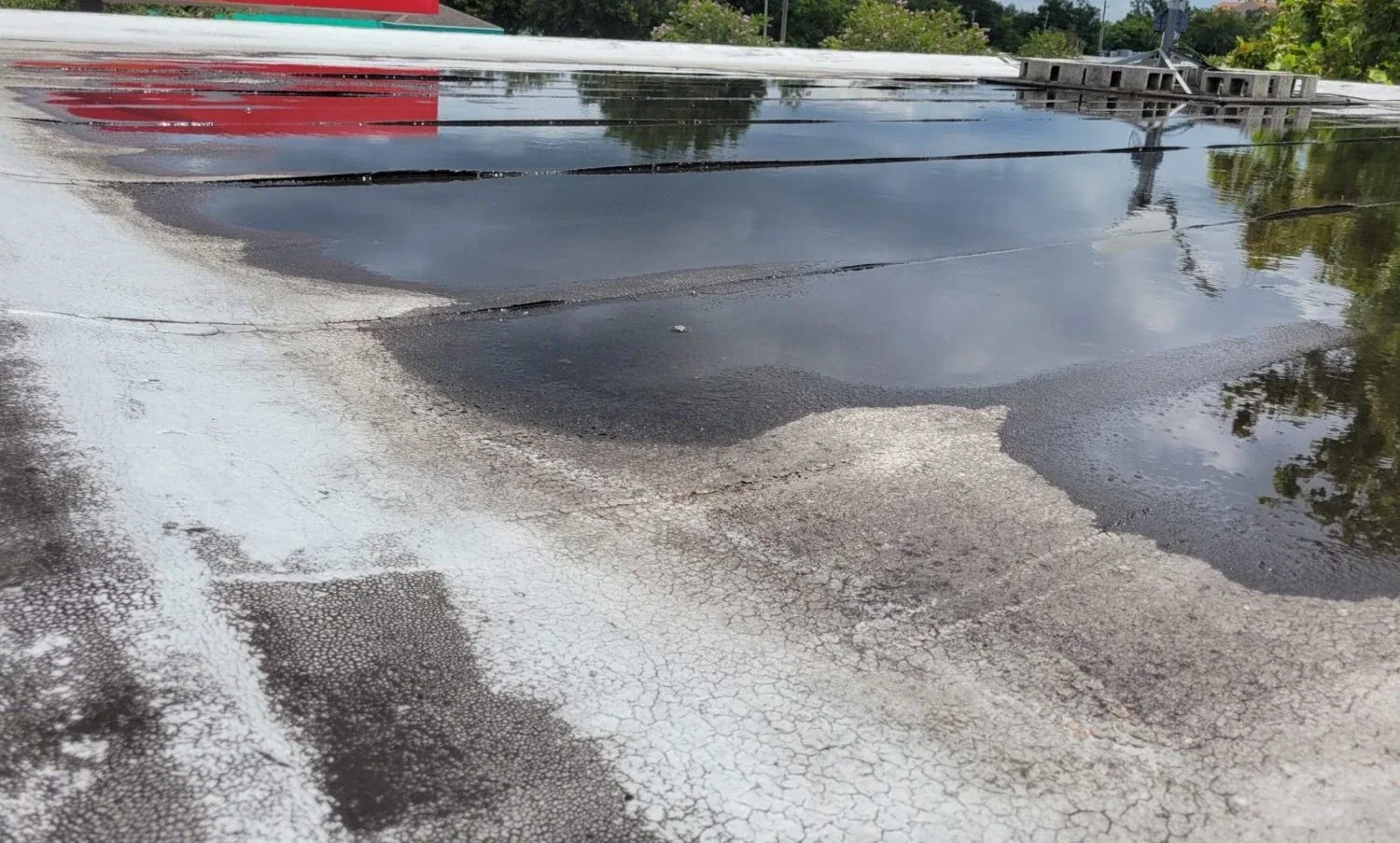
An outlet flange or collector connection also encounters concentrated runoff. We examine the covering around it and the accessible receiving condition. Outlet and scupper reconstruction can coordinate that detail with its discharge route. Clearing debris will not repair a separated connection. Raising the roof profile may alter the outlet relationship and require additional work. We identify those affected interfaces before another layer changes their geometry. The intended correction should provide a connected water route through the completed detail.
Keep the opening and access arrangement workable
Removing flashing can expose a wall or curb edge during reconstruction. We review the occupied position below that opening. The operator identifies sensitive contents and useful access restrictions. Temporary protection should suit the work boundary and current weather. Material handling may also affect an entrance or delivery approach. Required exits need appropriate attention while equipment and materials are positioned. The proposed sequence should leave enough access to complete preparation and attachment. An installed obstruction may need a separate clearance task before the permanent detail can be built.
Along the Church Street commercial corridor, wall access can involve the property's adjoining approach as well as its roof. We establish the actual handling position rather than assume a delivery vehicle can remain at the entrance. The operator should understand when a route changes. Roof work around occupied rooms can coordinate protection when more than one detail requires removal. We explain how daily openings connect with the available reconstruction sequence.
Separate a failed detail from wider deterioration
A limited connection repair may be useful where adjoining roofing remains suitable. Extensive deterioration can change that decision. We examine accessible covering, underlying condition where established and the receiving construction. Moisture or damaged support can require removal beyond the visible split. The wider task should identify which damaged layers need removal. A new flashing strip cannot restore every concealed layer. A broader examination may be needed before selecting retention or replacement. We explain that next step with the relevant physical question.
A connected roof-condition examination can assess recurring entry across several details. Its findings should distinguish the wall task, roof task and equipment participation. Proposed changes need appropriate permit and design review for their actual assembly and connections. The completed scope should identify what was reconstructed and what remains outside that boundary. Later alterations around the wall or curb should preserve the detail. New water reports deserve examination at the relevant interface, including changes made since the repair.
Commercial Roofing Questions
Why can repeated sealant leave a wall leak unresolved?
Water may enter above the visible termination or through a separated roof-side connection. We examine accessible wall construction and the adjoining covering. Loose backing or an unsuitable existing treatment can also limit repair. The proposed scope should explain preparation and reconstruction at the established defect. Another participant's wall task may be necessary before the roofing connection can function properly.
Can equipment remain in place during curb flashing reconstruction?
Clearance depends on the installed unit and the detail that needs rebuilding. We assess whether the receiving surface can be reached and prepared. Equipment participants may need to lift, disconnect or adjust a component. The owner should understand that task before work starts. Temporary protection and reconnection belong in the coordinated scope where removal affects the occupied space below.
What distinguishes a connection repair from broader roof work?
The surrounding material needs to receive the reconstructed detail suitably. We examine deterioration and established underlying condition near the failure. A localized scope may remain useful when that boundary is sound. Wider moisture or support damage can change the removal extent. The findings should explain why additional work is needed rather than leave the decision at the visible opening alone.
What information helps arrange examination of failed flashing?
Describe the affected room, the rain timing and any recent wall or equipment work. Identify available roof access and restrictions near the reported position. We use those observations to direct examination of the relevant transitions. The operator should also identify contents needing protection. The next step should address the connection found and any separate clearance or adjoining-construction task.
Examine the failed roof connection
Arrange a Concord flashing assessment. Identify the affected occupied position, useful rain timing and available access so we can examine the adjoining detail.