Home / Roof Damage Repair / Commercial Roof Seam Failure Repair
Commercial Roof Seam Failure Repair in Concord, NC
Assess open commercial roof seams in Concord. We examine the receiving membrane, adjoining details and underlying condition before defining the repair extent.
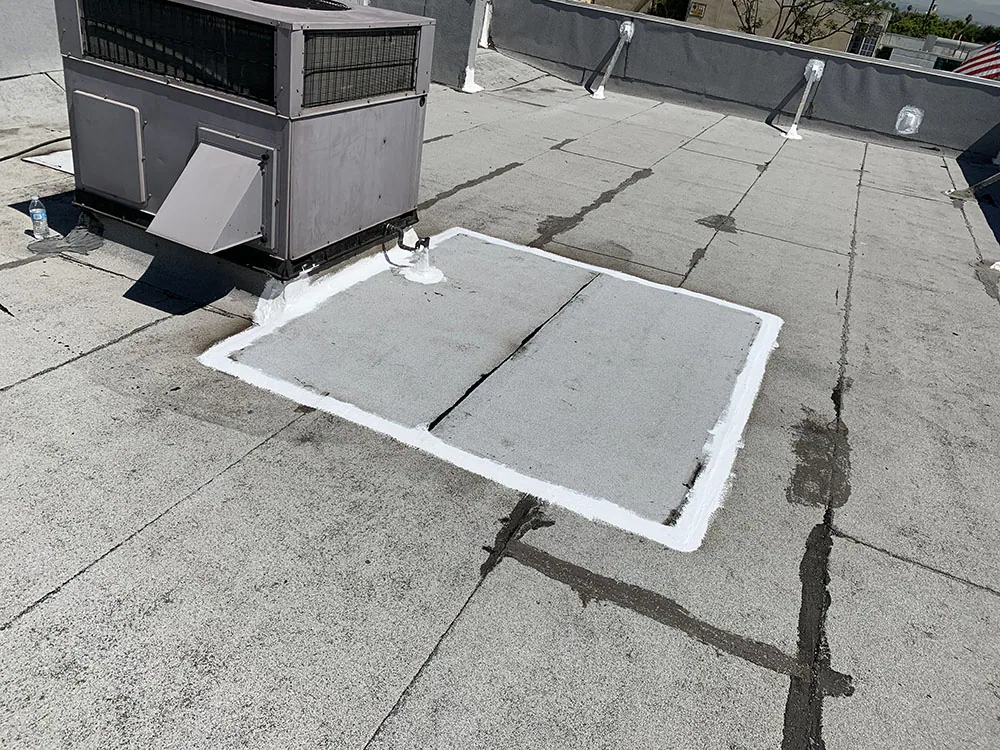
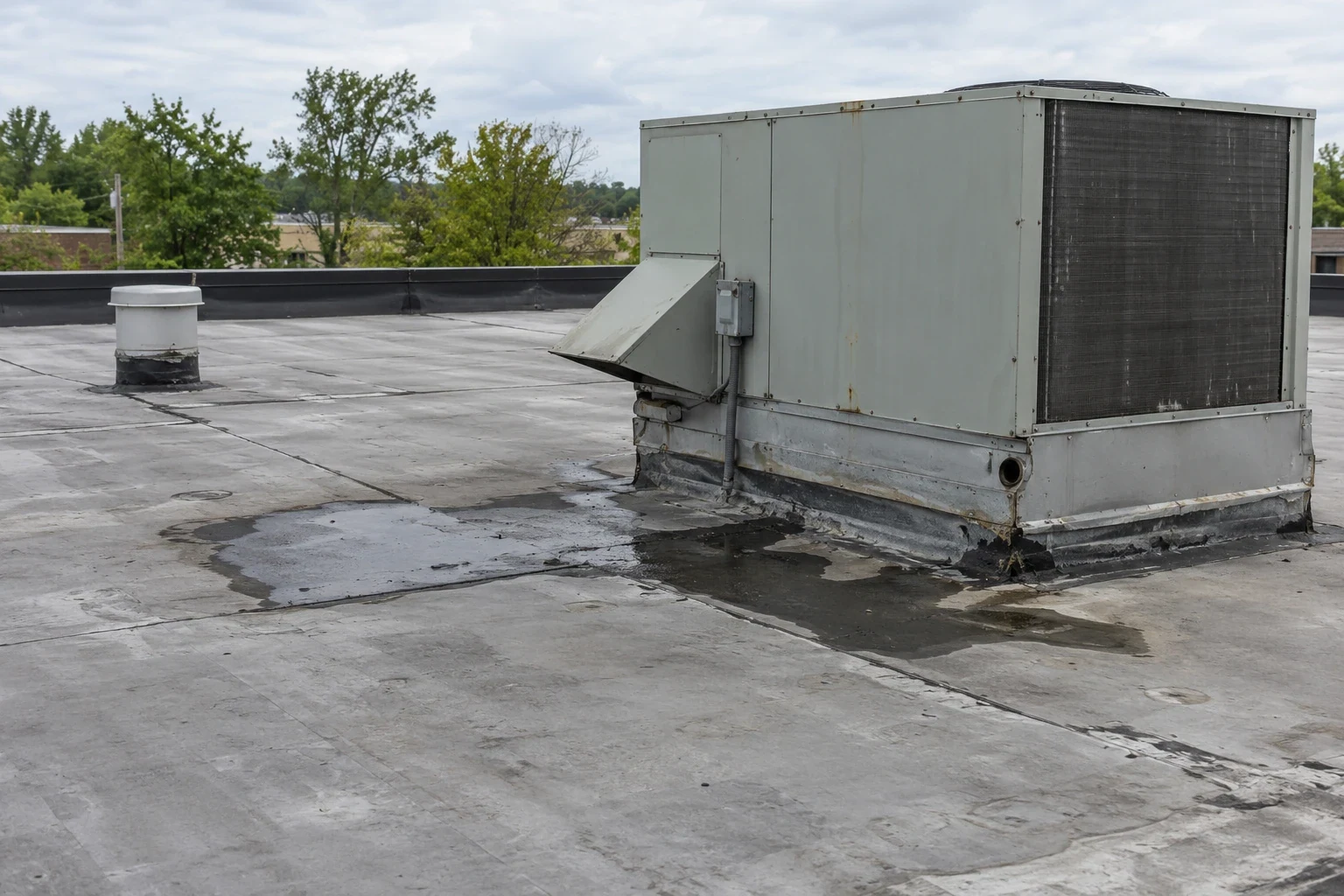
An opening along a roof joint can admit water beneath more than its visible length. The occupied room below may show only one small mark. We examine commercial roof seam failure in Concord, NC. The task begins with the installed covering and the condition of its connection. A usable adjoining sheet may receive a defined repair. Deterioration or contamination can change that boundary. The owner should understand which joint is being reconstructed and why the surrounding area remains suitable. We explain necessary preparation before describing another strip across the opening.
International Business Park includes multiple businesses near the NC 73 interchange at I-85 Exit 55. NC 73 corridor planning coordinates transportation and land use across several communities. Equipment visits and roof alterations at a commercial property need care around existing joints. The visit follows accessible covering and the service position where separation appears. Investigation of recurring roof water entry can connect the observed indoor position with an accessible seam or another defective detail.
Determine how the installed joint is meant to connect
A seam repair needs to suit the actual roofing material. Heat-welded, adhered and other installed connections require different preparation. We assess accessible membrane condition and useful assembly information. Existing treatments may interfere with the proposed method. Dirt or residue needs attention before a reliable tie-in can be formed. An old covering that has become unsuitable for reconstruction may require a wider scope. The owner should receive a task tied to that receiving condition rather than a repair selected solely by the joint's apparent length.
We examine corners, crossings and changes in plane near the separation. Those positions can need more than a straight field strip. TPO assembly work and EPDM covering work should each follow the installed material's relevant requirements. Their details cannot be treated as interchangeable because both cover a low-slope roof. The repair scope should identify the retained boundary, preparation and connection method. A useful examination also notes where available information is insufficient to choose that method.
Check the neighboring material before limiting removal
The visible opening may not describe the full deteriorated length. We examine accessible adjoining material and the joint beyond the reported position. Loose covering, damaged backing or established moisture can alter the work boundary. Selected exposure may be useful where the retained layers need examination. That opening requires authorization and a workable reconstruction method. We explain how additional findings could change the proposed extent. The finished connection should meet material capable of receiving it, not stop where the first surface mark disappears.
A broad treatment over an open joint may hide the defect without rebuilding it. Preparation and attachment still need attention. Repeated water reports can justify examining other joints serving the affected area. Failed transition reconstruction can address a wall or curb connection that contributes to the same indoor report. Puncture-area repair may be needed where service activity damaged nearby covering. We identify those separate entry conditions so the owner can compare a complete corrective task with another isolated application.
Assess what water has reached beneath the joint
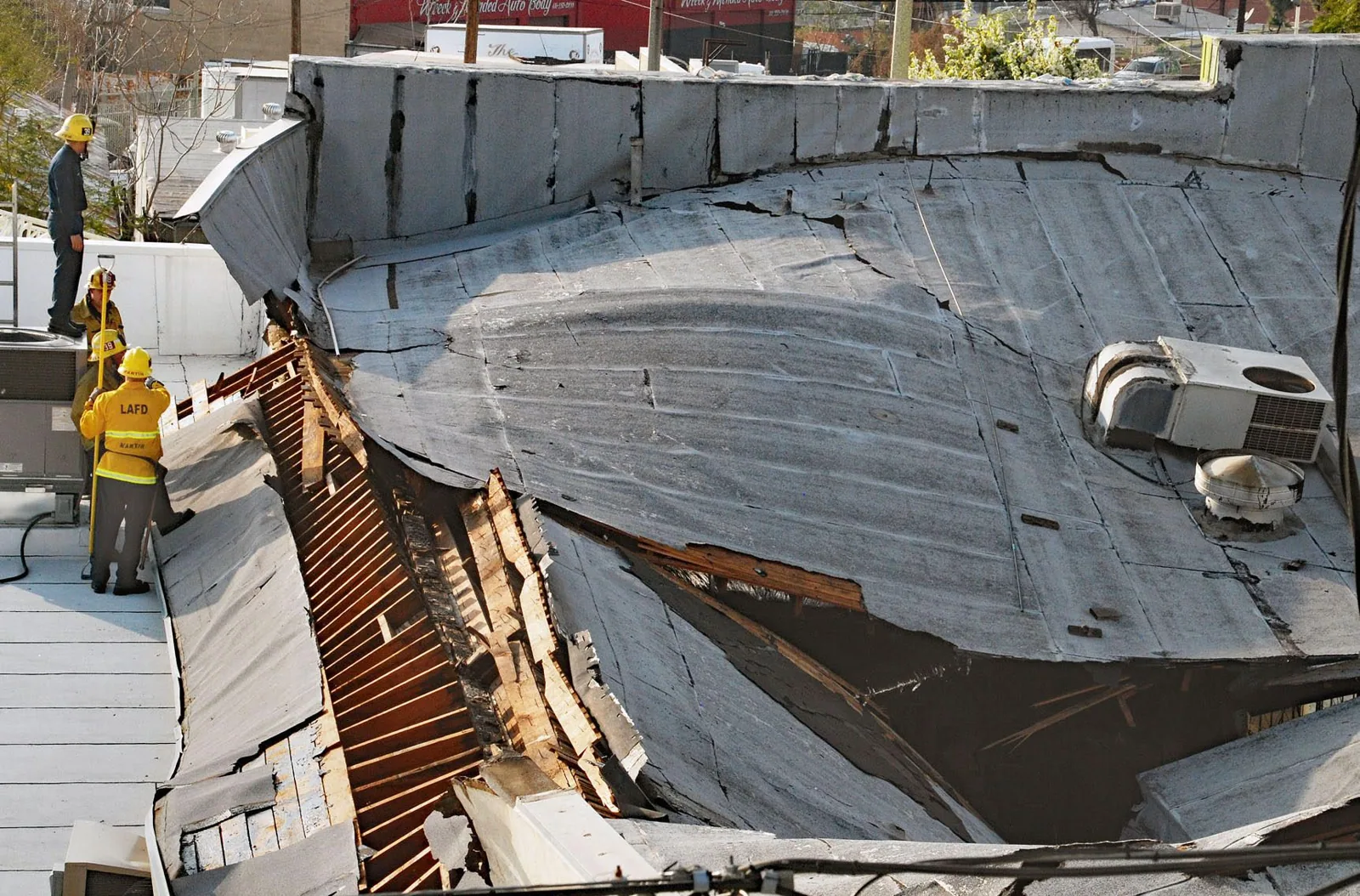
Water entering a separated seam can affect underlying layers. The surface opening alone does not establish their condition. We examine what can be reached and explain useful further assessment. Selected opening or another suitable investigation may help determine removal. Saturated or deteriorated material cannot be corrected simply by closing the joint above it. The scope should identify the assembly work established by examination. Structural concerns need appropriate professional attention. The owner should understand the difference between reconnecting usable membrane and rebuilding a compromised roof area.
At International Business Park, the property's particular operating arrangement determines protection below the work. Contents near the affected joint may need relocation or another suitable measure. We coordinate the practical opening with the operator. Nearby equipment can also obstruct access to the receiving material. Its responsible participant should provide clearance when required. The work sequence needs enough room for preparation, installation and inspection of the completed connection. Concealed deterioration found during authorized removal may require revising that sequence before the permanent tie-in is completed.
Keep later service work from disturbing the connection
Tools, dragged material and equipment handling can damage a roof joint. We examine visible effects around the reported service position. The operator should identify recent work that may have changed the area. A puncture and a separated seam may require different reconstruction boundaries. Continued access should avoid placing new strain on the repaired connection. The equipment task needs coordination where components block the route or require lifting. A repair cannot remain useful if later work cuts through it without suitable detail reconstruction.
Access near the NC 73 commercial corridor should be arranged around the actual roof hatch, service equipment and handling position. A handling vehicle may occupy space the operator needs for deliveries. We review that conflict before positioning materials. Temporary staging should suit the covering and proposed task. Debris should not remain against joints or discharge points. The owner should understand which access arrangement preserves the repair and which equipment alteration will need another roofing connection afterward.
Define the repaired boundary and the next examination
A completed seam repair should identify the joint reconstructed and the material retained around it. We explain any separate wall, equipment or underlying-layer task. New entry reports need their own assessment of position and timing. They may involve the completed seam or a different connection nearby. The owner should retain useful completion information for subsequent service coordination. The repaired area still needs suitable inspection access. Its material and detail should be preserved when equipment, walk routes or neighboring roofing are changed.
An examination beyond the open seam can assess recurring failures across a larger area. Several deteriorated joints may change the value of repeated small repairs. We explain the accessible covering condition and further assessment needed before broader retention or renewal is chosen. Proposed reconstruction should receive appropriate review for the actual assembly and affected connections. The next task should address the established physical condition. The owner can then plan protection and access around a defined roof area rather than an unexplained surface treatment.
Commercial Roofing Questions
Can a short open seam require work beyond its visible ends?
Yes. The adjoining membrane or underlying material may be unsuitable beyond the apparent opening. We examine accessible condition and explain where selected exposure could help. The repair needs a usable receiving boundary. Moisture or deteriorated backing can change removal. The owner should see the actual extent to be reconstructed and any further examination needed before a narrower scope is selected.
Why does the existing roofing material affect seam repair?
Installed joints use methods appropriate to their particular covering. We assess preparation, existing treatments and the receiving membrane. A connection suitable for one material may not suit another. The proposed task should identify its retained boundary and relevant method. Old or contaminated material may need removal before the permanent repair can form a usable tie-in.
What should change when equipment blocks a separated joint?
The roofing task needs access to prepare and reconnect the affected material. We identify the obstruction and coordinate the required clearance with the responsible equipment participant. Lifting or disconnection may be a separate task. The owner should understand protection and reconnection before removal begins. Leaving the obstructed portion untreated could leave the water route open.
When is examination of more than one seam useful?
Recurring water entry or deterioration across nearby joints can warrant a broader assessment. We compare the reported positions with accessible membrane condition. The findings should identify whether a limited repair remains useful or whether further assembly examination is needed. Repeated applications should not conceal the condition that determines retention, removal and the connected detail work.
Assess the separated roof joint
Arrange a Concord seam assessment. Describe the occupied position affected, recent equipment work and available roof access so we can examine the connection.