Home / Roof Systems / Commercial Spray Polyurethane Foam Roofing
Commercial Spray Polyurethane Foam Roofing in Concord, NC
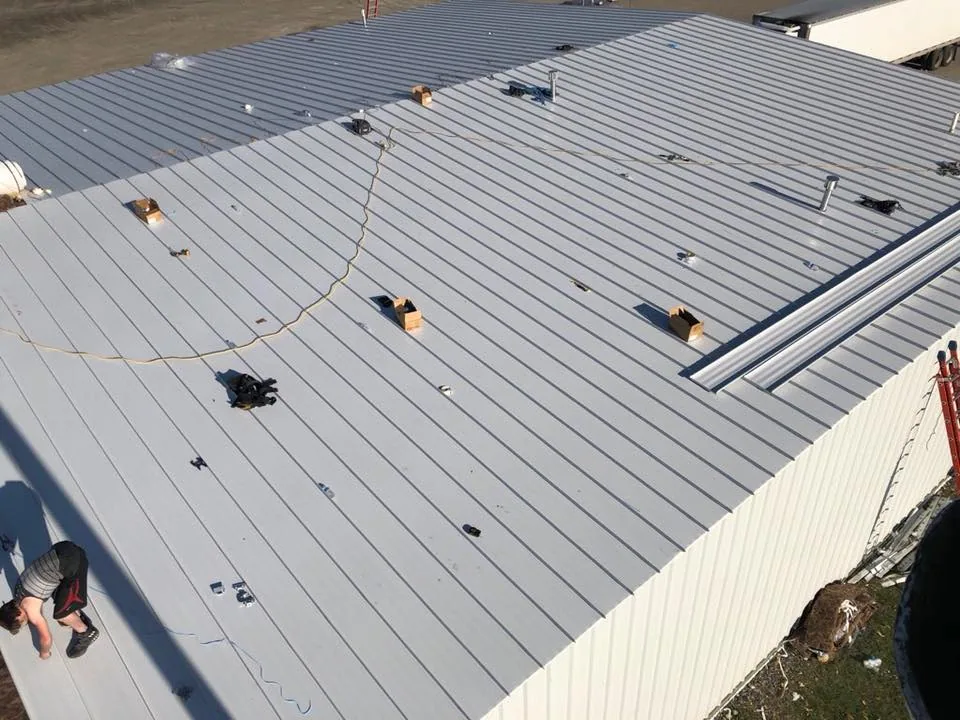
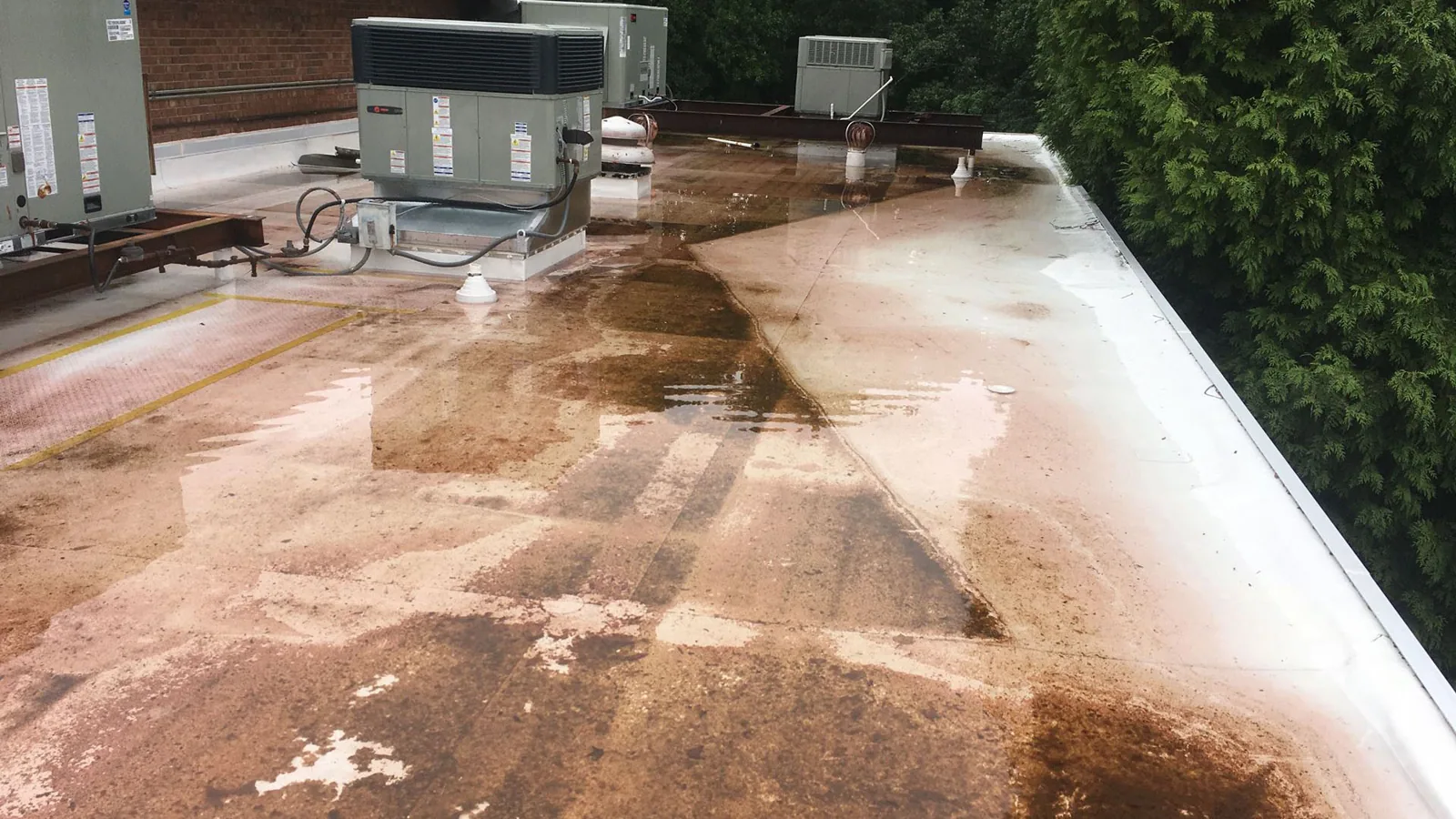
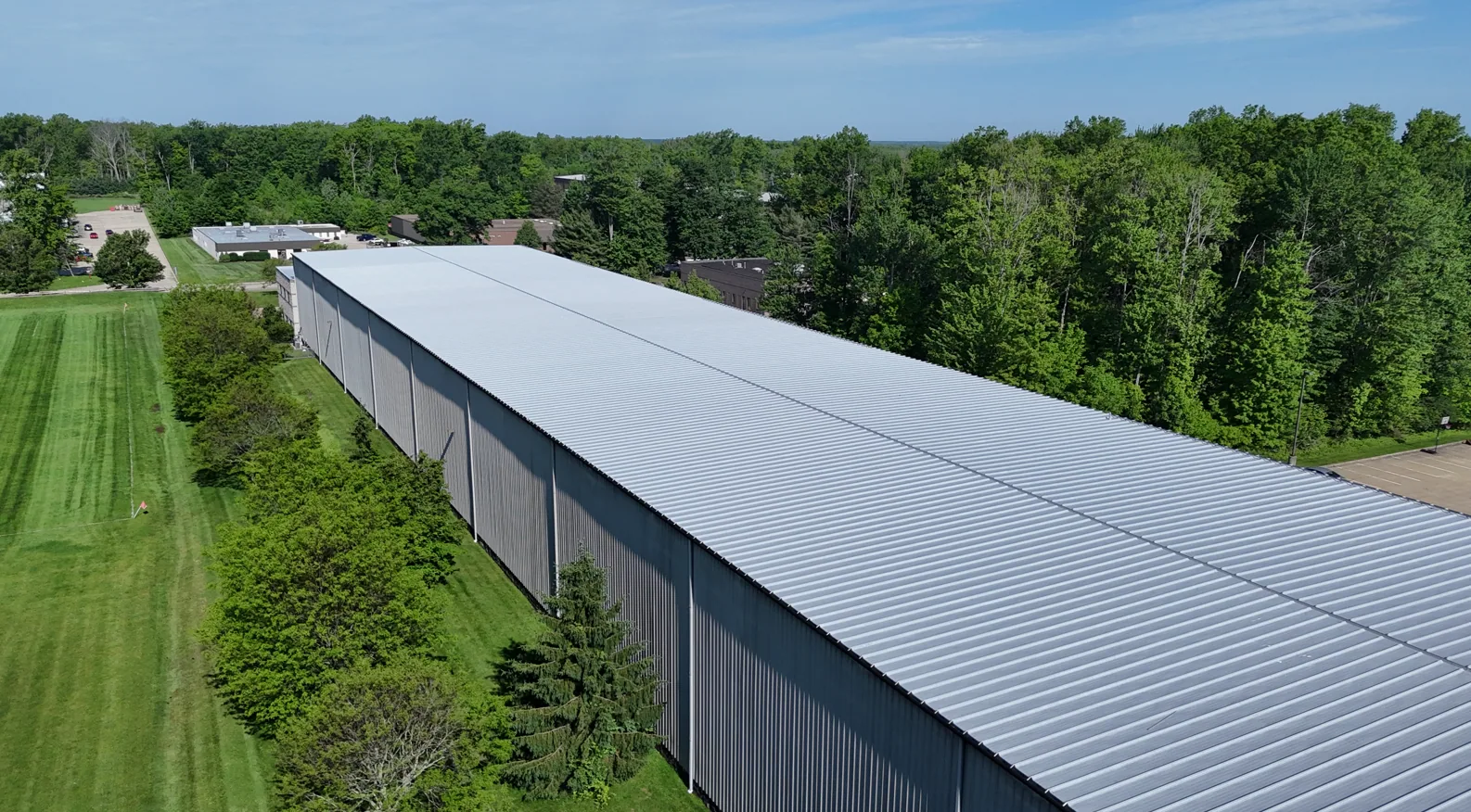
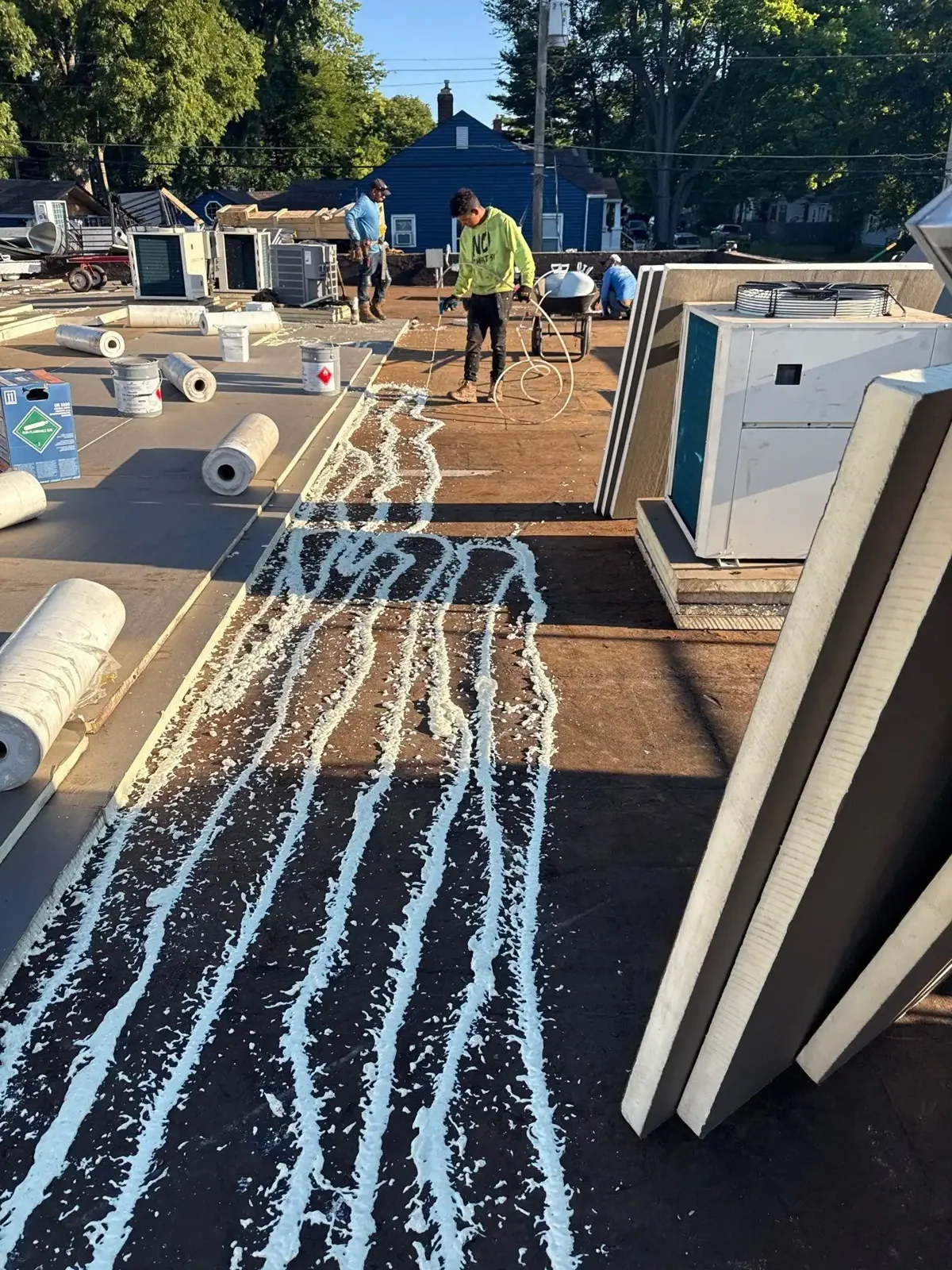
Assess spray foam roofing in Concord with substrate preparation, protective coating and drainage in view. We plan application and repairs around occupied space.
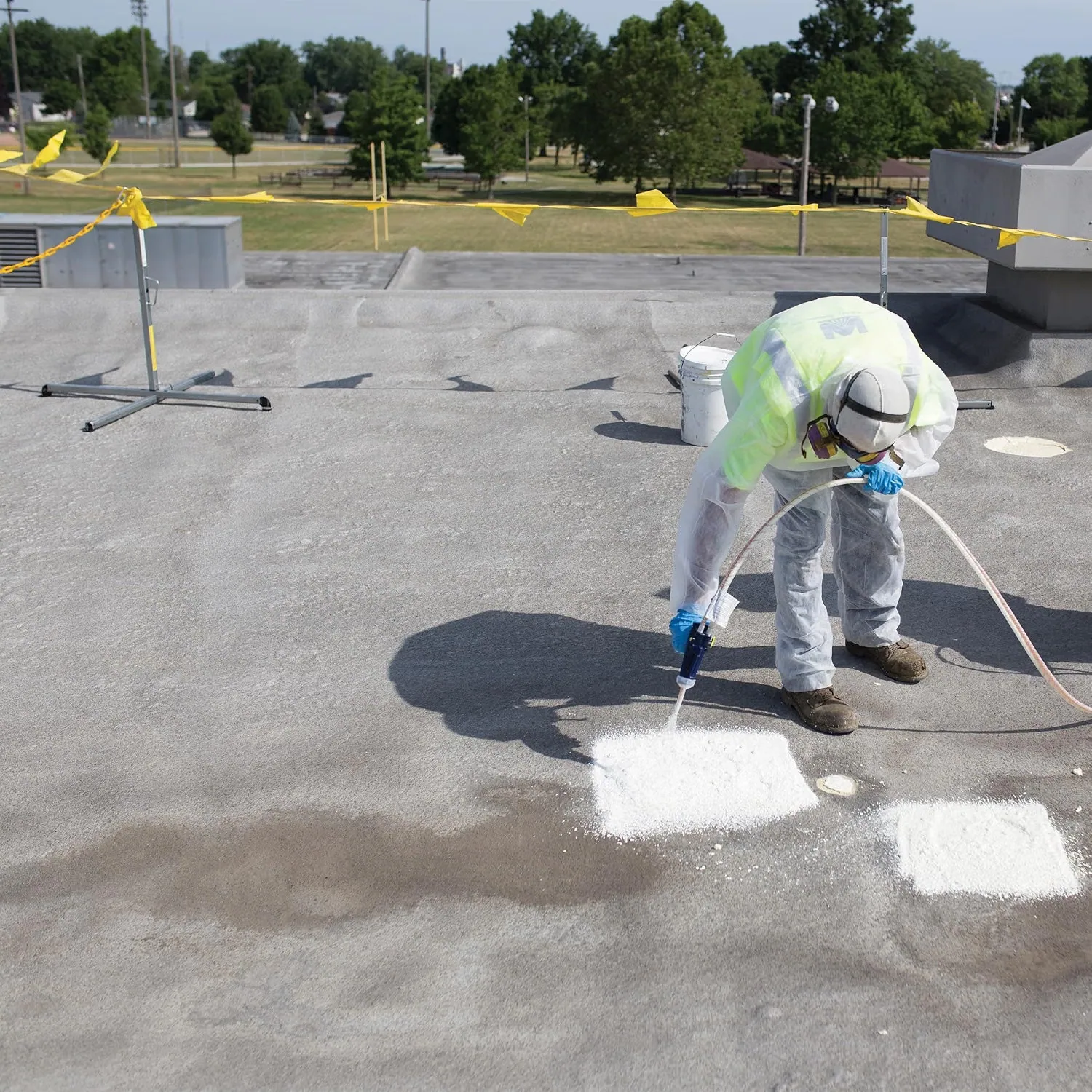
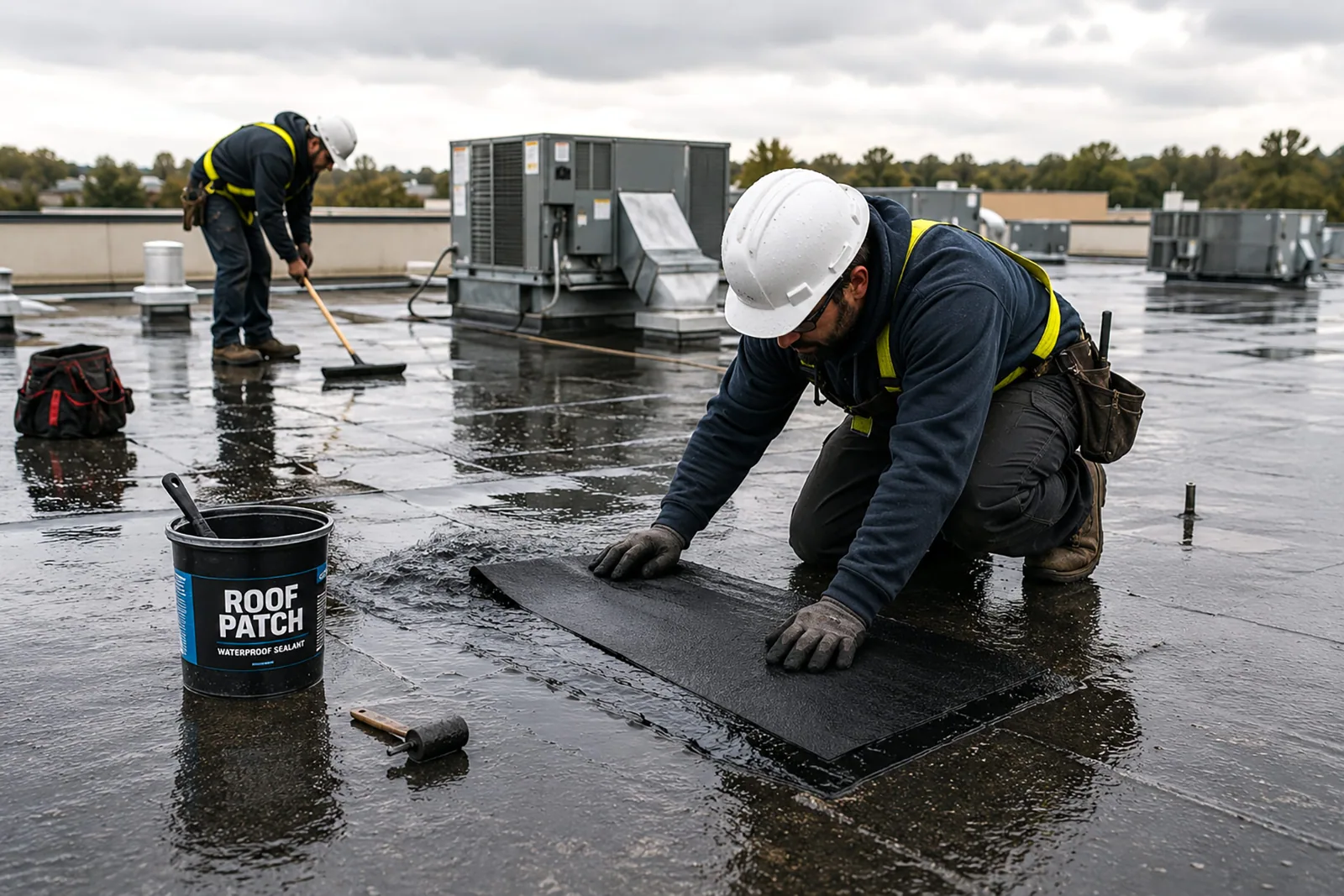
A service opening can leave foam roofing exposed above an occupied work area. The foam and its protective finish both need suitable reconstruction. We install and repair SPF roofing in Concord, NC. Spray polyurethane foam forms a roof layer over a prepared substrate. Its specified protective coating is part of the complete system. We examine those components together before proposing work. A repaired finish alone may leave damaged or wet material beneath it.
Concord's business parks have immediate I-85 access. Weddington Road Corridor planning includes industrial facilities where surrounding activity matters to application. Spray application at one property needs protection suited to nearby activity. We discuss adjacent equipment, vehicles and access with the operator. A foam roof condition assessment identifies the assembly and proposed work boundary. The location helps establish the operating setting. Actual substrate condition and application requirements guide whether SPF work is appropriate.
Prepare a suitable base for application
Foam application needs a substrate meeting the selected system's requirements. Moisture, contamination or loose material can prevent suitable adhesion. We assess the existing assembly before proposing retention beneath the foam. Cleaning and compatible preparation may form part of that scope. Unsuitable wet or deteriorated material needs separate correction. Applying foam over it would leave the underlying condition unresolved. The proposal should identify which layers can remain and which require removal.
Different existing roof materials can require different preparation approaches. Priming or separation may be specified for the selected substrate. We follow the approved system rather than assume one preparation suits every surface. Adhesion assessment can help evaluate the proposed connection where appropriate. The supporting assembly also needs suitable condition and capacity. Structural questions belong with the responsible professional. We identify those dependencies before discussing application. A usable base is necessary for the complete system, not merely a convenient starting surface.
Control the application around neighboring use
Spray work needs weather and surface conditions suitable for the system. Wind can affect application and nearby property. We plan appropriate containment and protection for the actual work location. Adjacent vehicles, entrances and equipment intakes require consideration. The chosen application method must remain suitable under observed conditions. Work should wait or change when those requirements cannot be met. The operator should understand how that decision affects the proposed sequence.
Cabarrus County has hot summers and warm-season thunderstorms. Forecast review and actual surface conditions both matter during application. Rain or unsuitable moisture can interrupt preparation and installation. We identify a work boundary that can receive the specified protection. Access arrangements should also prevent unnecessary traffic through the application area. For a property in the International Business Park area, nearby company activity needs property-specific coordination. We discuss the actual affected surroundings rather than infer a shared schedule. The task must remain workable for application and neighboring use.
Build the surface to a usable water route
Foam can form the roof surface around appropriate prepared details. Its application thickness and shape need to follow the approved design. The proposed surface should direct water toward usable outlets. Equipment and walls can interrupt that route. We assess those boundaries before defining the application. An improvised raised area can leave another collection point unresolved. The drainage approach should account for the whole path from the work area to its outlet.
Drain connections still need suitable components and preparation. A blocked pipe requires a different correction from roof surface shaping. We distinguish those questions during the assessment. Existing low areas may also contain wet material needing investigation. Persistent water assessment helps identify the necessary response. The selected system's exposure requirements should suit the corrected roof. A shaped surface cannot replace review of drainage design where needed. The owner should understand any remaining outlet or piping task before installation proceeds.
Protect the foam with the specified finish
SPF roofing needs a suitable protective coating over the foam. That finish protects material vulnerable to exposure when left uncovered. Its selection, thickness and application follow the roof system's requirements. Missed or damaged areas can leave the underlying foam exposed. We examine the finish and relevant details during installation or repair. The complete task includes suitable preparation and application at those boundaries. A generally even appearance does not establish coverage at every equipment connection.
A silicone protective finish and an acrylic coating system have their own suitable use conditions. The proposed choice must match the specified foam assembly and exposure. We explain those requirements before selecting the complete system. Later recoating needs examination of the existing finish and foam first. Loose coating or unsuitable material may need removal or repair. The owner should distinguish finish renewal from reconstruction beneath it. Applying another layer does not correct every defect in the retained foam.
Connect the foam system at openings
Pipes, curbs and wall transitions need suitable details within the SPF assembly. The required preparation and coating treatment follow the selected system. An unstable support or deteriorated backing can prevent a useful connection. We examine those physical conditions before defining work. Some equipment may need another trade to provide access. The scope should identify that dependency before proposing complete reconstruction. The system needs a suitable boundary at the opening, not just material beside it.
Later cuts through the assembly can expose both coating and foam. The repair needs to restore the affected components appropriately. A localized foam roof correction may include removing unsuitable material beneath the opening. The water entry route also needs attention where moisture is present. We assess the surrounding boundary before selecting the repair size. An equipment alteration should be coordinated with its responsible participant. The owner should know which task restores the roof connection. The installed unit can have separate service requirements beyond that roofing work.
Respond before exposed foam deteriorates further
Damage to the protective finish deserves focused assessment. Uncovered foam can deteriorate under weather exposure. We examine the affected area and define suitable removal or preparation. A small surface defect may require more work where underlying material is unsuitable. The repair should join a usable surrounding boundary. Equipment traffic and dropped tools can create new damage. We discuss appropriate service-route protection compatible with the installed system.
A foam roof maintenance arrangement can revisit vulnerable finish and drainage areas. Inspection should follow the actual condition and system requirements. A record of changing roof condition helps distinguish local repairs from a broader renewal need. The owner should retain assembly and completed coating information. Later care can then use suitable components rather than an improvised treatment. New water entry still requires investigation beyond the visible mark. We identify the affected roof question before proposing another application. Continued protection relies on that specific condition response.
Commercial Roofing Questions
Is foam roofing complete before its protective coating is applied?
The specified finish is part of the complete roof system. Exposed foam needs suitable protection under the selected assembly requirements. We plan the application sequence with that requirement in view. Missed or damaged areas need assessment and correction. A finished-looking foam surface alone should not be treated as the completed protective assembly.
Can a puncture be repaired by recoating its visible opening?
The foam beneath the finish needs examination for damage and moisture. Unsuitable material may require removal before reconstruction. We define the affected boundary and restore the system's components appropriately. A coating-only correction can leave a deeper defect unresolved. The useful repair follows the actual condition rather than the visible size of the opening.
How does wind affect an SPF application arrangement?
Observed wind can change whether spray work is suitable near occupied property. Protection, containment and application requirements need review for the actual location. We discuss adjacent vehicles, intakes and entrances before starting. Conditions may require waiting or another adjustment. The work arrangement should remain suitable for both the specified application and nearby use.
What should be examined before renewing the coating over foam?
The existing finish and underlying foam need condition assessment. Loose material, wet areas and damaged details may require correction first. Compatibility and preparation follow the selected system's requirements. We explain the necessary tasks before proposing renewal. The complete scope should distinguish a suitable retained base from areas needing reconstruction beneath the new finish.
Assess the foam and its protection
Arrange a Concord SPF assessment. Identify damaged finish, recent equipment cuts and nearby application constraints so we can define the repair or installation task.