Home / Roof Systems / Commercial Silicone Roof Coatings
Commercial Silicone Roof Coatings in Concord, NC
Evaluate silicone coatings in Concord through adhesion and repair needs. We assess drainage limits and protect application around occupied use.
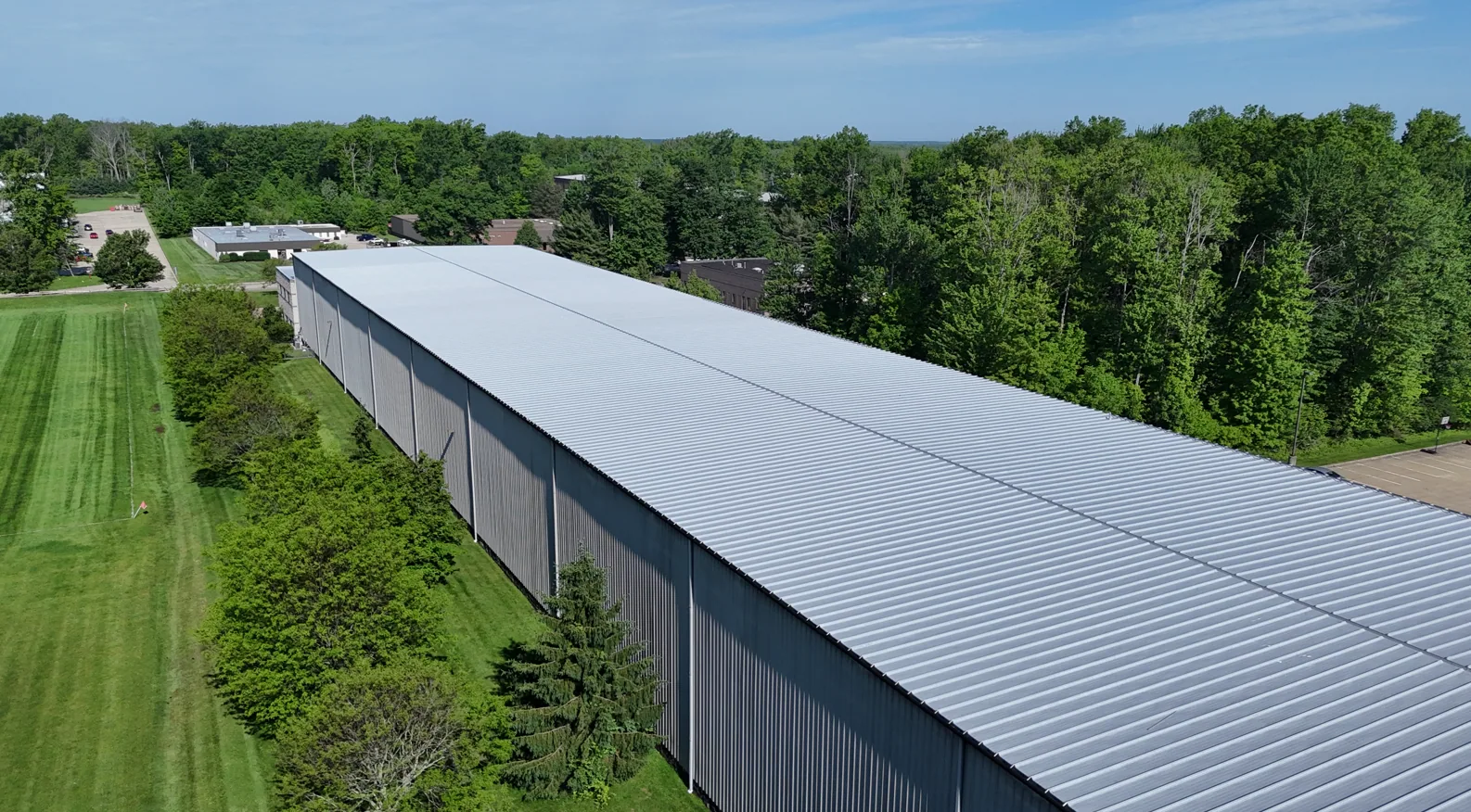
A reopened retail room remains vulnerable when roof defects are only covered. Silicone restoration needs a suitable assembly beneath the renewed finish. We assess silicone roof coatings in Concord, NC, before proposing application. Adhesion, compatible preparation and repaired details all affect that option. Wet insulation or unstable material can require a different response. We identify those conditions before selecting a treatment. The owner should understand the physical corrections included with the coating work.
The Concord Entertainment Corridor includes retail businesses, restaurants and hotels. Church Street Corridor also has commercial activity near residential neighborhoods. Application at either setting needs consideration for the actual occupied space. Nearby entrances, intakes and service routes can affect the arrangement. A restoration assessment of the retained roof establishes whether the proposed base is useful. We discuss that finding alongside the needed access. Location context should lead to a specific work arrangement at the property.
Establish a suitable retained surface
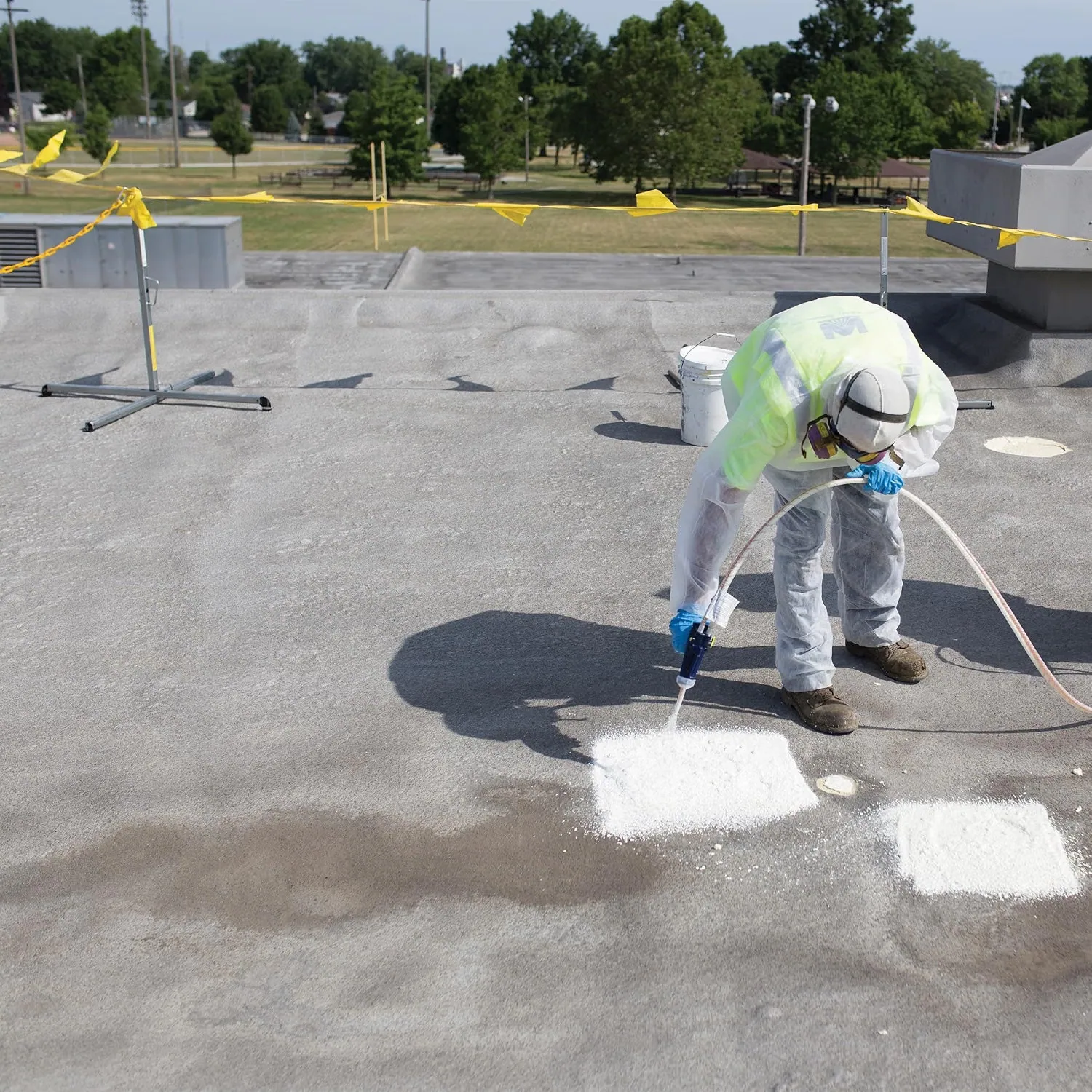
The coating must connect with the roof surface beneath it. The selected silicone product's requirements guide cleaning, preparation and priming. Existing material and previous treatments need identification before that method is chosen. Loose residue or deterioration can prevent suitable adhesion. We examine those conditions and identify any necessary removal. Adhesion checks may help evaluate the prepared base. An unsuccessful check calls for reassessment before the roof receives further application.
Some areas need material reconstruction rather than additional preparation alone. Damaged membrane, deteriorated metal or wet underlying layers require their own correction. We describe those tasks separately from the coating application. The retained assembly must remain suitable after preparation. Cleaning a failed connection does not restore its support. The owner should see the necessary physical work in the proposal. A reduced application scope that omits those tasks is not equivalent. The finish depends on the condition established beneath it.
Address drainage before relying on exposure ratings
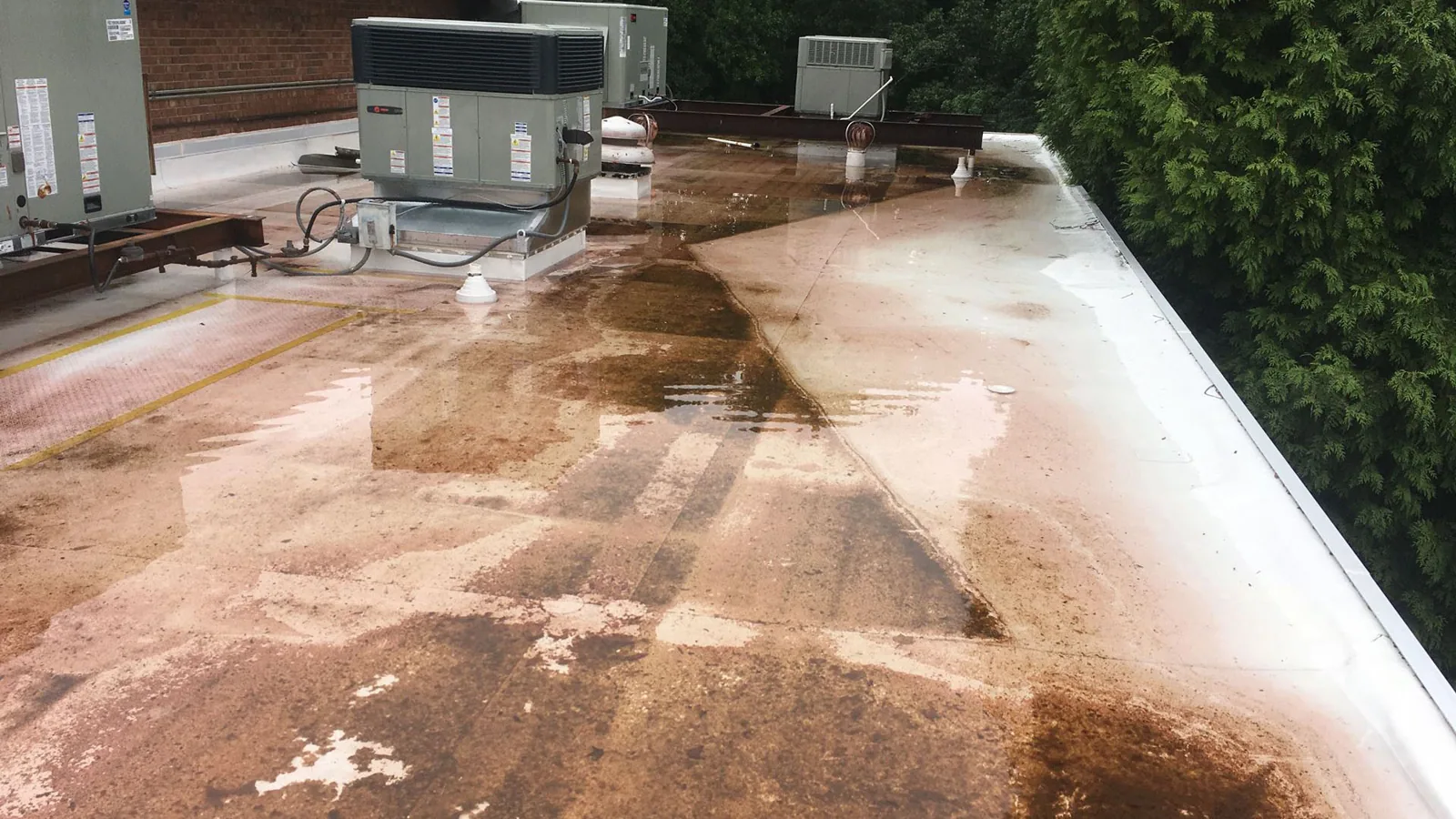
Silicone products can have specific requirements for water exposure. The selected system must suit the roof's corrected condition. A product rating does not change a depressed roof surface. We examine standing-water areas and their routes to usable outlets. Debris, outlet restriction and unsuitable slope need different responses. Some conditions require assembly changes before restoration is useful. The proposal should identify those drainage tasks alongside the coating work.
Cabarrus County's warm-season thunderstorms make outlet access a practical concern. Retained water can also conceal a defect near equipment or a wall. Investigation of persistent roof water helps define the correction. Piping questions may require an appropriate plumbing participant. We distinguish those needs from the exposed membrane connection. The selected coating's suitability should follow the resolved condition. Leaving an obstructed route unchanged retains another operating concern. Drainage remains part of the roof's care after application is complete.
Repair the connection before reinforcing it
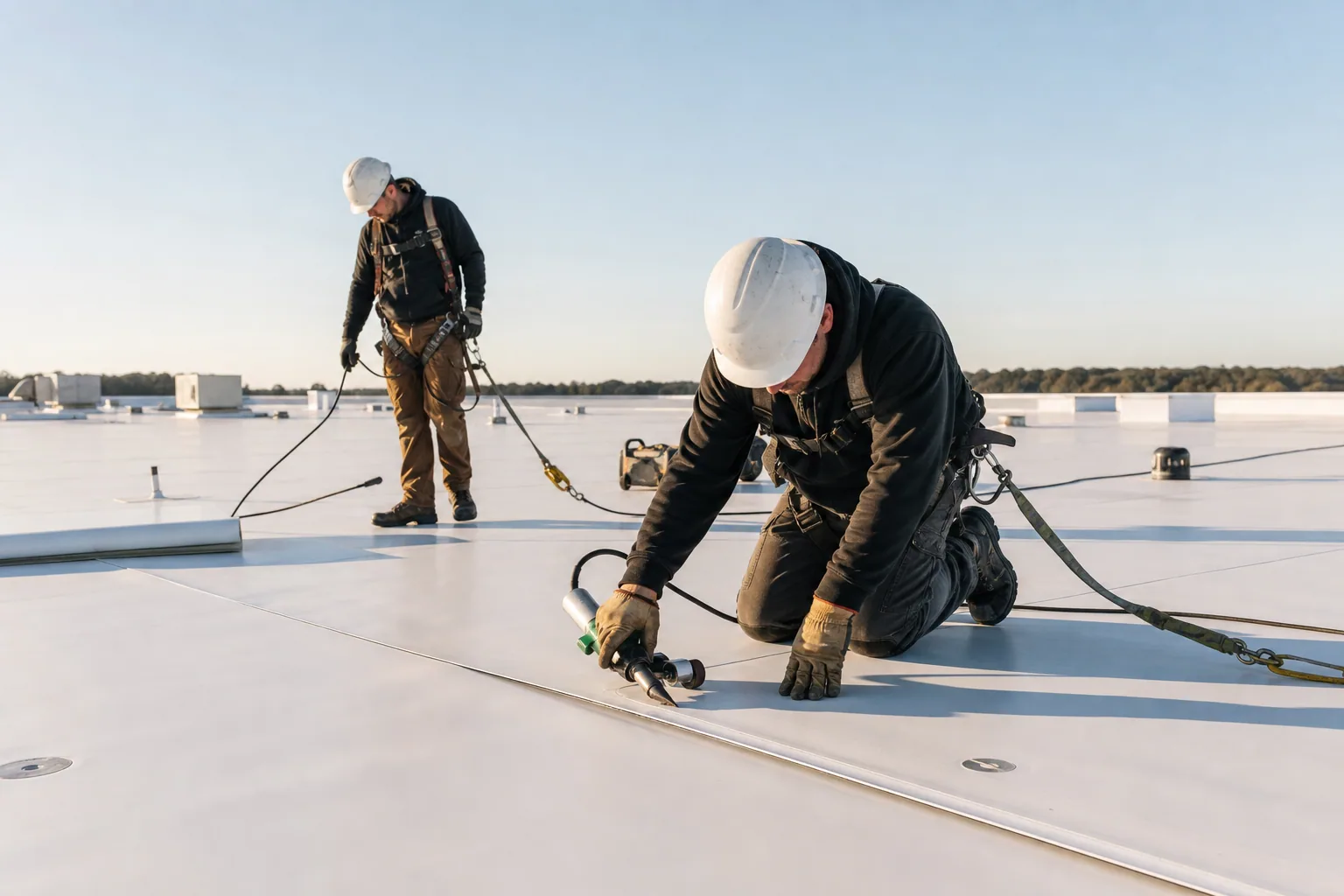
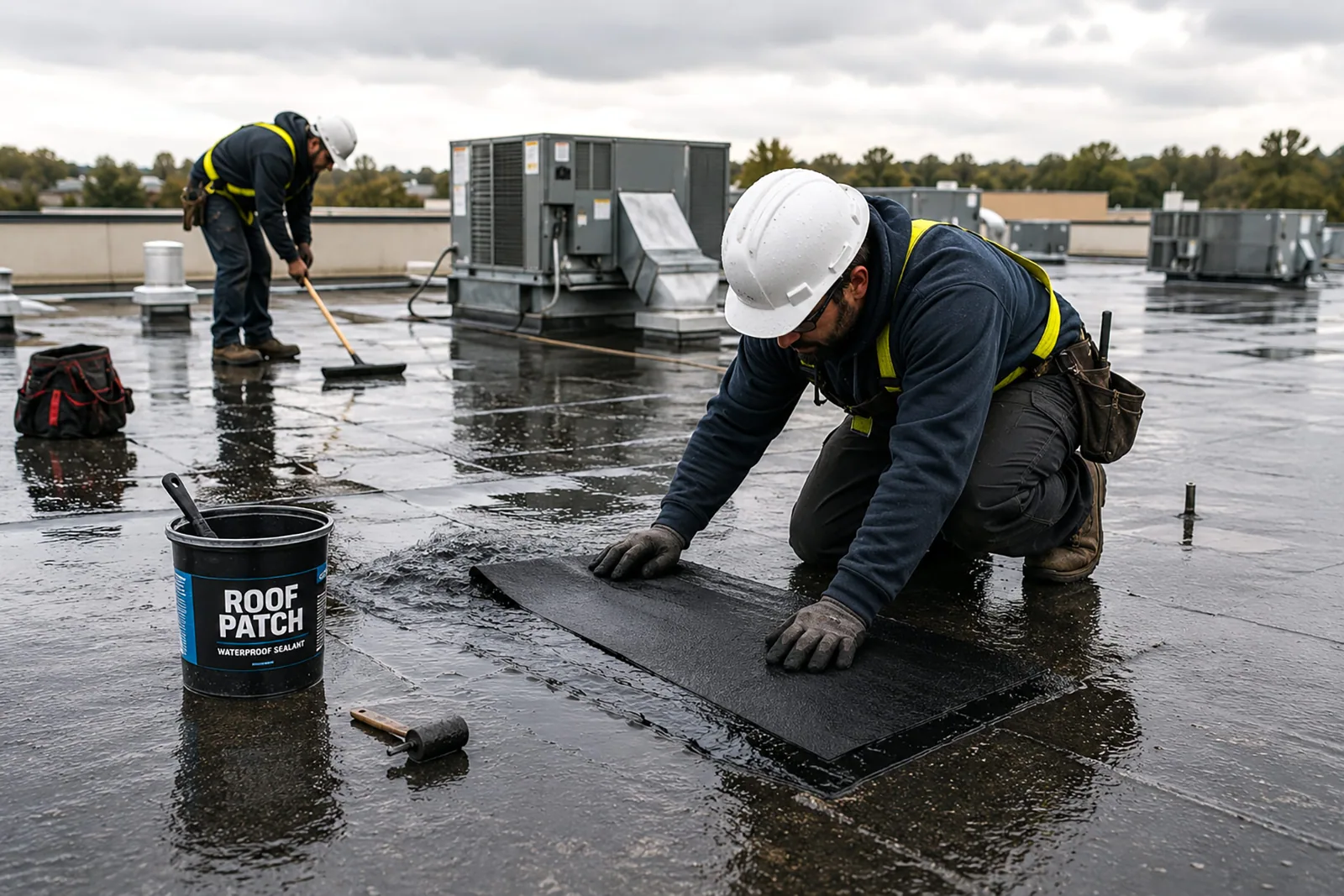
Open seams and unstable flashings need suitable physical correction. A silicone restoration system may specify reinforcing treatment at selected details. That treatment still requires an appropriate prepared base. We examine the connection and adjoining material before application. Loose metal or damaged curb backing can require reconstruction. The repair should address movement and support rather than conceal them. A reinforced finish cannot substitute for every missing assembly component.
Corners, pipes and drain transitions deserve close attention during preparation. Their shapes can make uniform application more difficult. Equipment may prevent access to part of the connection. We identify any necessary service arrangement with the responsible trade. Compatible detail repair can establish the boundary needed for coating. Some areas may remain outside the approved scope. The owner should know those limits and any remaining task. A renewed roof field should not imply that an inaccessible connection was reconstructed.
Apply the specified system under suitable conditions
Surface condition and weather must meet the selected product's application requirements. Silicone formulations have their own preparation and curing conditions. We review those requirements with the actual roof exposure. Rain, unsuitable moisture or contamination can require a changed work window. The planned area should remain protectable while the application advances. We discuss those practical limits before scheduling. A material description alone does not establish that today's conditions are suitable.
Application thickness and coverage need control across the prepared roof. Rough surfaces and crowded details can complicate uniform coverage. We use appropriate methods to check the installed coating as specified. A visually even finish can still leave a thin or missed area. Work at transitions therefore needs attention during application as well as afterward. The complete system includes its prepared base, reinforcement and finish requirements. We explain those components in the proposed scope. The owner can then compare complete methods rather than coating color alone.
Compare silicone with the actual alternatives
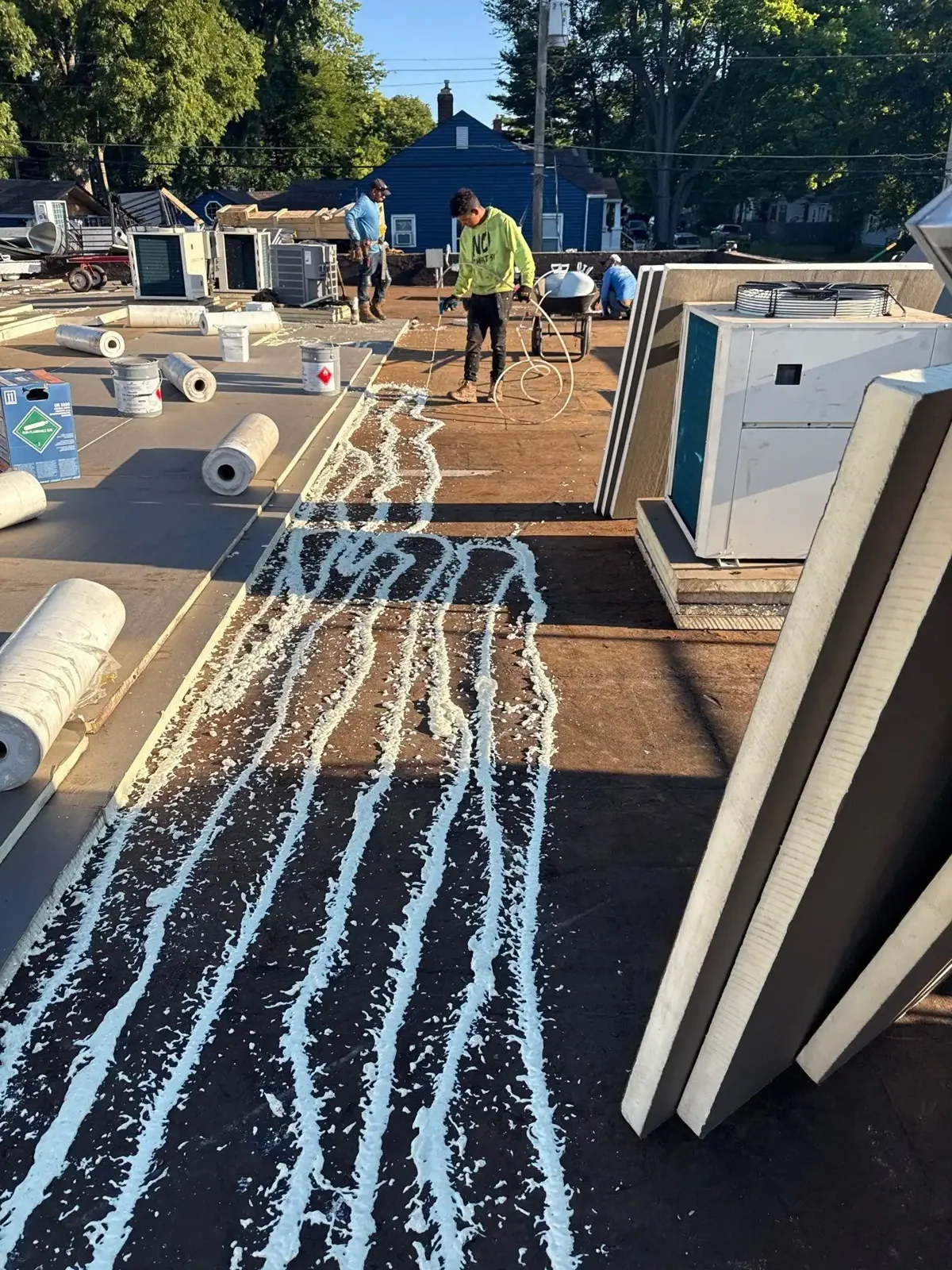
An acrylic restoration system has different suitable application and exposure requirements. A foam roof assembly involves another set of substrate and protective finish questions. We compare those approaches through the actual condition and intended work. They are not interchangeable simply because each can change the exposed surface. Retention needs sound material and suitable details for the selected method. The owner should understand which components each proposal corrects.
Broader deterioration may make removal more useful than restoration. Wet insulation or inadequate support can limit every surface treatment under consideration. We identify those conditions rather than force a coating option. Selected investigation may be needed where concealed material remains uncertain. The comparison should include that task and its practical limits. A coating proposal may also differ in cleaning and detail preparation. Those differences affect the scope being evaluated. The useful decision follows the complete roof work, not an unsupported extension of service life.
Protect the application and its later service route
Fresh coating needs protection from equipment traffic during its specified curing period. We coordinate service visits before that area is occupied by the task. Nearby vehicles and intakes may also need application protection. The chosen method and observed conditions guide that arrangement. Cured surfaces can present access hazards, especially when wet. Roof access needs appropriate safe working procedures for the actual system. We identify the service-route concerns with the operator. Continued care should preserve the finish at vulnerable equipment locations.
At a property in the Church Street Corridor, neighboring activity can constrain staging and application. We establish the affected entrance and access with the actual operator. A condition-based roof care arrangement can revisit the renewed details afterward. New cuts and disturbed flashing need compatible assessment and repair. Later recoating should follow the identified existing finish and its condition. An incompatible treatment can complicate the permanent correction. We provide the relevant system information at completion. The owner can then coordinate suitable service work around the restored area.
Commercial Roofing Questions
Does silicone coating remove the need to correct standing water?
The selected product's exposure requirements need review, but drainage remains a separate physical concern. Blocked outlets or unsuitable slope can require correction before restoration. We assess the actual water route and roof condition. A coating does not change that geometry. The scope should explain any remaining plumbing or assembly task rather than rely on a product rating alone.
What should happen when adhesion preparation does not work?
We reassess the surface, preparation method and compatibility with the selected system. Some conditions need another approved preparation approach. Others leave the retained base unsuitable for the proposed coating. The finding should be resolved before application continues. The owner can then compare another restoration method or removal based on the actual roof condition.
Can reinforcing treatment replace reconstruction of loose flashing?
An unstable connection needs suitable physical correction before the finish is applied. Reinforcing components can belong in a specified restoration detail after preparation. They cannot provide every missing support or termination. We identify the required repair at the actual connection. The coating scope should distinguish that task from the later treatment over a suitable base.
How should later equipment visits protect a silicone finish?
The service route needs precautions compatible with the installed system. Avoid unnecessary traffic through uncured areas and assess safe access to cured surfaces. New cuts or moved connections require suitable roofing attention. We explain vulnerable locations and relevant system information at completion. The operator should coordinate service activity that could disturb the renewed details.
Assess the base for silicone restoration
Request a Concord coating assessment. Identify active leaks, existing treatments and nearby service activity so we can evaluate preparation and the application arrangement.