Home / Roof Damage Repair / Commercial Ponding Water Roof Repair
Commercial Ponding Water Roof Repair in Concord, NC
Assess ponding water on commercial roofs in Concord by examining outlets, low areas and connected details. We explain the corrective work and retained layers.
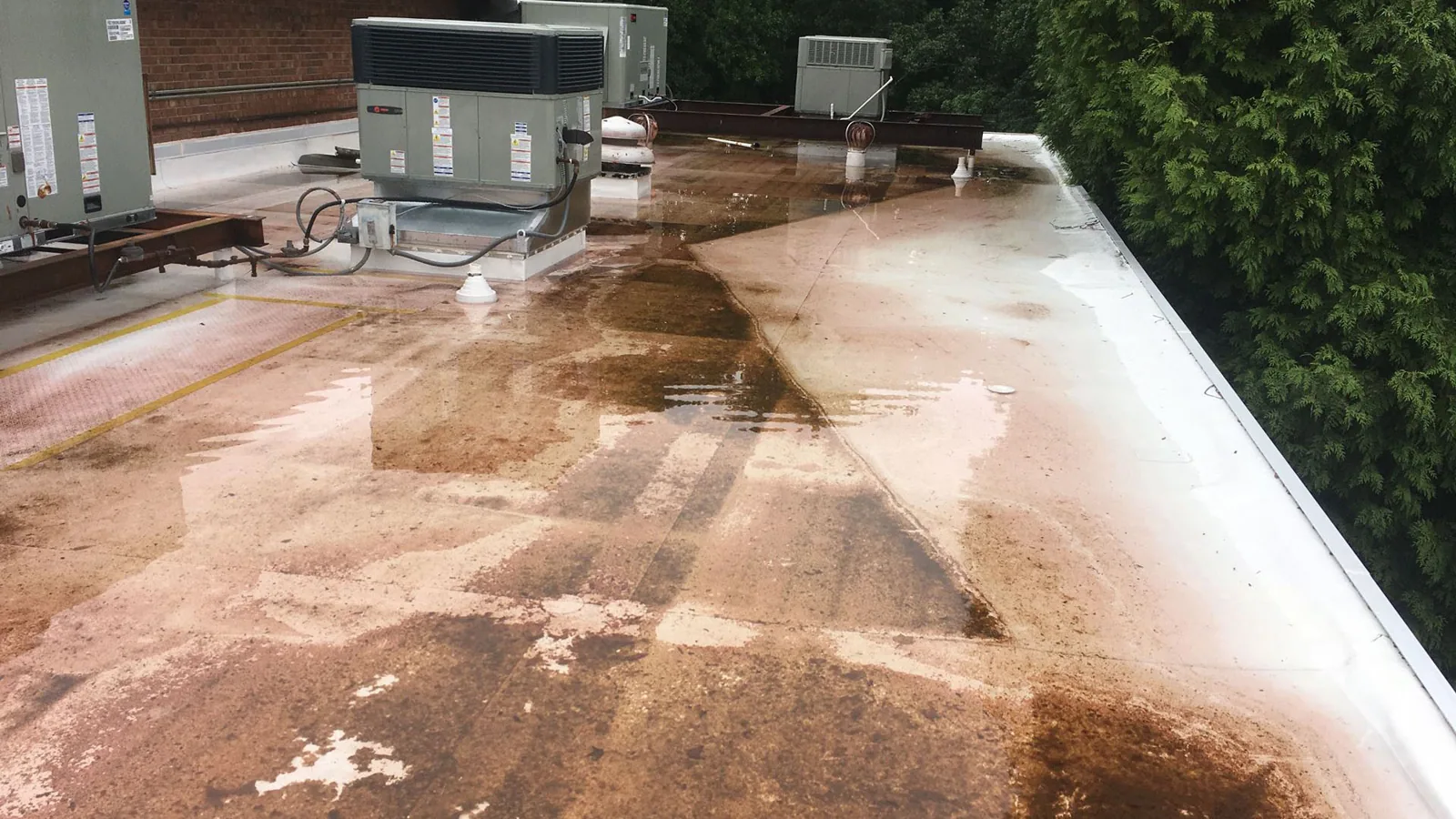
Overflow reaching an occupied doorway needs more than a nearby surface patch. The water route requires examination from the roof area collecting it. We assess commercial ponding water roof repair in Concord, NC. A blocked outlet and a retained depression can produce different corrective tasks. We inspect the accessible covering, slope and discharge connections. The owner identifies where water persists or reaches occupied space. The scope should explain which physical condition is being corrected. Another finish cannot change every low area or clear an inaccessible downstream restriction.
Concord Parkway and Coleman Boulevard planning considers retail, commercial uses and connected streets. Weddington Road Corridor planning addresses industrial facilities and neighborhood connections. Those settings can involve different occupied approaches below runoff points. We assess the particular property's roof and entrance arrangement. Cabarrus County experiences thunderstorms during warmer months. Report where water collects during rain and what remains afterward. A roof outlet and discharge assessment can identify useful detail work.
Describe the collection area and the discharge behavior
The owner should identify where water remains and which outlet serves that area. Useful timing includes when rain ended and whether the collected area changed. Safe observations can help direct a visit without requiring anyone to enter an unsuitable roof position. We compare the report with accessible surface and detail condition. Several separate low areas can need different examination boundaries. The indoor symptom may not sit directly below the collection point. Water can follow concealed material before appearing at an occupied finish.
A functioning visible outlet does not establish that the entire downstream route is unobstructed. We examine what can be reached and identify where separate piping review is useful. A collector leak may also affect the approach without passing through the main covering. Ponding-related roof findings should distinguish those conditions. An assumed surface defect based on the nearest ceiling mark could leave the collection problem unchanged.
Clear the restriction without overlooking another defect
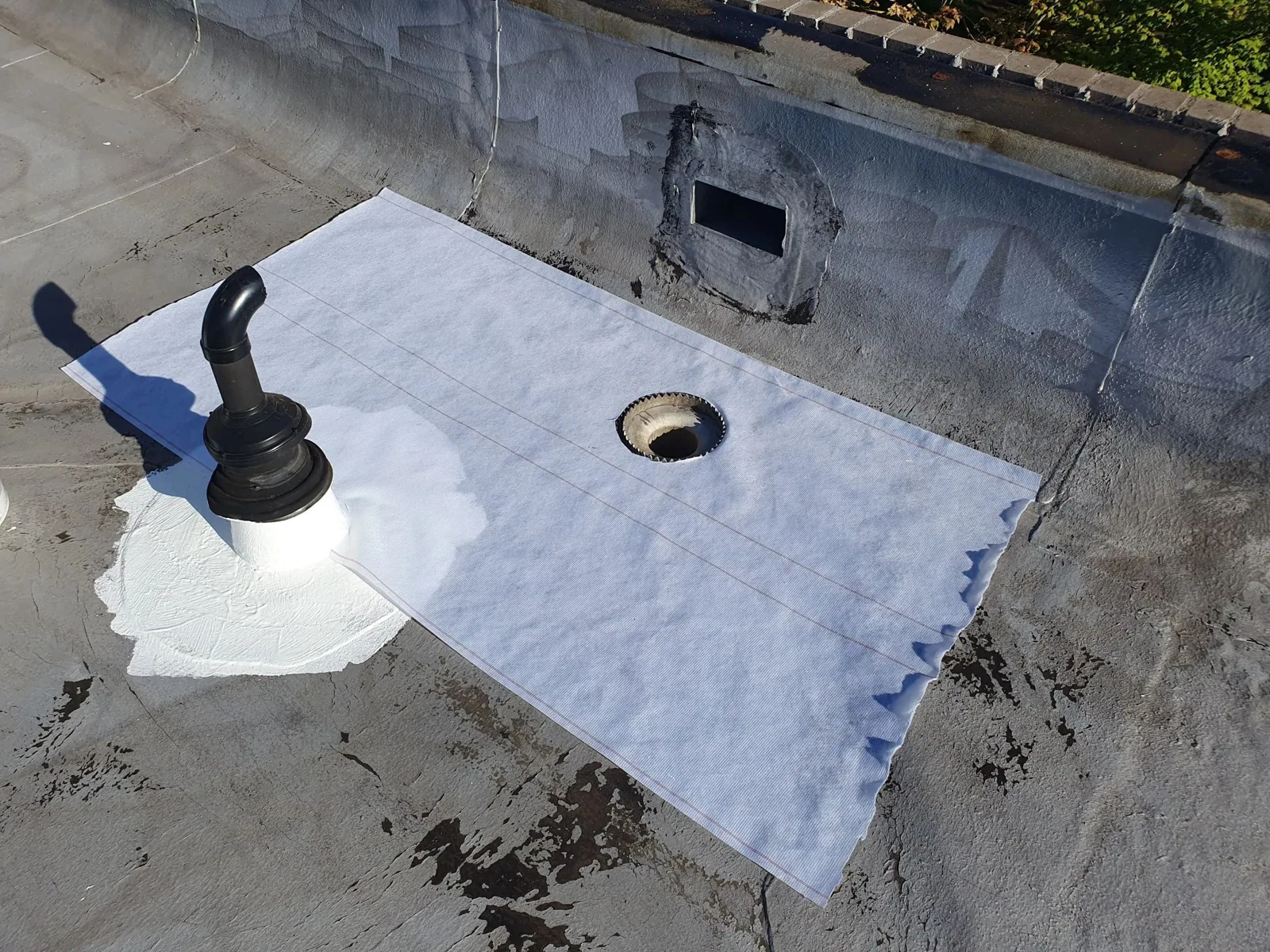
Loose material can obstruct a strainer or collector opening. Removing it may restore one route without repairing a damaged joint. We inspect accessible outlet connections and adjoining covering. A loose flange or failed flashing needs reconstruction appropriate to the installed assembly. The proposed scope should explain that preparation and retained boundary. Piping condition beyond the accessible roof may need another participant's task. Debris clearance alone cannot establish that every part of the discharge functions suitably. We identify the useful correction and any separate review indicated.
Outlet flashing reconstruction addresses the covering connection where entry is established. The surrounding material needs to receive that detail properly. Previous treatments can limit preparation or compatibility. An equipment service visit may also have left material near collection points. The operator should coordinate removal and future control of that debris. If a wind-affected edge detail changed the accessible route, it needs its own examination. The correction should follow the condition found rather than assume every ponding area has the same cause.
Examine the roof profile where water remains
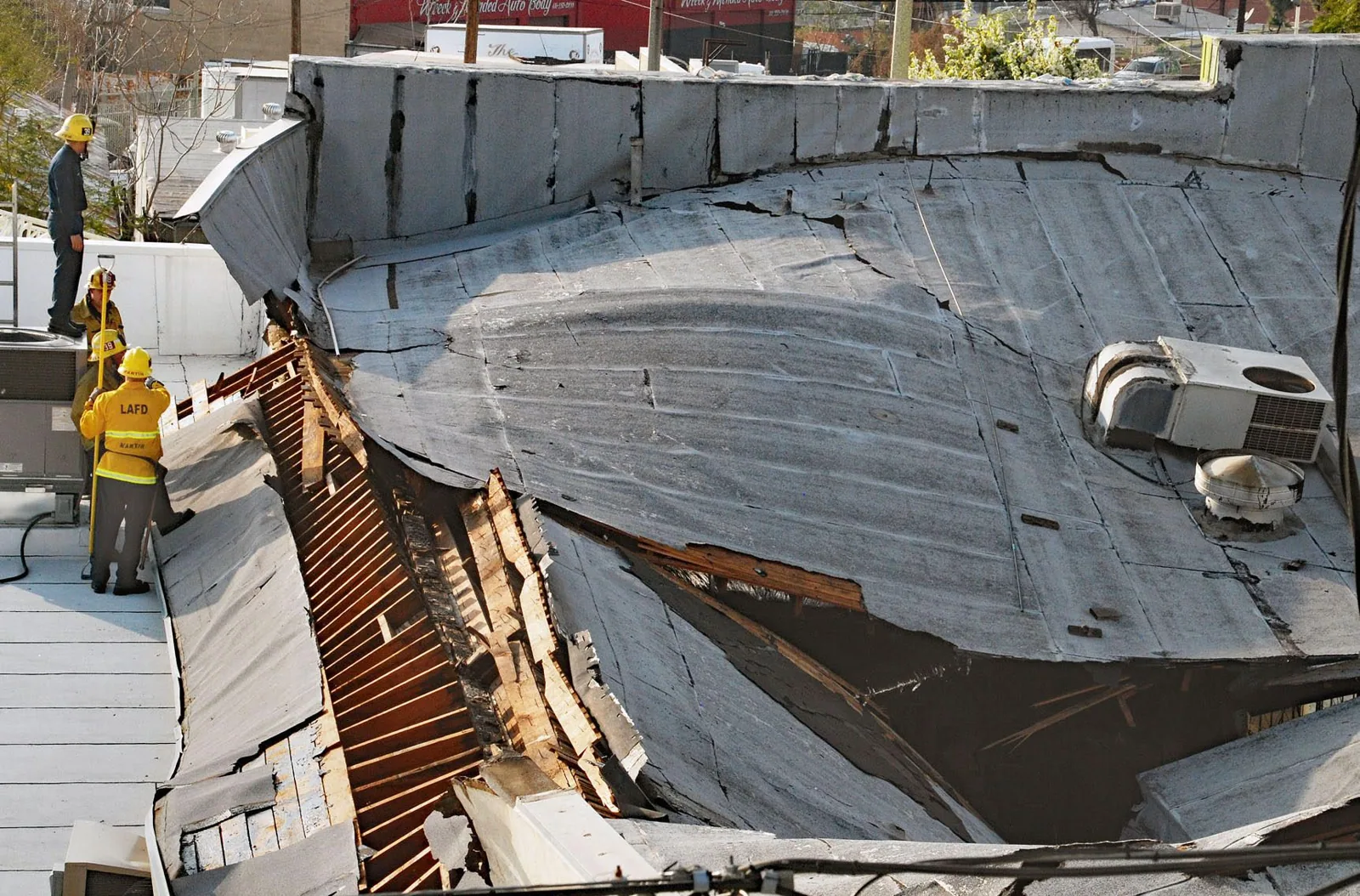
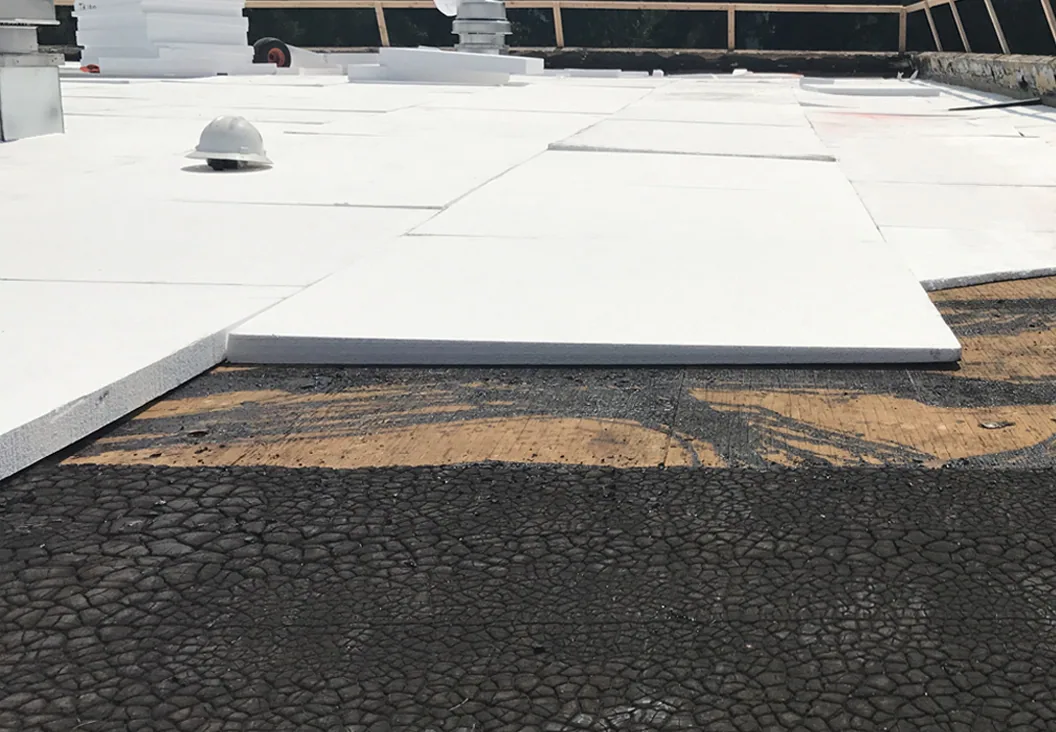
A depression can hold water even when its outlet is open. We examine the accessible surrounding profile and useful assembly information. A surface patch cannot raise that low area appropriately by itself. Insulation or other assembly changes may be needed to establish a useful fall toward discharge. The proposed change requires consideration of the existing roof and supporting condition. Appropriate project participants should review the method where design questions arise. The owner should understand which physical change is intended before another covering is selected.
Insulation and cover-board evaluation can identify material work related to the profile. Added thickness may alter relationships at walls, curbs and outlets. Those details need review within the complete scope. We assess the available retained layers rather than assume a new surface resolves the depression. Deteriorated underlying material may require a wider opening. Selected exposure may help establish that condition when authorized. Its opening needs suitable reconstruction afterward. The correction should reconnect the modified area with usable surrounding roofing and an appropriate discharge detail.
Assess the covering exposed to recurring collection
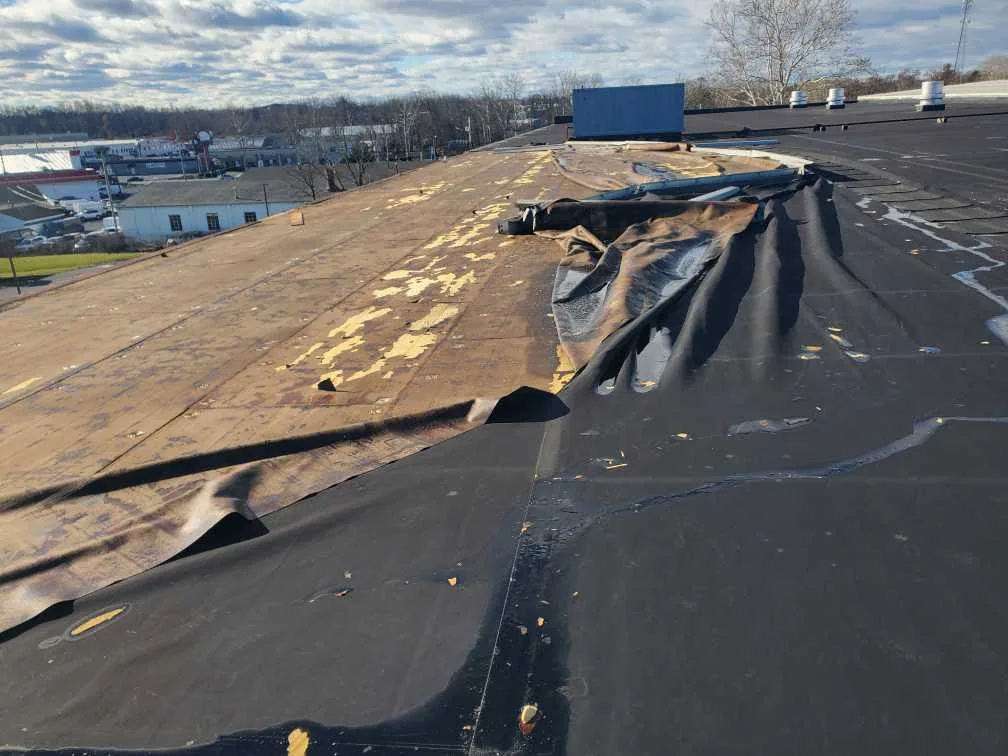
Water backup can expose neighboring seams or terminations to a condition beyond ordinary runoff. We inspect the relevant covering and accessible connections. The existence of collected water does not identify every entry point. A seam or penetration may also have an independent defect. The corrective scope should explain both the water-route task and any detail reconstruction. We identify useful material preparation and the boundary receiving the new connection. Adding a broad finish would leave important questions if the route and failed detail remain unchanged beneath it.
A wider ponding-area examination can assess recurring indoor reports or deterioration beyond one connection. Room location and timing help guide that visit. Equipment or plumbing may require separate investigation. We explain the exterior condition established and any further roof access needed. Interior restoration can remain another task after entry is stopped.
Arrange access for the profile and outlet work
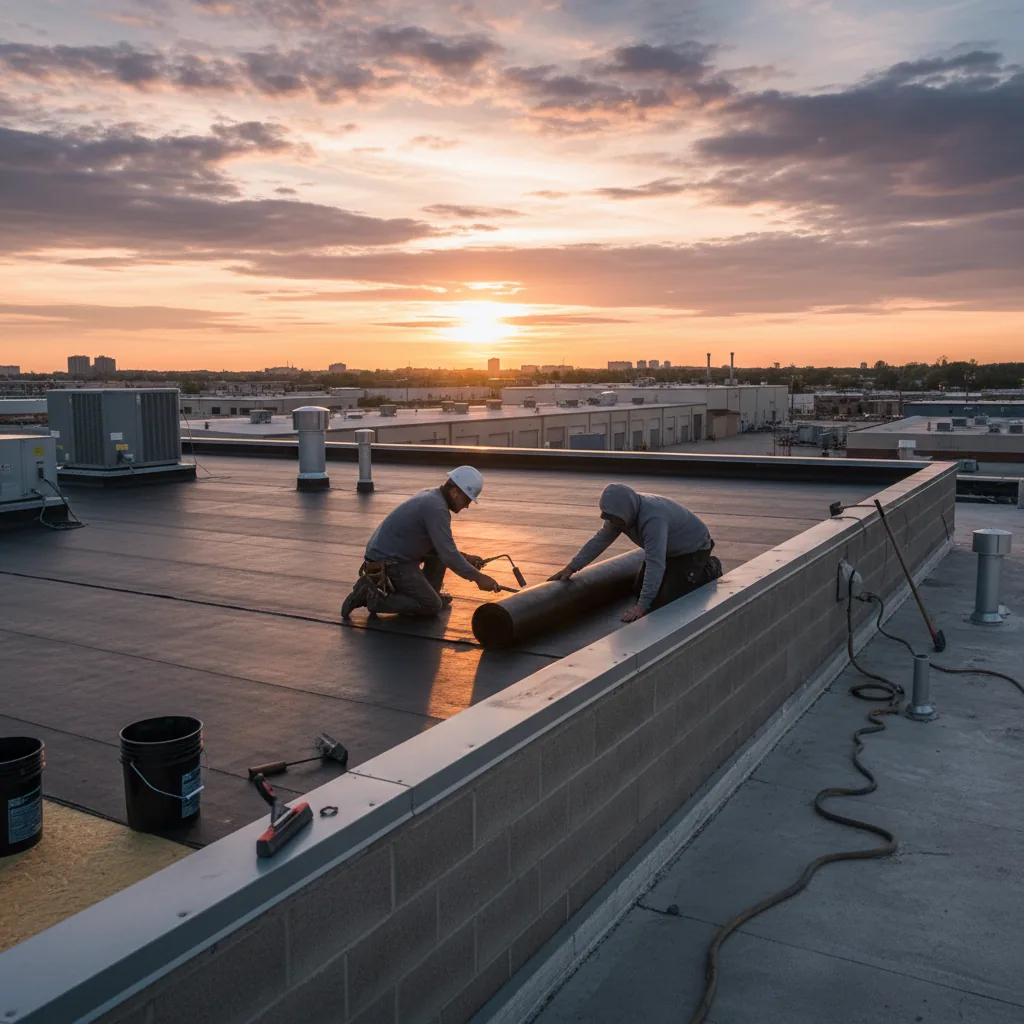
Material changes can require lifting, removal or an equipment clearance task. We review the handling method with the operator. Required exits need appropriate attention during work. The owner identifies occupied positions beneath the proposed opening. Weather or concealed deterioration can alter the daily area suitable for reconstruction. Temporary protection should suit that boundary. The sequence needs enough access to complete the outlet and adjoining profile.
A blocked service approach along Concord Parkway and Coleman Boulevard can delay outlet reconstruction. Deliveries may affect space beyond the vehicle's immediate position. The operator should understand any changed route before materials arrive. A proposed profile adjustment can also require equipment participation if its connections are affected. We identify that dependency while defining the roofing task. The permanent sequence should reach the relevant detail rather than stop at an installed obstruction. Protection and reconstruction need to remain achievable as conditions change.
Connect broader renewal with continuing outlet care
Wider deterioration can make renewal useful alongside drainage correction. Moisture, attachment and support condition influence removal or retention. Ponding-affected roof renewal should identify necessary profile and detail changes. The covering name alone does not describe them. Applicable requirements need confirmation for the proposed assembly and discharge arrangement. We explain the scope for appropriate review. The owner should see how the selected reconstruction addresses current condition rather than rely on another finish over a retained low area.
Completion information should identify the corrected collection area and any separate piping or service task. Later outlet inspection needs a suitable access arrangement. Equipment activity should not leave debris where it obstructs discharge. New runoff reports should describe where collection occurs and when it persists. We examine those observations against the relevant roof condition. The installed connection needs preservation during later alterations. Continuing care supports the reconstructed water route beyond the initial task. The owner should understand that practical access requirement at handoff.
Commercial Roofing Questions
Can an open roof outlet leave water standing elsewhere on the covering?
A retained depression can collect water even when the accessible outlet is clear. We examine the surrounding profile and relevant assembly condition. Insulation or other reconstruction may be needed to establish a useful discharge route. Piping can also require separate review. The proposed task should identify the physical cause rather than assume outlet clearance resolves every low area.
What observations help assess a recurring ponding area?
Identify where water collects, its apparent discharge and useful timing after rain. Report any indoor or entrance position affected. The examination follows the reported collection area toward its outlet. Water can travel before appearing below, so the visible room mark does not locate every connection. The findings should guide a specific correction or useful further examination.
Why can a slope correction affect equipment and wall details?
A changed assembly profile can raise the covering relative to existing terminations. We identify curbs, outlets and walls affected by the proposed work. Equipment clearance or another participant's reconstruction may be needed. The scope should explain those resulting tasks. A new surface alone cannot establish that retained details remain suitable around the modified collection area.
What should remain accessible after ponding-related reconstruction?
The corrected outlet and useful collection positions need an arrangement for continuing inspection and care. We explain the roof boundary completed and any separate piping task. Service debris should stay clear of discharge points. New collection reports deserve examination of location and timing. Later equipment alterations should preserve the route or include suitable detail work where they affect it.
Examine the persistent roof water route
Arrange a Concord ponding water roof assessment. Identify the collection area, affected occupied position and available access so we can examine profile and discharge.