Home / Roof Damage Repair / Commercial Wind Damage Roof Repair
Commercial Wind Damage Roof Repair in Concord, NC
Assess commercial wind roof damage in Concord at lifted edges, displaced covering and connected details. We explain correction, retained layers and access.
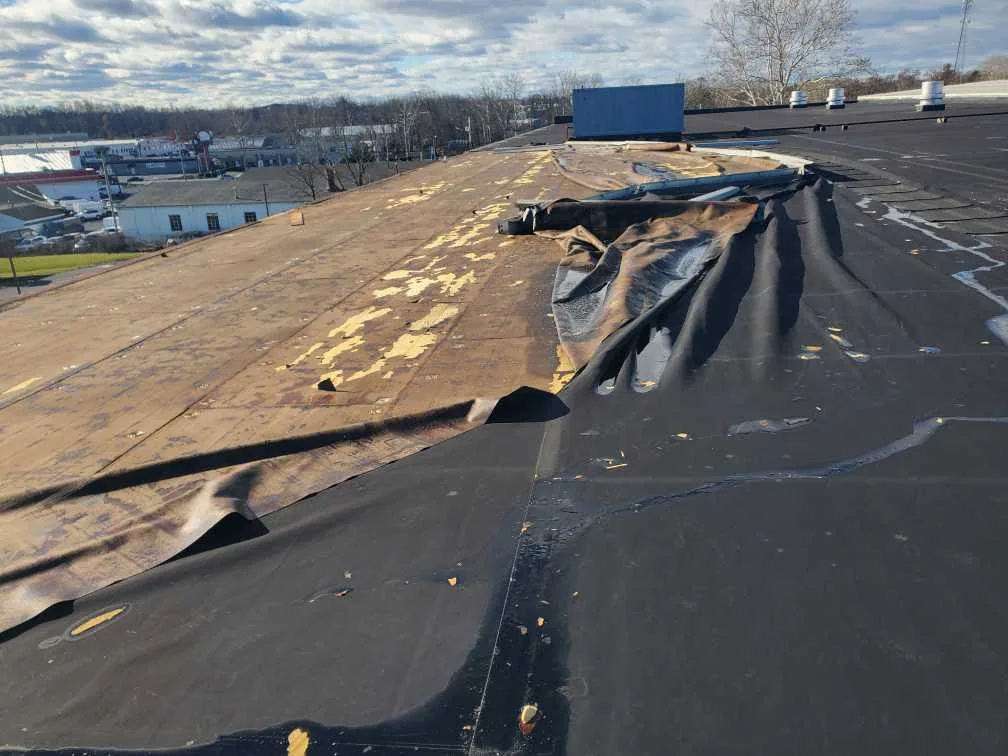
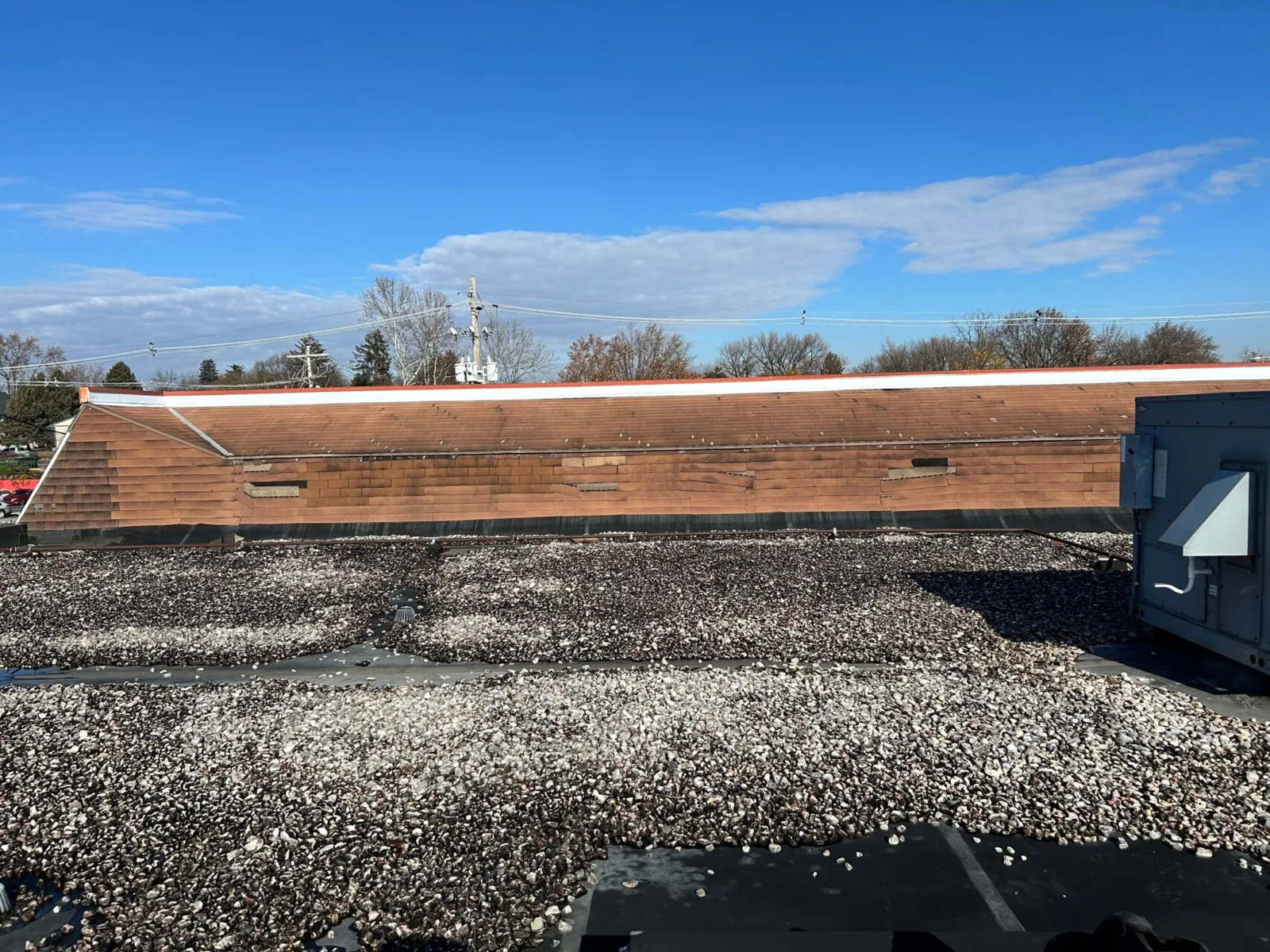
Water entering beneath a lifted perimeter can close the room below. The roof correction needs to reach the loosened connection. We assess commercial wind damage roof repair in Concord, NC. Visible displacement can involve edge attachment, covering or adjoining flashing. We inspect the relevant assembly before selecting reconstruction. The owner identifies affected rooms and available access. Concealed wet layers may enlarge the required task. A useful scope should explain what will be secured or removed and how the permanent connection meets usable retained material.
Commercial redevelopment and physical improvements form part of Downtown Concord's planning. Retail and other commercial uses are addressed along Concord Parkway and Coleman Boulevard. Where roof-edge work reaches above an entrance, the owner should identify the occupied approach needing an arrangement. We review roof access and ground positions for the required material handling. Helene produced a measured 57 mph gust at Charlotte Douglas in September 2024. We inspect accessible displacement and adjoining attachment at the property. A storm-related roof assessment establishes the accessible damage and appropriate reconstruction at the building involved.
Examine the displaced edge and its attachment
A lifted metal edge may expose the covering termination beneath it. The visible piece can also have damaged support or fastening. We inspect accessible material and neighboring attachment. Repositioning the metal alone may leave an unsuitable connection unchanged. The reconstruction needs a sound boundary receiving the new detail. We identify whether backing or adjoining covering must be removed. The owner should understand that preparation rather than review only an edge-piece replacement. An appropriate repair should address how the assembly is connected at the perimeter.
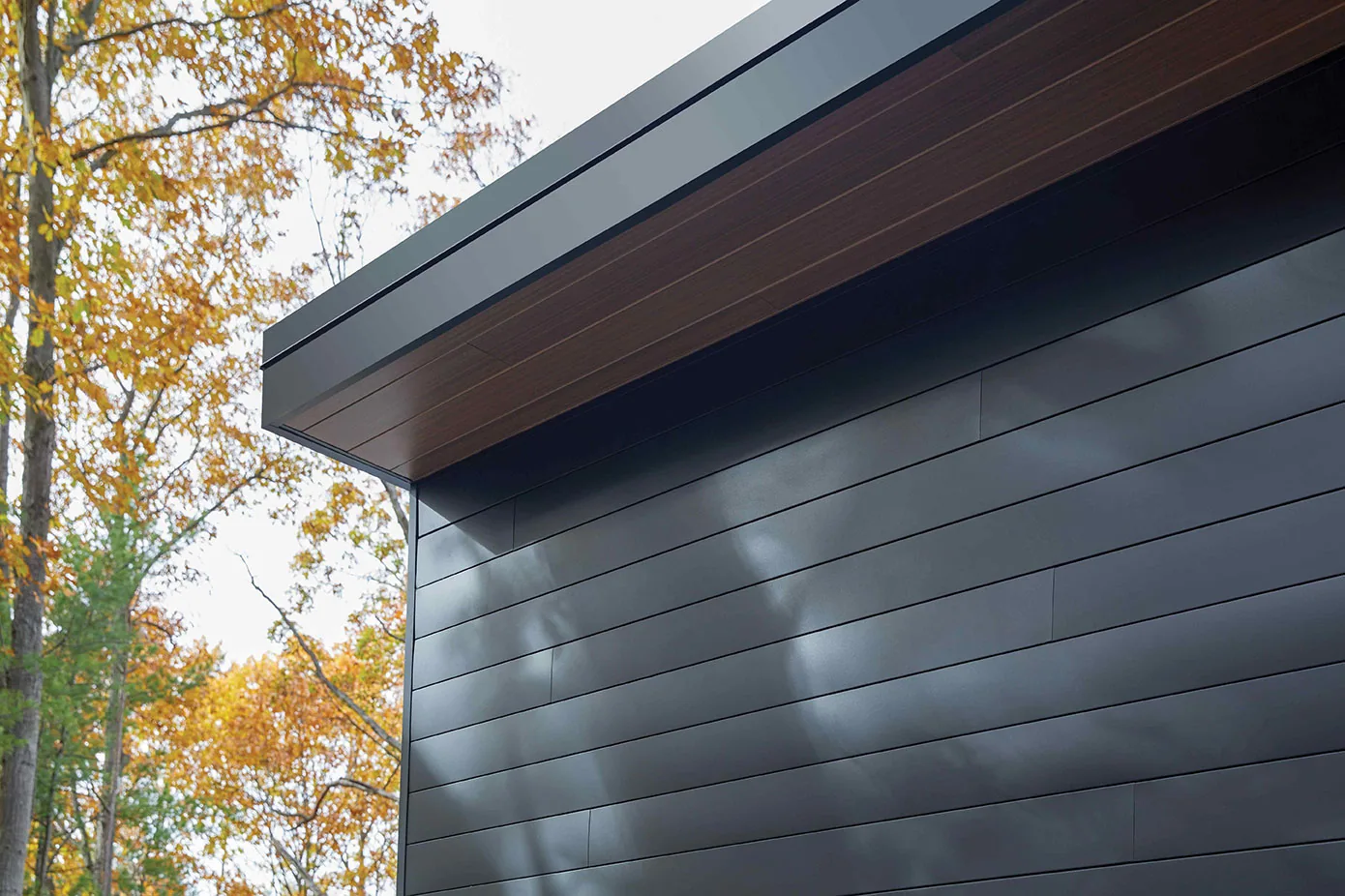
Wind-affected perimeter evaluation considers accessible coping, edge metal and relevant collector interfaces. The task depends on the installed arrangement. A loose collector joint can need another correction beside the covering termination. Flashing failure repair addresses the roof connection where separation permitted entry. We explain which interface is involved and any wall participation needed. Current condition governs the scope. The repaired perimeter needs suitable fastening, backing and a sound adjoining covering termination.
Follow displacement into the adjoining covering
Lifted material can strain seams or connections away from the first visible opening. We examine useful neighboring areas rather than stop at the displaced edge. A membrane may require compatible lap reconstruction. Panel roofing can involve fasteners, joints or terminations. Previous treatments affect the preparation available for either assembly. The permanent connection needs suitable retained material. A broad surface finish would not establish which strained detail was corrected. The owner should understand the physical boundary receiving reconstruction.
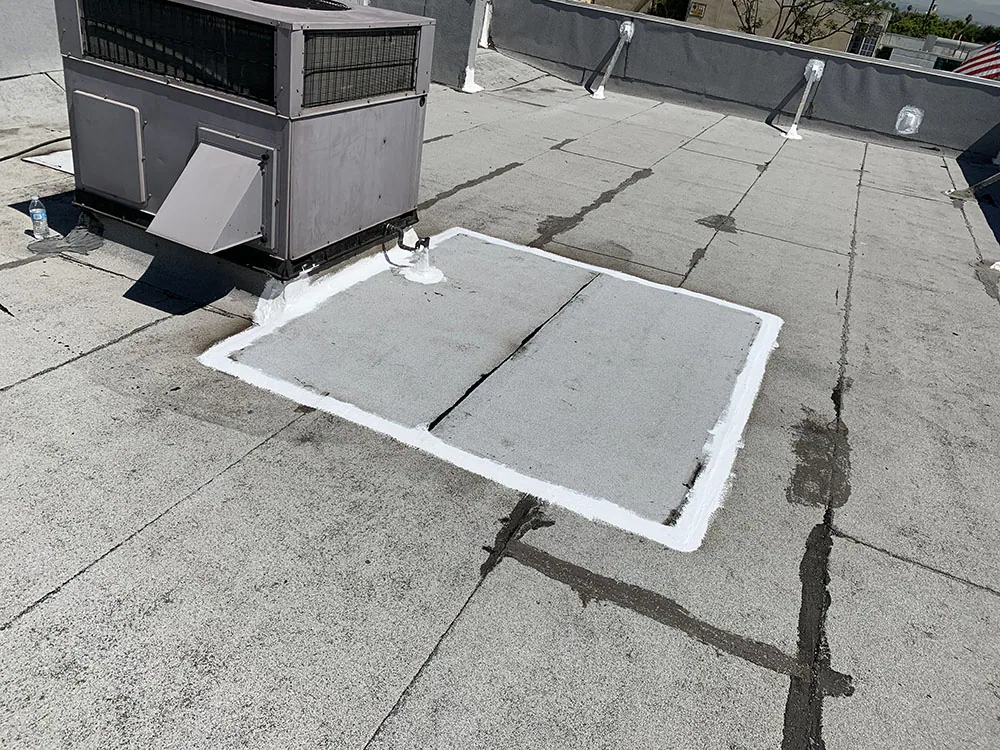
Opened roof seam examination can identify a connection affected beside displacement. The adjoining material may still be usable for a localized repair. Wider deterioration or damage can require a larger task. We assess that condition before defining retention. New material must connect appropriately with the installed system. Equipment supports can also move or press into the covering. We identify the relevant interface rather than assign every nearby mark to wind. Another service participant may need to address a shifted component before roofing can be reconstructed.
Establish the concealed removal boundary
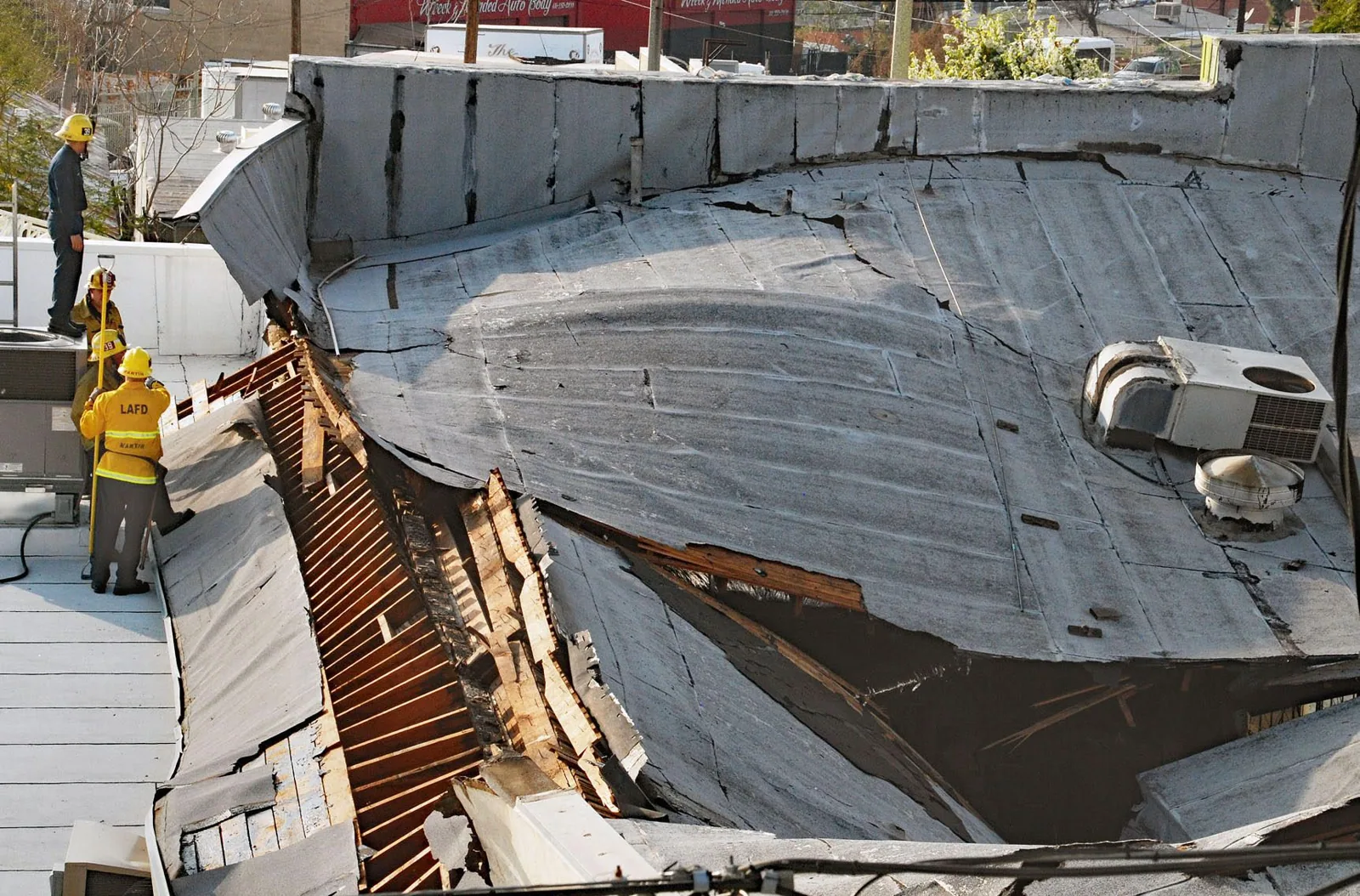
Water entering an opening can affect insulation or backing beneath it. The visible displaced area may not describe that full condition. We examine useful accessible layers and explain any selected exposure needed. Its opening requires authorization and an appropriate closure plan. Wet material can enlarge necessary removal beyond the surface defect. Damaged support may also affect attachment. The owner should understand which findings establish the corrective boundary. A renewed finish over unsuitable retained layers would leave the underlying condition unresolved.
A broader post-wind roof inspection can review recurring symptoms or suspected damage across connected areas. Existing assembly information helps when compared with current findings. Another water path may require separate examination. Indoor location and rain timing assist the visit without proving the opening lies directly overhead. We explain the roofing condition established and useful further investigation. Interior restoration may remain necessary after exterior entry is stopped. The roof task should not be interpreted as completion of every room or equipment concern below it.
Arrange the exposed boundary and occupied approach
The owner should identify people, goods and equipment beneath the affected roof area. We explain access, examination and reconstruction requirements. Temporary protection needs a boundary suited to the exposed assembly. It remains different from a completed permanent connection. Weather or concealed damage can alter the achievable daily task. The operator should understand those dependencies before the occupied-room arrangement is fixed. Required exits need appropriate consideration. The work should not advance beyond an area that can be protected and reconstructed under the conditions involved.
At a property around Downtown Concord, we review the actual entrance and lifting approach. Loose or removed material can affect space below the perimeter. Staging needs to suit both the roofing method and the agreed pedestrian arrangement. The operator identifies where movement requires adjustment. Equipment roof interface coordination can clarify service participation where displacement affects a support or concealed curb. The equipment participant establishes component clearance and operation. The resulting sequence should reach the roof detail needing correction rather than leave its obstructed boundary unchanged.
Compare localized reconstruction with wider renewal
A localized defect can permit repair when adjoining layers remain suitable. Several damaged connections or deteriorated material may justify wider examination. Moisture, backing and attachment influence that choice. Wind-affected roof renewal evaluation should identify the removal and retained assembly boundaries. A raised insulation profile can require reconstruction at existing wall, equipment and outlet interfaces. Those resulting detail tasks belong alongside material selection. The proposal should explain why the selected extent follows current condition, rather than let the storm name define the whole project.
Applicable requirements should be confirmed for the proposed attachment and reconstructed interfaces. The authority and appropriate project participants establish the requirements governing that scope. We explain the relevant material and detail changes during review. Handoff information should identify corrected connections and any continuing equipment task. Future service activity needs to preserve renewed roofing. New water symptoms deserve assessment of their own location and timing. The completed wind-related task should remain distinguishable from interior restoration and unrelated service work. That boundary helps the owner coordinate later activity at the actual property.
Commercial Roofing Questions
Does a lifted edge mean only the metal piece requires replacement?
Examine its attachment, backing and adjoining covering before selecting the correction. Displacement can affect the termination underneath or connected seams nearby. We identify useful retained material and any necessary removal. The proposed task should explain that preparation. Repositioning a visible piece alone does not establish that the complete roof-edge connection is suitable.
How should wind-affected roof attachment be examined?
Inspect the displaced edge and useful adjoining connection before selecting reconstruction. We assess accessible fastening, backing and covering condition. A lifted piece may strain neighboring seams or expose concealed material to water. Further examination can help define that boundary. The permanent task should explain which attachment and material work restores a suitable connection.
Why might wet layers enlarge a wind-related repair?
A permanent connection needs usable material beneath and around the reconstructed covering. Water entering displacement can affect insulation or support beyond the visible opening. We identify useful selected examination when authorized. Its opening needs a suitable closure arrangement. The owner should understand which findings support removal and which concealed question still requires investigation.
What should the owner arrange beneath a wind-affected roof work area?
Identify occupied positions, goods and service requirements with the proposed roof task understood. We explain exposure, lifting and protection needs. Weather or concealed findings can change the daily area. Equipment clearance may require another participant. The agreed operating arrangement should fit a protectable reconstruction boundary, with temporary measures kept distinct from completed permanent details.
Assess the wind-affected roof connection
Arrange a Concord wind damage roof visit. Identify displaced covering, affected occupied space and available access so we can examine attachment and reconstruction needs.