Home / Commercial Roofing Services / Commercial Roof Edge Metal and Gutters
Commercial Roof Edge Metal and Gutters in Concord, NC
Assess loose coping, roof edge connections and leaking gutters in Concord. We examine attachment, wall transitions and discharge before defining the correction.
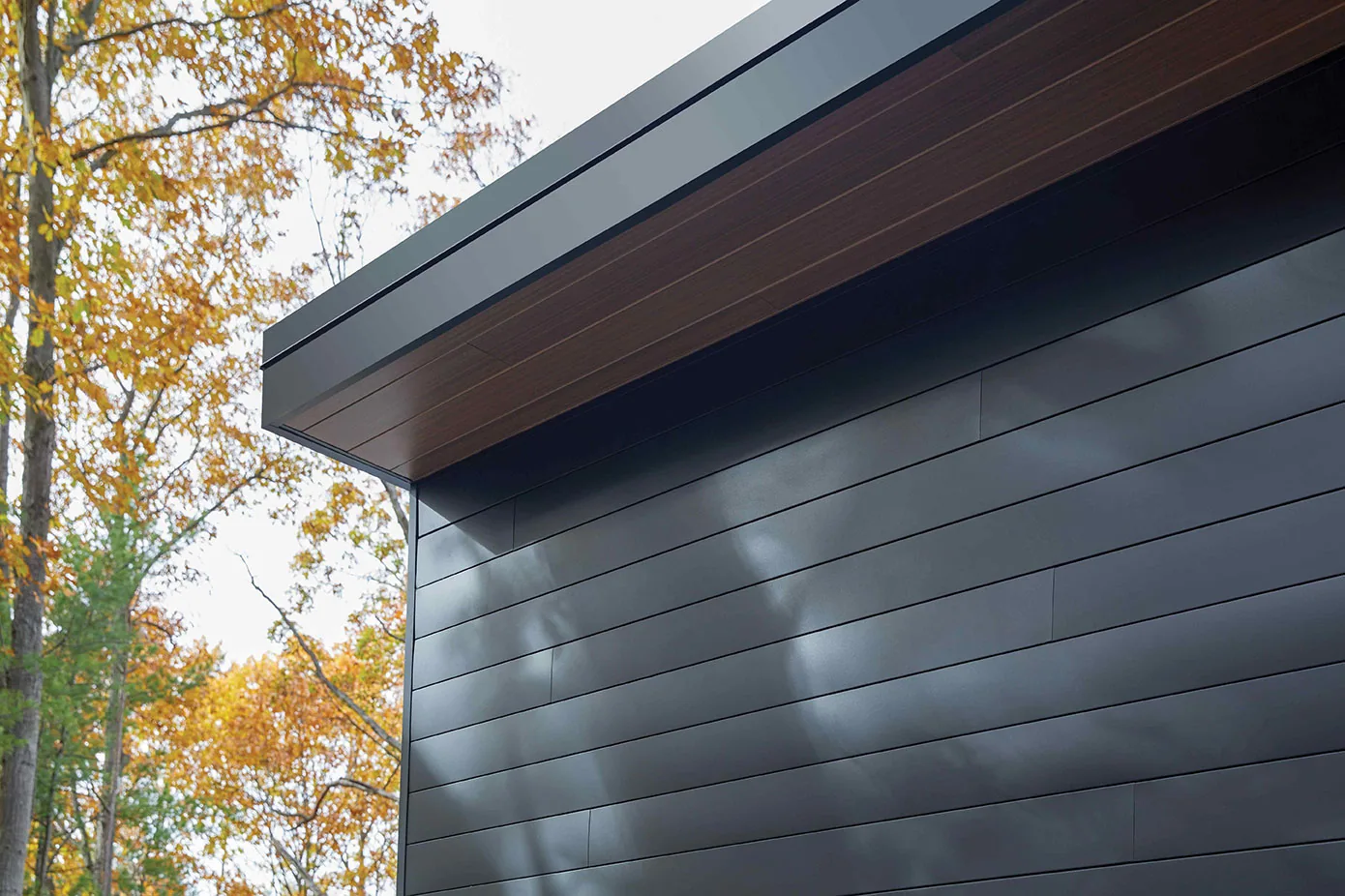
A loose metal piece above a doorway can restrict daily entry. The fastening beneath that piece may need more than another screw. We inspect roof edge metal, parapet coping and gutters in Concord, NC. Each component has a different job at the building perimeter. We examine its support and connection with the roofing. A displaced edge can expose material previously protected from weather. The correction needs to address that exposure as well as the metal.
The Church Street Corridor has commercial businesses beside residential neighborhoods. Perimeter work there can involve shared access and nearby occupied space. Along Weddington Road Corridor, planning addresses industrial facilities and important intersections. Those area descriptions do not identify a particular building's edge condition. We assess the property and its accessible perimeter separately. A close examination of roof perimeter details establishes what is loose, deteriorated or incorrectly connected. We also discuss access below the proposed work area.
Separate the exposed metal components
Coping protects the top of a parapet wall. Its joints and attachment need to accommodate the specified assembly. Roof edge metal secures or terminates roofing at a different boundary. A gutter collects runoff outside that edge and directs it onward. Similar appearances can hide these different functions. We identify the component involved before discussing replacement. Its connection to adjoining roofing or wall material matters as much as its visible finish.
Loose coping can leave the wall top vulnerable to water. A failed roof edge may instead disturb the membrane termination. Gutter leakage can occur below both without damaging their connections. We trace the observed symptom through the relevant assembly. Water marks on a wall do not identify the failed part alone. Wind movement or missing fasteners also warrants direct examination. The proposed correction should describe the affected connection. It should not combine unrelated perimeter defects into one unexplained task.
Check what holds the metal in place
New fasteners need sound material beneath the metal. Deteriorated blocking may not provide suitable purchase or alignment. We examine accessible support when a component has moved. Some areas need removal before the backing can be assessed. Rusted clips or damaged cleats can also impair attachment. Their replacement must suit the intended perimeter system. We describe those concealed tasks rather than assume the visible piece can simply be resecured.
The replacement detail needs appropriate attachment for the actual building. Edge height, assembly and exposure influence that requirement. Adding fasteners indiscriminately can damage a component or restrict movement. We follow the applicable system and design requirements instead. A wind-related perimeter assessment may extend into nearby membrane attachment. That examination helps establish whether damage stops at the metal. We identify any design or permitting question requiring confirmation. A firmly held piece still needs a suitable connection with its neighbors.
Allow the joints to do their work
Metal changes dimension as its temperature changes. Joints and attachment arrangements need to handle that movement appropriately. A rigid patch across a moving joint can split later. We examine how adjacent sections meet before choosing the correction. Sealant has a defined role where the detail calls for it. It cannot substitute for missing support or an unsuitable overlap. The complete joint needs consideration beneath its visible seam.
Water can enter at a parapet transition beyond the coping joint. The wall flashing may be open or inadequately terminated. Replacing coping without examining that connection can leave the symptom unresolved. Wall flashing correction may therefore accompany the metal task. We check corners, ends and changes in elevation closely. Those locations can require specially formed components rather than straight sections. The proposed scope should distinguish each connection needing reconstruction. Adjacent sound material needs protection while the failed detail is exposed.
Make runoff reach a usable discharge
A gutter needs appropriate support and a usable path to its outlet. Sagging sections can retain water or spill it at an unintended point. Debris can cause similar overflow without a structural defect. We inspect the trough, joints and outlets before selecting work. A leaking end connection may be repairable where surrounding material remains suitable. Widespread corrosion or deformation can require replacement instead. The observed condition establishes the practical extent.
Downspouts then need to carry collected water toward an appropriate discharge. Damaged connections can direct it against a wall or walkway. We examine accessible sections and identify any downstream restriction. Altering capacity or drainage design may require another professional's review. Roof outlet investigation can address related scupper and collector connections. These parts need to work together without redirecting a problem elsewhere. We discuss discharge near customer and delivery access. Clearing a gutter does not correct an unsuitable destination for its water.
Arrange the work beneath the perimeter
Perimeter repairs can require lifting or handling metal above occupied ground. We establish the necessary work zone before removal. Pedestrians, deliveries and parked equipment need an appropriate arrangement. A shared entrance may require coordination with the property operator. The work method should account for access from the roof and outside. We identify those needs for the actual repair location. An interior roof hatch does not always provide suitable perimeter access alone.
For a property in the Church Street business corridor, adjacent activity can constrain staging. We discuss when components can be safely handled and removed. Temporary protection may be needed while support or flashing is rebuilt. That protection should follow the exposed boundary, including wall connections. A roof covering repair beside the edge may form part of the sequence. We explain where another trade's work is necessary. The owner should understand which entrance or outside area is affected.
Examine the reconstructed boundary
The completed perimeter needs more than an even visual line. We check attachment, joints and the roofing termination as appropriate. Corners and transitions need particular attention after reassembly. Discharge components should be accessible for later cleaning and inspection. Any remaining wall defect needs identification outside the repaired roof scope. The completed work information should describe those limits. That helps the operator distinguish a repaired detail from an unresolved adjacent concern.
Cabarrus County's warm-season thunderstorms make runoff observations useful after correction. The operator can report overflow or changed water marks from a safe position. We use those observations to guide any necessary follow-up. Managing the roof's perimeter condition includes watching for later displacement and blockage. Equipment work or debris can change an otherwise suitable arrangement. A fresh loose component warrants prompt attention to the affected access area. The response should follow its condition and exposure. Routine observation cannot replace physical assessment when a connection moves.
Commercial Roofing Questions
Is sealing a coping joint enough to repair water entry?
An open joint may be only one part of the water route. The coping attachment, wall top and flashing connection also need examination. Appropriate sealant can belong in the specified detail after preparation. It cannot restore deteriorated support or replace a missing component. We identify those conditions before describing a joint repair.
When does loose edge metal require surrounding roof work?
Movement can disturb the membrane termination or expose damaged backing. We examine those connections when assessing the metal. Suitable roofing may remain, while an open or deteriorated boundary needs reconstruction. The repair extent should follow the actual damage. Refastening the visible piece alone is insufficient when the supporting assembly has failed.
Can a gutter be enlarged without changing its downspouts?
The whole collection and discharge arrangement needs consideration before enlargement. A larger trough still discharges through its outlets and downstream piping. Capacity and design changes may require appropriate professional review. We examine the exposed gutter connections and identify that need. The proposed task should explain whether downstream work remains necessary.
What should the building operator report after perimeter work?
Describe any new overflow, loose material or water marks near the repaired area. Identify the location and weather when the change appeared. Observations should come from a safe position without approaching hazardous edges. We can then arrange a focused examination. The completed scope helps distinguish the repaired connection from another developing perimeter concern.
Locate the perimeter defect
Request a Concord edge assessment. Identify the loose component or overflow location and any entrance below it so we can arrange suitable access.