Home / Property Types We Roof / Commercial Distribution Center Roofing
Commercial Distribution Center Roofing in Concord, NC
Plan distribution center roof work in Concord with dispatch routes, dock access and equipment in view. We assess leaks and define protectable work areas.
Water above a dispatch route can interrupt more than the room where it appears. Goods and people may need another path through the building. We assess distribution center roofing in Concord, NC, with that movement in view. The roof task should identify the failed connection and an appropriate work boundary. Temporary protection and permanent correction have different roles. We explain both when the condition needs an immediate response. The operating arrangement should follow the actual affected route below.
Concord business parks have immediate I-85 access. Kannapolis has major employers including Amazon and Gordon Food Service. Those regional commercial settings make delivery and service coordination useful concerns. We establish the actual operation at the property being assessed. A distribution roof leak investigation begins with the reported symptom and accessible roof condition. Its findings guide the correction above the affected space. The receiving and dispatch schedules guide how that work can be arranged.
Identify the route that cannot be lost casually
The operator should identify where goods move beneath the proposed roof area. A work boundary can affect a conveyor, picking route or dispatch position. We discuss the actual equipment and occupied space rather than assume their arrangement. Some activities may need another route or service window. The responsible operator makes those operating decisions with the roof task understood. Required exits and safe access also need consideration. The plan should identify those dependencies before removal or equipment handling begins.
A roof hatch may open near another active work area. Getting material to that hatch can affect movement elsewhere in the building. We examine the proposed access route as well as the damaged roof location. Outside lifting may provide another option where suitable. Its position needs coordination with vehicles and pedestrian access. The operator should know the arrangement before roofing deliveries arrive. An accessible roof is not enough if its approach conflicts with the operation. The agreed route must suit the actual task and safety requirements.
Check discharge around loading areas
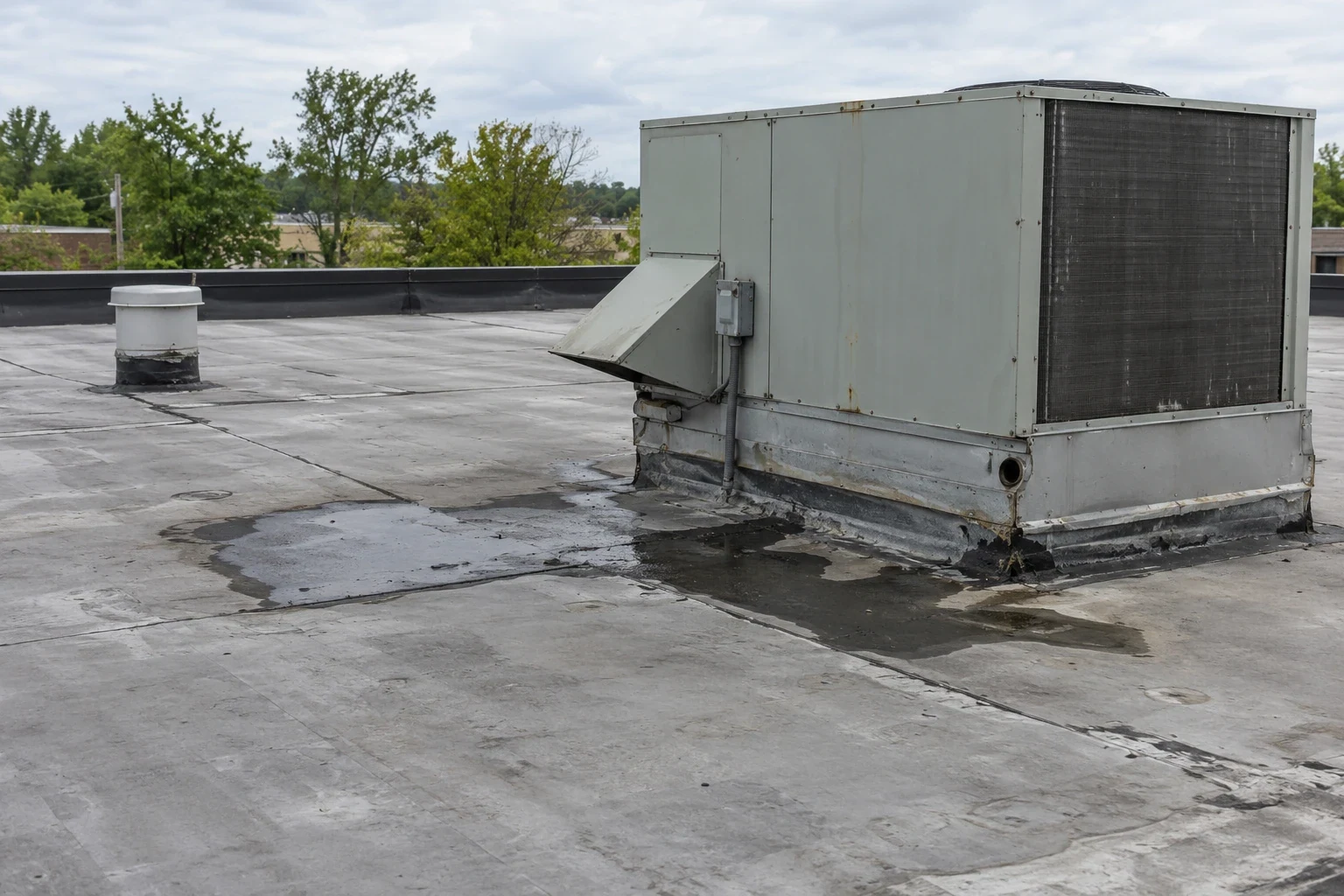
Roof runoff can reach gutters and downspouts above loading access. A failed collector or blocked discharge can spill water where vehicles and people pass. We examine those accessible components when the reported symptom involves a dock. The roof field may require a separate correction or remain suitable. We identify the connection responsible rather than combine every nearby component into one repair. Damaged metal can need reconstruction. Debris restriction may instead need clearing and further downstream assessment.
Cabarrus County experiences warm-season thunderstorms. The operator can identify whether overflow coincides with heavy rain or remains after it. Those observations help direct the examination. Roof outlet and scupper assessment can address related connections on a low-slope assembly. Persistent water elsewhere may need slope correction. Piping capacity or concealed restrictions require the appropriate professional where relevant. We separate those questions from the exposed roofing task. The result should leave a usable route for water and continued discharge inspection.
Follow the symptom through the actual assembly
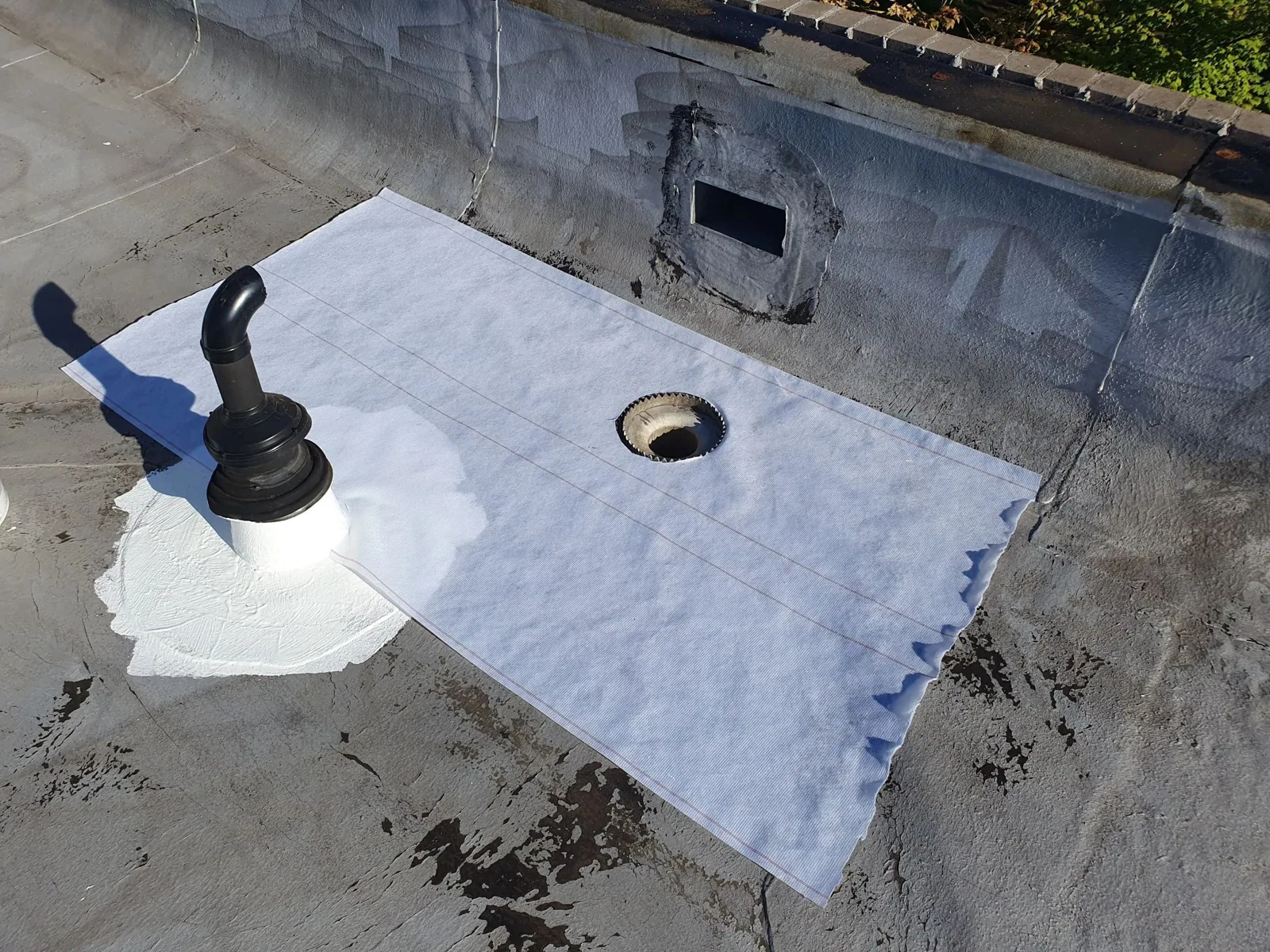
A seam, penetration or wall detail can admit water above a moving-goods area. The entry point may differ from the indoor location. Our examination follows the roof connections serving that dispatch area. Prior equipment alterations can help explain the current arrangement. Existing roof information is useful when compared with physical condition. The correction should follow a supported defect. A patch at the nearest visible feature can leave another water route unresolved.
Wet insulation may require investigation and selected removal. That material can extend beyond the visible surface opening. We identify confirmed conditions and useful next examination where needed. The prepared repair boundary must provide suitable material for the permanent connection. A condition record tied to the affected roof area can explain those findings. It should distinguish the permanent correction from any temporary protection. The owner then has a practical basis for arranging the work. New symptoms afterward warrant another focused assessment rather than automatic attribution.
Coordinate the services crossing the work area
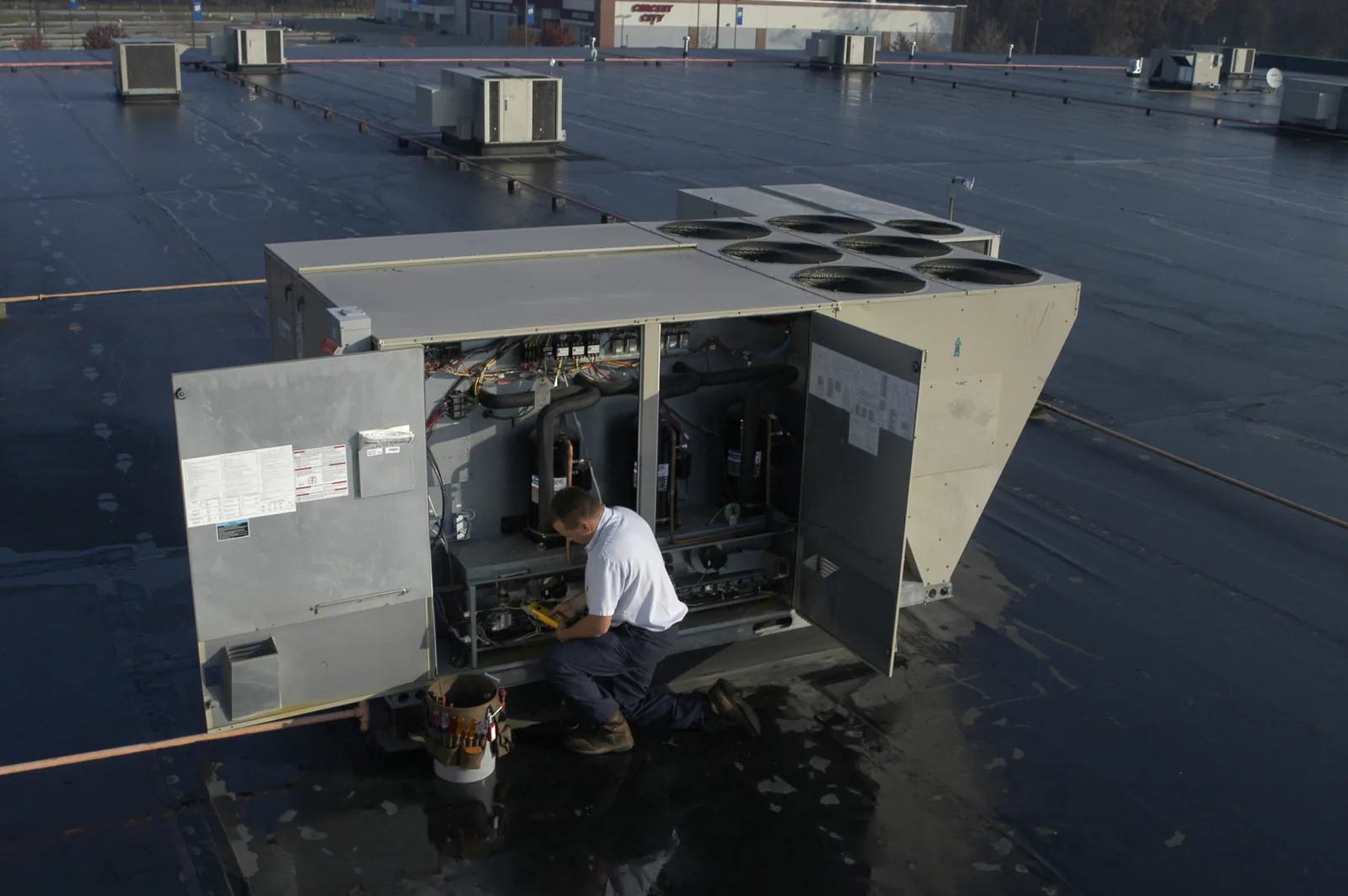
Rooftop equipment can serve rooms involved in dispatch or receiving. Its curbs and service connections may limit complete roofing access. We identify where another trade needs to disconnect or move components. The operator should confirm any affected service window. Those arrangements belong before a concealed connection is exposed. The roof task must provide suitable protection between participating trades. A partially accessible detail has different repair limits from complete reconstruction.
Added insulation during reroofing can alter curb and flashing heights. The full proposal should include resulting equipment interface changes. Loose pipe supports also need attention where they damage the roof. We discuss those dependencies with the responsible service participant. Curb and support coordination helps define the roofing boundary. Electrical or mechanical suitability needs its own responsible assessment. The owner should understand which participant completes each task. That division keeps an equipment replacement from leaving a roof connection unfinished.
Compare repair with a protectable reroofing sequence
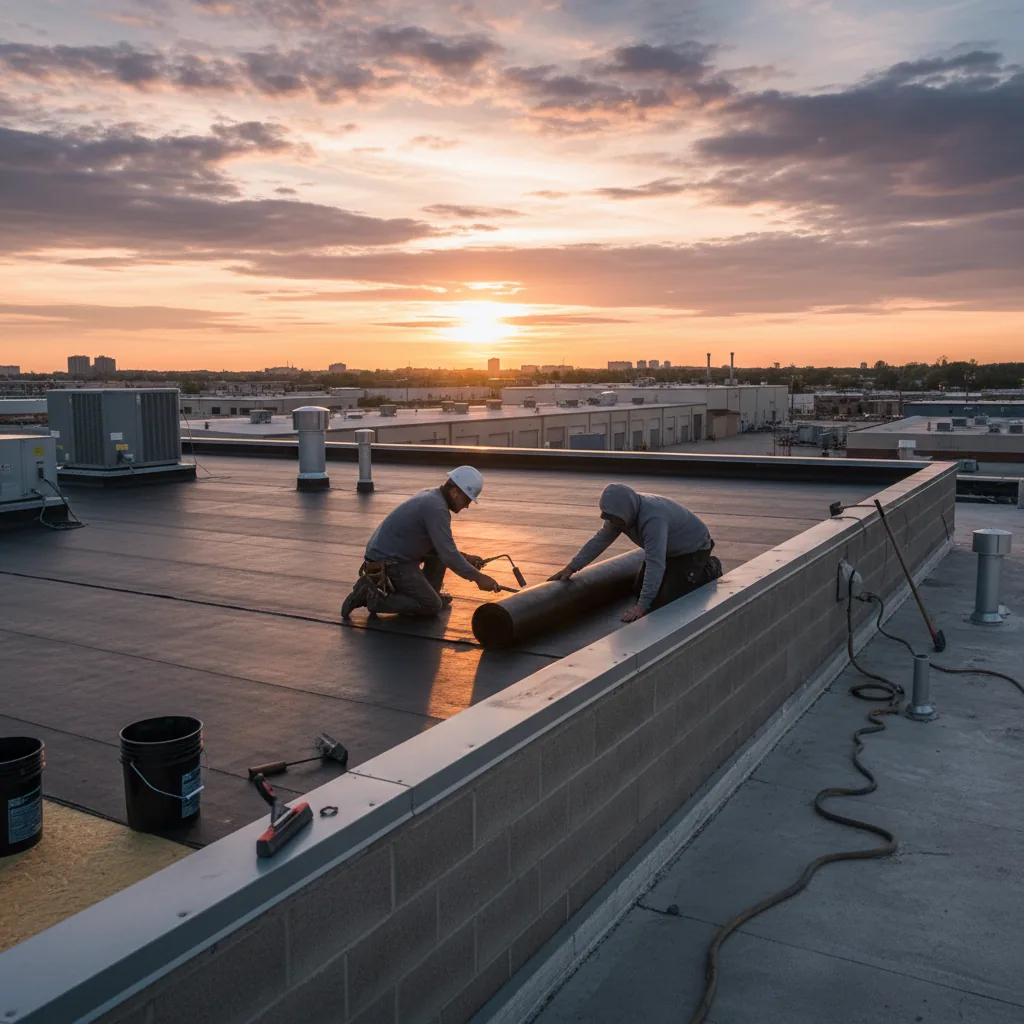
A local defect may be repairable where the surrounding assembly remains suitable. Wider deterioration can require a broader removal task. We examine the retained layers and connections before defining that choice. Removal above active routes needs an appropriate occupied-space arrangement. Weather and application conditions influence the protectable work area. We explain where those limits affect the sequence. The plan should follow suitable reconstruction rather than maintain an unworkable open boundary.
Reroofing around occupied operations can identify affected areas and required service changes. Each daily boundary needs consideration for the space beneath it. A storage-focused roof arrangement may have different constraints from continuous dispatch. Cold-storage roofing work adds distinct envelope and operating questions. We establish the actual property use rather than transfer another facility's plan. The owner should compare complete scopes including necessary protection and coordination. Material choice comes with those physical and operating requirements. It is not a separate finish decision.
Keep the next roof task specific
The completed work information should identify corrected connections and remaining tasks. The operator needs to distinguish finished assembly from temporary protection. Later equipment service should preserve the repaired details. We explain vulnerable locations and compatible repair requirements. New cuts or displaced components deserve focused attention. A recurring indoor symptom should be reported with its location and timing. That helps arrange another examination of the relevant roof question.
Properties around Kannapolis have their own actual access and delivery arrangements. We discuss those conditions with the individual operator before future service. The care plan should revisit outlets, equipment routes and previously affected details. Loose debris needs a different response from a deteriorated seam. We identify practical tasks from observed condition. Completed repairs should remain connected with available assembly information. That record supports later work without treating all water symptoms alike. Continued care follows the roof above the routes the building actually uses.
Commercial Roofing Questions
What helps plan roof work above a dispatch route?
Identify the route, equipment and operating window affected below the proposed work. We explain the roofing task and necessary protective boundary. The operator should confirm any alternate route or service arrangement. Access from the hatch or outside lifting also needs review. The plan must remain workable for the actual roof method and occupied-space conditions.
Can dock overflow be separate from a roof membrane leak?
A gutter, collector or downstream restriction can spill water without an open membrane connection. We examine the accessible discharge path and nearby roofing. The supported finding determines the correction. Some tasks need plumbing or drainage design review beyond the exposed roof detail. The scope should distinguish those responsibilities rather than combine all water symptoms into one patch.
Why identify equipment services before roof removal?
Some curbs and connections require disconnection or lifting for complete access. The responsible trade needs to arrange that task with the operator. The affected service may also change the permitted work window. We identify those dependencies during assessment. Suitable temporary protection must connect the participating tasks so an exposed opening is not left without an appropriate arrangement.
How should reroofing proposals account for continuous goods movement?
Include the actual affected routes, handling locations and necessary occupied-space changes. We explain the removal area and protectable work sequence for that discussion. Weather or concealed findings may require adjustment. The operator should understand that process before work begins. A proposal addressing only the covering material leaves important installation and access questions unresolved.
Assess the roof above dispatch
Arrange a Concord distribution roof visit. Identify the affected route, dock schedule and equipment services so we can define the roof correction and operating arrangement.