Home / Commercial Roofing Services / Commercial Roof Equipment Curbs and Supports
Commercial Roof Equipment Curbs and Supports in Concord, NC
Coordinate roof curbs and equipment supports in Concord. We examine flashing access, drainage and trade responsibilities around rooftop installations.
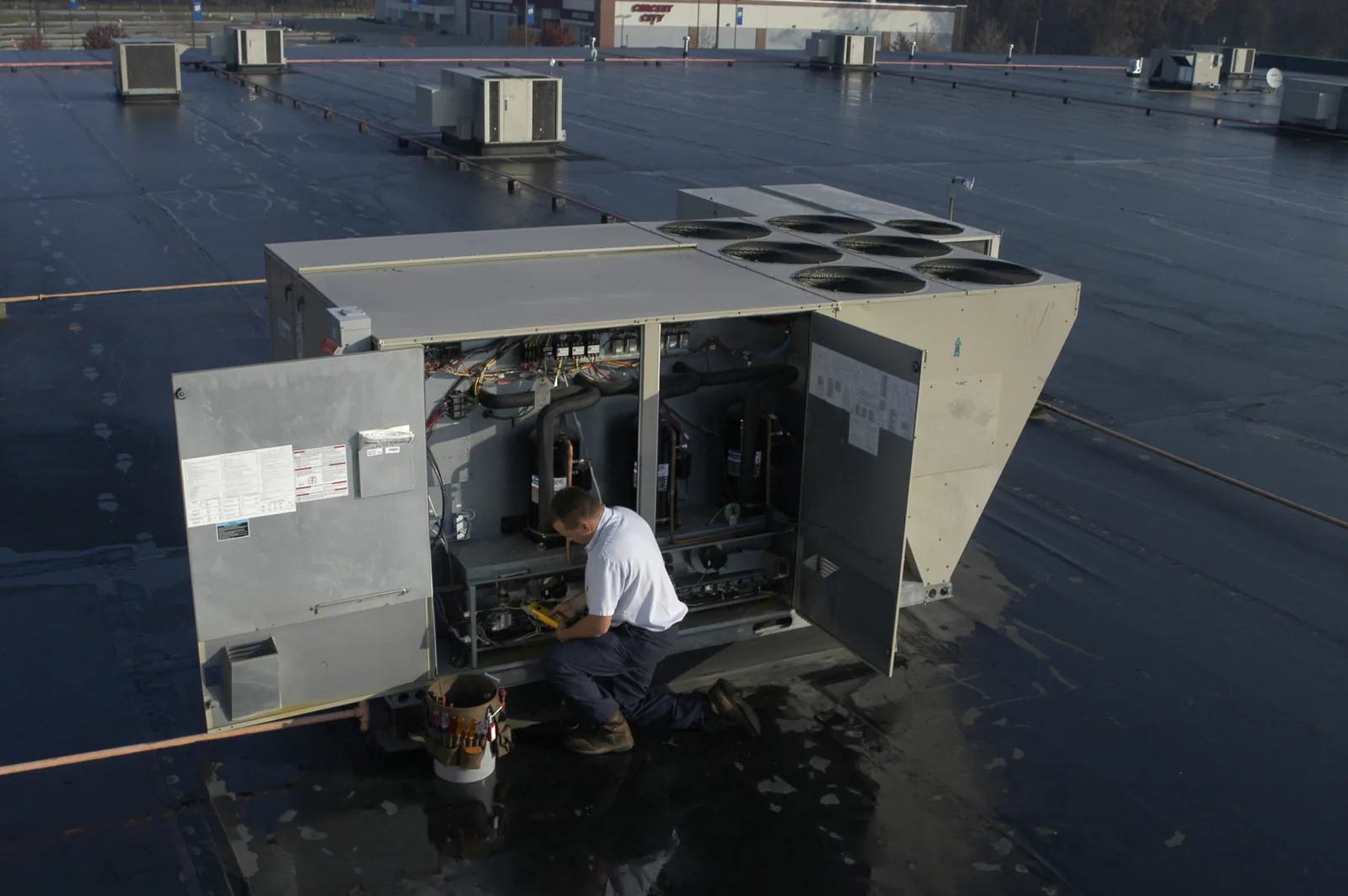
A room can lose ventilation while rooftop equipment is being changed. Its roof connection needs preparation before the replacement unit arrives. We assess equipment curbs, supports and pipe arrangements in Concord, NC. Roofing work must coordinate with the people responsible for that equipment. The unit's weight and operation create questions beyond the membrane. We identify those boundaries before defining our task. A suitable roof connection needs both accessible flashing and an appropriate supporting arrangement.
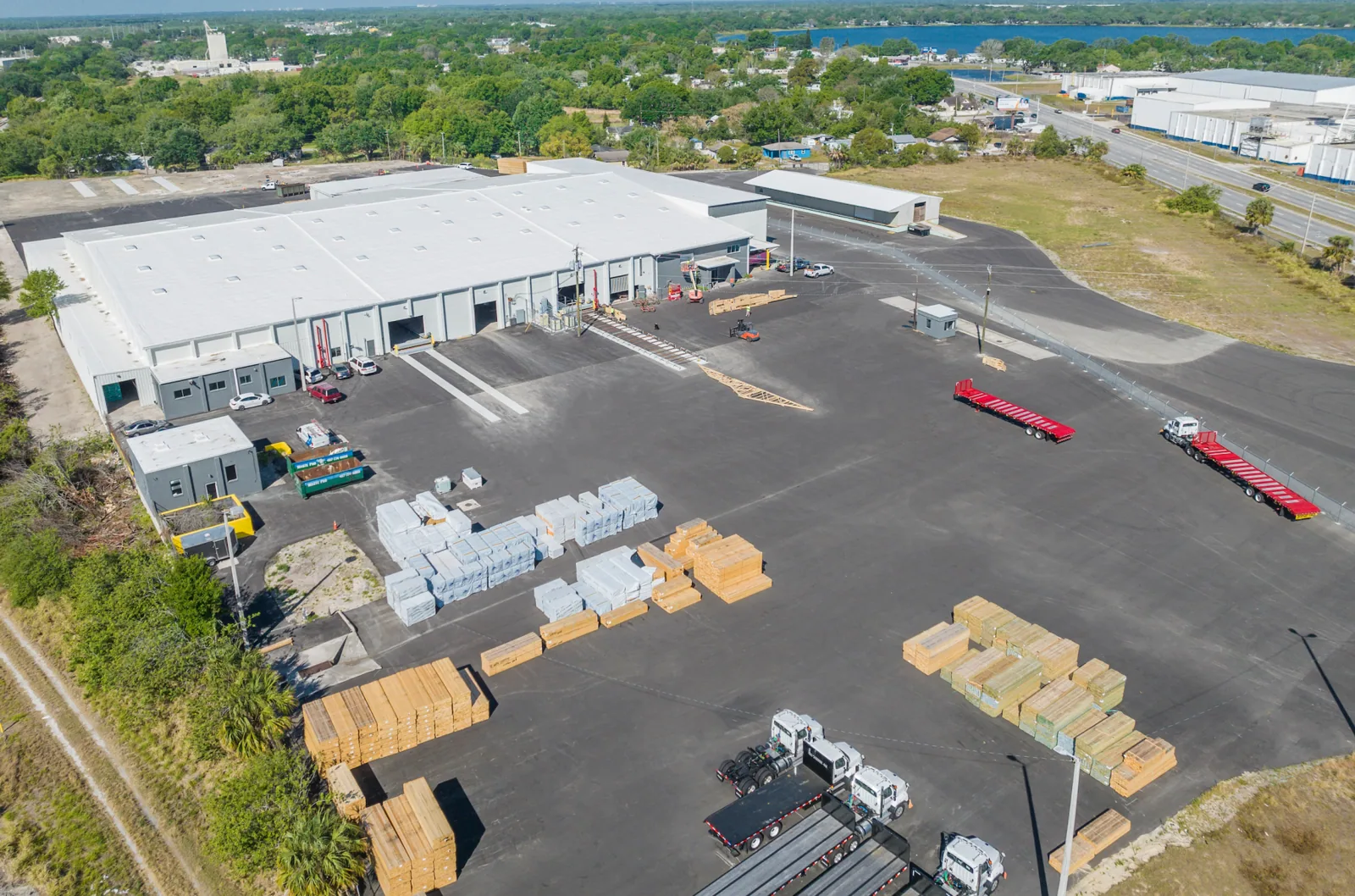
Concord's economic development information describes business parks with immediate I-85 access. Industrial activity also features in Weddington Road Corridor planning. Those facts help explain varied operating settings around the city. They do not establish any property's equipment loads or support design. We examine the actual installation and discuss its service requirements. A roof assessment around the equipment can identify visible connection concerns. Design questions need review by the appropriate professional rather than inference from appearance.
Define the equipment and roofing boundaries
A mechanical contractor may select and install the replacement unit. A structural professional may need to assess its support. Our roofing task addresses the specified connections through the assembly. These responsibilities need coordination before removing equipment or opening the roof. We discuss who supplies curbs, supports and required design information. The owner should understand which work belongs to each participant. A combined schedule is useful only when those dependencies are clear.
Existing equipment can limit access to concealed flashing. Another trade may need to disconnect or lift it first. The roofing task then needs suitable temporary protection for the opening. We identify that sequence with the operator and participating contractors. Electrical and mechanical services require their authorized arrangements. We do not assume a unit can be moved without them. The proposal should distinguish accessible repair from work requiring disconnection. That distinction helps avoid an incomplete detail beneath equipment that stays in place.
Match the curb to the assembled roof
A curb needs sufficient height for the intended flashing detail. Its relationship to the finished roof surface matters during equipment replacement. Added insulation can reduce the usable height of an existing curb. A different unit may also require another curb arrangement. We examine those interfaces with the proposed assembly. The roofing connection must suit the specified materials and termination. Keeping a low existing curb unchanged can prevent a complete detail.
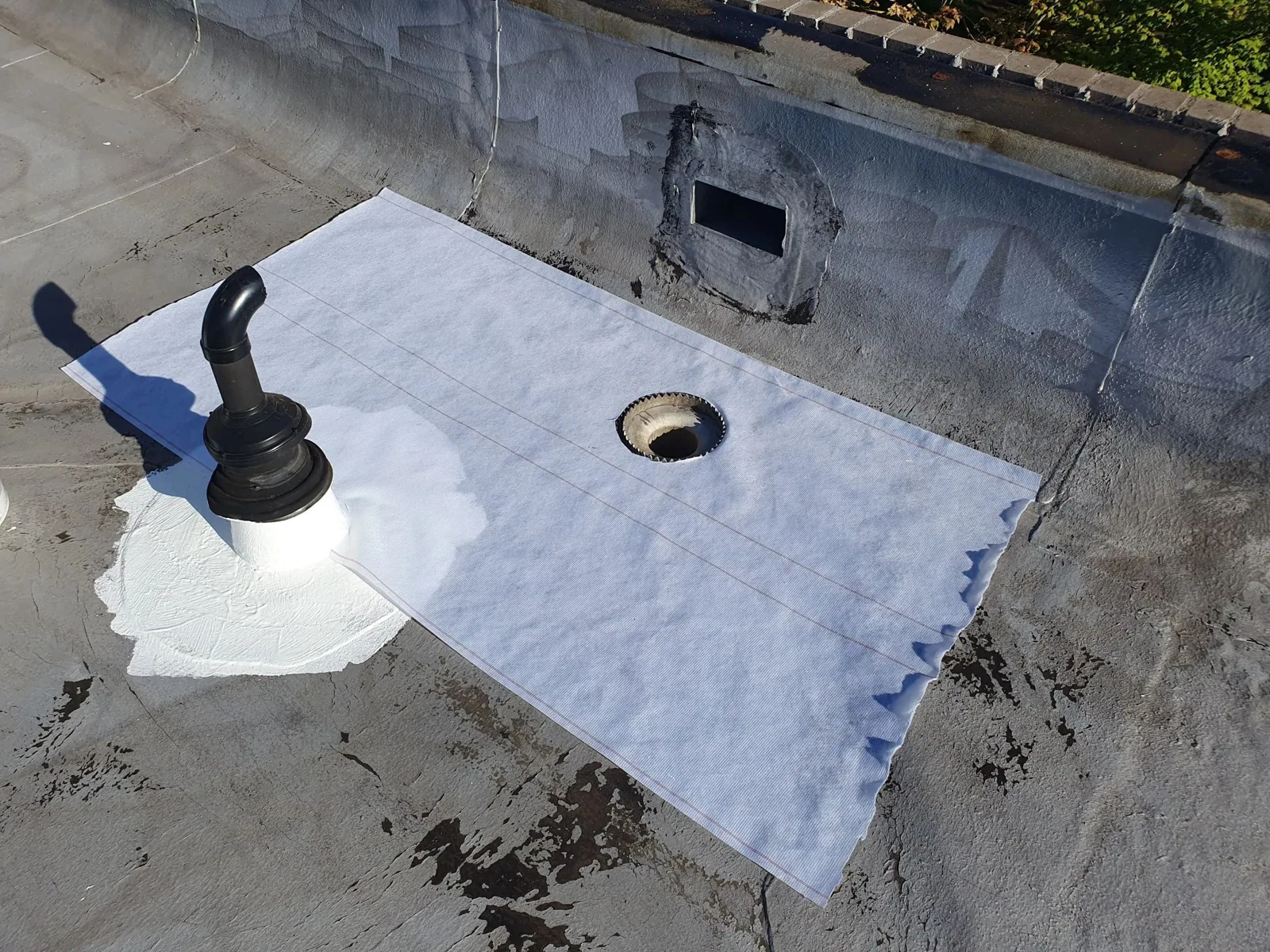
Damaged curb backing can interfere with suitable attachment. We identify accessible deterioration and any need for further exposure. Curb and penetration flashing reconstruction may include replacement material beneath the finish. The equipment specialist should confirm the unit-to-curb connection separately. Water can enter through that upper connection despite sound roof flashing. We explain both questions without merging their responsibilities. A reconstructed roof detail needs a suitable curb beneath it. Its visible height is only one part of that assessment.
Keep loads separate from roof assumptions
An equipment support needs an appropriate means of carrying its load. The roof membrane is not evidence that the structure is adequate. We identify where proposed supports contact or penetrate the assembly. Structural adequacy belongs with the appropriate design professional. The roofing detail must then suit the approved support arrangement. A support resting on unsuitable material can damage the covering. We address compatibility and protection without claiming to establish structural capacity.
Pipe supports also need consideration for movement and service access. A loose improvised support can shift or abrade nearby roofing. The selected arrangement should suit the pipe and specified roof system. Equipment vibration may require review beyond the visible support pad. We discuss those observations with the responsible trade. A repair to damaged membrane beneath equipment needs the damaging condition resolved. Otherwise the new covering remains vulnerable. The scope should identify that dependency before presenting the patch as complete.
Preserve water movement around the installation
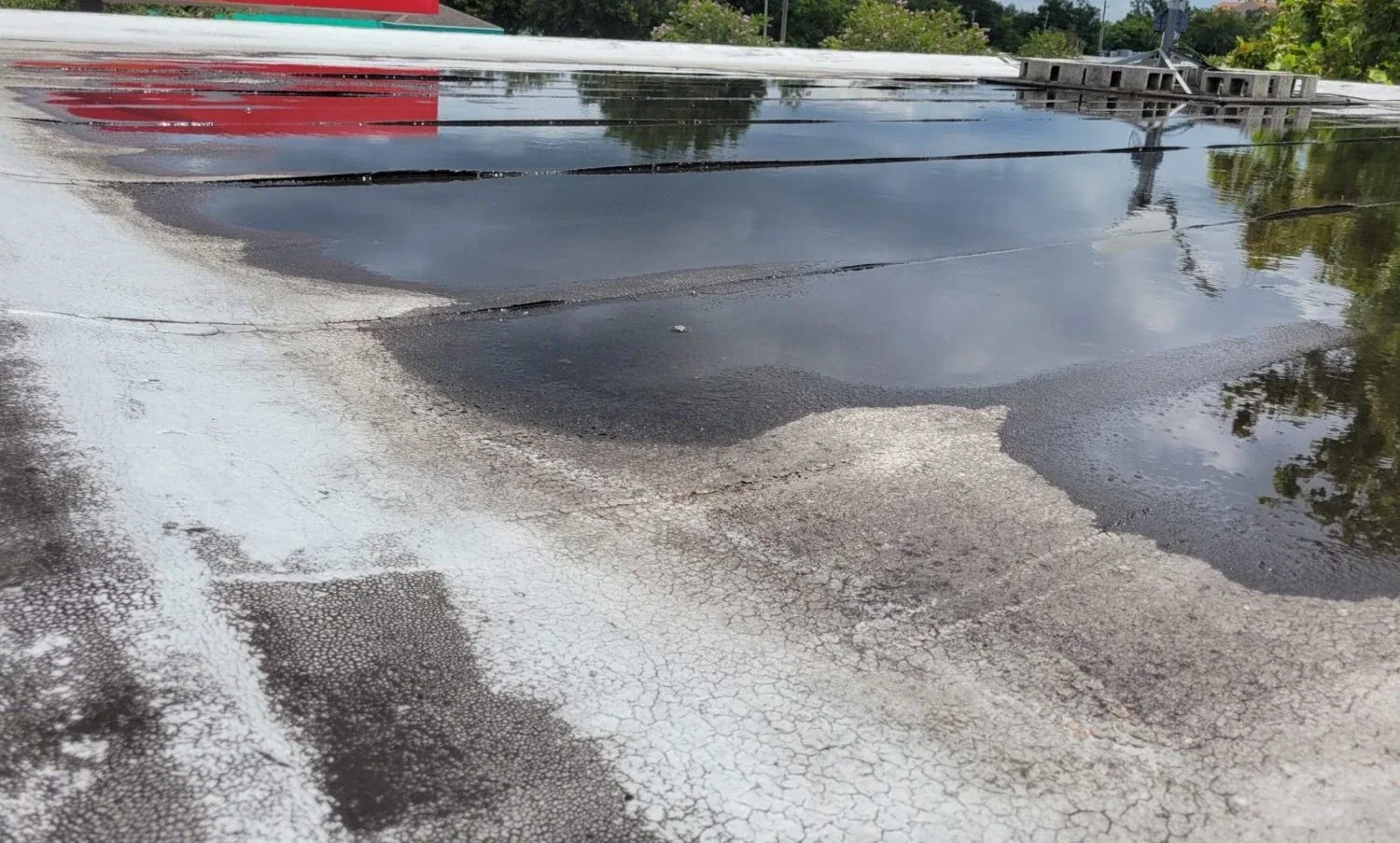
A support placed across a drainage path can collect debris and water. Added equipment may create an obstruction not present in the original layout. We examine how runoff moves around its proposed location. Curbs sometimes need suitable crickets or other drainage corrections. Those changes require a usable route to an outlet. We identify the nearby roof slope and discharge connections. Moving water away from one side should not leave another collection point unresolved.
Existing wet insulation beside equipment may need investigation and replacement. The source could involve flashing, equipment drainage or another roof defect. We assess those possibilities before adding new material over the area. Outlet and drainage examination can help address the surrounding route. The operator should identify known backup during rain. Observations from occupied space provide useful timing information. They do not establish the exact failed component. The correction should connect confirmed water entry with any necessary material removal.
Leave room for the next service task
A new installation should allow practical access to its roofing connections. Crowded units and grouped pipes can make suitable repairs difficult. We identify those clearances while the arrangement is being considered. Service routes should also protect the roof from tools and repeated traffic. Any walkway or protection needs compatibility with the roof system. The arrangement should lead to the actual equipment being serviced. A disconnected protective pad offers little help along the usual approach.
For properties in the Weddington Road Corridor, the actual operation guides access coordination. We discuss roof hatches, deliveries and the occupied room served by the unit. A scheduled equipment outage may affect the roofing work window. That timing needs agreement with the responsible operator. Roof work at an operating manufacturing property can involve separate equipment and building schedules. We establish the relevant arrangement for the proposed task. The area's industrial planning does not determine how an individual facility operates.
Record what changed at the roof connection
Completed work should identify the curb or support connection that was reconstructed. The record should also distinguish equipment tasks completed by others. We describe remaining questions outside the approved roofing scope. That is useful when the unit and flashing have separate service records. Future work should preserve the installed termination and protective arrangement. Repositioning a pipe can require another roof detail. The operator needs that information before a later equipment modification.
A review of the roof's warranty requirements may also matter before alterations. Existing documents can set conditions for changes to the assembly. We assess those documents rather than assume coverage continues unchanged. The roof manufacturer or responsible party may need notification or review. We explain the relevant roofing information for that process. After installation, report new water entry or displaced supports promptly. The response should follow the observed condition and affected space. Equipment work and roofing care remain connected after the original installation.
Commercial Roofing Questions
Who confirms that the roof can support replacement equipment?
An appropriate structural professional should address load capacity and the proposed support design. A visual roofing inspection does not establish those matters. We examine the roof connections and identify accessible defects or detailing needs. The equipment contractor also has responsibilities for its installation. Coordinating those separate tasks provides the information needed before the roofing work is defined.
Can a taller curb be installed around an existing unit?
The unit's arrangement and required connections need assessment first. Some work requires lifting or disconnection by the responsible trade. The proposed curb must suit the equipment and complete roof assembly. We identify the flashing task and access dependency. A higher visible edge alone does not establish an appropriate equipment connection or support arrangement.
Why inspect drainage before adding equipment supports?
A new support can obstruct a runoff route or collect debris. We examine its location in relation to slope and outlets. The approved arrangement may need a different position or suitable drainage correction. Roof protection also needs to suit the system beneath it. Addressing those conditions beforehand helps avoid leaving a new obstruction beside a serviceable drain.
What does the operator need to arrange for a curb visit?
Identify the equipment owner, service contractor and any required operating window. Tell us which room or process the unit serves. Roof access and available clearances also matter. We can then discuss the roofing examination with the responsible participants. Disconnection or lifting should be planned through the appropriate trade before expecting concealed flashing to be accessible.
Coordinate the equipment connection
Request a Concord curb assessment. Identify the proposed equipment change, responsible service contractor and affected operating space so we can examine the roofing interface.