Home / Industries We Serve / Property Managers
Commercial Roofing for Property Managers in Concord, NC
Assess Concord property manager roofing with tenant reports and building access organized. We explain repairs, retained condition and wider roof work.
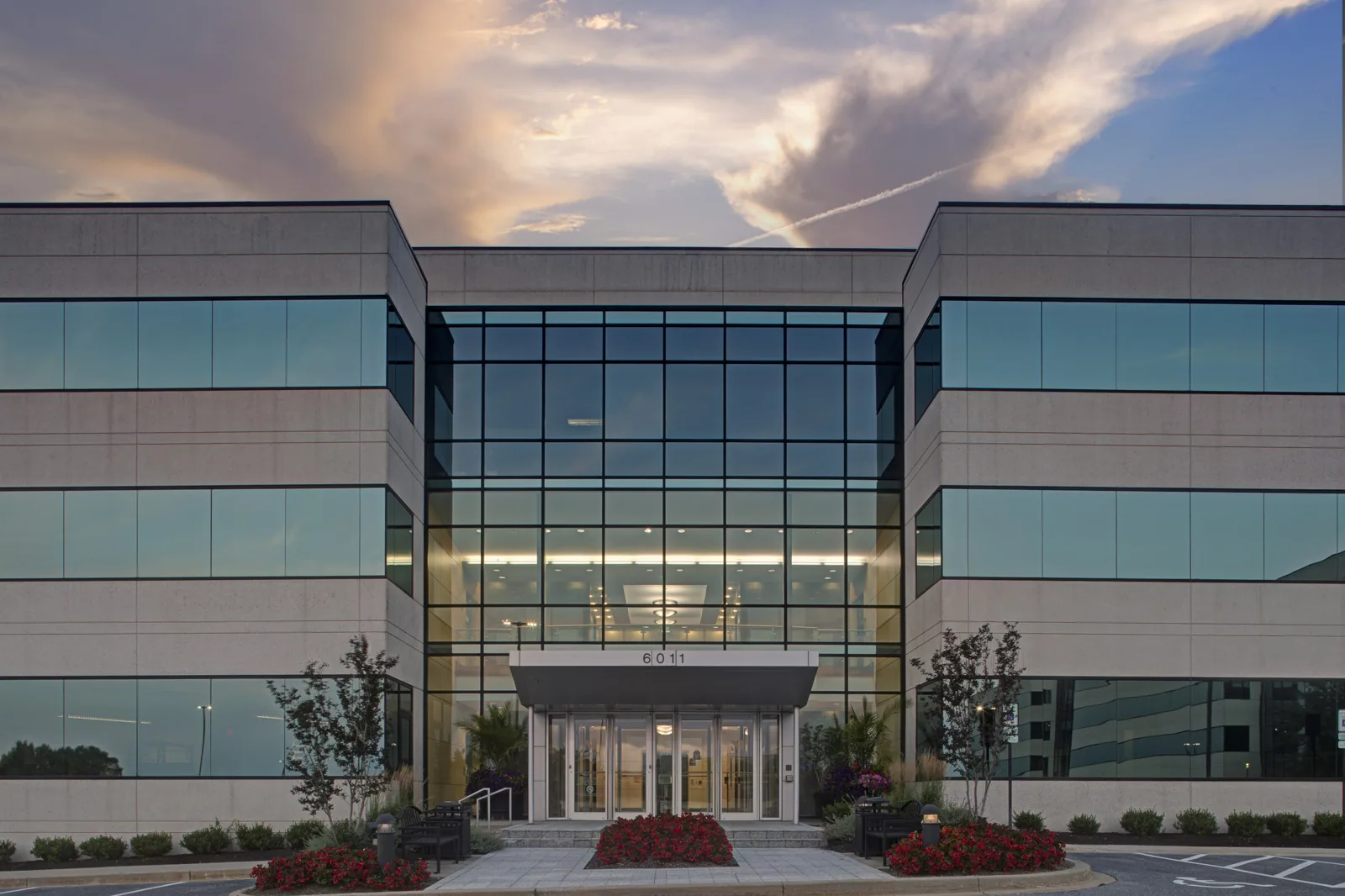
A second wet tenant ceiling can change which building needs attention first. The manager needs a roof finding behind that priority. We assess commercial roofing for property management companies in Concord, NC. Several reported symptoms may require separate investigations rather than one assumed repair. We examine the relevant assembly and explain the useful corrective boundary. Tenant access and ownership authorization need coordination before selected exposure. A practical scope should tell the manager what roof task is proposed and which participating arrangements it requires.
Downtown Concord has a municipal service district for redevelopment. International Business Park includes mixed uses near I-85 Exit 55. Those settings can involve varied commercial property arrangements. We establish each building's actual roof and occupied spaces during assessment. A managed property roof review can identify which symptoms merit closer examination. The manager should provide affected positions and useful timing. Current condition then informs a targeted correction or wider investigation. One tenant's report should not stand in for every roof section at the property.
Make the tenant report useful for examination
The manager should identify the building and affected room precisely. Similar unit descriptions across a portfolio can otherwise confuse the visit. Rain timing, related equipment activity and safe photographs help direct inspection. They do not prove the exterior opening lies above the mark. We compare those observations with accessible roof condition. A room may need another access arrangement before interior examination. The manager should identify who can coordinate that entry. The visit needs a clear property and symptom boundary, not merely a request to patch the nearest seam.
Water can follow concealed material before reaching occupied space. Equipment or plumbing can also introduce a separate moisture question. Tenant-space water-entry investigation should establish a roof connection or explain useful further access. The corrective task may extend outside the reporting tenant's footprint. The manager needs that information before arranging participation from another occupant. We distinguish exterior reconstruction from interior finish or service work. Each necessary task should have an understandable boundary. A completed roof detail does not establish that the affected room's restoration was also finished.
Connect approval with the actual roof scope
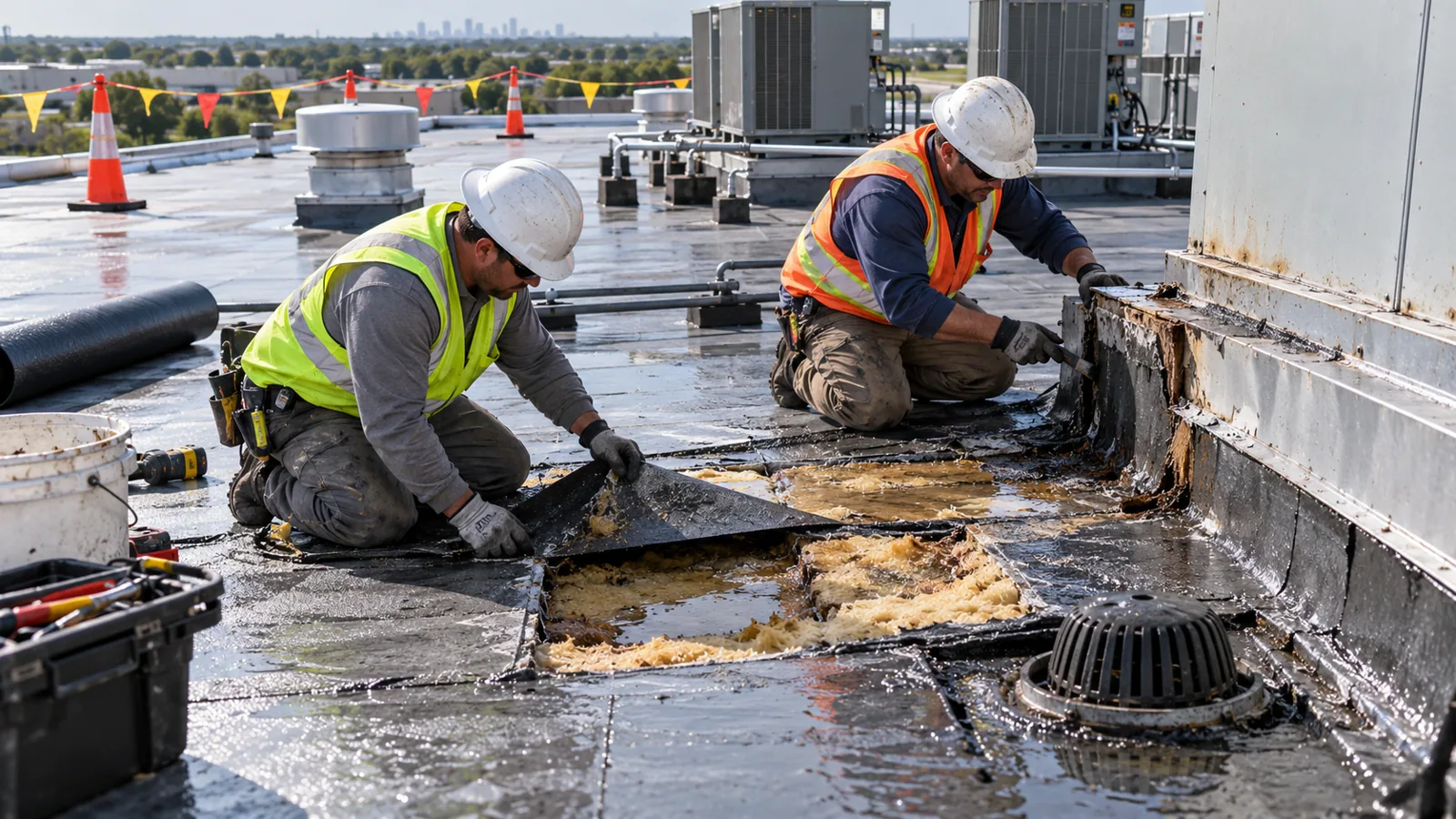
A proposed small repair can grow when examination finds wet layers or unsuitable backing. We explain the material required to receive a permanent connection. Selected exposure may help establish concealed condition when authorized. The manager needs an agreed roofing task to close the selected examination opening. The manager should know which examination has been approved and who decides on broader work. The scope should identify confirmed removal and remaining uncertainty. Applying another finish over unsuitable retained material would leave the important condition unresolved.
For owners and investment property participants, repair findings can also inform longer-term renewal decisions. The manager should pass along the supported roof boundary rather than only the tenant complaint. We explain why a localized connection is useful or why deterioration warrants more examination. Covering, attachment and existing treatment condition affect that decision. The proposed task should remain specific to the assessed building. Another roof's age or appearance does not establish this one's retained condition. The owner needs a scope connected with current findings to review approval meaningfully.
Coordinate the trades at shared service details
Equipment serving one tenant can obstruct roof flashing near another occupied area. We inspect available clearance and adjoining material. The manager should identify the responsible service participant. Its component may need lifting or disconnection for complete reconstruction. The roofing scope should explain which termination will be reached. An added finish beside the equipment leaves different limits from rebuilding underneath it. Those dependencies belong in the work discussion before a service window is selected. The manager can then arrange the participants needed for the permanent connection.
When general contractors coordinate building alterations, the roofing interface should be identified before a new opening is made. Equipment supports, pipe routes and changed wall details may need compatible reconstruction. We describe the usable retained boundary and preparation required. The manager should understand which trade's task enables completion. Future service work needs to preserve the repaired covering. New damage beside a previously corrected detail deserves assessment in its own right. The handoff should identify useful equipment clearances and roof interfaces affected by later activity.
Set building priorities from specific findings
Two roofs with similar indoor reports may need different corrective extents. We examine the physical condition rather than rank them from complaint count alone. A loose edge near an occupied approach can present another task from a failed seam. Water backup may require outlet work instead of a surface repair. The manager should understand the finding supporting each priority. Unresolved concealed condition needs a useful next investigation. A grouped project should preserve those building-specific boundaries instead of combine every item into one undifferentiated covering description.
Roof capital planning can connect supported renewal needs with the owner's project review. It should distinguish immediate corrective tasks from wider work needing more assessment. Existing assembly information helps when compared with accessible current condition. The manager should identify planned equipment or tenant alterations that affect roof details. Those changes may introduce related reconstruction. We explain practical dependencies rather than assume each building can use the same work window. Priorities remain more useful when the owner can see the physical condition and participation behind them.
Agree on the tenant and handling arrangement
Deliveries, lifting and removed material can affect multiple occupied approaches. We review staging with the manager at the actual property. Required exits need an appropriate arrangement throughout work. Tenants should receive useful information about the access change from their responsible participant. The method may affect space beyond the delivery position. Weather or concealed findings can alter the achievable roof area. We explain those dependencies before reconstruction advances. The agreed daily boundary needs suitable protection and enough access to complete the permanent task.
For work around Downtown Concord, parking and physical-improvement planning form part of the district context. The specific building's entrance and roof approach still govern handling. Cabarrus County has occasional winter ice or snow, which can affect seasonal runoff observations. The manager should report actual obstruction rather than assign every leak to weather. Managed building outlet examination can identify a useful correction. Later cleaning needs accessible collection positions. Completion information should distinguish repaired roofing, continuing equipment tasks and any further investigation required for the property.
Commercial Roofing Questions
What should a property manager provide when arranging a roof investigation?
Identify the specific building, affected room and available access contact. Include rain timing and related equipment activity where known. We compare those reports with accessible roof condition. Another tenant or service participant may need to provide entry or clearance. The visit should address a defined roof question rather than rely on a portfolio-wide assumption about the nearest visible seam.
How can a manager explain why a small repair boundary increased?
Use the physical findings showing what must receive the permanent connection. Wet layers, unsuitable backing or obstructed flashing can enlarge the task. We explain the supported removal and any further examination needed. The manager should identify who authorizes that work. The scope needs enough detail for the owner to understand preparation and participating service dependencies.
Should similar complaints at two buildings receive the same correction?
Examine each relevant assembly before grouping the work. Covering, service alterations and retained condition can differ. We identify the useful corrective boundary from current findings. One property may need outlet work while another requires detail reconstruction. A grouped proposal should preserve those distinctions so the owner can review priorities and access requirements for each building.
What helps coordinate tenant changes that introduce new roof equipment?
Review the intended opening, support and service arrangement before installation. We explain compatible detail work and useful retained material. The manager should identify the equipment participant and authorization for roofing. Lifting or changed clearance can affect reconstruction. The completed task should preserve the installed covering or provide a suitable new interface rather than leave an unflashed alteration.
Review the managed property's roof task
Arrange a Concord property management roof assessment. Identify the building, tenant symptom, access participant and owner approval contact so we can examine the scope.