Home / Commercial Roofing Services / Commercial Roof Drains and Scuppers
Commercial Roof Drains and Scuppers in Concord, NC
Address blocked drains, scupper connections and persistent roof water in Concord. We assess outlet paths, surrounding slope and necessary plumbing coordination.
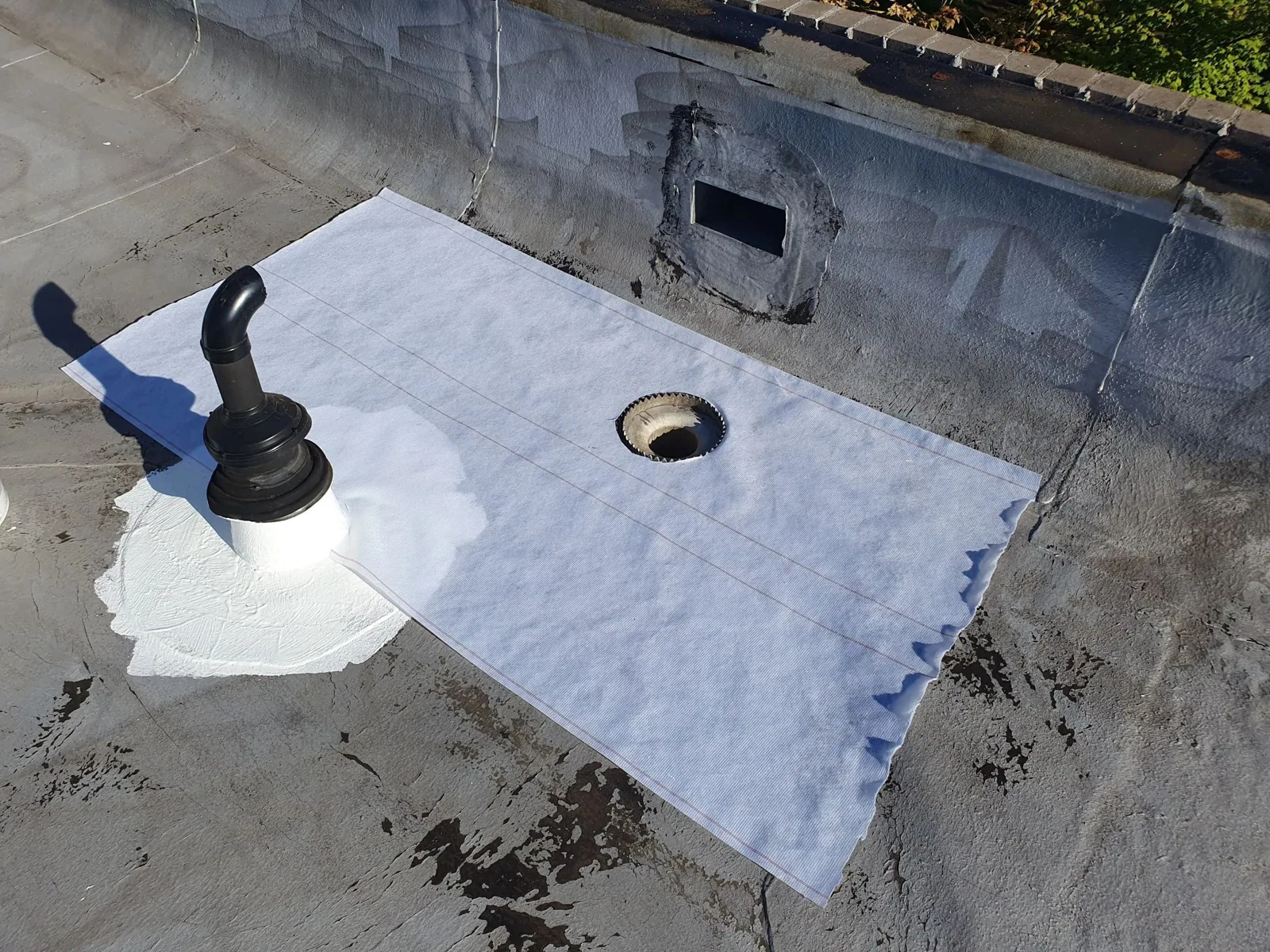
Water over a ceiling can interrupt a checkout area during rain. A blocked roof outlet may be part of that problem. We examine drains, scuppers and the surrounding covering in Concord, NC. Clearing debris is useful when the outlet itself remains suitable. A low area or failed connection needs further correction. We follow the water route before describing the required work. The aim is to identify where discharge stops or water enters.
The Concord Entertainment Corridor includes shops, restaurants and hotels near I-85 Exit 49. Each property's outlet arrangement needs examination on its own. Busy customer entrances can complicate access beneath a discharge point. We discuss those entrances and the roof hatch before the visit. A roof examination focused on drainage can separate blockage from unsuitable slope. The occupied space helps establish the urgency. It does not establish which connection has failed.
Inspect the opening and its connection
A drain bowl collects water through a connection in the roofing. Its flange and clamping arrangement need compatible, sound material. Loose components or deteriorated covering can admit water beside the outlet. We check the surrounding membrane and accessible drain hardware together. A missing or damaged strainer creates another maintenance concern. Debris can pass into the pipe or obstruct the opening. We identify the component needing attention before selecting a repair.
A scupper carries water through an opening at the roof edge. Its lining must connect properly with the roof and wall flashing. Corners and transitions deserve close examination for separation or corrosion. The outside discharge route also needs suitable clearance. Water spilling against an entrance can affect building use. We assess that route without assuming the roof opening is responsible. A damaged collector or downspout may require separate work. The complete connection extends beyond the visible hole in the wall.
Trace a restriction beyond the surface
Leaves and loose material can gather against a roof strainer. Removing that material restores access to an otherwise usable opening. We also check whether water actually moves away afterward. An outlet that remains backed up may have a restriction downstream. That condition can require a qualified plumbing investigation. Roof repair alone does not clear an inaccessible pipe. We distinguish the exposed roofing task from work inside the drainage system.
Downtown Concord's planning includes commercial redevelopment and physical improvements. A changed building there may also have an altered roof layout. New equipment or a revised service route can affect debris collection. We inspect the actual arrangement rather than infer its drainage condition. For a property in Downtown Concord, access through occupied areas needs coordination. Removing debris should not move it into the drain pipe. The visit should leave the outlet accessible for later care. Any unresolved downstream restriction needs a clear next action.
Distinguish a low spot from an obstruction
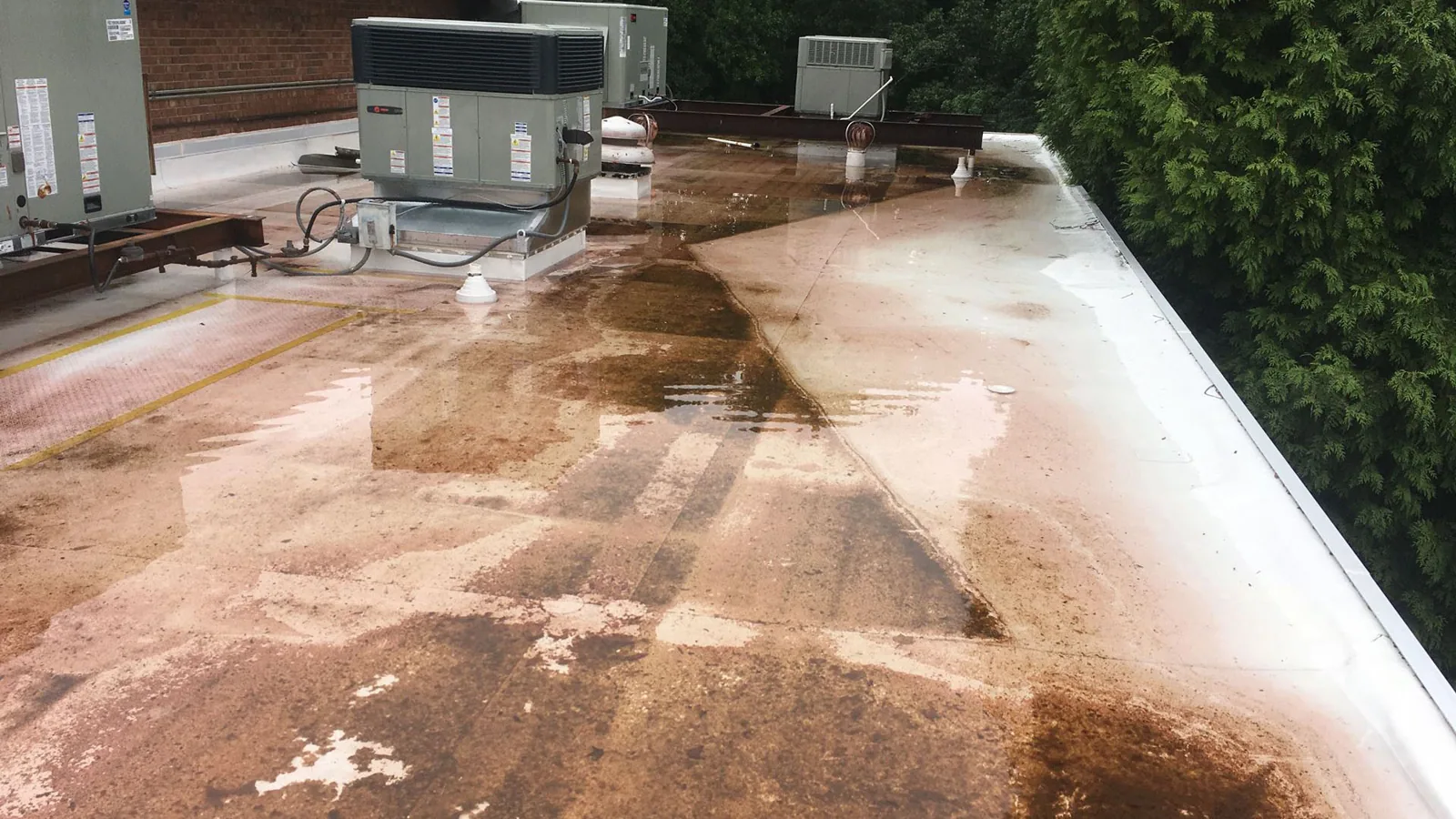
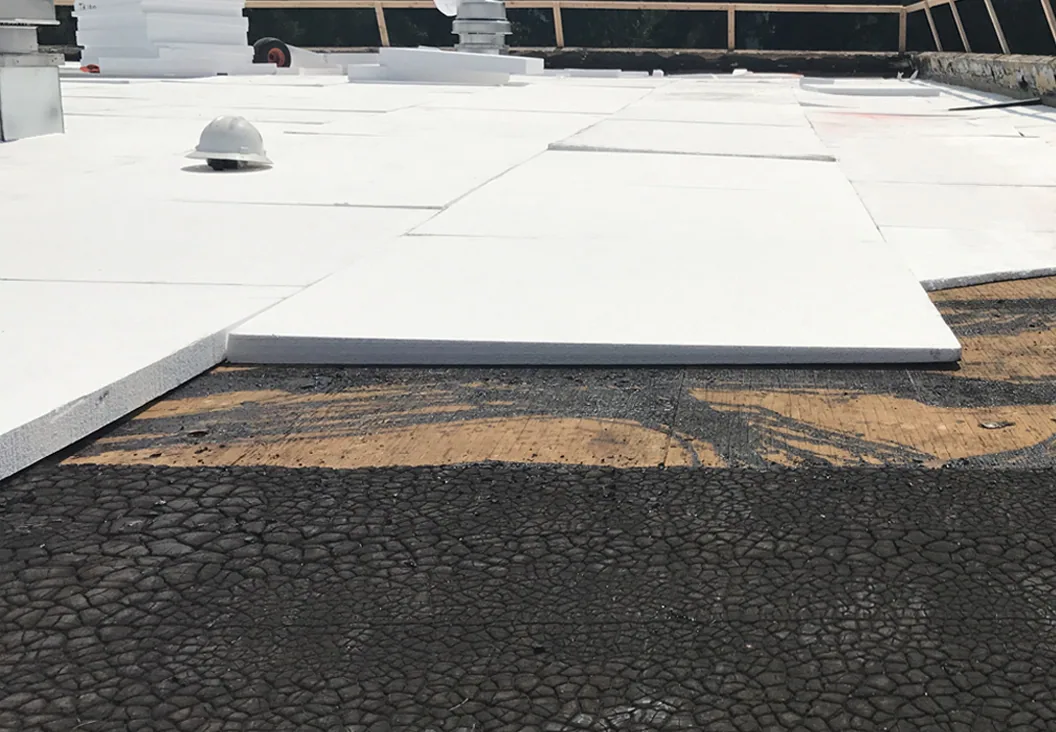
Water can remain even when a nearby drain is open. The roof surface may not direct that water to the opening. Depressed support, uneven insulation or a raised connection can interrupt flow. We examine the path between the retained water and its outlet. Correcting that path may require more than a localized flashing patch. Selected insulation changes can improve slope where the assembly allows them. The correction must still meet a usable drain elevation.
A cricket diverts water around an obstruction or toward a collection point. Its shape needs to suit the actual roof layout. An unsuitable cricket layout can leave a different collection point wet. We consider adjacent equipment and wall connections before proposing the change. Persistent ponding investigation helps define that wider condition. Existing wet material may need removal during the correction. We explain where the work extends beyond the visible puddle. A new tapered area needs sound support and compatible roofing above it.
Keep the backup discharge route usable
A roof may have separate primary and secondary discharge arrangements. The secondary route matters when the primary path becomes restricted. We identify those openings and examine their accessible connections. Paint, stored material or later construction can obstruct an intended route. An opening's presence alone does not establish suitable performance. Its elevation and arrangement need consideration with the applicable requirements. We identify questions requiring design or permitting review rather than assume compliance.
The permitting authority should confirm the governing requirements for proposed changes. North Carolina's code transition makes that confirmation particularly relevant. Altering outlet size or location may involve design beyond a repair. A plumbing professional may need to assess discharge capacity and piping. We explain the roofing connections included in our proposed task. Tapered insulation planning also needs coordination with outlet elevations. The backup route should remain visible and accessible after work. Concealing it behind a new detail can leave an important question unresolved.
Build the tie-in around suitable material
Replacing drain flashing requires suitable roofing around the new connection. Wet insulation or damaged support can prevent a dependable tie-in. We expose the necessary area and assess what can remain. The approved scope should describe removal and any replacement support. The selected components must match the existing roof system's requirements. A repair detail for one membrane may not suit another. We establish that compatibility before reconstructing the connection.
Some repairs need temporary protection while another trade completes its task. Drain replacement can involve piping work below the roof surface. We coordinate that sequence so the opening receives appropriate protection. A localized roof repair should include its complete exposed boundary. Metal discharge components can need gutter and downspout correction as well. Those tasks should be identified separately where responsibilities differ. We examine the completed tie-in before treating the area as finished. Accessible discharge observations help check the intended path.
Watch the outlet under actual weather
Cabarrus County experiences thunderstorms during the warm season. A dry visit cannot reproduce every discharge condition during heavy rain. Observations from the operator can help identify recurring backup. Describe where water collects and where overflow becomes visible. Photos taken from a safe position can show that sequence. Nobody should enter hazardous roof conditions to obtain them. We use those observations alongside the physical examination, not as a substitute.
After correction, drainage still needs recurring attention to debris and damage. Service activity can move loose material toward an otherwise sound outlet. We identify useful inspection points in the completed work area. A condition report identifying the drainage findings can distinguish repaired details from remaining plumbing questions. The owner should know which route needs follow-up during rain. A changed symptom warrants another focused examination. Keeping the discharge arrangement accessible supports that later assessment. It also makes routine cleaning a more practical task.
Commercial Roofing Questions
Should a drain that backs up receive new roof flashing?
A sound flashing connection can surround a restricted pipe. Replacing that connection would leave the restriction unresolved. We examine the exposed outlet and identify whether plumbing investigation is needed. Water entering beside the drain calls for a different assessment. Both conditions can occur together, so the work may involve separate roofing and piping tasks.
Can a new scupper replace an interior drain?
That change needs review of the roof layout, discharge route and applicable requirements. Cutting an opening through the wall is only part of the work. Its height and capacity must suit the intended drainage arrangement. We identify the roofing connection involved, while design and plumbing questions require appropriate professional review before alteration.
Why is water left behind beside an open outlet?
Uneven slope or a raised connection can prevent water from reaching the opening. The roof surface needs examination between the low area and the drain. Tapered insulation or another assembly correction may be appropriate. We assess the underlying condition before proposing that change. Clearing an already open outlet would not correct unsuitable geometry.
What information helps arrange a drainage visit?
Tell us which occupied space is affected and whether the outlet overflows during rain. Identify roof access restrictions and any recent plumbing work. Existing photos can help when taken safely. We also need to know about equipment near the affected route. That information guides access planning while the physical examination establishes the repair scope.
Identify the interrupted water route
Arrange a Concord drainage assessment. Describe the affected room, visible backup and roof access so we can examine the outlet and its connections.