Home / Commercial Roofing Services / Commercial Roof Inspection
Commercial Roof Inspection in Concord, NC
Inspect commercial roofs in Concord with hands-on detail checks, drainage findings and practical repair priorities for occupied buildings and planned changes.
A tenant fit-out can reach scheduling before roof defects are understood. Opening an occupied suite later for repair can complicate that work. We inspect the roof while those decisions are still adjustable. In Concord, NC, a useful examination connects material condition with intended use. A loose termination and a soft insulation area require different follow-up. We identify accessible defects and distinguish them from concealed questions. That gives the owner specific tasks to address before the space changes.
Downtown Concord planning includes commercial, industrial and residential development. Mixed uses make the affected room relevant to an inspection. Industrial facilities also occur along the Weddington Road Corridor. Roof access and equipment conditions there deserve direct examination. We assess the actual covering, connections and drainage on your property. The visit does not assign a system from the neighborhood. It establishes observed condition and useful follow-up. A future project may also need planning for roof work and associated costs.
Start with the pending decision
A routine condition visit differs from investigating a repeated indoor symptom. We ask what prompted the inspection and what work is planned. A proposed equipment change can make clearance checks especially important. A lease change can make moisture above the affected suite relevant. A roof purchase assessment may require attention to retained layers and documentation. We use that purpose to direct the inspection. The roof still needs examination beyond the reported concern.
Available repair history helps explain which connections have changed. Photographs from previous work can locate concealed openings or rebuilt sections. We compare those records with what is visible now. Missing information does not prevent examination, but can limit conclusions. Some conditions require selected openings or specialist testing. We identify the question those methods would resolve. You can then decide whether that information is needed now. The next task should have a defined purpose rather than broad testing alone.
Check the covering by hand
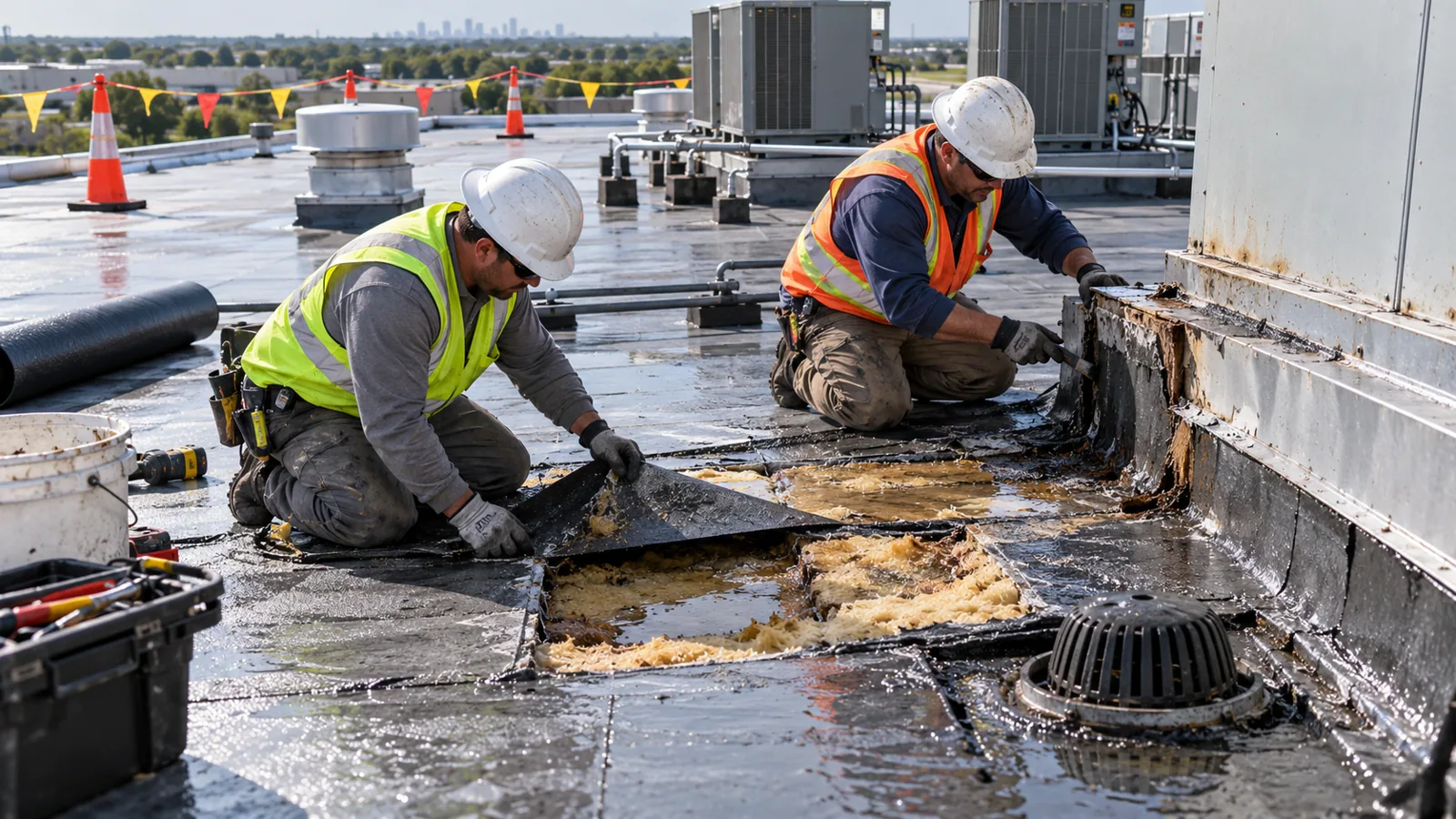
Loose seam edges and surface cuts need examination at working distance. We inspect accessible joints and surrounding membrane for deterioration. We look at repair perimeters where an earlier patch joins old material. Physical checks can reveal separation not visible from an overhead image. Foot traffic can also wear surfaces around equipment service routes. We identify these areas without treating routine wear as established leakage. The finding needs to describe the physical condition.
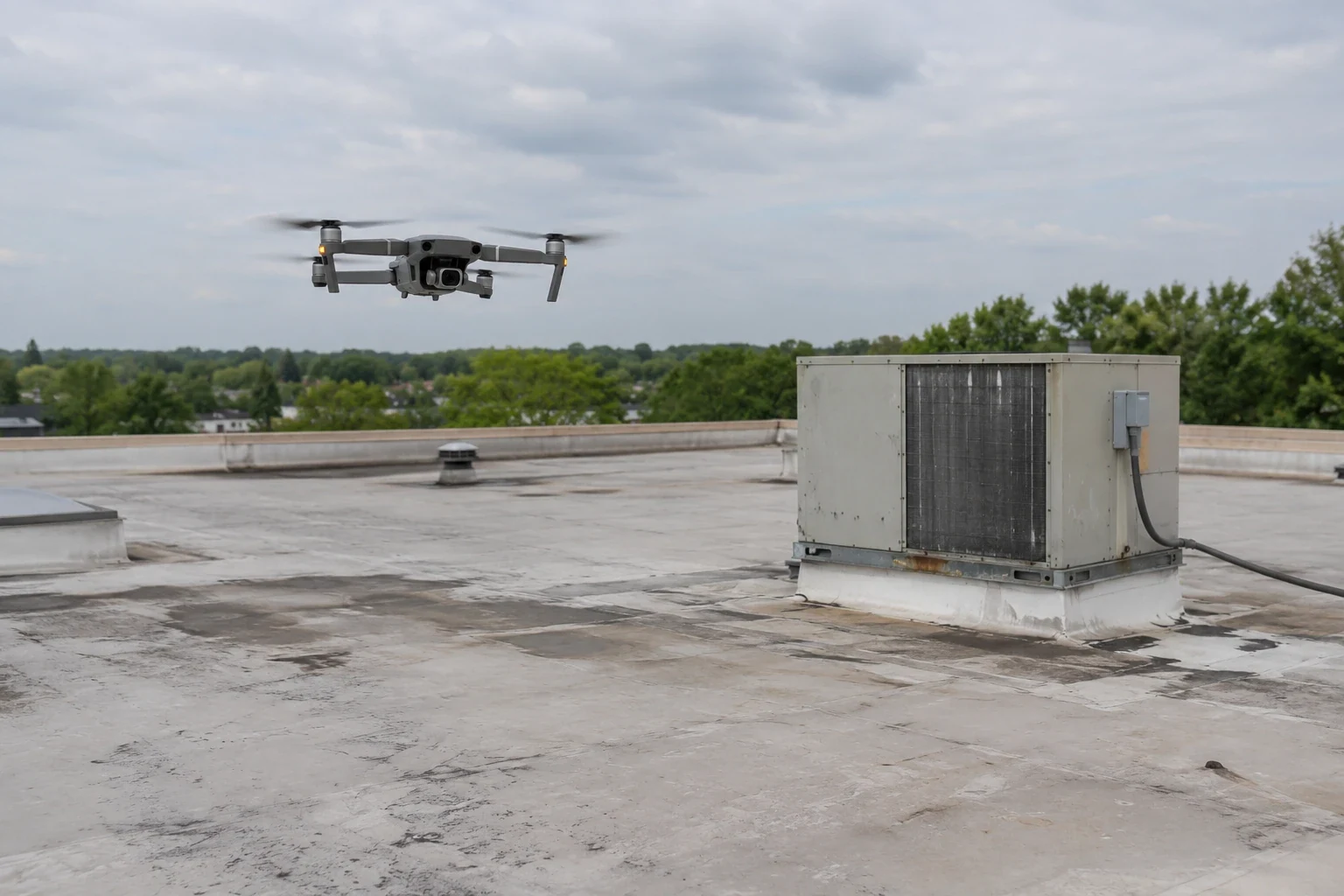
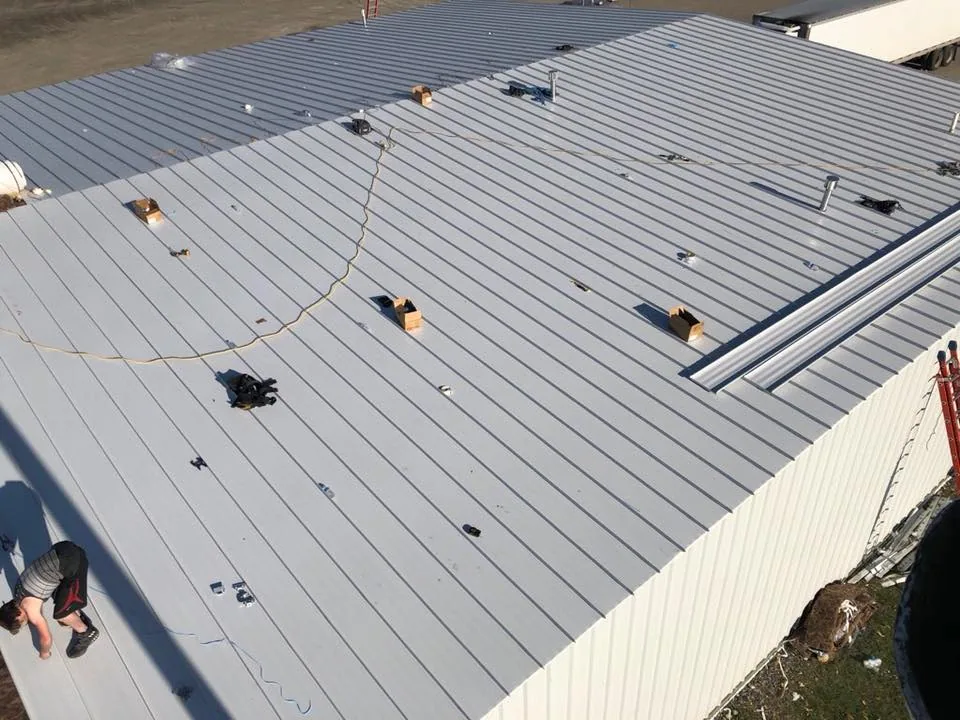
Different coverings require different inspection methods. A welded sheet connection differs from a bonded rubber seam. Metal roofing needs examination of joints, closures and penetrations. Asphalt assemblies can show splits or displaced protective surfacing. We inspect with the system identity and condition in mind. A broader overhead view of roof geometry can supplement that close examination. It helps locate equipment and large field changes. It cannot replace touching and testing a suspect connection where access is safe.
Look beyond the roof field
A wall termination can fail while the adjoining roof sheet remains intact. Curbs and penetrations also interrupt the covering and concentrate detail work. We examine their transitions, exposed fasteners and accessible flashing. Loose metal can expose a hidden membrane connection underneath. Equipment placement can obstruct the area needing inspection. We describe that obstruction rather than treating the concealed connection as acceptable. Access may need coordination with the equipment service team.
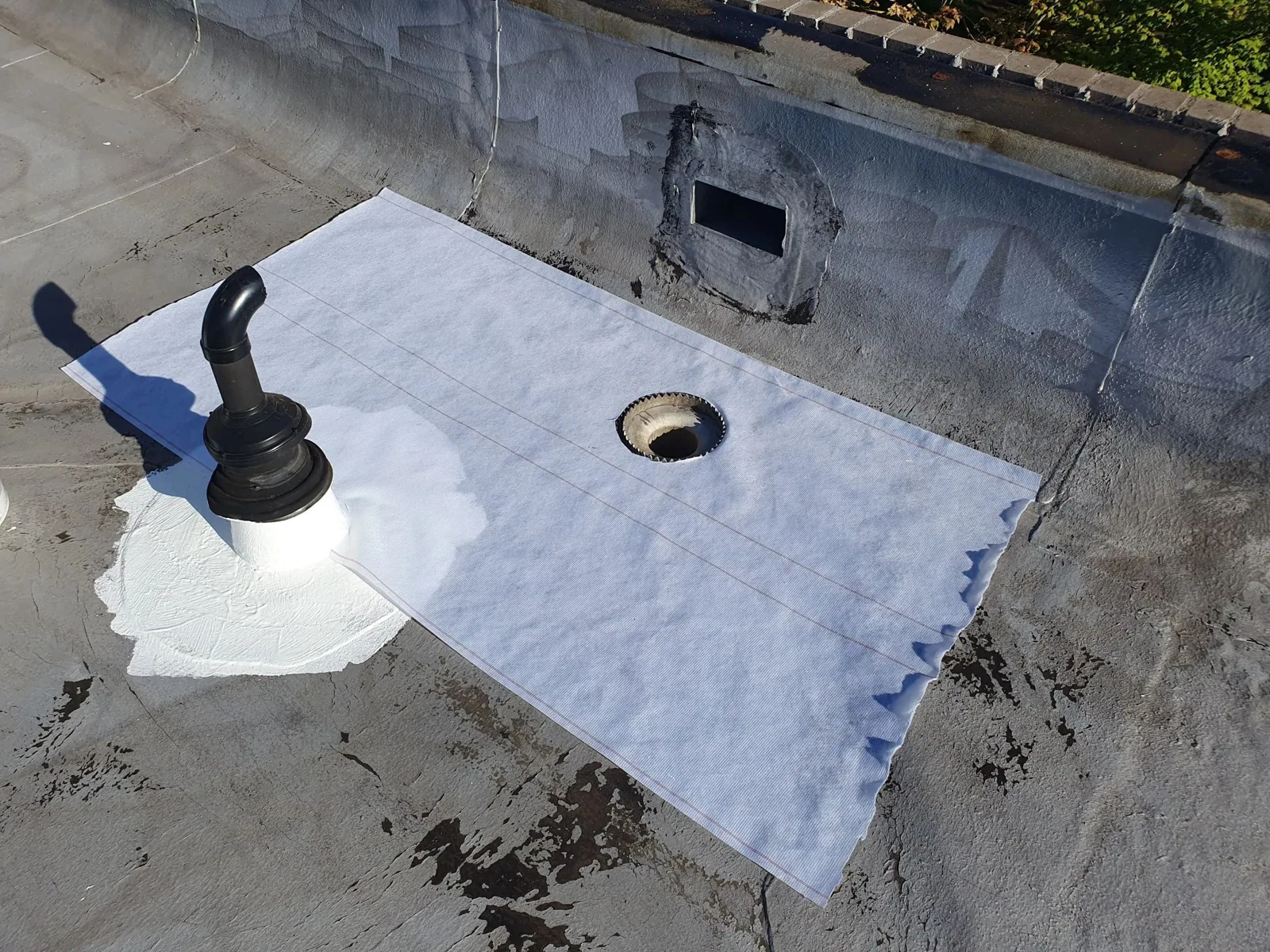
Rooftop work by another trade can leave cuts or unsupported connections. We inspect relevant service areas when the history identifies recent changes. A curb needing correction may require more than surface sealant. The repair could involve rebuilding its flashing or changing available clearance. We distinguish that task from general maintenance. A defined flashing correction should describe the defective transition. Photographs help show how it connects with surrounding material. The owner can then see why the proposed repair boundary extends there.
Follow water to the outlet
Debris patterns can identify where water slows or repeatedly collects. We check accessible drains, scuppers and their adjoining roof surfaces. Visible water staining may show a drainage issue requiring further evaluation. We distinguish blockage from an area that lacks effective slope. Depressed insulation and damaged drain connections need different corrections. The outlet also needs a clear downstream route. A concealed pipe restriction can require plumbing investigation beyond roof inspection.
An inspection records accessible conditions at the time of the visit. We note wet surfaces, debris, damaged connections and any access limitation that leaves a detail unexamined. Those limits belong in the findings, not an assumption that the whole roof was checked. We identify the needed follow-up and arrange it when appropriate. The drainage maintenance or reconstruction should match the actual finding. Clearing one outlet does not establish satisfactory slope across the roof.
Resolve hidden-condition questions
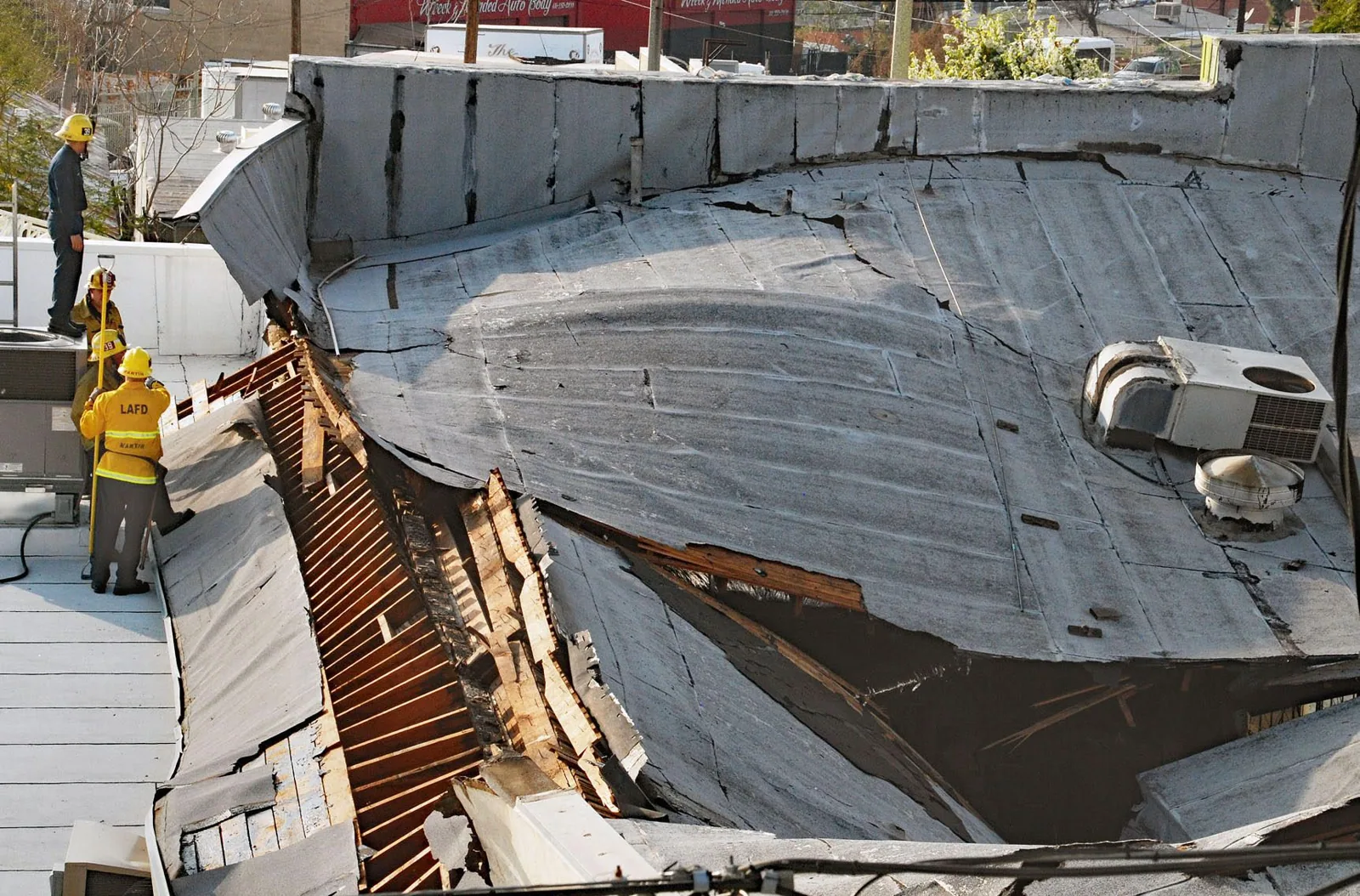
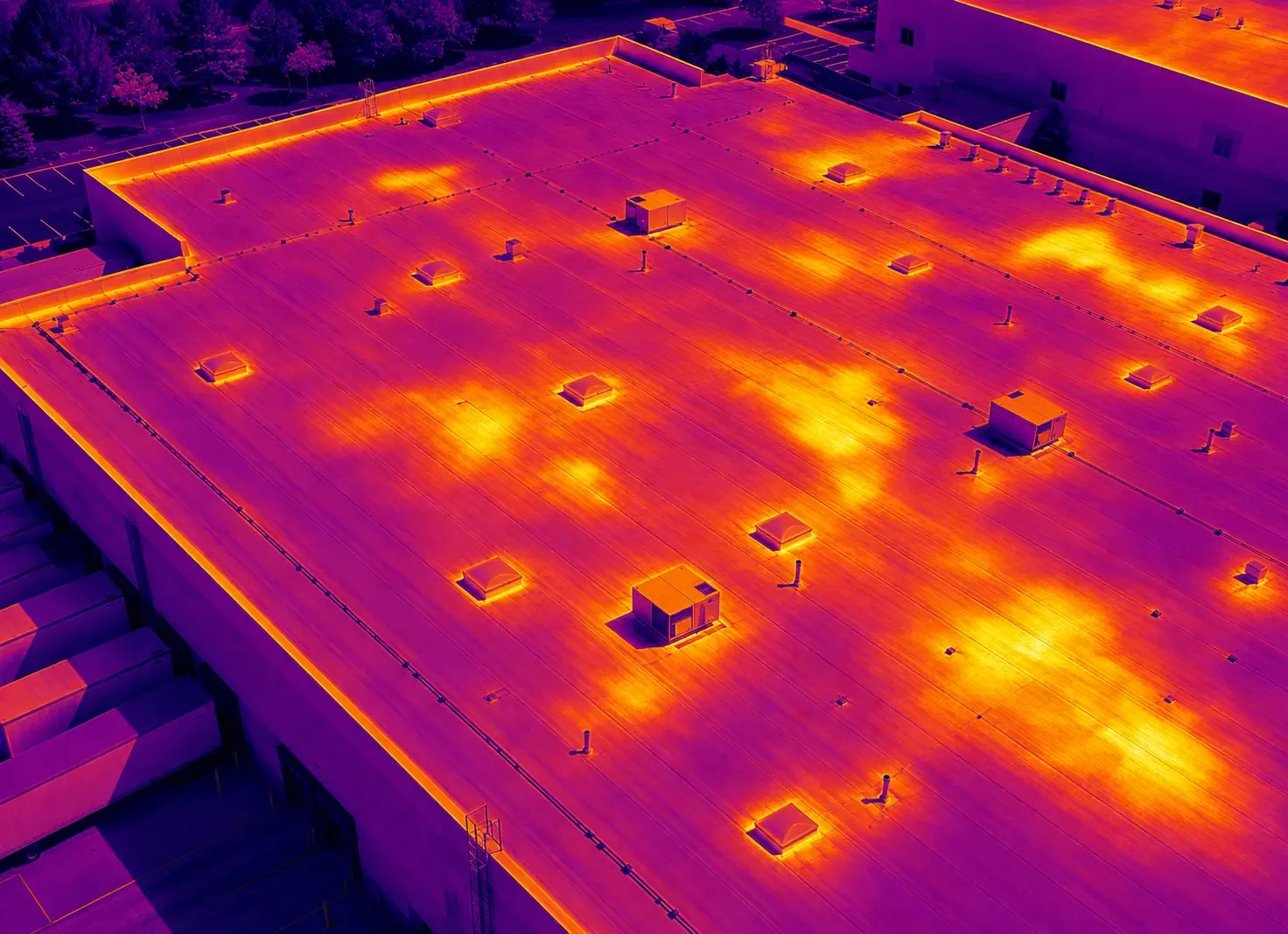
A soft area can indicate damaged support beneath the membrane. Its cause and extent need investigation before a removal decision. Interior leak evidence can also suggest moisture not visible overhead. We identify which portions of the assembly remain uncertain. A thermal survey may help choose locations for confirmation. Other conditions require direct openings or a different test method. We explain what each method can contribute to the decision.
Selected openings need permission, safe placement and suitable closure afterward. We use them to examine the material rather than assign a roof-wide condition. Several confirmed points can help establish a wider investigation boundary. The interpretation still needs the assembly and leak history. An investigation of concealed insulation moisture can support that task. It is distinct from visual inspection alone. We keep those limits clear in the condition findings. That allows the owner to approve further work for a specific reason.
Assign useful next tasks
An inspection can reveal immediate defects and future maintenance concerns together. We separate the tasks by physical condition and operating consequence. An active opening needs different attention from accumulated loose debris. A suspected structural issue needs the appropriate specialist before routine repair. We identify accessible repairs and conditions needing more information. Each priority should state which part of the building it affects. The owner can then schedule work with the relevant operation.
For properties in Downtown Concord, mixed uses may occupy adjoining spaces. We connect a repair location with the room or entrance affected. Your condition findings include photographs and a description of observed defects. They also identify areas inaccessible during the visit. The recommended next service should address those findings explicitly. Equipment changes or later roof traffic can alter condition after inspection. Keep the findings available for that coordination. They give subsequent work a clear starting point without promising unchanged future performance.
Commercial Roofing Questions
Can you inspect before we finalize a tenant improvement schedule?
Early access can help identify roof work affecting the planned space. We compare the roof above it with proposed equipment or interior changes. Some findings may need investigation before construction proceeds. We identify those tasks and their likely effect on sequencing. The tenant schedule can then account for the specific correction.
Will you tell us whether insulation is wet from a visual visit?
Visible conditions can identify reasons to suspect concealed moisture. They do not confirm every underlying insulation layer. We explain which findings need a survey or selected opening. That additional investigation should target the question affecting your decision. Confirmed wet material and uncertain indications remain distinct in the findings.
Should we arrange access inside every tenant space?
Interior access is especially useful where water entry or hidden damage is reported. We discuss the inspection purpose and affected rooms beforehand. Some condition checks can proceed from safe roof access alone. Tenant coordination is needed where indoor observation adds necessary evidence. We specify the spaces rather than requesting unrestricted entry without purpose.
How do we use the findings for maintenance budgeting?
Separate the proposed repairs from conditions requiring further investigation. Immediate openings, deteriorated details and routine debris have different tasks. We describe the physical extent supporting each recommendation. You can then schedule related work together where sensible. Unresolved concealed conditions should remain allowances for investigation rather than assumed quantities.
Inspect before the space changes
Arrange a Concord roof inspection. Tell us which repair, tenant change or equipment decision the visit needs to support.