Home / Commercial Roofing Services / Drone Commercial Roof Inspection
Drone Commercial Roof Inspection in Concord, NC
Use drone roof imaging in Concord to locate visible changes, equipment and drainage patterns. We connect aerial views with close inspection where needed.
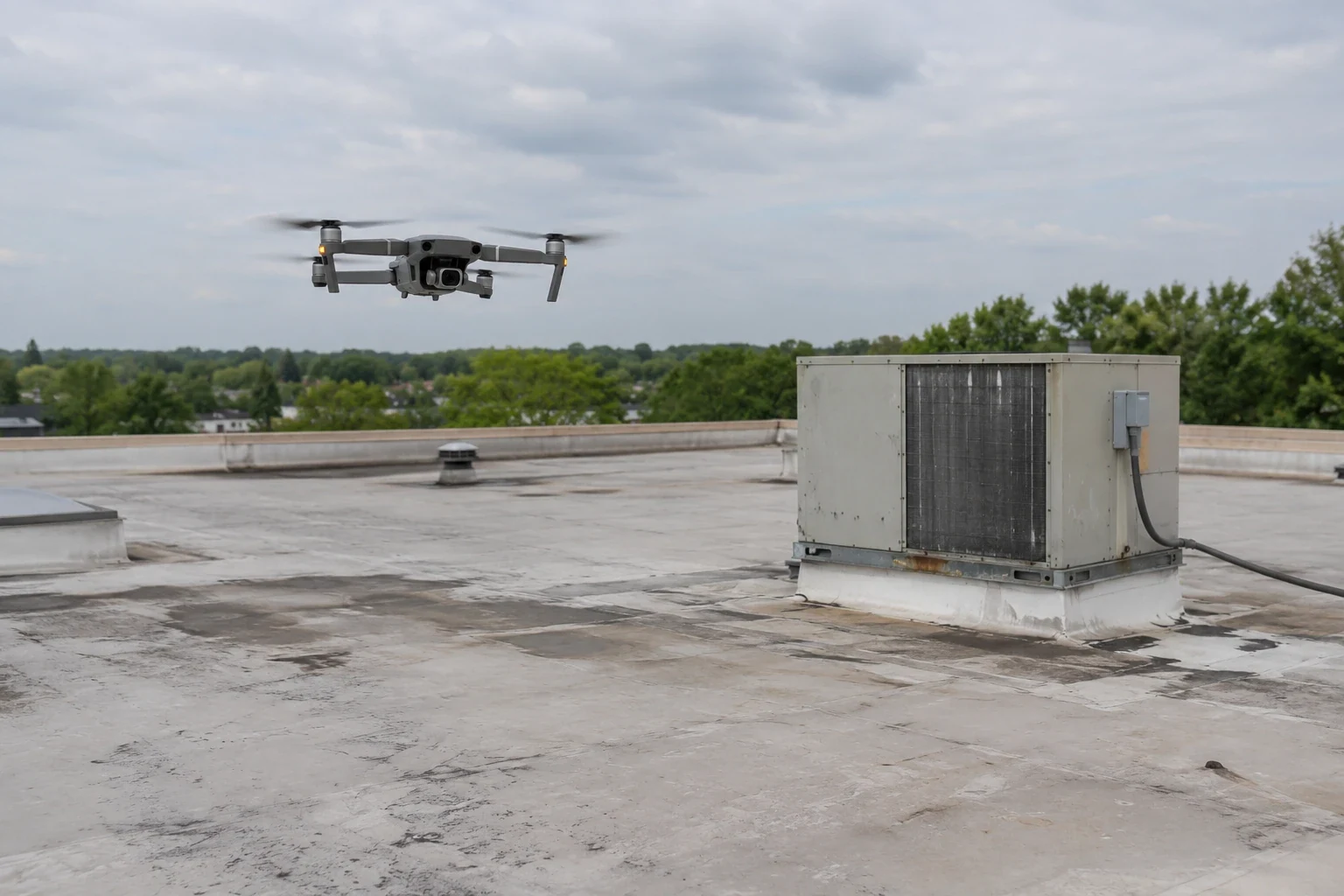
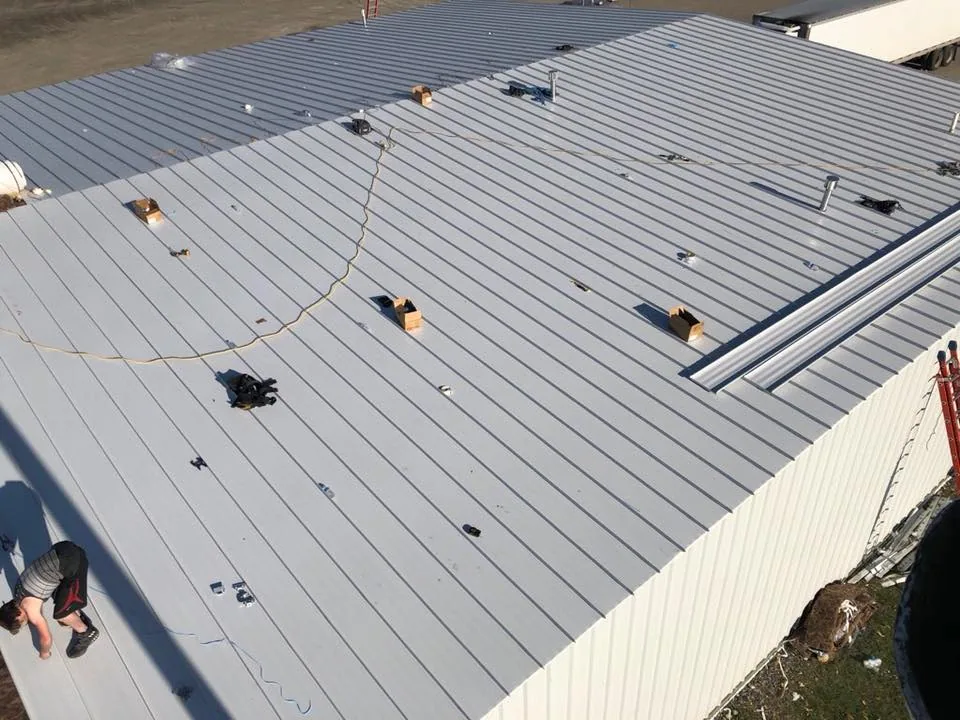
Loading activity can make a roof access route difficult to use. An overhead view can establish where closer examination is needed first. We use drone imaging to document accessible commercial roof surfaces. In Concord, NC, that view supports a specific building decision. It can show displaced material, equipment locations and visible drainage patterns. Small seam defects still need examination at working distance. We choose imaging for the information it can usefully provide.
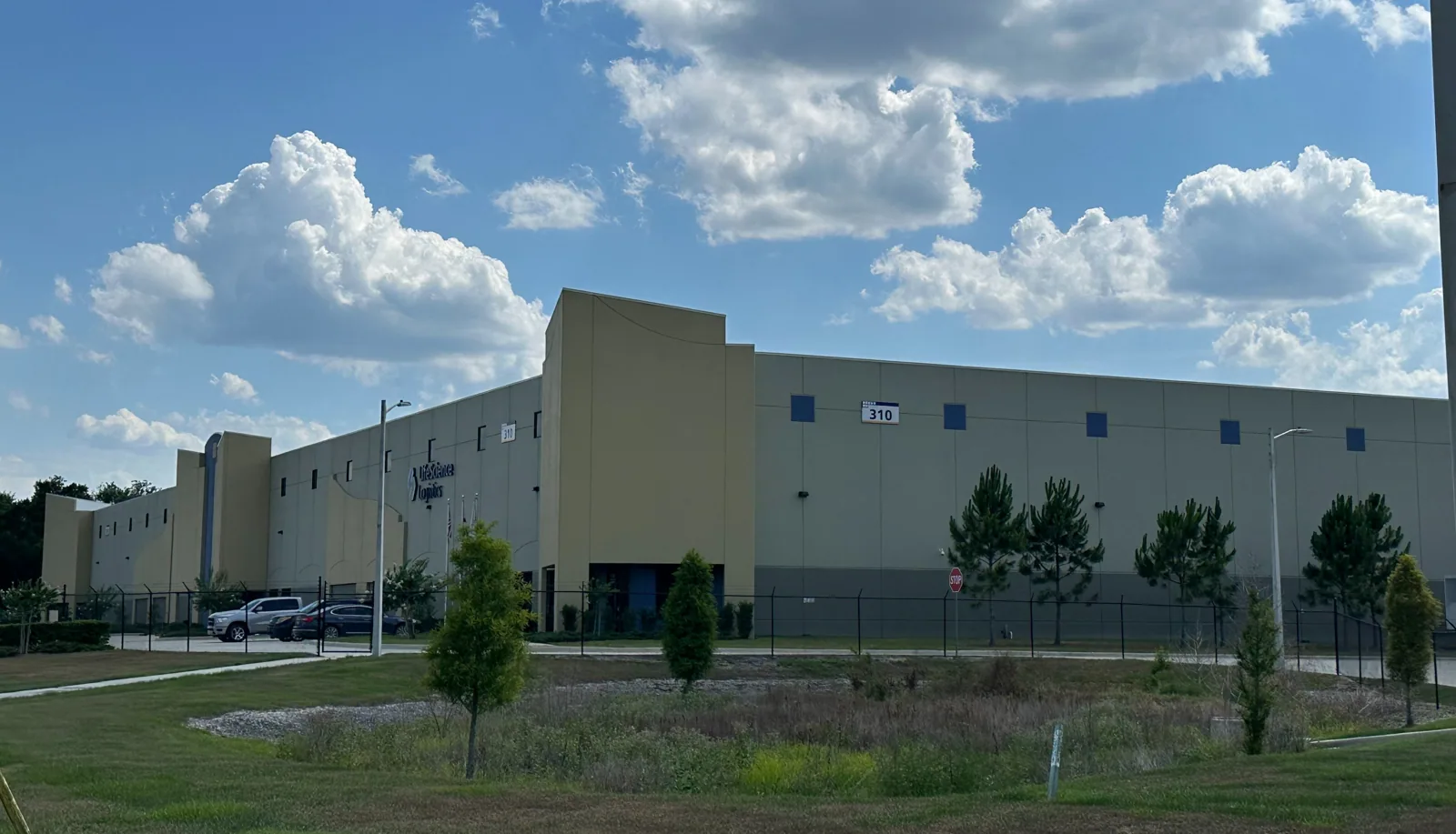
Concord has business parks with access to I-85. Roof geometry and equipment arrangements can complicate ground-level observation there. The Grounds at Concord also adds a heavy-industrial park setting. A building within that setting needs its own flight and access assessment. We discuss the affected operation and the question you need answered. Aerial images can help direct a later hands-on visit. They can also document visible changes after weather. We pair them with close roof inspection when the decision requires physical detail checks.
See the connected roof areas
A roof can contain separate elevations, additions and equipment groups. Images help relate those areas to an interior room or entrance. We identify visible transitions and changes in the covering. We also look for debris collecting near accessible outlet locations. Overview images show the arrangement before close views examine particular areas. That combination makes a suspect condition easier to locate later. A single distant photograph rarely provides the same useful relationship.
On a warehouse property, imaging can help orient work above the occupied floor. It does not establish the roof area from the building's floor dimensions. Roof geometry needs its own evaluation when measurements matter. Equipment and parapets can obscure portions of the surface. Shadows can also make small conditions difficult to interpret. We identify those gaps while reviewing the images. The unviewed area remains a question for another method. It should not disappear from the assessment because the overview looks complete.
Images leave physical questions
An aerial image cannot establish the strength of a membrane bond. It also cannot identify insulation moisture from appearance alone. A dark surface may reflect staining, debris or a material difference. Raised areas can have several causes requiring direct examination. We keep the finding tied to what is visibly present. Where a seam or termination looks suspect, we recommend a close check. That avoids turning an image impression into an unsupported repair quantity.
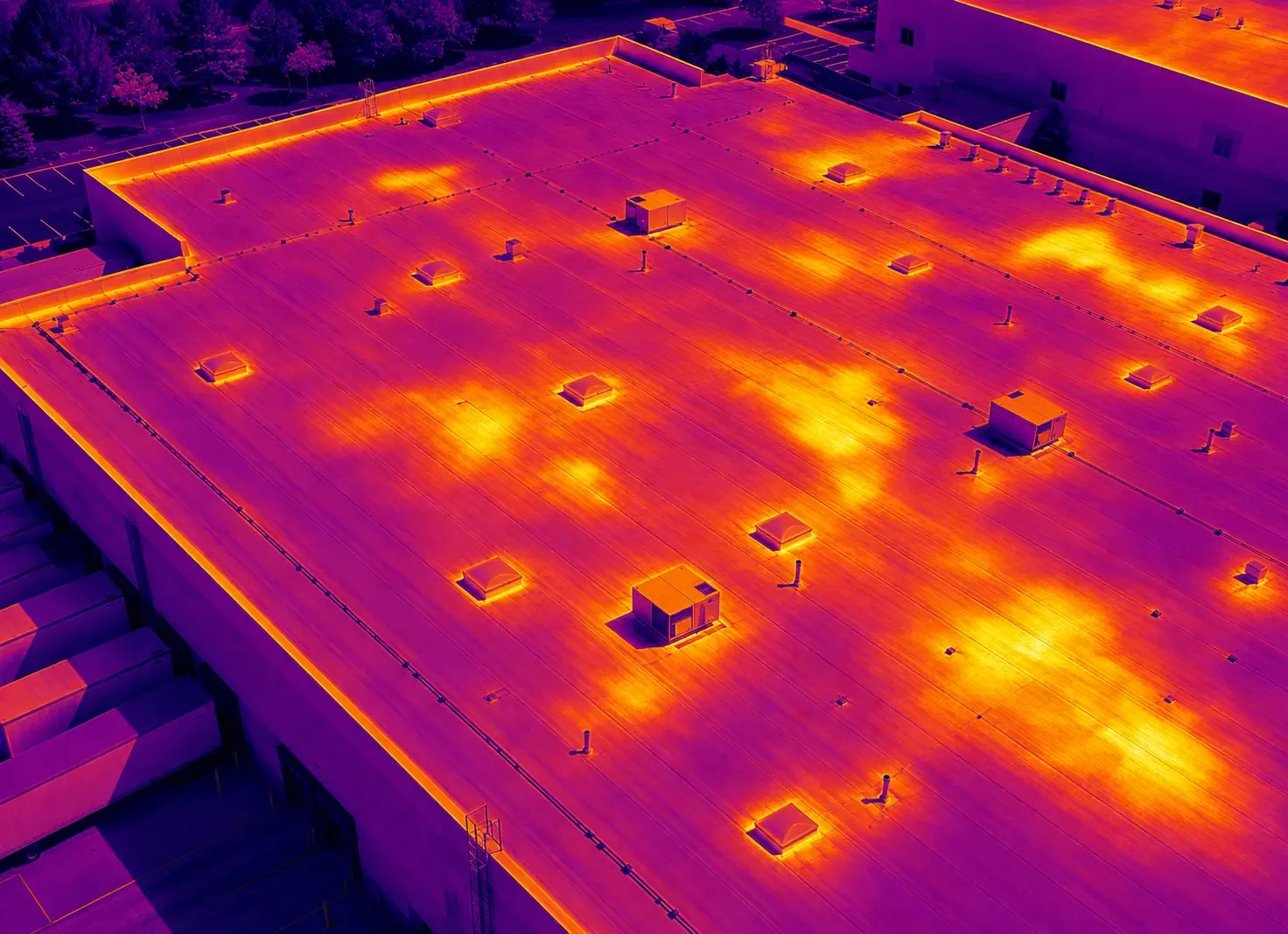
A thermal moisture investigation with confirmation answers a different question. Temperature patterns can help locate suspect material under suitable conditions. Ordinary roof photography does not perform that analysis. Even thermal indications need interpretation and selected physical checks. We discuss which method fits your concern before arranging the visit. A visible loose edge may need hands-on inspection without thermal work. An unexplained indoor leak may require interior access as well. Each method should resolve a defined part of the problem.
Arrange the observation safely
Wind, rainfall and visibility affect whether useful imaging is possible. We assess conditions before attempting the roof observation. Flight restrictions and required permissions also need review for the location. Nearby people, vehicles and equipment influence the operating arrangement. A suitable position for takeoff and observation is part of that assessment. We coordinate with the property operator where access or activity needs control. An unsuitable flight window may require rescheduling or another inspection method.
International Business Park sits near I-85 Exit 55 and NC 73. We assess the actual property and surrounding activity there before imaging. The park's location does not establish unrestricted flight permission. On properties with sensitive operations, exterior observation may also need approval. We identify the area being photographed and the intended purpose. Tenants may need advance coordination if the arrangement affects their space. The visit should avoid unnecessary disturbance to entrances and service routes. Roof access remains relevant when close inspection will follow.
Compare visible changes carefully
Comparable views can show a displaced sheet or newly exposed detail. Their value improves when the same connection is clearly identifiable. Differences in sunlight, camera angle and surface wetness can alter appearance. We account for those changes before describing a visible defect. A photograph from before an event can help establish earlier condition. It still may not show the concealed assembly beneath the surface. We separate that limit from the condition actually visible.
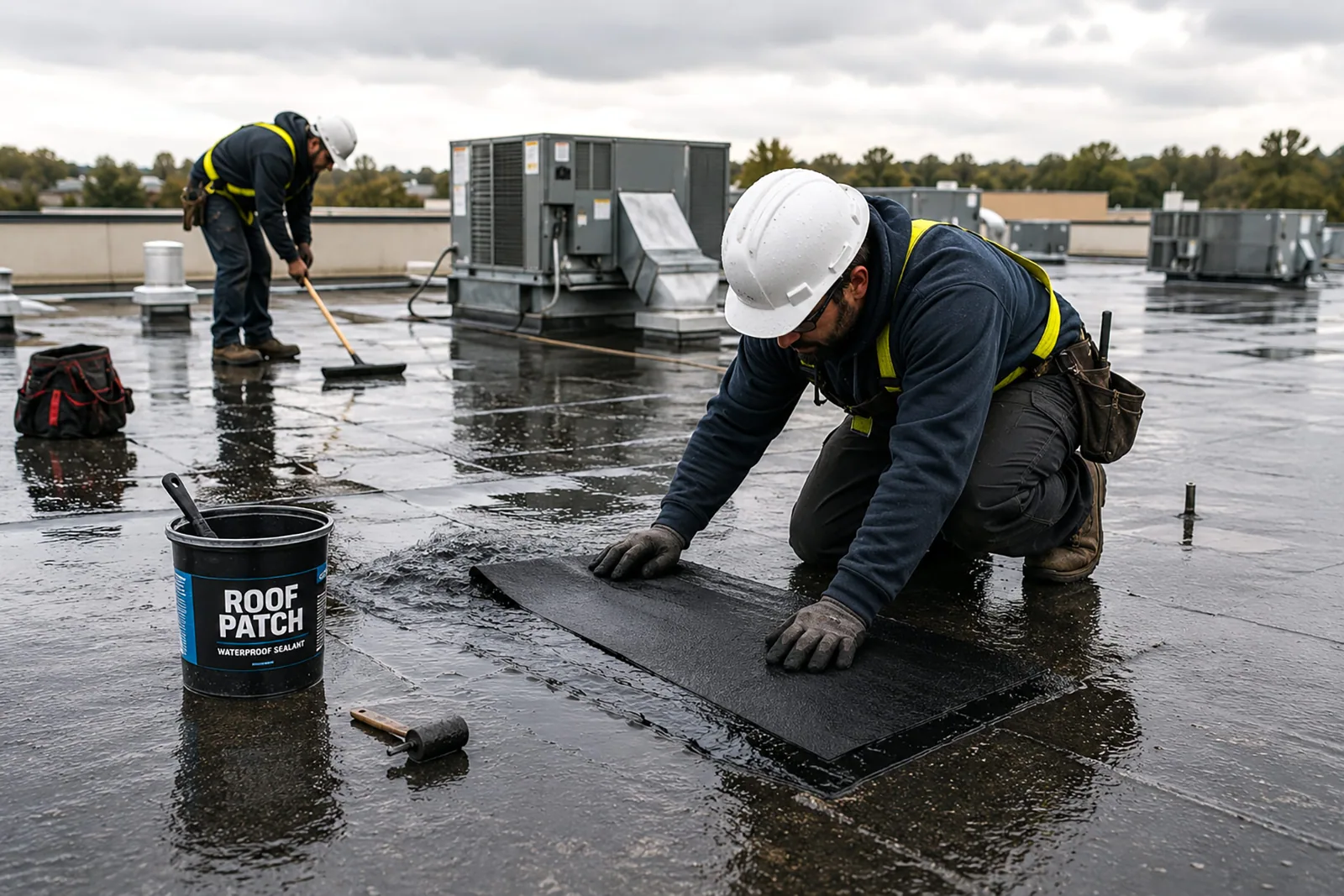
An imaging visit after weather and visibility conditions are suitable can document visible disturbance. Loose metal or membrane may need a defined repair at the affected connection. The image helps locate that task for closer examination. It does not establish wind damage merely because rain preceded the visit. We check the material and connection where safely accessible. Immediate exposure may need protection before a full image comparison proceeds. The building's active condition takes priority over obtaining a particular view.
Connect findings with the room
A marked roof view can relate findings to the operation below. We identify equipment, parapets and elevations that orient the owner. The selected images should show enough context to locate each condition. Close detail views then show why further examination is recommended. Images without that connection can leave maintenance teams searching for the defect. We describe the visible finding and the next useful task together. A repair recommendation needs physical confirmation where image evidence is insufficient.
Owners at International Business Park may need coordination with separate businesses. We discuss the entrances and occupied spaces relevant to the assessed property. The park contains multiple companies, not one uniform roof assembly. A condition report using selected roof views can help explain that property's findings. It should distinguish examined details from distant or obscured areas. We include the limitations affecting the proposed decision. That keeps a clear overview useful without suggesting complete concealed-condition knowledge.
Choose the next examination
A visible tear can lead directly to a focused repair assessment. Suspected attachment loss may require examination along the surrounding connection. An unexplained depression may need a selected opening in the assembly. We identify which question remains after reviewing the images. Then we propose the method able to address that question. The owner can approve further work with a practical purpose. That prevents repeated imaging from replacing the inspection the condition actually needs.
Regular comparison images can also support equipment and maintenance coordination. A relocated unit changes what needs checking around its new curb. New service traffic may expose walk areas needing protection. Debris visible near an outlet can prompt accessible removal and detail examination. We connect those findings with the building's maintenance tasks. An aerial record is most useful when someone can act on it. Its date and observed areas should remain clear. Later roof work or weather can change the condition shown in that record.
Commercial Roofing Questions
Can drone photographs replace walking the roof before a repair?
Photographs can identify visible areas needing attention and help plan access. They cannot test bonding or check concealed support. A repair decision may require direct examination of the affected connection. We identify that requirement when reviewing the images. The overhead observation then guides the visit rather than replacing necessary physical work.
Will images tell us whether a dark area contains wet insulation?
Surface color alone cannot confirm insulation moisture. Staining, debris and different materials can produce similar appearances. A suitable moisture investigation uses additional methods and confirmation. We explain that distinction before recommending removal based on suspected wet material. The image can identify where the question needs investigation.
Can we use the images to coordinate an equipment contractor?
Clearly identified views can show the unit location and surrounding roof connections. We mark the areas needing protection or closer assessment. The equipment contractor still needs the actual assembly and access information. Discuss planned curb or service-route changes before work proceeds. Images help orientation but do not establish acceptable loading or attachment.
What happens when the roof cannot be safely photographed that day?
Unsuitable weather or flight restrictions can prevent useful observation. We assess whether another inspection method can address the immediate concern. A routine imaging task may need a different date. An active opening may instead need safe emergency assessment and protection. We keep the next step tied to the building's condition.
Set a useful roof view
Ask about drone roof imaging in Concord. Tell us which visible change, access problem or planned equipment task needs examination.