Home / Roof Systems / Commercial EPDM Roofing
Commercial EPDM Roofing in Concord, NC
Inspect EPDM roof connections in Concord before choosing repair or replacement. We assess bonded seams, termination movement and the underlying material.
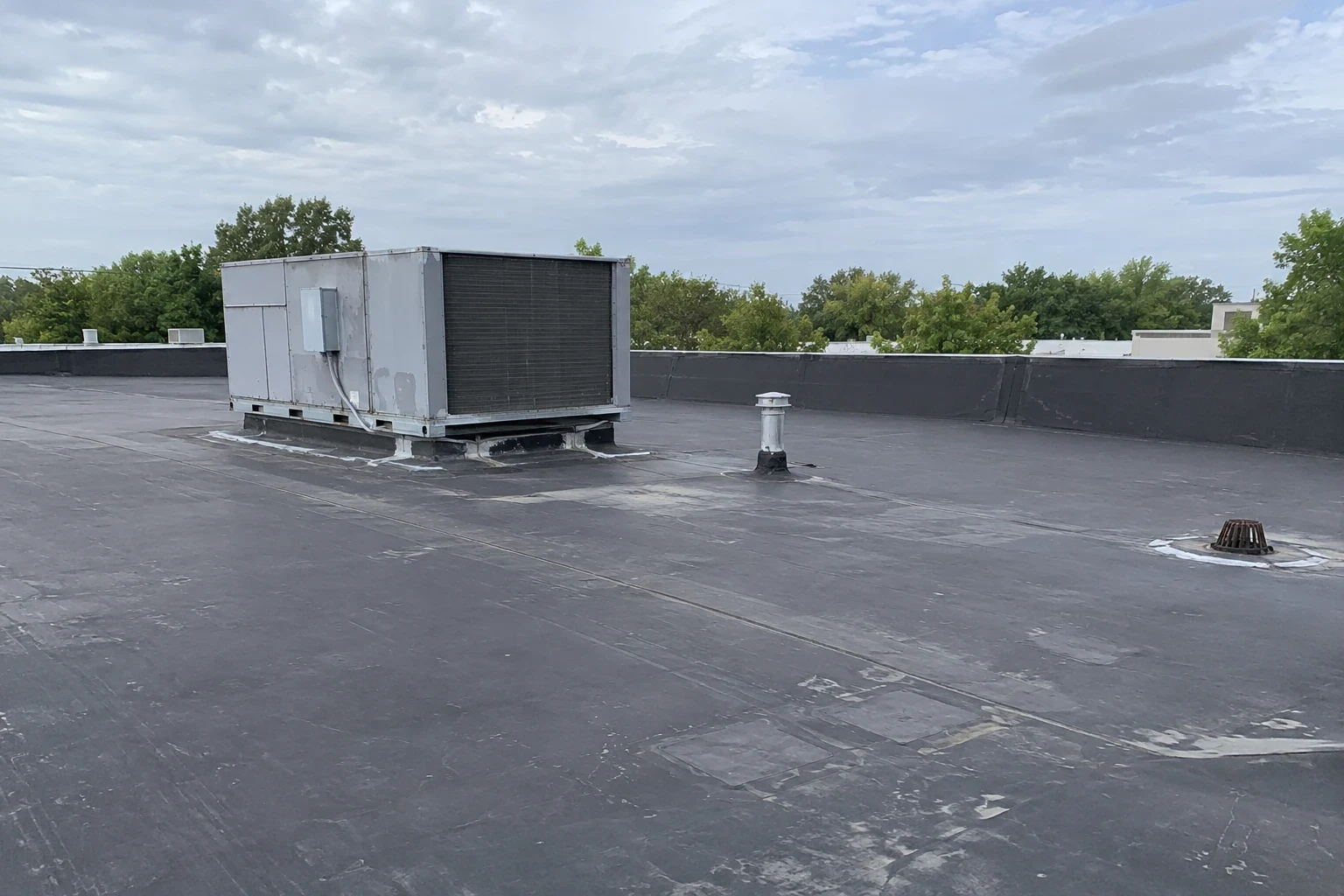
Keeping a meeting room usable requires attention to the roof above its walls. A stressed perimeter connection can open while the central rubber sheet remains intact. We examine EPDM roofing in Concord, NC, before defining repair or installation. The membrane needs compatible seam and flashing components. Its flexibility does not eliminate movement at fixed connections. We inspect those boundaries alongside the roof field. The owner should understand which component needs correction and why.
Downtown Concord planning includes changes to commercial areas and physical improvements. Church Street Corridor also has businesses adjoining residential neighborhoods. Roof work at either setting needs an arrangement suited to occupied space. We examine the actual building rather than infer an assembly from its district. A close EPDM condition assessment can identify accessible connection problems. Existing roof information helps clarify previous treatments and repairs. Those findings establish the next useful task for the particular roof.
Examine the restrained membrane boundary
A rubber sheet can experience stress where it meets fixed walls or equipment. Bridging at an inside corner can leave the membrane under tension. We examine attachment and flashing condition at those transitions. Open terminations and pulled connections need attention beneath the visible finish. Reapplying material over a stressed boundary may leave its movement unresolved. The repair needs a suitable means of securing and detailing that area. We explain any required reconstruction before preparing a patch.
Some perimeter conditions involve deteriorated backing or loose metal components. The membrane connection cannot rely on unsuitable support remaining in place. We identify accessible material defects and any need for further exposure. The proposed correction should connect that support work with the flashing task. A displaced detail can extend beyond the initially visible opening. We assess its affected boundary before deciding the repair size. The goal is a workable connection at the restrained edge. A sound central sheet does not make every surrounding termination suitable.
Prepare the bonded overlap correctly
EPDM seams use the specified bonding or tape system for the assembly. Preparation and compatible components are necessary at the overlap. The joining method differs from a heat-welded thermoplastic membrane. We identify the existing seam arrangement before proposing its repair. Dirt, previous treatments or degraded material can complicate that preparation. The required cleaning and primer need to follow the selected system. A repair should join suitable retained membrane rather than cover an uncertain surface.
A lifted seam edge may not show the entire affected connection. We examine its accessible length and adjoining material. A bonded seam correction can require new compatible membrane or flashing material. The detail needs sufficient prepared area for the specified method. Weather and actual surface conditions affect whether that preparation can proceed. We examine the completed bond before treating the seam as finished.
Separate a cut from wider deterioration
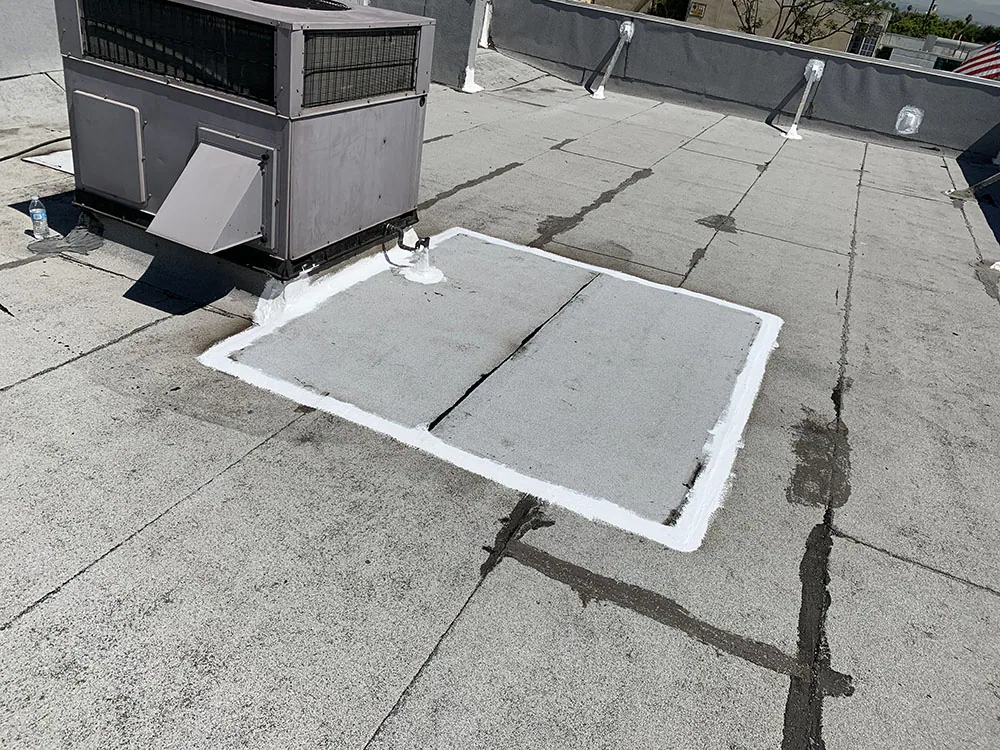
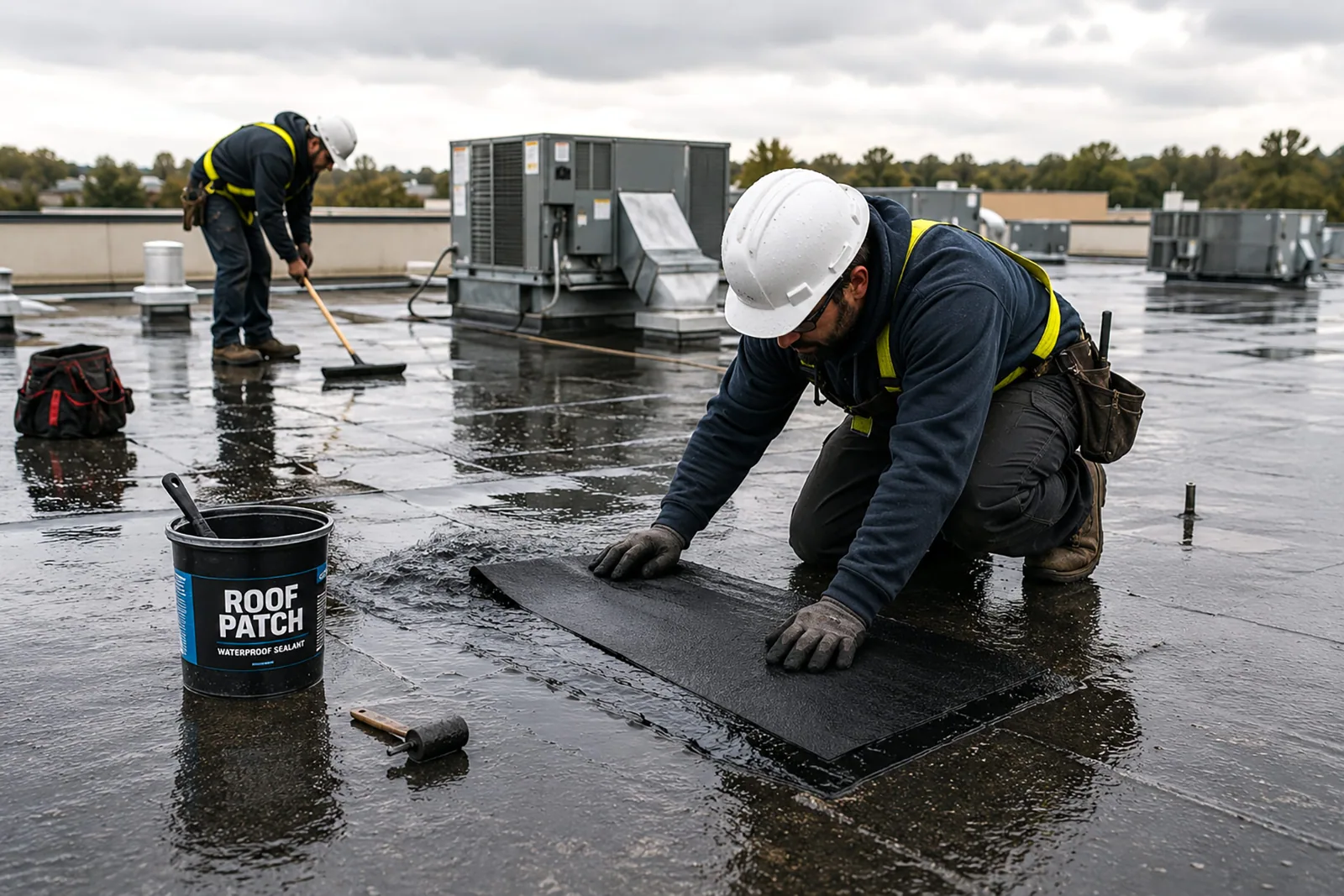
A dropped tool can puncture an otherwise serviceable EPDM sheet. That local defect needs a compatible repair tied into sound membrane. We inspect the surrounding covering before choosing the repair boundary. Repeated damage along an equipment route calls for attention to the route itself. Suitable protection may help address that exposure. Repairing a cut without resolving repeated abrasion leaves another maintenance concern.
Widespread splits or stressed flashings require a broader assessment than a single puncture. Concealed wet material can also enlarge the necessary task. We identify whether the underlying assembly needs investigation or removal. A localized roof repair should describe those included layers. The owner can then distinguish a surface correction from deeper reconstruction. We do not assume all material around the symptom is suitable. The observed condition and appropriate examination establish what can remain. Any unexamined uncertainty should have a useful next action.
Review previous treatments before repair
A coating or improvised patch can change preparation at an EPDM surface. The material beneath it may remain uncertain until appropriate examination. We identify accessible previous treatments and discuss available roof information. Compatibility matters when selecting a permanent correction. A product suitable for another roof covering may be unsuitable here. Removing contaminated or deteriorated material can become part of the repair. We explain that need rather than add another unsupported treatment over the area.
Equipment discharge also deserves attention where it reaches the membrane. The selected system's exposure requirements guide the response. Some contaminants need equipment correction and material replacement. We assess the actual condition with the responsible service participant involved where necessary. Comparing a PVC system involves different material and connection requirements. A modified bitumen alternative needs its own complete assembly review. We compare suitable scopes without assuming one repair method transfers between them. The existing covering must be identified first.
Choose an assembly suited to the support
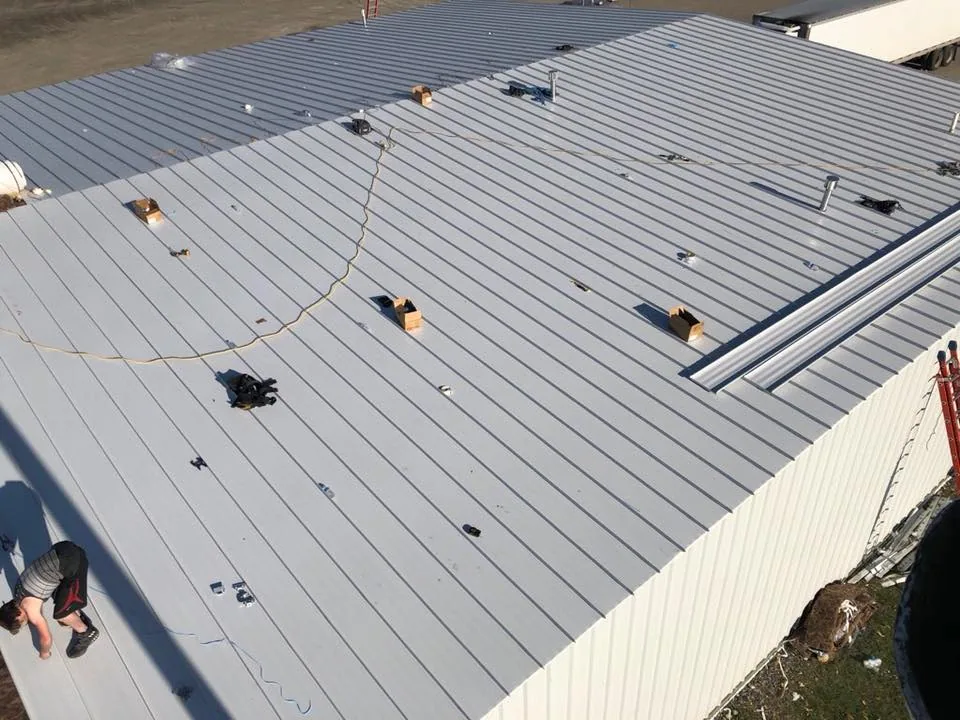
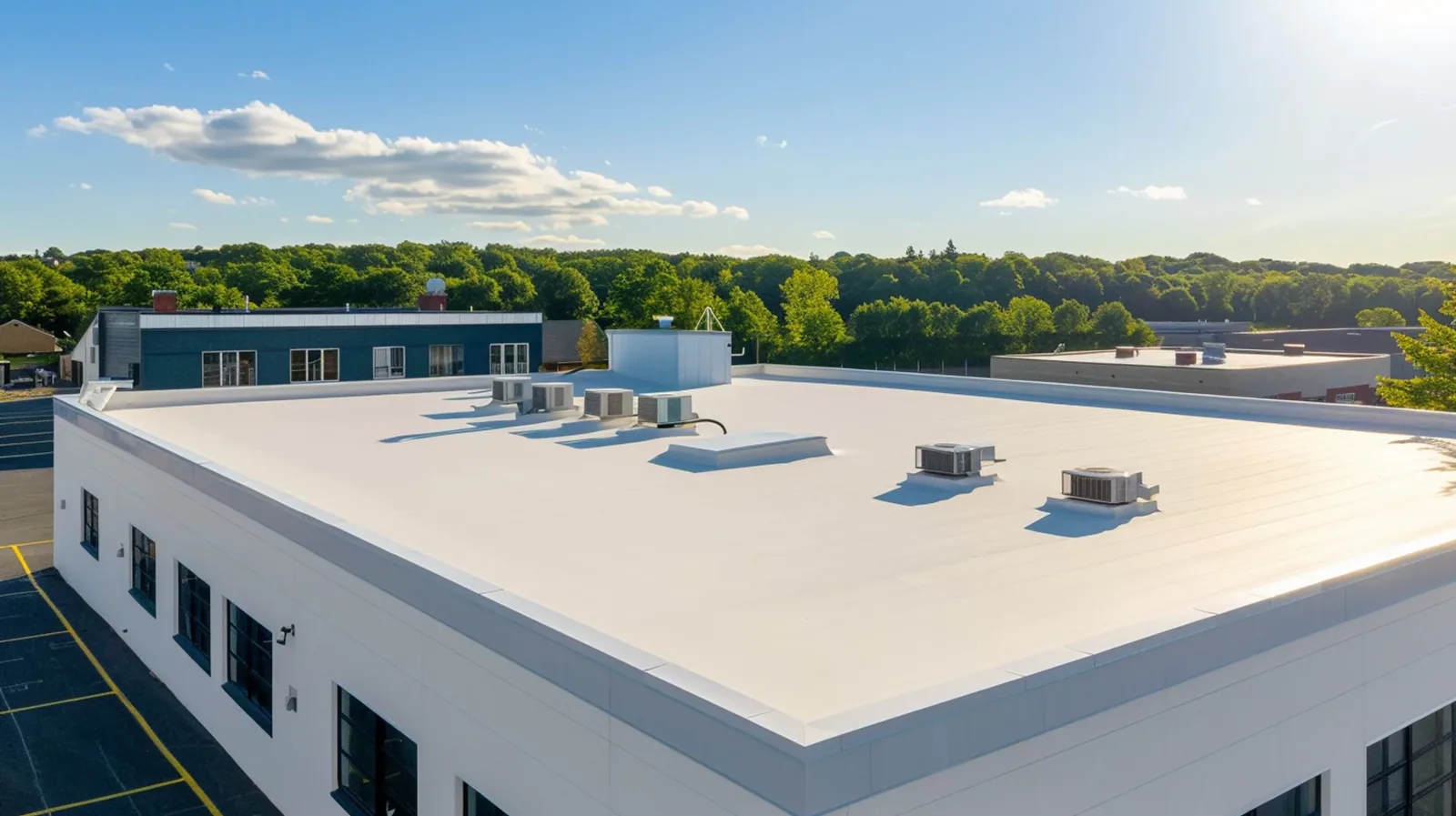
New EPDM roofing can use different approved attachment arrangements. Adhered, mechanically attached and ballasted systems have distinct requirements. The deck and proposed layers need to suit the selected approach. Ballast adds a load question requiring appropriate structural consideration. An available roof surface is not proof of suitable capacity. We identify the assembly requirements and relevant design dependencies. The owner should understand those differences before comparing installation proposals.
Wet insulation and deteriorated support can prevent retention beneath a new assembly. Added layers may also require reconstructed curb connections. At a building in Downtown Concord, material handling needs an arrangement suited to the actual access. We discuss those tasks with the operator. The selected attachment and removal sequence must remain workable within the approved building arrangement.
Keep water away from vulnerable connections
EPDM follows the supporting surface rather than creating drainage slope itself. A low spot needs examination of its route to an outlet. Blocked drainage and unsuitable geometry require different corrections. We assess the drain connection and surrounding material together. Wet insulation beside the outlet may need removal before reconstruction. The specified membrane detail should meet suitable components and support. A new covering over the same depression leaves the water route unchanged.
Cabarrus County has warm-season thunderstorms and occasional winter ice or snow. Those conditions make accessible outlets and sound transitions useful care priorities. We discuss known backup or recurring water with the operator. The physical examination then establishes the relevant roof task. Changes to drain capacity or piping may require separate professional review. We identify that need where it affects the proposed correction. Any remaining discharge restriction also needs an appropriate response.
Return to the details that can change
A condition-based roof care plan can revisit seams, terminations and drainage. The plan should follow observed exposure rather than a general inspection slogan. A developing stressed corner deserves a different task from loose debris. We identify each condition's useful response. Completed repair information should distinguish corrected areas from remaining investigation needs. The operator can then arrange the next visit with a specific question. Continued care supports the serviceable assembly while changes remain visible. New indoor water entry still warrants focused investigation.
Commercial Roofing Questions
Why can an EPDM sheet look sound while its edge needs repair?
Fixed transitions can stress the membrane differently from the open roof field. Attachment, backing or flashing condition may be unsuitable at that boundary. We examine those connections directly before defining the correction. A patch over the visible opening can leave movement unresolved. The repair should address the complete affected detail and its supporting material.
Is an EPDM seam repaired with the same method as a welded sheet?
The specified EPDM bonding or tape system requires compatible preparation and components. It is not the same joining method used for thermoplastic membranes. We identify the existing covering before selecting material. Surface treatments can complicate that decision. The permanent correction should follow the actual assembly's requirements rather than a method chosen from appearance alone.
Can ballast be added to an existing EPDM roof without further review?
Added load needs appropriate structural consideration and an approved assembly arrangement. The existing support and layers also require assessment. We identify those questions before proposing the roofing task. Ballast should not be selected simply because space is available. The complete system needs suitable capacity, drainage and details for the actual building involved.
What should prompt a return visit after EPDM repair?
Report new water entry, a lifted repair edge or changed stress at a nearby connection. Identify the affected room and when the symptom appeared. Equipment alterations near the repaired area also matter. We can then arrange a focused examination. The completed repair information helps distinguish the corrected detail from another developing roof condition.
Examine the rubber roof connection
Arrange a Concord EPDM assessment. Identify the affected room, stressed flashing or damaged service route so we can define a compatible correction.