Home / Industries We Serve / Hospitality Groups
Commercial Roofing for Hospitality Groups in Concord, NC
Assess hospitality group roofing in Concord around room use, service equipment and arrival routes. We explain condition, correction and wider renewal work.

Repeated room moves can leave a hotel without a useful roof decision. The operator needs to understand which exterior connection remains unresolved. We assess commercial roofing for hospitality groups in Concord, NC. Several properties may have different coverings and equipment layouts. We examine the relevant assembly before selecting work. Reported moisture can involve roofing or another building system. The responsible participant identifies affected rooms and available access. Our findings should lead to a specific correction or further examination, with the occupied-room arrangement understood.
Hotel development is included in the Concord Entertainment Corridor's commercial mix. Harrisburg's growth also incorporates hotels. Those local settings can present different entrances and service approaches. A hospitality property roof assessment establishes the actual building's accessible condition. The operator should identify timing and related service activity. We examine relevant details rather than assume one response suits every property in the group. Material handling and room-use decisions need a scope describing the physical roof task.
Make each room report useful for investigation
The group participant should identify the particular hotel and occupied position affected. Similar room numbering at several properties can otherwise confuse access. Safe observations and rain timing help direct examination. Water may move through concealed material before appearing at an indoor finish. An adjoining roof section may therefore need assessment beyond the first room. We inspect accessible covering and useful connections. Equipment or plumbing can introduce another moisture question. The roofing task should distinguish that assessment from reconstruction of a supported exterior defect.
Hotel room water-entry investigation should explain the useful corrective boundary. Sound surrounding material may permit a localized connection. Wet insulation or damaged backing can enlarge the opening required. Selected exposure needs an authorized reconstruction arrangement. The operator should understand what that examination resolves before coordinating room availability. Interior finish work can remain necessary after roof entry is stopped. The completed exterior correction should not imply every room-restoration or service task was also finished. Participating work needs clear responsibility within the property's own arrangement.
Discuss arrival access before roofing deliveries
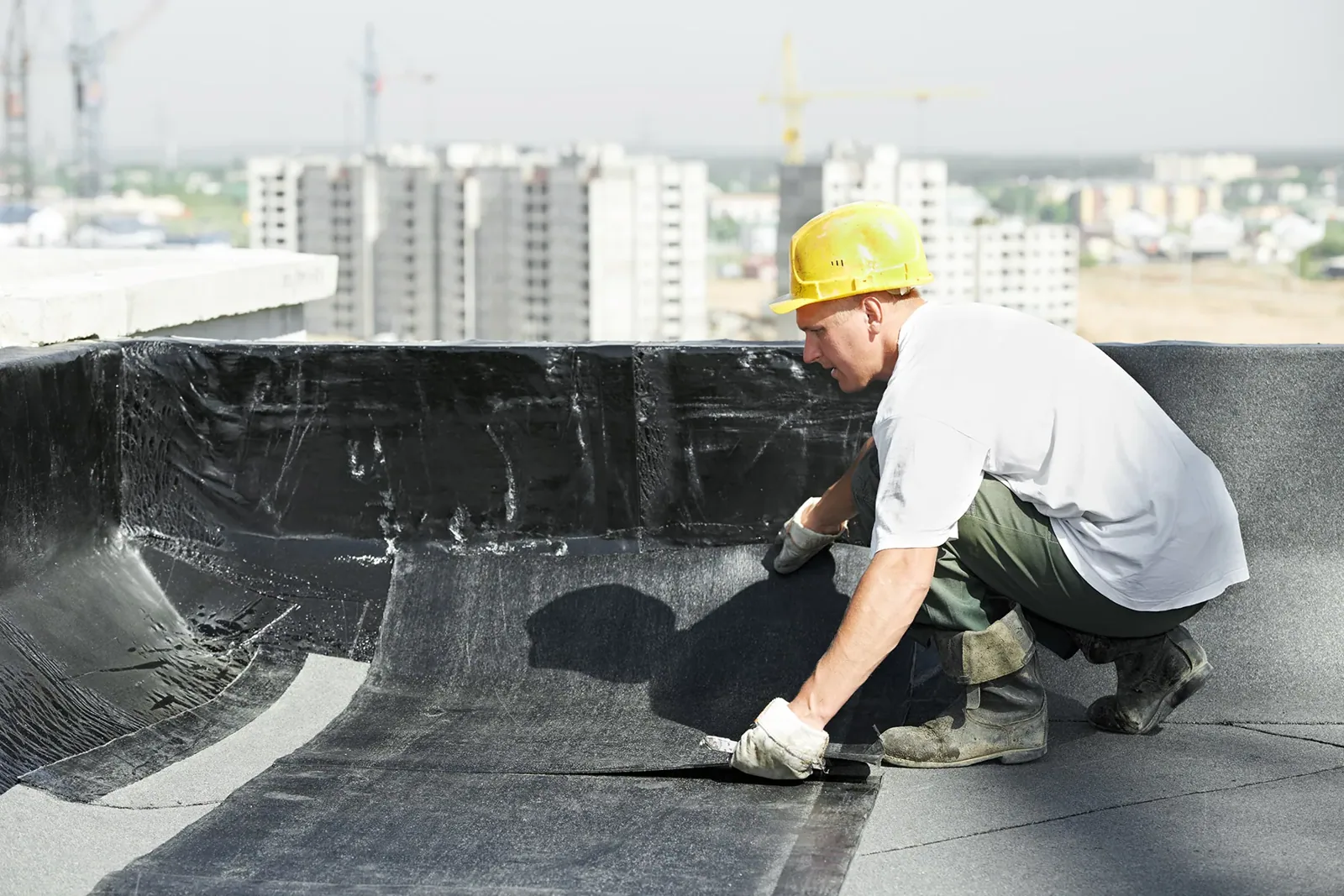
Staging and lifting can affect the guest approach as well as receiving. We review those handling positions with the hotel participant. The roofing method may need a boundary beyond the delivery vehicle. Required exits should have an appropriate arrangement during work. The operator identifies important arrival and service requirements. An empty parking position does not establish that the handling task fits. Material and removed assembly need usable routes. Agree on those handling positions before delivery. Review the work zone with the operator at the building entrance.
Managed property roof coordination identifies authorization and occupied-space contacts. Where a hospitality property uses that arrangement, the group should establish who coordinates guest-room access and the roof approach. Weather can change the achievable removal or application area. Concealed deterioration can also alter reconstruction needs. We explain those dependencies before the daily task advances. The operator can adjust room and service arrangements with the physical boundary understood. Temporary protection should remain identifiable as an interim measure rather than be mistaken for the completed permanent connection.
Connect equipment and food service with the roof task
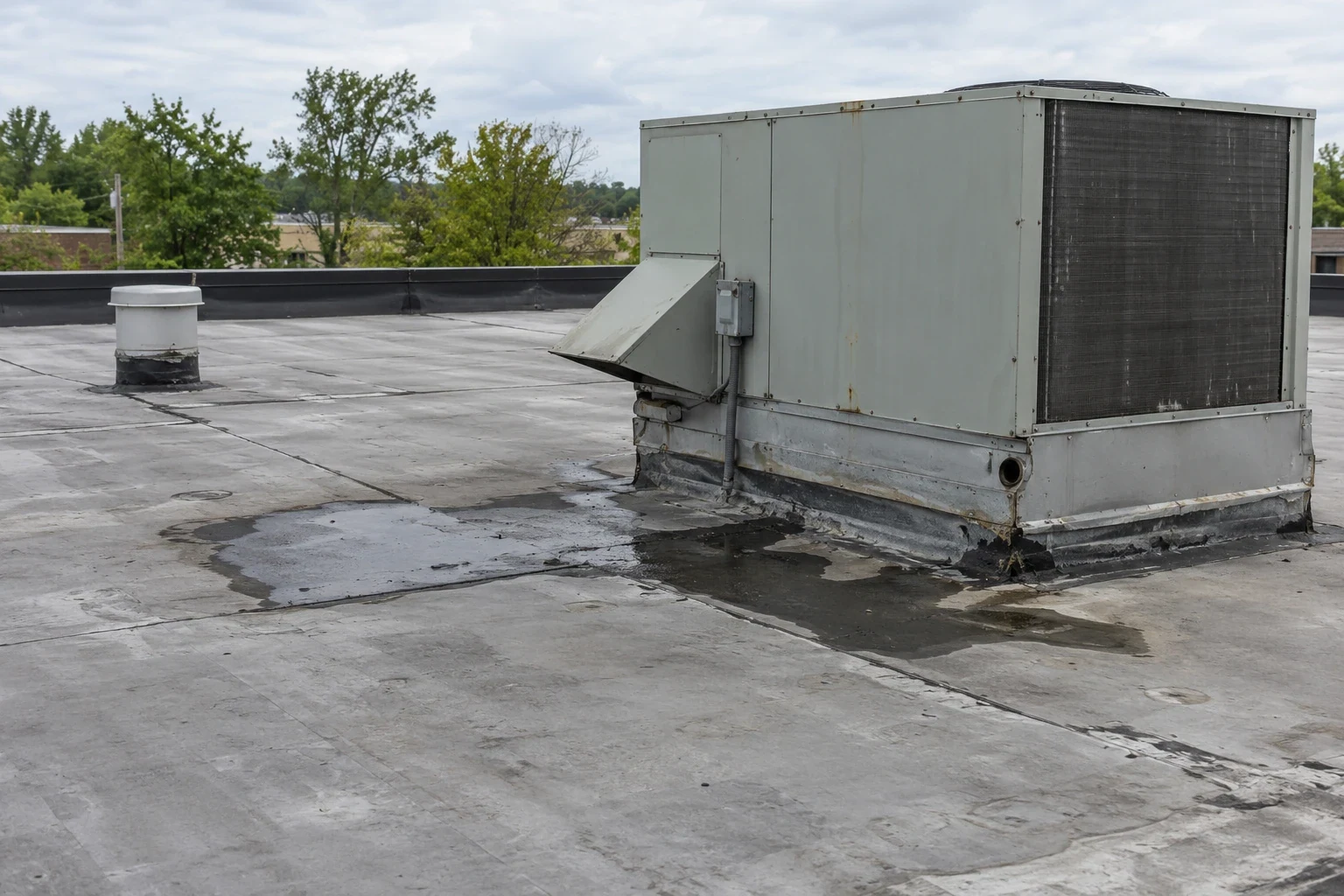
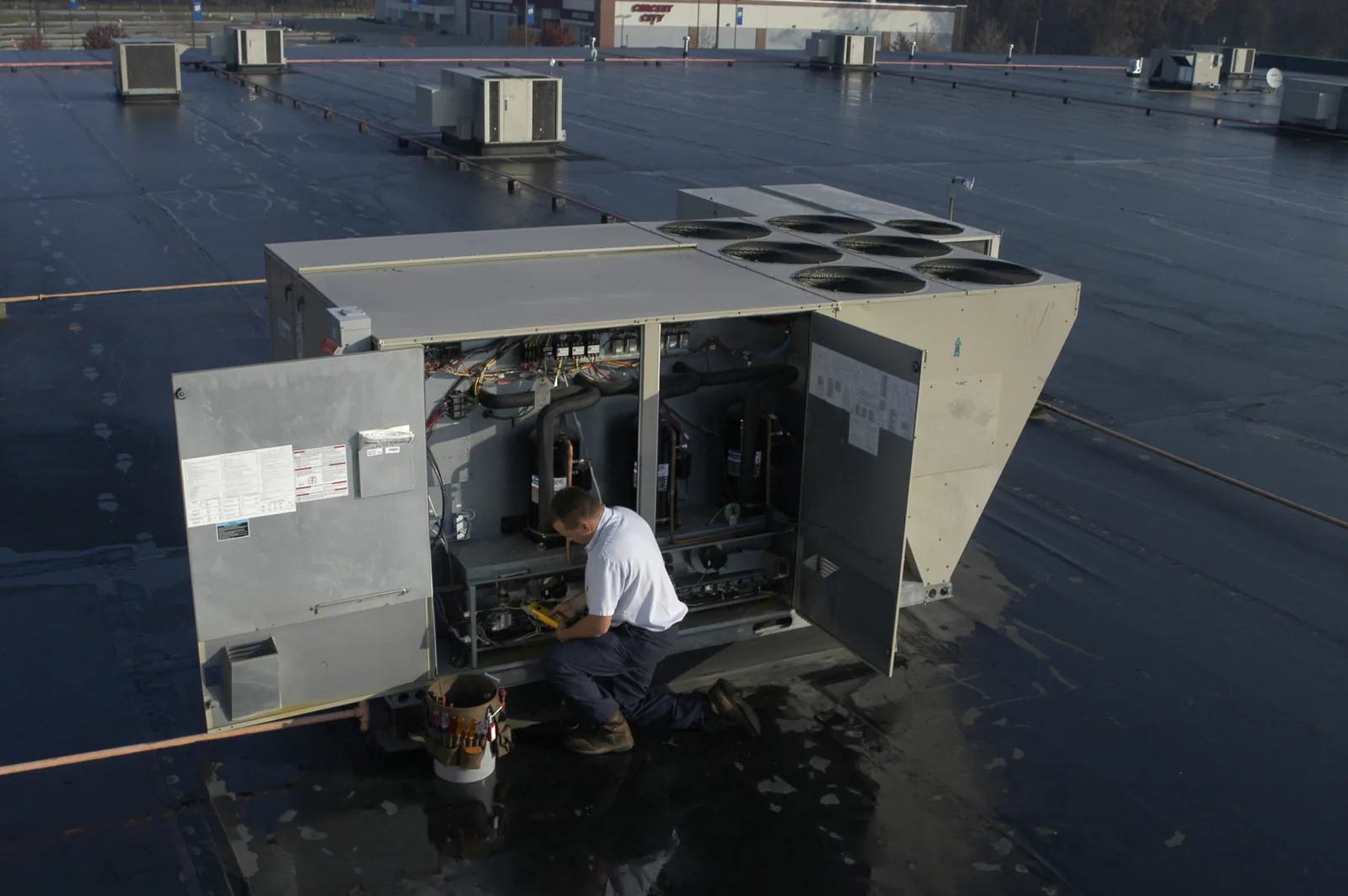
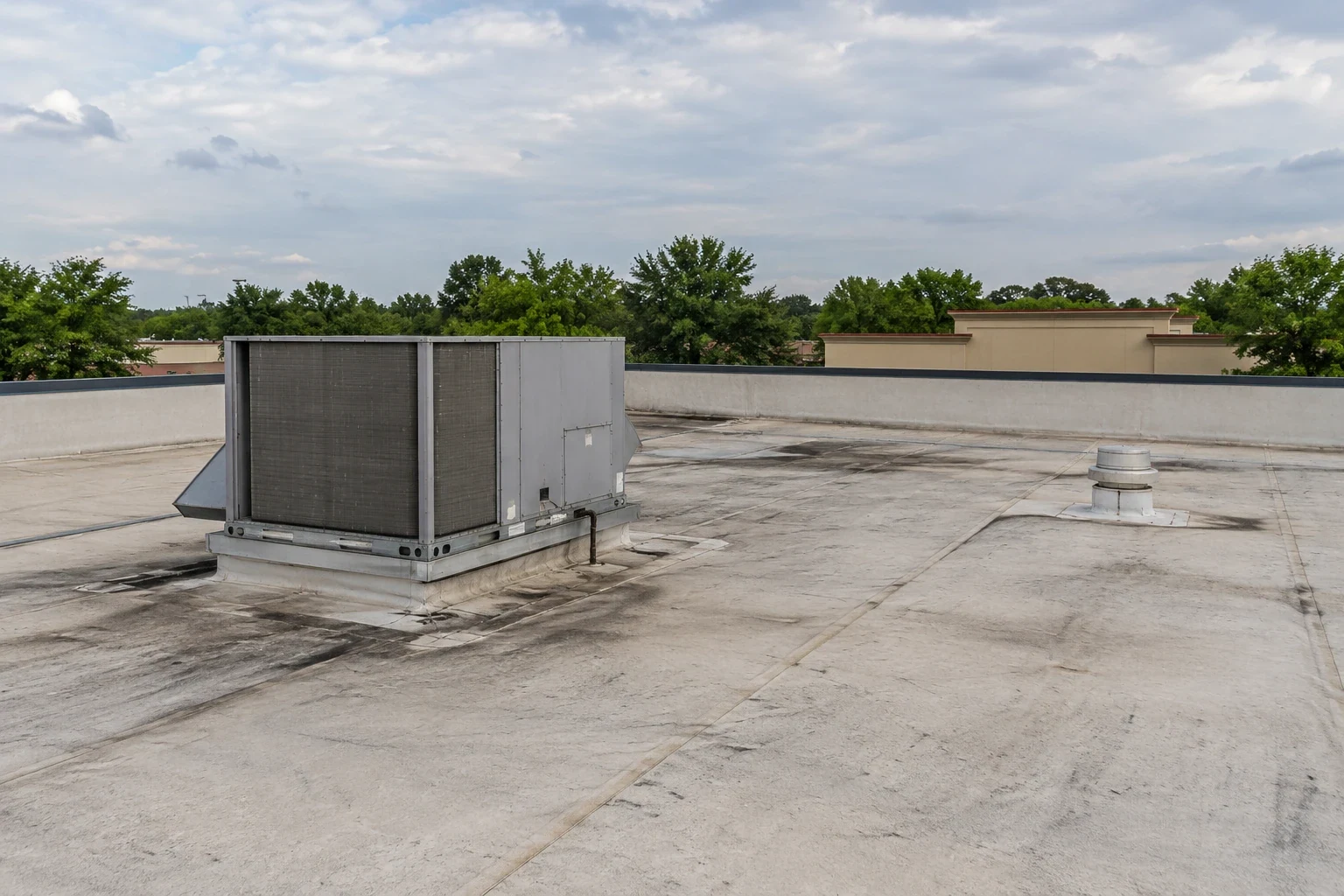
Rooftop units can hide flashing beneath a curb or support. We inspect the accessible termination and working clearance. The service participant may need to move or disconnect the component. Its operating arrangement should be coordinated with the hospitality operator. A visible perimeter finish has different limits from reconstruction beneath installed equipment. We explain the roofing interface reached by the proposed task. New supports and pipe routes need compatible details when they disturb the covering. Later activity should preserve those reconstructed connections.
Hospitality equipment roof interface work can define the participating roofing task. Equipment water may need its own component examination. The service participant should identify relevant discharge and movement. Restaurant chain roof coordination examines preparation beside exhaust and refrigeration openings. A hotel food-service interface needs that equipment information when roofing reaches the adjoining area. Residue or previous treatment can affect usable preparation. The operator should understand whether clearance or another service correction is needed before the permanent roof material is installed.
Compare repair with a broader occupied-property project
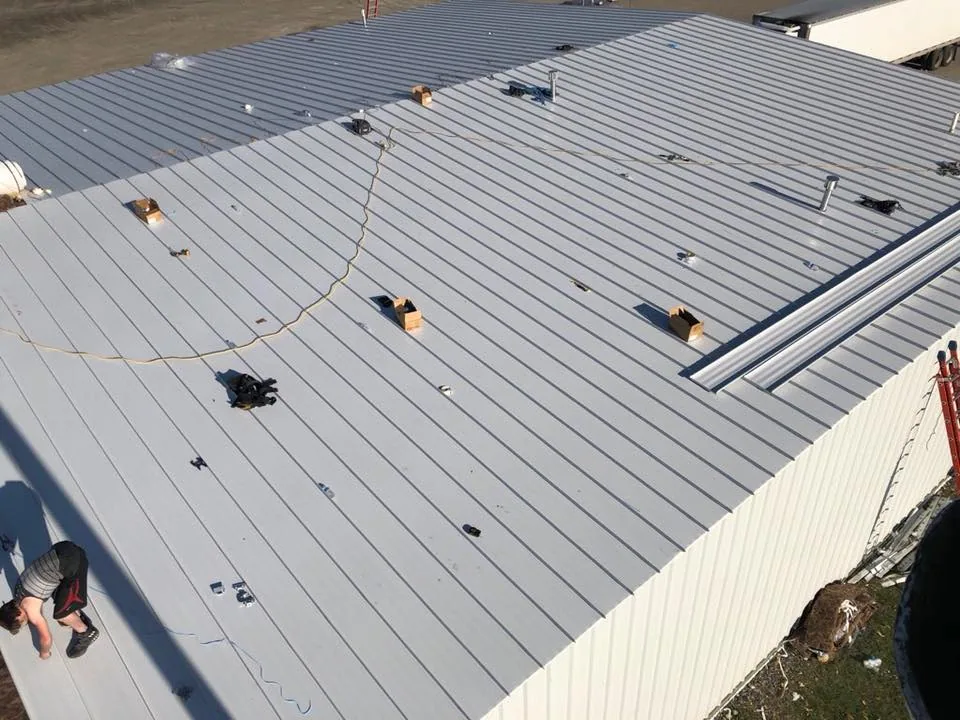
Several recurring defects can justify examining a wider assembly. Moisture, attachment and support condition influence useful retention or removal. The scope should describe the material receiving the permanent connection. A new surface cannot make unsuitable backing sound. Hospitality reroofing evaluation should identify necessary detail changes. Added insulation can alter relationships at equipment, walls and outlets. Those tasks belong alongside covering selection. The group needs building-specific findings when reviewing priorities, not an assumption transferred from another hotel's roof appearance.
Hospitality roof renewal planning can distinguish an immediate correction from wider work requiring assessment. Planned equipment or room alterations should enter that discussion. The proposed roof should receive suitable reconstruction where the changes affect it. Applicable project requirements need confirmation with the relevant authority and responsible participants. We explain intended assembly changes for review. An available room-use window must also provide enough access for the complete task. Weather or unexpected concealed condition may change the protectable daily area. The operator should understand those dependencies before its occupied-property arrangement is fixed.
Keep the completed roof usable for later service
Charlotte's 1991-2020 January normals include a 31.8 F average daily low. Cold-weather roof care should check accessible outlets where ice can obstruct runoff. We examine the actual discharge and adjoining details. Hotel discharge detail assessment can identify a collector joint needing reconstruction or an outlet requiring clearance. Water remaining after thaw may need a separate profile examination. The operator should report which approach or room becomes affected. Preparation for new roofing must suit the selected material and project conditions. The completed connection should remain reachable for later outlet inspection and care.
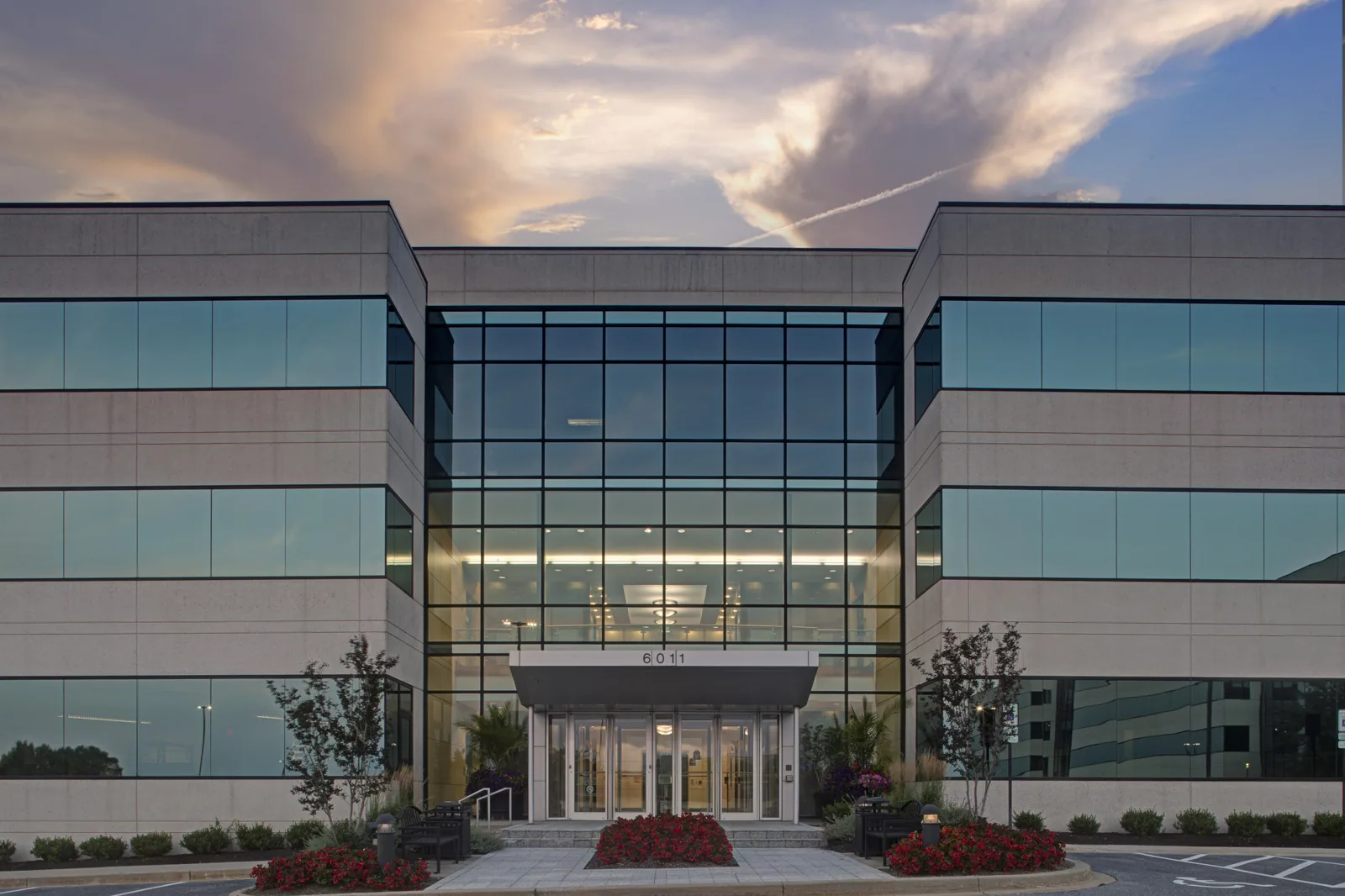
At a property in the Concord Entertainment Corridor, its actual service and guest entrances govern access. The operator should preserve useful positions for roof and outlet observation. Handoff information should identify reconstructed details and continuing equipment or interior tasks. Identify the property, room and timing when reporting new water entry. We examine the relevant condition rather than assume it repeats the previous defect. Future equipment activity should preserve the installed covering or include suitable roofing reconstruction. The group's later decisions remain more useful when the completed boundary is clear for each assessed building.
Commercial Roofing Questions
What should a hospitality group provide for repeated room moisture reports?
Identify the hotel, occupied position and useful rain or service timing. We compare those reports with accessible roof details. Water may travel through layers before reaching the room, and another system can require examination. The operator should coordinate suitable access. The corrective task should address the physical finding rather than merge several properties into one assumed roof defect.
How should guest arrival affect roofing handling positions?
Review lifting, staging and removal routes with the responsible operator. We describe the construction boundary for the proposed method. The work zone may affect space beyond the delivery vehicle. Required exits and service access need an appropriate arrangement. Weather or changed findings can alter the daily roof area, so coordination should remain usable as the task advances.
Why discuss hotel food-service equipment before roof preparation?
Exhaust residue, refrigeration lines and supports can affect the material receiving reconstruction. We inspect the accessible covering and connection. The equipment participant identifies relevant exposure and service requirements. Clearance or another component correction may be necessary. The operator should understand those tasks before permanent work proceeds around equipment concealing a roof termination.
What helps compare renewal needs across hospitality properties?
Use each building's findings on retained layers, moisture and necessary detail work. We explain the supported correction and useful further assessment. Equipment heights, room access and discharge routes can change the complete project. Planning should preserve those distinctions. Similar covering names or room complaints do not establish that every property needs the same removal boundary.
Review the hospitality property's roof condition
Arrange a Concord hospitality roof assessment. Identify the hotel, affected rooms and responsible service or access participant so we can examine the useful roof task.