Home / Roof Systems / Commercial Built-Up Roofing
Commercial Built-Up Roofing in Concord, NC
Investigate built-up roofing in Concord through its surfacing and layered assembly. We assess local defects, wet material and practical repair boundaries.
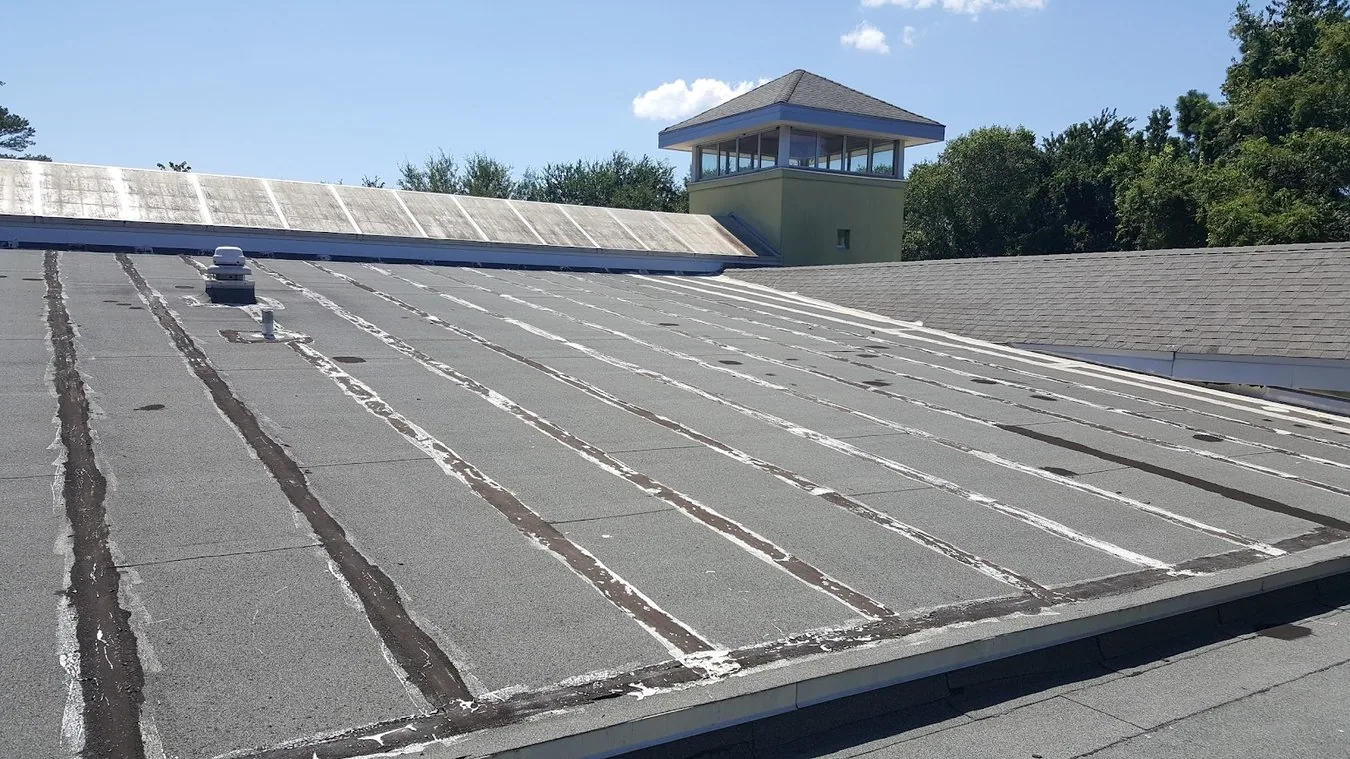
Closing a stockroom aisle for a roof leak can leave receiving work displaced. On a built-up roof, surfacing may conceal the connection that needs examination. We assess BUR assemblies in Concord, NC, with their layers in view. Reinforced plies and bituminous material form the roof's weather protection. The exposed finish is only part of that assembly. We investigate the affected area before describing a permanent correction. The repair boundary should follow suitable material beneath the visible surface.
Concord business parks offer immediate I-85 access for commercial activity. Weddington Road Corridor planning includes industrial facilities and parks. A stockroom or equipment area at one property needs its own work arrangement. We discuss the affected space and roof access with the operator. A built-up roof leak investigation can identify the necessary examination area. The complete assembly condition guides what can be repaired. A district description does not decide that physical scope.
Reach the roof beneath its surfacing
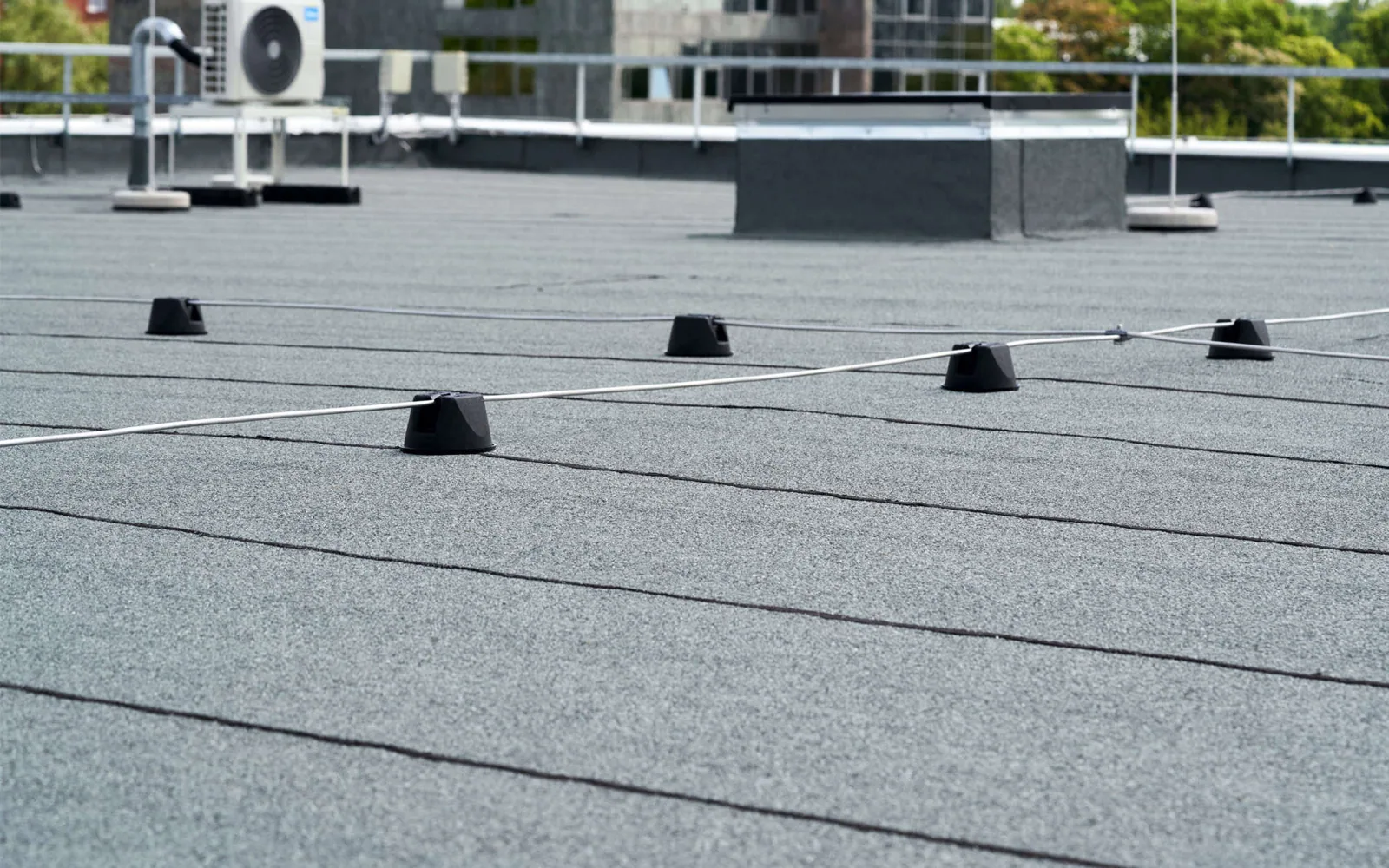
Built-up roofs can have different specified exposed finishes. Aggregate surfacing can obscure cracks, laps and other local details. Selected clearing may be needed to examine the underlying area. That work should preserve suitable surrounding material and control loose debris. We identify where closer examination is useful before disturbing the surface. The prepared area then needs an appropriate repair and restored finish. Leaving a vulnerable exposed boundary creates another task.
A coated finish presents different preparation questions from aggregate. Previous treatments may conceal deteriorated material or an old repair. We inspect those areas and review available assembly information. The selected repair must suit the actual bituminous system. A neat visible patch does not establish suitable underlying plies. We explain any necessary exposure before proposing the correction. The owner should know why surface clearing or removal is included. It provides access to the physical connection requiring work.
Restore the affected layered connection
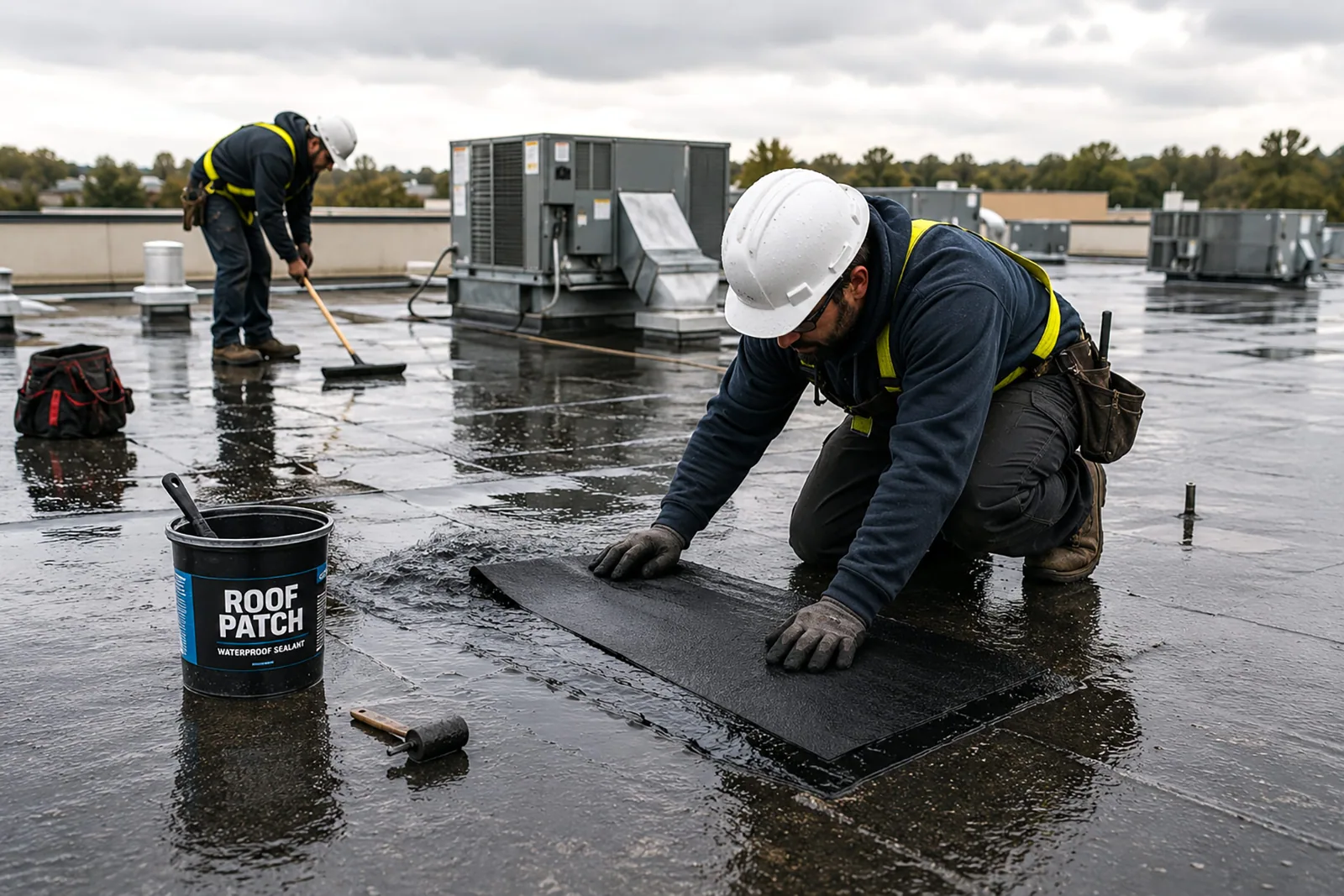
A BUR repair needs to address its reinforced layers appropriately. The existing plies and bituminous material require compatible preparation and components. A localized opening may involve more than the exposed top layer. We examine the accessible condition before defining removal and reconstruction. The chosen method follows the specified assembly requirements. It should provide a suitable transition onto retained roofing. That transition is part of the repair, not a separate cosmetic finish.
Cracks or splits can extend through the reinforced assembly. We assess their extent and the condition of adjacent material. Repeated surface treatment may leave unsuitable layers beneath it. A layered roof correction should describe the affected boundary and necessary preparation. Some areas require more removal than initially visible. We explain that scope through the observed condition. The completed repair needs appropriate surfacing as well as suitable plies. Compatible reconstruction should follow the whole affected connection.
Assess blisters before disturbing them
A raised blister can indicate separation within the roof assembly. Its condition needs examination before cutting or applying another layer. The useful response depends on the affected material and exposure. Some areas require further investigation to establish the underlying condition. Opening a serviceable surface unnecessarily can create another water-entry boundary. We assess the accessible feature and explain the proposed task. The decision should follow evidence rather than appearance alone.
Movement at walls or equipment can also stress a layered detail. Loose backing or an unsuitable transition may need physical reconstruction. We examine those connections alongside the roof field. A patch over a stressed boundary can leave its cause unchanged. The proposed correction should address support and compatible flashing together. We identify any necessary equipment access with the responsible trade. A raised area and a failed curb may require different responses. Each finding needs a specific roofing task rather than the same general surface treatment.
Define removal from the concealed condition
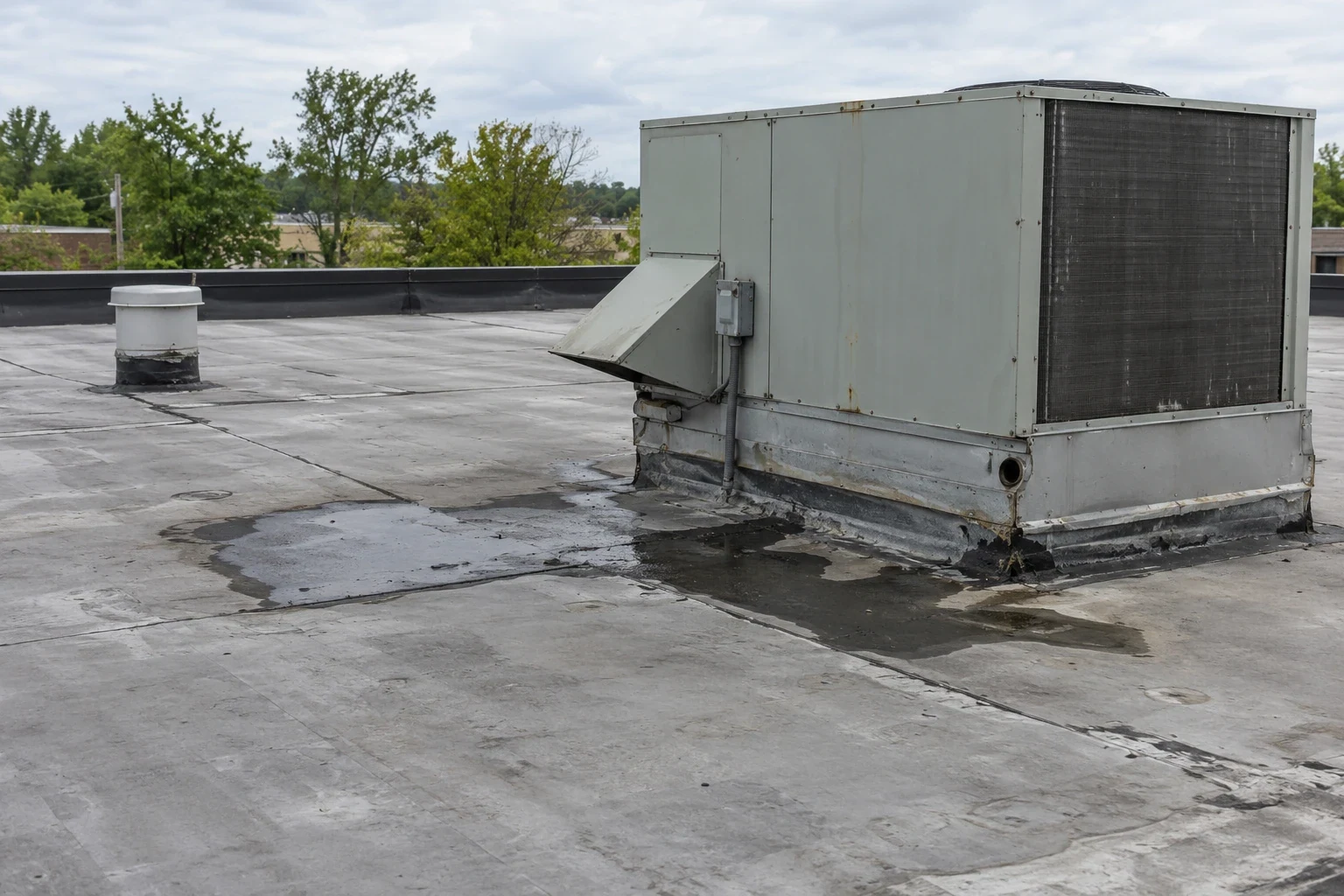
Water can remain in insulation beneath apparently intact roofing. Its extent requires investigation appropriate to the assembly. We distinguish suspected areas from material actually examined. Selected openings may provide information about layers and support. Those openings need suitable repair afterward. The proposal should identify necessary removal and any remaining uncertainty. A new surface over wet insulation retains an unresolved condition. Correcting water entry and replacing unsuitable material are connected tasks.
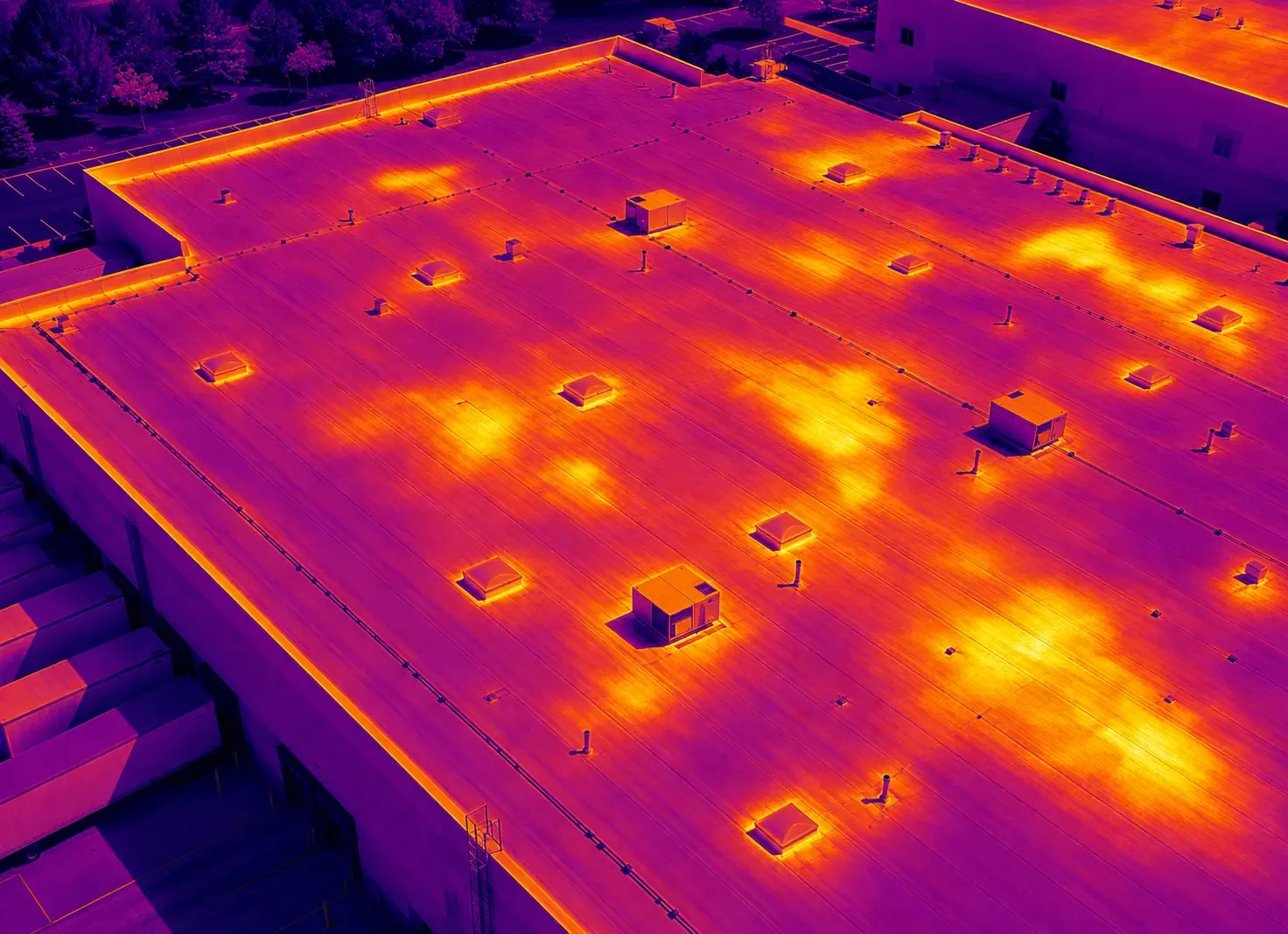
An infrared investigation with selected verification may help under suitable conditions. Temperature patterns require interpretation alongside the roof layout and finish. Aggregate or other features can complicate what is observed. We explain the useful limits of the proposed survey. Physical examination at selected points helps support the assembly decision. Broad replacement may be necessary where deterioration extends beyond local repair. The owner should understand that boundary before comparing roof options. Concealed condition is a scope driver, not a reason to assume every layer failed.
Keep the layered detail connected to drainage
A drain connection needs suitable preparation through the roofing layers. Loose aggregate should not obstruct its strainer or discharge path. We inspect the accessible outlet and adjacent roof material. Deteriorated support may require replacement before reconstructing the connection. Retained water nearby needs a separate slope assessment. A repaired drain detail cannot correct a depressed surface by itself. We identify those related tasks so they are not combined into one unexplained patch.
Cabarrus County's warm-season thunderstorms make debris and water movement practical concerns. The operator can report recurring backup or interior timing during rain. We assess that information with the accessible roof condition. The selected correction should address a usable outlet route. A modified bitumen assembly uses different specified sheets and connections. A silicone restoration approach also requires a suitable base and corrected drainage. We compare those possibilities through their complete requirements. Neither option should conceal an unresolved wet area beneath a changed finish.
Arrange application and material handling
Built-up reconstruction can involve different approved application methods and materials. The proposed assembly determines the suitable installation approach. Heated material, adhesives and removed surfacing need appropriate handling controls. We discuss the method and affected space with the operator. Equipment intakes, entrances and roof access can influence the arrangement. The work area also needs suitable temporary protection while reconstruction advances. The sequence should remain practical for both installation and occupied use.
For a property in the Weddington Road Corridor, staging depends on its actual access. We identify where material can be handled without conflicting with agreed routes. Structural questions around storage loads require appropriate professional review. The owner should know those dependencies before deliveries begin. A roof capital assessment can compare the necessary local work with broader replacement. The comparison should include removal, assembly correction and occupied-space arrangements. Completed areas need suitable connections with any retained roof. The final scope should leave those boundaries clear.
Commercial Roofing Questions
Why might aggregate need clearing before a built-up roof repair?
The surfacing can conceal the affected plies and connection. Selected clearing provides access for appropriate examination and preparation. We define that area before disturbing suitable surrounding material. The completed correction also needs its specified finish restored. The scope should explain both access to the defect and the work needed to leave a suitable exposed surface afterward.
Should every blister be opened during a BUR inspection?
Its condition and effect on the assembly need assessment first. Unnecessary cutting can create another repair boundary. Some features warrant further investigation, while others may need observation or a different response. We explain the supported next task for the particular area. The decision should consider the material and exposure rather than assume every raised feature receives identical work.
Can a leak repair be limited to the uppermost ply?
The affected layers need examination before that boundary is selected. A split or deteriorated connection can extend beneath the visible surface. The repair may require compatible reconstruction through more of the assembly. Wet insulation can add another removal task. We explain those findings so the owner understands which materials are corrected and which suitable layers remain.
What changes the choice between local BUR repair and replacement?
Widespread deterioration, wet material and unsuitable support can enlarge the task beyond a local correction. Existing attachment and connection condition also matter. We assess those factors with the available examination evidence. The comparison should include complete preparation, removal and reconstruction. The owner can then evaluate workable scopes rather than compare only the visible repaired surface area.
Investigate beneath the BUR finish
Arrange a Concord built-up roof assessment. Describe the affected storage or occupied area and any raised or split roofing so we can define the examination boundary.