Roof Systems
Compare membrane, metal and coating systems for commercial roofs in Concord. Match repair and replacement decisions to the assembly and drainage.
A roof system is more than the visible sheet. The deck, insulation, attachment, membrane and edge details work together to manage water and movement. A repair that ignores one layer can leave the original failure in place. We identify the covering and examine how seams, curbs and drains connect before recommending a method.
Hot summers and warm-season thunderstorms in Cabarrus County put attention on drainage and exposed details. That local weather context does not tell us what any individual roof contains. We inspect the building and document the condition. A hands-on roof inspection connects the system choice to observed materials.

Commercial TPO Roofing
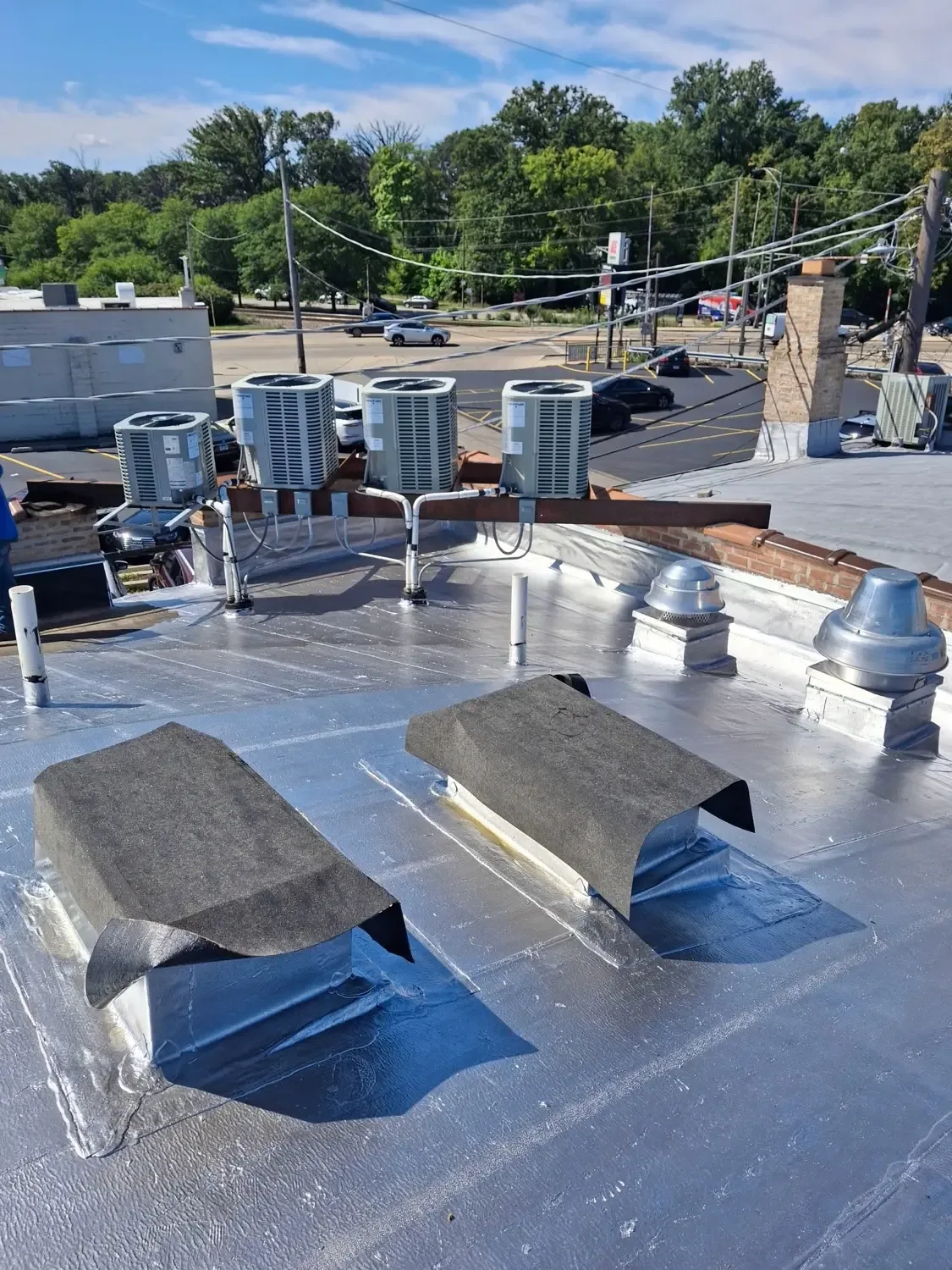
Assess TPO roofing in Concord with welded seams, attachment and equipment details in view. We explain repair and replacement choices for the actual assembly.
Commercial PVC Roofing
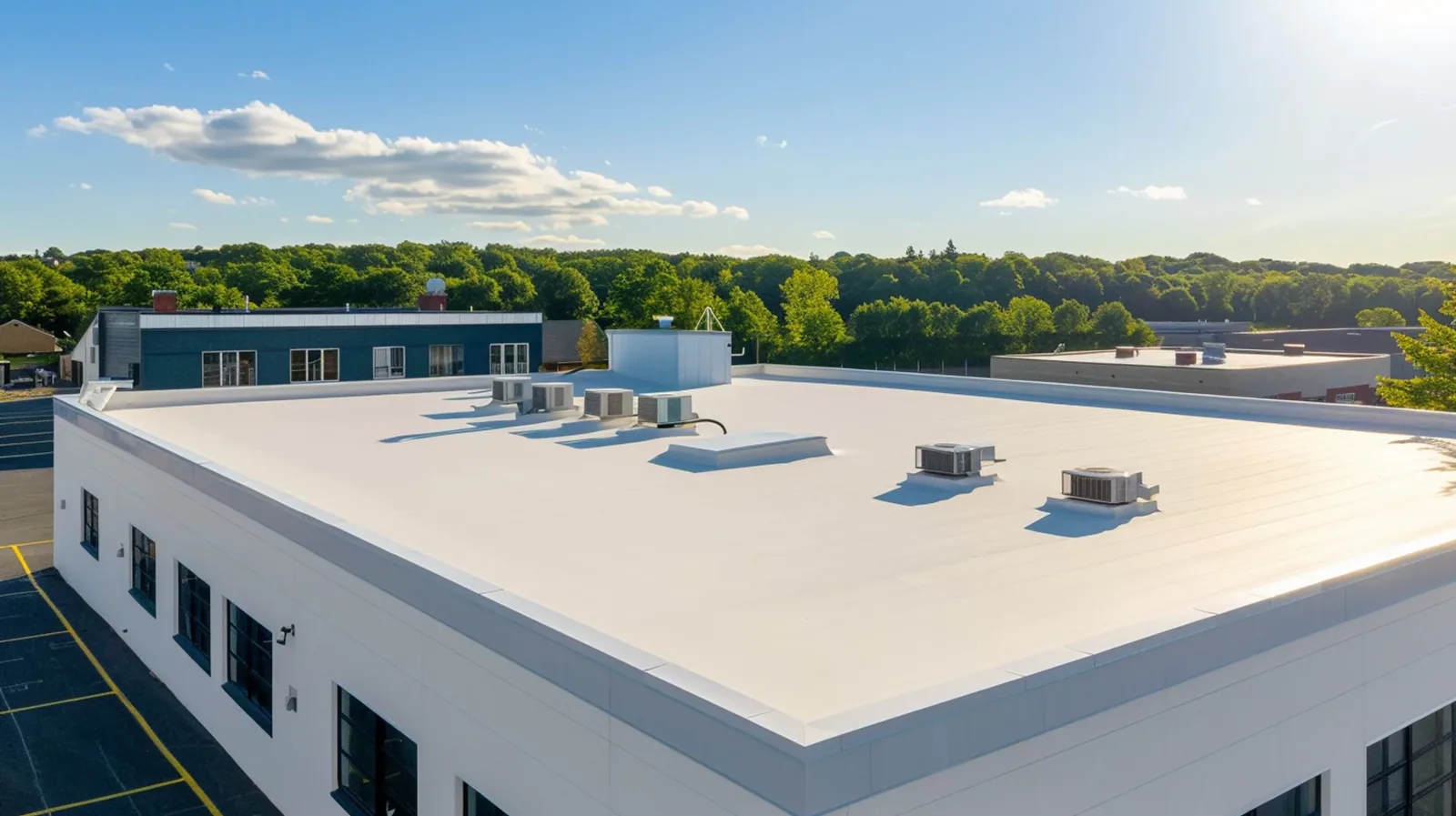
Evaluate PVC roofing in Concord around exhaust equipment, welded connections and retained layers. We define compatible repair and installation requirements.
Commercial EPDM Roofing
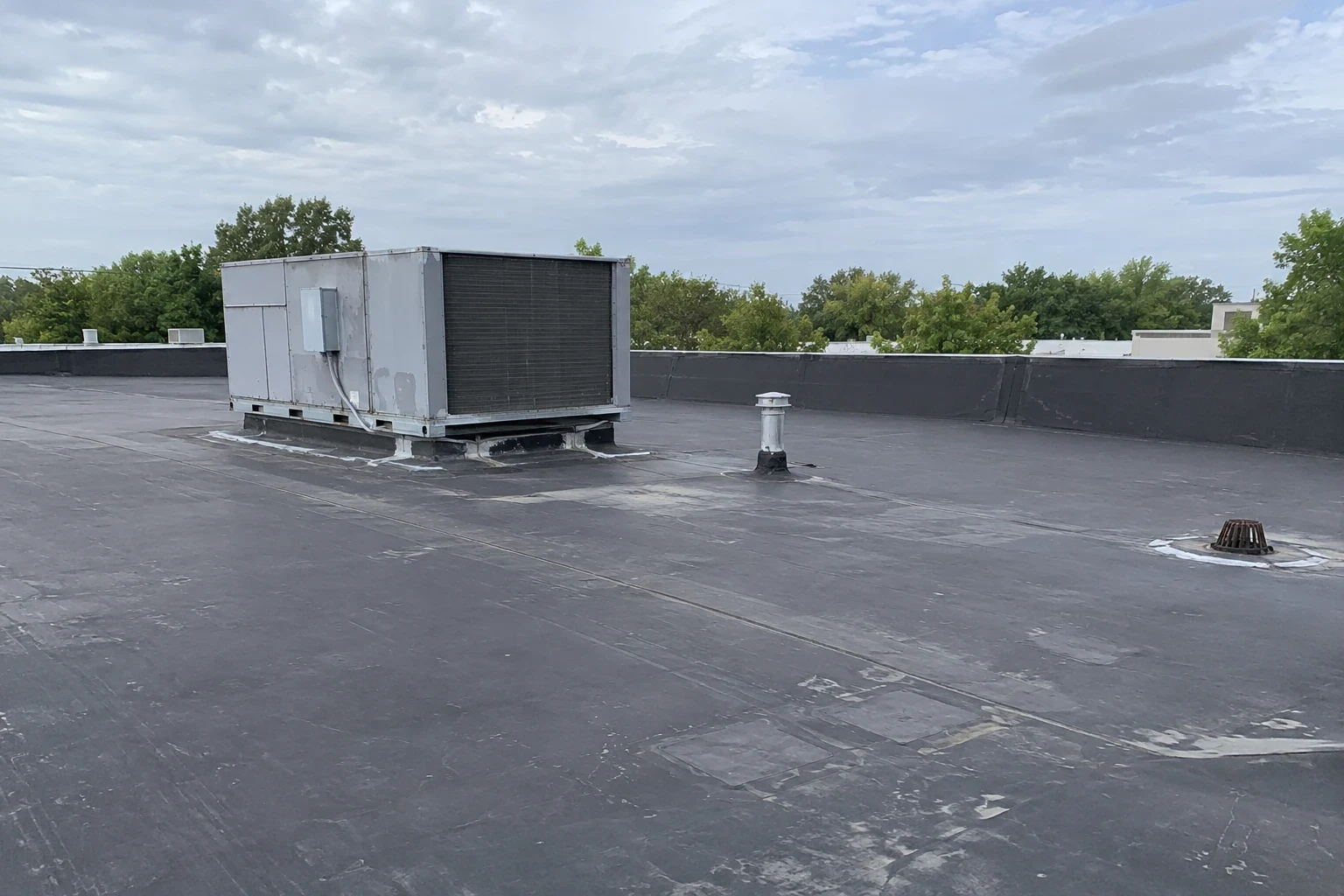
Inspect EPDM roof connections in Concord before choosing repair or replacement. We assess bonded seams, termination movement and the underlying material.
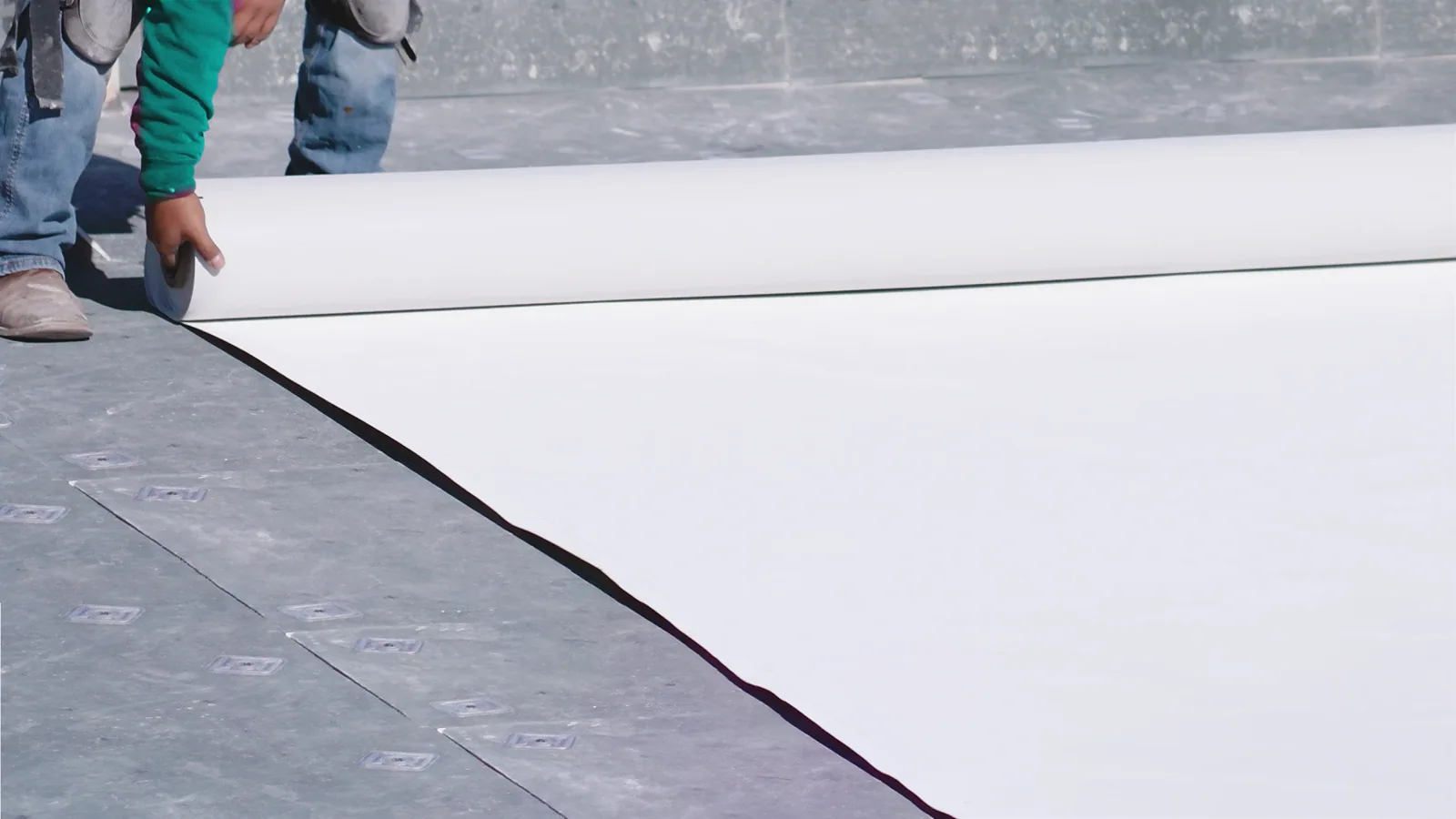
Commercial KEE and PVC-Alloy Roofing
Assess KEE and PVC-alloy roofing in Concord with product identification, seam preparation and complete details. We define compatible work for the assembly.
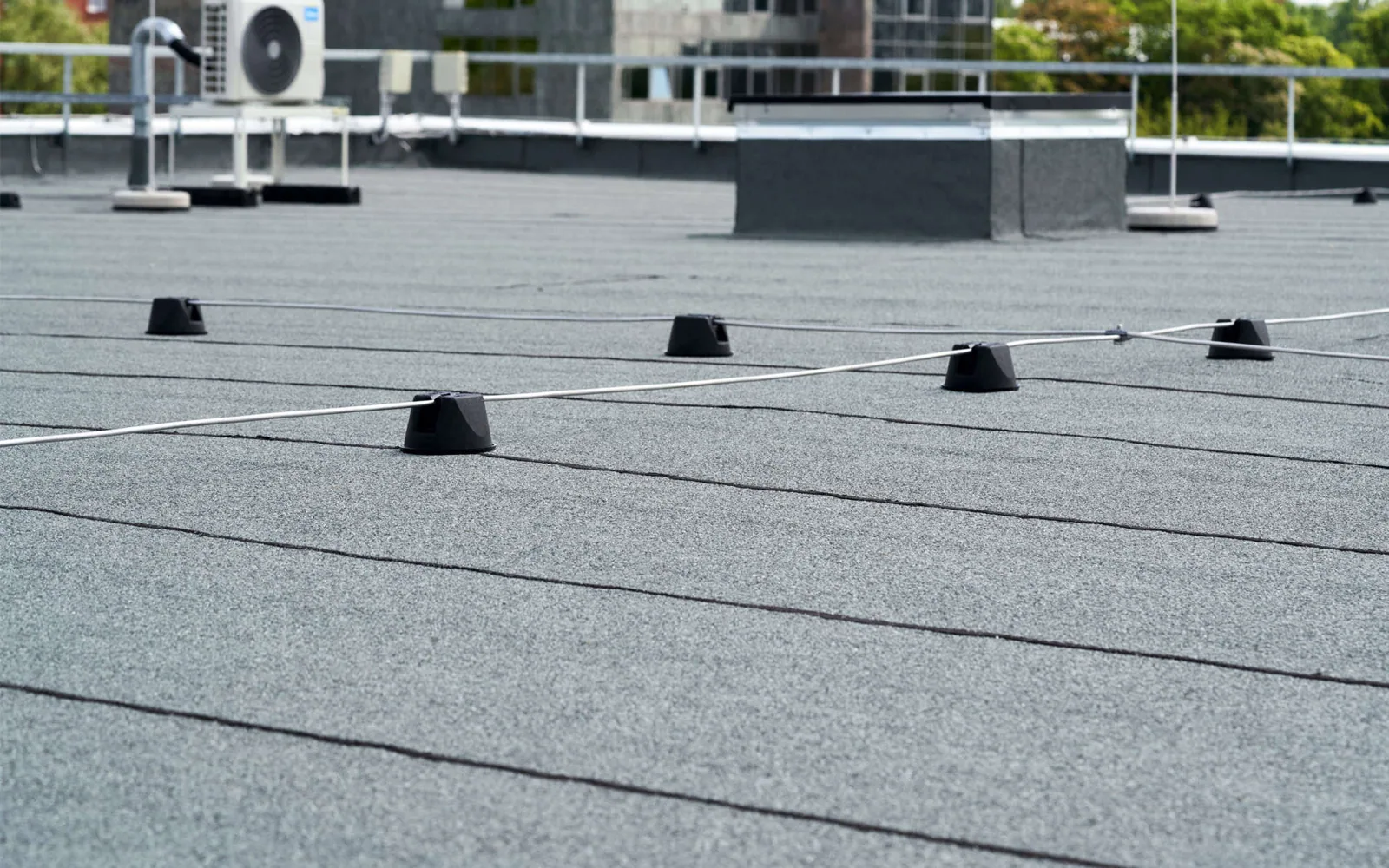
Commercial Modified Bitumen Roofing
Assess SBS and APP modified bitumen roofing in Concord. We examine laps, surfacing and installation methods before defining work above occupied space.
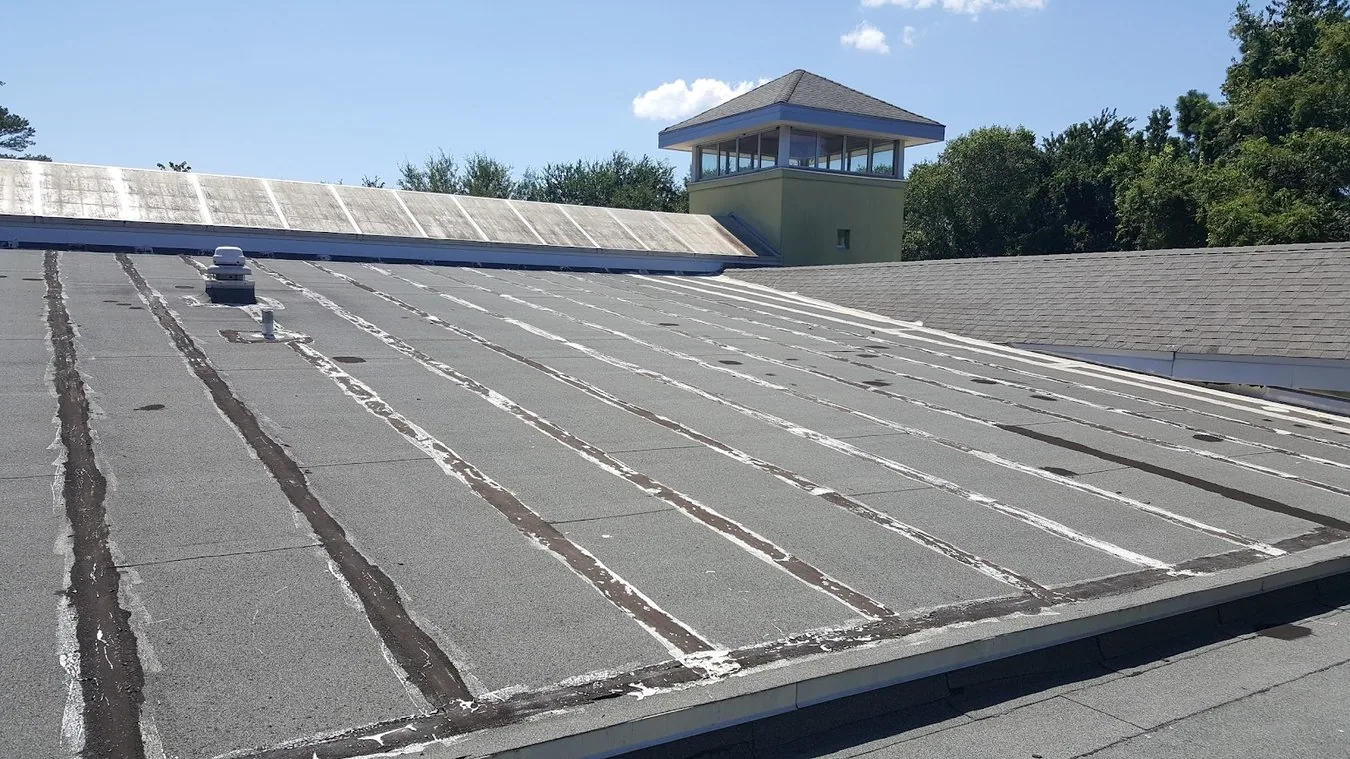
Commercial Built-Up Roofing
Investigate built-up roofing in Concord through its surfacing and layered assembly. We assess local defects, wet material and practical repair boundaries.
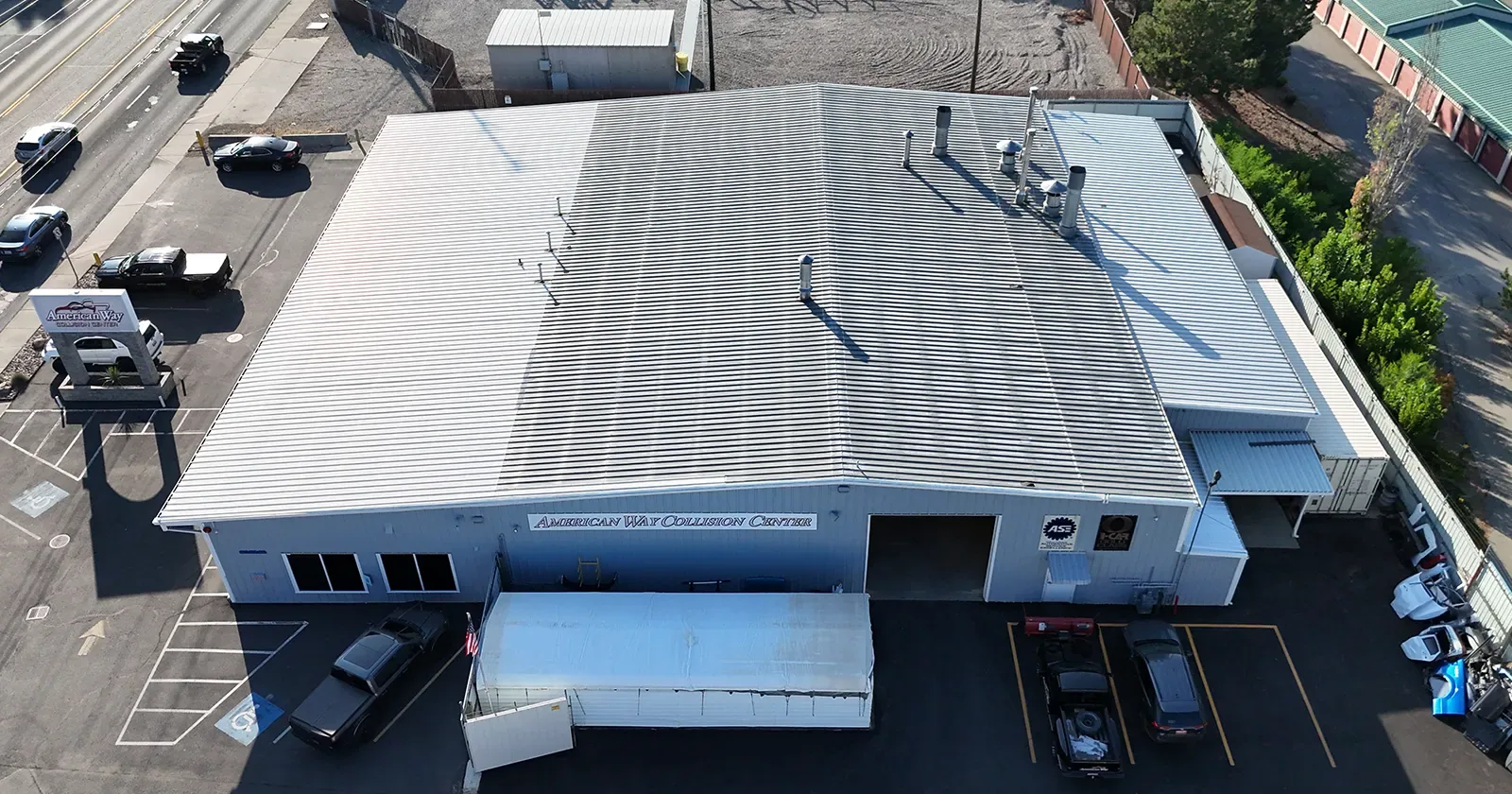
Commercial Standing Seam Metal Roofing
Assess standing seam metal roofing in Concord with clips, panel movement and penetrations in view. We define suitable repairs and complete replacement details.
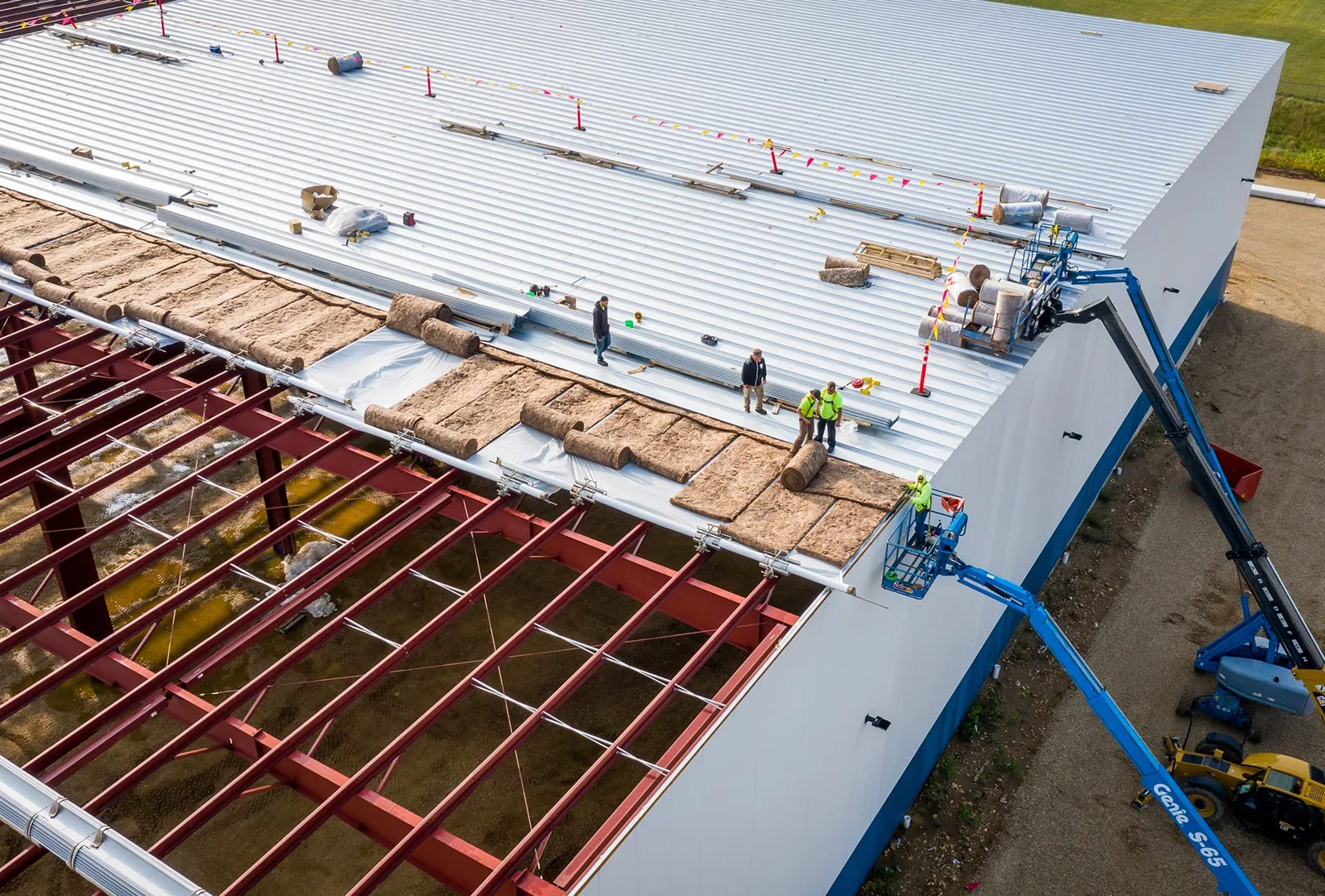
Commercial Metal Roof Retrofit
Compare metal roof restoration and retrofit in Concord. We examine panel condition, fasteners, drainage and assembly requirements before defining retention.
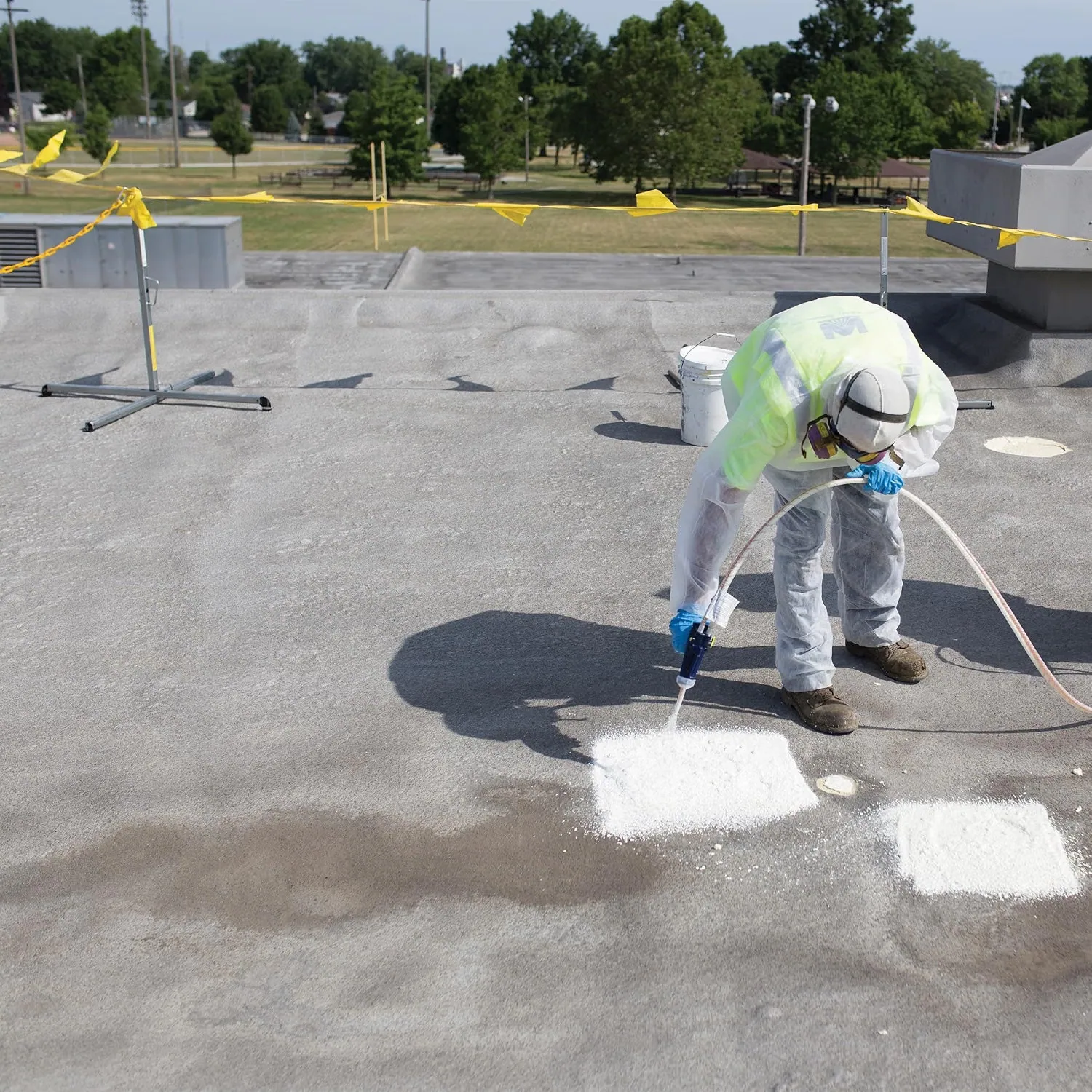
Commercial Spray Polyurethane Foam Roofing
Assess spray foam roofing in Concord with substrate preparation, protective coating and drainage in view. We plan application and repairs around occupied space.
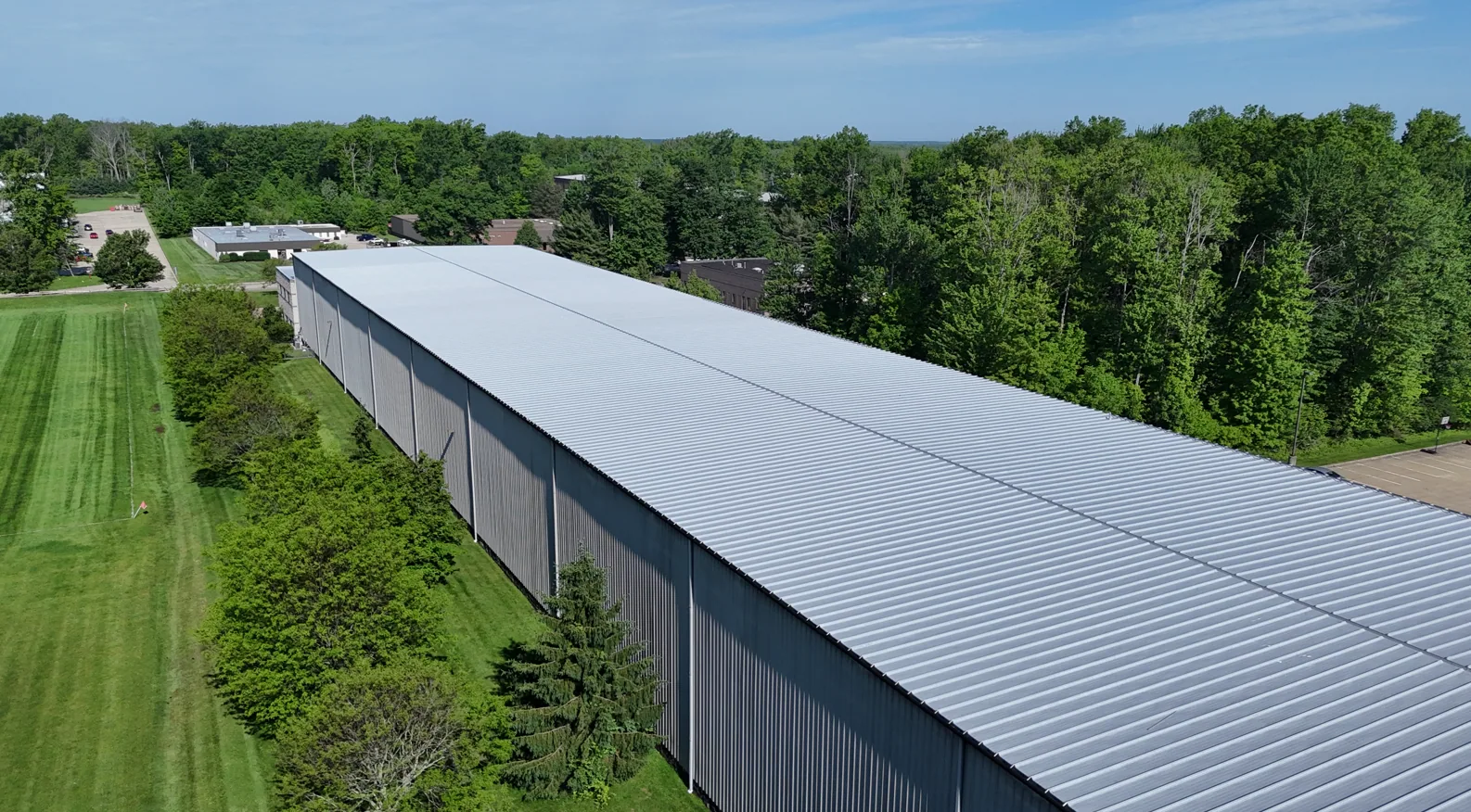
Commercial Silicone Roof Coatings
Evaluate silicone coatings in Concord through adhesion and repair needs. We assess drainage limits and protect application around occupied use.
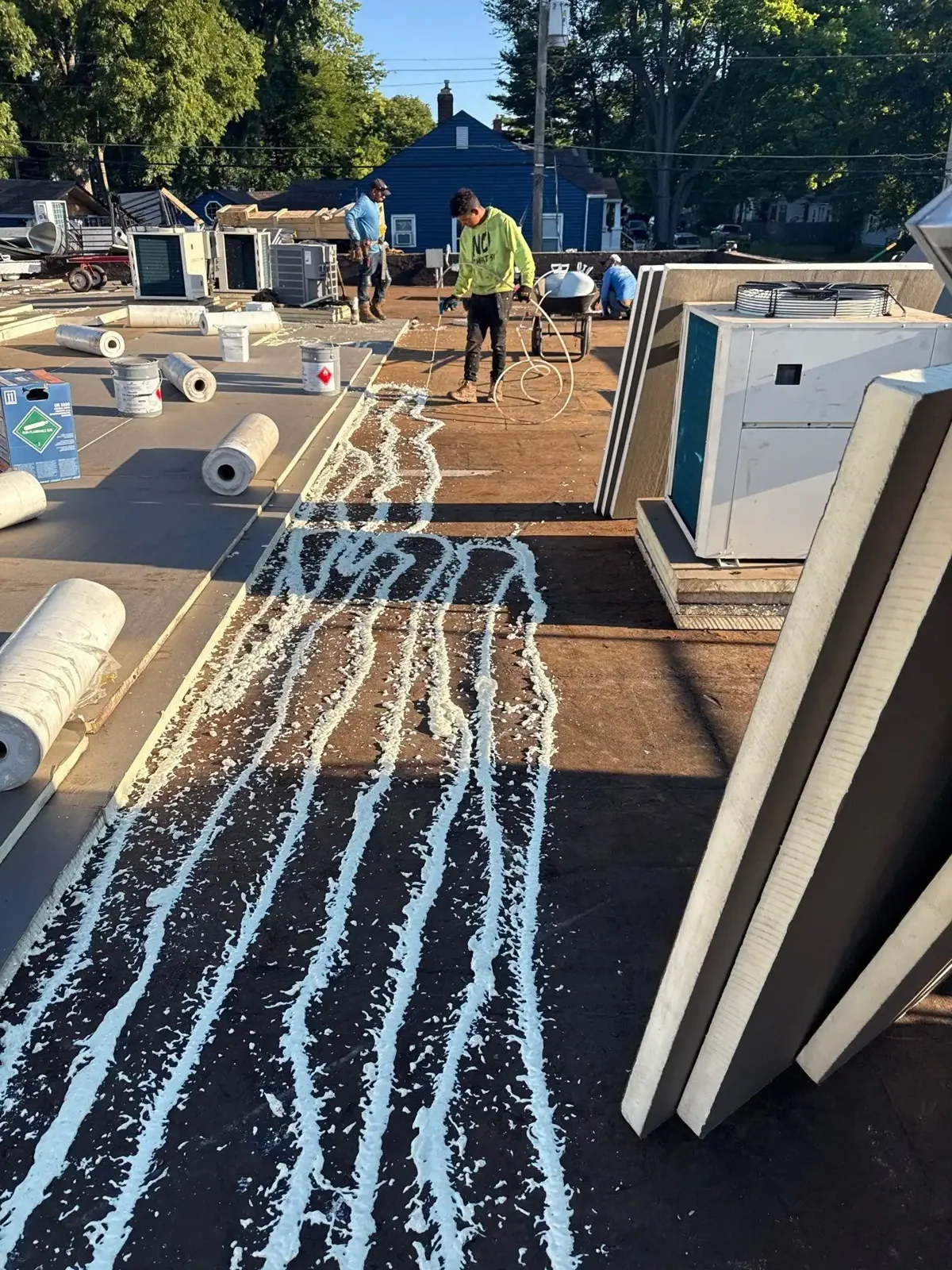
Commercial Acrylic Roof Coatings
Plan acrylic roof coating work in Concord with dry preparation, drainage and curing conditions in view. We assess the retained roof before application.
Compare membrane options
Thermoplastic sheets such as TPO and PVC use welded seams. EPDM uses different adhesives, tapes and flashing components. Modified bitumen and built-up roofs rely on asphaltic layers and reinforcement. Each system has its own repair preparation and transition details.
A membrane name alone does not determine whether a repair will hold. Surface condition, previous patches, moisture and attachment all matter. We assess TPO roof seams, PVC flashings or EPDM connections according to the assembly present. That avoids applying an incompatible patch to a sound roof.
Check the details that admit water
Leaks often develop where the field membrane meets a curb, wall, drain or edge. A seam can separate under movement. Metal termination can loosen. A drain bowl can lose its tie-in or become obstructed. We inspect the detail and adjoining area instead of sealing only the visible opening.
Metal roofs need attention at fasteners, laps, penetrations and transitions. A retrofit can add a new roof layer only when structure, drainage and existing conditions support it. Our standing-seam metal assessment checks those connections. A separate metal retrofit review identifies what would need to change.
Understand coatings and recoveries
A coating renews a suitable surface; it does not rebuild every roof assembly. We look for adhesion, dry support, drainage and sound flashing before considering silicone or acrylic. Existing coatings can change preparation and compatibility. Ponding or wet insulation may require work below the surface.
A recover also needs a sound base. Saturated material, unstable attachment or concealed deterioration can rule it out. We compare a recover with removal and replacement after documenting the limits. A coating restoration review should explain surface preparation, reinforcement and details that remain outside the coating field.
Plan for the building below
System selection includes the operation underneath. A warehouse may need clear staging lanes. A medical or retail building may require protected entrances and predictable access. Rooftop equipment can restrict the work area or create new flashing points. We plan around those conditions before selecting a material or schedule.
Concord's business parks include speculative buildings, and the Entertainment Corridor contains retail, hotels and dealerships. Those descriptions help us think about operating needs, not presume roof construction. For each project, we document the existing assembly and provide options. Owners can compare the repair boundary, replacement scope and planned maintenance.
Choose the next step
A useful system decision answers three questions: what is failing, what material remains serviceable and what should happen next. Photographs and a written report make that reasoning easier to review with asset managers and contractors. When the roof is actively leaking, protection and tracing come first.
For a membrane failure, a leak investigation and repair can define the urgent work. For recurring concerns, schedule a maintenance visit that checks seams, drains and penetrations. The recommendation should fit the roof that is actually there.
Commercial Roofing Questions
Can two roofs with the same membrane need different repairs?
Yes. Attachment, age, previous repairs, substrate and moisture differ. We inspect each assembly and its transitions before setting a repair scope.
Does a coating stop every leak?
No. It cannot repair concealed wet insulation or every failed flashing. We check support, adhesion and drainage to determine whether a coating belongs in the options.
How do you identify the existing system?
We review visible seams, surface, edge details and accessible records, then inspect representative areas. Color alone is not enough to select a compatible material.
When is a recover worth considering?
A recover may suit a stable, dry assembly with compatible attachment and drainage. If concealed moisture or unstable layers exist, removal may be necessary.
Review the roof assembly
Share the system if known, the roof symptom and what the building must keep operating.