Home / Roof Systems / Commercial Acrylic Roof Coatings
Commercial Acrylic Roof Coatings in Concord, NC
Plan acrylic roof coating work in Concord with dry preparation, drainage and curing conditions in view. We assess the retained roof before application.
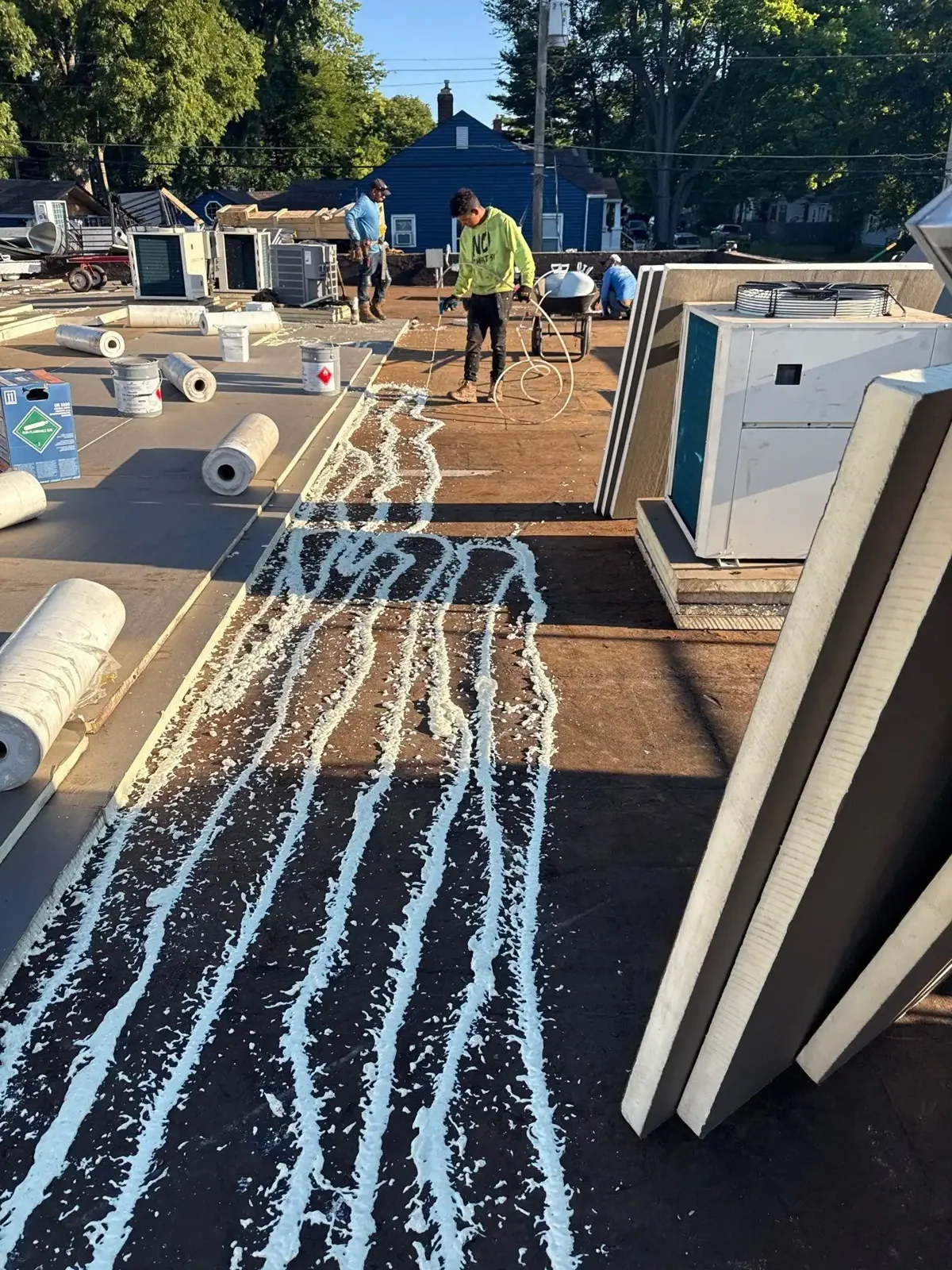
A tenant entrance needs a practical arrangement while roof preparation takes place above it. An acrylic restoration also needs suitable weather beyond the access window. We assess acrylic roof coatings in Concord, NC. The prepared surface and curing conditions determine whether application can proceed appropriately. Necessary repairs should be completed before the finish covers their boundaries. We examine the retained assembly and proposed method together. The coating task needs a suitable base, not merely a convenient day on the calendar.
Church Street Corridor has commercial businesses near surrounding residential neighborhoods. Downtown Concord planning also addresses commercial redevelopment and physical improvements. At an occupied property, neighboring activity can constrain application and staging. We establish those conditions with the operator at the building involved. A roof restoration assessment identifies the retained material and necessary preparation. The physical scope guides the work arrangement. It should remain distinct from any unresolved equipment or adjacent building task.
Allow the finish a suitable curing window
Acrylic roof products have specified temperature, moisture and curing requirements. Their application needs review of actual conditions as well as the forecast. A dry-looking surface may still need further preparation or time. Rain before suitable curing can impair the installed finish. We follow the selected product's requirements when planning the work area. If those conditions are unavailable, the application window needs adjustment. The operator should know that practical dependency before scheduling nearby service activity.
In Cabarrus County, summer thunderstorms and occasional winter ice or snow can affect exposed work. Those conditions matter differently to preparation and curing. We assess the actual season and daily conditions for the proposed system. A broad local climate description cannot select a suitable application day. The work boundary should remain practical if weather changes. We discuss the needed adjustment rather than force application into an unsuitable window. The finish needs time and conditions appropriate to its formulation. Access convenience cannot replace that installation requirement.
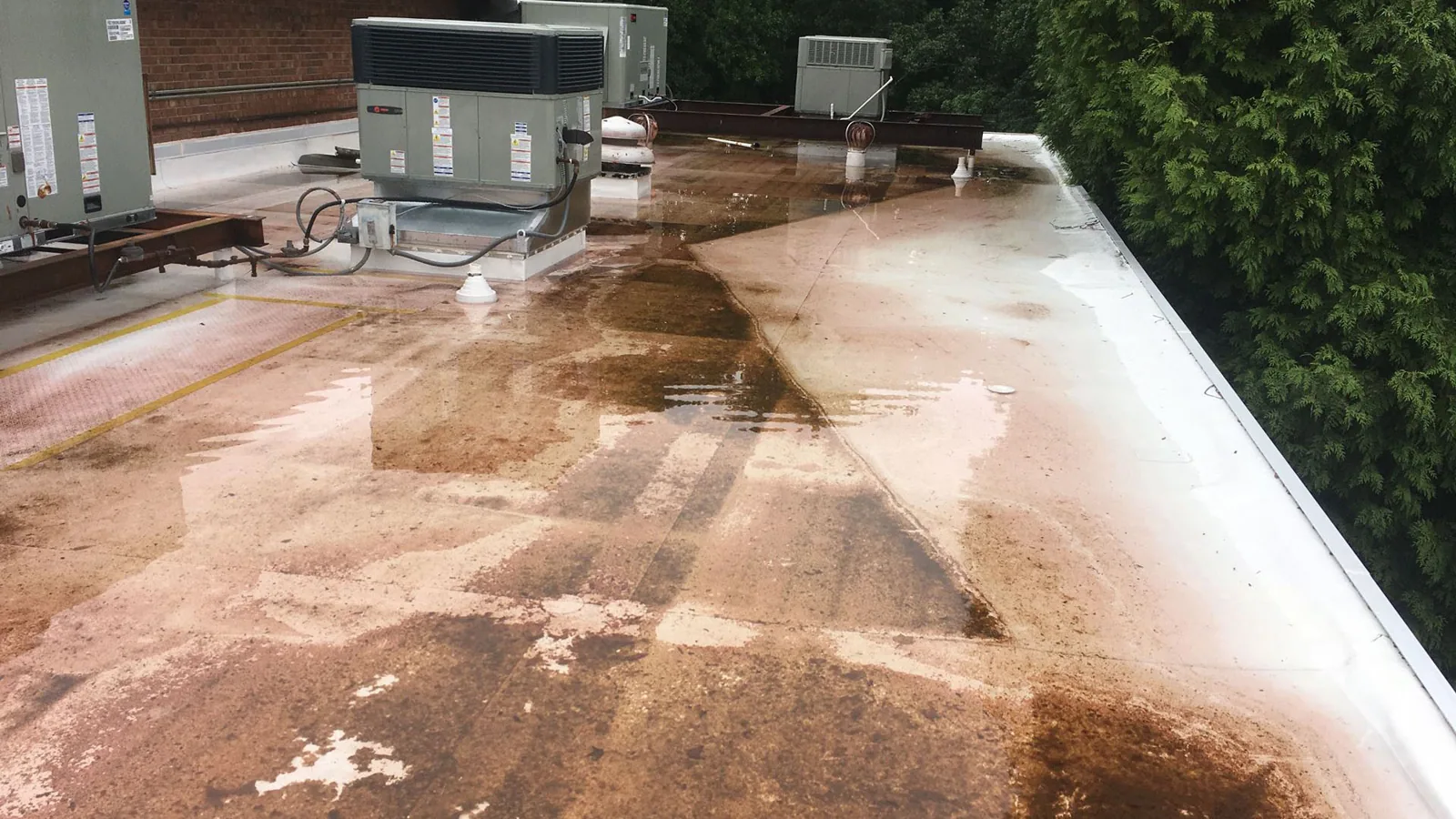
Correct water collection before application
Persistent ponding needs evaluation before selecting an acrylic system. The chosen product's exposure limits must suit the roof's corrected condition. A coating does not change a depressed surface or blocked outlet. We examine the route from collected water to its discharge point. Cleaning may resolve debris, while unsuitable slope needs another response. The proposal should distinguish those tasks from coating application. Suitable drainage helps establish whether the intended restoration approach is practical.
A persistent water correction may require changes within the roof assembly. Outlet or piping work can need separate professional participation. We identify those questions during the examination. A repaired surface connection leaves a downstream restriction unresolved when it remains. The owner should know the necessary next task. Drainage access also needs to remain usable after restoration. Equipment and service debris can change that route later. The renewed finish remains part of a roof requiring continued outlet care.
Make adhesion part of the physical scope
The coating needs a suitable prepared connection with the existing surface. Cleaning, removal and priming follow the particular acrylic system's requirements. The retained material and previous treatments need identification first. Loose finish or contamination can prevent suitable adhesion. We assess those areas before selecting preparation. An appropriate adhesion check may help evaluate the proposed base. Failed preparation needs reassessment before application advances into more of the roof.
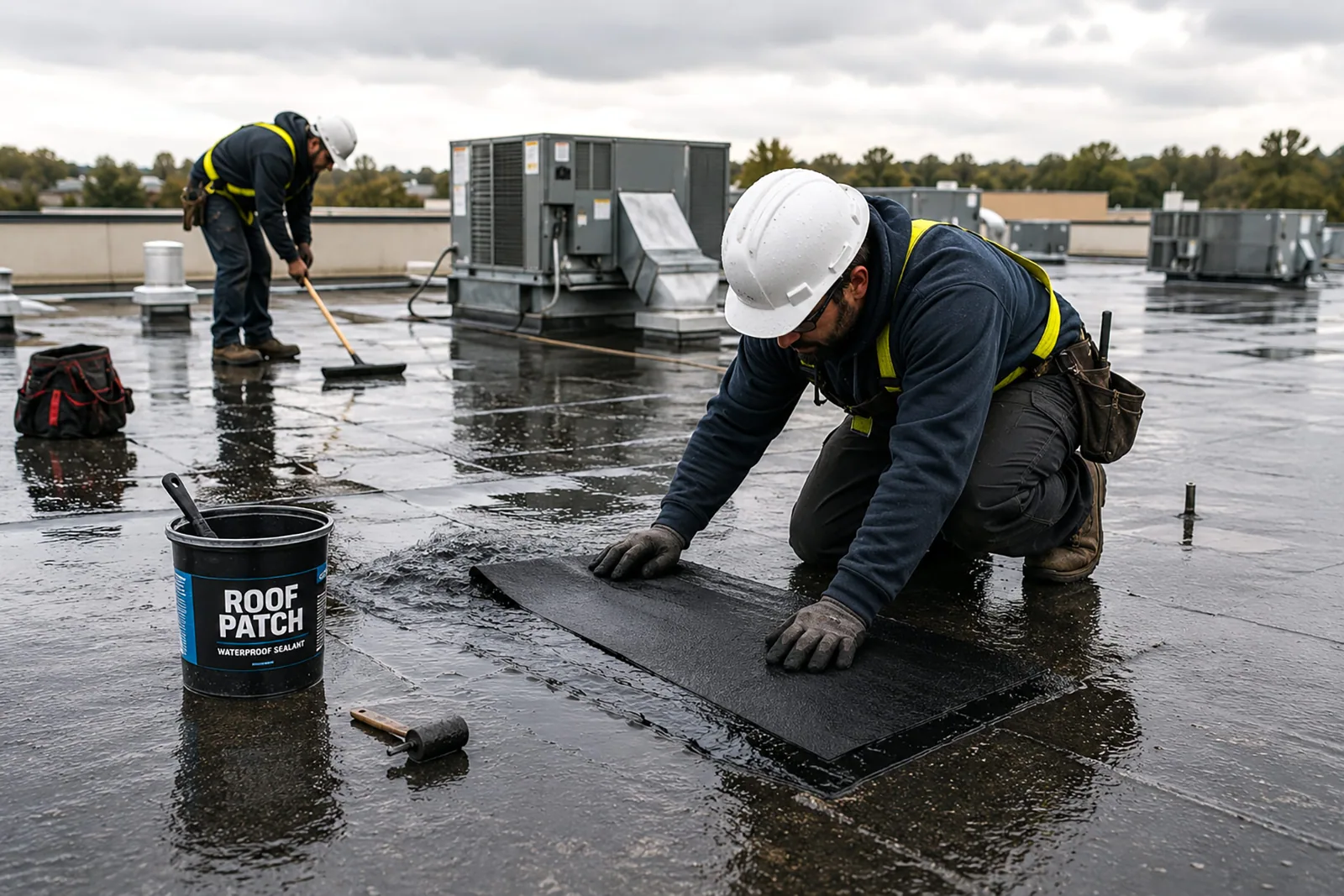
Underlying wet or deteriorated material needs a different correction. Cleaning its exposed finish does not restore the assembly beneath it. We identify removal or reconstruction required before retention is useful. Roof repair ahead of restoration should address suitable surrounding material and support. The owner should see that task separately from the coating layers. A proposal omitting necessary physical correction has a different scope. We explain where the work boundary extends beyond visible finish deterioration. The prepared assembly must be suitable for the intended application.
Treat the details and roof field completely
Some acrylic restoration systems specify reinforcement at seams and transitions. The connection beneath that treatment still needs suitable physical condition. We examine corners, wall flashings and penetrations before application. Loose backing or inadequate termination may require reconstruction first. Reinforcing components should follow the selected system's method. Their shape and preparation matter at crowded details. We identify access needs where equipment prevents the complete connection from being reached.
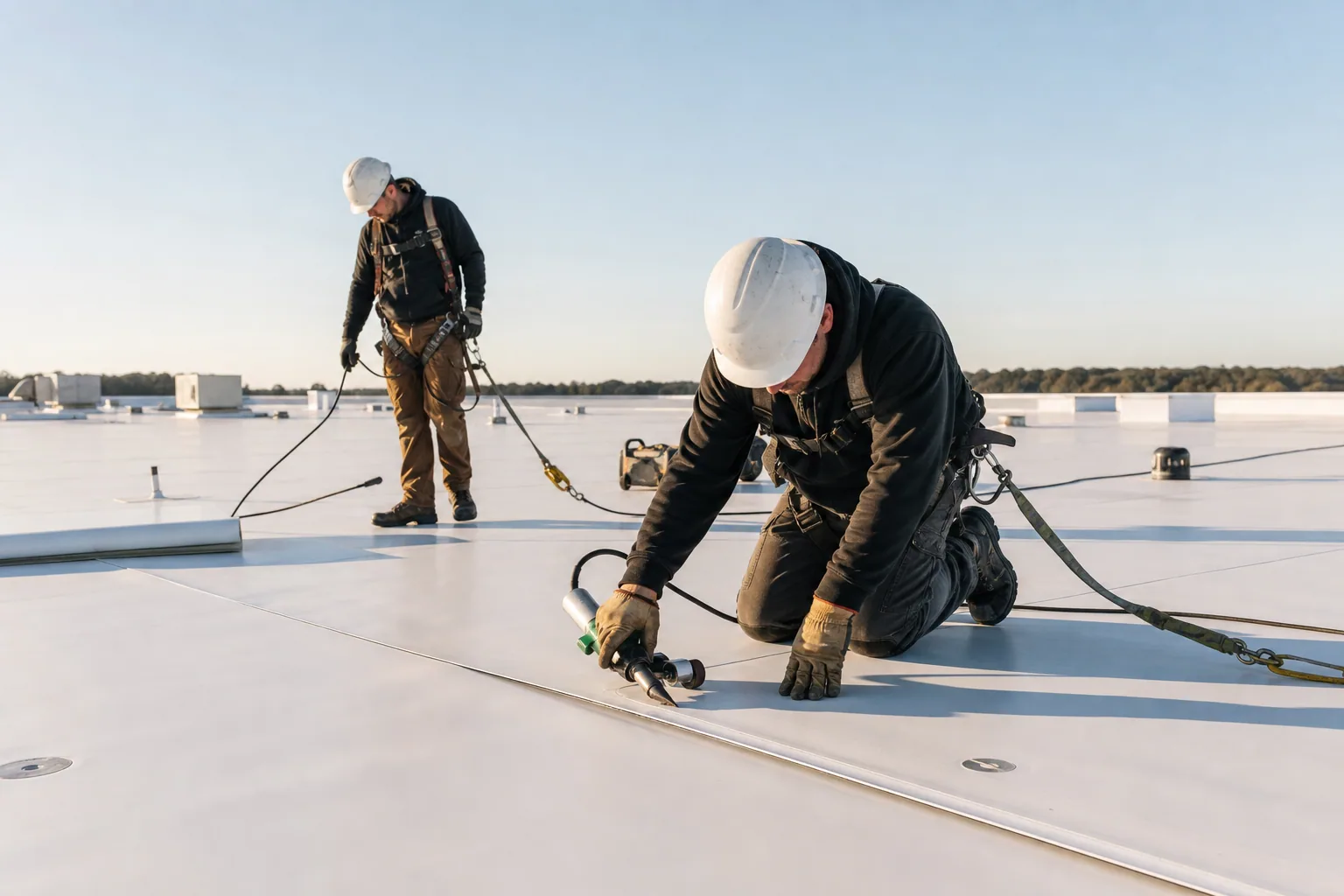
Application coverage and thickness need appropriate control across the prepared surface. Multiple coats may be specified for the selected method. Their sequence and curing conditions need to follow those requirements. Rough material or congested details can complicate uniform coverage. We examine the work as appropriate during application and afterward. A generally uniform color alone does not establish suitable thickness everywhere. The proposal should describe the complete system being installed. The owner can then compare preparation, reinforcement and finish rather than an unexplained coat quantity.
Compare the approach with the roof condition
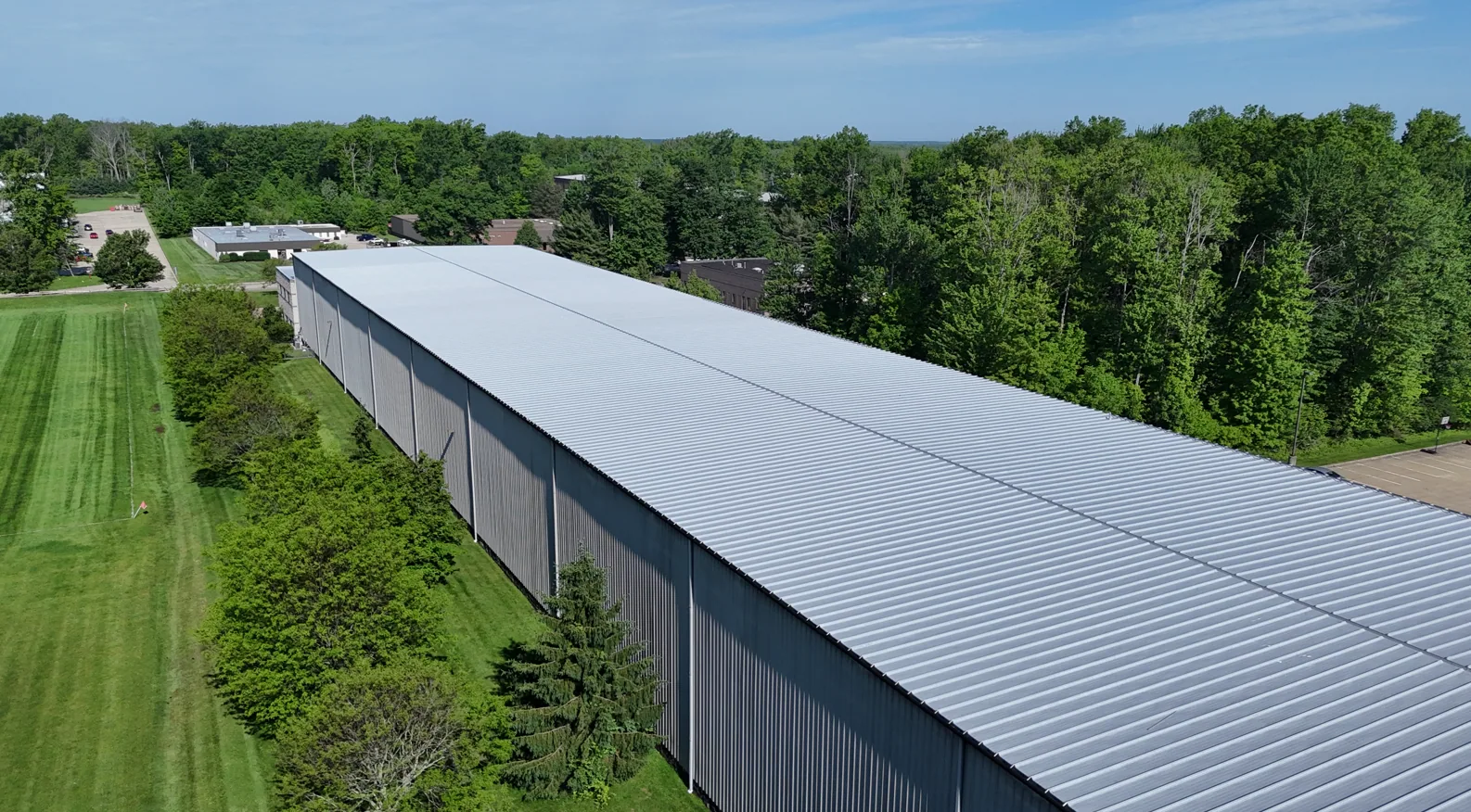
A silicone coating option has different application and exposure requirements. A metal roof retrofit may involve another assembly rather than surface restoration. We compare those approaches through the actual base and intended work. They should not be selected solely from a finish sample. Each option needs its necessary physical corrections identified. The owner should understand what the proposal retains and reconstructs. Unsuitable underlying material can limit the restoration approach altogether.
Broader roof removal may be useful where deterioration extends beyond workable local corrections. Investigation can help establish that condition at selected areas. The examination also has limits where material remains inaccessible. We identify a useful next action for those questions. The comparison should include the complete preparation and detail work. Equipment coordination and drainage changes can affect the practical sequence. A coating choice is one part of that scope. The preferred response should suit the building's supported condition and operating arrangement.
Preserve the finish around service activity
Equipment visits should not disturb uncured material or damage a completed finish. We coordinate the relevant service route with the operator. Application may also need protection for nearby intakes, vehicles and entrances. The chosen method and observed conditions guide those precautions. At a property in Downtown Concord, neighboring activity can influence staging. We establish the actual arrangement rather than assume a project-wide interruption. The work boundary should remain clear while preparation and curing proceed.
Continued care should use compatible cleaning and repair methods for the installed finish. New cuts or moved flashings need focused assessment. A condition record for the restored assembly can track those changes. The completed information should identify the coating and relevant repaired details. Later renewal needs examination of both finish and retained base. Adding another layer is not an automatic response to every changed appearance. We explain the useful maintenance task for the observed condition. The roof's protection depends on those connections after the coating work is complete.
Commercial Roofing Questions
Why might acrylic application wait after the roof looks dry?
The selected product's surface and curing requirements still need to be met. Moisture, temperature and forecast rain can affect that decision. We assess actual conditions before proceeding. Access availability alone does not establish a suitable application window. The operator should understand any necessary timing adjustment before service traffic or other work enters the prepared area.
Can acrylic coating be selected before ponding is assessed?
The persistent water condition needs examination alongside the product's exposure limits. Blocked drainage or unsuitable slope may require correction first. We identify that physical task during the roof assessment. The proposed finish should suit the corrected assembly. A coating choice should not conceal an unresolved outlet route or replace a necessary drainage decision.
Do additional coats compensate for inadequate preparation?
A suitable connection to the retained surface remains necessary. Loose material, contamination or unsuitable underlying layers can prevent a useful result. We assess preparation and required repairs before defining the application. More finish does not restore missing support or resolve wet insulation. The complete system needs its specified base and details as well as appropriate coverage.
What should guide a later acrylic roof renewal?
Examine the existing finish, retained assembly and exposed connections first. Some areas may need compatible repair or removal before another application. Product identification and preparation requirements also matter. We define those tasks from the actual condition. The renewal proposal should distinguish serviceable retained material from defects that another finish layer would leave unresolved.
Plan the acrylic application conditions
Arrange a Concord restoration visit. Identify known ponding, existing treatments and tenant access needs so we can assess preparation and a suitable work window.