Home / Roof Systems / Commercial KEE and PVC-Alloy Roofing
Commercial KEE and PVC-Alloy Roofing in Concord, NC
Assess KEE and PVC-alloy roofing in Concord with product identification, seam preparation and complete details. We define compatible work for the assembly.
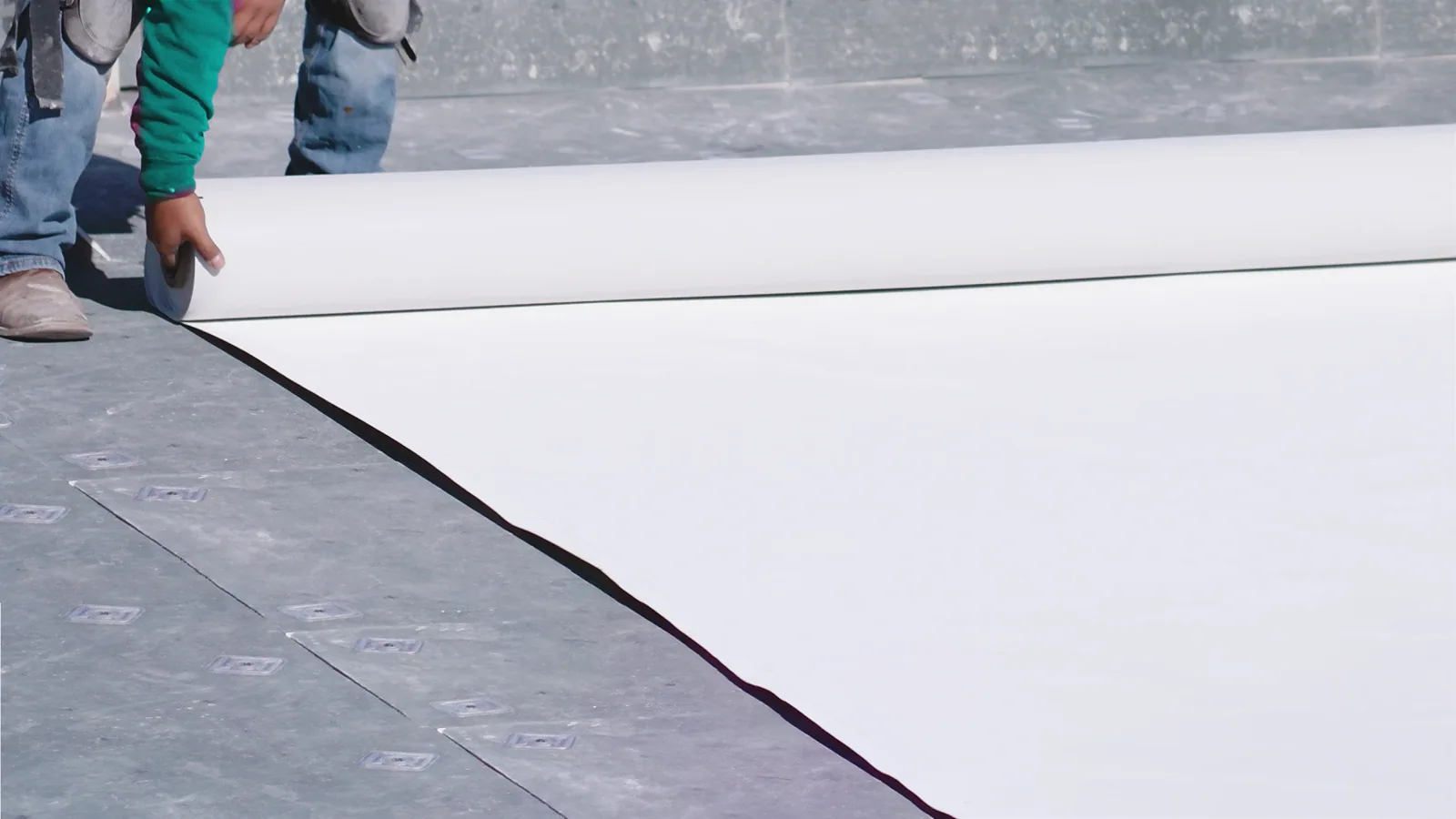
An examination room needs a roof repair that uses the right material. A similar-looking patch can leave its connection unsuitable for the existing sheet. We assess KEE and PVC-alloy roofing in Concord, NC. Product identification comes before selecting repair components or welding preparation. These membranes need their own specified assembly and detail methods. We examine the actual covering rather than rely on an assumed single-ply type. The correction must suit the material already protecting the occupied space.
Concord Parkway follows US 29, while Warren C. Coleman Boulevard follows US 601. Their planning area includes retail and other commercial uses. A roof task there needs attention to each building's existing assembly. Kannapolis also has health, science and education activity associated with its research campus. Those operating settings can involve equipment and occupied rooms with different access needs. We establish the roof condition and actual work arrangement separately. The material's identity and accessible condition guide the proposed task.
Identify the membrane before joining material
KEE and PVC-alloy product descriptions can cover specific membrane formulations. The installation and repair requirements belong to the particular product. Existing roof documents may help identify the covering and assembly. We compare available information with the accessible roof condition. A visible color or surface texture is insufficient on its own. Uncertain identification may require appropriate technical assistance. We resolve that question before selecting a permanent joining method.
A PVC roofing comparison should consider those product-specific requirements. A TPO alternative is a different material choice despite similar-looking sheets. We explain which assembly is proposed and why its components suit the work. The owner should receive more than a broad single-ply description. Identification also helps later equipment contractors arrange compatible repairs. A moved pipe or damaged sheet needs the correct material response. The completed information should preserve that useful identification for continuing care.
Give the weld a suitable prepared surface
The selected membrane system needs its specified welding conditions and preparation. Weathered material or previous repairs can complicate an existing seam. We examine those areas before defining how new material will connect. Surface cleaning should follow the actual product's requirements. Another treatment may need removal where it prevents suitable joining. The prepared boundary must provide enough usable material for the correction. A narrow visible gap does not necessarily establish a narrow repair.
We assess the accessible seam length and adjoining covering together. A damaged overlap can require a compatible new repair detail. The proposed method needs to accommodate the existing assembly rather than force an unsuitable weld. Completed connections should receive examination appropriate to the system. A localized membrane correction can then address a supported boundary. We explain when broader preparation or removal becomes necessary. The owner should understand what remains outside that boundary. A suitable joining method still depends on suitable material beneath the work.
Review the roof's actual exposure
Some commercial roof areas receive deposits from exhaust or process equipment. The particular membrane's exposure requirements need review before selection or repair. We examine accessible residue and discuss the equipment involved. Cleaning and compatible preparation may form part of the roof task. Ongoing discharge can require attention from the responsible equipment contractor. A material choice should not substitute for that correction. The complete response needs to address the condition reaching the roof.
At a building in the Concord Parkway and Coleman Boulevard commercial area, the actual use guides that discussion. A service kitchen and an office have different equipment arrangements. We establish the relevant exposure at the building being assessed. Product suitability follows that condition and the approved assembly requirements. General chemical resistance information needs application-specific review when the exposure is uncertain. We identify the question for appropriate technical assessment. The owner can then compare supported options before committing to installation. The roof's location provides operating context, while its condition guides material work.
Reconstruct the details beyond the roof field
Curbs, walls and drains interrupt the continuous membrane surface. Their connections need suitable flashing shape, support and termination. Some assemblies require specific prefabricated or formed components at those details. We examine the accessible connection before selecting its repair method. Deteriorated backing can prevent a suitable finish even where the membrane remains usable. Low curb height can also constrain the intended detail. Those conditions belong in the scope alongside seam correction.
Equipment may conceal the termination needing reconstruction. Its responsible trade can need to provide access or a service window. We identify that dependency before proposing complete detail work. Added insulation may change the available height at the same connection. The selected assembly should account for that change. Penetration and curb flashing work can address the specific roof interface. Upper equipment leaks remain a separate assessment where relevant. We describe the roofing boundary so the operator can coordinate the necessary participants.
Check the retained layers and water route
A new KEE or PVC-alloy covering needs suitable support and attachment. The proposed insulation and separation layers must suit the approved system. Existing wet material can require investigation and removal. Loose or deteriorated layers can also prevent suitable retention. We assess those concerns before describing recover or replacement. The complete proposal should identify what stays and what changes. A different membrane formulation cannot correct unsuitable underlying material.
Drainage remains part of that assembly decision. A depressed surface can retain water beneath a new sheet. We examine its path to the intended outlet and accessible connection. Cabarrus County has warm-season thunderstorms, making that route relevant to occupied space. Suitable slope or drain correction may be needed before installation. The applicable design and permitting requirements need confirmation for the proposed work. We identify those questions without assigning an unsupported code edition. The roof needs workable drainage as well as compatible membrane connections.
Keep later work compatible with the installed roof
Maintenance should follow the identified membrane system's requirements. Equipment traffic and moved components can damage an otherwise serviceable covering. We discuss compatible protection for the actual service route. New cuts need appropriate preparation and repair material. An improvised coating can complicate a later permanent correction. Restoration assessment should precede any proposed treatment over the existing surface. The underlying condition and product compatibility guide whether that approach is useful.
A review of the roof's alteration requirements can help before equipment or covering changes. Available documents may require notification or approval by the responsible party. We explain the planned roofing task for that review. The owner should retain assembly identification and completed detail information together. Future service then has a clearer basis for suitable repairs. A changed water symptom still needs physical investigation. We assess the affected connection rather than assume the whole covering has failed. Continued care should follow those specific findings.
Commercial Roofing Questions
Why identify the exact KEE or alloy product before patching?
The permanent correction needs compatible components and preparation for the installed membrane. Broad single-ply descriptions can conceal important product differences. We review available roof information and the accessible condition. Appropriate technical assistance may be needed where identification remains uncertain. Resolving that question first provides a useful basis for the repair method and later maintenance.
Can a previous surface treatment remain beneath a welded repair?
Its condition and compatibility require assessment before joining new material. Some treatments prevent suitable preparation and need removal. The surrounding membrane also needs sufficient usable area for the specified connection. We identify that boundary during the examination. A permanent repair should not rely on welding over residue that leaves the actual bond uncertain.
Does selecting an alloy membrane remove the need to review equipment discharge?
The actual exposure still needs comparison with the particular product requirements. Equipment discharge can also require its own correction. We examine the visible condition and discuss it with the responsible participant. The roof proposal should address compatible materials and preparation. Product selection alone should not replace investigation of the condition reaching the covering.
What information should stay with the completed roofing work?
Retain the identified membrane, assembly details and repaired locations. Include relevant alteration requirements from available roof documents. Future equipment changes may need compatible flashing reconstruction. We explain those roofing interfaces at completion. That information helps the operator coordinate suitable service work without treating every similar-looking sheet or repair material as interchangeable.
Identify the alloy roof condition
Arrange a Concord KEE assessment. Share available membrane information and describe the affected room or connection so we can define compatible roofing work.