Home / Commercial Roofing Services / Commercial Skylight and Penetration Flashing
Commercial Skylight and Penetration Flashing in Concord, NC
Investigate skylight, curb and pipe flashing problems in Concord. We distinguish roof tie-in defects from equipment and glazing issues before repair.
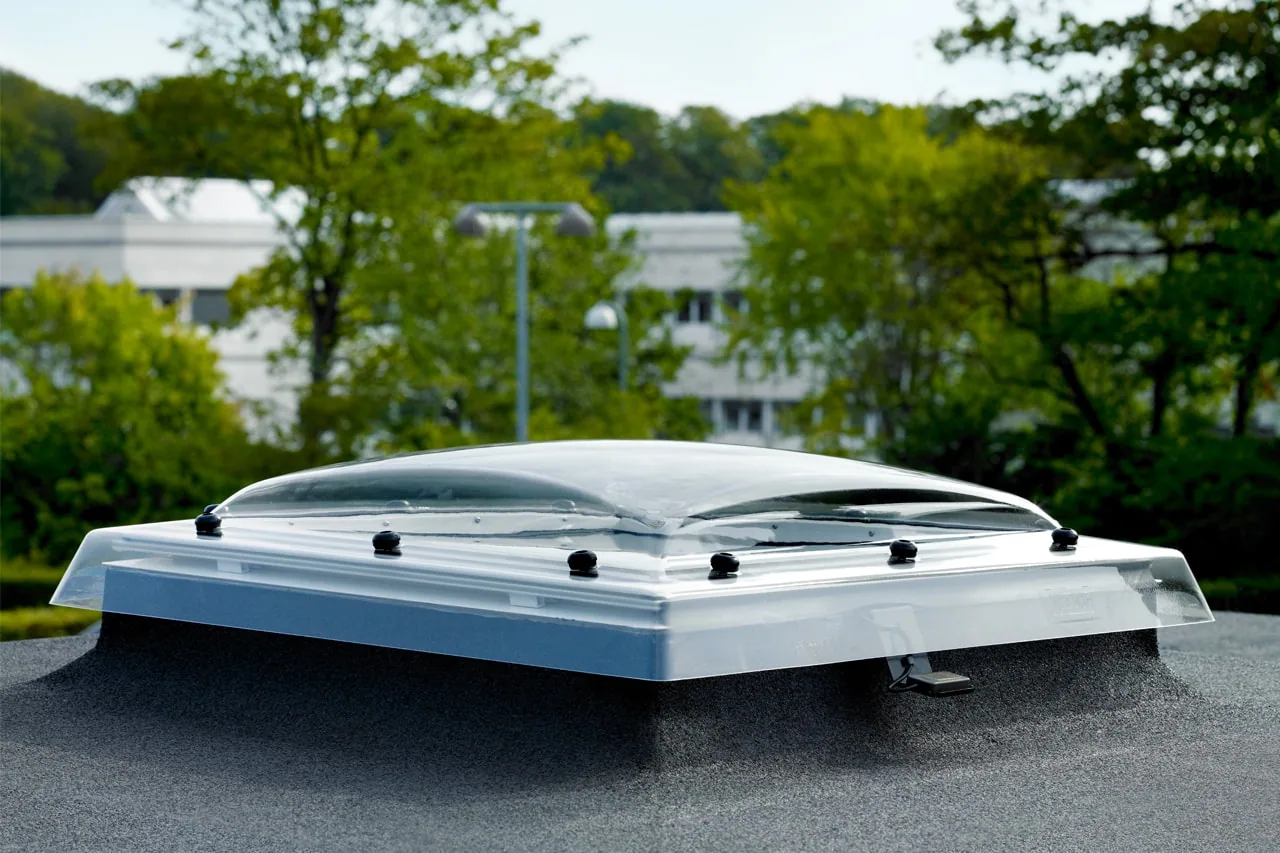
A drip beneath a skylight can close a display area. The water may enter through glazing rather than the roofing. We investigate skylight and penetration connections in Concord, NC. Pipes, equipment curbs and rooflights interrupt the continuous roof surface. Their different components need separate examination. We identify the accessible defect before defining the repair. Replacing roof flashing should address a roofing failure, not leave an unrelated unit problem unexplained.
International Business Park contains multiple companies near I-85 Exit 55. Equipment layouts there need building-specific assessment rather than a park-wide assumption. The Concord Entertainment Corridor also includes varied commercial uses and hotels. A penetration above one occupied space may serve another operation. We discuss who controls that equipment and its service access. A focused leak investigation around the opening can establish the next task. Interior observations help locate the symptom without proving its source.
Distinguish the roof from the installed unit
A skylight includes glazing, frame connections and a roof attachment. Failure in one part does not establish failure in all. Condensation can also produce moisture without rain entering through flashing. We examine the accessible roof connection and discuss the observed conditions. Glazing or mechanical questions may require the appropriate specialist. The proposed roofing scope should identify where that responsibility ends. A visible drip alone cannot justify replacing every surrounding detail.
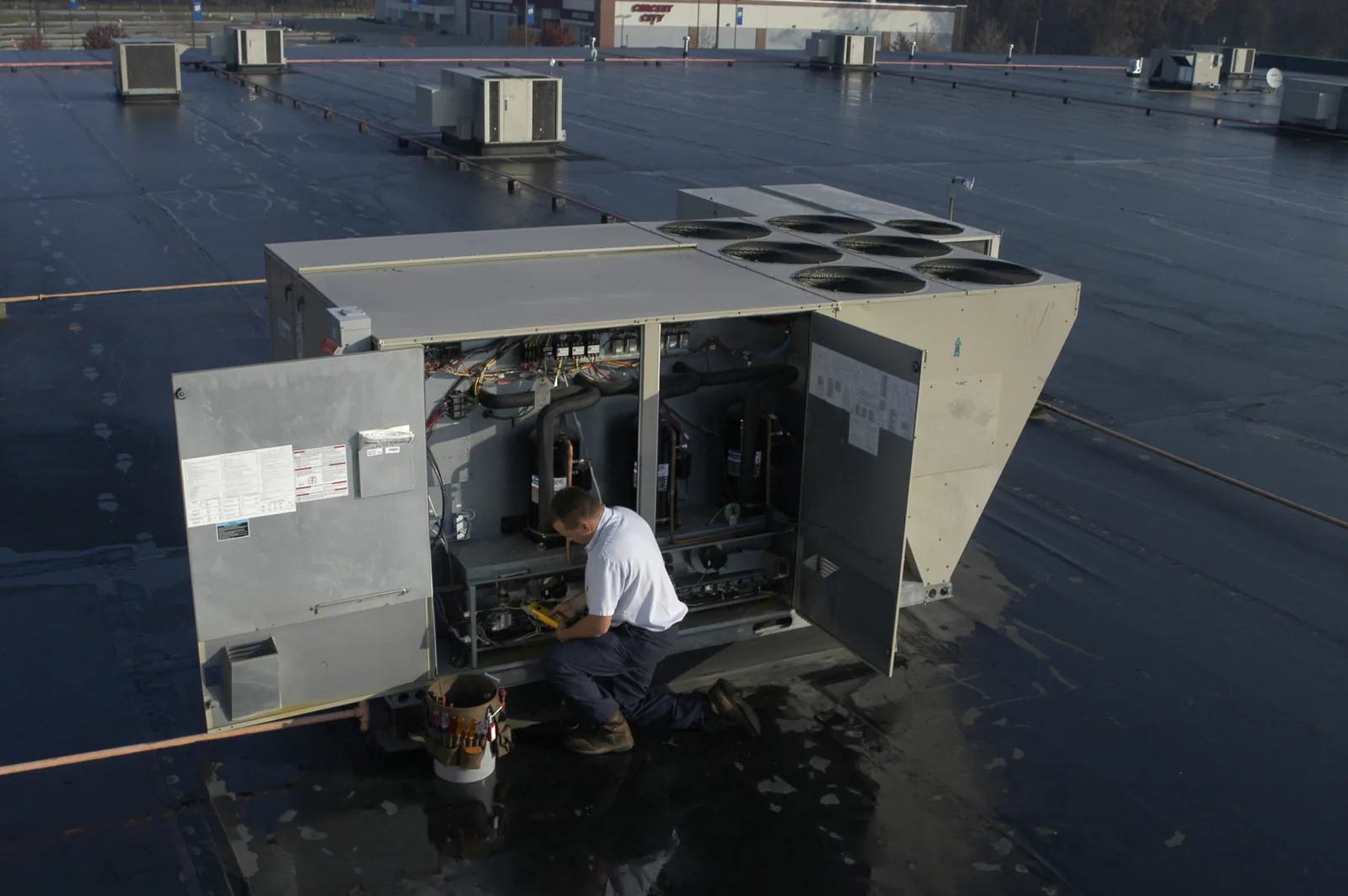
Equipment above the roof can contain its own water sources. Condensate drainage or a leaking service connection needs separate attention. Water can then reach the roof beside otherwise sound flashing. We consider those possibilities when the symptom occurs outside rainy weather. The equipment operator may need to participate in that investigation. We explain what the roof examination establishes and what remains uncertain. The repair should follow a supported finding. Applying sealant to every nearby surface can obscure the useful evidence.
Inspect the curb and its termination
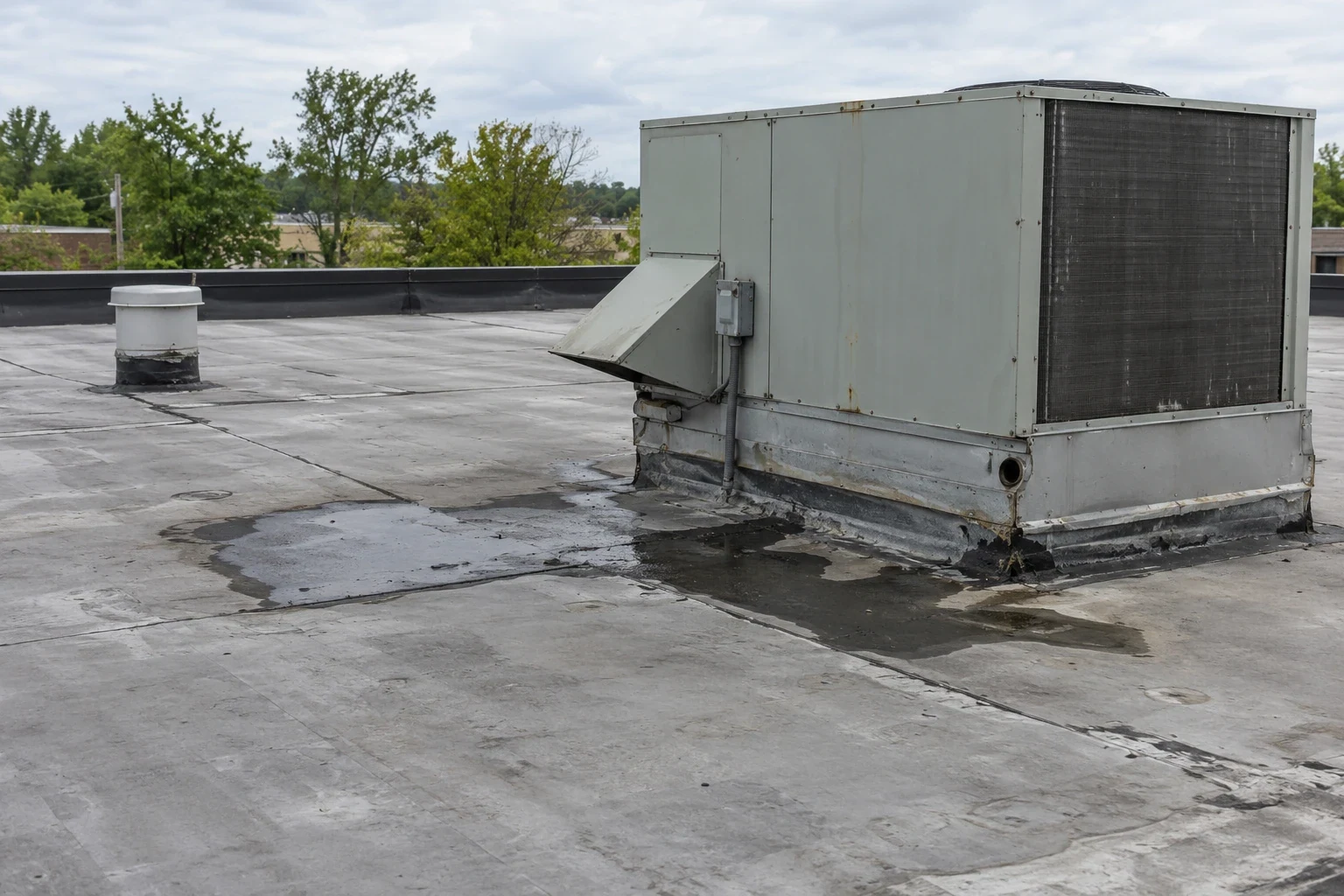
A curb raises an equipment or skylight connection above the roof field. Its height and construction need to suit the roof assembly. Later insulation changes can alter the available flashing height. We examine the actual transition rather than rely on its original appearance. The flashing must join suitable material and terminate appropriately. Open corners or failed backing can admit water despite an intact roof field. Those components need consideration when defining the correction.
Removing an installed unit may be necessary to reach some connections. That task can involve electrical or mechanical work by another trade. We identify access needs before proposing a complete curb reconstruction. Temporary protection also needs planning for an exposed opening. Equipment curb and support coordination can address those wider requirements. A partial accessible repair has different limits from complete reconstruction. We describe that distinction plainly to the owner. The intended detail should remain serviceable around the actual installed equipment.
Match each pipe detail to its movement
A pipe penetration needs flashing suited to its shape and exposure. A fitted boot requires compatible material and a suitable upper termination. Grouped pipes can create a different detailing challenge. Close spacing may prevent separate boots from being properly installed. We examine the available clearance and existing arrangement together. Some configurations need redesign or another appropriate flashing method. The solution should address the connection rather than bury it beneath excess material.
Movement from equipment or thermal change can stress a penetration detail. Rigid treatment may split where that movement remains unresolved. We check the pipe's condition and the surrounding assembly. Any needed support work belongs with the responsible trade. Repairing the failed flashing connection must account for that continuing movement. An unsuitable pipe support can otherwise damage a new detail. The proposed scope should identify such dependencies. We avoid treating a recurring split as merely a missing surface seal.
Expose the boundary needed for a sound repair
Wet insulation beside a penetration can prevent a durable tie-in. Its extent may reach beyond the visible opening in the membrane. We assess accessible material and identify where further examination is needed. Removal should follow the confirmed condition and approved repair scope. Sound support is necessary before rebuilding the connection. A new flashing installed over deteriorated backing leaves an important defect in place. We describe the material replacement required beneath the exposed finish.
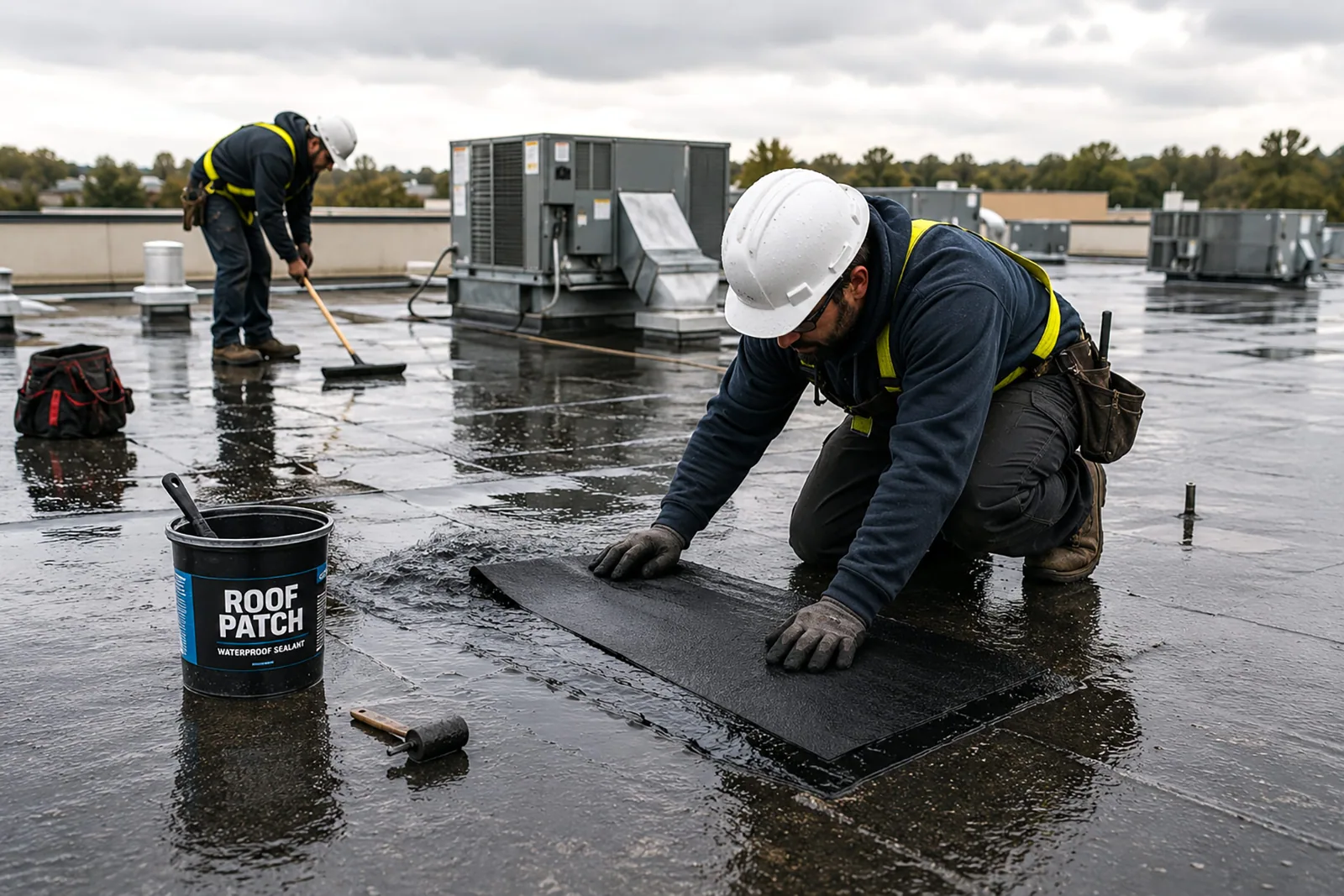
The retained membrane needs compatibility with the selected repair components. Existing treatments can complicate cleaning and adhesion at the boundary. We check their condition before joining new material to them. A compatible localized roof correction can include that surrounding preparation. Broader deterioration may limit whether a local repair is useful. The owner should know that finding before expecting a small patch. We explain how the actual boundary changes the task. The visible penetration remains only one part of the assembly.
Coordinate the opening above occupied space
Work around a skylight needs attention to fall hazards and the area below. Nobody should treat its glazing as a walking surface. We establish suitable access and protection for the proposed task. Removing components may affect daylight or expose an occupied room. The operator needs to know when that room is affected. Tools and removed material also require controlled handling. Those arrangements should match the opening and work method.
Properties in the Concord Entertainment Corridor may have busy visitor-facing spaces. We discuss the actual entrance, room and equipment schedules with the operator. A service task above a kitchen differs from one above storage. That distinction guides access planning without promising uninterrupted operation. Roof work around restaurant operations can involve equipment coordination as well. We identify necessary trade participation before removing a unit. The owner should understand both the roofing task and its operational arrangement.
Check the reconstructed detail and remaining questions
Completion includes examining corners, terminations and the surrounding tie-in. The relevant roof system's requirements guide that review. A tidy visible finish alone does not establish a complete connection. We also identify any unit or glazing issue outside the roofing scope. That information matters when more than one water source was suspected. The operator can then arrange the appropriate remaining task. The repaired roofing boundary should be distinguishable from unresolved equipment work.
Cabarrus County's warm-season thunderstorms can reveal a remaining rain-related symptom. Report where it appears and whether its behavior changed after repair. Safe interior observations can help guide another focused visit. A record of penetration condition and completed repairs supports that assessment. Future equipment work should preserve the reconstructed flashing arrangement. Cutting or moving a pipe can require another roofing correction. We identify service precautions for the repaired area. Repeated symptoms still deserve investigation rather than automatic additional sealant.
Commercial Roofing Questions
Does a leak directly beneath a skylight prove its flashing failed?
Glazing, frame connections and condensation can also produce moisture there. We examine the accessible roof tie-in while considering the observed conditions. A glazing specialist may need to inspect the unit itself. The roofing repair should address a supported defect. Where another source remains possible, we identify that question rather than present the flashing as proven responsible.
Why might equipment need lifting for a curb repair?
The installed unit can conceal the termination or prevent suitable preparation. Lifting may provide access needed for complete reconstruction. That task requires coordination with the responsible mechanical or electrical trade. We establish the requirement before describing the work sequence. An accessible surface patch has different limits when the concealed connection cannot be reached.
Can an old pipe boot remain after a membrane repair?
A boot in suitable condition may remain where the repair detail permits it. Cracked material, poor fit or a failed upper termination needs correction. We assess the boot and its connection with the retained roofing together. Reusing an unsuitable component would leave a vulnerable boundary. The scope should explain whether replacement is necessary and why.
What should we tell the equipment service contractor afterward?
Identify the reconstructed flashing area and any access precautions provided. Changes to pipes, supports or units can disturb that connection. The service contractor should coordinate before making those alterations. We also explain any unresolved equipment issue outside the roofing task. That information helps keep later mechanical work from damaging the repaired roof boundary.
Investigate the opening above the symptom
Arrange a Concord penetration assessment. Tell us the affected room, installed unit and service access restrictions so we can separate the roofing and equipment questions.