Home / Property Types We Roof / Commercial Restaurant Roofing
Commercial Restaurant Roofing in Concord, NC
Assess restaurant roofing in Concord around exhaust, kitchen access and dining space. We examine water entry and define the necessary roofing connection.
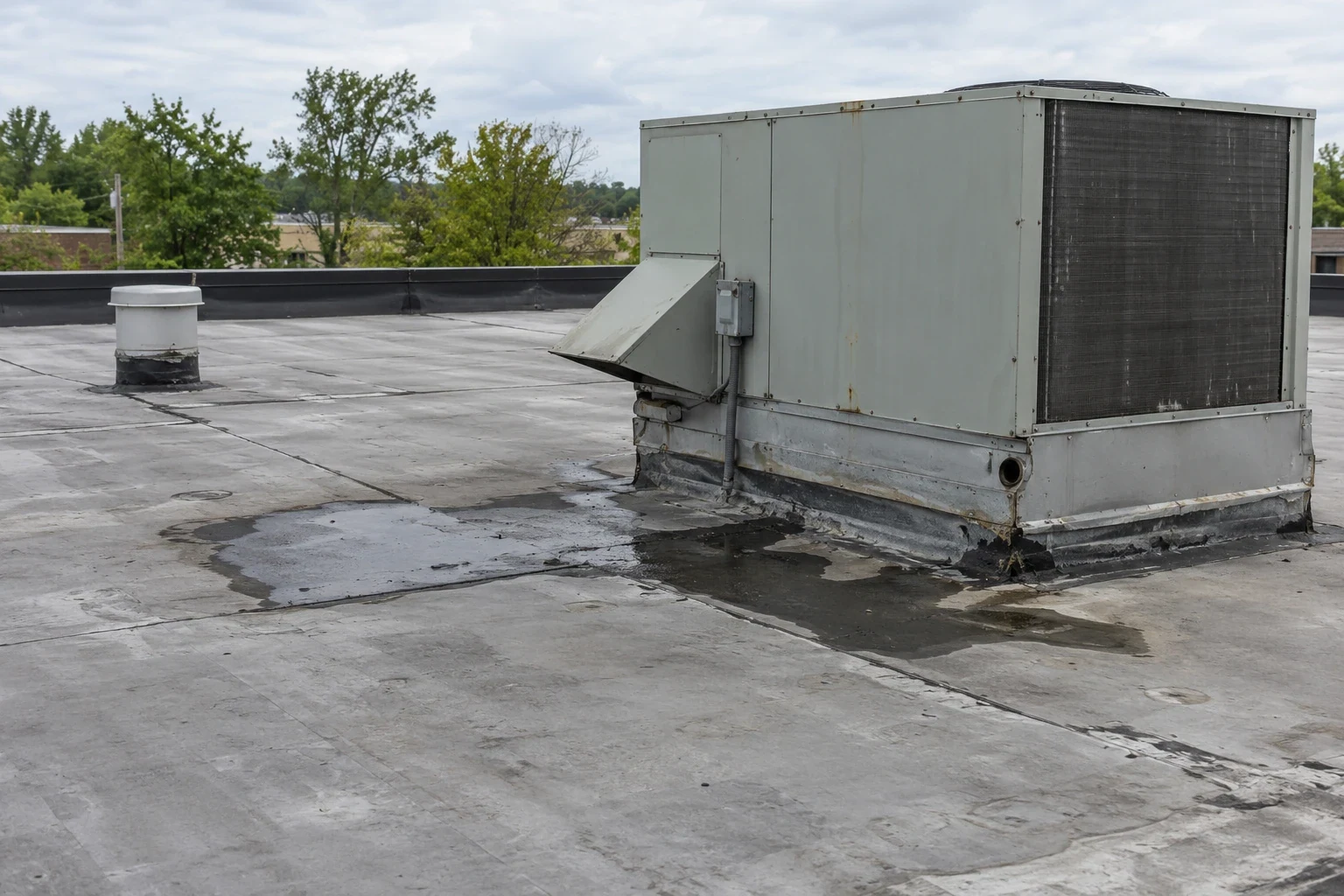
A leaking exhaust curb can put kitchen service arrangements under pressure. The operator needs to understand which roof connection requires work. We assess restaurant roofing in Concord, NC. Our examination separates accessible flashing defects from equipment questions needing another trade. Water above a preparation position can require immediate operating decisions. We explain the roof task so the responsible operator can make those arrangements. Permanent correction needs a usable boundary around the identified defect, not simply another covering over the indoor symptom.
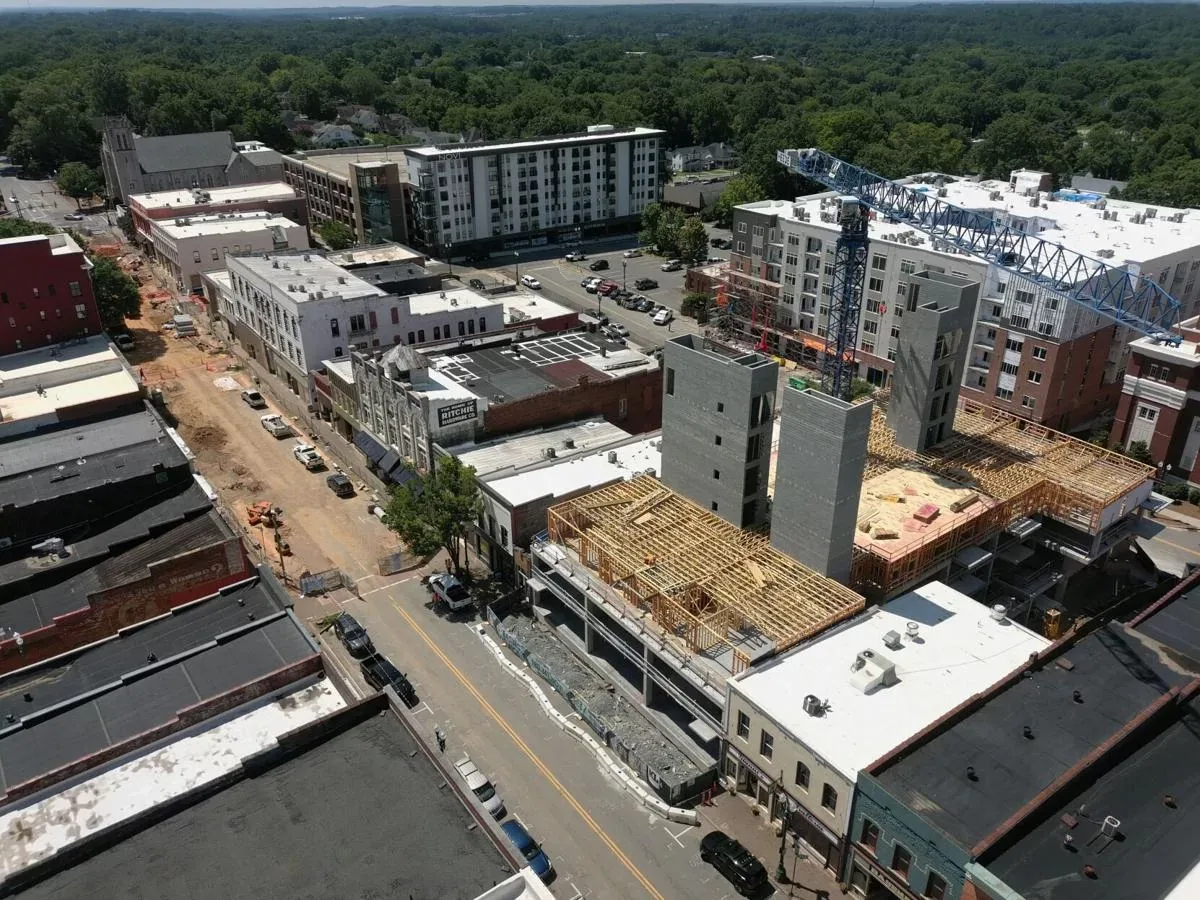
Restaurant activity belongs to the Concord Entertainment Corridor's commercial mix. Davidson's Main Street also includes restaurants and shops. Each setting can involve different entrances, roof approaches and adjoining occupied rooms. We discuss the actual property before arranging examination. A restaurant water-entry visit considers the affected space and relevant roof details. Those practical decisions should inform access without replacing examination of the physical connection.
Reach the flashing beside the exhaust equipment
The exhaust unit and its roof curb perform separate tasks. An equipment housing can admit water independently of the surrounding membrane. We examine the accessible roofing termination and adjoining covering. The equipment participant should assess its own components where needed. Removal or lifting may be necessary to reach concealed flashing. The operator should understand that dependency before approving reconstruction. A patch along the visible edge cannot complete a connection that remains inaccessible beneath the installed equipment.
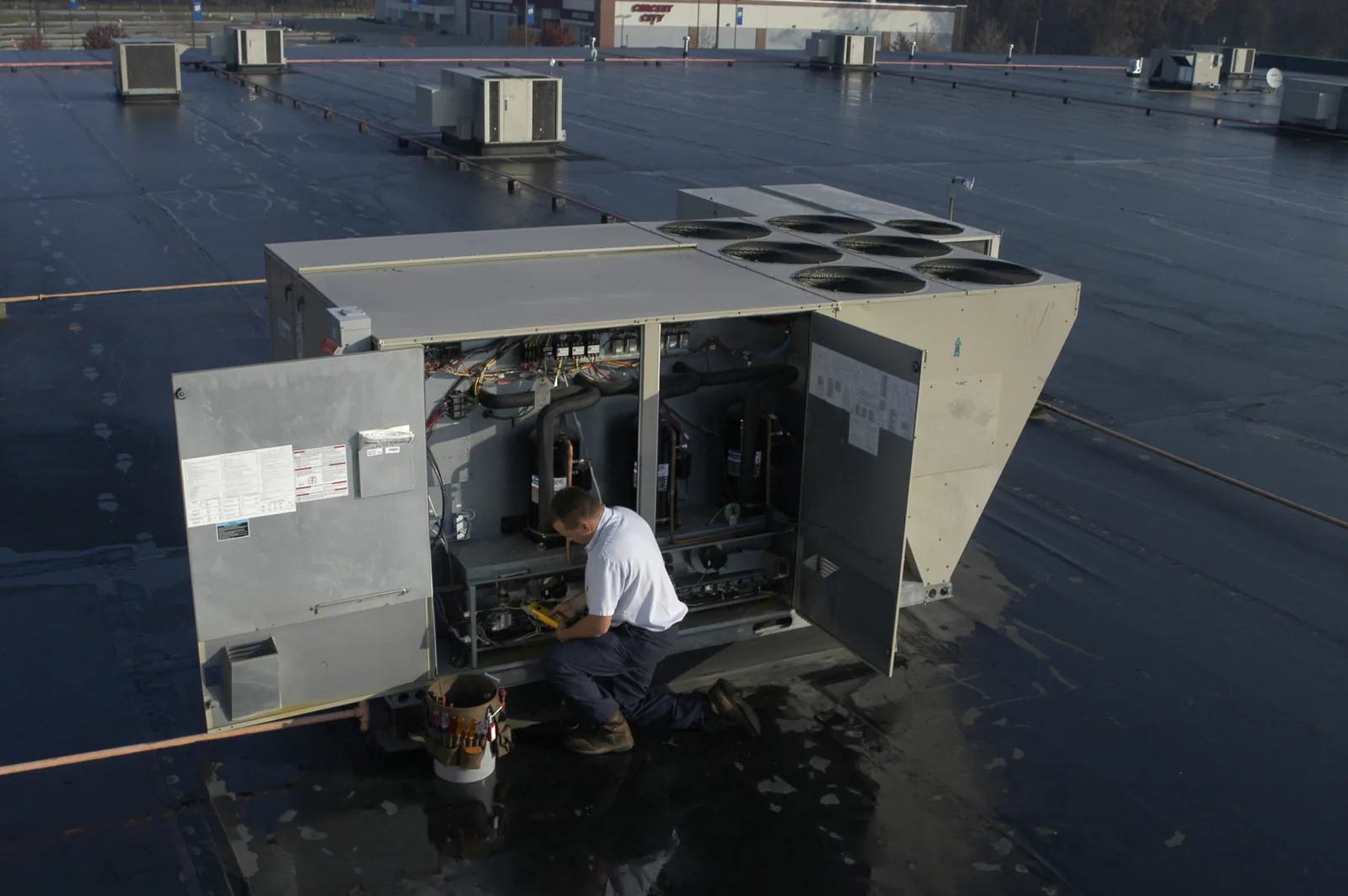
Equipment weight, supports and service movement can also affect the roof. A shifted support can press into the covering or strain nearby flashing. We identify the relevant condition rather than add material around an unstable arrangement. Restaurant curb and support work should connect the roofing task with the equipment sequence. The responsible trade establishes any disconnection and return-to-service requirements. The completed detail needs an appropriate termination and adjoining roof surface. Each participant should understand which physical interface remains in its scope.
Check the surface available for reconstruction
Exhaust residue can change the condition around a proposed repair. We inspect the affected membrane and consider the installed material's requirements. Preparation must leave a surface suitable for the selected connection. Aggressive cleaning can damage a covering that needs to remain. Unsuitable residue or deteriorated material may require removal instead. The proposed boundary should identify that task. Continuing discharge needs equipment attention where it would compromise the renewed roofing surface. Covering the residue would leave the important preparation question unresolved.
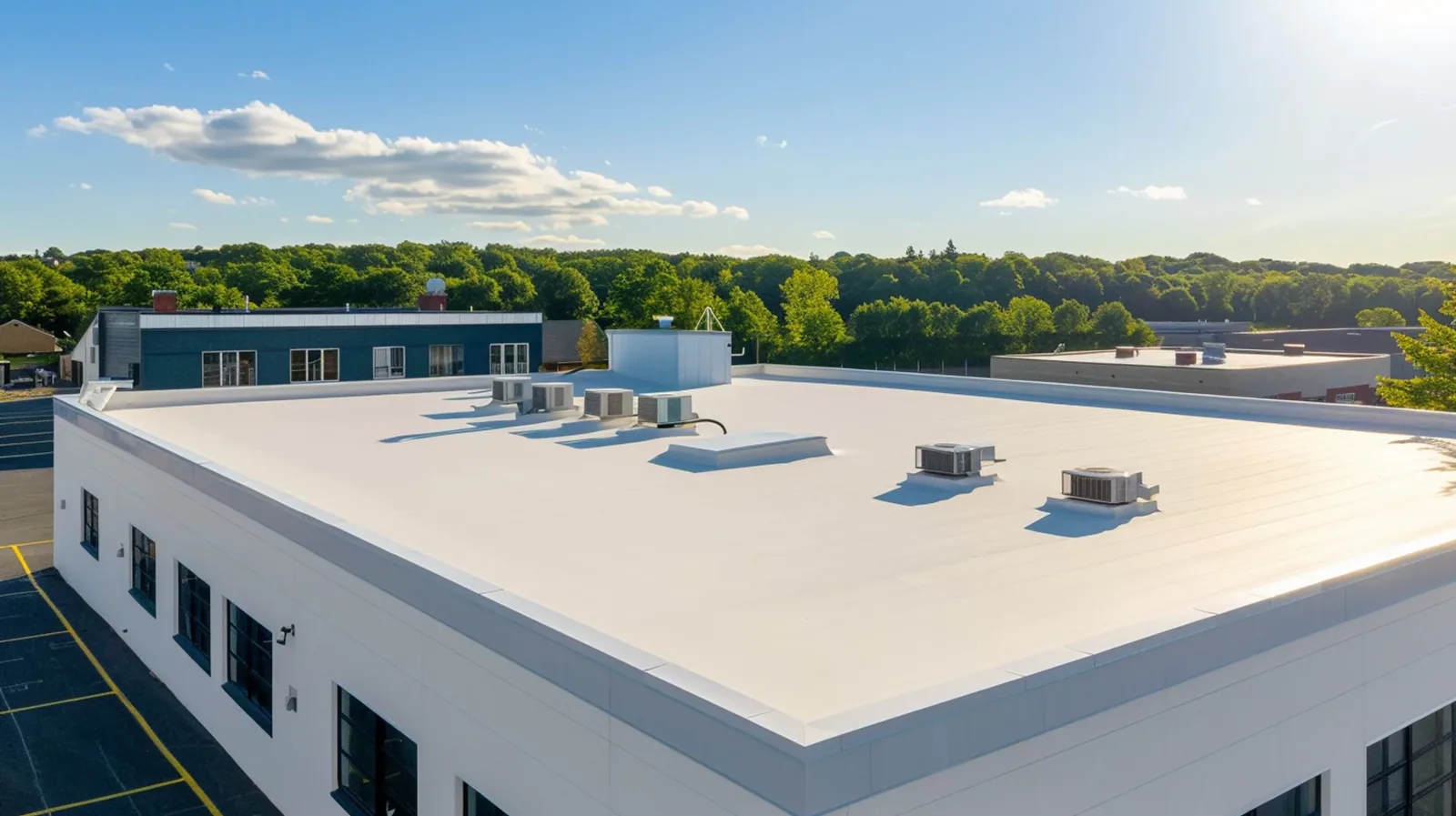
Material selection also needs context beyond resistance to one exposure. Attachment, adjoining seams, existing treatments and drainage influence the complete assembly. PVC roof evaluation can consider those conditions alongside the restaurant's actual equipment. A different installed covering may still permit a suitable localized repair. We assess its present condition before deciding. The owner needs to know how new material will connect with retained roofing. A product name alone does not describe preparation or reconstruction around the affected equipment.
Examine the smaller openings serving the kitchen
Vent pipes and service lines create additional interruptions in the roof. Their details may fail separately from a large exhaust curb. We check accessible boots, sealant joints and membrane connections. Movement needs appropriate accommodation for the installed system. A brittle finish or loose collar can leave an opening around the pipe. The corrective task should address that specific arrangement. Adding a broad coating across unrelated details would not establish which connection admitted the reported water.
A new refrigeration line can require an opening alongside existing kitchen pipes. The layout should leave enough material for compatible flashing reconstruction. Grocery refrigeration roof work coordinates those pipe and support positions with its equipment participant. For the restaurant, we assess the intended route before installation proceeds. A crowded penetration group may need clearance or a changed detail arrangement. The operator should understand which service task enables that work. The finished connection must accommodate the pipe's intended movement and leave a suitable adjoining covering.
Follow runoff away from occupied entrances
Overflow near the customer entrance deserves attention alongside indoor leaks. A loose collector joint can spill water even when the covering remains serviceable. We examine the relevant gutter, outlet and roof connection. Debris removal may resolve one restriction without correcting a damaged joint. Water persisting on the roof can involve slope or downstream piping. The proposed response should distinguish those conditions. Continued outlet access is useful for later maintenance after the immediate correction is finished.
Warm-season thunderstorms in Cabarrus County make entrance runoff worth examining. Report which doorway or room becomes affected during rain. We compare that timing with the accessible runoff path. The examination may need to extend beyond the nearest visible outlet. A restaurant in the Concord Entertainment Corridor needs an access arrangement suited to its actual visitor routes. Work near a service door can also affect receiving. We identify those practical interfaces with the operator. The drainage correction still follows the physical defect found.
Set a workable kitchen and dining arrangement
Roof work above active preparation space needs a clear operating boundary. The restaurant establishes any food, personnel and equipment precautions it requires. We explain the removal, examination or exterior connection proposed. An available morning window may not suit every material or reconstruction task. Weather and concealed conditions can change the protectable roof area. The operator should understand those dependencies before service arrangements are fixed. The plan needs an achievable roofing task within the agreed window.
Lifting and removed material can affect the dining entrance as well as the service door. We review those handling positions before staging is fixed. Where food service shares a hotel property, the hotel restaurant roof interface needs coordination with guest arrival and the equipment service route. Required exits deserve an appropriate arrangement throughout the visit. We explain which kitchen or dining position lies beneath removal. The operator can then establish use of that space. Interior restoration may remain with another participant after the exterior entry connection is corrected.
Decide whether the defect is local or widespread
A failed flashing can be repairable when its neighboring assembly remains sound. We check the material needed to receive the new connection. Wet layers or damaged backing can enlarge the necessary removal. Several recurring symptoms may justify examination across a broader roof area. A restaurant roof condition review helps define that question. The owner should see why the proposed boundary reaches beyond the visible opening. Wider work needs support from the actual assembly condition.
Replacement may become useful where repeated local corrections leave deteriorated roofing in place. Its scope should address equipment clearances, outlet details and changed insulation heights. Those tasks influence both installation and later service access. We explain the complete arrangement before a covering is selected. At handoff, the operator should understand reconstructed interfaces and any remaining equipment concerns. Future service visits need to preserve those roof details. Report a new water symptom with its room location and timing so examination addresses the relevant connection.
Commercial Roofing Questions
Can the exhaust equipment admit water independently of its roof curb?
The housing and roofing termination need separate consideration. We inspect accessible flashing and adjoining membrane. The equipment participant should examine its components where the findings point there. Lifting may be necessary to reach a concealed connection. The approved sequence should leave both tasks clearly assigned before the unit returns to its operating arrangement.
What does a repair proposal need to explain about exhaust residue?
Describe how the affected surface will become suitable for the new connection. Cleaning, removal or equipment correction may be needed depending on material and exposure. We assess the retained membrane before selecting preparation. The owner should understand any continuing discharge concern. A new patch needs a usable prepared boundary around the reconstructed detail.
How should a restaurant choose a work window above its kitchen?
Start with the physical roof task and the operator's handling requirements. We explain access, removal and protection dependencies. Some connections need equipment participation beyond the roof visit. Weather may change which area can be reconstructed safely. The agreed operating arrangement should reflect those conditions rather than rely only on an assumed quiet period.
Does replacement include every piece of restaurant equipment?
The roofing scope should identify the interfaces needing clearance or reconstruction. Equipment service itself may remain with another participant. We discuss curb heights, pipe connections and support arrangements affected by the new assembly. The proposal should assign those related tasks clearly. Covering selection does not establish that every mechanical component has been assessed or renewed.
Examine the restaurant roof interface
Arrange a Concord restaurant roof visit. Identify the affected kitchen or dining position, related equipment and available access so we can assess the connection.