Home / Commercial Roofing Services / Preventive Commercial Roof Maintenance
Preventive Commercial Roof Maintenance in Concord, NC
Maintain commercial roofs in Concord with drainage care, detail checks and clear repair tasks. We coordinate service visits with occupied rooms and equipment.
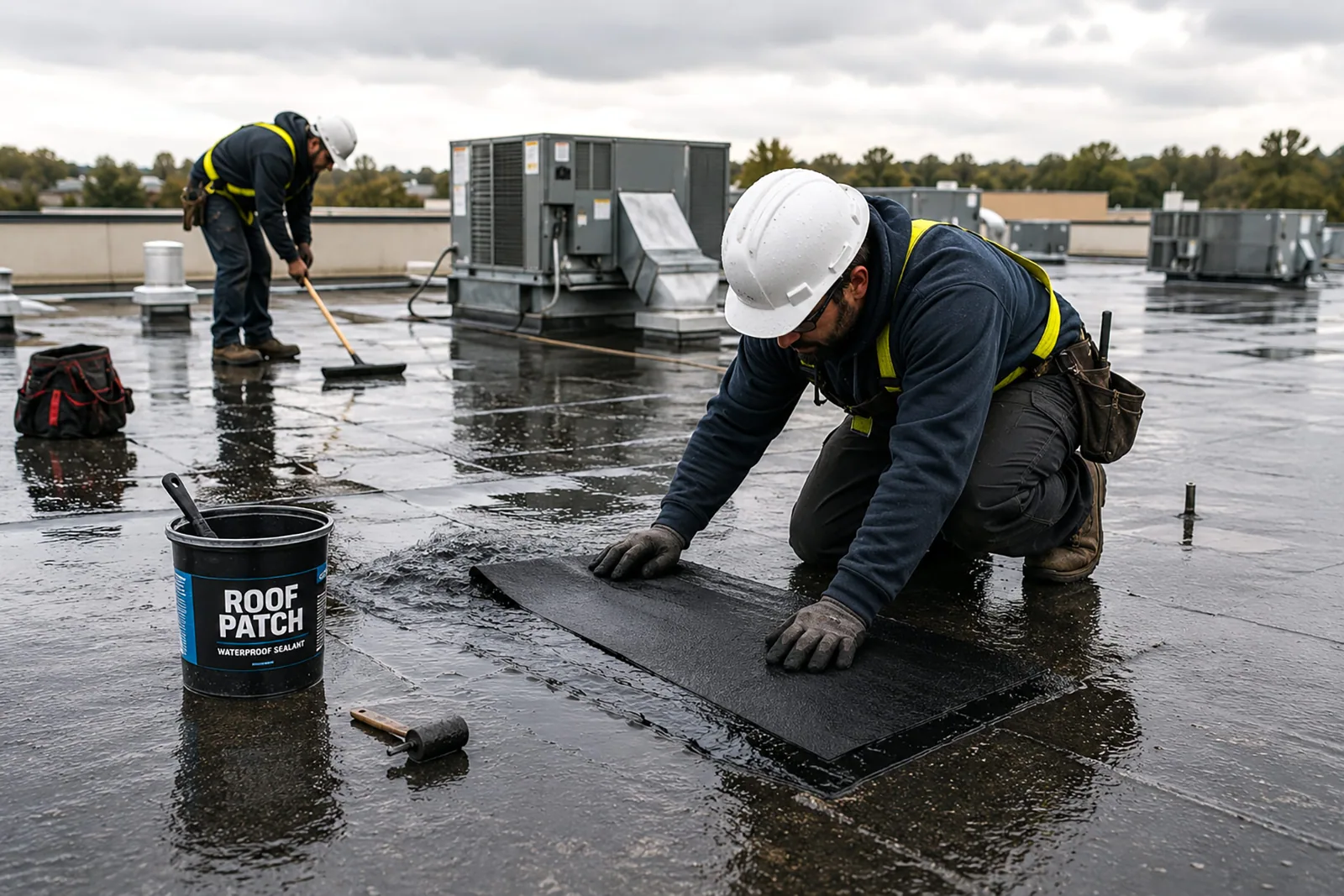
A reopened service room needs its overhead roof details left sound. Tools or removed panels may damage the covering near a curb. A maintenance program gives that area a planned return examination. We provide commercial roof maintenance in Concord, NC, with specific tasks. The visits concentrate on drainage, exposed connections and changing material condition. The purpose is to catch a repairable defect before water enters. Each building needs a program suited to its assembly and use.
Hotels and restaurants operate along the Concord Entertainment Corridor. Their rooftop equipment can make service routes important maintenance locations. International Business Park contains multiple businesses near I-85 Exit 55. A program there needs the correct property and access contact. We examine the individual roof and establish its maintenance priorities. The visits then follow that condition rather than a neighborhood assumption. Our initial condition inspection identifies the details needing attention and the questions requiring further investigation.
Keep discharge routes open
Leaves and loose material can collect around a roof outlet. Removing them allows a useful examination of the connection underneath. We check accessible drain fittings, surrounding membrane and scupper openings. A clear fitting still needs a working discharge beyond it. Suspected pipe blockage needs the appropriate plumbing task. We identify that restriction rather than treating debris removal as complete drainage correction. The roof surface also needs a usable path toward the outlet.
Cabarrus County warm-season thunderstorms make outlet readiness a practical concern. We look for collection patterns during scheduled service work. Repeated deposits can justify attention to the surrounding area. A depressed section may continue holding water after the drain clears. Its correction differs from routine cleaning and needs a defined scope. We identify when drainage reconstruction would address the remaining condition. Maintaining the accessible fitting helps reveal that distinction. It prevents a recurring low area from being mistaken for loose debris alone.
Catch changes at the seams
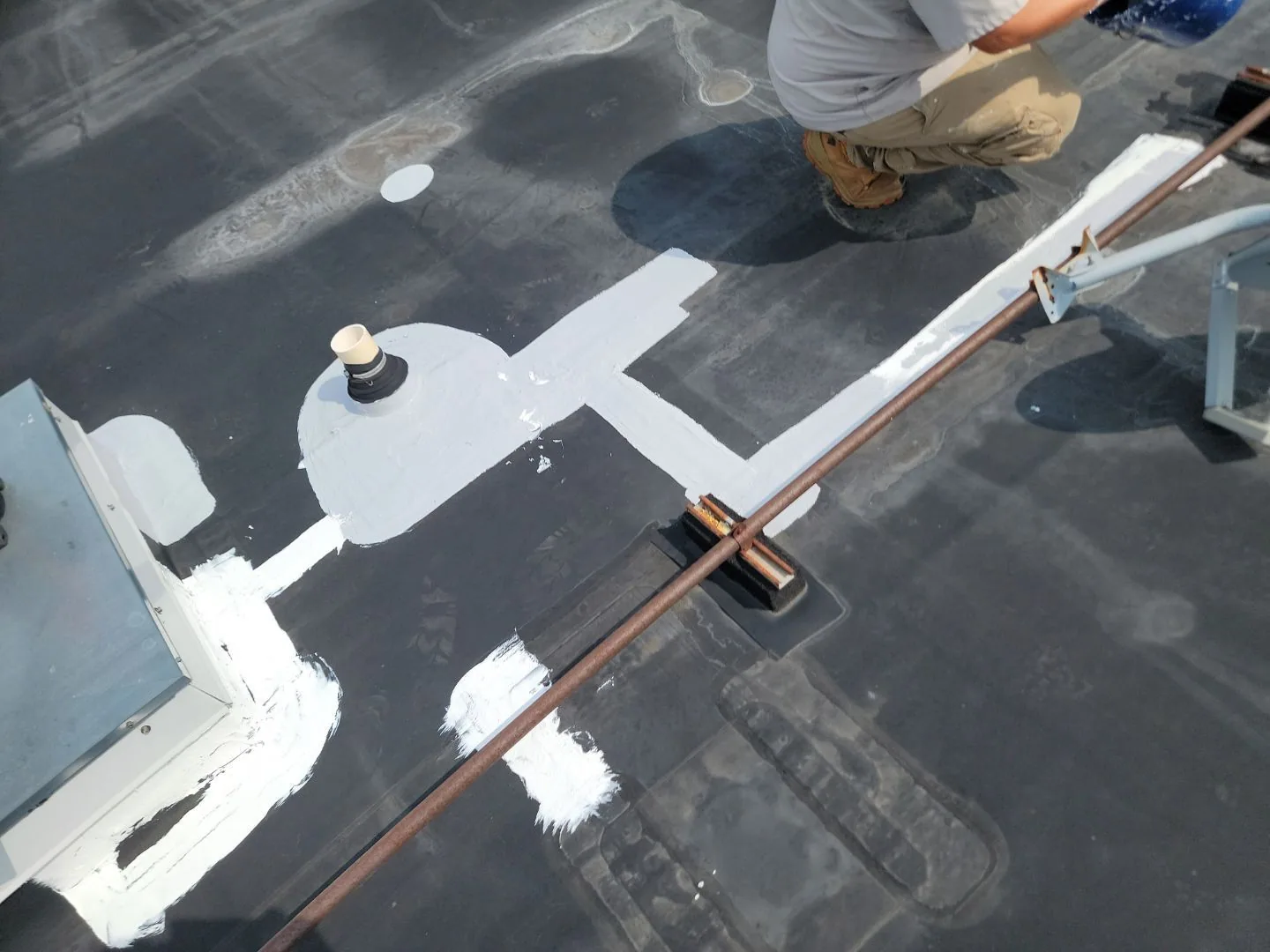
A small lifted repair edge can enlarge under water exposure. We check accessible joints and previous repair perimeters during the visit. Compatible repairs need a prepared surface and sound surrounding material. Applying sealant indiscriminately can conceal deterioration instead of correcting it. We identify the connection and use its appropriate repair method. Some findings require additional work beyond the scheduled maintenance allowance. Those should be described before a larger opening is made.
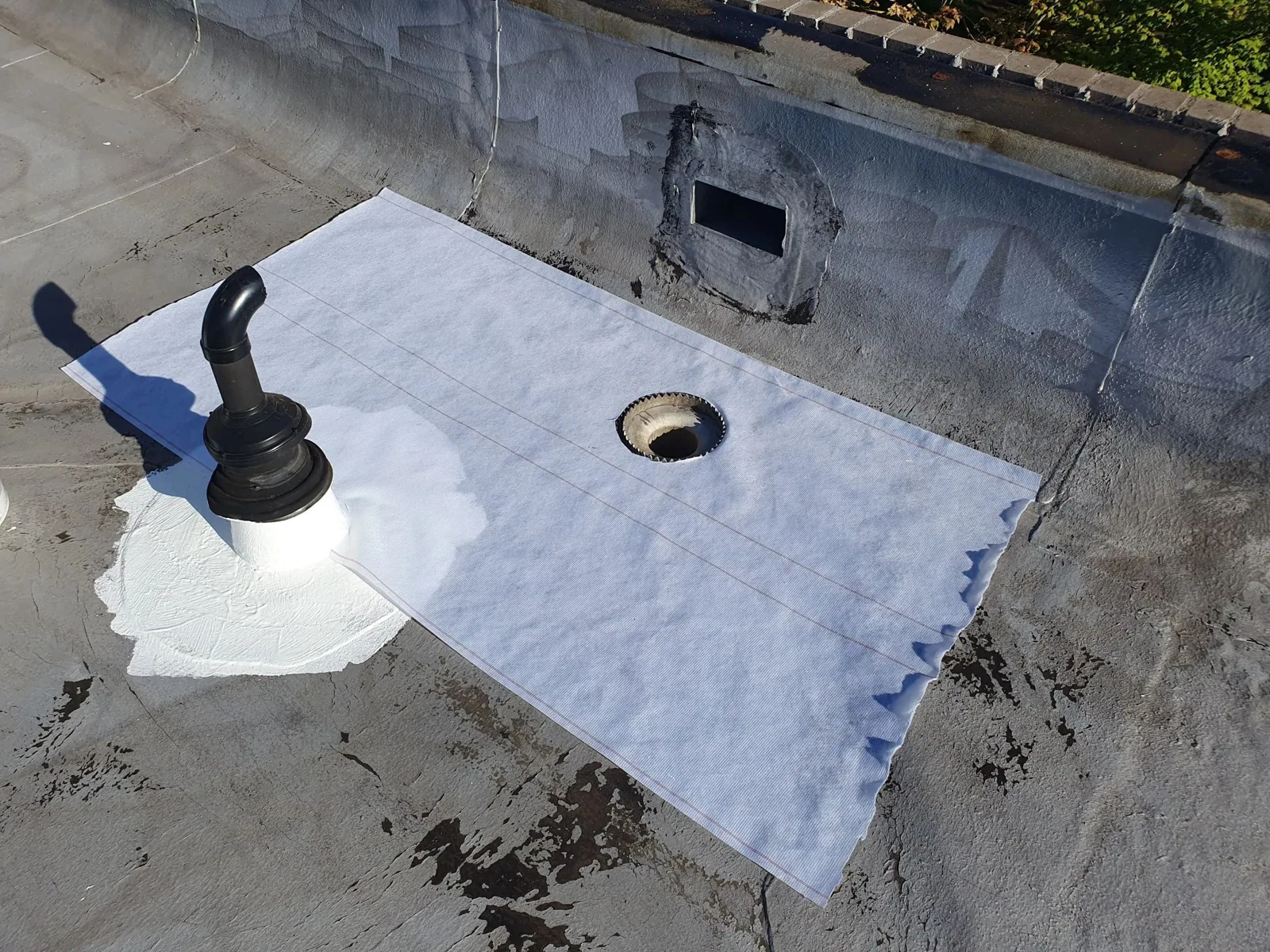
Wall terminations and equipment flashings deserve attention alongside field seams. Movement at a curb can stress the same connection repeatedly. We look for loose metal, exposed fasteners and damaged membrane transitions. Equipment clearance can prevent close examination of a concealed detail. The finding then includes the access task needed to reach it. A welded TPO seam needs evaluation appropriate to its material and condition. Its maintenance treatment differs from a bonded rubber connection. The existing assembly governs that choice, not the nearest available sealant.
Protect the equipment route
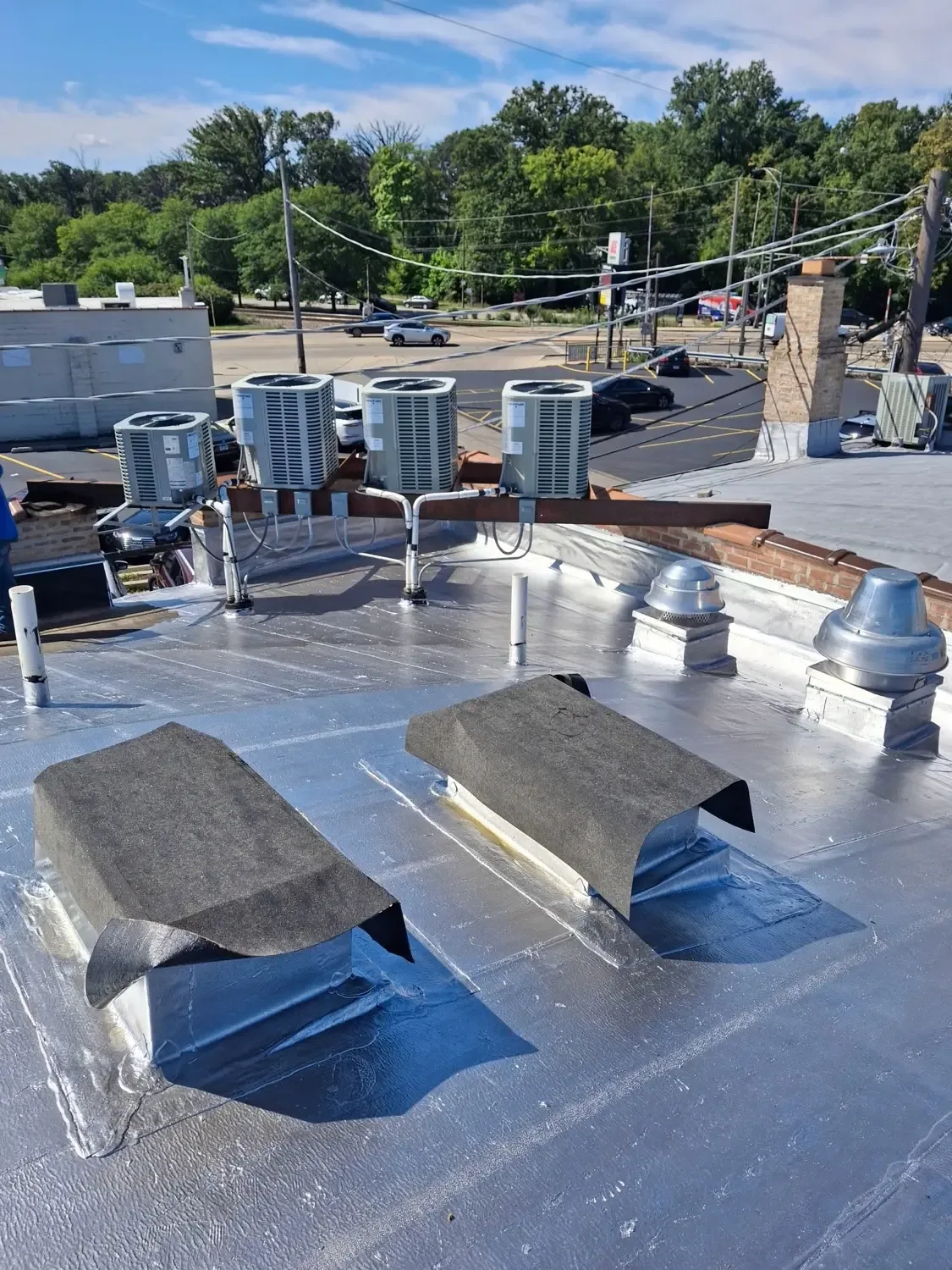
Recurring foot traffic creates predictable places to inspect for wear. We identify routes between roof access and serviced equipment. Walkway protection can reduce damage where compatible with the assembly. It still needs appropriate placement so water can move. Tools and heavy panels should not rest on unprotected membrane. The maintenance visit checks for fresh cuts or displaced protection. Those findings can lead to changes in equipment service habits.
Businesses within the Concord Entertainment Corridor include dining and lodging uses. Maintenance access there can coincide with deliveries or occupied rooms. We discuss the actual entrance and equipment schedule with the operator. A rooftop intake may require coordination while nearby work proceeds. Tenant notices should identify any affected route or service period. The program needs those arrangements only where they influence the task. Keeping an updated contact helps avoid an inaccessible hatch at the scheduled visit. It also helps communicate a finding requiring urgent attention.
Review after a changed exposure
A storm or equipment change can justify examination between scheduled visits. The need follows the observed exposure rather than the calendar alone. Displaced material, indoor water or an altered roof connection requires attention. We assess those symptoms and distinguish them from routine maintenance tasks. A weather event can affect the perimeter without obvious field damage. The return examination should include accessible adjoining details. That helps identify whether a localized correction is sufficient.
Cabarrus County also experiences occasional winter ice and snow. Safe roof access can change during those conditions. We adjust service timing when the surface cannot be examined properly. Ice around an outlet may conceal damage or trapped debris. It needs assessment once conditions allow a useful inspection. Maintenance work should not involve breaking frozen material against vulnerable roofing. We explain which task can proceed and which must wait. Active indoor exposure may instead need a separate safe protection arrangement.
Separate routine care from repair
Maintenance can include accessible cleaning and agreed minor detail work. Saturated insulation or extensive attachment loss needs another scope. The program should state the tasks included in a service visit. It should also establish how larger findings reach the owner. That distinction helps the operator authorize work with a known purpose. A recurring defect may need reconstruction rather than another small treatment. We identify the condition supporting that recommendation.
A permanent repair of deteriorated material should not vanish inside routine care. The task may require selected removal or equipment access. We explain the repair boundary and adjoining material needed for its connection. The owner can then coordinate it with the affected operation. Leaving known wet support untreated can complicate later repair. Conversely, a useful maintenance program does not require replacing serviceable material. We base the recommendation on the observed assembly. The program keeps that decision available as condition changes.
Use each visit to guide the next
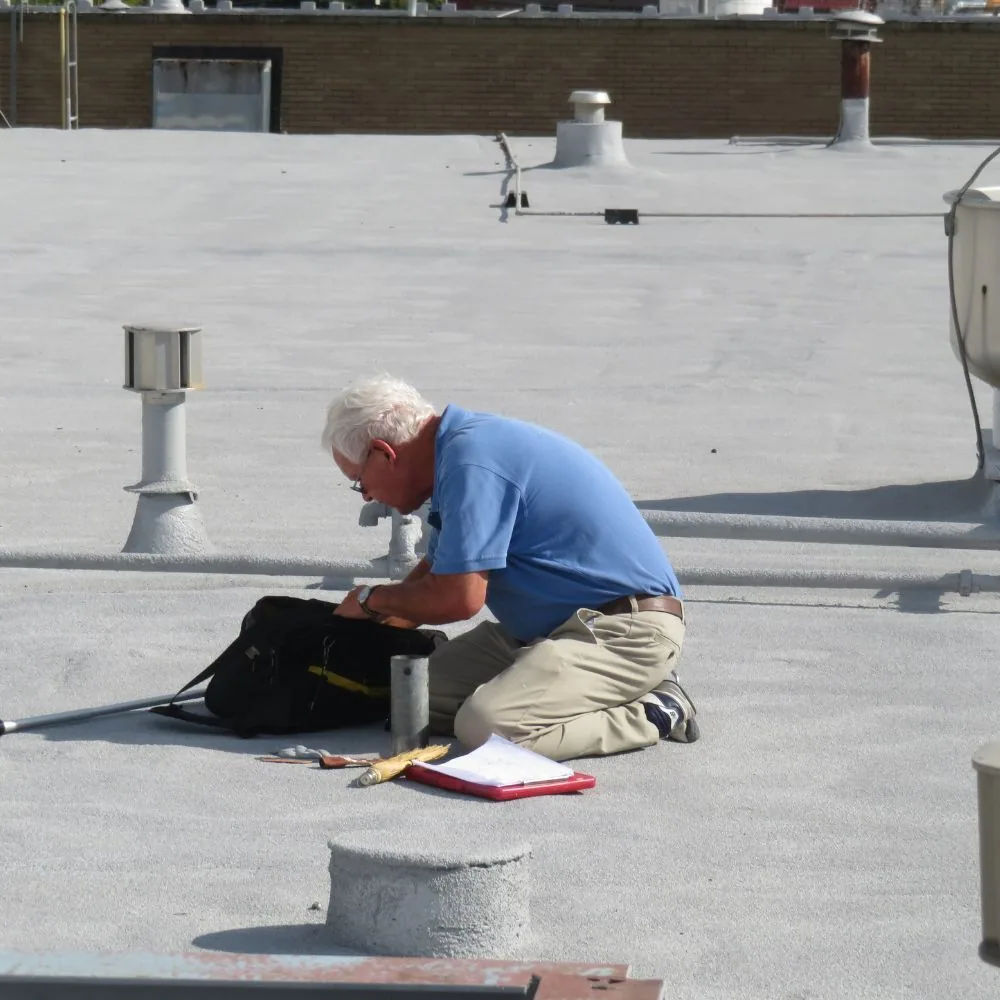
Photographs should show the serviced detail and any change in condition. We identify completed tasks and items awaiting approval or further investigation. The next visit can then revisit the same locations deliberately. A new defect should remain distinct from an earlier completed correction. That record also supports coordination after another trade accesses the roof. Equipment moves or new penetrations need attention beyond the old maintenance route. We discuss their effect on future visits.
Managing the roof through its remaining service uses those condition changes. Repeated deterioration can signal a need for broader planning. A stable repaired connection may need only continued observation. The owner needs that distinction to schedule work responsibly. Visit timing follows roof condition, exposure and applicable system requirements. It can change after a repair or a new operating use. We review the practical tasks rather than repeat an unchanged visit indefinitely. The program should remain useful to the building it protects.
Commercial Roofing Questions
Can maintenance follow our equipment service schedule?
Coordination can help examine areas disturbed during rooftop equipment work. We review the serviced units and routes used to reach them. A return check can identify cuts, displaced walk protection or changed flashing. The equipment task still needs its own protection arrangements. Maintenance complements that work rather than accepting damage as routine.
Which defects would need a separate repair proposal?
Wet insulation, damaged support and extensive failing connections can exceed routine care. Equipment moves or drain redesign can also add separate work. We identify the physical condition and the proposed correction. You receive a defined repair task rather than an unexplained maintenance charge. Immediate exposure may need protection while that work is arranged.
What information should our staff report between visits?
New indoor water, loose roof material or equipment changes deserve attention. Give us the affected space and when the change appeared. Photographs are useful only when they can be taken safely. Avoid sending staff across damaged or slippery roofing to gather evidence. We use the report to decide the next appropriate examination.
Will debris removal correct our recurring standing water?
Cleaning can restore discharge where loose material is the restriction. It cannot correct poor slope or a damaged underlying assembly. We examine the cleared outlet and surrounding surface for that distinction. A continuing low area may need tapered material or another drainage design. The recommendation should identify the remaining physical cause.
Set the next service task
Arrange Concord roof maintenance. Tell us which equipment is serviced regularly and whether any room or outlet has recurring problems.