Home / Commercial Roofing Services / Commercial Storm Damage Roof Repair
Commercial Storm Damage Roof Repair in Concord, NC
Assess storm-affected commercial roofs in Concord. We check displaced material, detail damage and concealed moisture before defining the permanent repair.
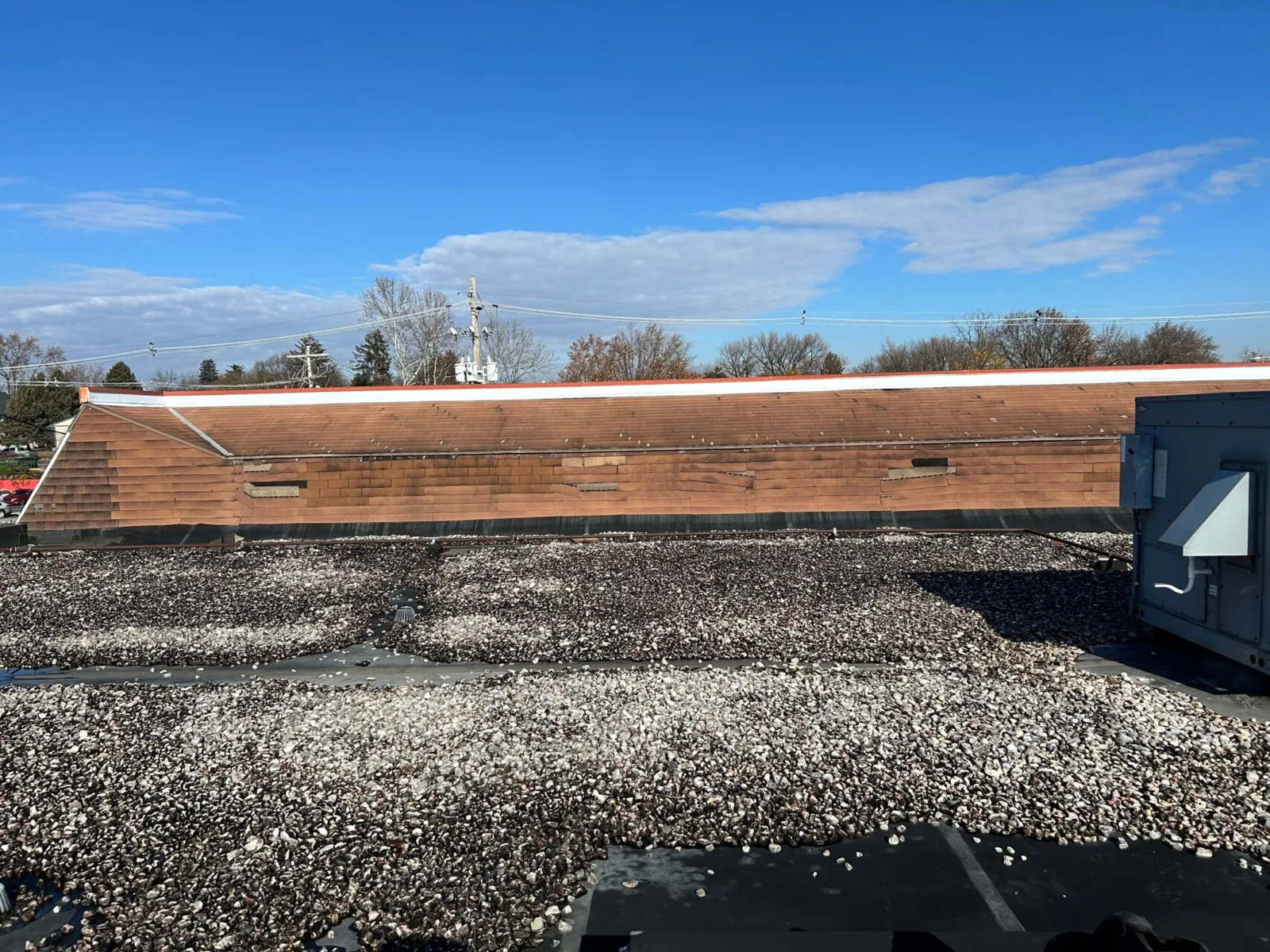
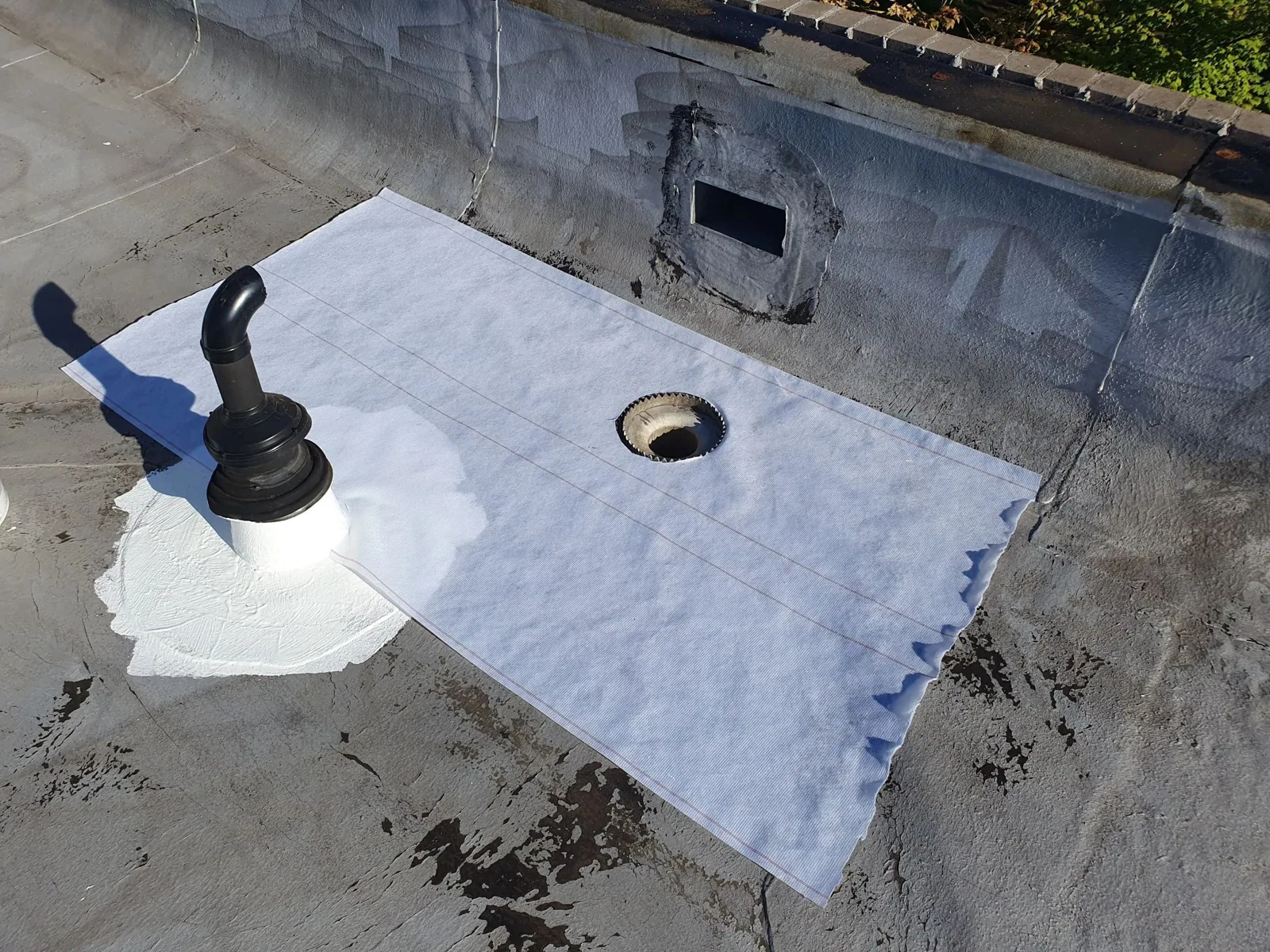
An entrance closed by loose roof material affects more than deliveries. The owner needs safe access and a clear assessment overhead. We examine storm-affected commercial roofs in Concord, NC, after conditions allow. Immediate openings may need protection before the wider inspection proceeds. The permanent task follows the damage actually found on the building. That can include displaced metal, torn covering or damaged supporting material. We separate those conditions from ordinary deterioration discovered during the visit.
Concord Parkway and Warren C. Coleman Boulevard serve commercial planning areas. An affected property there needs attention to entrances and service routes. Hotels, restaurants and retail also occupy the Concord Entertainment Corridor. Their occupied spaces can change the order of protection after a storm. We identify where water or loose material threatens current use. Then we examine accessible adjoining connections for a broader failure. Urgent dry-in and temporary protection can be arranged before permanent repair quantities are established.
Examine the exposed change
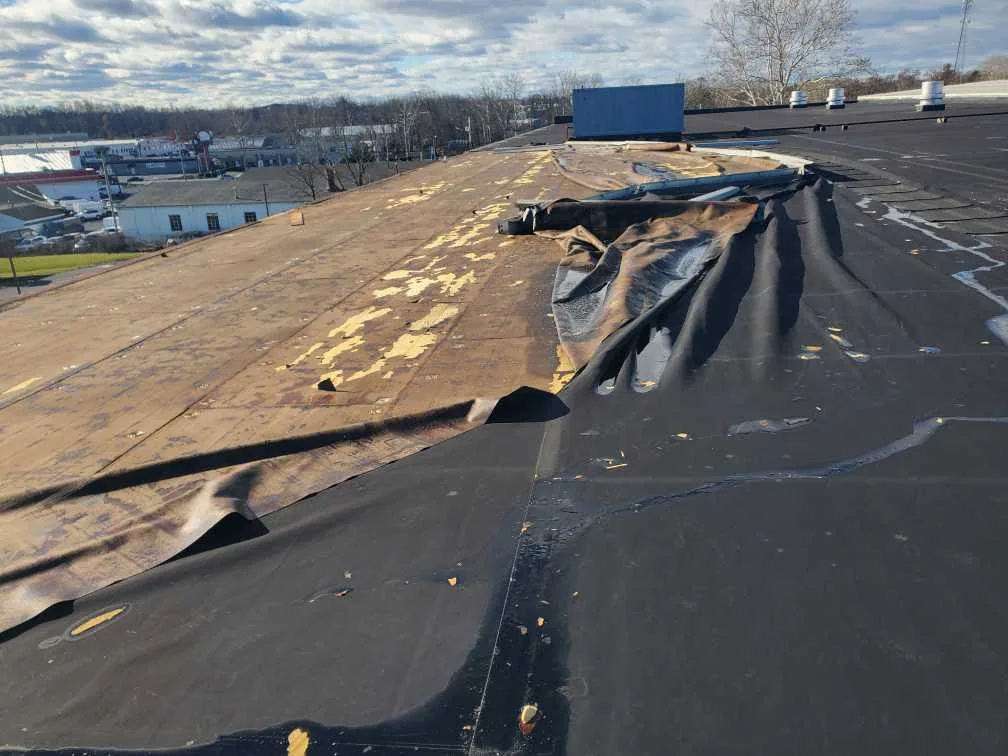
A displaced sheet can leave insulation exposed beside apparently intact material. We check the separation and the attachment around its boundary. Loose metal can also uncover a vulnerable membrane termination underneath. The inspection needs to include that concealed connection where safely accessible. Damaged decking or unstable equipment can restrict the examination. We identify those concerns before extending access across the area. Specialist evaluation may be needed where support or loading is uncertain.
A hands-on condition examination helps distinguish visible disturbance from a sound connection. We inspect relevant seams, curbs and perimeter details at working distance. Some openings are small but admit substantial water during rain. Others show wear unrelated to the recent event. We describe the observed material rather than assigning every defect a storm cause. Before-and-after photographs can help where comparable views exist. They still need interpretation with the current assembly. A claim assessment and a repair recommendation have different purposes.
Check impact and support together
An impact mark needs examination of the covering around it. A dented metal surface and a punctured membrane require different treatment. Some damage is difficult to identify without close inspection. We consider the material, reinforcement and supporting layer beneath the mark. A cracked or broken connection may need a compatible localized repair. Widespread damage may call for a broader assessment. We explain how the observed extent supports the proposed work.
One-inch hail was reported five miles west of Concord in March 2010. That local event provides weather context for investigating hail-related roof damage. The condition at your building remains the basis for repair. We inspect the suspected impacts and any associated water entry. A covering can also have pre-existing cuts or deteriorated connections. Those need distinction during documentation. Wet support beneath an opening may enlarge the removal task. The inspection should connect surface findings with that adjoining assembly condition.
Follow displaced material to its connection
A bent coping section can expose more than the metal visible above. We check its fastening and the membrane termination nearby. A lifted covering also needs inspection beyond the obvious tear. Adjoining attachment may be weakened without complete separation. We identify the extent that can be reached safely. Temporary closure requires sound material for a dependable connection. A larger unsupported boundary can change the protection method.
Helene brought a recorded 57 mph gust to Charlotte-Douglas International Airport in 2024. We examine wind-affected roof connections for displacement and usable adjoining attachment. A loose perimeter may require fastening or backing reconstruction beneath the visible metal. Rain reaching an opened transition can also affect concealed layers. The owner should understand what examination is needed to define that removal. Wall and drainage interfaces may introduce participating tasks beside covering repair. We identify the physical correction and suitable preparation so the new detail connects with sound retained roofing.
Protect the drainage function
Storm debris can block an outlet while the roof remains mostly intact. Water rising around that obstruction can find another weak detail. We inspect accessible collection points and remove loose material where safe. A damaged fitting needs its own compatible repair. We also consider whether the discharge pipe is restricted beyond the roof. That task may need a plumbing service rather than further membrane treatment. Clear outlets are part of practical storm recovery.
Occasional ice and snow also occur in Cabarrus County winters. Frozen surfaces can obscure detail damage or make access unsafe. We plan examination when the condition allows a meaningful check. Staff should not break ice against roofing to find an opening. A drain or scupper assessment may be needed after thawing. The inspection then separates loose debris from damaged material or poor geometry. Persistent ponding requires a different correction from removing a blockage. We identify that difference before describing the permanent roof task.
Define repair and removal separately
Stopping immediate entry does not establish the final damaged-material boundary. Wet insulation or weak decking can require additional evaluation. We use selected openings where concealed condition affects the scope. The permanent correction must tie into suitable adjoining material. Its preparation also needs to account for temporary sealants or coverings. Some emergency material must come off before a lasting connection is possible. We include that task in the repair description.
Businesses in the Concord Entertainment Corridor may need room-specific work arrangements. The removal area determines which occupied space needs protection. Equipment clearance and intake locations can affect the installation sequence. A limited seam repair differs from opening a wet roof section. We explain that difference while planning access and timing. The proposal identifies retained material and required correction around it. If deterioration is extensive, a replacement evaluation may be more useful. That recommendation follows condition rather than the storm label alone.
Keep the damage record usable
Photographs should identify the affected connection and the broader roof location. We distinguish initial visible findings from later confirmed concealed damage. Selected openings and repaired areas need their own location records. Those details help explain why the permanent scope changed. An insurer may request additional information during its review. We provide condition documentation without predicting coverage or claim acceptance. The owner should keep earlier roof and repair records available.
Documenting the roof for insurance review can accompany physical recovery. It should not delay necessary safe protection of an exposed opening. We distinguish emergency work from proposed permanent repair in the records. The completed correction also needs a practical follow-up. Another rainfall can reveal an unrelated opening beyond the repaired area. New symptoms should be reported with their location and timing. Maintenance can then address remaining accessible debris or deteriorated details. That allows recovery to progress beyond the initial storm visit.
Commercial Roofing Questions
Do we need to wait for the insurer before protecting an opening?
Active exposure can require safe temporary protection while claim review continues. Preserve photographs and available repair records where practical. We document the accessible condition and work performed. The insurer's requirements and coverage decisions remain separate. Contact the insurer promptly while arranging protection suited to the building's immediate condition.
What should be examined after hail reaches a commercial roof?
Assess accessible covering and details for impacts, openings and adjoining deterioration. A visible surface mark may require closer examination before reconstruction is selected. We inspect useful retained material and explain any investigation needed beneath the affected area. Wet layers can enlarge removal. The proposed work should describe the physical condition and connection being corrected.
Can you inspect while water is still standing on the roof?
Standing water can hide openings and damaged support. We assess safe access before walking or investigating the area. Lightning, wind or slippery conditions may also restrict work. Some details need examination after water clears. We identify the limitation and arrange the next useful check rather than treating an obscured area as sound.
What could make storm repair larger than the visible tear?
Weakened adjoining attachment or wet underlying material can extend the correction. The permanent connection also needs room to join suitable roofing. A damaged curb or drain may require additional reconstruction. We identify these conditions through inspection and selected investigation where needed. The scope should explain the physical reason for its boundary.
Assess the changed roof condition
Request a Concord storm damage visit. Report exposed roofing, affected rooms and any entrance or equipment area restricted by loose material.