Home / Commercial Roofing Services / Roof Insurance Claim Assistance
Roof Insurance Claim Assistance in Concord, NC
Document commercial roof damage in Concord for insurance review. We record observed defects, temporary protection and repair scope without promising coverage.
Reopening a damaged business space often involves several separate decisions. The roof needs protection, while the insurer needs usable damage information. We help owners document commercial roof conditions in Concord, NC. Our role concerns the roof examination and proposed physical correction. We photograph accessible defects and explain the repair extent. We also distinguish temporary protection from permanent work. The insurer evaluates coverage and the claim under the applicable policy.
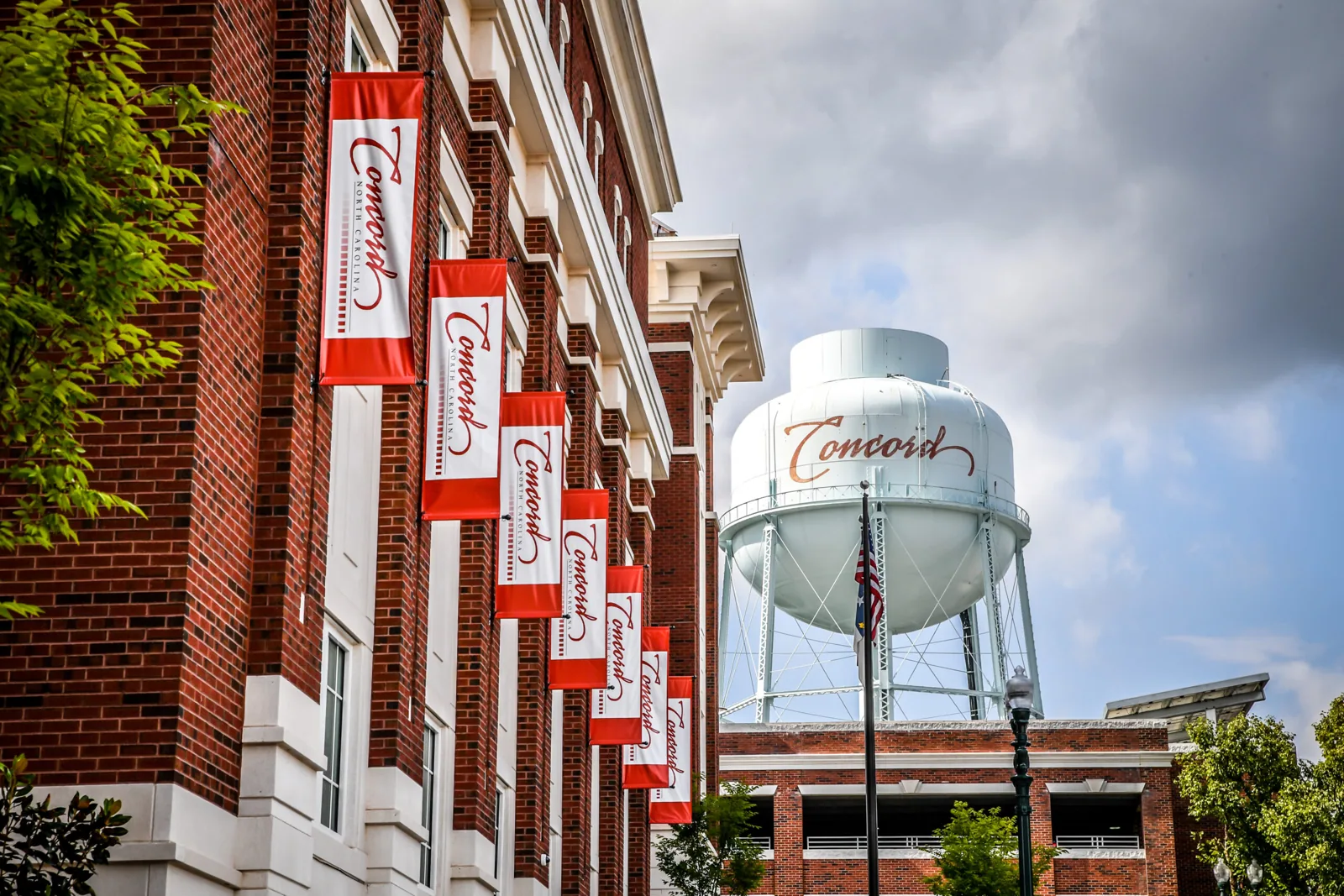
Downtown Concord includes planned commercial, industrial and residential development. A damaged roof there can affect more than one operating use. Nearby Kannapolis has health, nutrition, science and educational activity. Those varied spaces can need different protection during examination and repair. We connect the roof record with the actual affected area. That helps explain why access, removal or equipment coordination changes the task. An assessment of storm-affected roofing can establish the observed starting condition.
Record the condition before it changes
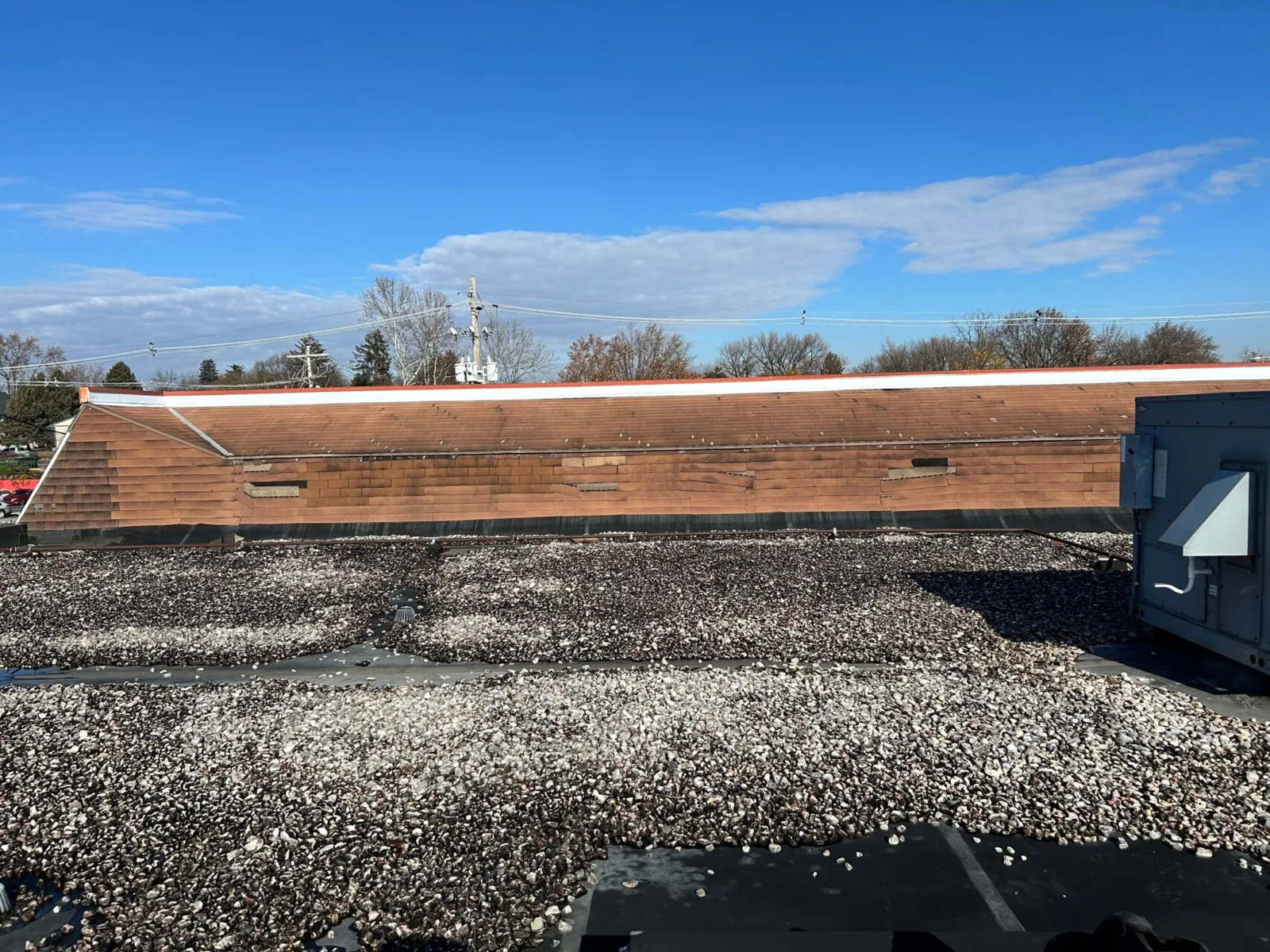
A displaced membrane can look different after temporary protection is installed. Photographs taken safely beforehand can preserve the initial visible condition. We document accessible damage during the roof visit where conditions permit. Images need enough context to identify the roof area and connection. A close picture alone can leave its location unclear. We pair relevant detail views with the surrounding equipment or geometry. The record should describe what was actually observable.
Indoor photographs can also help connect water entry with an affected room. Its location and timing should accompany the image where available. A ceiling mark does not establish the roof entry point. We examine that relationship separately through the roof investigation. Earlier inspection or repair records can show prior condition at the same detail. Missing earlier records leave some questions unresolved. We identify those limits rather than assigning a date to every defect. That preserves the distinction between recorded facts and matters requiring further assessment.
Keep urgent work identifiable
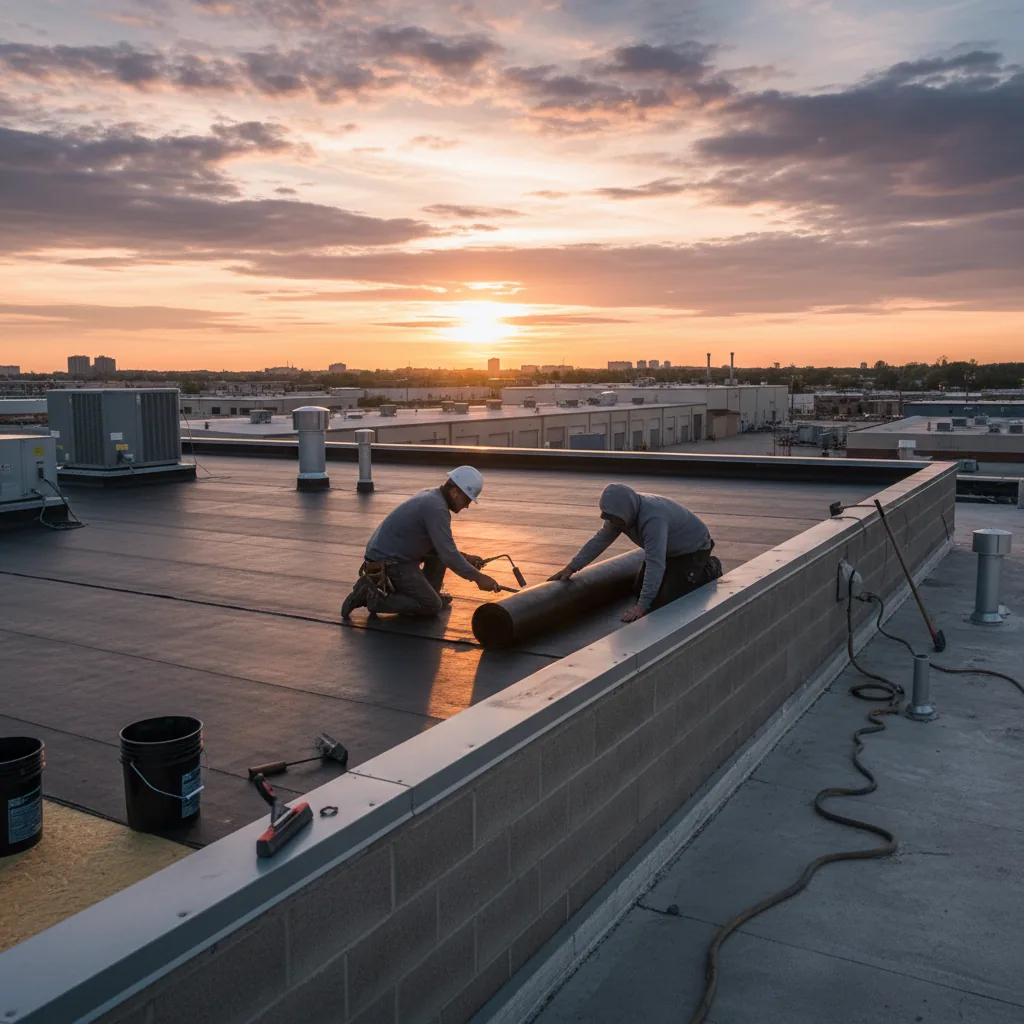
Temporary closure can prevent continued exposure while the damage review proceeds. Its method must suit the opening, weather and safe access. We identify which area received protection and what material remains damaged. The emergency work should have a clear description separate from later repairs. That helps explain its purpose when the insurer reviews the record. A protected opening can still need insulation removal or flashing reconstruction. Temporary treatment does not establish the full permanent scope.
Cabarrus County has warm-season thunderstorms, with occasional winter ice and snow. Those conditions can restrict access during an initial damage visit. We explain which roof areas could be examined safely. Additional findings may follow when weather and surface conditions improve. Immediate roof protection should not depend on completing every concealed-condition investigation first. The operator may also need to isolate an affected indoor space. We coordinate the roof task with that building response. Relevant photographs and work descriptions remain part of the record as recovery advances.
Distinguish damage from deterioration
An inspection can reveal weather-related disturbance alongside older failing details. We examine those conditions without treating them as interchangeable. A damaged covering needs assessment of its material and support. Repeated patches or degraded flashing can also contribute to water entry. The description should identify each observable condition. It should not assign a recent event to material lacking that evidence. Comparable earlier photographs can help where the same detail is visible.
A regional storm report can support weather context for the visit. It cannot establish the condition of a particular roof assembly. We relate the damage assessment to the property examination instead. The written roof findings separate visible defects from unresolved concealed questions. That allows the insurer to review the actual evidence provided. Coverage considerations may differ from the physical repair required. We explain the correction the assembly needs without deciding that policy question. The owner can keep both decisions clear while coordinating the work.
Describe the complete correction
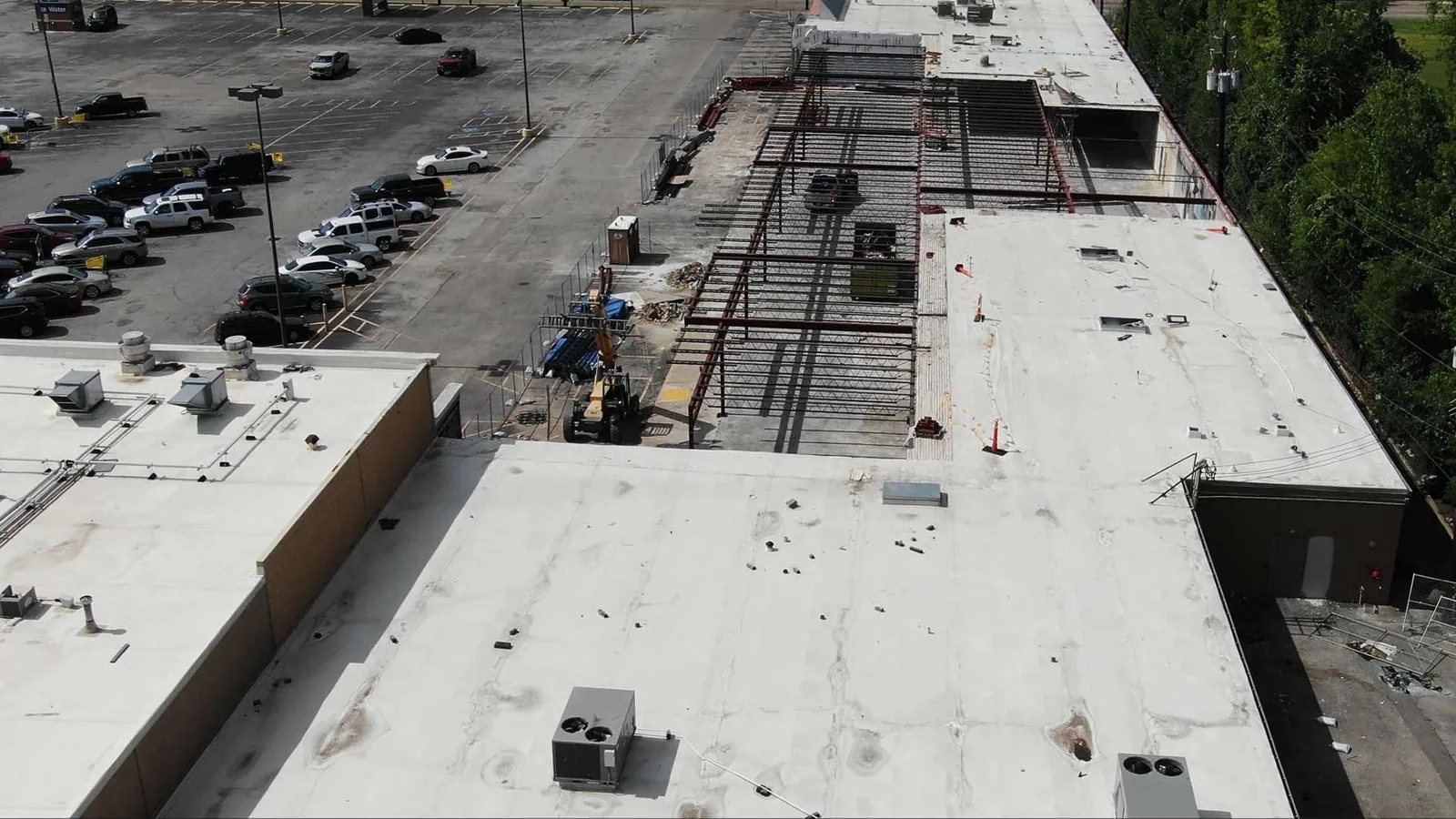
A repair proposal needs more than the exposed membrane dimensions. The connection may require adjoining removal to reach suitable material. Wet insulation can increase the opening and replacement depth. A damaged drain or curb may add another detail task. Equipment movement can require a separate service arrangement. We identify those requirements within the proposed physical work. That gives the owner a useful basis for discussing the scope.
For a property in Downtown Concord, the occupied use can influence repair sequencing. Different rooms may need protection at different work stages. We identify those stages where they change access or removal. The task should also account for debris handling and temporary weather closure. A lower-priced surface treatment may omit damaged material beneath it. We describe that distinction so the proposed correction can be evaluated. Required related work belongs in the scope when it is known. Uncertain concealed conditions need a clearly identified investigation step.
Support the review with roof information
An adjuster may request access to the damaged area or additional photographs. We can coordinate relevant roof information and inspection arrangements. The purpose is to make the observed condition and proposed task understandable. A requested detail may need safe close access to obtain. Some questions require further investigation rather than another distant image. We identify that requirement and its reason. The owner remains informed about the work needed to answer it.
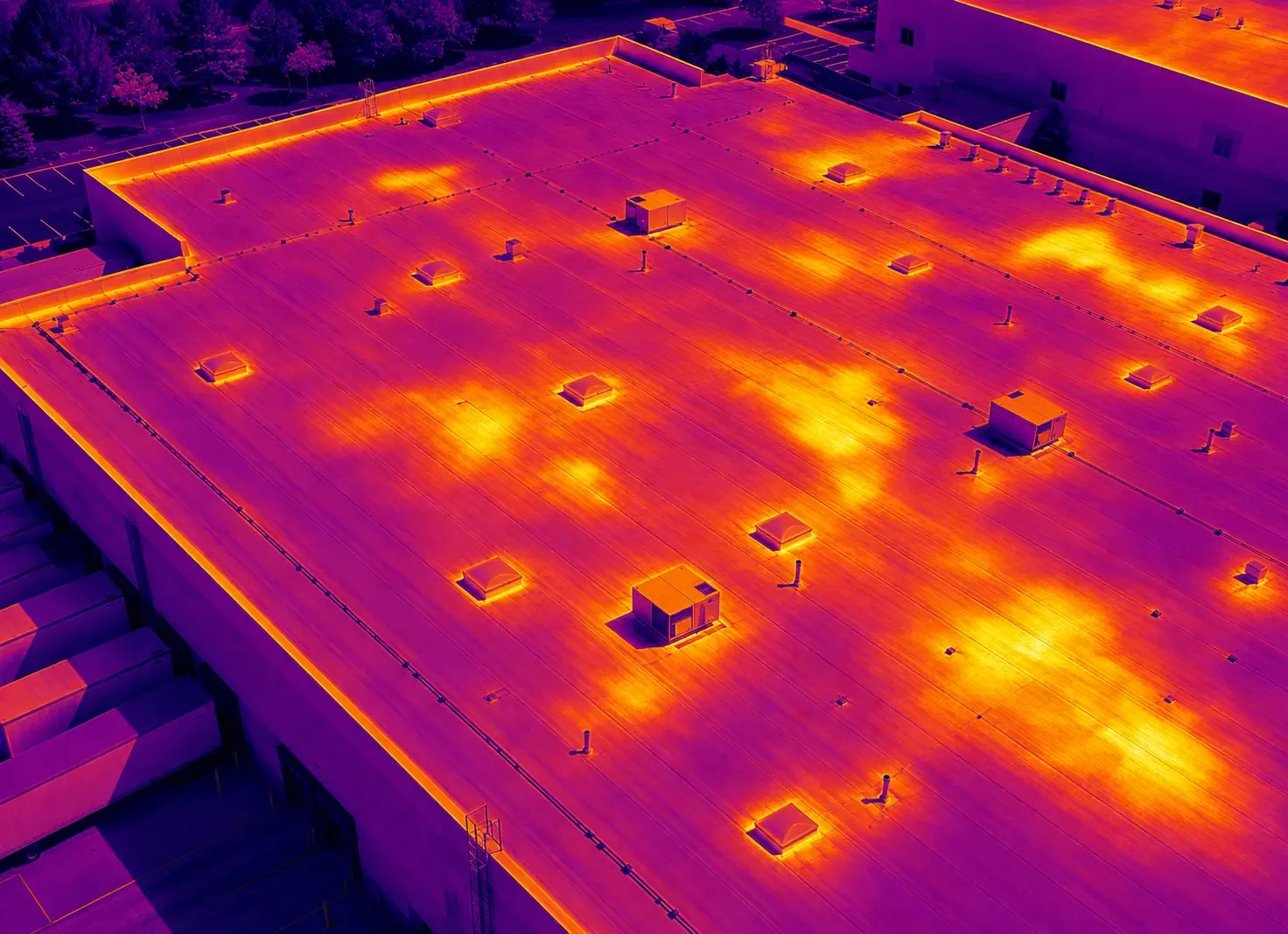
Roof records for properties in Kannapolis can involve health or educational operating spaces. Their actual use matters when inspection would disturb the occupied area. We arrange the relevant access rather than assuming unrestricted entry. A confirmed moisture investigation may support removal decisions where wet support is uncertain. Its findings must retain their sampling and interpretation limits. We provide the checked locations and explain their relationship to proposed work. That is more useful than turning an unconfirmed image pattern into a claimed removal quantity.
Retain the repair record afterward
Completed work information should identify the repaired connection and removed material. Photographs can document preparation and final details where appropriate. The owner should also know which conditions remain outside the approved work. Those may involve unrelated deterioration or another inaccessible area. Keeping that distinction clear helps plan subsequent maintenance. It also explains why a future symptom might require another investigation. Completion of one repair does not erase the rest of the roof's history.
Your records should preserve the original damage findings alongside later changes. Selected openings may reveal conditions not accessible during the first visit. We describe when and where those findings became apparent. A revised repair scope should connect with that additional evidence. The owner can then discuss the change without relying on an undocumented assumption. Future equipment work also benefits from knowing the repaired assembly. Keep the relevant installation and maintenance information accessible. The record remains useful after claim review ends and normal building operation resumes.
Commercial Roofing Questions
Can you promise that our insurer will pay for the repair?
Coverage decisions belong to the insurer under the applicable policy. We document the roof condition and explain the proposed physical correction. The record supports review, while the insurer decides its outcome. Keep policy questions with the insurer or your authorized representative. We remain focused on the work the roof requires.
What existing records help you assess a damage claim?
Earlier condition photographs, inspections and repair descriptions can show prior changes. Equipment work records may also identify disturbed roof details. Provide the relevant dates and affected areas where available. We compare them with what can be observed during the visit. Incomplete history is identified rather than filled with an assumed cause.
How do you handle additional wet material found during removal?
Newly exposed conditions need documentation before the repair boundary changes. We photograph the material and identify where it extends. The added task should explain why removal or support correction is necessary. We discuss it with the owner while protecting the opening. The updated information can then be provided for insurance review.
Should interior damage be included in the roofing scope?
Interior drying, electrical safety and ceiling repairs may require other qualified trades. We describe the roofing task and its affected spaces clearly. Related indoor work needs its own responsibility and coordination. Connecting those tasks helps schedule recovery without confusing their physical scopes. The insurer may review them together while the repair teams handle separate work.
Assemble the roof findings
Arrange a Concord damage documentation visit. Bring earlier roof records and identify the affected space, temporary work and insurer information requests.