Home / Roof Damage Repair / Commercial Hail Damage Roof Repair
Commercial Hail Damage Roof Repair in Concord, NC
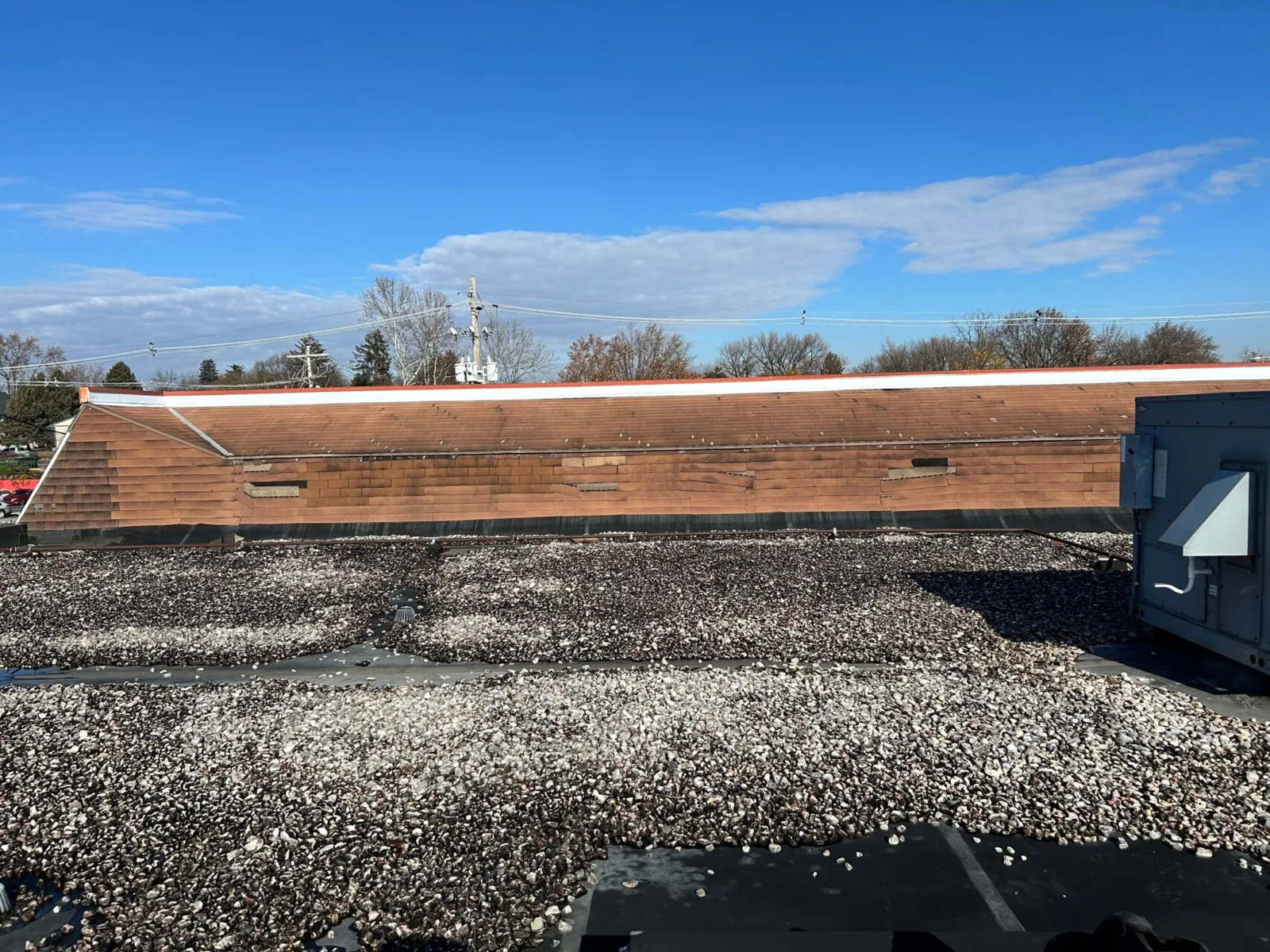
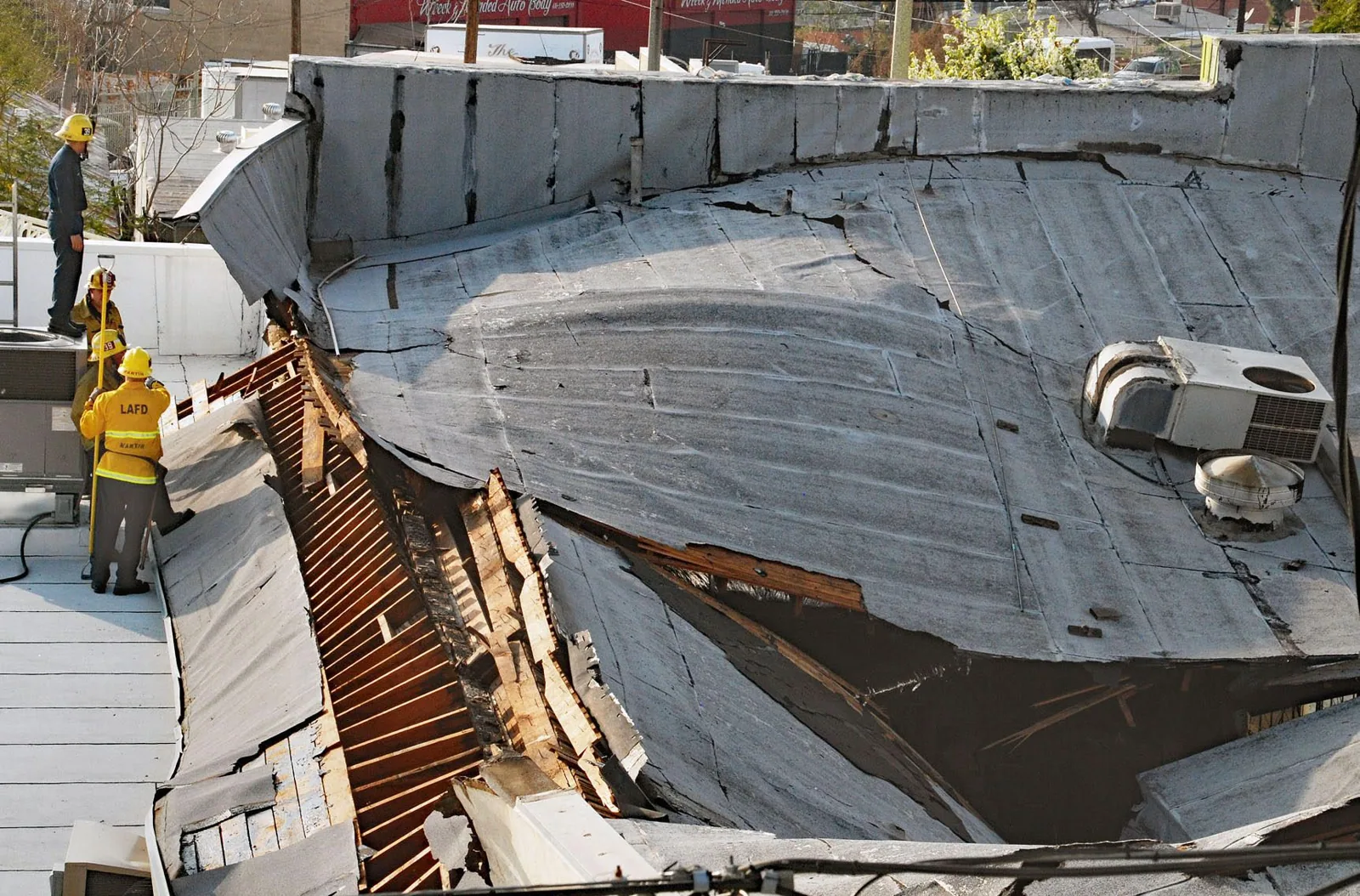
Examine commercial roof condition after hail in Concord. We assess impact areas, connected details and underlying material before defining corrective work.
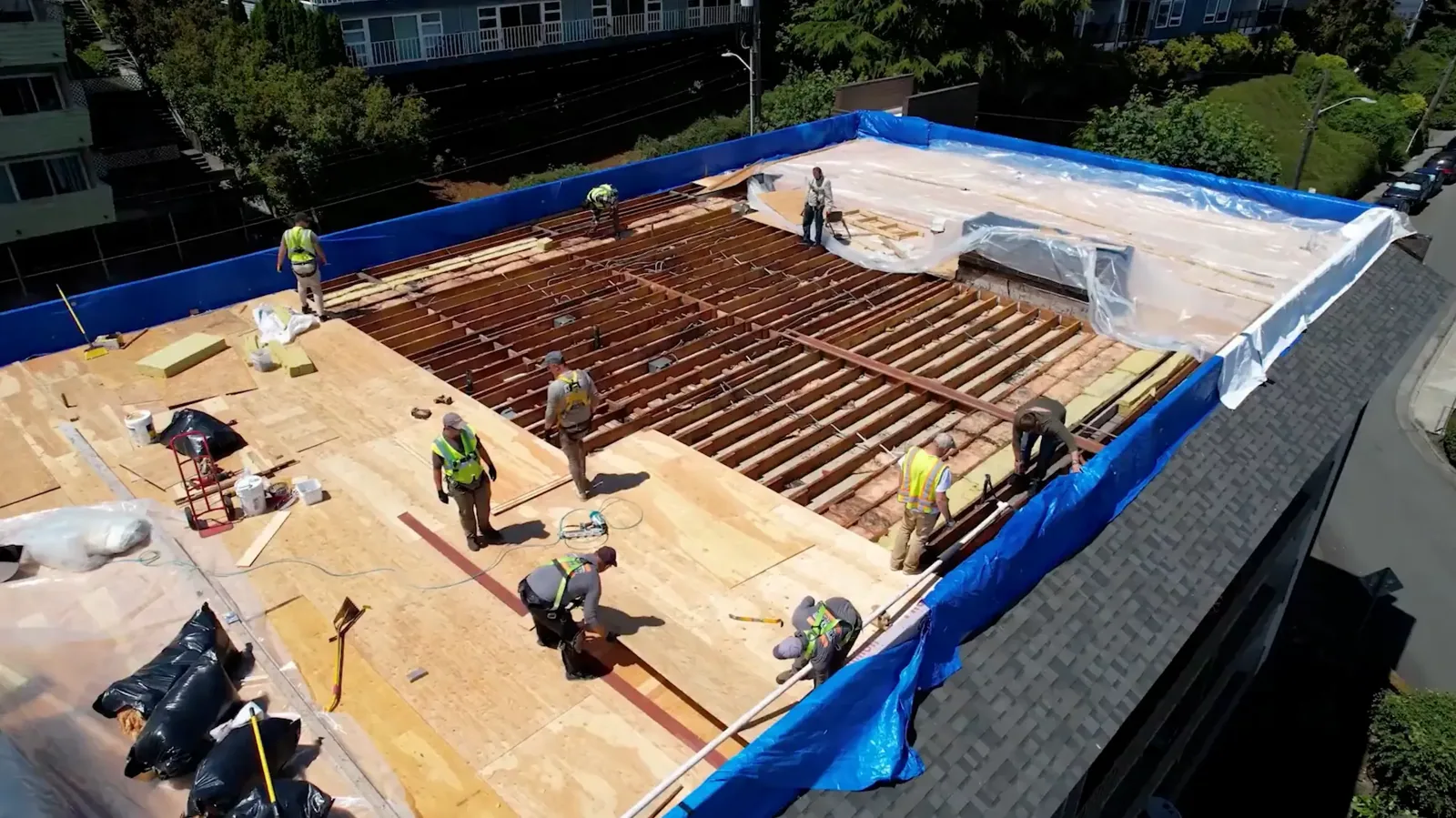
Impact marks around a rooftop unit can be easier to notice than damage in adjoining covering. Both positions need examination after hail reaches a commercial property. We assess commercial hail damage roof repair in Concord, NC. We inspect accessible surface condition and relevant connections. The operator identifies the affected occupied space and useful event timing. A mark may require further assessment before removal is chosen. We explain the physical condition found and how it affects reconstruction. The repair boundary needs usable receiving material rather than a covering selected only because the event occurred.
An estimated one-inch hail event was reported five miles west of Concord on March 28, 2010. After a current event, we examine the roof surface, seams and equipment interfaces at the affected property before defining the repair. Church Street already has commercial businesses beside residential neighborhoods. The corridor plan identifies commercial use from US 29 to Brookwood Avenue and a mixed-use activity center farther along toward Killarney Avenue. An occupied commercial room there needs a practical protection arrangement if examination leads to removal. Storm-related roof assessment can coordinate those connected conditions.
Examine the covering where impacts occurred
Hail can affect exposed covering and softer material beneath it. Accessible examination should assess cracks, openings or other altered condition. We consider the installed assembly and its receiving layers. A surface indentation does not by itself describe a useful repair method. The surrounding material and any established underlying deterioration matter. Selected examination may be needed where the impact's effect remains uncertain. We explain the relevant question before requesting another opening. That additional assessment should have a defined boundary and suitable reconstruction method.
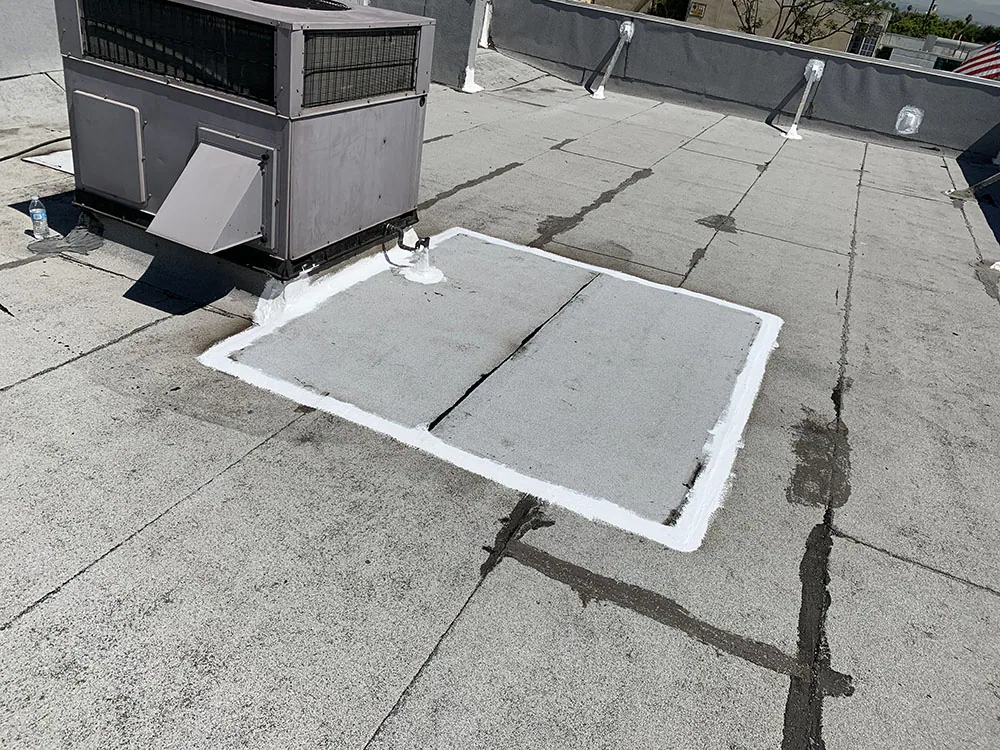
Metal details and equipment surfaces may show impacts differently from membrane roofing. Their condition needs examination at the particular connection. A dent in one component does not select the roofing task elsewhere. We assess exposed transitions and any report of new water entry. Reconstruction at a damaged flashing connection can address an established opening at a curb or wall. The scope should explain the receiving construction and preparation instead of treating every marked component as the same kind of defect.
Include seams and outlets in the examination
The field covering is only part of the accessible roof area. We inspect relevant joints and penetrations where the reported condition directs attention. A separated seam can allow water below even if another surface appears intact. An outlet connection can also need reconstruction after damage. The operator should identify where indoor reports appeared and whether nearby equipment was serviced. Those observations help direct the visit. We distinguish established roofing defects from conditions needing another participant's examination, including equipment or piping outside the roofing boundary.
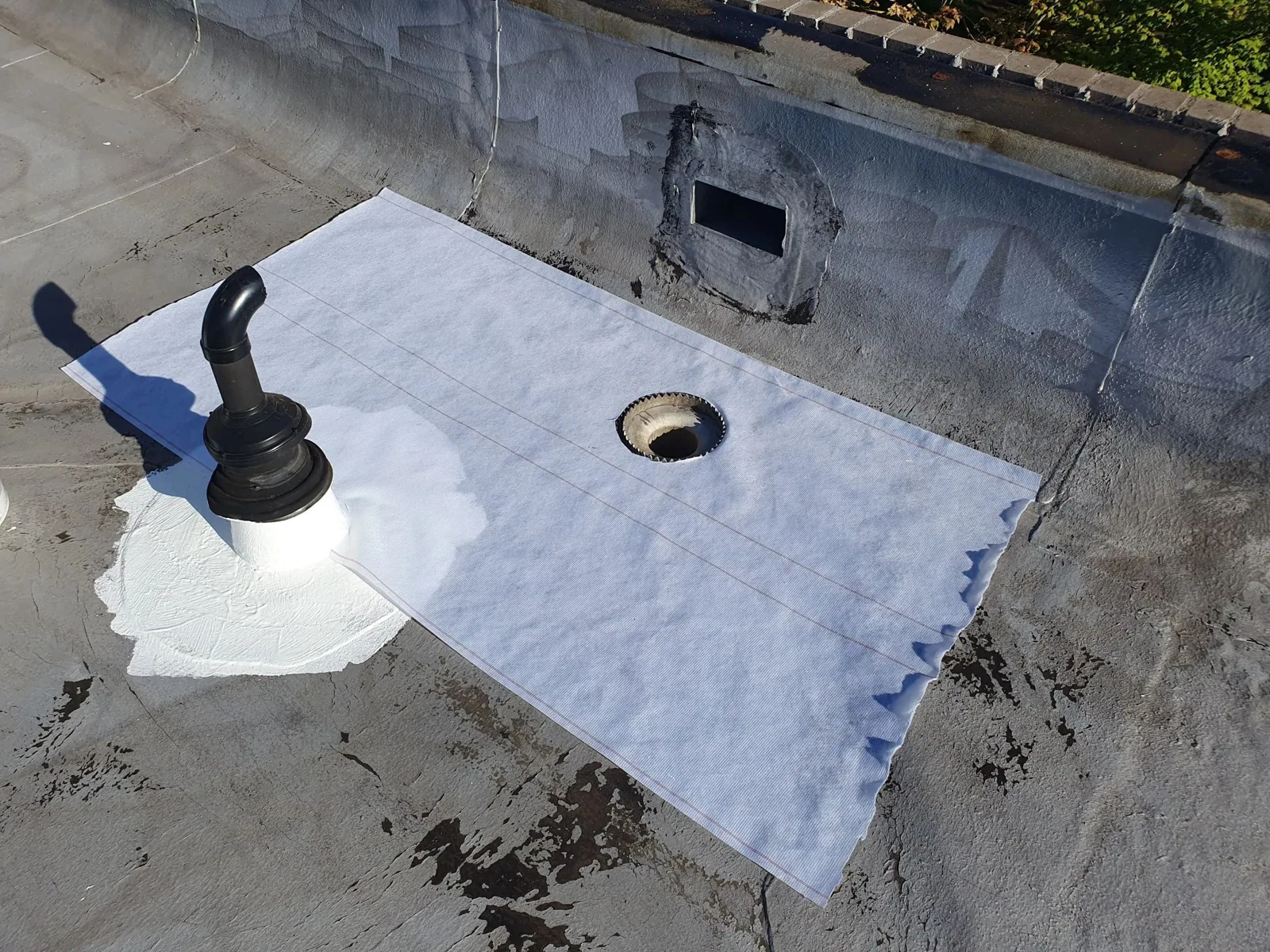
Open-seam correction needs preparation suited to the installed material. A puncture near the same position may require its own connected repair. Outlet and collector examination can assess accessible discharge details and debris affecting runoff. The permanent task should reconnect the relevant covering around a usable receiving area. Clearing an outlet does not rebuild a damaged flange. Likewise, a field patch does not resolve an unexamined transition at the nearby wall.
Check retained layers before selecting a surface correction
Water entering through damaged roofing can affect underlying material. We assess accessible condition and explain useful further examination. A proposed repair should identify the layers that remain suitable and any removal established by the findings. Authorized exposure may be needed to examine a concealed boundary. That work needs protection while the area is open. Appropriate professional review is necessary where supporting construction raises concerns. The owner should understand why the task is limited or why additional reconstruction is required around the impact area.
A broader post-impact examination can help when reports involve several roof positions. We assess the accessible assembly rather than treat the nearest visible mark as the entire entry path. Some areas may need different corrective tasks. Their extent should follow the material and condition found. The scope should identify preparation, retained boundaries and connected details. It should also explain where another examination is necessary before the owner chooses between localized work and a wider renewal area.
Arrange examination and removal around the affected room
The operator identifies contents, equipment and access restrictions beneath the proposed work. We review the practical opening and reconstruction sequence. Material delivery can affect an entrance or service approach. The handling position needs coordination before roofing arrives. Temporary protection should suit the weather and exposed boundary. Selected removal may reveal a different extent than the surface visit established. We explain how that finding affects the next task. Required exits need appropriate attention throughout the work arrangement, including when equipment is positioned nearby.
At a property within Downtown Concord, the roofing task may require coordinating upper-wall access with the occupied entrance below it. We examine the actual handling route and affected detail. Equipment participants should provide clearance when a unit prevents preparation. The repair needs room to reconnect the membrane or flashing properly. A narrowly scheduled visit cannot substitute for that physical access. The owner should understand any separate lifting or disconnection task before the permanent construction sequence is selected.
Describe corrective work and preserve its completed boundary
The corrective scope should distinguish impact damage, other established defects and further assessment. We explain removal and material preparation at the chosen boundary. Proposed assembly changes need appropriate permit or design review. The owner should compare the complete construction task, including its connections and protection requirements. Roofing information for a claim review can describe observed condition and proposed work. Coverage and claim decisions belong with the responsible insurance participants. A roofing proposal should remain clear about the physical correction being considered.
Completion information should identify the positions reconstructed and material retained around them. Later service activity needs to preserve those connections. New water reports should include occupied location and timing so the relevant roof area can be examined. Another component alteration may need its own detail task. Continuing inspection should include accessible outlets and repaired interfaces. The owner should understand that care arrangement. The useful outcome is a defined roof correction that remains serviceable around the building's actual operating and equipment access needs.
Commercial Roofing Questions
Does every visible hail mark require the same roofing repair?
No. The installed material and physical effect need examination at the affected position. A metal indentation, membrane opening and damaged receiving layer can involve different tasks. We assess accessible condition and explain useful further assessment. The proposed correction should identify its prepared boundary and connected details rather than apply one treatment to every marked component.
What should the owner report before a post-hail roof visit?
Identify the occupied space affected, when water appeared and any recent roof equipment activity. Describe available access and restrictions around the reported position. We use those observations to direct the examination. Building staff should avoid an unsuitable roof search. The visit should assess relevant impacts and connections, including conditions that require another trade's participation.
When might examination beneath the covering be useful?
Concealed material may need assessment when impacts or water entry affect the retained assembly. We explain the physical question and proposed examination boundary. Authorized exposure requires a protection and reconstruction method. The findings can change removal extent. A surface repair cannot restore damaged material beneath it, so the owner should understand the resulting layer work.
How does a roofing assessment support an insurance discussion?
We can identify accessible condition and explain proposed corrective roofing work. The information should distinguish established findings from further examination needed. The owner can discuss it with the responsible insurance participants, who determine coverage and claim outcomes. The reconstruction scope still needs appropriate material preparation, connected details and a workable occupied-building access arrangement.
Examine the impacted roof area
Arrange a Concord hail-related roof assessment. Identify the affected room, event timing and available roof access so we can examine covering and connections.