Home / Roofing Capabilities / Commercial Due Diligence Roof Surveys
Commercial Due Diligence Roof Surveys in Concord, NC
Assess roofing for a Concord commercial property review. We identify accessible assemblies, corrective tasks and further examination needed for scope decisions.
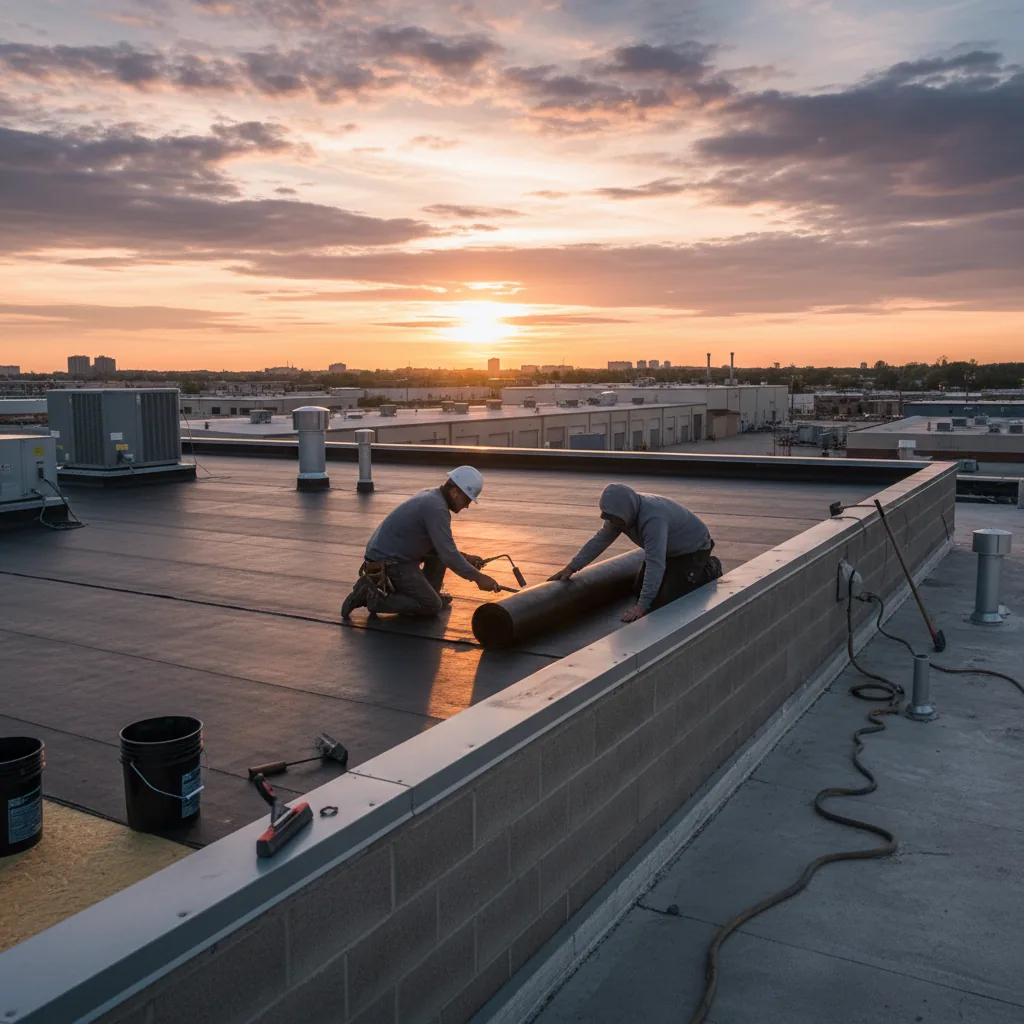
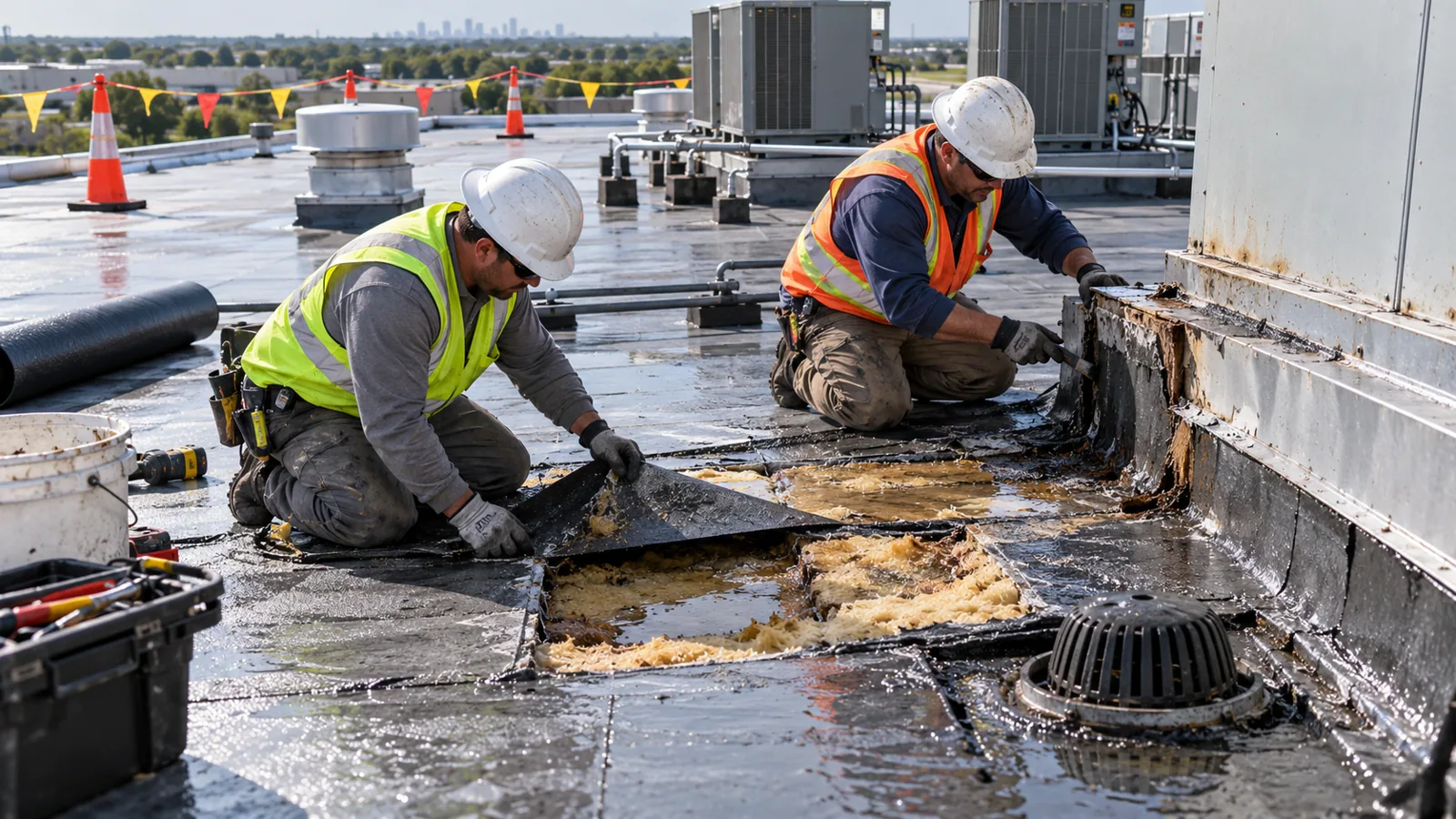
A seller's roof description may not identify the assembly above the tenant's recurring water report. The proposed property review needs those positions connected. We provide commercial due diligence roof surveys in Concord, NC. We examine accessible condition within the authorized scope. The findings identify relevant roof areas, practical corrective tasks and useful further examination. The owner should understand which removal or retention questions remain. A survey supports a roofing decision without replacing the transaction participants' responsibilities. We explain the physical concern and the next useful task at the actual occupied property.
Concord has commercial parks and speculative buildings with immediate I-85 access. Kannapolis includes a research campus focused on health and nutrition alongside other commercial activity. A prospective property can involve several operating uses and reconstructed roof sections. We identify the actual assembly area being reviewed. Written roof findings for the property review can distinguish accessible condition from a material question that needs another authorized step.
Agree on the roof areas and available access
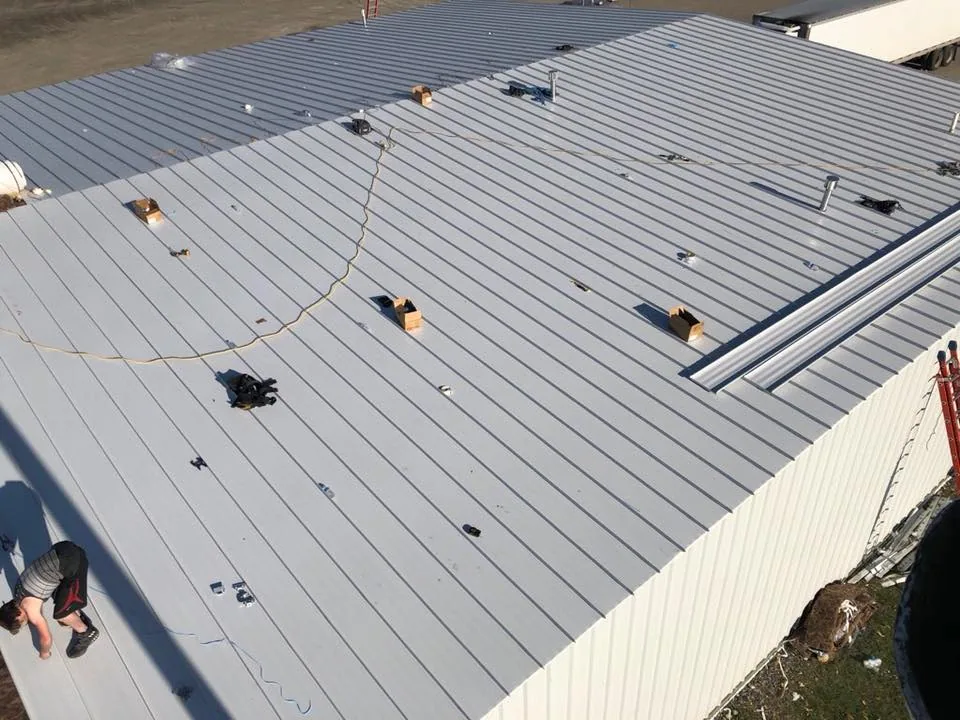
The review should identify the property and assemblies included. Different additions or completed projects may have different coverings and connections. We assess useful available history alongside the accessible roof. The owner should arrange examination authorization and identify occupied restrictions. Equipment or an unsuitable approach can limit the area reached. We explain that restriction at the relevant position. An inaccessible detail remains a question for further assessment. The survey should not treat all sections as one uniform assembly because they share the same building name.
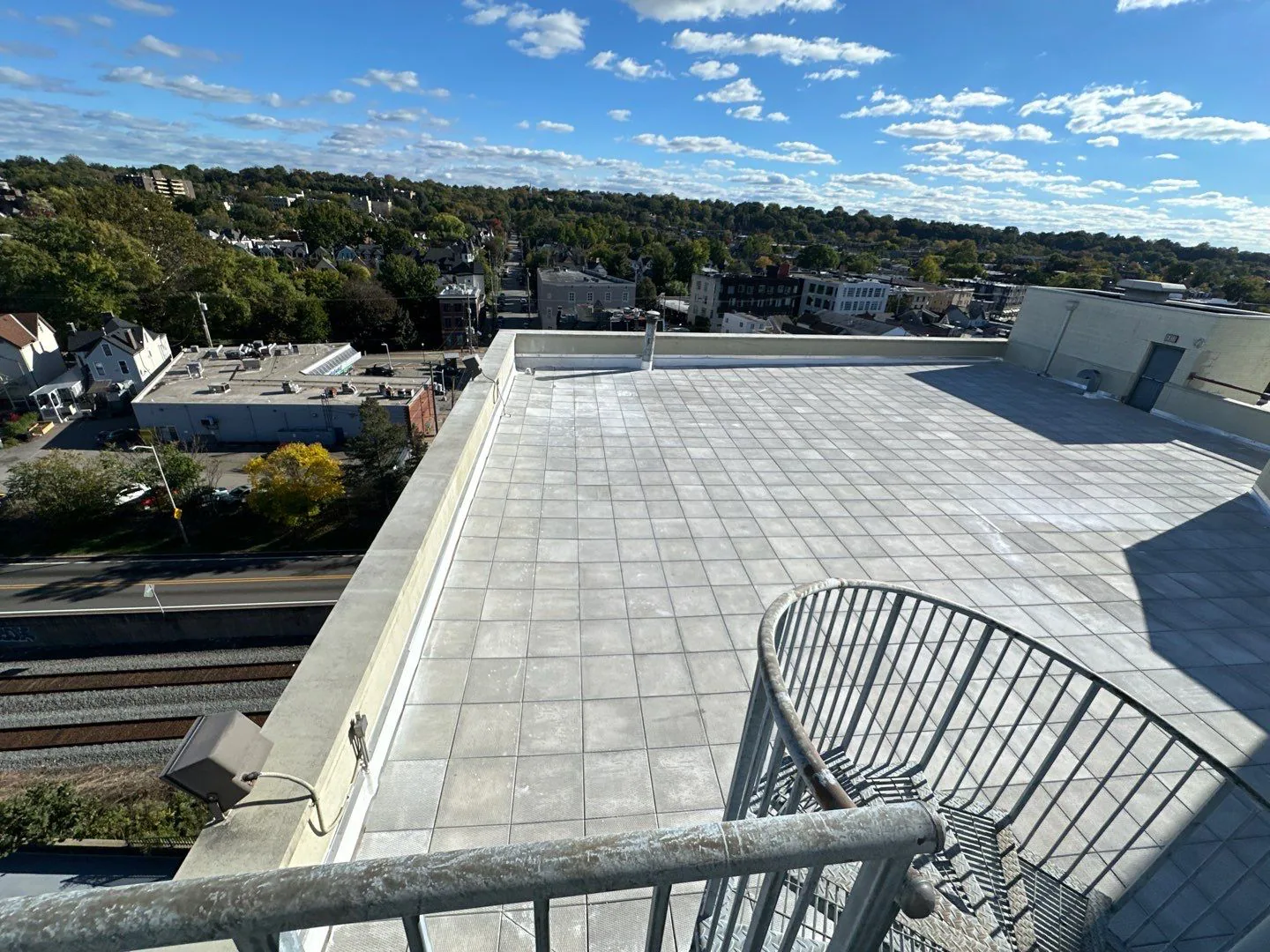
An accessible roof and detail examination can identify covering condition and relevant connections. The operator's report helps direct attention to recurring entry. Indoor water location may not align with the exterior defect. We distinguish the reported symptom from the accessible roofing condition established. Walls, equipment or piping may need another participant's review. The owner should understand that boundary before comparing the findings with a seller's description or choosing a proposed corrective construction scope.
Connect available history with the current assembly
Installation and repair information can help identify known material or reconstructed positions. We review what is available without assuming every document describes the entire current roof. Later equipment changes can alter connections. A retained layer question may need further examination before renewal is selected. The findings should identify the information useful to that decision. The owner should understand where current accessible condition differs from an earlier description. Missing history does not by itself select removal, but it can leave an important assembly question unresolved.
Review of available roof warranty information can identify relevant questions for the responsible issuer. Coverage and term decisions remain with that participant under the applicable document. The survey should keep those questions separate from the physical repair task. A familiar material name does not describe the receiving condition at every detail. We identify the actual roof positions examined. The owner can then request useful clarification or further assessment without treating a document label as a complete account of current construction.
Describe the work required by the established finding
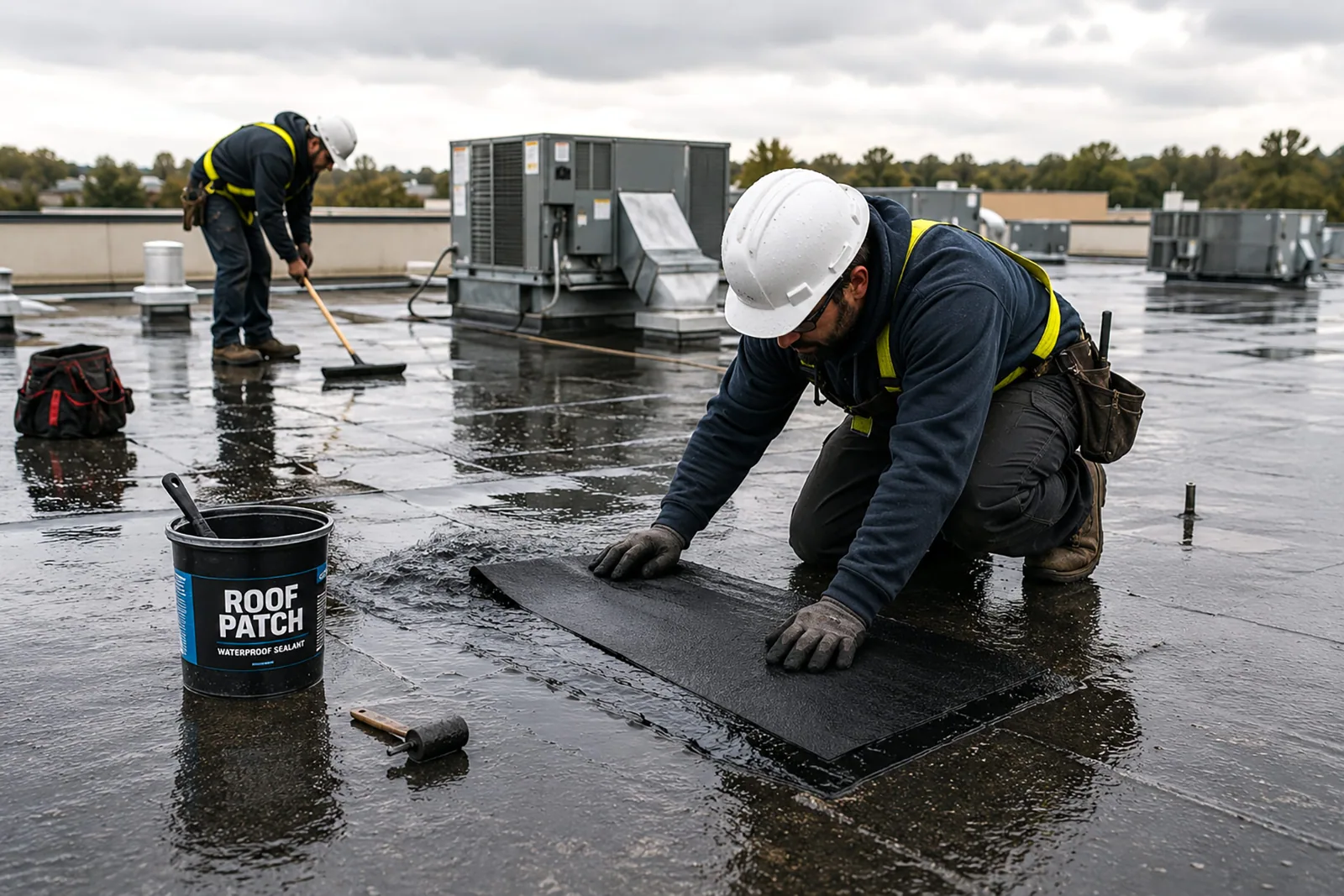
A separated connection may need a local corrective task. Wider deterioration can require another assessment before defining reconstruction. We explain preparation and receiving material at the affected position. Moisture or damaged backing may change the removal boundary. Equipment clearance and adjoining wall work can also affect the scope. Defined corrective work at an examined area should identify those dependencies. The owner should see the actual construction being considered rather than receive only a broad statement that roof repairs are necessary.
Assessment of a possible retained assembly needs established condition and appropriate review. Retention cannot be chosen solely because the surface is accessible. Proposed profile or insulation changes can alter curbs, outlets and wall interfaces. We identify those relationships where they affect the roofing task. Applicable permit and design requirements should be reviewed for the actual reconstruction. The findings should explain useful further participation rather than assume a covering choice resolves the entire project boundary.
Identify the examination that would resolve a material question
Concealed condition may remain uncertain after the surface visit. We explain why that question affects retention or removal. Selected exposure or another suitable method can help establish the receiving layers. The owner should authorize the proposed position and purpose. An opening requires protection and reconstruction afterward. Additional findings may expand the work area. Structural concerns require appropriate professional assessment. The survey should keep the next task clear rather than turn an unresolved layer into a definite construction recommendation.
Planning from the examined roof condition can compare options once their physical assumptions are understood. A local repair and wider renewal may address different boundaries. The owner should identify which option is being considered and what examination still matters to it. The transaction schedule does not remove that material question. We explain the useful assessment and access needed. The owner and other review participants can then decide how to coordinate that next roofing step within their property process.
Include the occupied arrangement in the proposed construction
A property review should consider the access required for corrective work. The operator identifies entrances, sensitive contents and equipment service needs. Material handling may affect activity beyond the roof area. Required exits need appropriate attention during staging. The proposed removal needs protection and a workable connection sequence. Equipment participants may need to provide lifting or disconnection before the roofing detail is rebuilt. Those tasks should be identified before the owner compares a narrow proposal with one that includes the actual operating dependencies.
At a Kannapolis commercial property, the roof approach and occupied use need their own examination. A convenient road route does not ensure a useful lifting position at the building. We review the practical arrangement with the operator. The written findings should retain relevant restrictions for later construction coordination. New information or work can change the current scope. The owner should connect those changes with the roof positions involved rather than preserve an older description after the assembly has been altered.
Commercial Roofing Questions
What roof areas should be identified before a property survey?
Identify the buildings, additions and relevant assembly sections included in the authorized review. We assess available access and useful installation information. Different reconstructed areas can have different connections or condition. The findings should locate the positions examined and any restriction. The owner should understand where further access or another assessment is needed before selecting a construction scope.
Does a surface survey establish every concealed roof layer?
Accessible examination may leave underlying material uncertain. We explain the physical question and how it affects retention or removal. Selected exposure or another suitable assessment may help. That task needs authorization and reconstruction afterward. Structural concerns require appropriate professional review. The owner should understand the next examination rather than assume the surface view defines all receiving condition.
Why include equipment clearance in due diligence findings?
An installed unit can obstruct preparation and the permanent roofing connection. We identify the clearance or separate participant task needed for corrective work. The owner should understand that dependency when comparing reconstruction options. The practical scope also needs protection and handling access. Leaving those tasks unexplained can make two proposals appear comparable when their physical boundaries differ.
How should later changes affect the survey's use?
The survey describes the accessible condition examined during its visit. New entry, equipment work or additional examination can change the useful construction task. We explain that effect at the relevant roof position. The owner should update scope assumptions accordingly. Property and transaction decisions remain with their responsible participants, supported by the current roofing findings and clear next steps.
Define the roof review area
Arrange a Concord due diligence roof assessment. Identify the property, occupied-space concerns and authorized access for the assembly areas being reviewed.