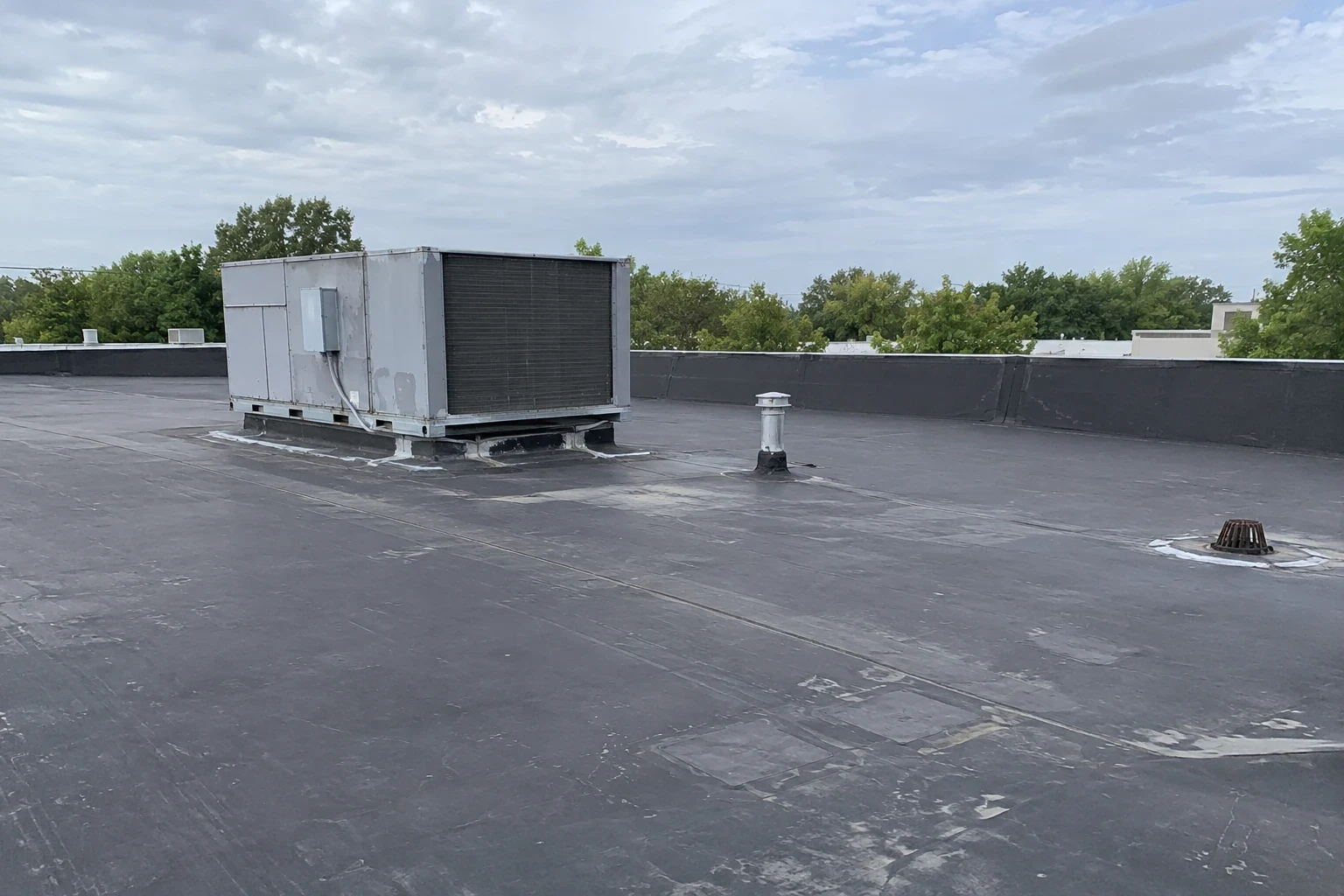
Home / Service Areas / Matthews
Commercial Roofing in Matthews, NC
Plan commercial roof work in Matthews, NC with a clear repair limit, compatible materials, safe access, and timing that protects the occupied space.
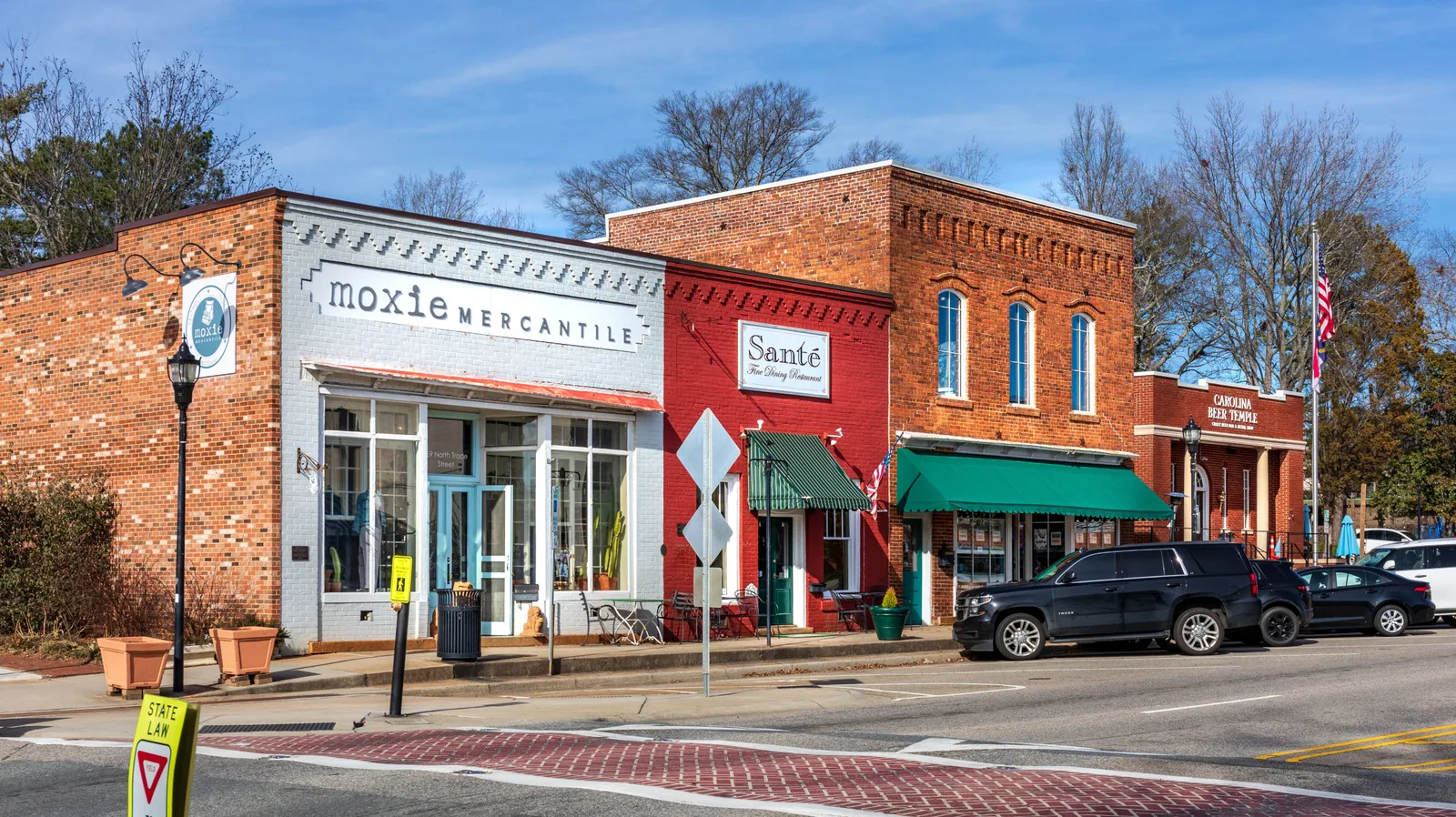
An office suite can lose a workday when water reaches desks, wiring, or ceiling finishes. In Matthews, NC, we first protect the affected interior and trace the roof condition above it. US 74 links Matthews with Charlotte and Monroe; NC 51 runs through the northern part of town toward Mint Hill and Pineville. I-485 crosses southern Matthews at four interchanges. Those routes help place the service area, while each visit begins at the property's roof access and the condition we can verify.
The first walk checks the membrane, seams, penetrations, drainage, and any earlier repairs around the water entry. We ask which rooms need notice, when staff use the affected area, and how equipment service is arranged. A commercial leak repair should follow the water path and return the interior to service, with a clear account of what the inspection did and did not confirm.
Follow the roof detail
The ceiling mark is a symptom, not a roof map. Water may track from an edge, curb, drain, wall transition, or seam before it reaches a room. We compare the reported location with the roof above and inspect the adjoining field for movement, punctures, separated laps, and moisture. If an earlier patch sits nearby, we check whether it sealed the opening or redirected water. The repair limit should include the failed detail and enough sound material to make a reliable tie-in.
A hands-on inspection records the roof surface and the indoor condition together. Photos help connect a loose flashing to the room affected, while moisture testing can narrow a larger repair boundary. We do not infer roof age from a building's appearance or decide on replacement from one stain. That sequence matters when a tenant occupies the suite or when the room contains equipment that cannot be moved quickly.
Keep the scope proportional
A small seam split may call for a targeted correction when nearby membrane and insulation remain sound. A broader area of wet material, repeated patches, or a failed deck changes the decision. We inspect what surrounds the opening, then describe what can remain and what must be removed. If the evidence supports a local repair, the work should correct the seam or flashing and close against compatible material. If damage extends farther, we define that boundary before the scope grows.
For a larger decision, we compare repair, recover, and replacement against the assembly condition and code path. A recover may preserve some existing layers where the deck, drainage, and permitted assembly allow it. Replacement can address a broader system but requires removal, insulation decisions, edge transitions, and weather protection. A written replacement scope can be weighed against a recover option after the roof is assessed. We explain the cost drivers as access, removal, material, detail count, and scheduling, not as a generic price.
Coordinate the occupied space
US 74 and I-485 are useful travel references, but the owner supplies the details that make a site visit work. We confirm the entrance, roof hatch or ladder, security process, and safe route across the building. If a room below has computers, stock, or customer activity, we agree on protection before the roof is opened. We also ask when deliveries, staff changes, or equipment work occur, so staging does not conflict with the property's day.
On the roof, we mark fragile surfaces and leave clearance around HVAC units and electrical conduit. A repair at a curb may require coordination with a service technician; the tie-in cannot block access to equipment. For a phased reroof, we identify which area is open, which entrance may be affected, and how each shift leaves the roof protected. A phased plan for occupied-building reroofing makes those handoffs explicit. The owner can then notify staff or tenants using the actual work limits.
Check the outlet and edge
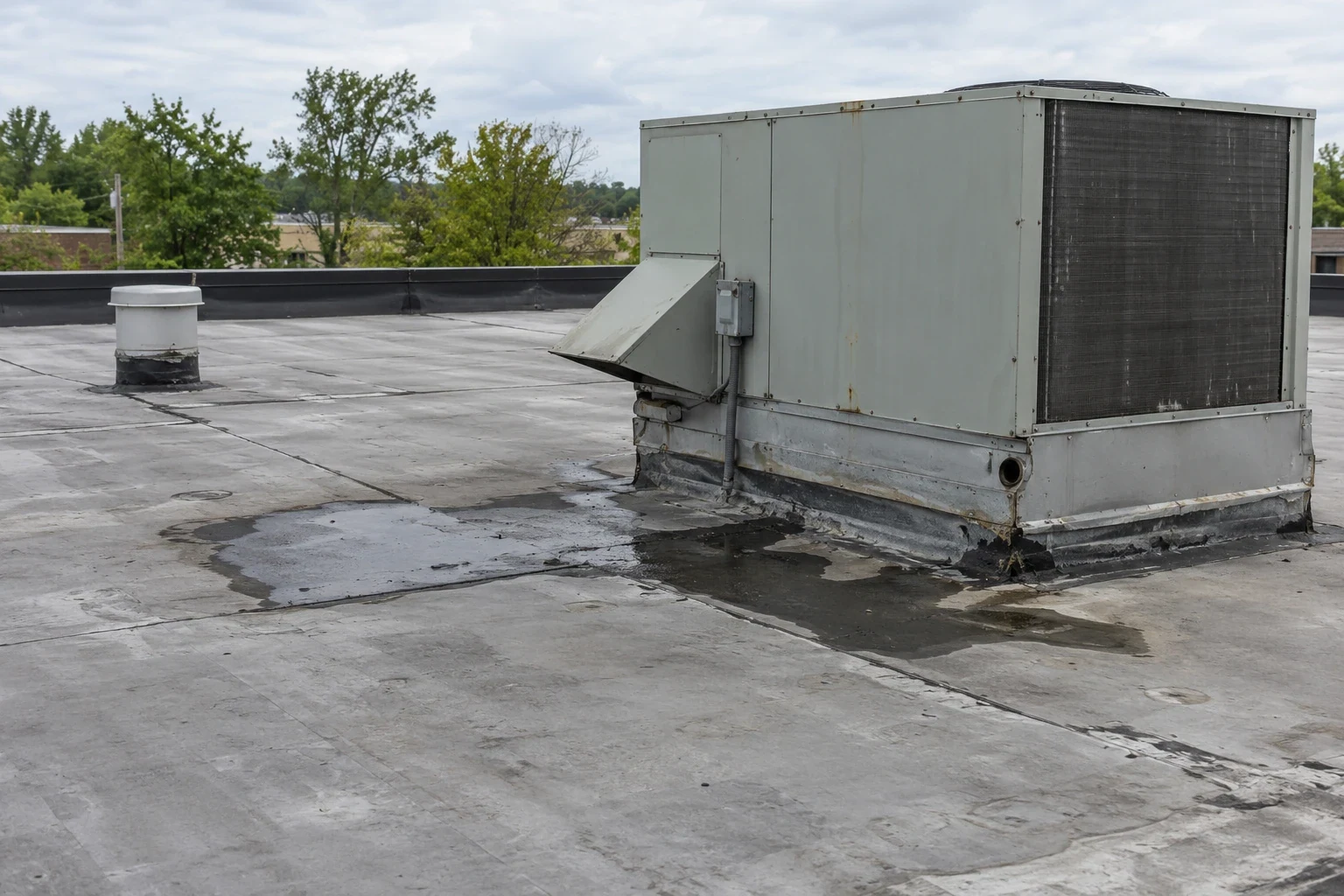
Water that lingers around a drain can reveal a blocked outlet, an unsuitable slope, or a damaged connection. We inspect the bowl, strainer, surrounding membrane, and the path to the outlet. At the roof edge, we look for loose metal, open joints, and water marks that show where runoff is escaping.
Matthews connects with Charlotte and Monroe along US 74, and NC 51 runs north toward Mint Hill and Pineville. These named routes orient local work; they do not identify the condition of a specific roof. We check the drain and edge on site, then separate cleaning from repair. When a connection or flashing has failed, a drain and scupper correction or edge-metal repair can be scoped with the membrane tie-in. Keeping water moving protects the details that carry it away.
Match the existing roof
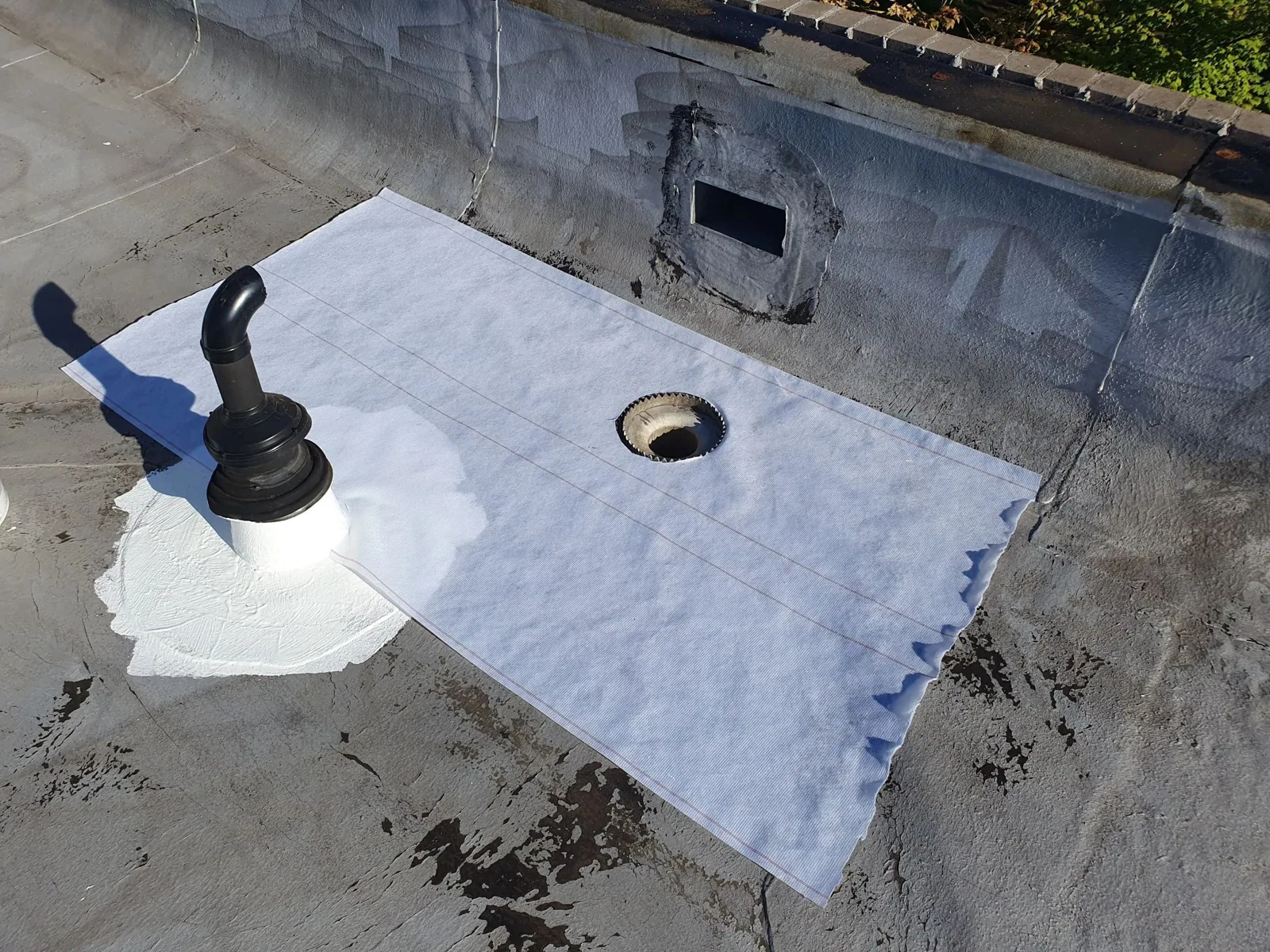
Every repair must be compatible with the surface it joins. We identify whether the roof uses TPO, PVC, EPDM, modified bitumen, built-up roofing, metal, or a coating system before selecting preparation and fastening. A membrane patch cannot correct saturated insulation, and a coating cannot stabilize a loose edge. At a wall or equipment curb, we check the transition as carefully as the field material.
A compatible EPDM repair differs from a heat-welded membrane correction. When a roof's condition makes a surface restoration worth considering, coating restoration is evaluated only after we confirm the substrate is sound and dry enough for the application. We can use an infrared survey to direct attention, then open a test area if the repair decision depends on concealed material. The owner gets a clear boundary for what the test confirms.
Fit the work to the schedule
Timing depends on access, material condition, weather, roof size, and how much must be removed. A localized repair can fit a narrow window; replacement near drains and equipment requires a longer sequence. We plan the work area, temporary cover, material delivery, and end-of-shift closure. If a tenant cannot give up a room, the owner can identify hours when noise or interior access matters.
Code review belongs in permit planning. For permitting, state code references name the 2018 building and energy editions as governing. A 2025 state letter allows an owner to request the 2024 set as an alternate method ahead of the effective transition. We confirm the permit route with the authority for this job. We confirm the applicable edition with the permitting authority for the specific project. A roof capital plan can separate immediate water protection from work that needs budgeting, design, or permit review, giving facilities staff a defensible sequence.
Set up the first visit
Tell us which room or tenant area has shown water, when it appears, and whether the mark changed after rain. Share roof access instructions, prior repair notes, equipment restrictions, and any work hours that cannot move.
Call for emergency service while water continues. Give us the safest entry and tell us which rooms cannot be taken offline. We can arrange temporary protection and schedule a permanent correction when the roof and weather permit. For a planned scope, the condition report can distinguish repairable areas from sections requiring broader work. The nearest-town context includes commercial properties in Mint Hill and commercial properties in Monroe, but the assessment stays with the Matthews building in front of us.
Commercial Roofing Questions
Does the location of a ceiling stain mark the roof opening?
Not necessarily. We compare the room with seams, drains, edges, walls, and equipment curbs above it, then trace the water path before sizing a repair.
Can roof work be phased around office tenants?
Yes, when the roof assembly and schedule allow distinct work areas. We plan access, interior protection, daily closures, and notice around the spaces that must remain open.
How do you decide whether wet insulation must be removed?
We inspect the suspected area and use appropriate testing or a confirmation opening when needed. The scope follows the moisture boundary we can verify.
What changes a repair into a replacement project?
Repeated failures, widespread wet material, deck conditions, and drainage or edge work can change the scope. We document those findings and compare available options.
Which information helps before a Matthews inspection?
Identify the affected room, access route, equipment that needs clearance, previous roof work, and tenant schedule. A current plan or repair record helps us prepare.
Schedule a focused inspection
Share the affected room, access route, and operating limits. We will inspect the roof area tied to the symptom and outline the next practical step.