Home / Service Areas / Harrisburg
Commercial Roofing in Harrisburg, NC
Commercial roof inspections, repair and replacement planning in Harrisburg, with attention to occupied rooms, access and the condition found.
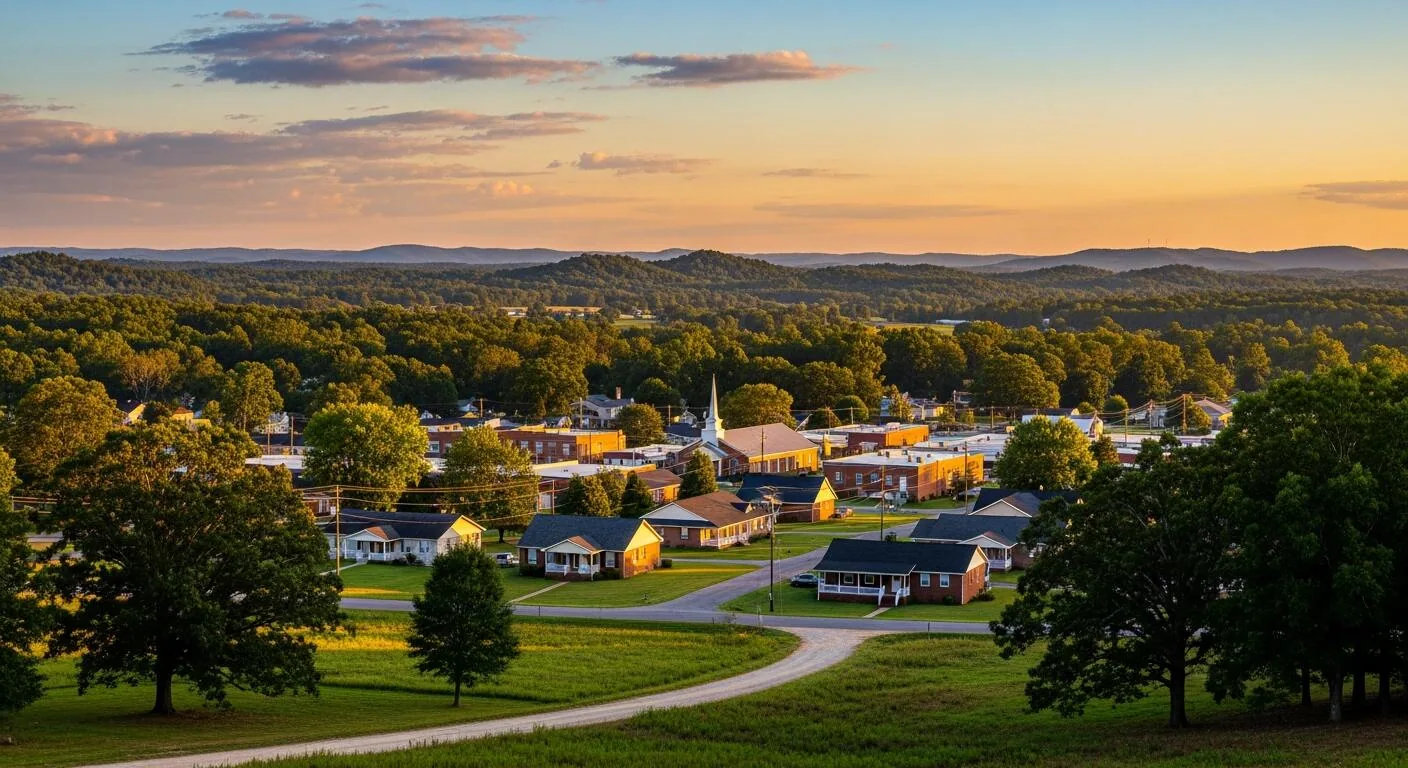
A roof leak above an event room can threaten a scheduled setup before guests arrive. We locate the water path and protect the space below before defining permanent work. Harrisburg sits between Concord and Charlotte. Shopping, event centers, hotels and educational institutions are among the uses reflected in the town's growth, and Harrisburg is in Cabarrus County near UNC Charlotte. Property use affects access and work timing, while the assembly itself still needs an inspection. We inspect seams, curbs, drains, edge metal and prior repairs, then match the scope to how the property operates. A commercial roof inspection helps determine whether a focused repair is enough or a larger roof plan is needed.
Protect the room below
A hotel corridor, classroom or event space may have people below the work area while roofing continues. We ask which room is affected, when it is occupied and whether an entrance must stay available. A temporary opening needs a closure point for the shift. If removal reaches wet insulation or weak decking, the owner should know before the work boundary expands. We mark that limit and identify who can approve a change. Occupied-building roofing can be planned in sections, with notice and protection matched to the rooms below. A property in the Kannapolis area also calls for a building-level plan, not assumptions based on another town's uses. We coordinate the crew, property contact and any other trade whose equipment or schedule affects a roof penetration.
Trace the entry point
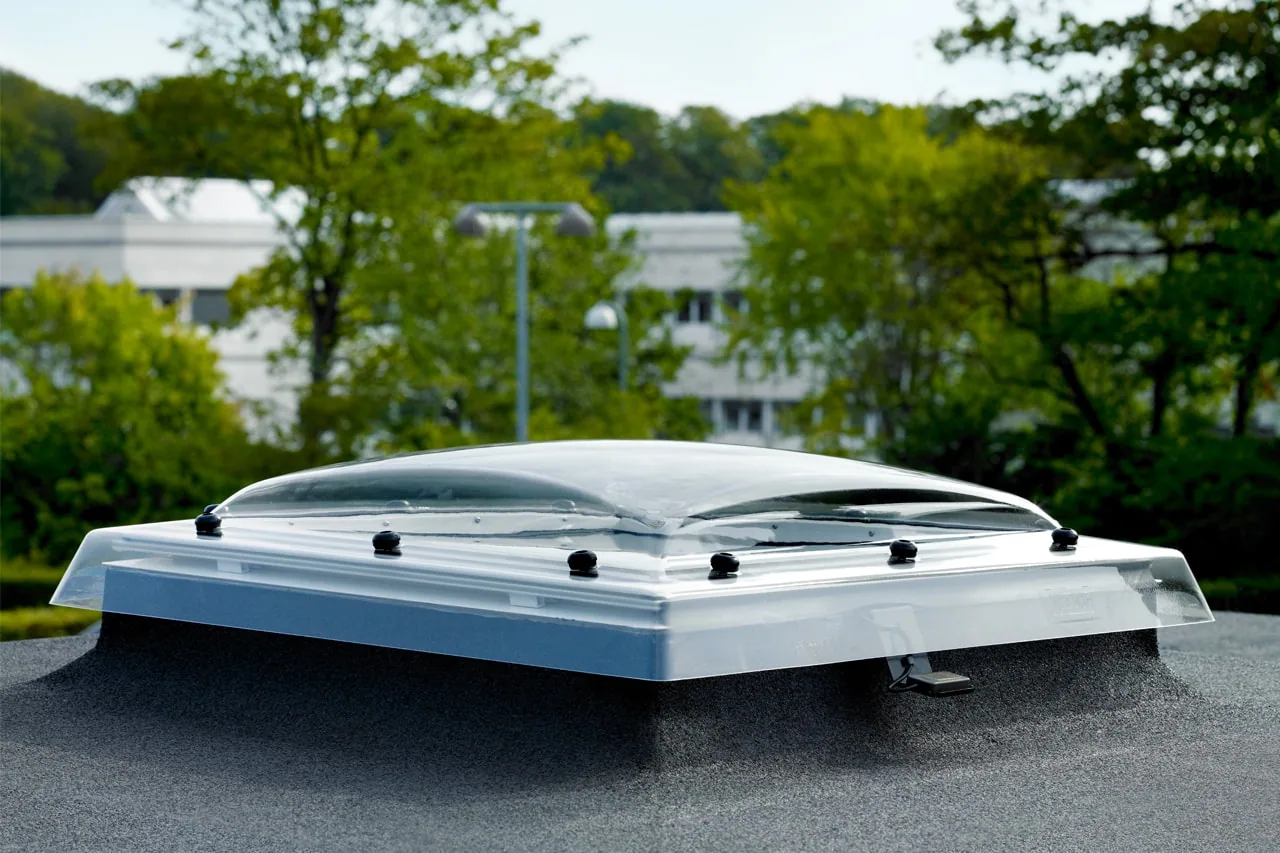
Water can move beneath the membrane before it appears on an interior ceiling. We start above the reported room and follow slope across seams, drains, curbs and wall terminations. A loose lap, puncture, failed flashing or blocked outlet can create a different repair path. We distinguish the condition visible at the surface from a concealed area that needs testing. If the roof includes additions, we inspect their tie-ins rather than assume one assembly runs across every section. A penetration and skylight flashing review can help locate a weak connection where a roof opening meets the membrane. The scope records what was checked and what remains uncertain. That gives the facilities contact a clear next step instead of treating the ceiling mark as proof of a specific cause.
Identify what can remain
Repair method depends on the installed membrane, its attachment and the material beside the failure. We identify TPO, PVC, EPDM, modified bitumen or metal only when accessible details support the call. Wet insulation, deteriorated decking or loose perimeter metal can make a surface patch unsuitable. A recover requires sound retained material, workable drainage and sufficient edge height. We inspect those conditions and separate a confirmed removal area from anything still concealed. The plan for a Concord Parkway and Roberta Church Road property may involve a different operating arrangement, but the system identification still comes from the roof itself. A proposal sets the material connection, opening limit and protection needed to leave the building secure when the crew leaves. Before recommending a repair, we check whether the proposed patch can reach material that is dry, attached and compatible with the repair product. A coating also needs a prepared surface and a suitable transition at edges, penetrations and drains. Where those conditions cannot be confirmed, the estimate should describe the test or selective opening needed to resolve uncertainty. That sequence prevents a small visible defect from turning into an unsupported promise about concealed layers. We also consider how the repair boundary will be inspected after installation and whether another roof detail could interrupt the tie-in. The property contact receives a plain explanation of what is known, what remains unverified and which decision belongs to the owner.
Set a workable service window
Shopping, lodging and education uses can have different busy periods. We confirm loading times, deliveries, roof access, lift placement and equipment clearances with the person who manages the property. If work crosses a customer entrance, the plan identifies the affected route and when it can reopen. Adhesives and coatings also need appropriate surface and weather conditions. A weather delay may change the opening sequence, so the crew protects the exposed boundary and the owner approves any revised work area. A commercial property in Midland needs the same property-specific scheduling conversation. We do not set timing from municipal labels alone. The work order names the area to be opened, the planned dry-in point and the contact who can respond when a concealed condition changes the task.
Compare the repair choices
A repair can be appropriate when damage is contained and nearby material remains suitable. Repeated leaks, moisture across several sections or failed attachment can point toward a larger correction. A recover retains an existing assembly only when testing and inspection support another layer. Replacement may be the clearer option when insulation, deck or perimeter conditions cannot provide a reliable tie-in. Cost and timing reflect removal, disposal, replacement insulation, access and weather-sensitive installation steps. Commercial roof replacement should distinguish the work included from items that may be found after tear-off. If the owner is considering staged repairs, roof asset management can organize condition records and future service priorities. We compare options with the observed condition and show the decision that would trigger added work. That keeps the estimate tied to a roof task rather than a general district assumption.
Document the final boundary
At closeout, we record which area was opened, the detail restored and any condition that still needs attention. Photos show the repaired seam, flashing or outlet in relation to a recognizable roof feature. We note the membrane or metal used when confirmed and the limit of any test opening. If a later stain appears, the property team can compare its position with the documented work and request a focused follow-up. Drain and scupper work should include the outlet and nearby membrane in that record. The work also needs a handoff if another trade will move rooftop equipment. A useful service record supports a later decision without claiming that one building represents the town. It can also help compare repair costs with replacement planning when the owner reviews several years of condition history.
Commercial Roofing Questions
Does Harrisburg's growth tell you what roof a hotel or event center has?
No. Shopping, event, lodging and education uses provide town context, but a roof assembly is identified from records and accessible details at the property. We inspect the affected area before choosing a compatible repair.
Can a repair be scheduled around a hotel or event setup?
We confirm the occupied room, delivery period, entrance and equipment needs with the property contact. The work plan identifies the opening limit and when that area can be protected and returned to use.
What does proximity to Charlotte change for a roof project?
It provides geographic context for Harrisburg, but the work sequence comes from the building, its access and the roof condition. We confirm the delivery route and lift placement with the owner before materials arrive.
When does a roof need more than a localized patch?
Moisture beyond the visible leak, weak attachment, recurring seam failure or damaged decking can expand the repair boundary. We document what is confirmed and request approval before adding concealed work.
How should the owner compare repair and replacement?
We identify material that can remain, layers that must come out, drainage and edge conditions, access, and the weather window. The proposal separates those drivers so the owner can compare scope and timing.
Plan a visit around the occupied space
Share the affected room, roof access and any delivery, event or equipment window that needs to be protected.