Home / Service Areas / Midland
Commercial Roofing in Midland, NC
Roof repair, inspections and replacement planning for Midland commercial properties, with clear scopes for access, drainage, occupied space and follow-up.

A stain near a production room or office does not always sit below the roof opening that let water in. We trace the path across the roof, inspect the relevant assembly and explain what can be confirmed before proposing work. Midland sits on Rocky River in the greater Charlotte region. Corning and Intertape Polymer Group are among local employers. Neither the town's geography nor its employers identify the assembly on a particular property. We identify the membrane, drainage, edge details and operating constraints at the building itself. Start with a commercial roof inspection when the source or extent of a leak is uncertain. The written findings separate visible conditions from concealed areas that would need testing or an approved opening.
Trace the water path
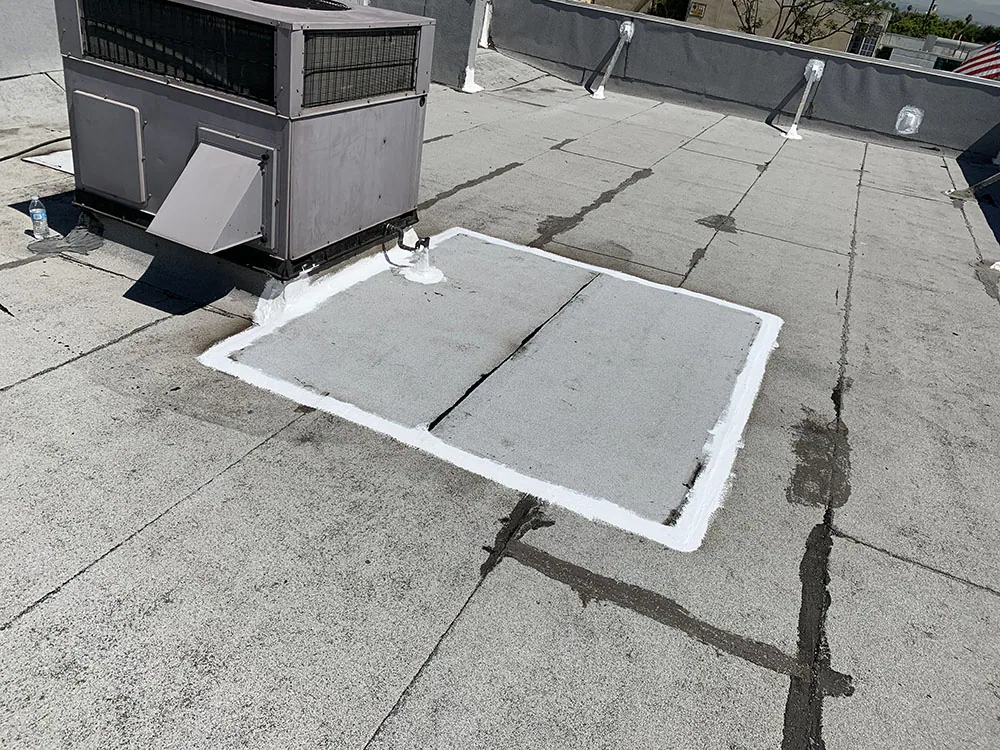
We begin with the reported interior location, then inspect the roof area above and the paths water can follow. A seam, curb, drain, wall termination or prior patch may be involved, but a ceiling mark alone cannot establish which one failed. We record roof slope, nearby transitions and any standing water or debris that affects the review. If the property has multiple additions, each tie-in gets its own look; a newer section does not prove that older material is sound. The inspection notes what was visible, what was accessed and what was not. A seam-failure repair review can help determine whether a lap needs localized correction or whether nearby attachment and moisture also need evaluation. The next step follows evidence from the roof surface, not the town name or a nearby employer.
Confirm what is installed
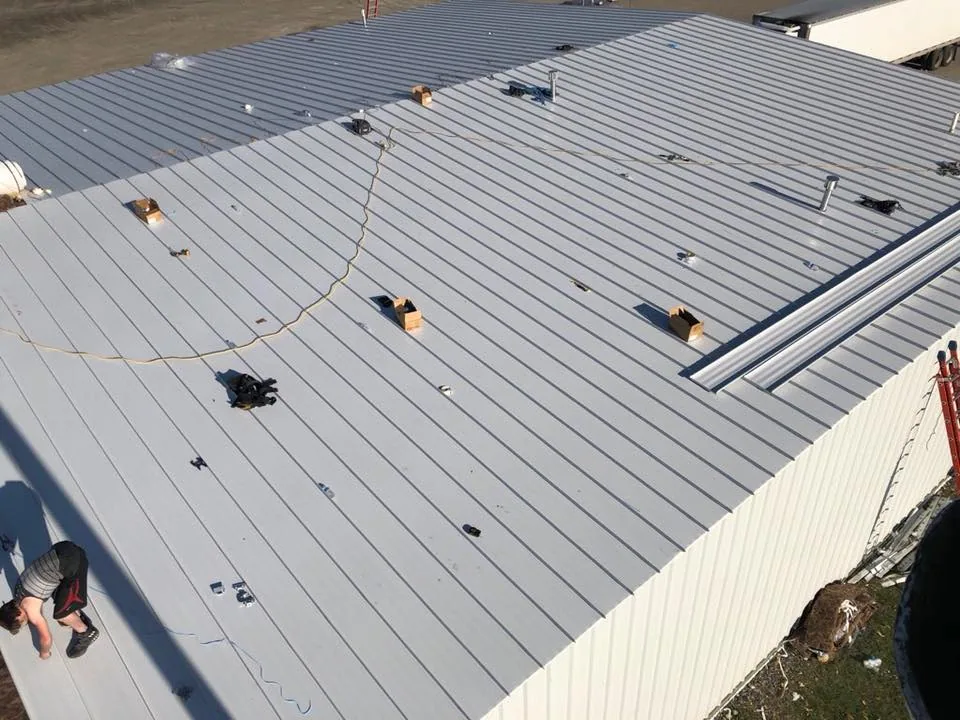
Compatible repair depends on the actual assembly. Manufacturer markings, seam profiles and attachment details help us identify the membrane, but we name TPO, PVC, EPDM, modified bitumen or metal only after the accessible evidence supports that call. A repair product that does not bond to the surface can leave the original leak path unresolved. We inspect seams, fasteners, penetrations and termination edges, then check for conditions around the defect that could defeat a patch. A TPO roof system review and an EPDM assembly assessment start with different material questions, so neither should be selected from a property label. We note whether the area can be cleaned and prepared, whether the surrounding membrane is attached, and whether the proposed repair can reach sound material. If those details remain uncertain, the scope states the test or opening needed to resolve them before permanent work is priced.
Review drainage and transitions
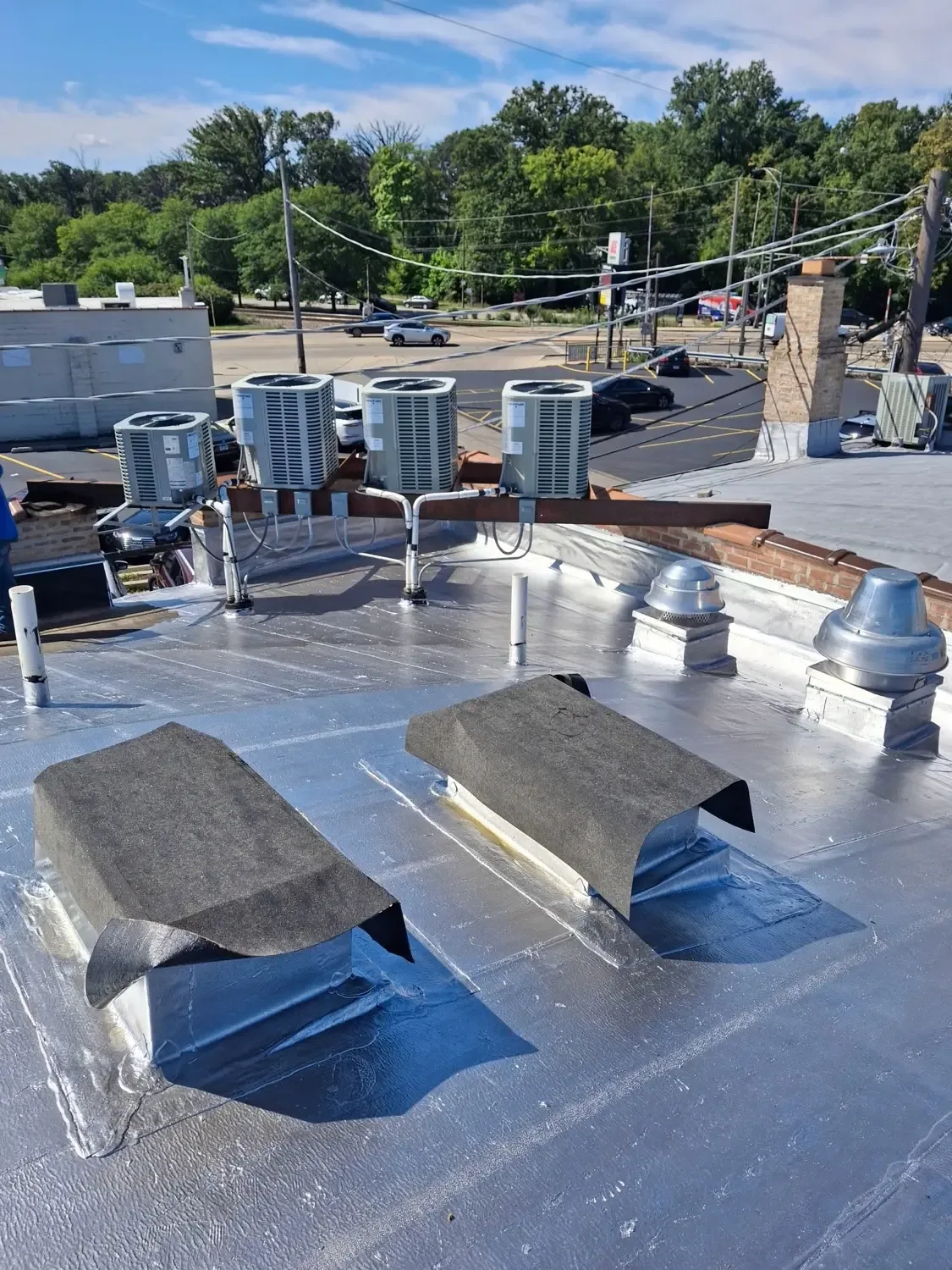
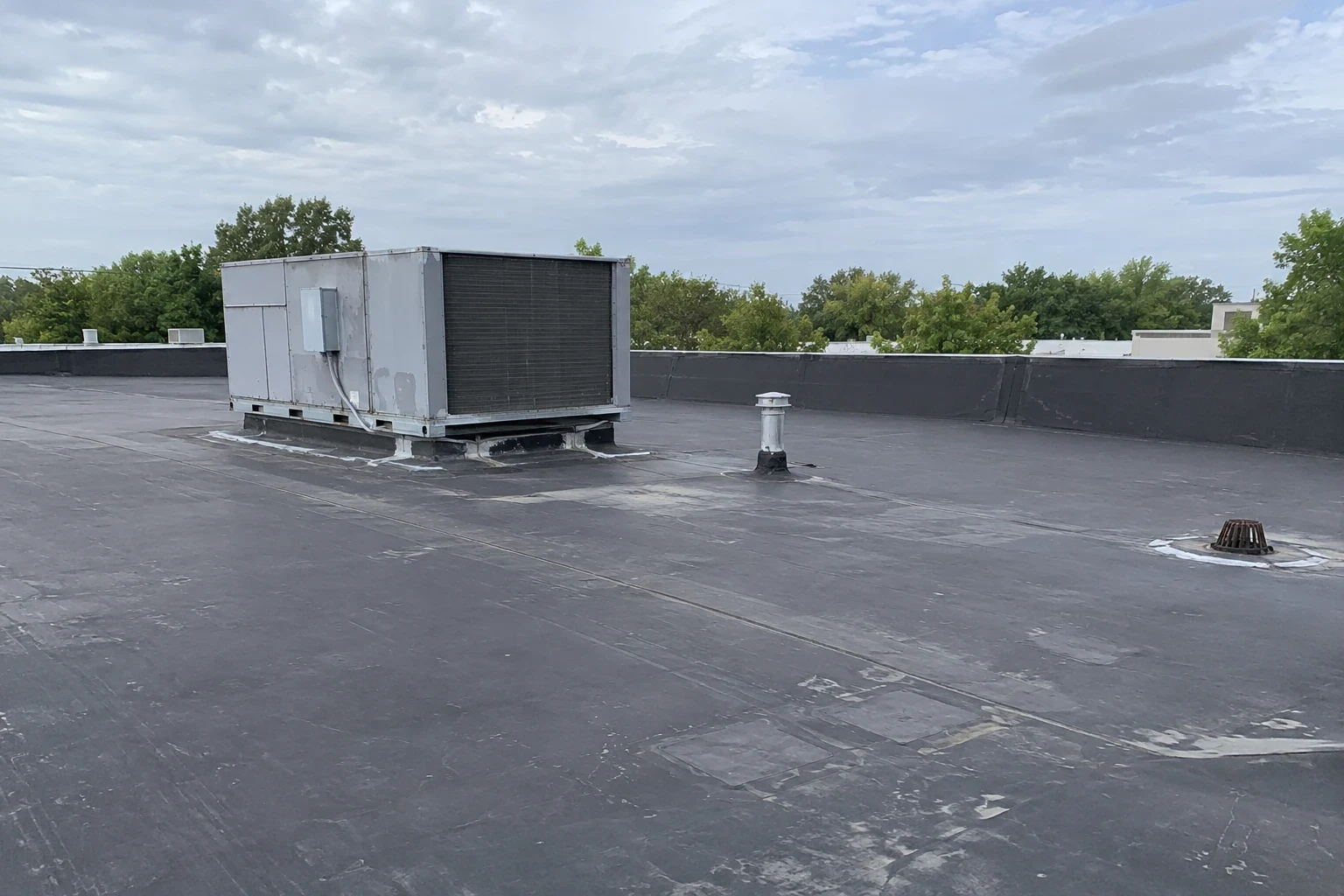
Water management can involve the roof field, outlets, scuppers, gutters and transitions to walls or equipment supports. We check whether debris, deformation or a changed roof plane interrupts the route to a drain. A blocked outlet is different from a failed membrane detail, and both may require attention. We look at nearby penetrations and curbs because runoff can expose weak flashing or an incomplete tie-in. The drain and scupper scope should identify the outlet being addressed and the surrounding membrane included in the work. If a property has repeated ponding, we document the affected areas and discuss whether a drainage correction, repair, recover or replacement evaluation is appropriate. That choice depends on slope, assembly condition and structure, not a generalized regional assumption. Photos and notes help the owner compare the recommendation with the visible roof conditions.
Plan around the property
Before scheduling, we confirm the roof-access point, ladder or lift needs, delivery route and the contact who can authorize a scope change. A building may have office, production, loading or storage areas with different access rules. The owner can identify sensitive equipment, active entrances and times when noise or rooftop traffic should be limited. We set a daily opening boundary and a dry-in point so the work area can be secured if weather shifts. For a commercial property in Kannapolis or a property in Harrisburg, the operating plan also comes from the building and its manager. We do not assume that neighboring municipalities share the same site access or roof assembly. The work order identifies who will receive updates and how concealed damage will be presented for approval.
Compare repair and replacement
A localized repair may fit when damage is contained and adjacent material remains suitable. Repeated leaks, moisture across several areas, failed attachment or deteriorated decking can point to a broader correction. A recover is only appropriate when retained layers, drainage and edge conditions allow a reliable new assembly. Replacement may be the clearer path where the substrate or insulation cannot support a lasting tie-in. A proposal for commercial roof replacement should spell out removal, insulation, disposal, access and perimeter work. If multiple roof sections will be considered over time, roof asset management can organize condition notes and priorities. We compare the choices against the confirmed defect and the owner's timing constraints, and we identify any test that would change the recommendation. A decision should follow the observed condition rather than an assumed lifespan or sales claim.
Leave a useful service record
At closeout, we document the roof area opened, materials installed and details restored. Photos should show the completed seam, flashing or outlet in context so a property contact can recognize the location later. We identify the limits of a patch and note any nearby area that was not included. If a concealed condition expanded the work, the record should link it to the approved change and the repaired boundary. The handoff also notes when another trade should coordinate before moving rooftop equipment or working near a repaired detail. These records help the owner compare future findings with the original scope without suggesting that one roof stands for every commercial property in Midland. The goal is a clear next decision if another leak or maintenance issue appears. A useful record includes the date, weather constraints if relevant, the material installed and any product-specific curing or access restriction that affects follow-up. The property team should know which drains were checked, whether adjacent seams were visually reviewed and which roof areas remain outside the repair. If a new stain appears, the contact can compare its location with the documented boundary and provide a useful starting point for a follow-up inspection. That level of detail does not promise that unrelated roof areas are trouble-free; it preserves the facts from the work actually performed.
Commercial Roofing Questions
Does Midland's employer mix identify the roof system at my property?
No. The town's employers provide local context. We identify the assembly from records and accessible roof details at the property before selecting a repair method.
Can a roof inspection find the source of an interior stain?
It can narrow the likely path by reviewing the roof area above, nearby seams, penetrations and drainage. If layers conceal the condition, we explain what testing or an approved opening would confirm.
When should a repair proposal include a test opening?
A test may be useful when moisture or attachment cannot be confirmed from the surface and that information could change the repair or replacement scope. The opening and approval point should be defined first.
What should be included in a roof-replacement estimate?
The estimate should identify removal, retained layers if any, insulation, perimeter details, drainage work, access, disposal and the boundary for concealed conditions. Those items make competing scopes easier to compare.
How is rooftop work coordinated with operations?
The property contact and contractor confirm access, deliveries, active entrances, sensitive equipment, daily opening limits and the dry-in point before work begins. Any concealed damage should have a named approval contact.
Arrange a roof review in Midland
Share the affected area, known access limits and any operating window that should shape the inspection or repair plan.