Home / Service Areas / Granite Quarry
Commercial Roofing in Granite Quarry, NC
Commercial roof service in Granite Quarry, NC begins with the production area, roof assembly, and access limits that set a sound repair scope.
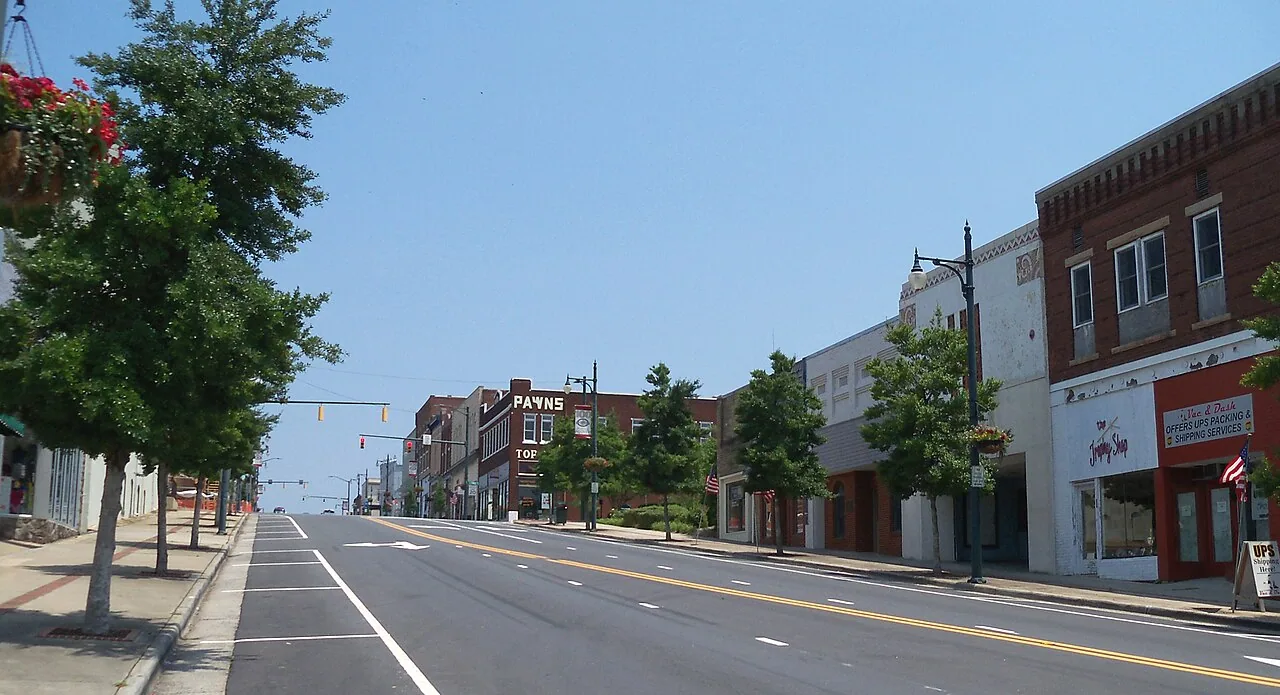
Production plans can shift when a drip reaches a work area. In Granite Quarry, NC, we first protect the space below and determine which roof detail is letting water through. The town is south of Salisbury near I-85, and Rowan County economic development identifies an industrial park and quarrying operations here. Industrial and quarrying operations bring different work windows and access needs. We coordinate a roof visit around the activity below. We inspect the membrane, insulation, deck, and transitions before deciding whether a repair can stay local or needs a wider scope.
A commercial roof over active operations needs a work boundary that respects equipment, deliveries, and safe movement below. We confirm which space can be isolated, where the roof can be accessed, and when materials can be staged. The physical survey then follows the likely water path through seams, curbs, drains, and wall edges. A commercial roof inspection provides the basis for an owner to compare repair, recover, coating, or replacement. A drone can document areas that are difficult to reach, while infrared screening can help locate possible moisture patterns across a broad roof. We confirm suspect readings at the assembly before setting the repair extent. That distinction matters when a small visible stain may sit below a larger wet area.
Find the failed connection
Water may travel before it appears at a ceiling or work surface. We compare the report from inside with the roof area above it, then inspect seams, fasteners, drains, and equipment bases along the likely route. A puncture in the field membrane needs a different correction from a loose curb flashing. Moisture below the surface can extend beyond the first visible defect. We draw the boundary supported by the inspection and flag any spot where opening the roof could expose a wider condition.
An industrial park and quarrying activity give local owners different access and staging questions. We verify the installed assembly before choosing which detail to open. A roof walk at the actual property shows whether production equipment limits access or whether work can be staged beside it. We identify fragile surfaces, fall protection requirements, and any opening that must be closed before a shift ends. A targeted commercial roof repair can address the verified source while retaining sound material around it.
Choose a repair extent
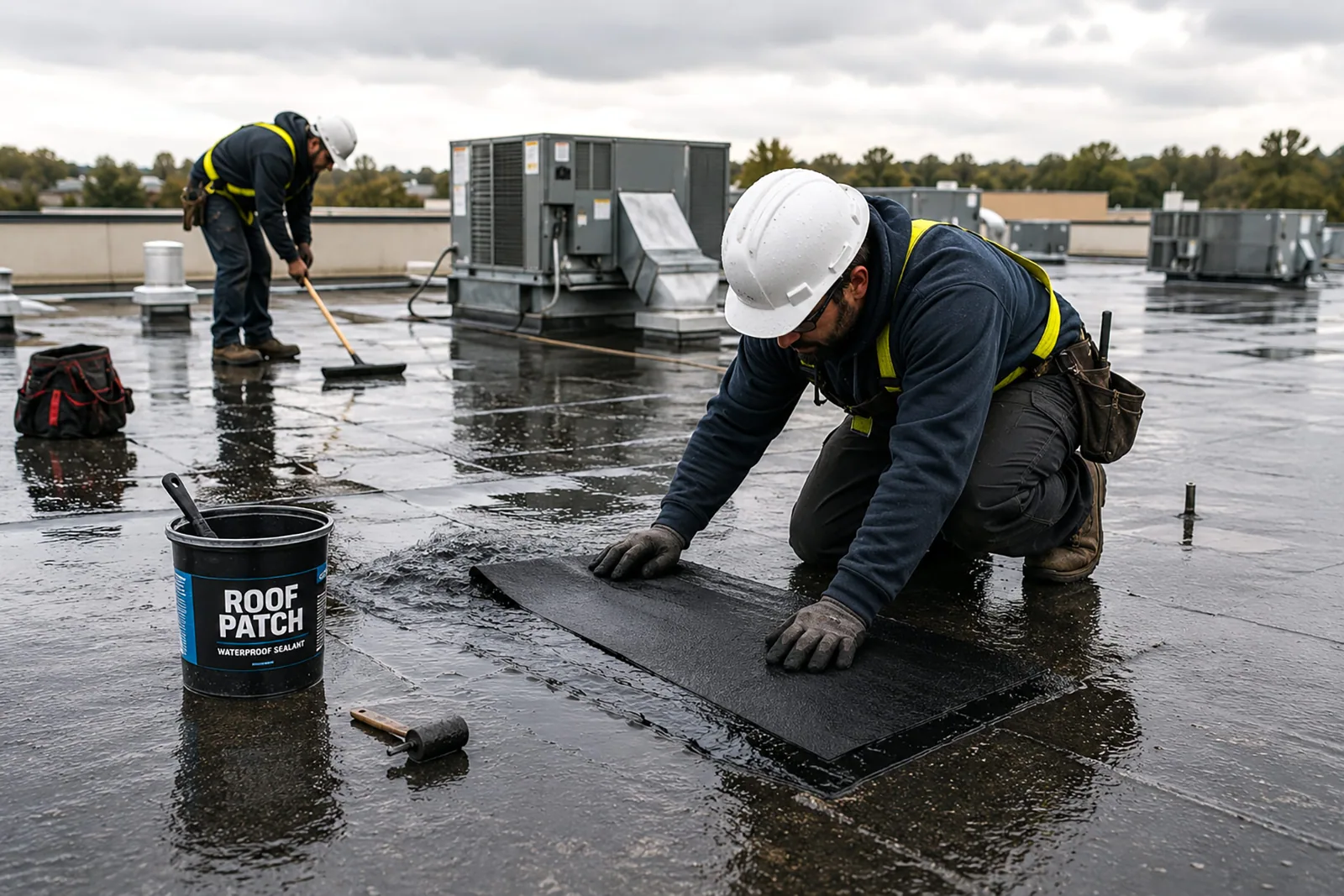
A patch is supportable when the affected seam or penetration has a clear edge and adjacent material remains sound. We remove only what is needed to inspect the layers and complete a compatible tie-in. If insulation is wet, a surface patch can trap the problem rather than solve it. When several repairs overlap or moisture spans a wider area, we map the affected section first. The proposal states what must come out, what can stay, and how each new layer meets the roof that remains.
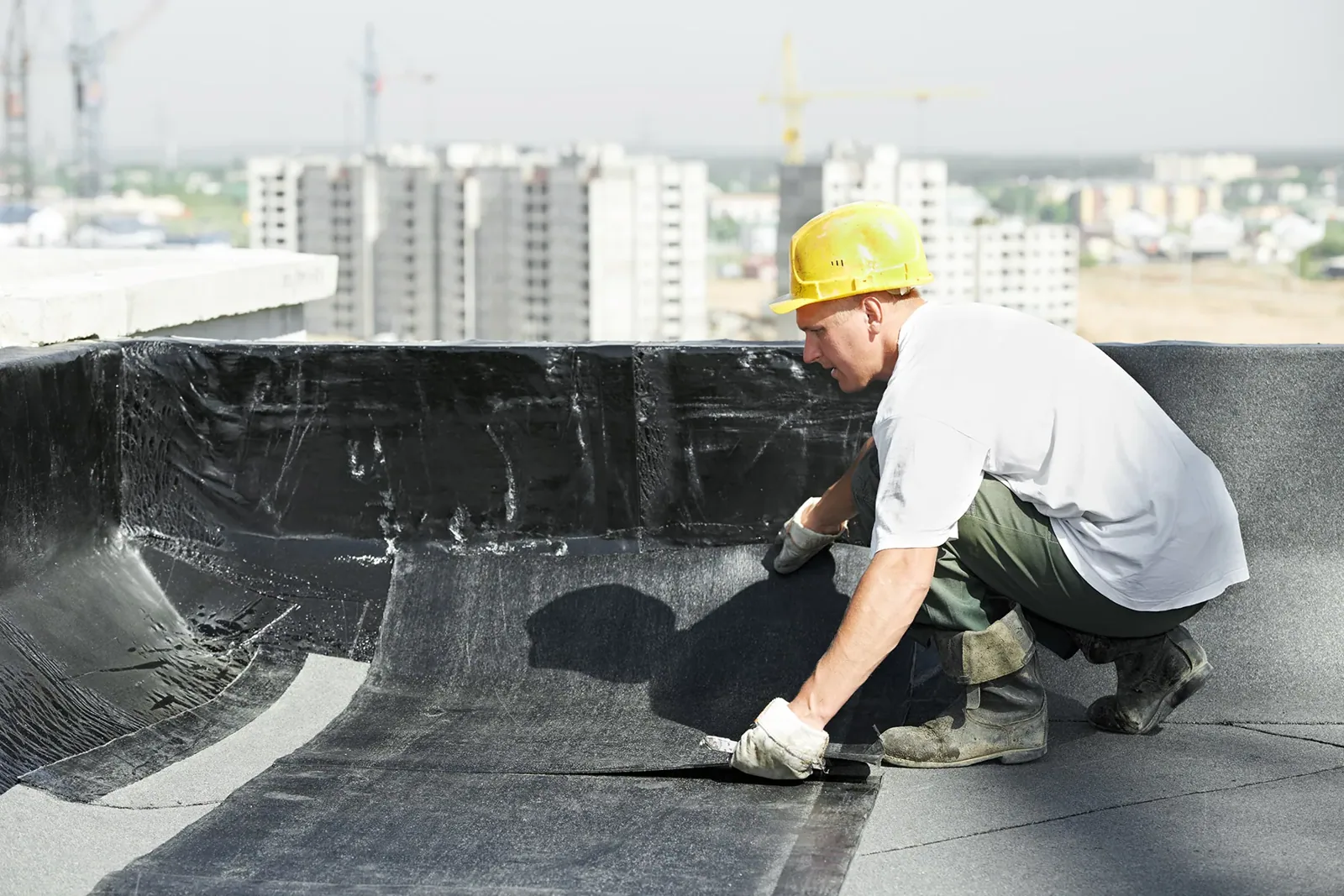
Recovery or replacement may enter the discussion when deterioration covers more than a single detail. A recover depends on existing roof layers, deck, drainage, and applicable code. A replacement adds removal and exposure, so daily dry-in and material staging matter. An owner can compare commercial replacement work with a recover after reviewing the survey. We describe access, tie-ins, temporary protection, and how much of the operating area may be affected. The choice follows the observed assembly, not the town's quarrying history or a facility's industrial label. A roof recover may require permit review. North Carolina’s transition leaves the earlier building, existing-building, and energy editions in force while the next series is prepared. We confirm the locally accepted code before ordering insulation or covering existing layers.
Read the roof before selecting material
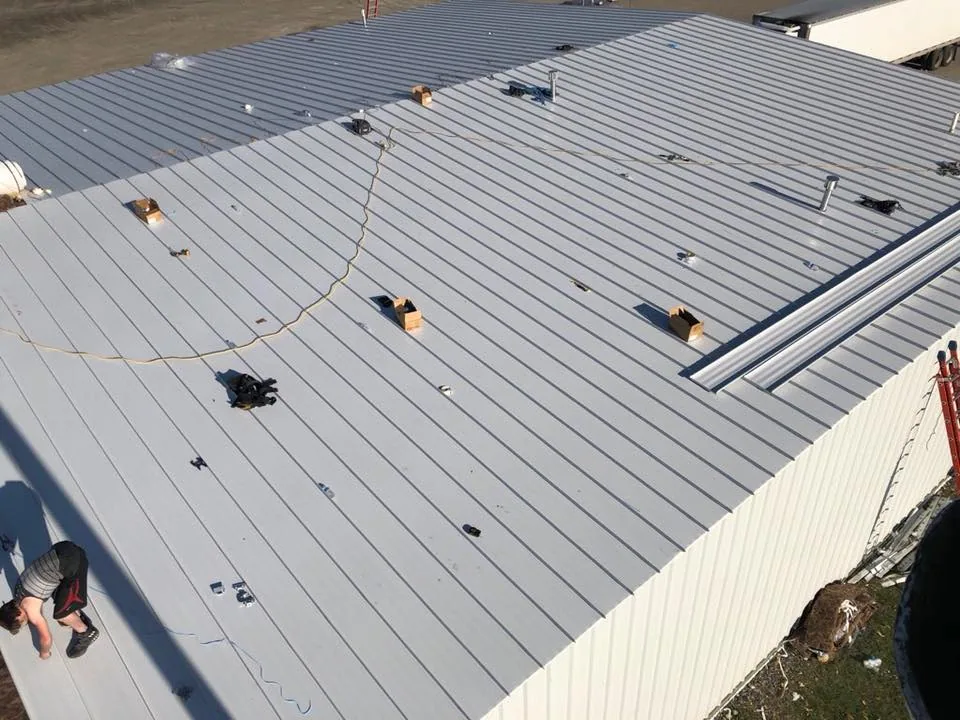
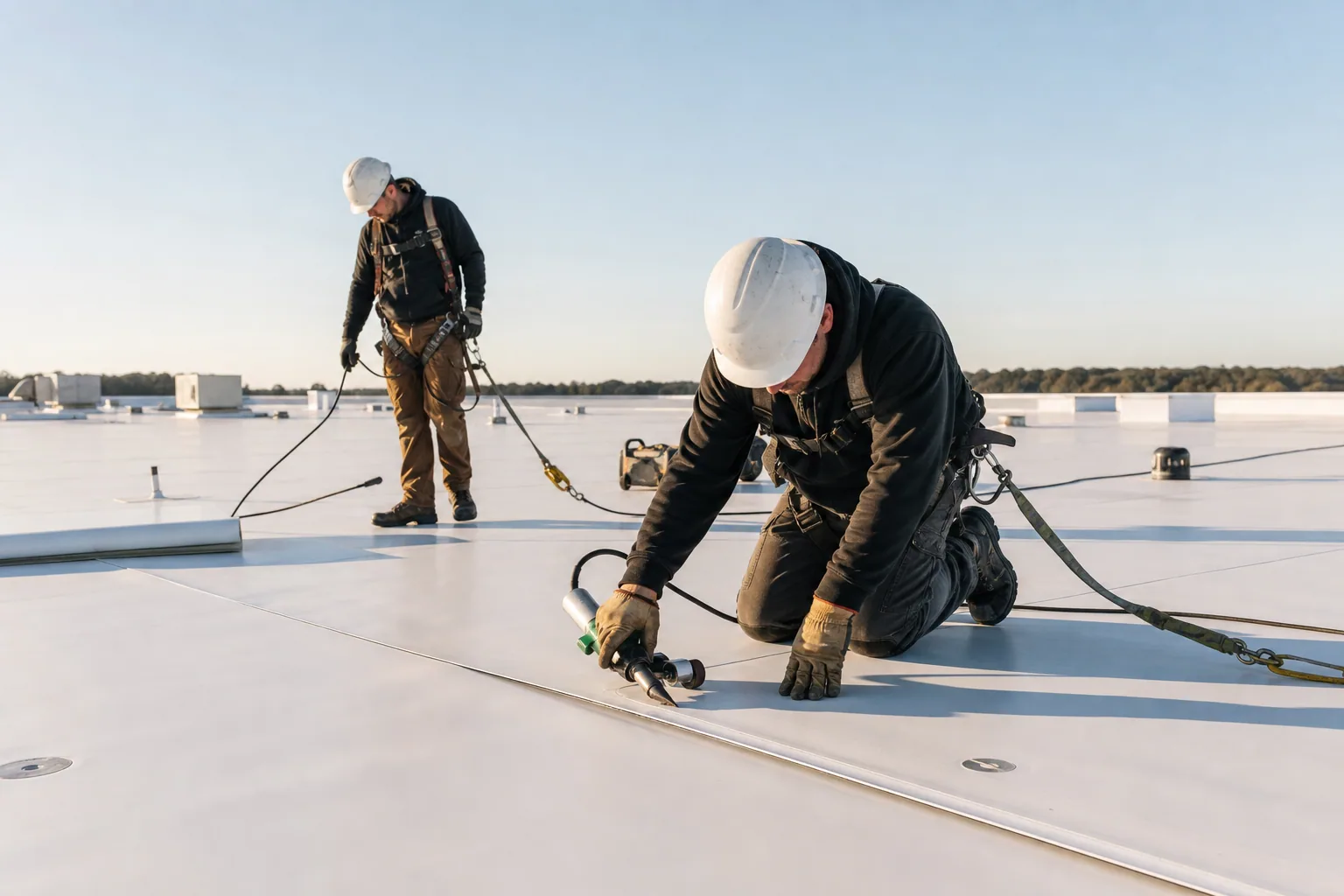
An EPDM splice, a TPO heat weld, and a metal-panel repair each need different preparation. We identify the installed material and attachment before choosing a tie-in. A new layer has to join clean, stable membrane or flashing. If a previous patch uses a different system, we inspect the transition instead of assuming it will accept another layer. The repair record names the material and describes the preparation that makes the tie-in possible.
Quarrying operations and industrial properties can have specialized equipment below the roof, but the exact equipment and rooftop conditions must be checked at the site. We look for vibration-related movement only where the observed detail supports that question, and we do not infer it from the business type. If the surface and substrate are suitable, a coating restoration may renew a serviceable roof. Coating will not correct a failed curb or saturated insulation. A TPO repair must match the existing sheet and welding conditions.
Keep the work zone clear
Before roof access, we coordinate the person who can open the building, the route to the hatch or ladder, and the equipment that needs a safety clearance. The owner identifies work stations or storage that should be protected from dust and debris during an opening. We set a staging area that does not block a truck path, production aisle, or emergency exit. If a ceiling needs an interior barrier, we agree on its placement and the time it can remain.
Granite Quarry sits close to Salisbury and Landis along the I-85 corridor. The same drive pattern does not mean each property has the same loading window or access arrangement. If work takes more than one shift, the crew documents what was opened, how it was closed, and what remains for follow-up. A phased occupied-building reroof plan can divide a larger scope when roof conditions permit. Nearby owners may also coordinate a visit in Salisbury or Landis; each roof receives its own inspection and work plan.
Set up a useful first visit
Send the room or work zone where water appeared, the date it was noticed, and whether the leak changed after rain. Include roof access instructions, prior repair notes, equipment locations, and any schedule that restricts noisy work. A roof plan or photos can help us orient the first walk, but we still confirm the installed system and detail in person. If the suspected area is over active production, identify the contact who can pause equipment or release a safe route.
When water is still entering, call for emergency response and tell us which area needs immediate protection. We can secure a temporary cover, protect the interior, and return to permanent work after conditions are safe. A written condition report can record defects, photographs, and priority next steps for budgeting. We keep the scope tied to the confirmed roof area. The owner sees what needs immediate attention, what can be planned, and which finding would change the recommendation.
Commercial Roofing Questions
How can a quarry or production schedule affect a roof visit?
We coordinate access, staging, and any work zone below before opening the roof. Equipment or deliveries may affect timing, but the site contact confirms those limits for the actual property.
Can a coating seal a leak around equipment?
Only after the equipment curb and surrounding roof are sound. We identify the existing system, correct the failed connection, and consider coating only where the surface and substrate qualify.
What changes a small repair into a larger scope?
Wet insulation, a damaged deck, several connected failures, or repairs that overlap can extend the boundary. We document the evidence before recommending more removal.
Can operations continue while replacement is underway?
A phased plan may work when the roof can be safely divided and each exposed area can be closed at the end of a shift. We confirm the sequence against the assembly, weather, and access needs.
Which information helps before an inspection in Granite Quarry?
Send the leak location, roof access, equipment restrictions, previous repair notes, and any production windows that limit work. We use them to plan a focused first walk.
Plan around the work area
Tell us which production or storage space is affected, what roof access is available, and when the area can be protected. We will inspect the roof and explain the repair extent.