Home / Service Areas / Landis
Commercial Roofing in Landis, NC
Roof repair and replacement in Landis, NC start with the affected space, roof access, and a scope tied to the material and damage found.
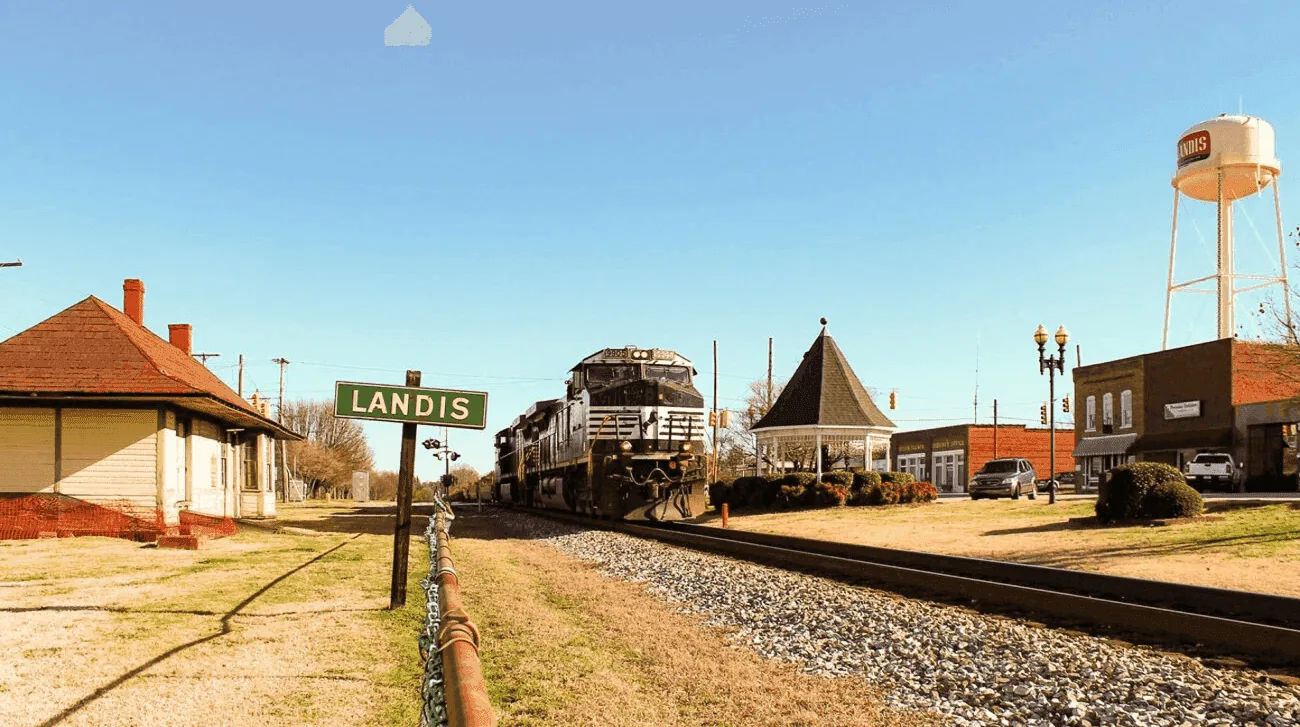
A shop counter cannot stay open beneath a ceiling drip. In Landis, NC, we protect the room first, then trace water to the roof detail that needs attention. The town retains historic store, depot, post-office, and jail buildings downtown. That history does not tell us how a particular roof was built, but it makes careful separation of old and new materials a useful first question. We inspect the assembly before setting a repair boundary. The owner gets a clear explanation of the layers we can see, the area that needs work, and what could change the scope.
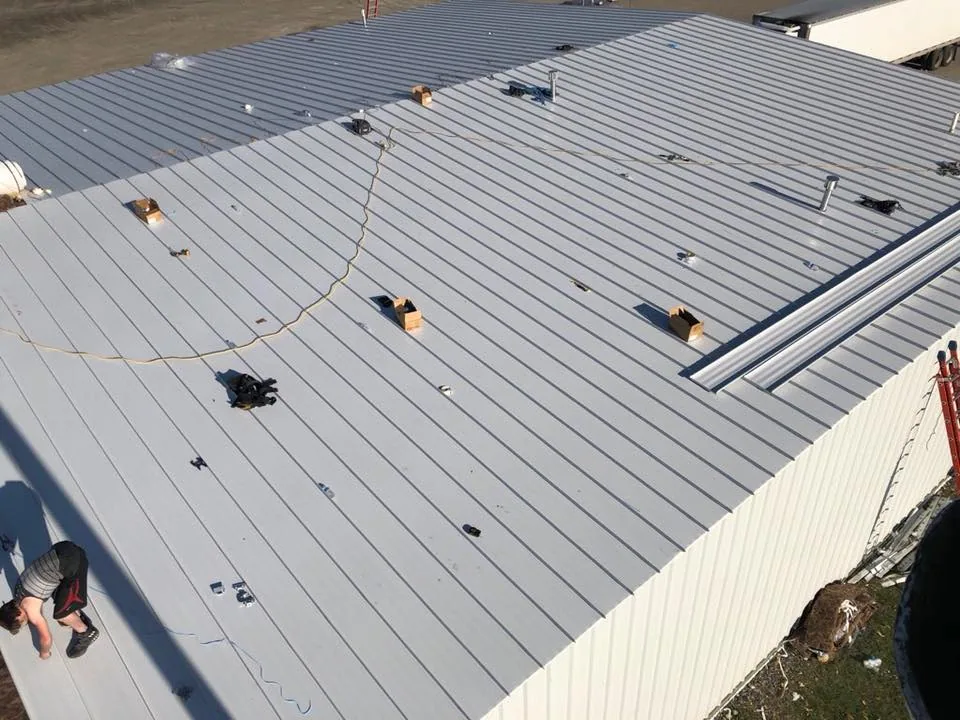
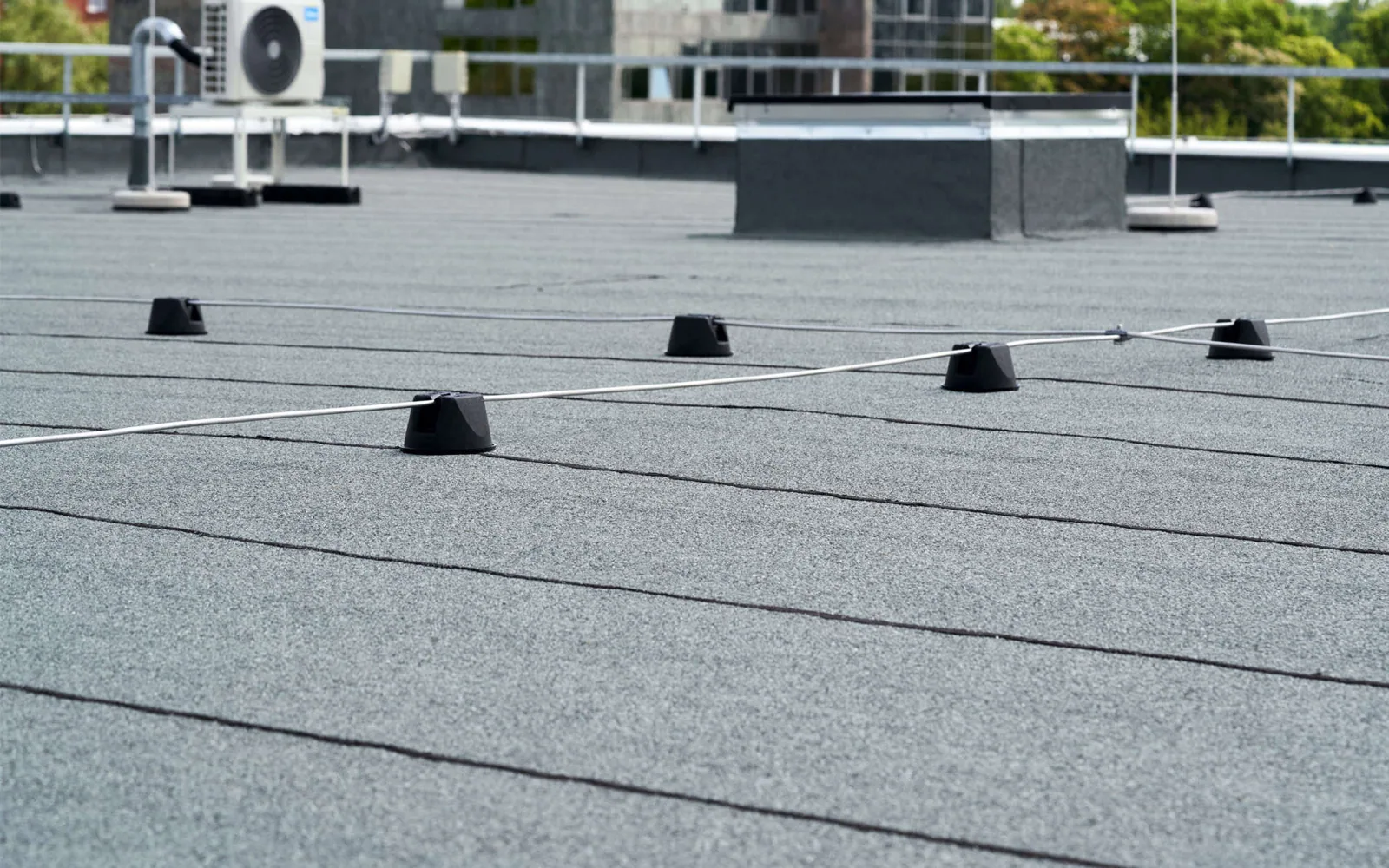
Landis sits on the I-85 corridor in southern Rowan County. US 29/601, US 29-A, and NC 153 serve the town. Those roads provide orientation for coordinating a visit; they do not determine roof access or condition. We handle low-slope and metal commercial roofs, including inspection, repair, replacement, recovery, coatings, and maintenance. A commercial roof inspection connects an interior symptom with seams, drains, wall transitions, curbs, or edge metal above it.
Trace the water path
A stain can appear well away from the roof opening. Water travels across a deck, follows a seam, or collects in insulation before it reaches the ceiling. We compare the wet area with the roof plan, then walk the likely route from field membrane to nearby details. A lifted lap, loose curb corner, or separated wall flashing can admit water. The repair extends farther when moisture has moved into cover board or insulation. We mark what is confirmed and identify any spot that needs a test opening before material is removed.
Landis has several named routes through town, including NC 153 and US 29/601. The service visit still depends on the building's own ladder, hatch, gates, and roof condition. We ask the contact to identify the room, the timing of the leak, and any earlier patch. Then we examine the surface, photograph the detail, and note whether traffic or rooftop equipment blocks a safe path. If water remains during the visit, a defined roof repair can separate immediate protection from the permanent correction.
Set a repair boundary
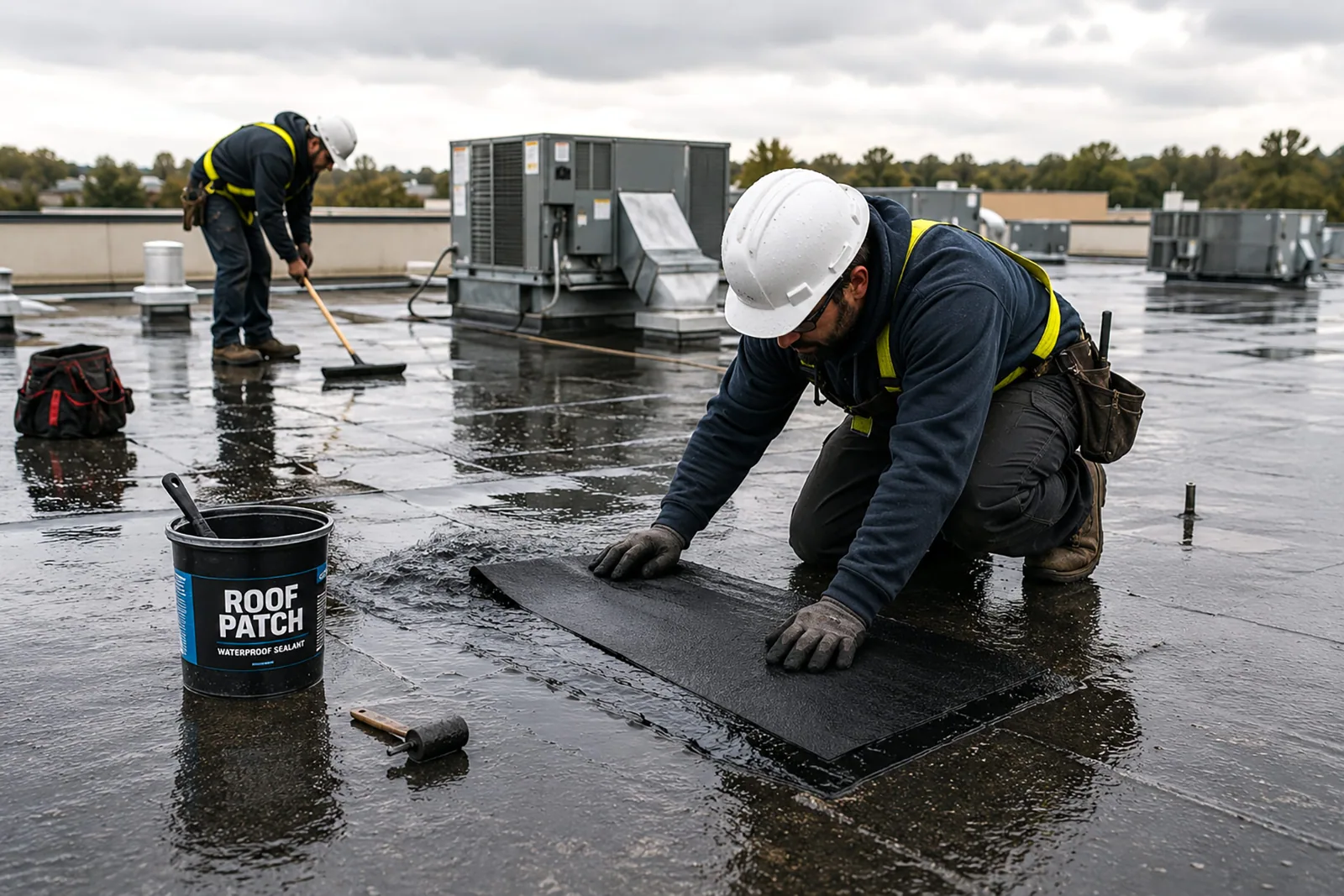
A small repair makes sense when the failure is isolated and nearby membrane remains serviceable. We check the seam, the material around it, and the layers below before closing the roof. A patch over wet insulation leaves the underlying problem in place. When the damaged area reaches several details, we map the affected section rather than enlarge a patch by guesswork. The scope states what must come out, what can remain, and how the new material will join the existing system.
A recover or replacement may be appropriate when the assembly has broad deterioration or repeated repairs. A recover can reduce removal only when the existing layers, deck, drainage, and code requirements support it. Replacement exposes the roof deck for inspection, but it also needs daily weather protection while work progresses. Owners comparing options can review a commercial roof replacement beside a repair after seeing the inspection findings. We identify access needs, staging, tie-ins, and the areas that remain exposed at each shift. The decision stays tied to roof condition and operating needs, not the age of a downtown storefront. Code review can change a recovery scope. The current state transition retains its 2018 building, existing-building, and energy requirements until the next series becomes effective. We confirm the permit basis before choosing insulation or roof layers.
Match the existing system
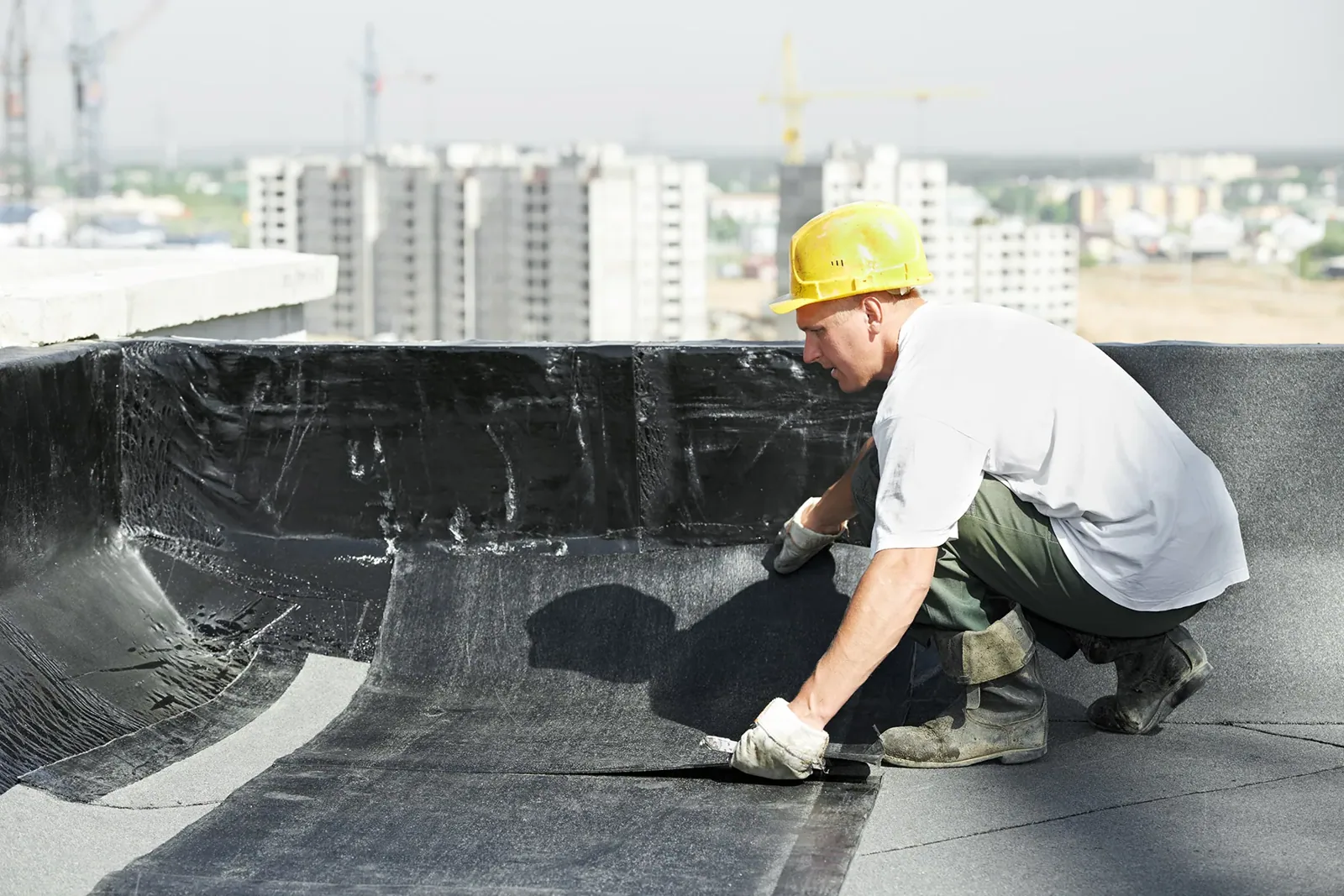
Repair material has to bond or weld to the roof that is actually installed. A thermoplastic seam weld, a rubber-membrane splice, and a modified-bitumen patch require different preparation. We identify the installed system before selecting materials and checking the attachment. A transition made from an incompatible material can split at the edge even when the field repair appears sound. We clean the tie-in area, inspect the adjoining flashing, and confirm that the repair can reach stable material.
Landis's historic downtown includes several kinds of older commercial structures, but that does not prove they share a roof system. We rely on the physical survey and any records an owner can provide. If the membrane is sound and the assembly below it is dry, a coating restoration may be considered after surface testing. Coating cannot replace saturated insulation or rebuild a damaged deck. A modified-bitumen assembly needs a different repair from a single-ply roof. We document the material, preparation, tie-in, and area limits before work starts.
Keep the shop functioning
A repair plan needs to account for the people using the building below. We agree on which entrance stays open, how staff will be notified, and where materials can be staged without blocking a counter or delivery route. The owner identifies fragile equipment and areas that need interior protection. We confirm the roof hatch or ladder, walk path, and any section that cannot support foot traffic. These details keep the service visit focused and help limit disruption while the failed connection is exposed.
Historic storefront or depot uses can bring distinct access questions, but we do not assume any one building follows the same schedule. If the roof can be divided safely, a phased reroof plan for an occupied building keeps the open area defined at each shift. The crew closes exposed work before leaving and records the temporary protection still in place. Nearby owners coordinating work in Salisbury or China Grove face their own access arrangements. For Landis, we plan from the actual operations under the roof and confirm who approves each change.
Prepare for the visit
Share the room where water appeared, whether it changed after rain, and when the issue began. Roof access instructions, earlier repair notes, equipment clearances, and operating hours help us prepare. If the ceiling needs a temporary barrier, tell us which path must remain clear. We inspect the roof surface and connected details, then explain whether the leak source is visible or whether a small opening is needed to confirm hidden layers. No repair is closed until the owner understands the proposed boundary and the material that will meet the existing roof.
When water is still coming inside, call for emergency response and identify the affected room and safest entrance. We can protect the interior, secure a temporary cover, and plan the permanent correction when roof and weather conditions permit. For a broader condition record, a written roof condition report can record photographs, observed defects, and recommended priorities. A Landis building remains the focus of the visit even when the owner manages properties along I-85. We confirm the next action, the contact responsible for access, and what should be checked after the repair.
Commercial Roofing Questions
Does the age of a downtown building tell you when its roof needs replacement?
No. Store, depot, post-office, and jail buildings have different assemblies and maintenance histories. We inspect the membrane, insulation, deck, and connections before comparing repair, recover, or replacement.
What should we do if a leak reaches a shop counter during business hours?
Protect merchandise and keep people clear of the affected area. Tell us which room is wet, where roof access is, and whether water is still moving. We can arrange emergency protection and trace the entry point.
Can a new patch join an older roof surface?
It can when the installed membrane is identified and the surrounding material is sound. We prepare a clean tie-in, check adjacent flashing, and describe any wet layer that changes the repair extent.
How does an owner compare repair with replacement?
A repair suits a localized failure with sound material around it. We discuss replacement when deterioration, moisture, or repeated patches reach beyond a defensible repair boundary.
Which access details help schedule a Landis visit?
Send hatch or ladder instructions, the affected room, roof plans if available, equipment restrictions, and hours that limit noise or entry. We confirm the safe route before staging.
Start with the affected room
Tell us where water appeared, what operation needs to continue, and how the roof is accessed. We will inspect the related detail and explain a workable repair boundary.