Home / Roofing Manufacturers / Carlisle SynTec Commercial Roofing
Carlisle SynTec Commercial Roofing in Concord, NC
Assess Carlisle SynTec roof assemblies in Concord, NC, by checking membrane, attachment, insulation, edge conditions and the building schedule.
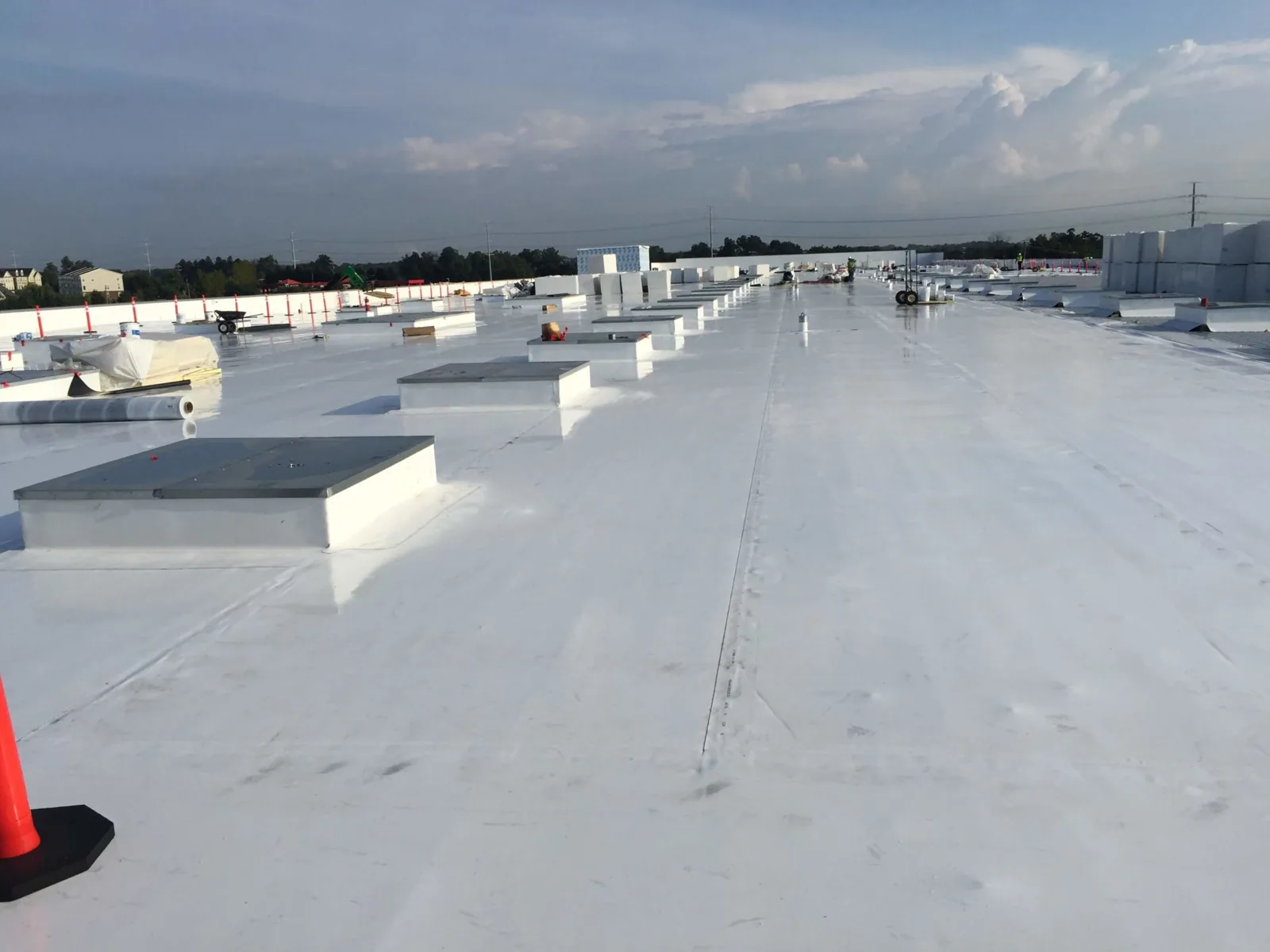
A leaking seam above a staffed counter can turn a short repair into a room closure. We identify the roof system and the detail that failed before selecting a Carlisle SynTec material. Carlisle lists EPDM, TPO, PVC and FleeceBACK membranes, plus insulation, adhesives and accessories. The membrane name is only one part of the assembly. Attachment, substrate, edge metal and previous repairs determine how the next step should be made. In Concord, NC, that review must fit the property’s operating day. GAF commercial systems offer a useful comparison when the roof condition leaves more than one viable path.
Read the seams first
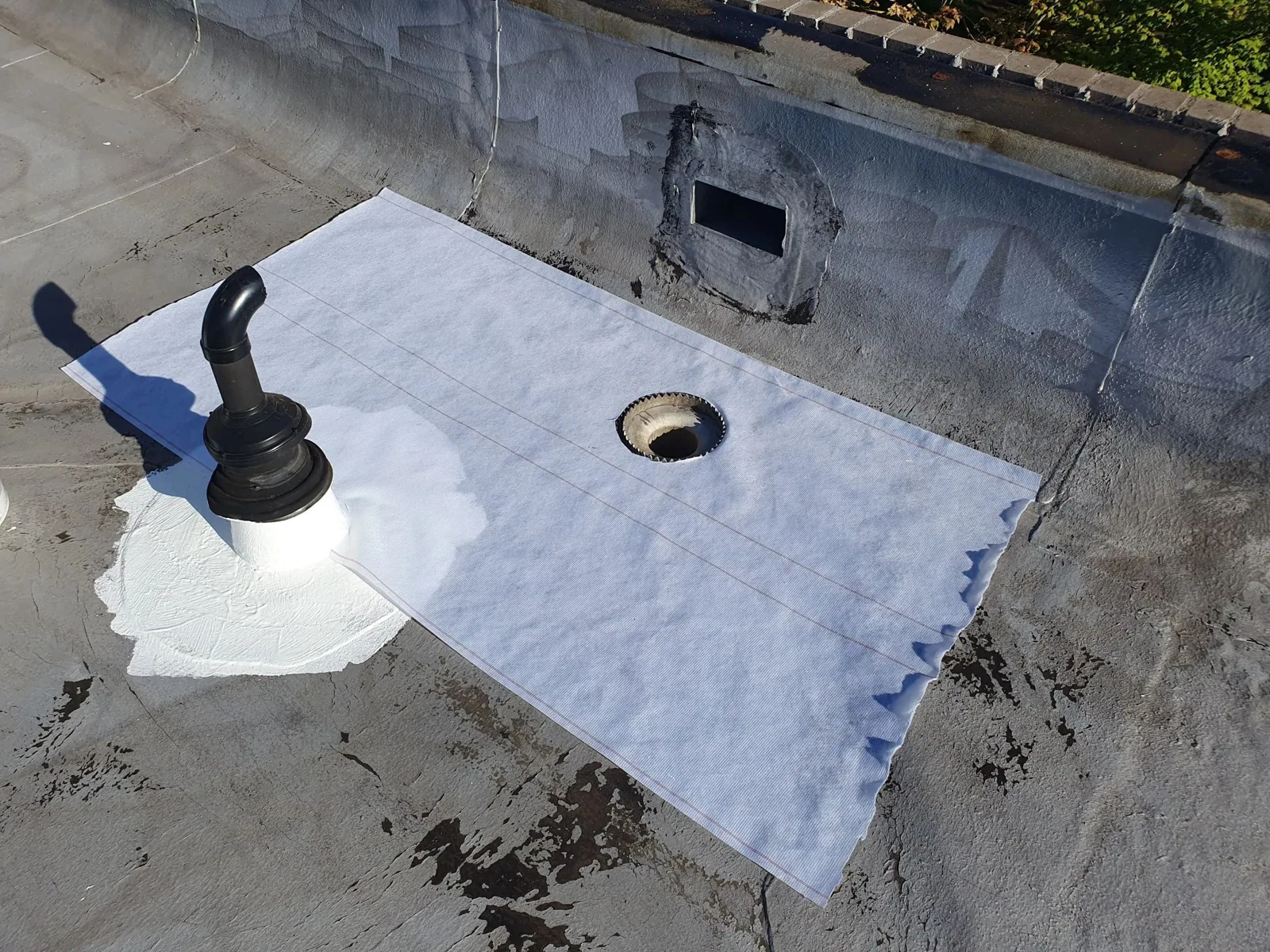
We start with field seams, corners, drains, penetrations and roof-to-wall transitions. Carlisle’s Sure-Weld TPO, Sure-Seal EPDM and Sure-Flex PVC use different materials and repair methods. A repair that suits one surface may not bond or weld correctly to another. We compare the visible membrane with roof records, then check how the sheets are attached and what lies beneath them. If a prior patch conceals a wider separation, we map the boundary before writing a scope. EPDM roof construction depends on compatible tapes, adhesives and prepared surfaces rather than thermoplastic welding.
Concord’s International Business Park includes multiple companies in a mixed-use commercial setting. A roof visit there should account for loading activity, access routes and rooms that remain occupied. We identify a safe path to the affected section and the exact limits of temporary protection. The owner receives a record of the material seen, the defect and any uncertainty that needs testing. We do not infer a roof type from the use or location of a neighboring property.
Compare attachment paths
Mechanically attached, adhered and fleece-backed assemblies solve different installation conditions. A mechanically attached membrane transfers forces through fasteners and the deck. An adhered assembly relies on the correct adhesive, coverage and substrate preparation. Fleece-backed sheets can change the interface at a recover or a particular insulation board. We review deck type, assembly records, edge conditions and uplift design before comparing these paths. An existing system may have been modified through several projects, so the inspection records each layer we can confirm. Johns Manville membrane systems can be compared against the same roof facts.
Concord’s Entertainment Corridor includes retail, restaurants, hotels and auto dealerships. Those buildings can have varied rooftop equipment and access patterns. The system choice should account for foot traffic, service clearance and the time available for open-roof work. We show how insulation, cover board, membrane and perimeter details fit together. A material change is not simply a new surface; it changes how the transitions must perform.
Carry details through
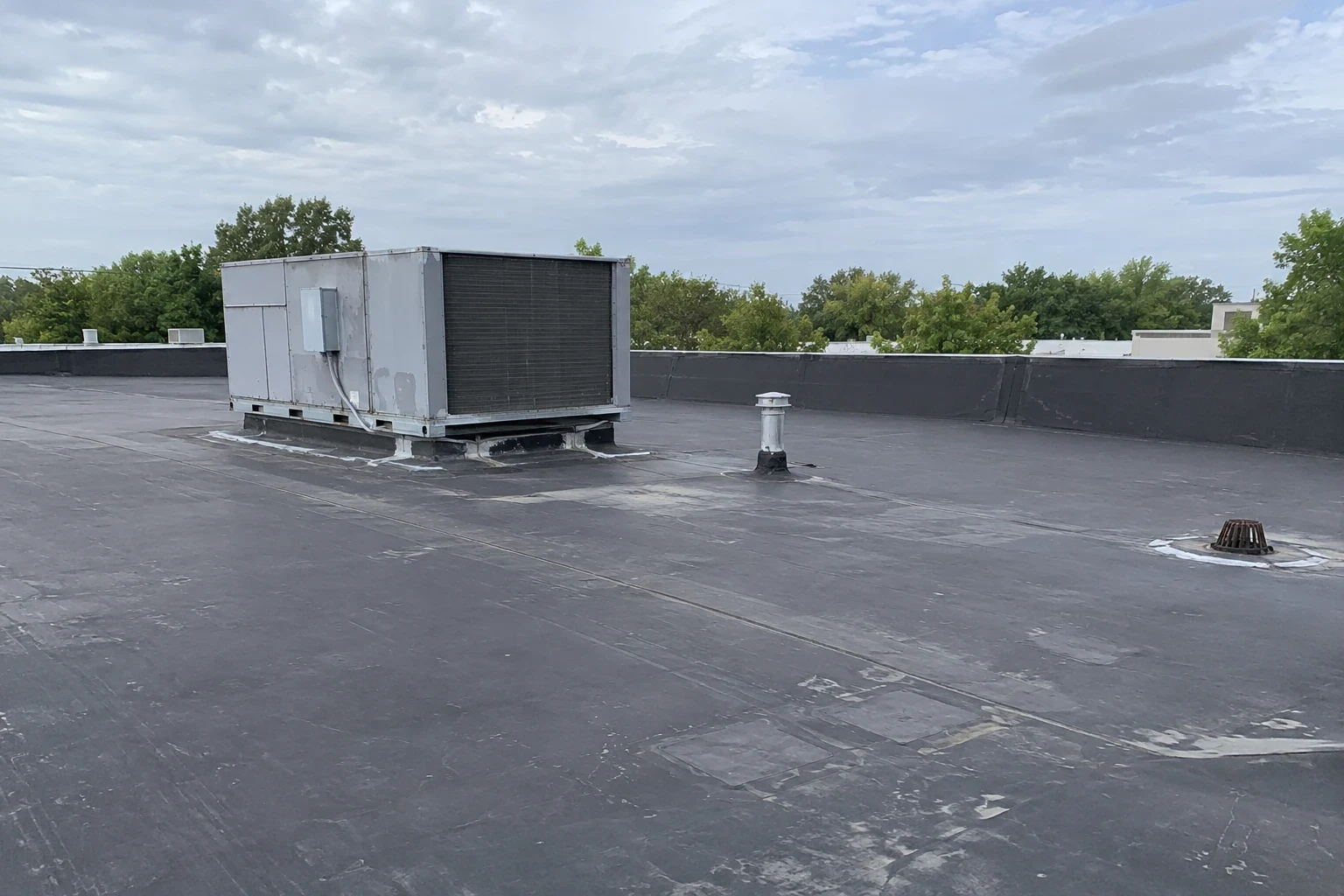
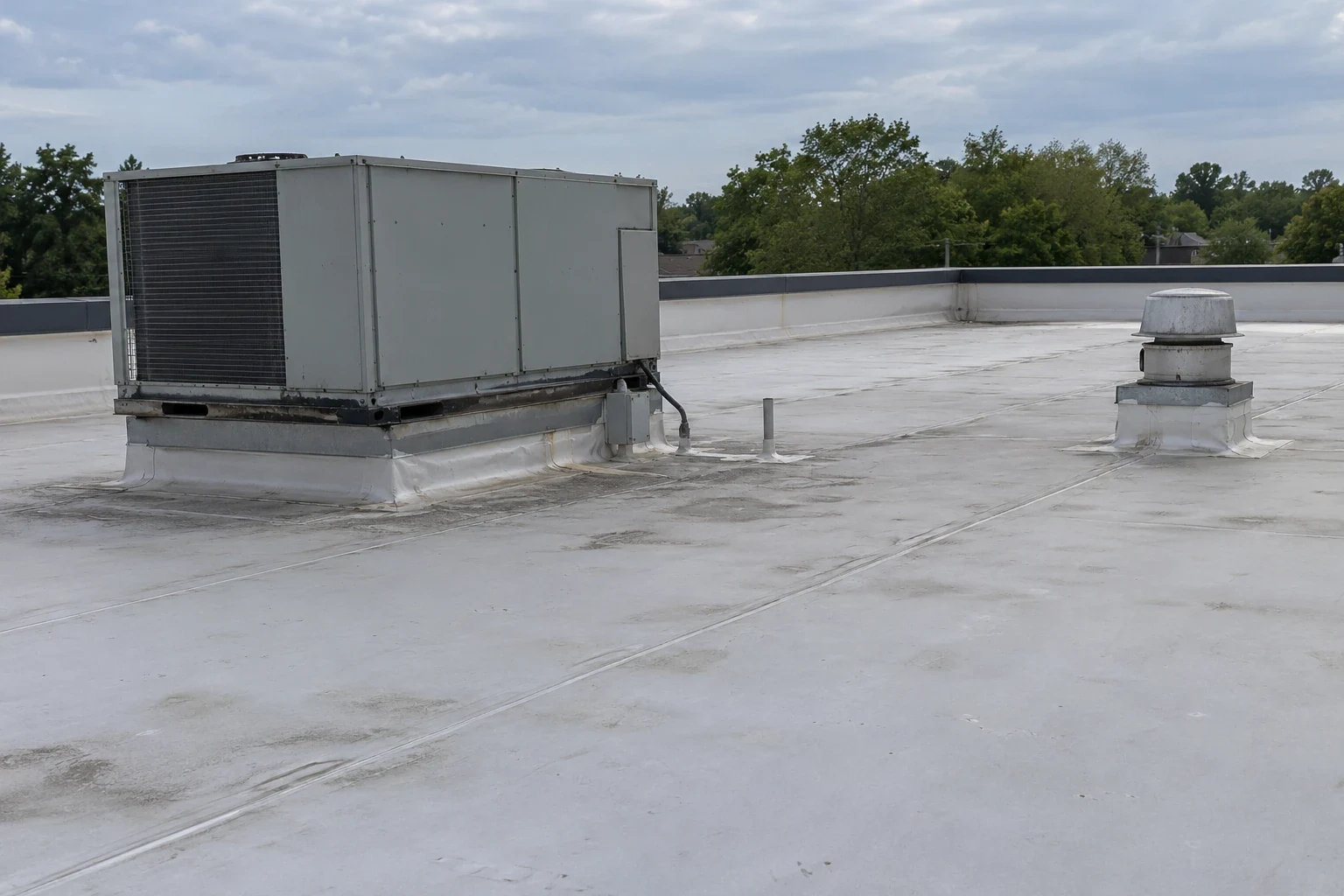
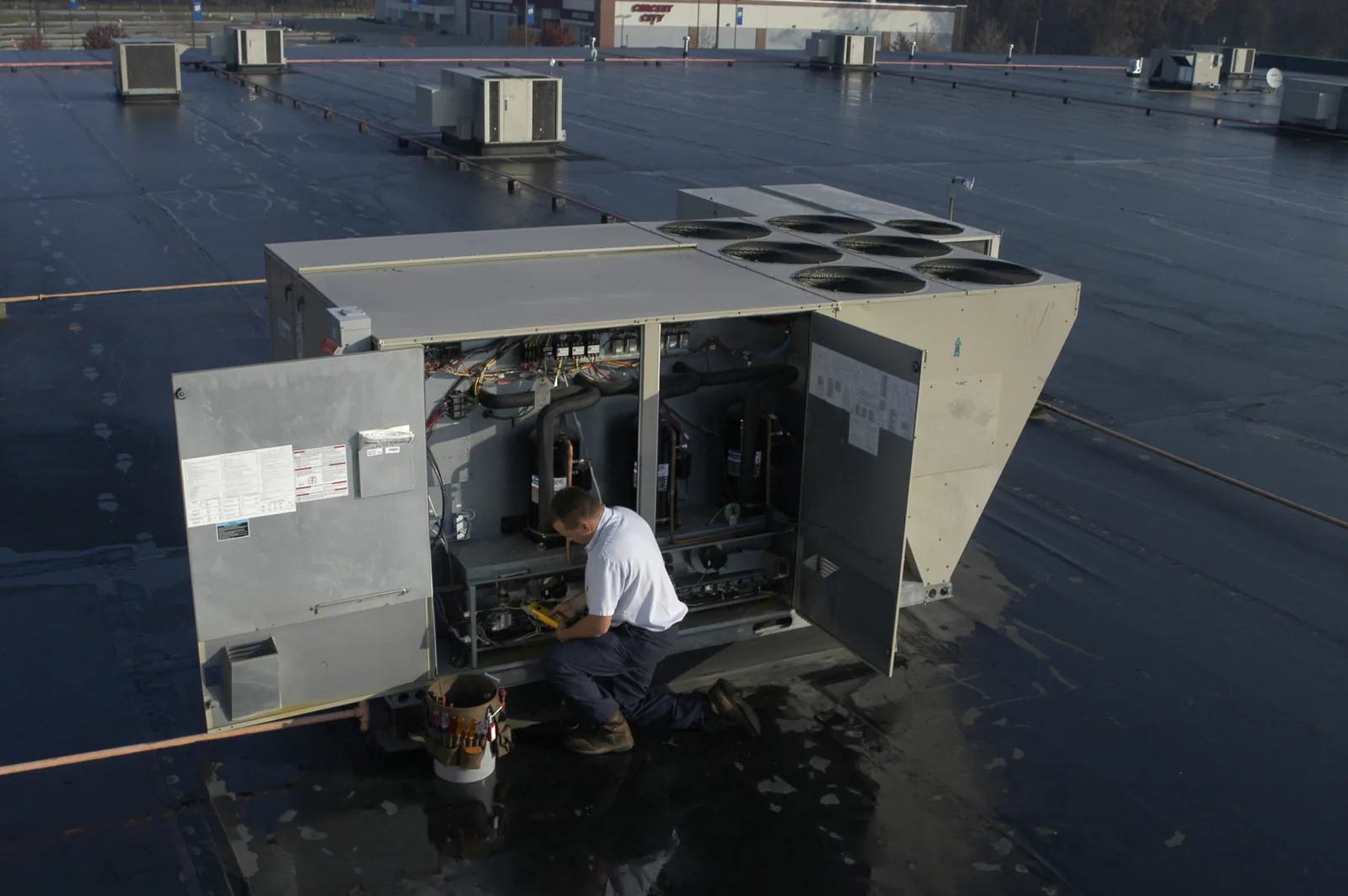
Field membrane does not solve a curb, drain or edge by itself. We check flashing heights, termination bars, metal seams, clamping rings and overflow paths. Carlisle’s system components are selected as an assembly, so the repair needs to match the membrane and the detail around it. The roof plan notes which accessories are present and where a trade change could disturb them. If rooftop equipment will be replaced, we set who provides temporary closure and who completes the final flashing. Curb and equipment-support details should be settled before the unit is set back in place.
A forecast shift can change how much roof area should be exposed at once. We stage materials so an open section can be dried in at the end of the work window. A loose termination near a wall may allow water to travel below the visible surface; we inspect the adjoining membrane before limiting the repair. Drain and scupper work also needs to preserve ordinary drainage and the overflow route.
Set the work limits
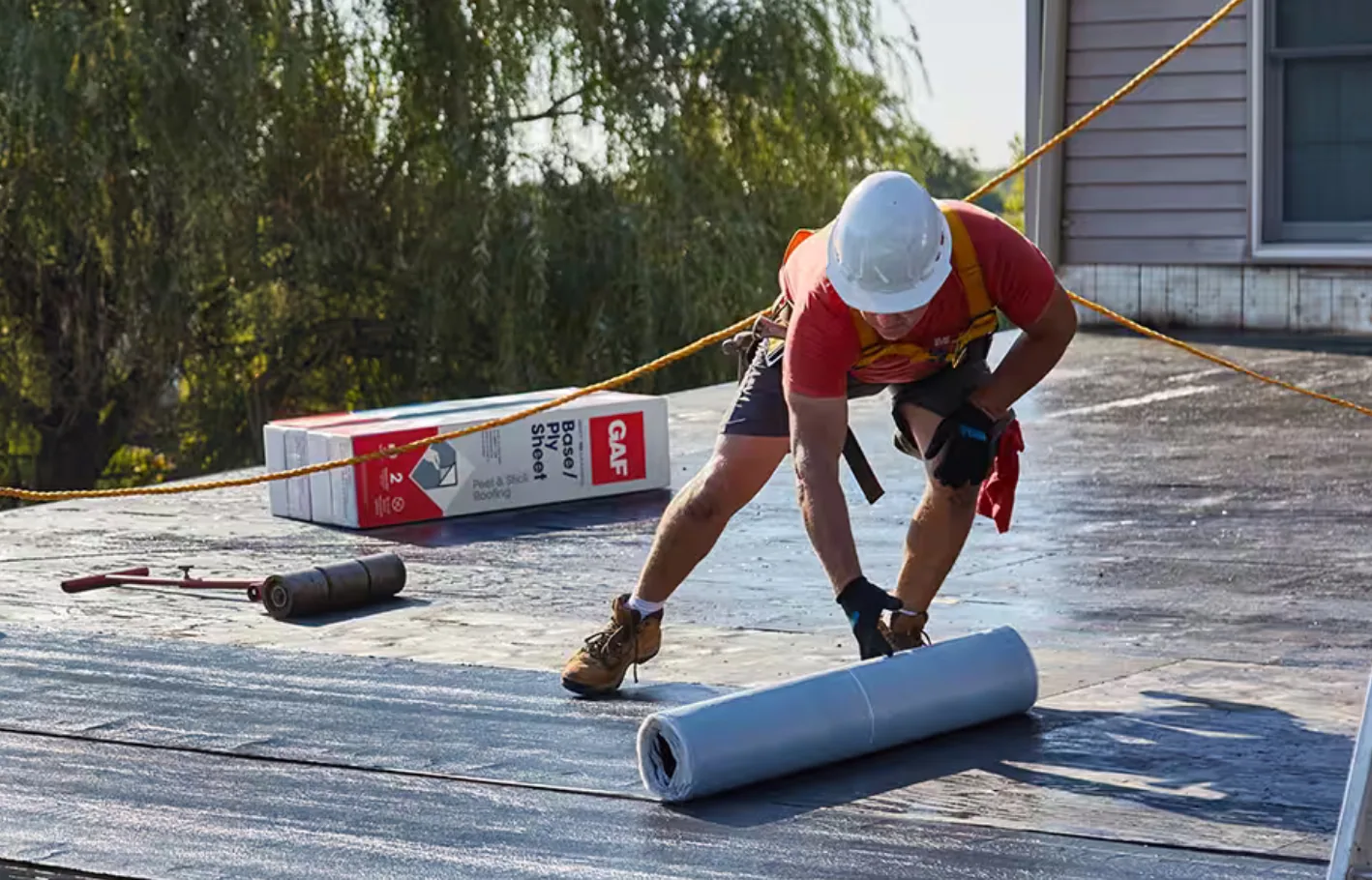
Occupied work needs a sequence that protects rooms while keeping crews on a stable roof area. We divide the job by section, identify the access point and coordinate deliveries with the property contact. Adhesive work may require attention to substrate condition and ventilation. Mechanical attachment can create noise below. Hot-air welding requires clear space around the seam and time for inspection. The schedule names temporary protection, daily cleanup and the condition that must be met before a zone is reopened. These details matter as much as the membrane selection.
Near Weddington Road, Concord’s planning area includes industrial facilities and parks alongside neighborhoods. City planning identifies Concord Parkway as US 29 and Warren C. Coleman Boulevard as US 601, useful distinctions when staging deliveries. We confirm the specific building’s traffic and roof access instead of assuming a standard service route. Work near the Weddington Road corridor can be planned around the actual loading area and occupied rooms. We identify equipment that cannot lose service and record which trade controls each roof penetration.
Price the concealed layers
Removal quantity, wet insulation, deck repairs, edge metal and interior protection change cost and timing. A recover may keep sound layers in place, but it requires a stable deck, suitable attachment and confirmed moisture conditions. A tear-off exposes the substrate and can reveal damage that was hidden. We list those possibilities separately so the owner can compare a repair, recover and replacement without combining unlike assumptions. The proposal names each membrane and component included. It also identifies the testing or access needed before the final quantity can be set.
Documentation helps when several roof sections or contractors share a property. Photos show the defect and the adjoining material before work begins. The closeout record identifies the Carlisle components installed, seams checked, repairs completed and remaining maintenance items. If a manufacturer system requirement applies, we verify the current detail and approved materials for that exact assembly rather than relying on an old project note. A roof condition record can help carry those facts into later repairs.
Keep service visits useful
After the work, we check seams, flashing, edges and drainage against the agreed scope. A maintenance visit should revisit known repair points, penetrations and roof traffic paths. We note any new equipment work that could have disturbed membrane or flashing. The service record can include the attachment method, product labels where available and photos of details that will be difficult to see from grade. This gives the next visit a starting point and reduces repeat investigation.
For an owner comparing a Carlisle assembly with another system, the useful question is whether the present roof can be repaired and maintained or whether its layers require a larger change. We explain what the inspection supports and what remains unknown. A commercial roof inspection can establish that baseline before a capital decision. For a building near Concord’s business parks or Entertainment Corridor, the work plan should still follow its actual access conditions and daily operation.
Commercial Roofing Questions
How do we know whether the roof is Carlisle SynTec?
We compare roof records, membrane markings and visible system details. A label may be missing or a roof may contain more than one generation of material. We record what can be confirmed and avoid assuming that all sections use the same Carlisle assembly.
Can EPDM be repaired with the same approach as TPO?
No. EPDM seams and patches use a different joining method than a thermoplastic membrane. We identify the material, clean and prepare the repair area, and use compatible components. The repair also needs to account for movement and the condition of the surrounding surface.
What does FleeceBACK change on a commercial roof?
A fleece-backed membrane changes how the sheet interfaces with the substrate or adhesive. We confirm the selected product, attachment path, insulation and deck before recommending it. A recover decision still depends on moisture, structural condition and the existing roof layers.
Can a Carlisle roof be recovered while the building stays open?
The building can often remain in use when work zones and access are planned carefully. We identify noise, odors, temporary protection and any room below the active section. The roof condition may still require removal, so the schedule follows what inspection confirms.
What records should we keep after a Carlisle repair?
Keep the proposal, material identification, repair locations, photos and any current system detail used for the work. Record later equipment changes and service visits near the repaired area. Those notes help us check compatibility if a seam or flashing needs attention again.
Identify the assembly before repair
Arrange a Concord roof visit and share the roof records, repair location and access limits that could affect the work.