Home / Roofing Manufacturers / Johns Manville Commercial Roofing
Johns Manville Commercial Roofing in Concord, NC
Compare Johns Manville commercial roof assemblies in Concord, NC, by reviewing membrane, insulation, substrate and the details that affect occupied operations.
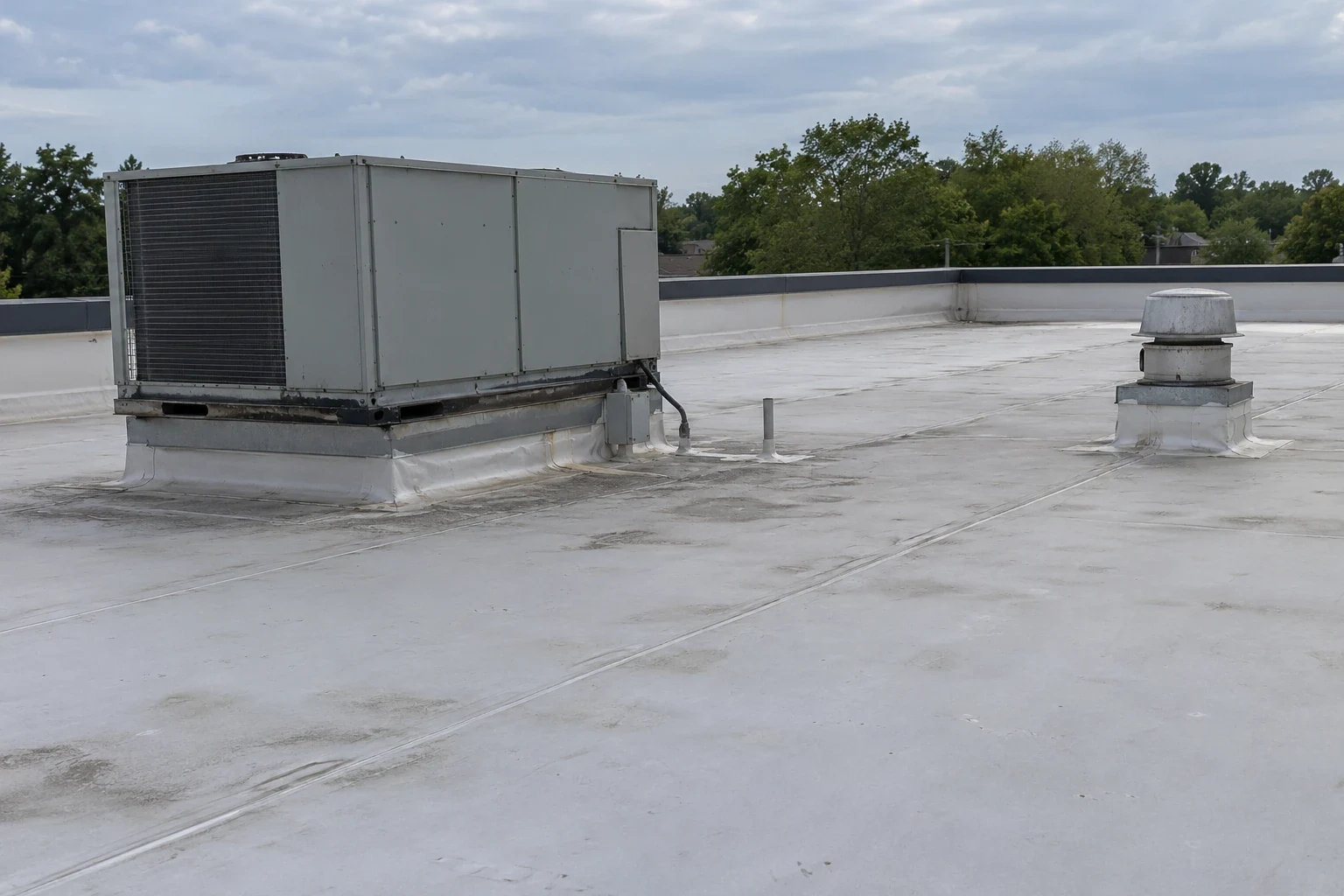
A failed roof transition above a clinic or workroom can disrupt more than one daily task. We identify the installed assembly before recommending a Johns Manville membrane, bituminous system or repair. JM lists TPO, PVC, EPDM, SBS, APP, built-up and liquid-applied systems, with insulation and cover boards as part of the broader roof assembly. That range creates options, not a reason to change a sound roof. We inspect the surface, seams, edges and layers, then connect the finding to the building schedule. Concord, NC, properties need a system recommendation that starts with the actual roof. GAF roof systems can be compared when more than one assembly could address the condition.
Identify the layer that failed
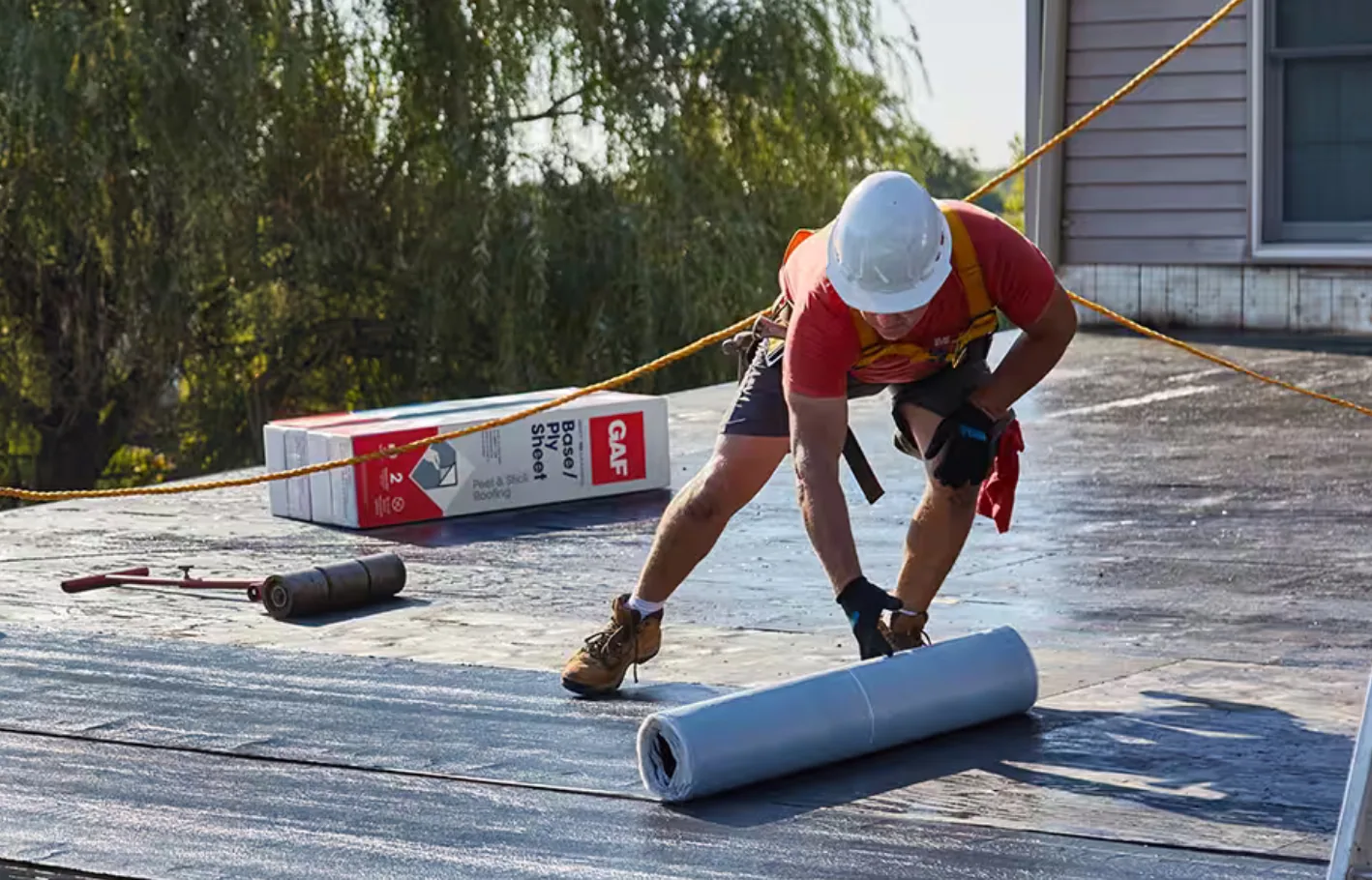
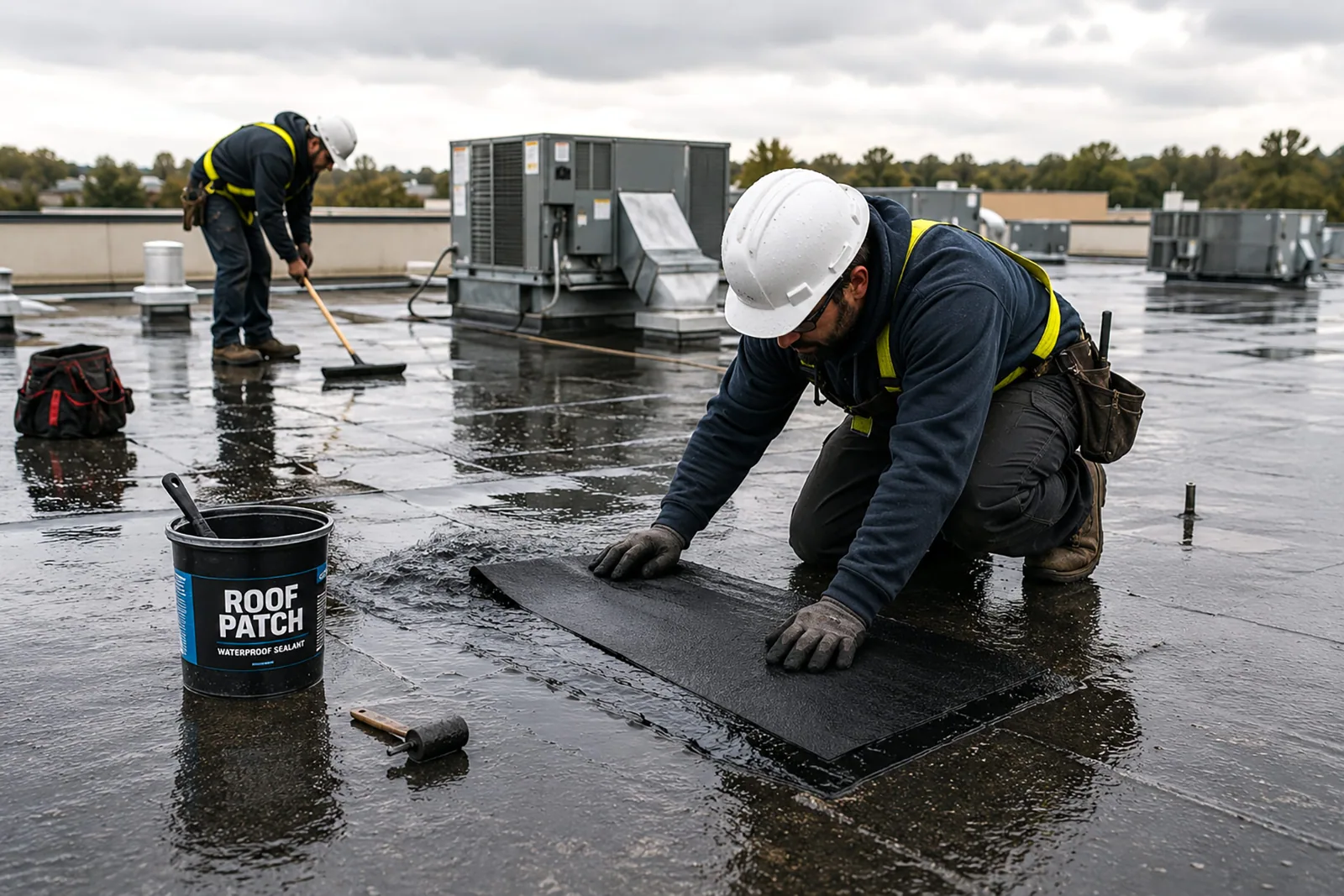
A roof leak can begin at a seam, drain, curb, wall transition or damaged field membrane. The visible symptom below does not always mark the entry point above. We map the water path and distinguish a local defect from wet insulation or a broader attachment issue. JM’s product range spans single-ply and multi-ply systems, so we confirm the existing material before selecting a repair. A compatible patch needs the right surface preparation and connection to sound material. Modified-bitumen roof layers use a different repair sequence than a heat-welded single-ply seam.
International Business Park contains multiple businesses in a mixed-use setting. A roof repair there should protect the affected suite without assuming adjacent occupants share the same schedule. We identify entries, loading routes and the room beneath the work area. If water is active, temporary protection comes first. The permanent repair then follows the inspected condition, not a general product preference.
Choose the assembly path
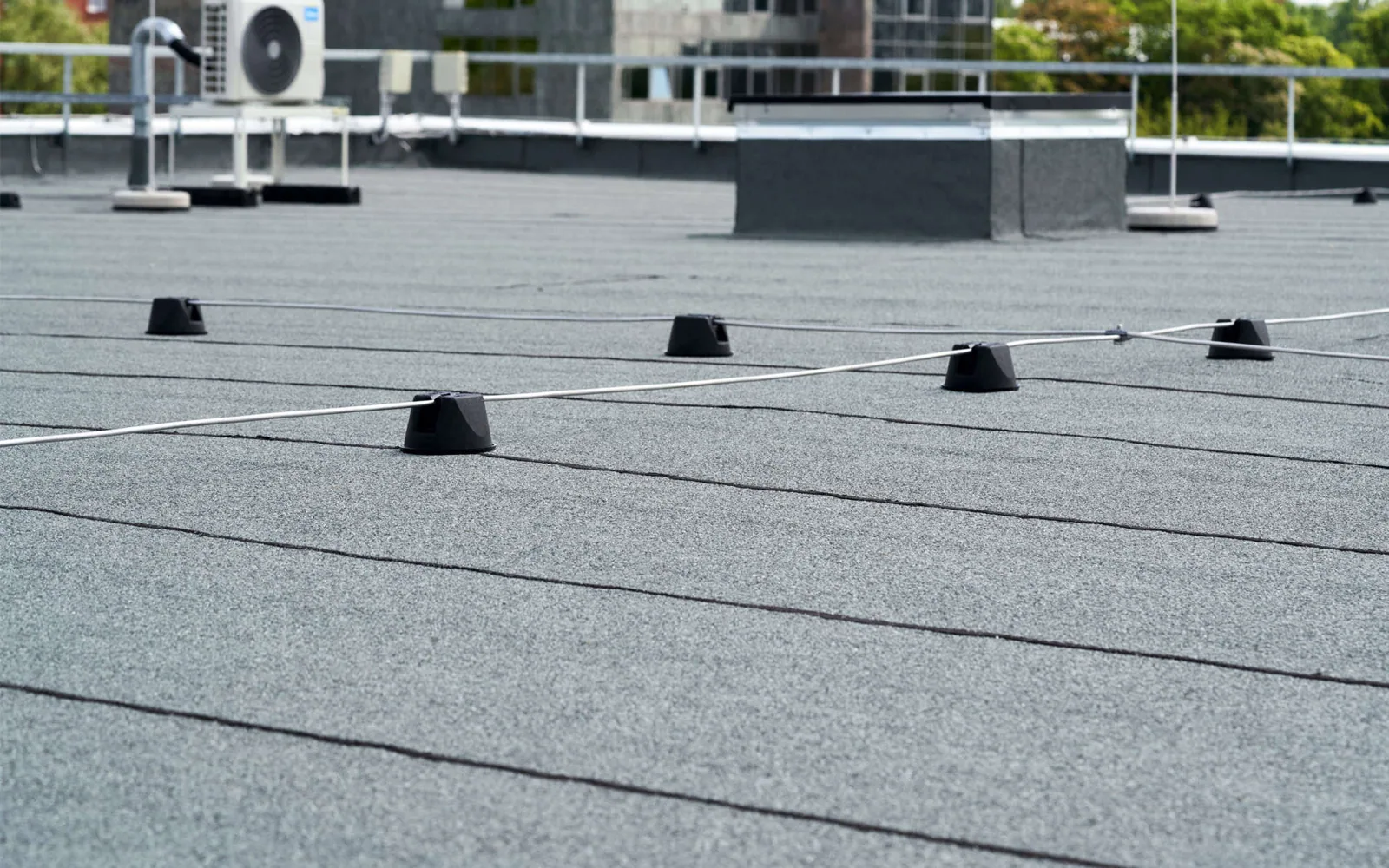
JM’s single-ply systems include TPO, PVC and EPDM, while its bituminous families include SBS, APP and built-up roofing. Liquid-applied products are another category, not a substitute for inspecting the substrate. We compare the roof’s slope, deck, drainage, traffic, penetrations and moisture condition. The owner can then see why a repair, recover or replacement is being considered. Carlisle SynTec membranes provide a second manufacturer reference for discussing attachment and system components. We keep the choice tied to the building and identify the information still needed before final pricing.
Concord’s Entertainment Corridor includes hotels, restaurants, retail and auto dealerships. Each use may bring equipment, service paths and operating hours that influence roof access. A membrane selection should account for those constraints alongside the assembly design. We ask where work can be staged, when deliveries arrive and whether a room below needs added protection. Those answers shape the installation sequence without assuming that all properties in the corridor have identical roof conditions.
Check what sits below
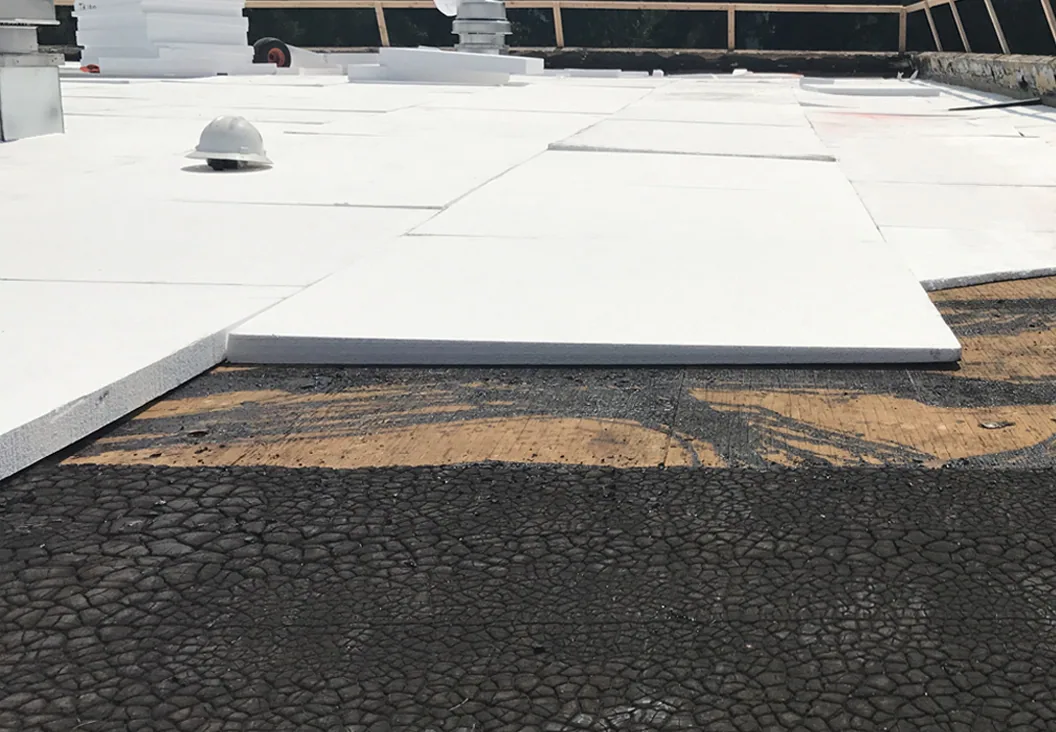
Membrane choice does not settle insulation condition or deck readiness. Wet boards, uneven substrate or loose attachment can affect whether a new layer is appropriate. We review records, inspect representative areas and identify where a test cut may answer a material question. Cover board can provide a more stable surface for some assemblies, but its use depends on the roof design and deck. Insulation and cover-board work should be scoped with the membrane and fastening method, not added as an assumed layer.
An exposed roof section needs a dry-in boundary sized to the work window and the condition of the roof. We stage work so a completed zone can be dried in before the crew leaves. If a rain path reaches stored materials or an occupied room, temporary protection and drainage become part of that day’s plan. A defined repair scope may be the better course when the deck and surrounding assembly remain serviceable.
Carry the detail into the field
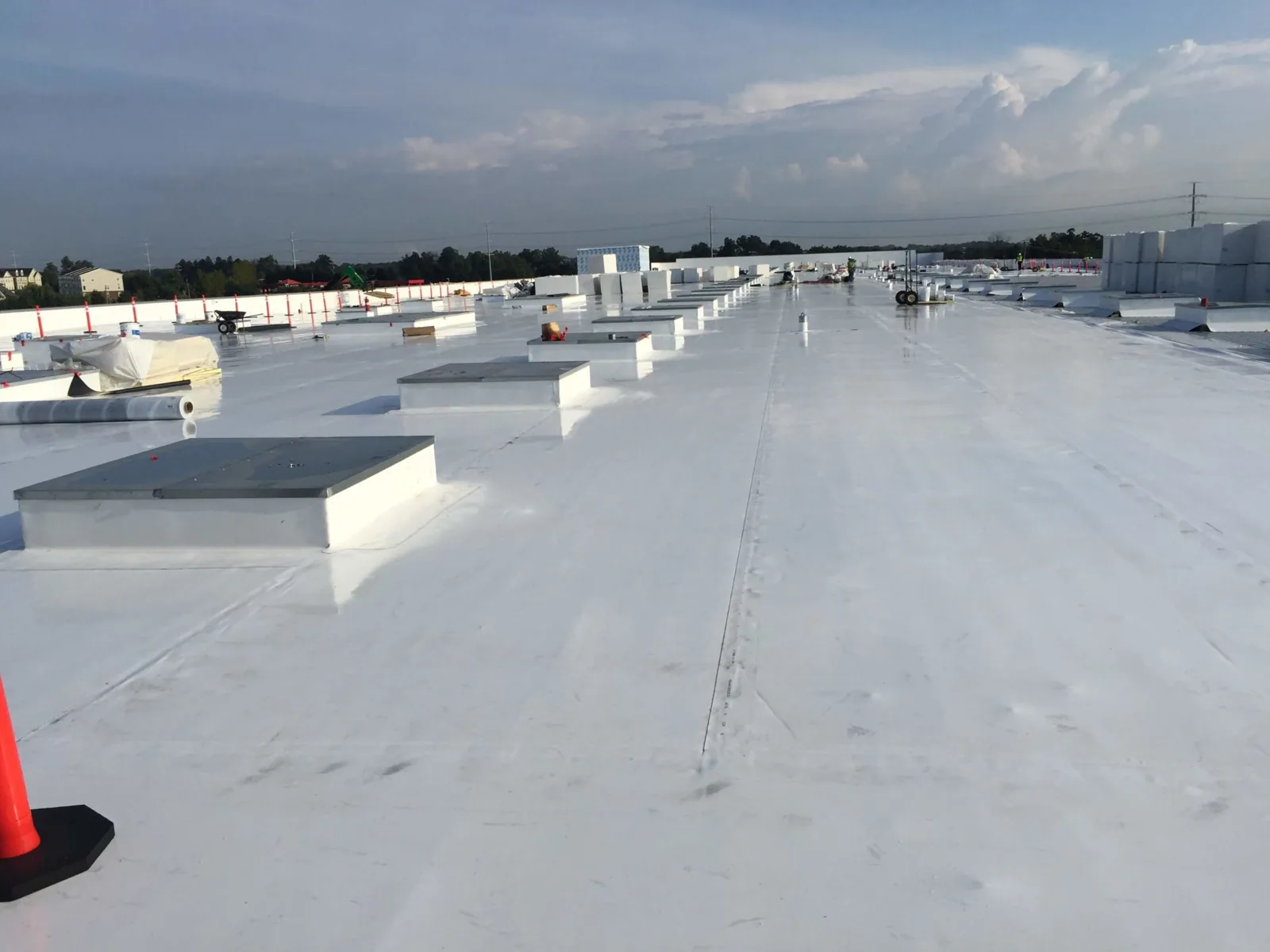
Roof performance often turns on the connection between materials. At parapets, curbs and drains, we check membrane height, metal termination, flashing compatibility and a clear route for water. A surface treatment cannot correct a loose edge or a failed drain transition by itself. JM system details and current product requirements need to match the assembly being installed. We verify the exact components, substrate and attachment before ordering materials. If a mechanical unit will move, the scope states who protects the opening and completes the final flashing.
Concord planning identifies US 29 as Concord Parkway and US 601 as Warren C. Coleman Boulevard. Those corridor names provide location context, but the service route and staging area come from the specific property. We coordinate the hatch, lift or ladder access with facilities staff. Buildings near Weddington Road still need a site-specific plan for delivery timing, roof access and occupied areas.
Separate known work from allowances
Removal, substrate repair, drainage correction, edge metal and protection below can change the proposal. We list what inspection confirms and identify allowances where concealed layers remain unknown. A recover may retain sound components, but moisture and attachment have to support that decision. Tear-off exposes the deck and may reveal damage that cannot be priced precisely from the surface. We explain that difference before the owner selects a path. The written scope states which JM products or system categories are specified, along with transitions and exclusions.
Permitting can affect the assembly and schedule. North Carolina’s Office of State Fire Marshal currently lists the 2018 building code series as effective while the state transitions toward its 2024 series. We confirm the edition applicable to the project during permit review rather than assuming it from a product brochure. The work plan can then align the assembly, inspections and access sequence with the approved scope.
Leave a usable roof record
At closeout, we check completed seams, flashing, edges and drains against the specified scope. Photos show the repair boundary and details that will be difficult to inspect from grade. The record identifies the membrane or system category, attachment, repairs and any open maintenance item. If equipment or another trade returns later, the owner can see which areas need protection. A written condition report can help facilities staff carry those details into the next service visit.
Maintenance follows the assembly in place. We check high-traffic paths, penetrations, drainage and prior repairs before small defects become interior work. If the roof history is incomplete, an inspection can clarify what materials are present and where uncertainty remains. A commercial inspection is useful before a repair budget or replacement decision. The goal is a recommendation the owner can act on, with the roof facts and operating limits visible.
Commercial Roofing Questions
Which Johns Manville systems can be used on a commercial roof?
JM lists TPO, PVC and EPDM single-ply systems, SBS and APP modified-bitumen systems, built-up roofing and liquid-applied options. The roof deck, slope, drainage, exposure and building use narrow the choices. We confirm current product details and system compatibility before writing a scope.
Can we apply a JM membrane over an older roof?
A recover depends on the old assembly, moisture, attachment, deck condition and available edge height. We inspect and test where needed before recommending another layer. If wet insulation or unstable substrate remains, adding a membrane can preserve the problem rather than resolve it.
What does a cover board add to the roof system?
A cover board can provide a more stable surface and help protect underlying insulation. The right board and attachment depend on the deck and membrane assembly. We include it when the design and observed roof condition support it, not as a default line item.
How does a JM repair differ between TPO and EPDM?
TPO seams are heat welded; EPDM uses compatible seam and patch materials. We identify the installed system and prepare the surface before making the repair. The nearby flashing and field membrane also need inspection so the repair does not stop at a symptom while the actual defect continues.
What affects the schedule for a JM replacement?
Tear-off quantity, deck repairs, material staging, weather exposure and occupied-room protection affect the sequence. We identify access limits and temporary dry-in points before the project starts. If concealed damage changes the work, we document the added area before proceeding.
Tie the material choice to the roof
Arrange a Concord roof inspection and identify the affected space, prior repair records and access limits.