Home / Roofing Manufacturers / GAF Commercial Roofing
GAF Commercial Roofing in Concord, NC
Review GAF commercial roof options in Concord, NC, with attention to membrane fit, edge details, drain transitions and work around occupied rooms.
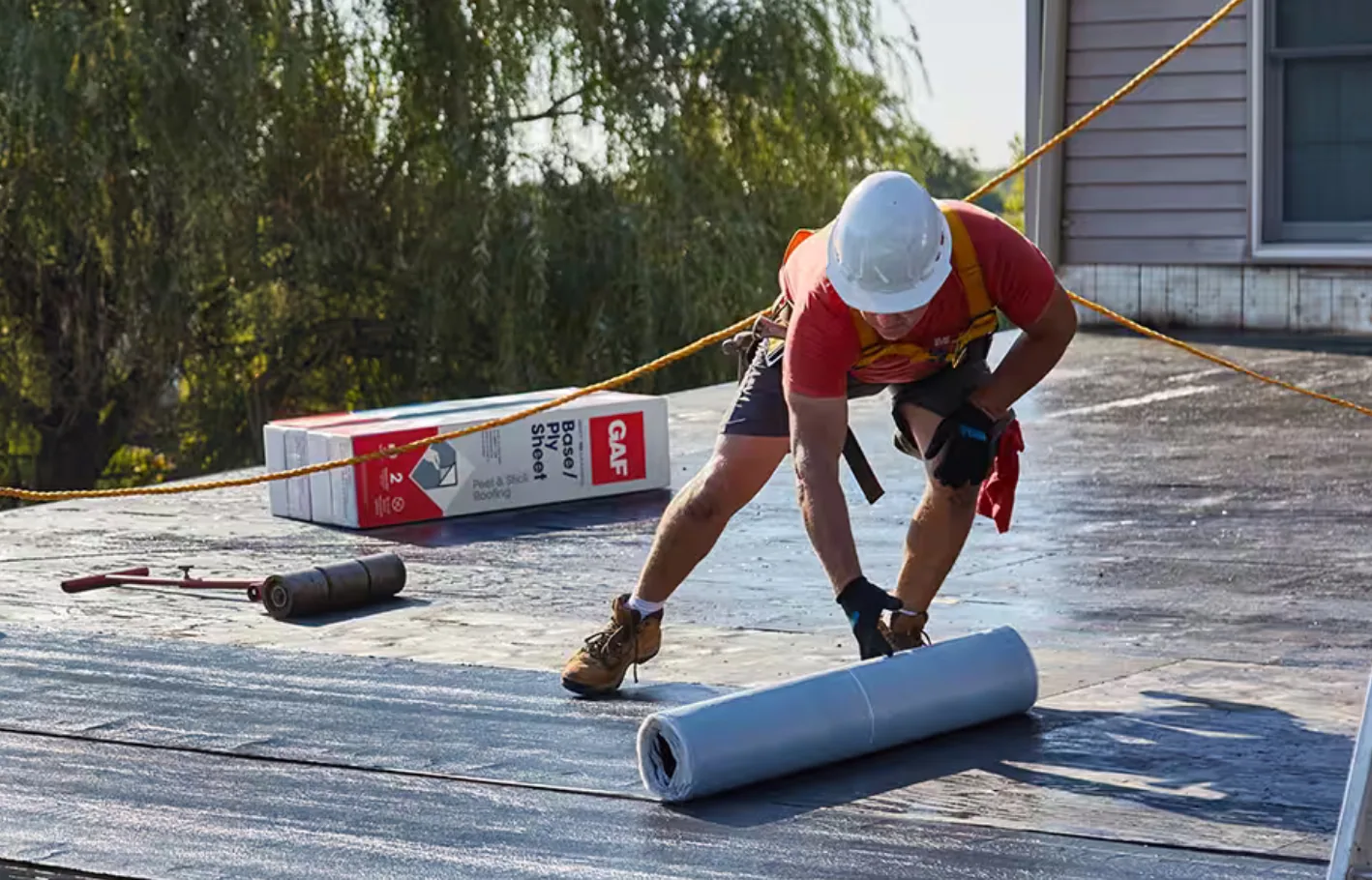
A receiving area can lose its route when roof work blocks a dock. We first identify the membrane, attachment and details already in place. GAF offers commercial single-ply systems, including TPO and PVC, along with asphaltic and coating assemblies. Those names do not tell us whether a new layer fits the existing deck, insulation or drainage. We inspect the roof before recommending a repair, recover or replacement. In Concord, NC, a sound choice must also account for the occupied business below. Carlisle SynTec systems offer another comparison when an owner is weighing attachment and membrane options. We keep the recommendation tied to the roof we can examine, not a product label alone.
Start at the assembly
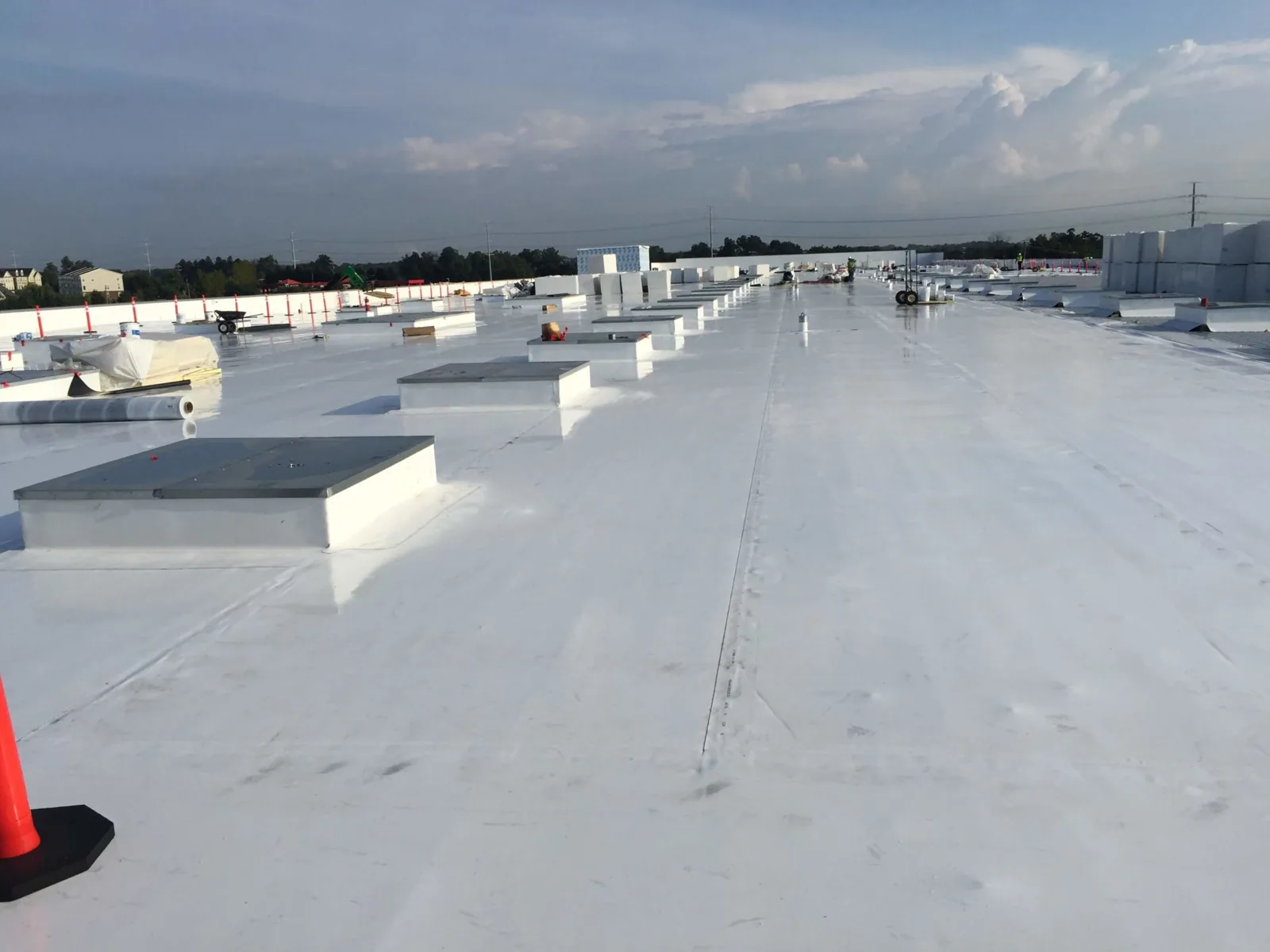
GAF describes EverGuard TPO and PVC membranes in multiple configurations. TPO and PVC use heat-welded seams, while EPDM uses another seam and repair approach. Insulation, cover board, fasteners or adhesive can change the repair method. We check field seams, perimeter transitions, penetrations and previous patches before selecting material. If roof records conflict with the visible assembly, we document that before pricing. TPO roof construction is only one part of the assembly decision.
The International Business Park brings multiple companies together in Concord. A building inspection still follows that property’s own roof and access conditions. We map water entry, likely travel and the work zone without assuming a neighboring building has the same membrane. A repair record names the roof area, system and materials so later maintenance does not repeat the investigation.
Match the use to the surface
A white membrane may reflect sunlight, but reflectivity alone does not decide the system. Surface exposure, rooftop traffic, chemical contact, slope and deck condition all matter. GAF distinguishes TPO from PVC as separate fits for project conditions. We consider those distinctions alongside insulation, fastening design and access. If an owner compares assemblies, we can review Johns Manville roof systems using the same roof facts. The recommendation should explain why one assembly fits this building, not suggest that one material suits every roof.
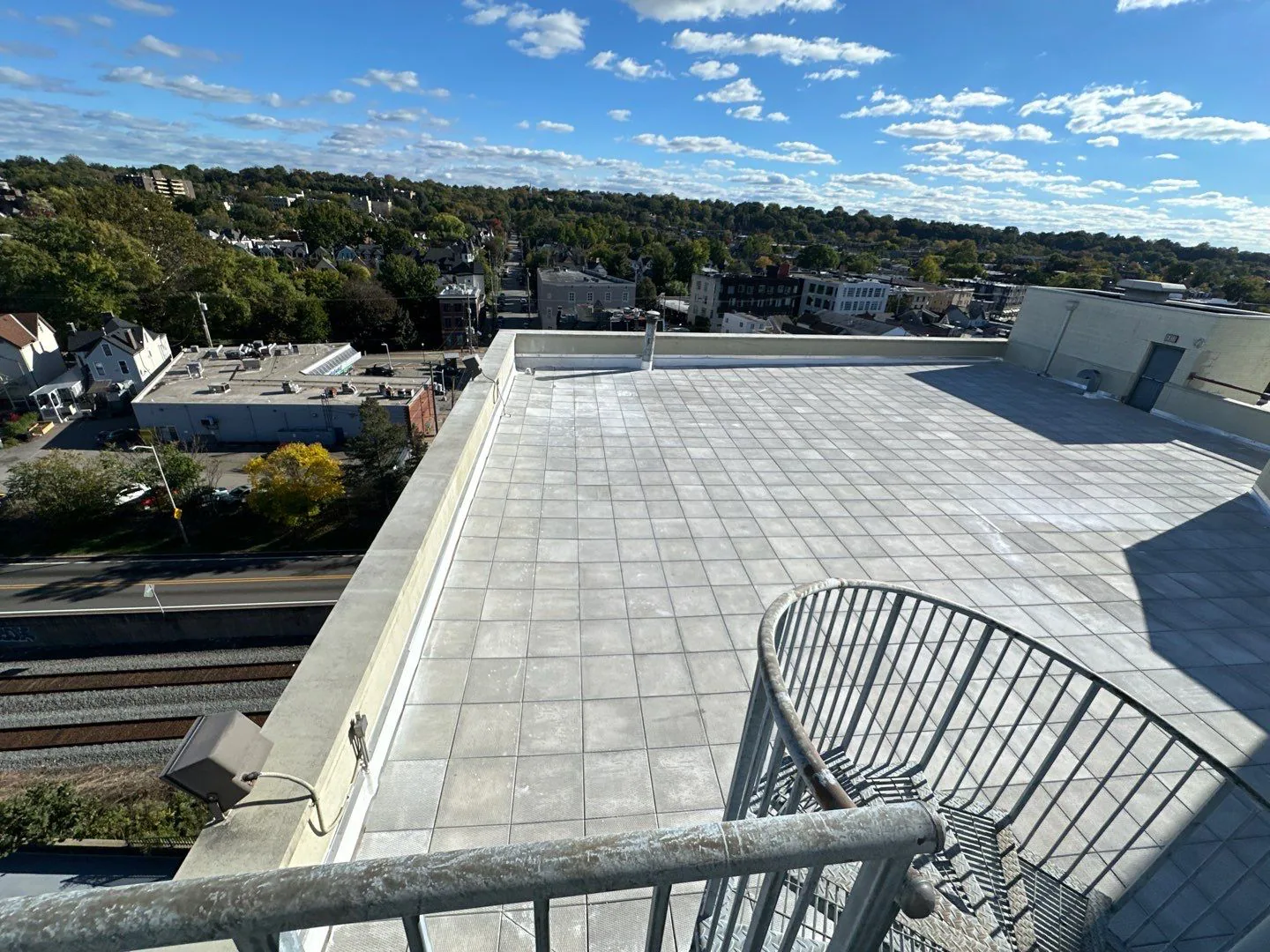
Downtown Concord’s master plan addresses commercial, industrial and residential development. A service visit must still protect the operating room and roof access at the individual building. We compare repair extent, substrate condition and disruption before describing the available work. A roof recover review can fit when the existing assembly is sound enough to remain.
Protect the field seams
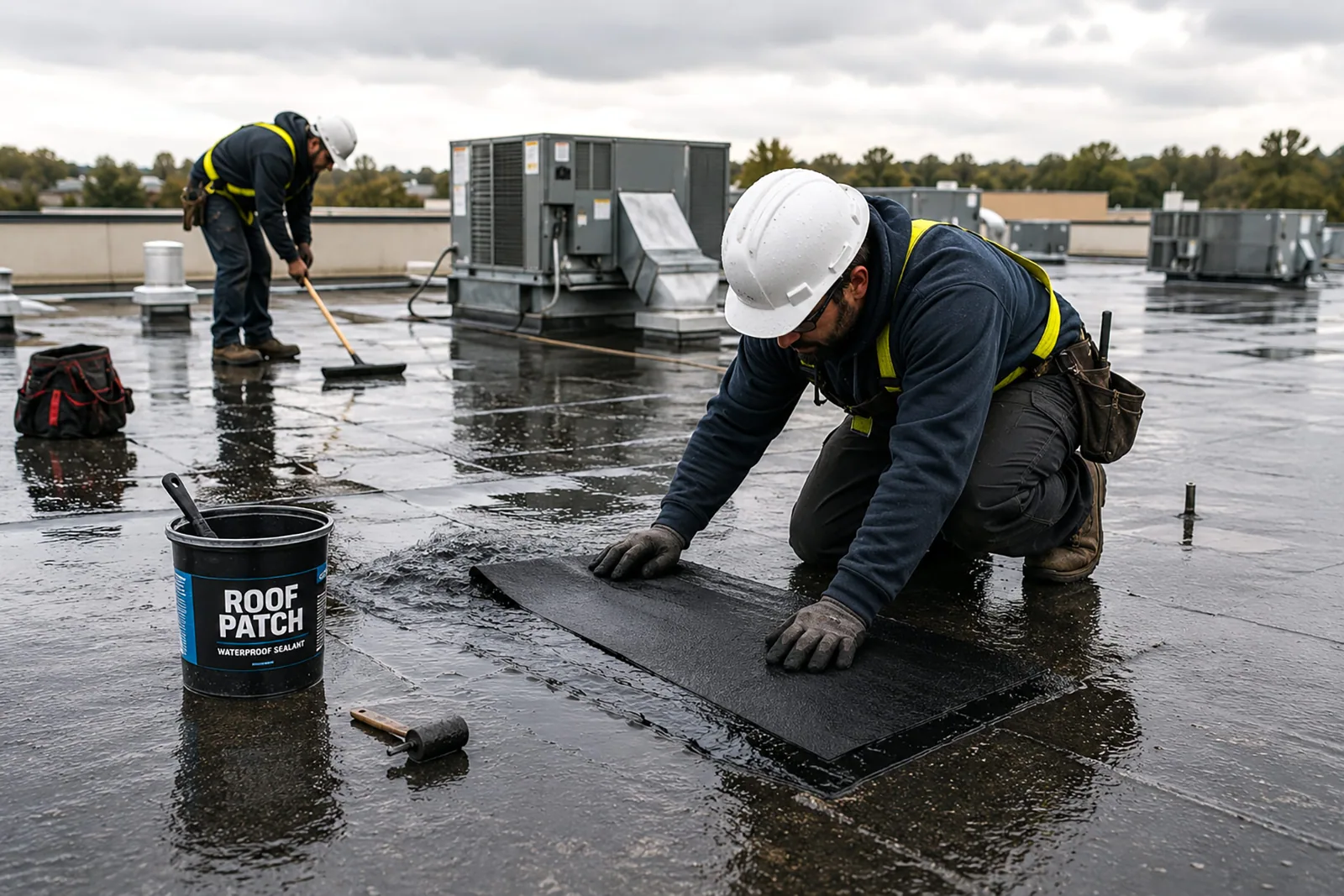
Thermoplastic seams depend on clean, prepared surfaces and controlled hot-air welding. A field weld must be checked, and corners, penetrations and terminations need compatible flashing details. We review membrane attachment, substrate and edge conditions before laying out a sequence. If the deck or insulation is wet, covering it does not correct the concealed condition. Where a recover remains under consideration, we identify the openings or testing needed to confirm the layers below. Temporary water control matters whenever a roof is open. Repairing a defined roof defect may limit exposure when the surrounding assembly remains serviceable.
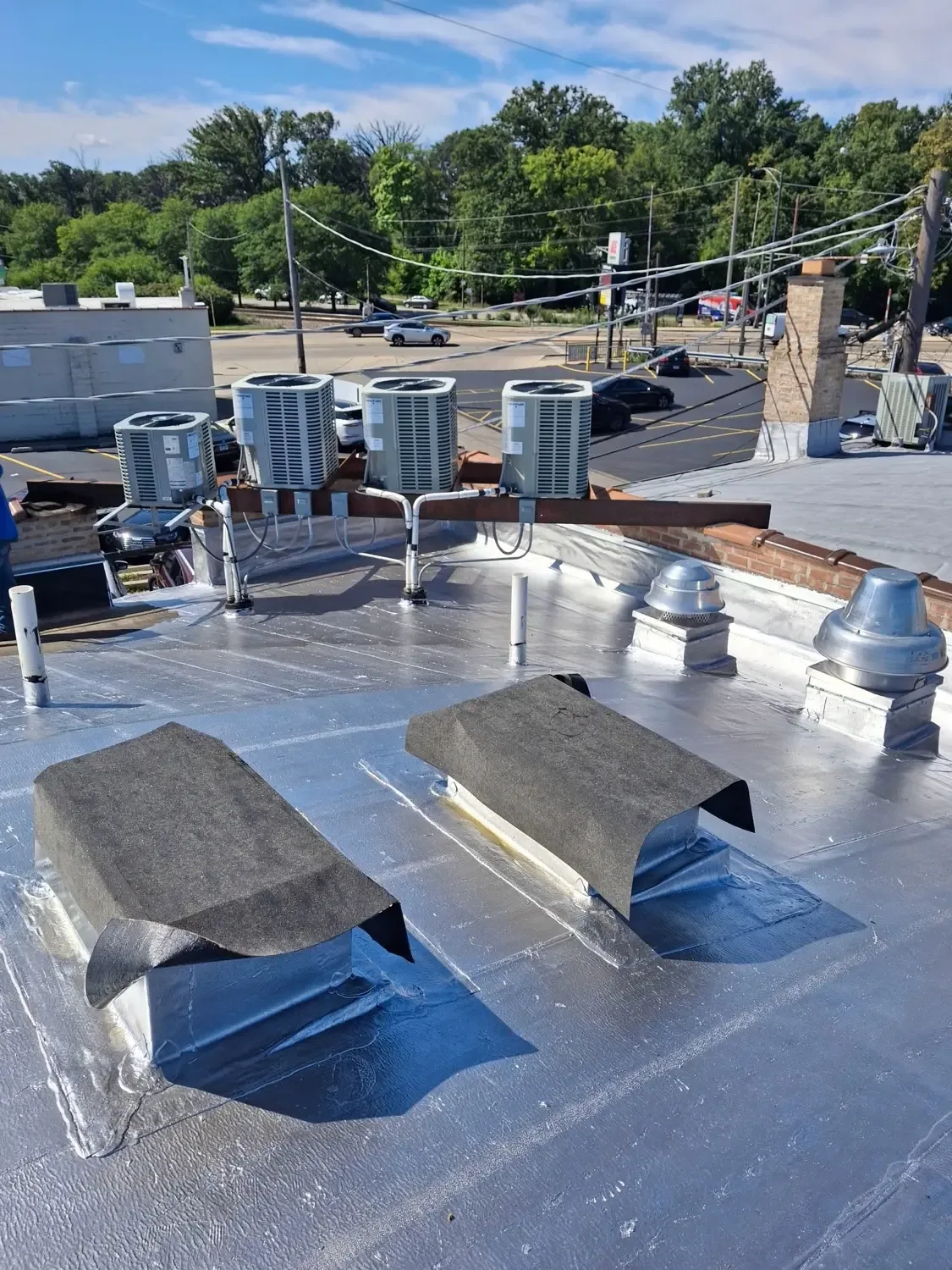
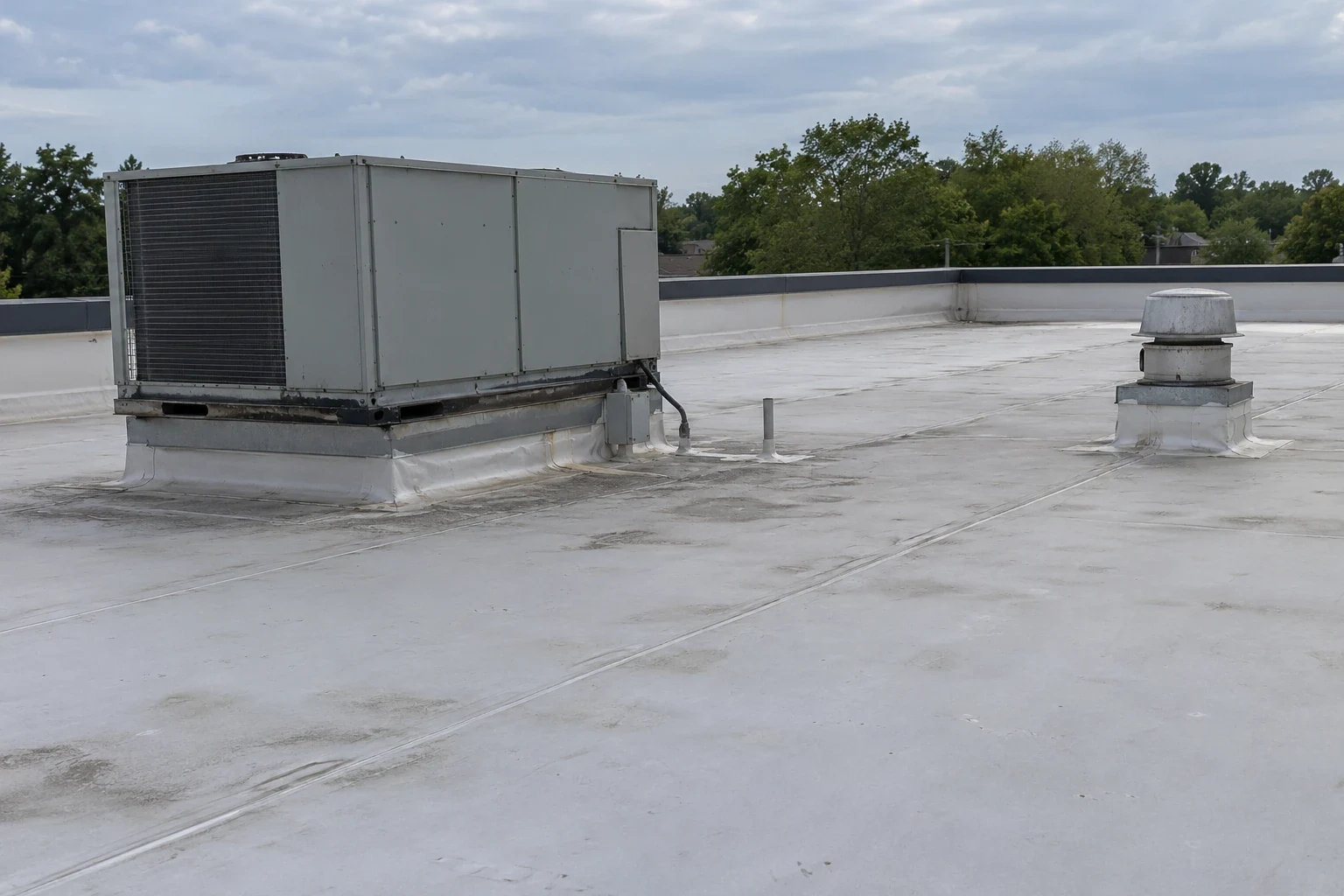
The details at drains, walls and curbs often carry more risk than a broad field area. A membrane can be continuous across the roof and still fail at a poorly integrated transition. We inspect the termination height, metal edge, clamping or compression detail, and the path water takes to an outlet. If a mechanical contractor will change equipment, we set the responsibility for final flashing before the unit is lifted. A written roof condition record can keep those responsibilities clear across later service visits.
Keep the building in sequence
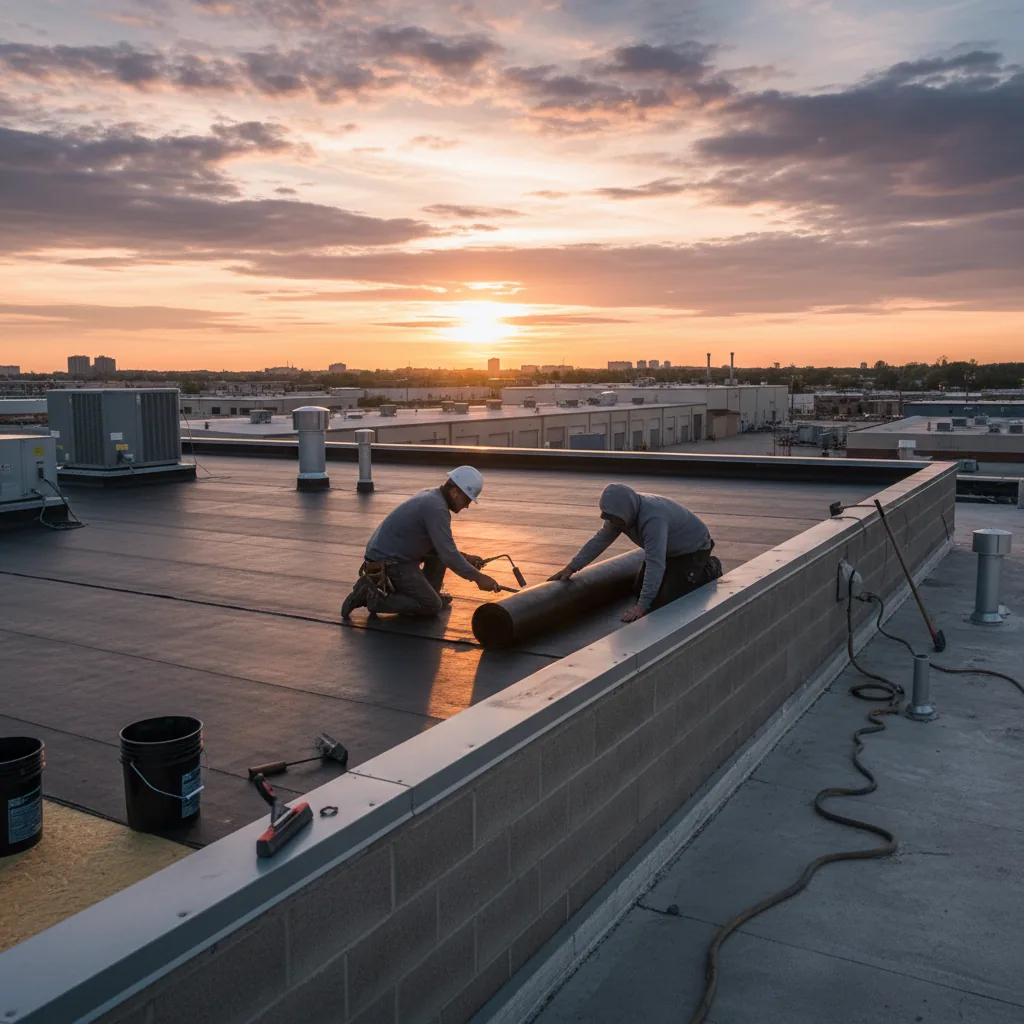
Installation method changes sound, odor, staging and access. Mechanical attachment, adhesive and induction welding each have a different sequence. We explain the work above each occupied area and where protection is needed. The schedule includes forecast review, staging, end-of-day dry-in and a stop point if conditions change. Owners identify rooms, entrances and equipment that cannot be blocked during the service window.
Weddington Road is a significant Concord connectivity corridor. Its planning area includes industrial facilities and parks and crosses greenways and key intersections alongside new and existing neighborhoods. The Church Street corridor has commercial businesses beside residential neighborhoods. That mix prompts a practical delivery and access conversation for the specific building, not an assumption that nearby schedules match. Roof work around International Business Park still starts with the property’s actual access and roof layout.
Separate repair from replacement
A coating, patch or new membrane can seem simple before the roof layers are checked. Wet insulation, poor attachment or an unstable deck may change the scope. We identify what can stay, what must be removed and what needs confirmation. The owner can compare a defined repair with a larger replacement. We list included materials, transitions and exclusions. Product availability does not replace checking substrate compatibility, project requirements or current installation details.
Budget and timing depend on tear-off, access, deck repair, edge work and protection below. A recover reduces removal only when the roof condition and applicable requirements support it. Replacement may suit concealed damage or repeated repairs. Where permitting applies, we confirm the governing code edition during project review.
Record the roof after work
At closeout, the crew reviews each listed membrane joint, termination, perimeter and drain against the scope. We record any area that needs follow-up before equipment or another trade returns. A maintenance visit can then look for punctures, open transitions, blocked outlets and damage around service paths. The roof record should name the membrane, attachment method, repair locations and changes made during the project. That information helps the next technician choose a compatible material instead of treating the roof as an unknown surface.
Church Street's commercial businesses sit beside residential neighborhoods. At a building along that corridor, we confirm entrance use and roof access before setting a maintenance visit. A small defect near a drain or curb can be handled before it expands into insulation or interior disruption. We can review the existing roof and explain whether a GAF system, another membrane or a defined repair best fits its condition. A commercial roof inspection provides a practical starting point when the current assembly or repair history is unclear.
Commercial Roofing Questions
Can a GAF TPO membrane go over the roof that is already there?
The existing layers decide whether a recover is possible. We inspect moisture, attachment, deck condition, edge heights and drainage before considering another membrane. If concealed conditions remain uncertain, we identify suitable testing or openings. A recover is not a way to hide wet insulation or an unstable surface.
What changes when an existing GAF seam needs repair?
First we identify whether the installed membrane is TPO, PVC or another system. A repair must fit that material and the surface condition. We clean and prepare the area, then inspect the adjoining seam and flashing. If movement or wet layers extend past the visible defect, the repair boundary needs to expand.
How do we choose between TPO and PVC?
The building use and exposure help narrow the choice. We compare chemical contact, rooftop traffic, drainage, attachment, details and the condition of the deck. GAF lists both membrane types, but the assembly needs to match the project. We explain the basis for the recommendation and the details that still need confirmation.
Will roof work close an occupied room?
We plan the work zone around the rooms, entrances and equipment that must stay accessible. A focused repair may keep activity away from most of the building. Larger removal can require interior protection and staged access. Before scheduling, we identify the likely noise, staging and temporary dry-in periods.
What information helps price a GAF roof replacement?
Useful records include prior roof drawings, leak locations, repair history, equipment changes and access limits. We verify those details during an inspection because the deck and insulation can differ from old documents. The proposal separates removal, substrate correction, membrane, edge and flashing work so the owner can compare scope clearly.
Review the roof before selecting a system
Arrange a Concord roof visit and identify the rooms, equipment and access route that the work must protect.