Home / Service Areas / Rockwell
Commercial Roofing in Rockwell, NC
Roof inspections and repairs in Rockwell, NC begin with the occupied area, the installed roof system, and the repair boundary the evidence supports.
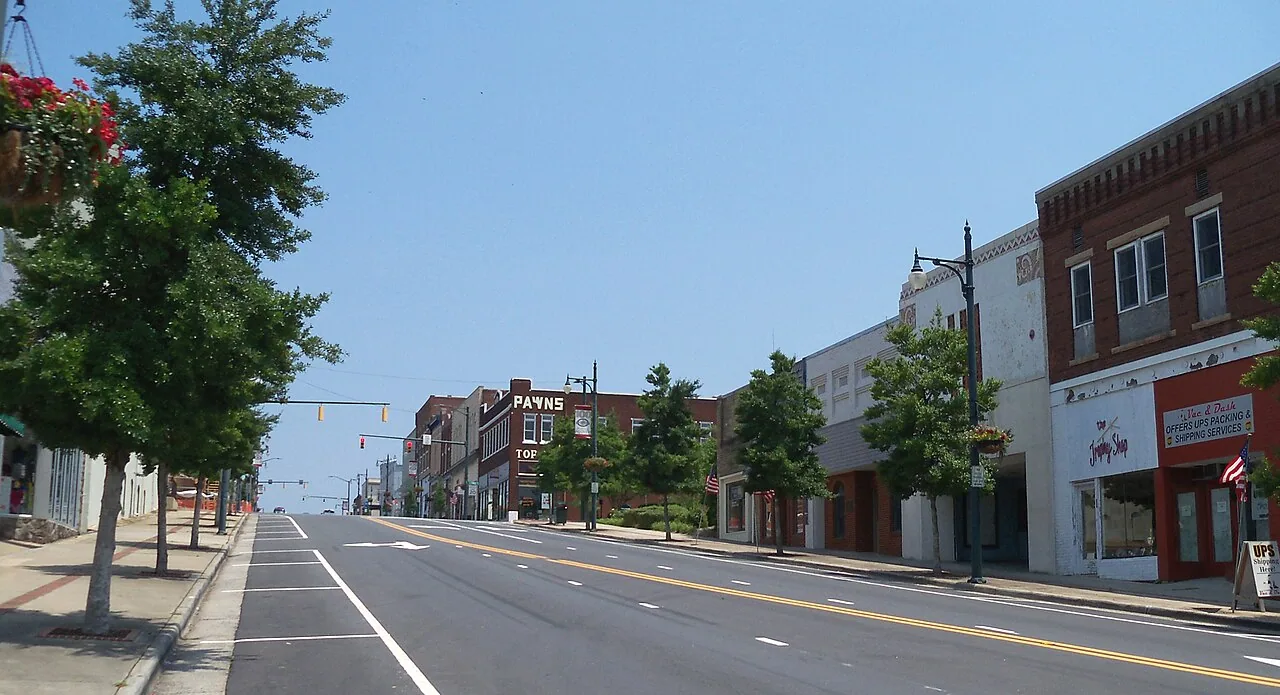
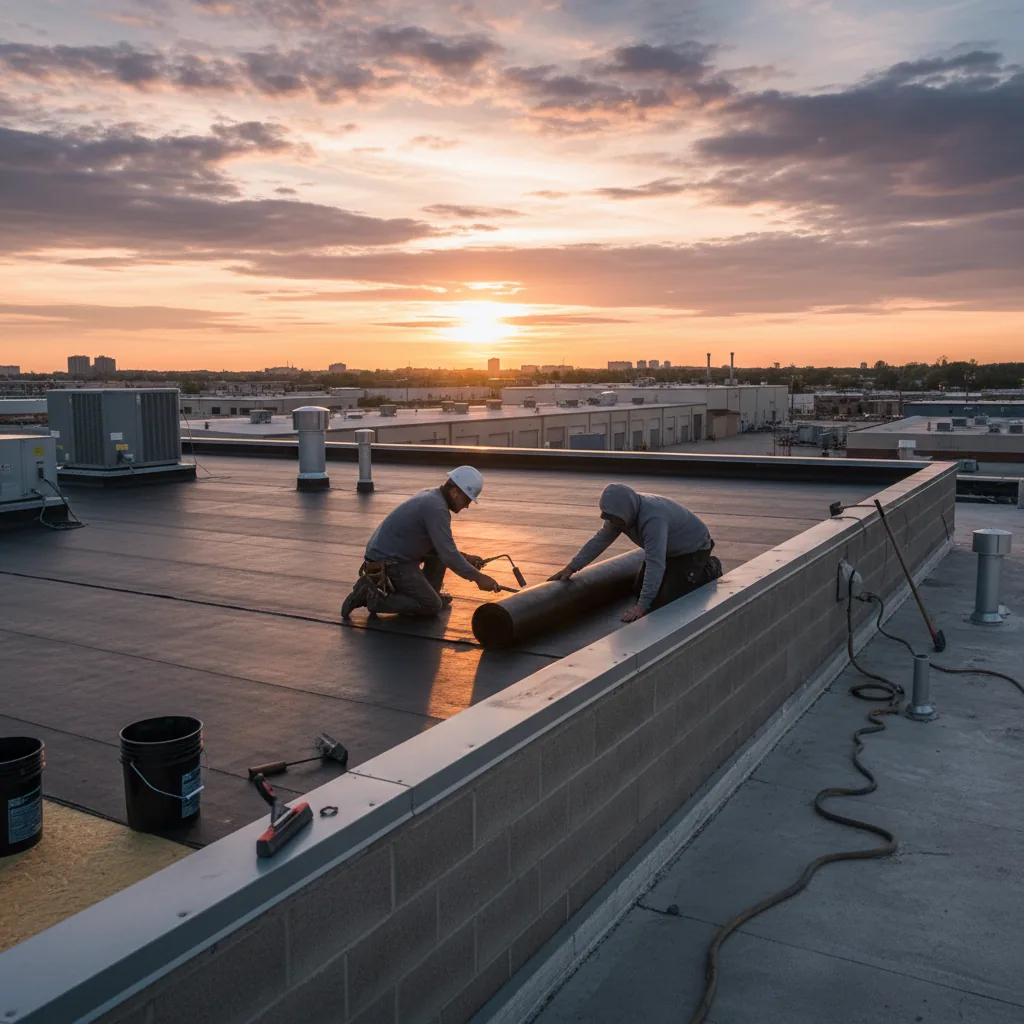
A production shift cannot leave a work area under an active drip. In Rockwell, NC, we protect the space below and trace water to the roof detail above it. The town includes manufacturing activity and historic church buildings such as Organ Lutheran and Grace Lower Stone. Public-facing rooms and production spaces have different access needs. A public counter and a production floor call for different protection and access arrangements. We inspect each roof before opening the surface. We inspect the actual assembly, document the affected area, and explain what material needs correction.
The first visit starts with the room or operation, not a broad assumption about the building. We compare the ceiling symptom with seams, curbs, drains, and wall terminations, then check the roof path for safe access. If a machine needs clearance or a public entrance must remain open, we agree on that route before staging. A commercial roof inspection connects those observations to a repair, recovery, or replacement decision.
Keep people moving safely
A leak near a service counter, meeting room, or work station needs protection below before the roof is opened. The building contact identifies furniture, materials, or equipment that should move and selects a route that remains clear. We check whether a temporary interior barrier is needed and who can approve entry after hours. On the roof, we mark fragile areas, ladder or hatch access, and the details that can be reached without crossing equipment.
Rockwell's mix of manufacturing and public uses means the visit should match the property schedule. A public-facing room may need quiet access, while a production area may need equipment isolation. We plan those conditions with the owner rather than treating them as interchangeable. For a larger project, a maintenance program can identify small defects before they force a disruptive opening. The service record notes the roof sections reviewed, the connections that need repair, and the next inspection point the owner wants to track.
Check the layers beneath
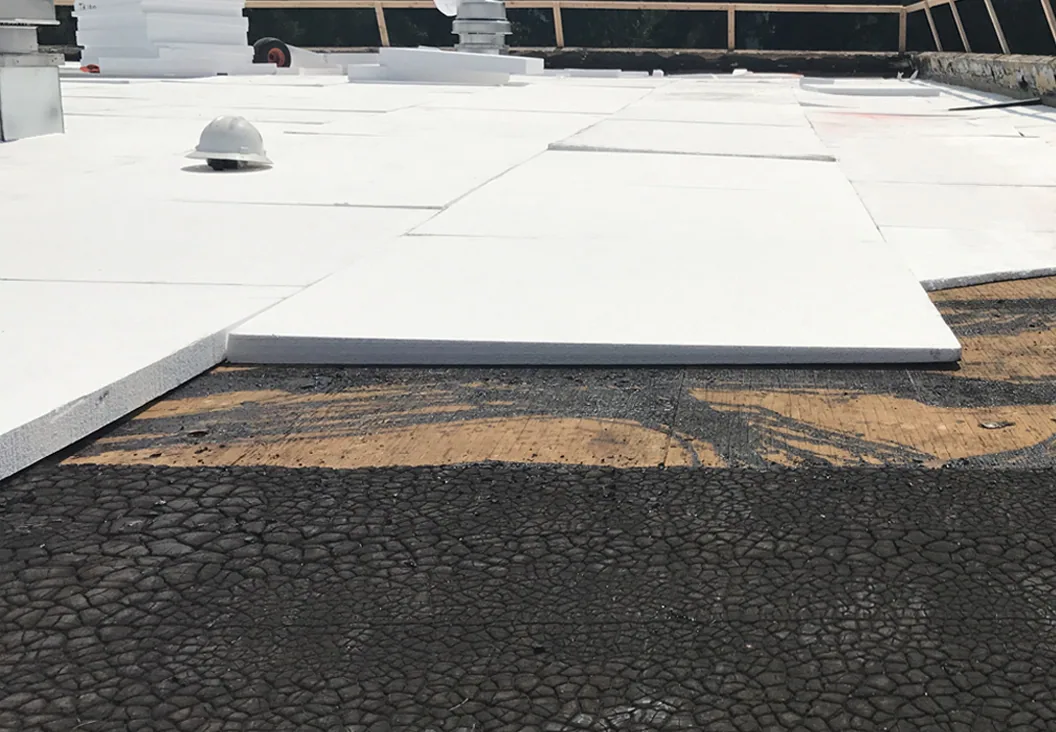
A roof surface can hide water in insulation or cover board. We follow the likely path from the interior stain to the roof field, inspect penetrations and seams, and look for changes in slope or drainage around the affected area. A wet layer may reach past the visible opening. We compare the test area with sound material before drawing the repair line. When hidden conditions could change what stays or comes out, we explain a moisture survey or test opening before requesting approval.
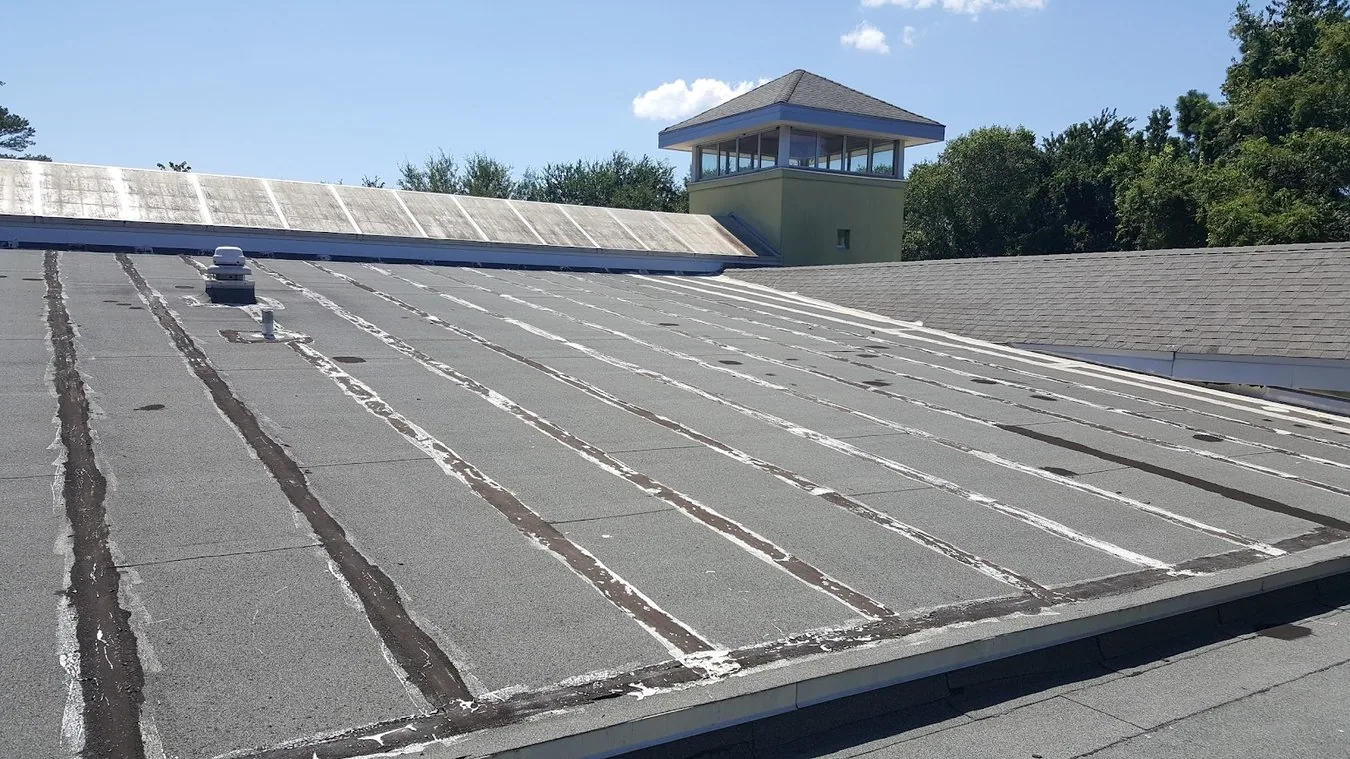
A visit near historic church buildings or an active work area starts with careful access and surface review. We identify the installed material before deciding how to repair it. We identify whether the assembly is membrane, metal, built-up roofing, or another system through records and physical inspection. A roof insulation and cover-board review can clarify whether saturated material should be removed. The repair boundary includes only the layers supported by findings. That keeps a surface correction from covering wet material that can continue to affect the interior.
Match work to the evidence
A seam repair can remain localized when the surrounding membrane is dry and stable. We prepare a clean edge, match the installed roof, and tie the new section into material that can hold the repair. If moisture reaches deck or insulation, the scope must account for that layer. An owner sees which material will be removed and how the roof is closed before choosing the work window. We photograph adjacent details so a later visit can compare the same area.
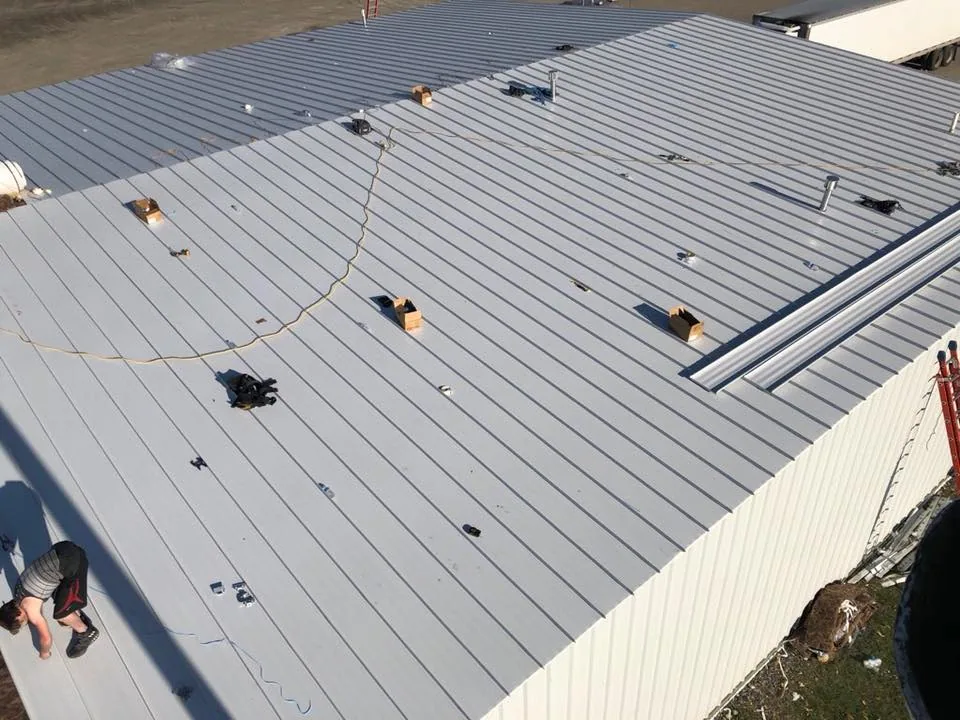
When repeated failures cross several sections, repair, recover, and replacement have different implications. Recovery depends on existing layers, drainage, structural condition, and permit review. Replacement brings more removal but allows inspection of the exposed deck. We compare removal limits, dry-in steps, and access impacts before setting the recommendation. A built-up roof system needs a different treatment than a membrane or metal roof. The scope identifies the material and states how the new work meets the roof that remains. A recover can also raise a permit question. Recovery work can trigger a code check. State adoption still treats the 2018 building, existing-building, and energy codes as current during transition to its next series. We verify the local permit standard before specifying additional layers. A dry-in plan also accounts for the next forecast window and keeps removed material from becoming an overnight opening.
Respect each connection
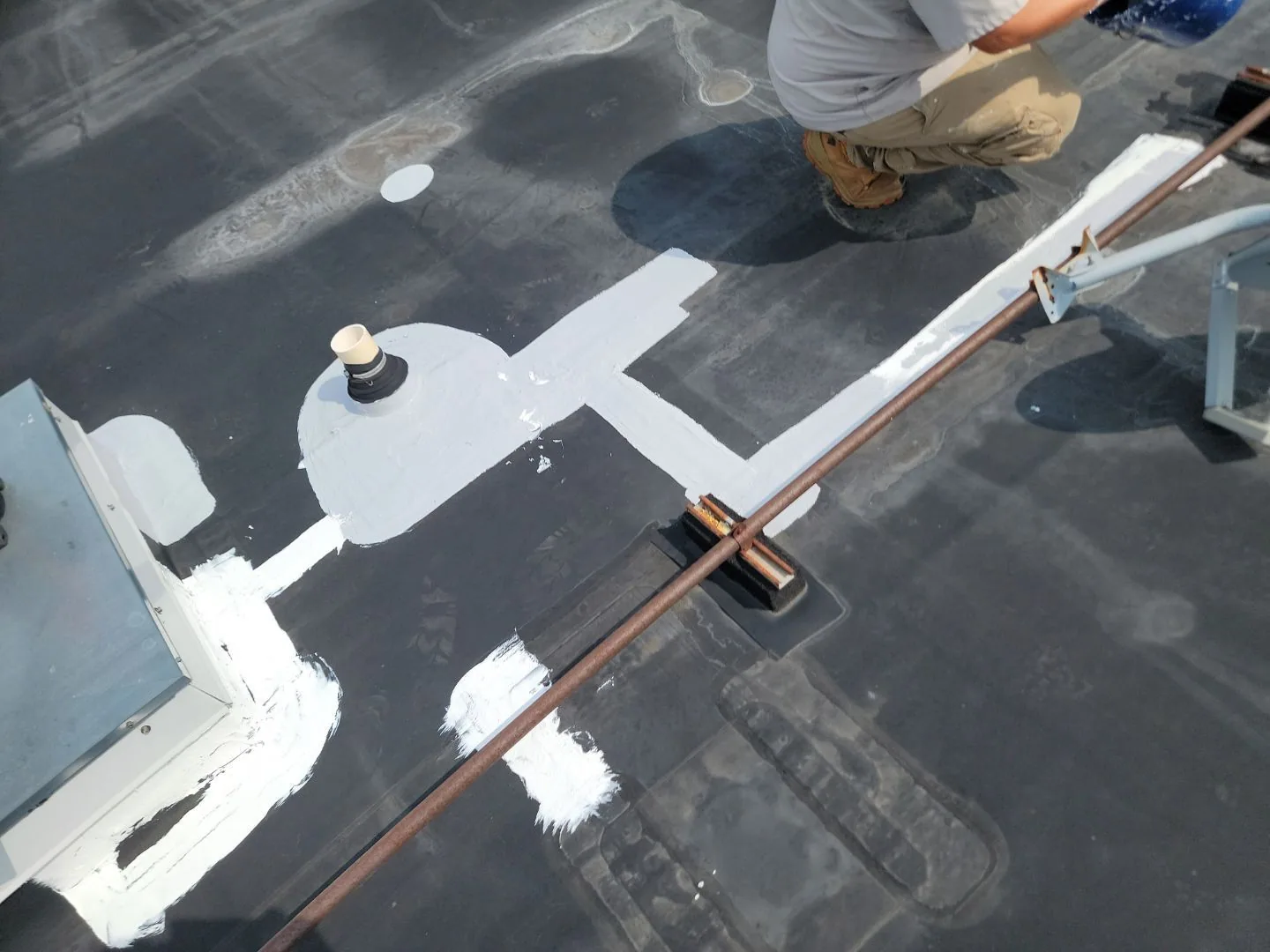
Water commonly enters at a transition rather than the middle of an intact field. We inspect how the roof turns at walls, drains, equipment curbs, and perimeter edges. A failed seal at one corner may send water beneath a larger area. We check the connection before coating or covering a surface. A coating may restore a suitable roof, but it cannot dry insulation or rebuild a loose flashing detail. The owner sees which repair closes the entry and which condition remains for later work.
For a roof over a public-facing room, an interior finish can make early protection important. A manufacturing use may require a separate equipment-clearance plan. Those choices affect setup and timing more than the town name. If the owner needs a record to plan capital work, a roof condition report can organize photographs, defects, and recommended priorities. It should distinguish active leaks from serviceable areas and identify any spot where a test would change the scope. We keep each recommendation tied to an observed detail.
Bring the right site details
Tell us which room or work area is affected, when the water appeared, and whether the symptom followed rain. Share the roof hatch or ladder location, any equipment that restricts the route, and previous patch notes. If a public-facing room or entrance must remain open, note the hours and required path. A roof plan can help locate the report, but we confirm material and moisture in person before proposing removal.
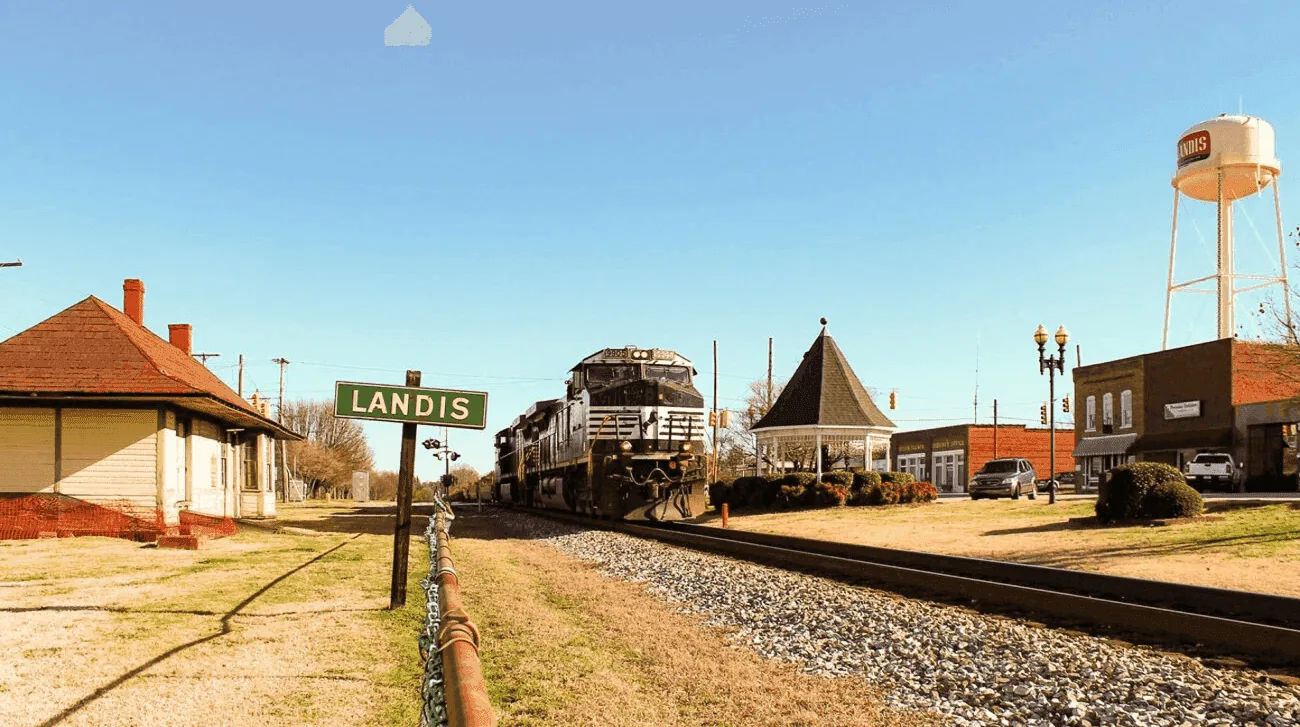
Owners managing nearby properties may also schedule separate work in Landis, Spencer, or Salisbury. Each roof gets its own inspection and scope. When water is still coming inside, call with the affected room and current conditions. We can discuss an appropriate response and whether temporary protection is feasible. We document the area secured and the permanent step still needed. That handoff gives the building contact a clear record to use after the service visit.
Commercial Roofing Questions
Does a historic or public-facing use determine the roof material?
No. The use gives us occupancy questions, not a roof specification. We inspect the installed membrane, metal, or built-up assembly and review records before selecting a compatible repair.
Can a leak repair protect a room that stays open to the public?
We can coordinate a clear path, interior cover, and roof access around the operating schedule. The affected room and work area determine whether staging can remain outside public movement.
How do you find wet insulation below a dry-looking membrane?
We compare the interior report with the roof details and use moisture screening or a test opening when hidden conditions could change what stays. The owner approves the next step before layers are removed.
When is a roof coating a reasonable option?
A coating may suit a serviceable surface with a dry, stable assembly. Failed seams, loose flashing, wet insulation, or deck damage need correction before a restoration layer is considered.
What should Rockwell owners include in a repair request?
Include the affected space, leak timing, access instructions, roof material records, and any hours when people or production must continue. We use those details to plan a focused inspection.
Protect the space below
Describe the room or operation affected, its schedule, and the roof access route. We will inspect the connected detail and set a repair scope from the conditions found.