Home / Service Areas / Mooresville
Commercial Roofing in Mooresville, NC
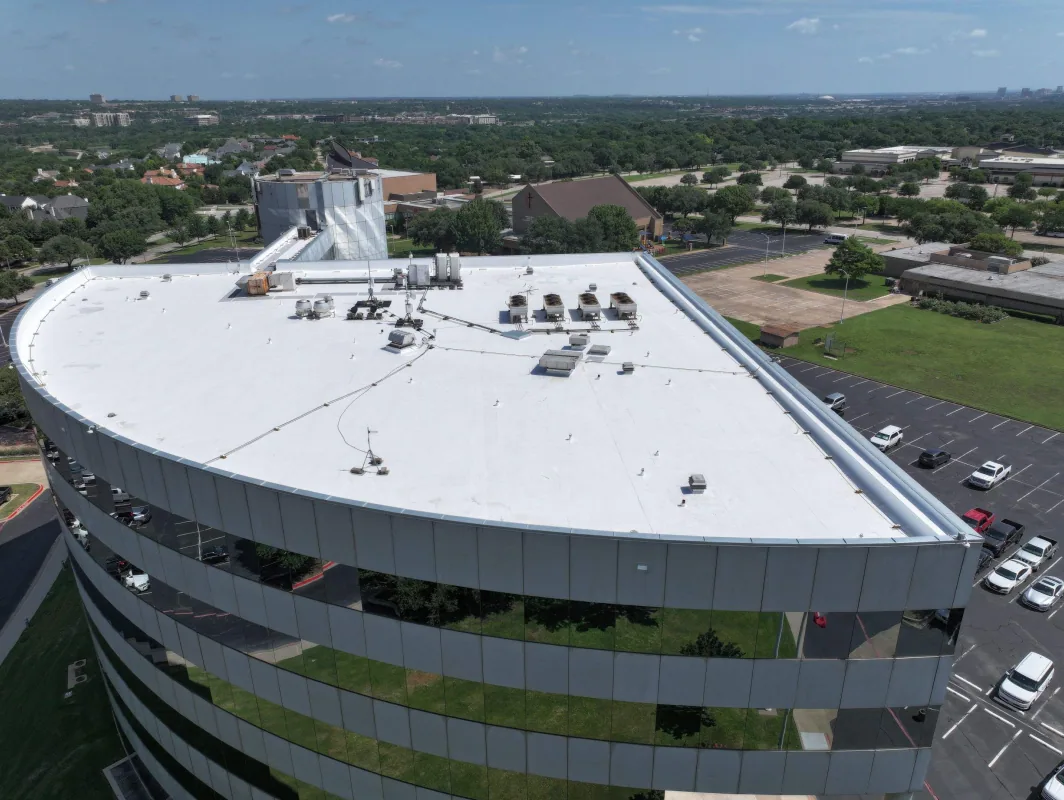
Commercial roofing in Mooresville, NC begins with the roof assembly, the space below it, and the access or equipment constraints that shape the work.
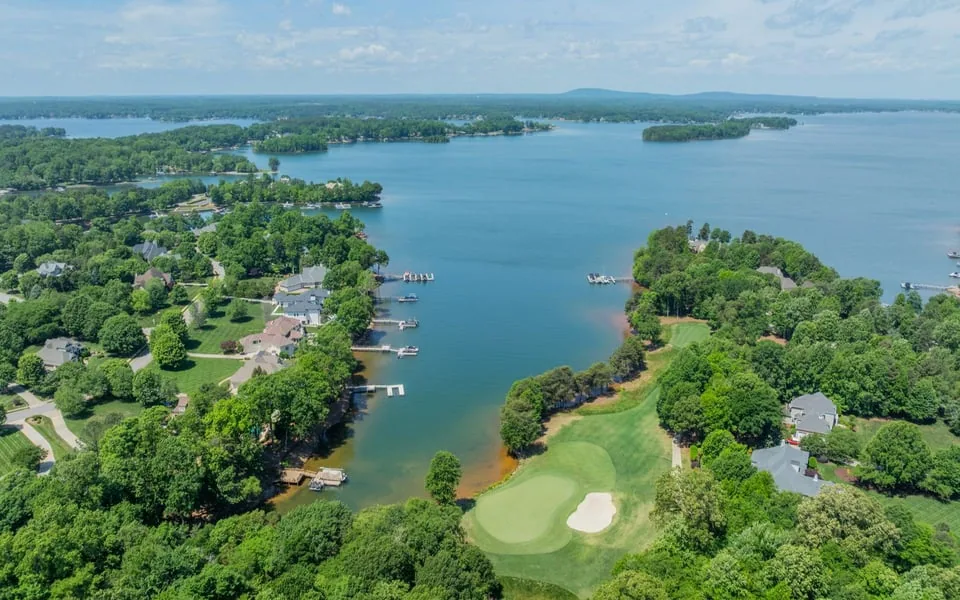
A repair over a service bay has to leave room for the work happening underneath. In Mooresville, NC, we first find the affected roof area, plan safe access, and learn which operation depends on the space below. The town has NASCAR racing teams and racing-technology suppliers, plus technical and community-college activity. We inspect that roof before recommending a patch, recover, or replacement.
I-77 serves the western side of Mooresville, while NC 150 connects with Exit 36. Those routes can help coordinate equipment and crew arrival; we still confirm the property's actual entrance and roof access. We handle commercial leak repair, inspections, coatings, maintenance, replacement, and recovery on low-slope and metal systems. The first useful step is a roof inspection that records the condition, not a broad assumption based on the building's use.
Read the roof in sections
We inspect the field, seams, flashings, edges, drains, and equipment curbs as connected parts of one assembly. A leak near a vehicle bay or occupied workroom may enter at a curb or wall transition, then travel before it reaches the ceiling. We compare the indoor mark with the roof above and check for moisture around the suspected detail. The documented repair limit follows the conditions we can verify.
At a facility supporting racing or technical work, equipment clearances and work windows may shape access. The owner's representative identifies the operations that cannot pause, and we mark a roof route that avoids fragile surfaces and unnecessary crossings. If a drain, exhaust, or HVAC unit sits near the repair, we leave room to inspect the flashing and close the tie-in. A drone roof review can help map a large or obstructed surface; hands-on confirmation remains necessary where the repair depends on material condition.
Separate a patch from a project
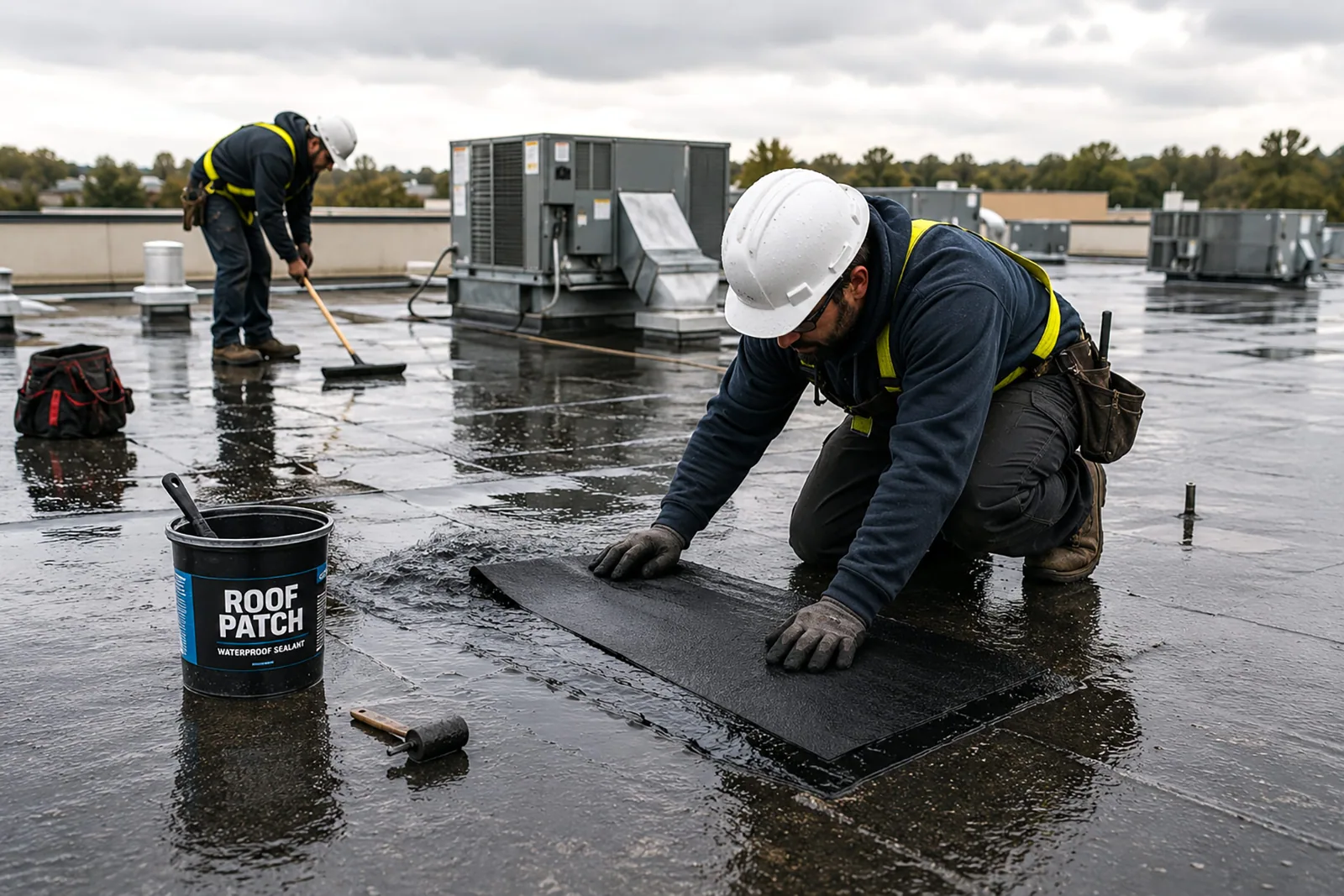
A failed seam, puncture, or loose flashing does not automatically require replacement. We check whether the surrounding membrane and insulation are sound, whether prior repairs overlap, and whether water has reached the deck. If the failure is localized, a compatible repair may restore the detail. If the assembly shows repeated openings or widespread wet material, we define the extent before recommending a larger scope.
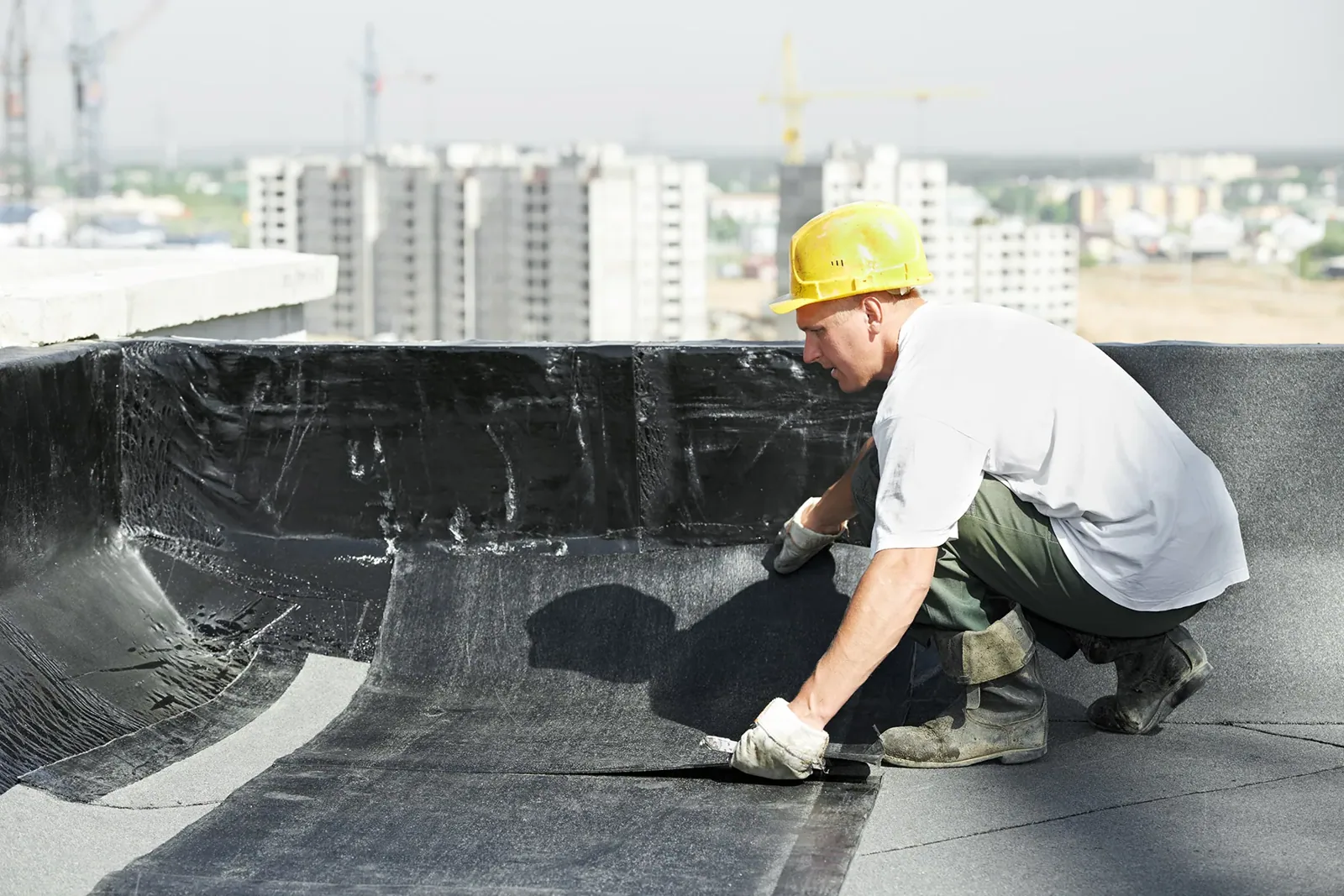
Where removal is needed, we document what must come out and what can remain. A recover may work when the existing layers, drainage, and code path support it. Replacement allows a new assembly and insulation plan but introduces tear-off, deck review, and weather-protection stages. Owners can compare a repair plan with a replacement scope after the inspection. We explain the change in cost and timing qualitatively, based on access, removal, material, edge work, and the number of details that require rebuilding.
Give drainage its own check
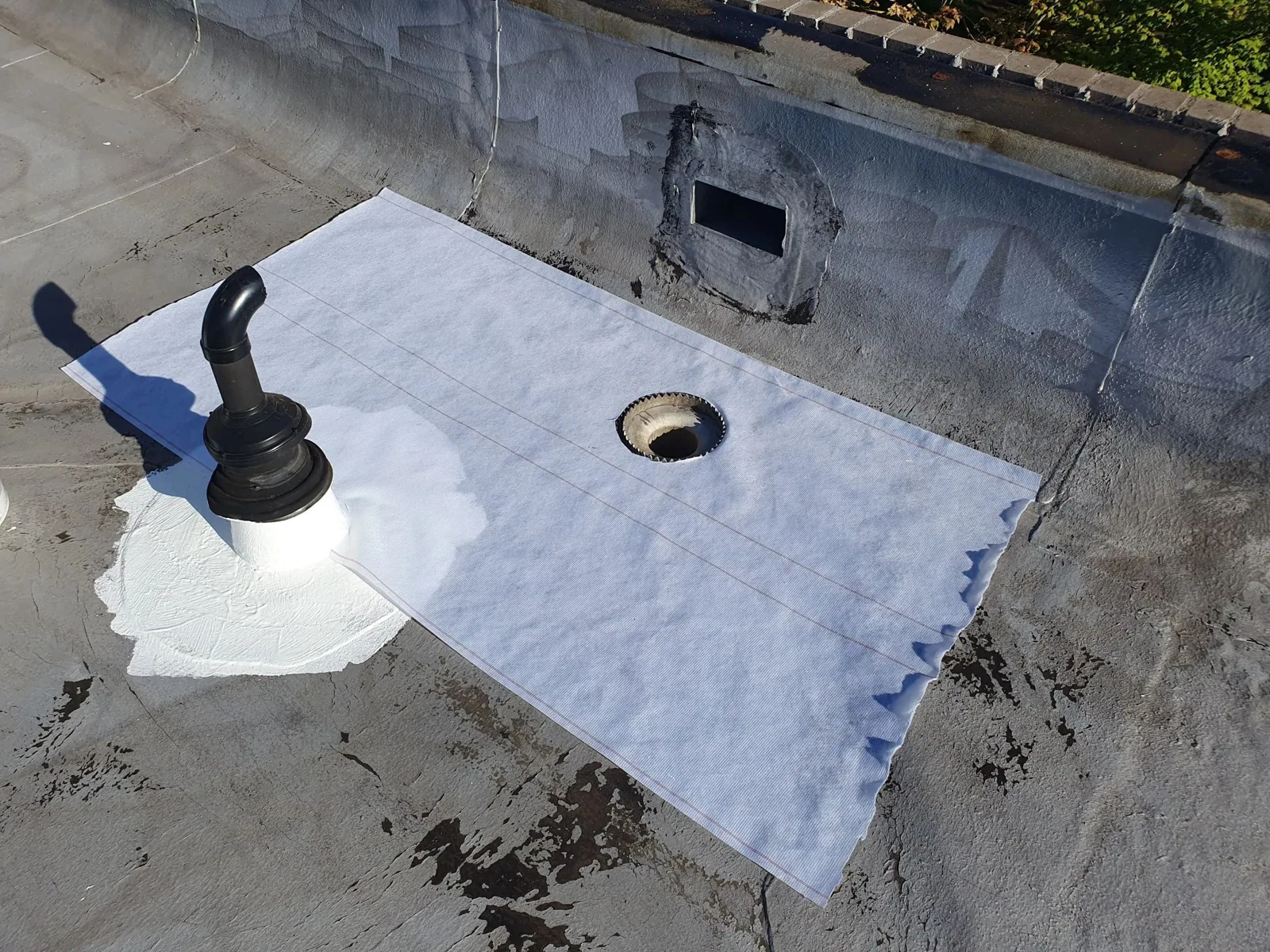
Water that stays near an outlet can prolong exposure at seams and penetrations. We look at the drain bowl, strainer, surrounding membrane, slope, and route water takes toward the outlet. A blocked path, loose drain connection, or low spot can call for different work. We write the correction so the owner can see what is changing.
NC 150 reaches Exit 36 on the western side of Mooresville, and I-77 serves that side of town. Those transportation facts help place commercial visits; the drainage diagnosis happens on the roof itself. We inspect after conditions allow safe access and note whether water is still present. If a scupper or drain needs repair, we tie the work into sound membrane and verify the adjoining flashing. A focused drain and scupper correction may be paired with scheduled roof maintenance when the owner wants recurring checks of outlets and seams.
Protect the work below
Commercial properties around Mooresville can include active service, office, retail, and institutional uses. Before scheduling, we ask about shift changes, customer entrances, vehicle movement, and equipment that requires access. Inside, we identify rooms or stored items that need covering. Above, we agree on material staging and a route that avoids fragile areas. These details keep the work connected to the operation without expanding the scope beyond the roof condition.
For phased work, we identify what closes at the end of each day and which roof sections stay weather-tight. If a building remains open, the owner can coordinate occupant notice and access control around those boundaries. A reroofing sequence for an occupied property may separate noisy removal from quieter inspection where the assembly allows. We record temporary protection, tie-ins, and the next step so facilities staff know what has been secured and what still needs permanent correction.
Use a compatible tie-in
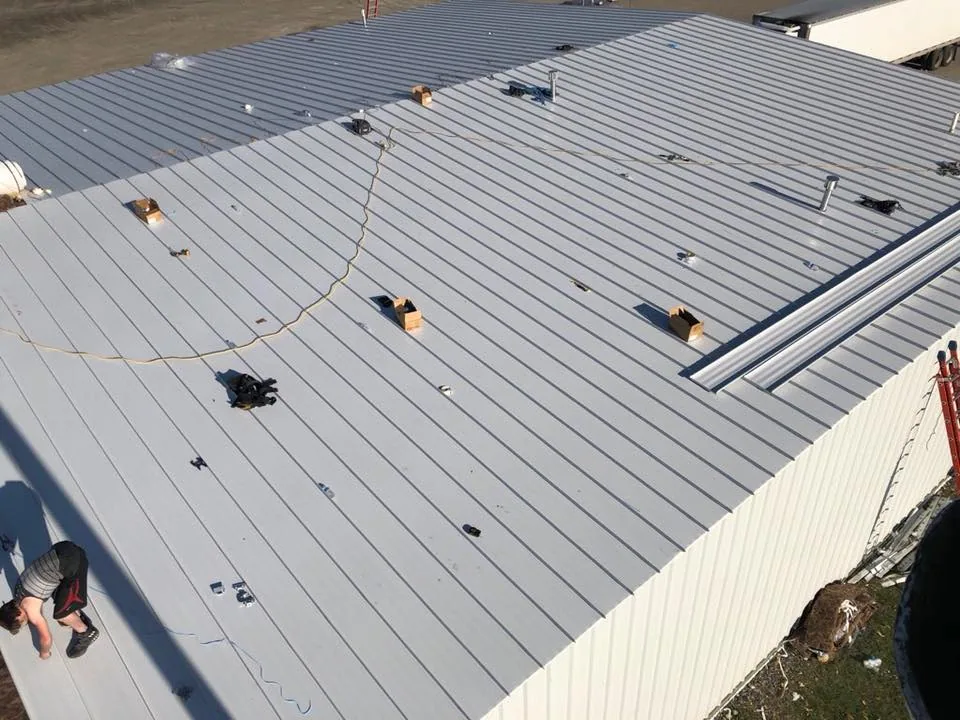
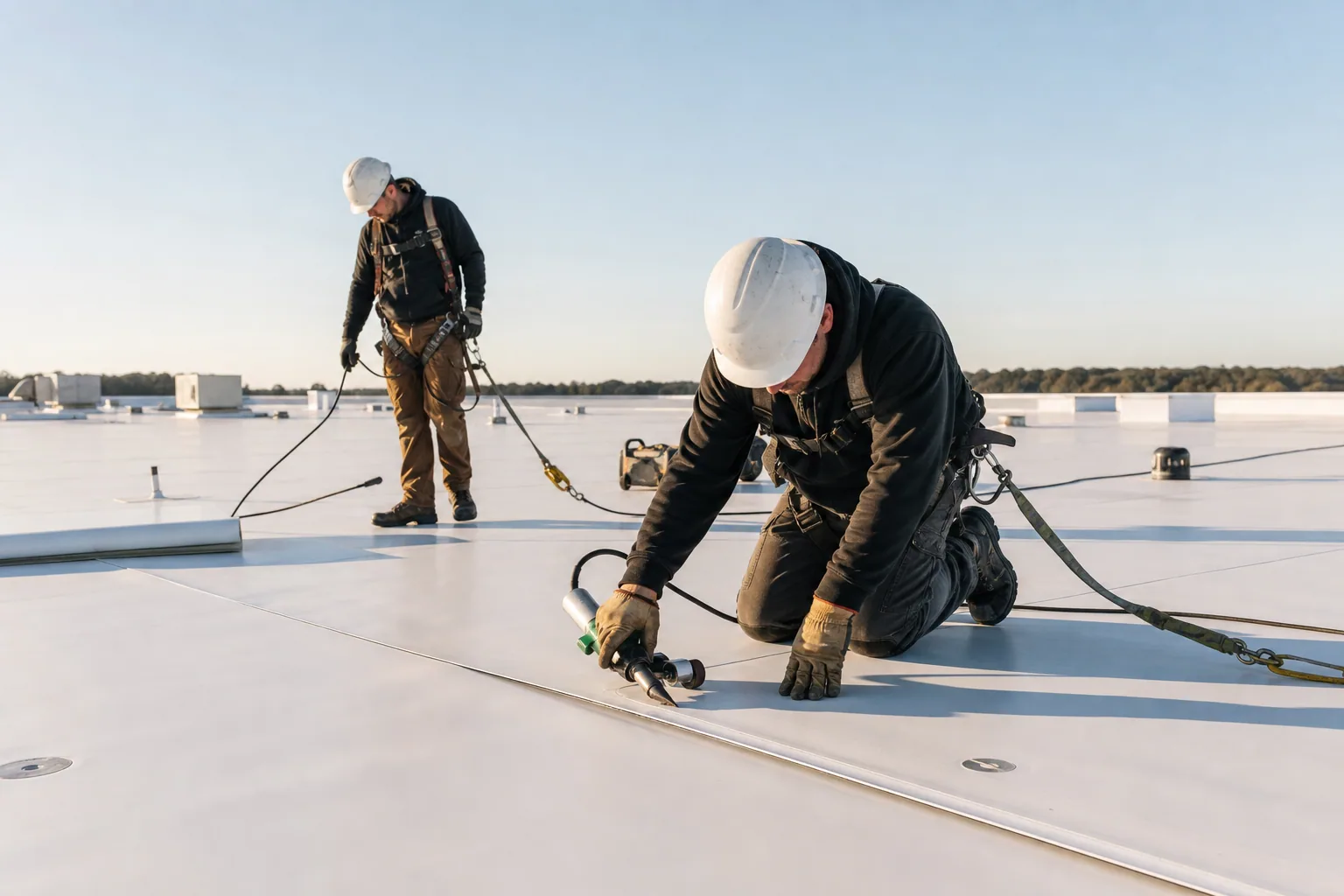
TPO, PVC, EPDM, modified bitumen, built-up roofing, standing-seam metal, and coating systems each require a compatible repair method. We identify the installed material before preparing a patch, seam, or flashing. Heat-welded membrane cannot be treated like a liquid coating, and a coating cannot bridge wet insulation or a moving joint. If earlier repairs used different materials, we check where they meet and whether the transition remains secure.
For a serviceable surface, a coating restoration may be evaluated alongside targeted repair. On a membrane roof, the correct TPO detail depends on clean material, a sound lap, and conditions suitable for welding. We can use infrared scanning to identify areas for closer review, then confirm concealed conditions where needed. Material selection, preparation, and weather window affect the visit plan. We describe those dependencies before the owner approves the work.
Build the schedule around access
Roof size, access, weather, removal, and equipment clearance all affect the schedule. A small repair at a curb can fit a different window than a replacement that crosses drains and edges. If the building runs shifts or has vehicle movement below, the crew sequence should avoid creating a conflict at an entrance or service lane.
Permitting can change the path for replacement or recovery. North Carolina still lists its 2018 building, existing-building, and energy rules as governing while it moves toward a newer code series. The owner may request use of the 2024 edition as an alternate method before the transition takes effect. We confirm the edition with the permitting authority rather than carrying an assumption from a prior project. A written condition report can separate urgent corrections from a longer capital decision.
Bring the right records
Before the visit, share the roof plan if one is available, the room where water appeared, and any earlier repair notes. Let us know how to reach the hatch or ladder, which equipment needs clearance, and what time the space below is busiest. We will identify what is confirmed and whether an opening or moisture test is needed to check concealed layers.
If water is still entering, call for emergency service and tell us the location inside, safe access, and immediate operating impact. We can arrange temporary protection, then set permanent work when the surface and weather permit. For planned work, the condition record should describe each area, material, and observed failure without implying that unseen sections were inspected. Owners can coordinate from Mooresville toward Concord or review commercial roofing in Davidson and commercial roofing in Kannapolis as neighboring market contexts. Each roof still needs its own visit.
Commercial Roofing Questions
Does racing or manufacturing use determine the roof repair?
No. The building's operation can shape access and timing, but we identify the roof material, failure, moisture extent, and adjacent details before selecting work.
Can a drone inspection confirm wet insulation?
A drone can map surface conditions and access constraints. When concealed moisture affects the scope, we use appropriate testing or a confirmation opening.
What makes a localized repair appropriate?
The surrounding membrane and insulation must support a durable tie-in, and the failure should have a defined boundary. We inspect those conditions before recommending a patch.
How do you keep an occupied facility weather-tight overnight?
We plan work limits so exposed areas can be closed or temporarily protected at the end of a shift. The sequence changes with weather, material, and roof condition.
What should we share before a Mooresville site visit?
Provide the affected room, repair history, roof access, equipment restrictions, and the building's busy periods. A roof plan helps us focus the inspection.
Plan a roof assessment
Tell us which area is affected, what work happens below, and how roof access is arranged. We will inspect the related assembly and set a practical scope.