Home / Property Types We Roof / Commercial Aircraft Hangar Roofing
Commercial Aircraft Hangar Roofing in Concord, NC
Assess aircraft hangar roofing around Concord with aircraft access and maintenance space understood. We examine water entry and define the roof correction.
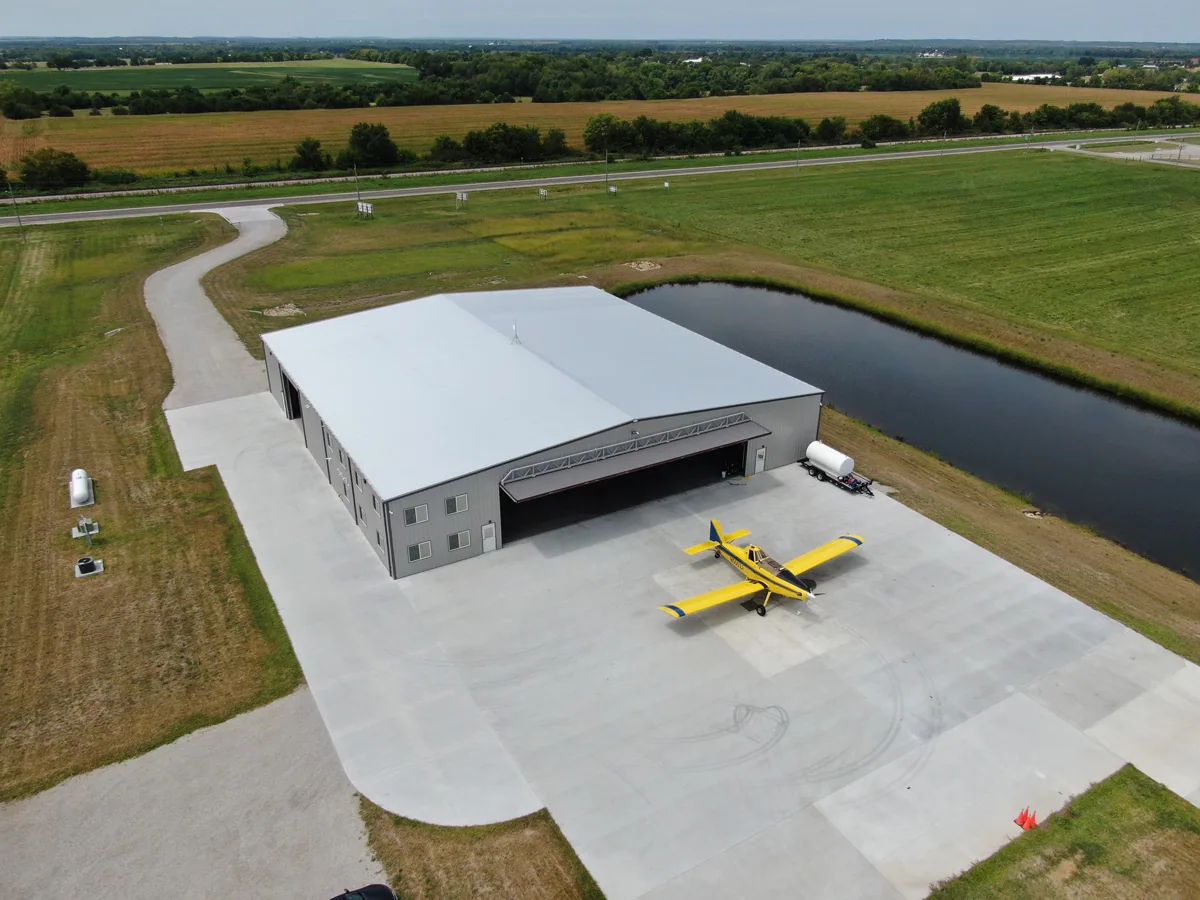
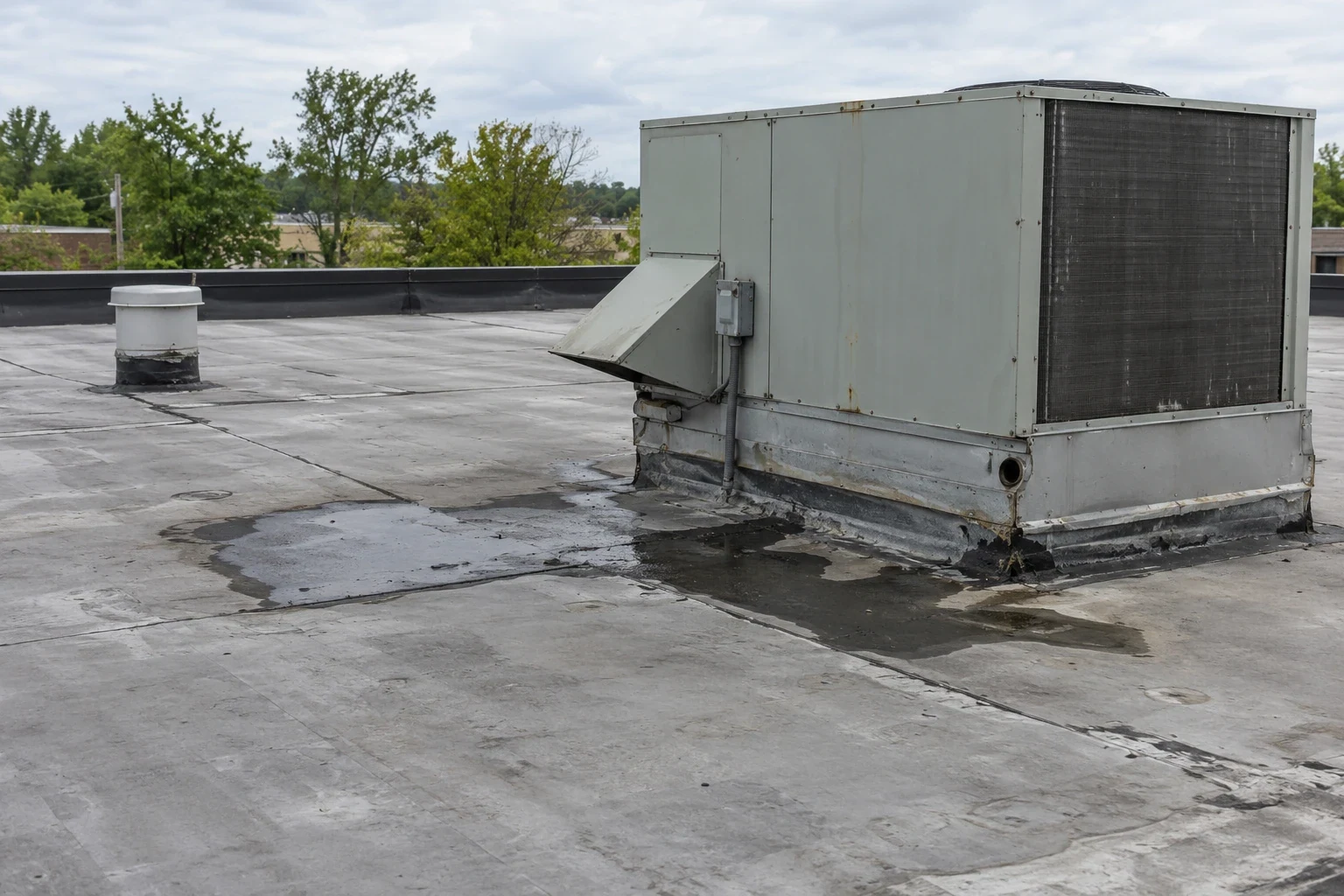
Water above an aircraft maintenance position changes how that space can be used. The roof task needs a boundary understood by the aviation operator. We assess aircraft hangar and aviation building roofing around Concord, NC. The responsible participant identifies affected aircraft, equipment and access requirements. We examine the installed covering and relevant details before selecting correction. Indoor water can travel from an opening elsewhere in the assembly. The resulting scope should explain the connection needing work and the access required to reconstruct it.
Regional aviation activity includes the 145th Airlift Wing at Charlotte Douglas International Airport. The wing transitioned to C-17 aircraft in 2018. Army National Guard helicopter-rescue training took place in Salisbury in March 2022. Kannapolis also has interstate connections useful to regional road access. We review the actual approach needed for the roofing visit. The operator's particular property still needs a roof examination. A hangar water-entry investigation considers the reported position and physical assembly. Aircraft and maintenance arrangements remain with the responsible operator, informed by the proposed roofing task.
Set the aircraft and maintenance-space arrangement first
The operator should identify what lies beneath the proposed examination area. Aircraft, tools or maintenance equipment may need another arrangement. We explain any exposure and material handling required for the roof task. The operator establishes its aviation procedures and necessary clearance. Safe observations can help locate the symptom without disturbing unsuitable areas. Interior access needs an agreed arrangement before examination. A temporary protective measure should be distinguished from completed permanent reconstruction. The proposed boundary needs to fit the actual roof method.
A roof opening above a maintenance position needs a usable arrangement for the space below. Vehicle service roofing considers equipment clearance before reconstructing an obstructed detail. At the hangar, the aviation operator establishes aircraft and maintenance clearance for the specific opening proposed. We explain how removal or selected exposure affects that boundary. Warehouse material handling also requires a defined route for roofing deliveries and removed assembly. Here, that route must be coordinated with the operator's aviation movement requirements. We identify the handling task early enough for the operator to establish the agreed arrangement before work begins.
Examine panel joints and their retained support
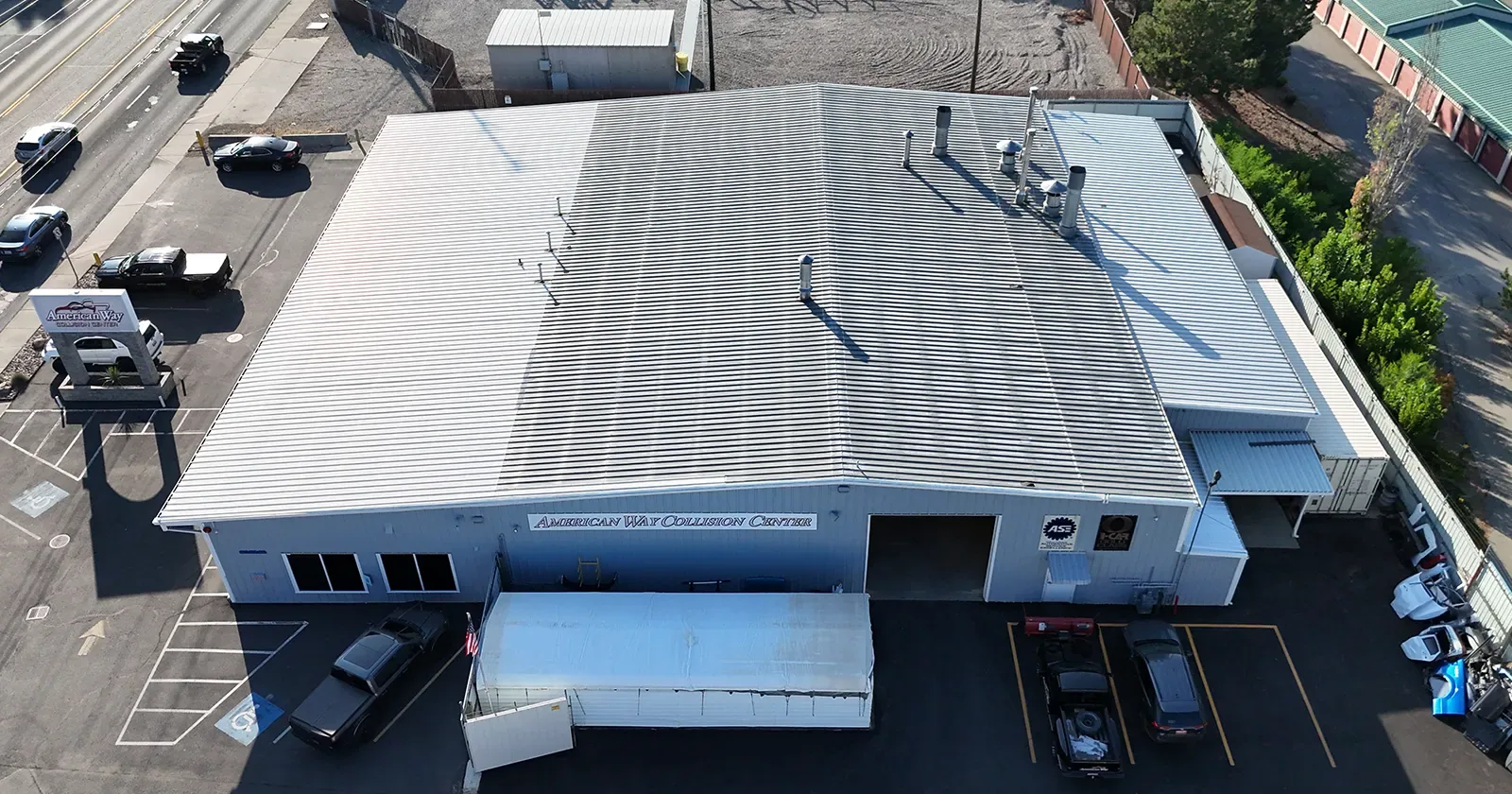
A metal assembly can admit water through several different details. Panel seams, fasteners and terminations need examination where that covering is installed. Movement or damaged supporting material can affect the corrective task. We assess the accessible connection and suitable neighboring boundary. Sealant at a visible joint may have different limits from reconstructing its attachment or flashing. The proposal should explain which physical task is needed. It should not substitute a finish application for unresolved support or movement conditions.
Standing seam roof assessment can consider panel relationships and appropriate detail reconstruction. The actual building may instead have another covering. We establish that assembly before proposing materials. Wet layers or damaged backing can enlarge necessary removal beneath either surface. Selected exposure needs appropriate protection and repair afterward. The operator should understand why the task reaches beyond the first visible opening. Suitable retained material is necessary for a permanent connection. The installed roof condition governs repair extent, not the building's aviation use alone.
Check the roof-to-wall and service connections
Changes in roof level and adjoining walls can create another water path. We examine accessible transitions, terminations and nearby covering. An upper surface may direct runoff toward a lower junction. Failed flashing can permit entry away from the indoor symptom. Wall material may require another participant's reconstruction where the defect extends beyond roofing. The scope should identify that dependency. A new roof finish against unsuitable backing would leave the important connection incomplete. The proposal needs to reach the actual boundary involved.
Service lines and rooftop equipment introduce additional openings. Their supports and movement should suit the roof details. We examine available clearance at the termination requiring correction. The appropriate service participant may need to move or disconnect a component. Aviation building equipment interface work can define the roofing side. The operator establishes any related service arrangement. Later alterations need compatible reconstruction where they disturb the covering. Those interfaces deserve coordination before new openings are made, not simply a finish applied around installed obstructions.
Follow overflow beside the building approach
Collector or gutter water can affect the approach without coming through the main roof surface. We inspect accessible joints, outlets and supporting material. Debris clearance and connection reconstruction address different defects. Persistent low areas may require slope or assembly changes. A restricted discharge pipe may need examination by a separate professional. We identify that review where roof work alone cannot address the water route. An unobstructed strainer does not establish that every downstream connection is suitable. We examine the route associated with the reported overflow and identify useful further review.
The Charlotte area has documented severe weather, including a 57 mph airport gust during Hurricane Helene in September 2024. That regional observation does not assign damage to this hangar. We assess current edge and covering condition when exposure is a concern. Hangar roof edge evaluation can identify loose or failed perimeter connections. The operator should report affected approaches and any visible change observed safely. The corrective boundary follows the property findings. Continuing outlet access remains necessary after the immediate reconstruction task is completed.
Coordinate ground handling with the aviation operator
Roof deliveries and lifting need a defined ground arrangement. The operator establishes the aviation access and movement conditions at the property. We explain staging, removal and the intended roofing method. Nearby approaches may need a different arrangement during the work window. Required building exits need appropriate consideration. Weather or concealed damage can alter the protectable roof area. The operator should understand those dependencies before the sequence is fixed. The handling position must remain suitable as the roof task advances.
For regional work around Salisbury, the actual building approach governs those decisions. We discuss where materials can be handled and which service participants need access. Wider deterioration can justify broader roof renewal. Its scope should identify necessary removal, retained layers and detail changes. Completion information should distinguish reconstructed areas from remaining equipment tasks. Future service activity needs to preserve the roof connections. A new water report should identify its position and timing for focused examination. The finished task should remain understandable to the operator managing later building activity.
Commercial Roofing Questions
Who establishes aircraft clearance during a hangar roof visit?
The responsible aviation operator identifies its aircraft, equipment and operating requirements. We explain the proposed roof examination and handling boundary. Some positions may need another arrangement while access is provided. Weather or concealed findings can change the roofing area suitable for work. The agreed sequence should connect the operator's requirements with an achievable roof task.
Can an interior water position identify a failed panel seam directly?
Water may follow concealed layers before appearing above the maintenance floor. We compare the report with accessible seams, flashings and adjoining connections. Another building system can also require assessment. The permanent correction should address the established physical defect. A room or aircraft position helps direct examination without proving the exterior opening lies immediately overhead.
What should be checked before repairing a metal hangar roof connection?
Assess the panel arrangement, neighboring material and supporting condition. Movement or damaged backing can change the necessary reconstruction. We identify the useful retained boundary and any selected exposure needed. The proposed task should explain its preparation and detail work. A finish at the visible joint has different limits from correcting an unsuitable attachment or concealed flashing.
How should a roofing plan handle ground access at an aviation property?
Discuss staging, lifting and removed material with the aviation operator before delivery. We describe the proposed method and physical work zone. The operator establishes its access and movement arrangement. Weather or changed roof findings may require coordination of another window. The plan should remain workable for both reconstruction and the agreed ground conditions as work proceeds.
Review the aviation building roof boundary
Arrange a Concord-area hangar roof assessment. Identify the affected maintenance position, aviation operator and available roof access so we can examine the connection.